

Heavy rain in Detroit can flood a basement in minutes if your sump pump fails to activate. Regular care is the only way to ensure your pump handles the next storm surge. This guide shows you how to keep your system running.
sump pump maintenance metro detroit is vital for homeowners who want to keep their basements dry during heavy Michigan storms and the sudden spring snowmelt. Effective upkeep requires a yearly expert check of the float switch, inlet screen, and discharge line to stop issues from local clay soil and heavy debris. You must also test your battery backup system every month and ensure your outer pipes can handle the harsh freeze and thaw cycles in the area. These vital steps help your pump last for its full ten year life and allow the expert team at Mr. Pipey to keep your house dry. Routine care prevents the high costs of water damage and gives you peace of mind when the next big storm hits your Detroit neighborhood.
Many homeowners ignore their basement pumps until a major storm causes a flood. Understanding the unique factors that affect sump pumps in Detroit-area homes is the first step toward a dry and secure house. Read on to learn how to protect your home from costly water damage.
Do not wait until the next storm to check your system. Call Mr. Pipey at (313) 900-0700 to schedule professional sump pump maintenance and protect your home from flooding.
Sump Pump Maintenance Metro Detroit: Why Sump Pump Maintenance Matters for Metro Detroit Homes
A sump pump is the first line of defense for your basement. In Metro Detroit, these pumps work much harder than in other areas. Our local climate and soil create unique risks for homes. Without routine care, a small pump failure can lead to big water damage. This is why regular checks are vital for your home’s safety.
The Impact of Detroit’s Clay Soil
Southeast Michigan has clay-heavy soil that does not drain well. This soil can clog your sump pump inlets and slow down the flow of water. Over time, debris from the clay can get into the pump pit and jam the float switch. If the switch stays stuck, your pump will not turn on when you need it most. Keeping the pit clean is a key part of sump pump maintenance in our area.
Debris can also build up in your discharge lines. This buildup forces the pump to work harder to push water away from your house. This extra strain can shorten the life of the pump motor. Many Detroit-area pump problems come from stuck float switches and clogged impellers. Regular cleaning helps prevent these issues before the next rain hits.
Freeze-Thaw Cycles and Discharge Lines
Michigan winters bring tough freeze-thaw cycles that can damage your pipes. If water stays in your exterior discharge lines, it can freeze and create an ice block. A frozen line stops your pump from moving water out of the basement. This leads to a backup that can flood your floor in hours. It is vital to check that your lines slope away from the house so water can drain fully.
Homeowners must winterize their systems to avoid these winter failures. Wrapping exposed pipes or using freeze-proof lines can help. You should also clear out any leaves or dirt from the end of the line before the first freeze. Taking these steps helps prevent water in your basement after heavy rain or rapid snowmelt.
Power Outages and Storm Risks
Severe storms in Metro Detroit often knock out the power. This usually happens right when your sump pump needs to work the most. Heavy rain can fill a basement pit in minutes if the pump stays off. This is why a battery backup system is a must for local homes. A backup pump will keep your basement dry even when the grid goes down during a storm.
A reliable backup gives you peace of mind during a blackout. It acts as a second layer of safety if your main pump fails. You should test your backup system once a month to ensure the battery is still strong. These systems are your last guard against flood damage when the lights go out.
Older Homes and Aging Pits
Many homes in Detroit and Wayne County were built before 1950. These older houses often have small or undersized sump pits. A small pit fills up fast, which makes the pump turn on more often. This frequent cycling wears out the motor and the switch much sooner than a larger pit would. Older homes need more frequent care to keep these aging systems running.
Professional plumbing checks can find weak spots in your old pipes before they burst. Maintaining these older systems is the best way to avoid a wet basement and the mold that comes with it. Expert help ensures your aging home stays dry and safe for years to come.
Annual Sump Pump Inspection Checklist
Living in Metro Detroit means your home deals with heavy rain and clay soil. These things put a lot of stress on your pipes. Steady sump pump maintenance metro detroit helps you avoid flooded floors and high repair costs. You should check your pump every year to keep it in good shape.
Testing the Float Switch
The float switch is what tells your pump to turn on. If it gets stuck, your pump will not run when the pit fills with water. You can test this by pouring a bucket of water into the pit. The pump should start, drain the water, and then shut off on its own.
Checking the Drain Line
Make sure your drain line is clear of leaves and mud. You can use this sump pump discharge diagram to see how water should flow away from your home. A clear line makes sure that water does not pump right back into your house base.
- Test the float switch. Pour a bucket of water into the pit to make sure the pump starts and stops. This check keeps your basement dry during heavy storms.
- Clean the pump screen. Remove any dirt or rocks from the screen at the bottom of the pump. This stops clogs that can damage the inside of your pump.
- Check the drain line. Check the pipe to make sure water can move freely. Look for any blocks or ice that might stop the flow of water.
- Check the power wires. Look for any worn or loose wires on the pump and backup system. Make sure everything is plugged in and the safety switch is on.
- Test the backup system. If your power goes out during a Detroit storm, you need a backup pump. Test the system each month and buy a new battery every three to five years.
- Clear the outdoor pipe. Check the pipe outside to make sure ice or snow does not block it. Winter prep helps you avoid frozen pipes that can cause your pump to fail.
- Book an expert check. A pro check-up once a year is the best way to find hidden bugs. A plumber will check the valves and pit to keep your home safe.
Checking Your Pipe and Power
Your drain pipe needs to move water far away from your house. If the pipe is blocked, water can seep back into your basement. You should also check your power source. Power cuts are common during local storms, so a working battery backup is key for Detroit people.
Warning Signs Your Sump Pump Needs Repair
A failing sump pump often gives clues before it quits. You should watch for changes in how the unit looks and sounds. Catching these issues early saves your home from big water damage. If you see any of these signs, it is time for expert sump pump maintenance metro detroit homeowners trust.
Strange Noises and Bad Smells
New sounds are a common sign of pump trouble. You might hear grinding, rattling, or thumping during a storm. These noises often mean the motor has a worn part or a bent fan blade. A quiet pump is a healthy pump. Do not ignore new sounds coming from the pit. If the noise is loud, the pump may be close to failing.
Bad smells can also point to a problem. A musty or sour smell near the pit often means germs are growing in still water. This happens when the pump does not clear the basin all the way. Routine cleaning helps, but a lasting smell may mean you need a repair. Sometimes a dry pit can also let sewer gas into the home, which is a big safety risk.
Improper Pumping Cycles
A pump that runs all the time is under heavy stress. This often happens because of a stuck float switch. In Metro Detroit, clay-heavy groundwater can wash silt into the pit. This dirt often clogs the switch and keeps it from moving. Per FEMA safety rules, you should test your pump often to make sure the float works right. A stuck switch can burn out the motor in just a few days.
On the other hand, a pump that turns on and off too fast is also at risk. This is called short cycling. It often happens if the check valve is broken or the pit is too small for the water flow. A bad valve lets water flow back into the pit after the pump stops. This backflow forces the pump to work twice as hard to clear the same water. Over time, this extra work leads to an early motor failure.
Visible Damage and Water Buildup
Look at the pump body for signs of age. Rust or wear can weaken the case over time. If the metal looks flaky or has holes, the unit is near its end. You should also check the discharge pipe for leaks. Cracks in the pipe can let water spray back into the basement. This makes the pump work more than it needs to during heavy rain.
Water on the floor is the most clear sign of failure. If you see water coming up near the drain, your pump is not keeping up. You may also find standing water near your basement floor drain after a fast thaw. This water can damage your walls and floor. These signs mean your system needs fast help from a pro before the next big storm hits.
How to Winterize Your Sump Pump Discharge Line
Michigan winters are tough on your pipes. As the air gets cold, your sump pump discharge line faces a high risk of ice. This is a key part of sump pump maintenance metro detroit owners should know. If water cannot exit the pipe due to ice, it will back up into your home. This often leads to floods in your basement during a mid-winter thaw.
Clear the line and set the slope
Before the first deep freeze, you should clear all trash from the pipe. Small leaves or dirt can trap water and cause ice to form. It is also vital to check the slope of your line. Water must run away from your home with a clear flow. If the pipe is flat or has a low spot, water will sit there and freeze. Michigan winters create cycles that can damage lines if water does not move fast, which is a fact often seen in local homes.
Protect exposed pipes
Any part of the pipe that sits above the ground needs a foam wrap. Cold air hits these spots first. You can use heat tape to keep the pipe warm and the water moving. In some cases, a freeze-proof line or an air gap is the best tool for your home. These tools allow water to escape even if the main end of the pipe is blocked by snow. Keeping your line clear of ice is one of the best ways to stop a pump failure.
- Disconnect any thin hose links. These thin pipes freeze fast and can block the main line. It is better to let water drain near the house than to have it back up inside.
- Clear the exit point of the pipe. Remove any leaves, twigs, or dirt that could hold water. A clean path helps prevent ice from building up inside the line.
- Check the pipe for a good slope. Ensure the entire line runs down and away from your house base. You can use a level to find any low spots where water might pool.
- Add a foam wrap to exposed spots. Use foam sleeves or heat tape to keep the water from turning to ice. This is very helpful for pipes that come out of the house above the frost line.
- Install a freeze-proof relief valve. These tools allow water to spray out near the house if the line in the ground freezes. This keeps the pump running and prevents the motor from burning out.
Taking these steps helps avoid a big mess during the winter. As shown by FEMA, you should check your discharge line often to ensure it is not frozen or clogged. Proper care for your discharge line is a part of your yearly routine. For more help with your setup, view our sump pump discharge diagram to see how a clear line should look.
Battery Backup Sump Pumps: A Must for Detroit Homeowners
A main sump pump needs your home’s power to run. In Metro Detroit, storms often cut power just when you need your pump most. A battery backup gives you a second layer of safety. It starts as soon as your power fails. This keeps your basement dry even when the local grid goes down. This is key for preventing basement flooding after heavy rain in Michigan.
Outage risks in Southeast Michigan
Big storms in Southeast Michigan often lead to power loss. High winds and ice can leave homes without light for hours or days. Without a battery backup, your sump pit will overflow once it fills with water. These sets use a spare battery to run a second pump. This helps you handle the high water and clay soil found in our area. The Federal Emergency Management Agency (FEMA) notes that even a few inches of water can cause thousands of dollars in damage.
Monthly testing and care
You should test your backup system every month to be sure it is ready. Unplug your main pump and pour water into the pit to see if the backup pump starts. Look at the battery ends for any signs of rust or white crust. Clean them with a wire brush to keep a strong link. Good sump pump maintenance in Metro Detroit keeps your home safe during the next big storm. If the pump fails to start, call a pro to check the motor.
Battery life and swap cycles
The batteries in these systems do not last forever. Most units need a new battery every three to five years. Over time, the battery cannot hold a full charge. This means it will not run as long during a real power loss. If your battery is more than four years old, it is time for a new one. Always use batteries made just for sump pumps. These give steady power for a long time. Regular checks help you avoid a dead battery when you need it most.
When to Replace vs. Repair Your Sump Pump
Picking between a quick fix and a new unit is a common part of sump pump maintenance metro detroit home owners must face. A small repair might save you money now, but an old pump can fail when you need it most. You should look at the age of your pump and how often it breaks down before you choose. Our team can help you find the best path to keep your basement dry.
Signs of pump failure
The age of your unit is the first thing to check. Most units have a usual lifespan of about 10 years if you keep up with care. If your pump is near this age, it may be time to get a new one. You might also notice loud noises or a motor that runs but does not move water. These signs show that the parts inside are worn out and ready to fail.
You should also think about how many times you have called for help in the last year. If you need a pro every few months, the costs will add up fast. A new unit stops these constant bills and gives you peace of mind during a big storm. For more on how to set up a new system, see our sump pump installation guide for full details.
Local factors for your home
Metro Detroit has unique issues that affect your sump pump. The clay soil in our area can wash silt into your pit. This dirt clogs the pump and makes it work harder than it should. Many older homes in Wayne County also have small pits that fill up fast during a storm. In these cases, a new, strong pump is often the best choice.
Michigan winters also put a lot of stress on your system. Freeze-thaw cycles can cause pipes to shift or crack over time. If your current pump struggles with snowmelt or heavy spring rains, a repair might not be enough. We often see homes with a past of basement water. A change helps you handle the wet soil and storms we see every year.
Costs for Detroit home owners
Cost is a big factor when you choose between a fix and a new pump. A small repair for a switch or valve often costs between $200 and $600. A new pump can cost from $600 to $3,800. While a new pump costs more upfront, it is much cheaper than the price of a flood. This is why regular care is so vital for your home.
Water damage can cost you a lot of money in a very short time. Even a small flood can lead to mold and rot in your walls. Per FEMA, just one inch of water can cause more than $25,000 in damage to your home. Buying a new pump is a smart way to avoid these huge costs. Our pros can help you pick the right pump for your house and budget.
| Problem | Action | Est. Cost | Decision Tip |
|---|---|---|---|
| Stuck float or valve | Repair | $200 – $600 | Best for pumps under 7 years old |
| Bad motor or pump | Replace | $600 – $3,800 | Best for units near 10 years old |
| Frequent clogs | Replace | $600 – $3,800 | Upgrade for clay soil pits |
| Pump age over 10 years | Replace | $600 – $3,800 | Replace before next storm season |
Choose Mr. Pipey for Expert Sump Pump Service in Metro Detroit
Finding a good plumber is the first step to a dry basement. Mr. Pipey is a family-owned team that lives and works right here in Detroit. We have spent years helping our neighbors protect their homes from floods. We serve over 30 towns across Wayne, Oakland, Macomb, Washtenaw, and Livingston counties. Our local roots mean we know how Michigan weather affects your pipes. We understand the clay soil and heavy snowmelt that put your system to the test.
Local Expert Care for Detroit Homes
Our team knows the plumbing needs of the area. We know that many older homes here have small pits that need extra care. We provide the thorough sump pump maintenance metro detroit people trust. Our techs do more than just a quick check. We look at every part of your system to find small issues before they turn into big leaks. This focus on detail is why we have a 4.8-star rating from the folks we serve.
Flood water is a big risk for any house. Even a small amount of water in your basement can lead to mold and rot. As noted by FEMA, just one inch of water can cause more than $25,000 in damage to your home. Keeping your pump in top shape is the best way to avoid these high costs. When you choose us, you get pros who know the exact risks of our local climate.
24/7 Help with No Extra Fees
Storms and power loss do not follow a set time. Your pump might fail in the middle of a rainy night or on a cold day. We are ready to help at any hour. We offer 24/7 service for every plumbing need. A key reason to work with us is our pricing. We have no extra charges for work after hours. You pay the same flat rate for a visit at noon or midnight. This saves you money when you need help the most.
Speed is vital when your pit is about to fill up. Our average response time for calls is about 45 minutes. We arrive fast to stop the water and fix the fault. If you are facing a flood right now, you can call us for emergency plumbing service and we will be on our way. Our trucks are ready with the parts needed to get your pump running again in one visit.
Modern Tools and Clear Pricing
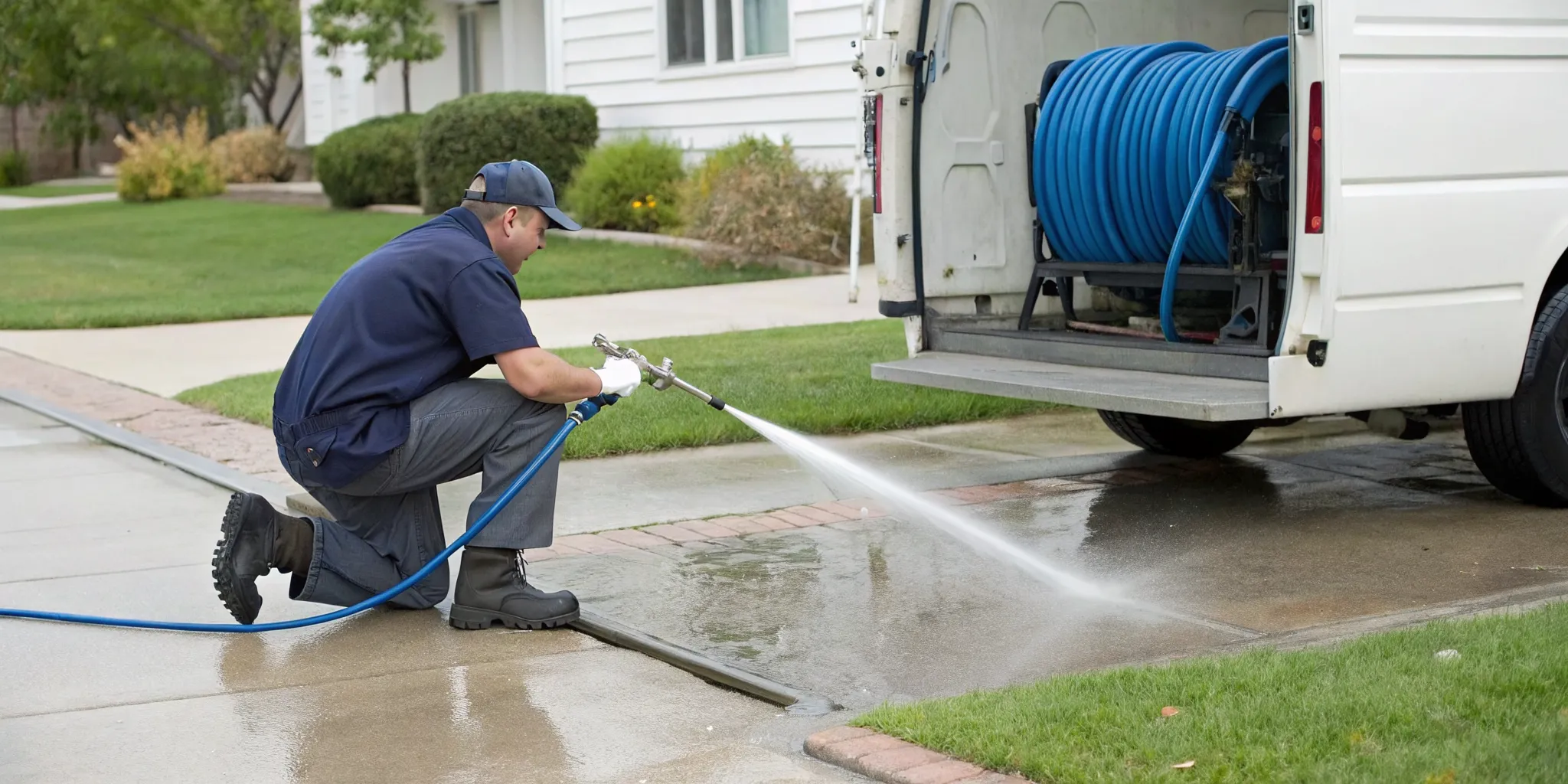
We use the best tools to keep your home safe. Our techs use small cameras to see deep inside your pipes. If we find a clog, our jet system uses high pressure to clear it out. These tools allow us to solve problems that other shops might miss. We also believe in being open about our costs. We offer free estimates for every job. You will get a clear quote with upfront pricing before we start the work.
We stand behind our work with a 100% happy promise. If you are not happy, we will make it right. Our goal is to build a long-term bond with every person we serve. To keep your basement safe from the next big storm, you should schedule sump pump service today. Let our expert team give you the peace of mind you deserve.
Frequently Asked Questions
How often should I have my sump pump serviced in Metro Detroit?
You should schedule a pro inspection at least once a year. For Detroit-area homes with heavy clay soil and frequent storms, a spring check before the rainy season is best. This ensures the pump, float switch, and discharge line are all in good working order before the weather turns.
How long does a sump pump typically last?
With regular care, most sump pumps last 8 to 10 years. Submersible models tend to outlast pedestal pumps. If your pump is near the decade mark and shows signs of wear, plan for a replacement before the next storm season to avoid a surprise failure.
What are the warning signs my sump pump needs maintenance?
Common signs include strange noises like grinding or rattling, the pump running nonstop or not turning on at all. Bad smells from the pit, visible rust, and water pooling despite the pump running. These signs mean it is time for a pro to take a look.
Can I maintain my sump pump myself?
You can safely handle basic tasks like clearing debris from the pit, testing the float switch with a bucket of water, and checking the discharge line for clogs. But an annual pro inspection catches hidden issues like worn impellers, electrical faults, and battery backup problems that DIY checks miss.
Why is a battery backup sump pump important in Detroit?
Metro Detroit gets severe thunderstorms and winter storms that often knock out power exactly when your pump is needed most. A battery backup keeps your pump running during a blackout, preventing basement flooding when the power goes out. Test your backup every month and swap the battery every 3 to 5 years.
How do I winterize my sump pump discharge line in Michigan?
Make sure the discharge pipe slopes away from your foundation so water does not pool and freeze. Wrap exposed above-ground sections with pipe insulation. Clear the line of debris before the first freeze. For extra protection, some homeowners install a freeze-proof discharge line or add heat tape.
Ready to set up your sump pump checkup?
Do not wait for a heavy rain to find out your pump has a problem. A failed system can flood your basement in just a few hours. Water damage is hard to clean and can lead to mold or ruined items. Fixing these problems now is much cheaper than an emergency repair later. By acting now, you can rest easy knowing your system is ready for the next big storm. Our team will protect your home from sudden leaks and damage. Our experts know how to handle the clay soil and storms in Metro Detroit. We offer fast service and clear pricing to keep your house safe. You can check our sump pump services online to see how we help.
Ready to protect your home from flooding? Call (313) 900-0700 to schedule professional sump pump maintenance or service.