

Think of your home’s drainage system as a highway. On most days, traffic flows smoothly. But a heavy rainstorm can create a massive gridlock, overwhelming the entire network. When this happens, the backed-up water needs an escape route, and your basement floor drain becomes the path of least resistance. Seeing water coming up basement drains isn’t just a simple clog—it’s a sign of a major system failure. This guide will help you understand what’s causing the backup and give you clear steps to protect your home from the messy, and often hazardous, overflow.
Key Takeaways
- Pinpoint the real problem: Basement backups after rain aren’t random; they’re often caused by specific issues like overwhelmed city sewers, internal clogs, or poor yard drainage. Finding the true source is the only way to implement a fix that actually lasts.
- Get ahead of the next storm: You can prevent future flooding by taking proactive steps. Installing a backwater valve, scheduling regular drain cleanings, and ensuring your yard slopes away from your house are powerful preventative measures.
- Recognize the signs of a bigger issue: If multiple drains are slow, you smell sewage, or the backup is a recurring problem, it’s time to call a professional. These red flags point to a main line clog that DIY methods can’t solve and requires expert attention.
Why Is Water Coming Up My Basement Drain After Rain?
Finding a puddle of water around your basement floor drain after a storm is frustrating and, frankly, a little alarming. Your home’s drainage system is designed to handle water, so why does it seem to fail when you need it most? The truth is, heavy rainfall puts immense pressure on every part of the system, from the pipes inside your home to the municipal sewers down the street. When one part of that system can’t keep up, the water has to go somewhere, and unfortunately, your basement is often the path of least resistance.
Several issues could be causing this messy problem. It might be a simple clog that finally gave way under pressure, or it could be a more complex issue like invasive tree roots or even problems with the city’s main sewer line. Understanding the potential causes is the first step toward finding a lasting solution and keeping your basement dry for good. Let’s walk through the most common reasons your floor drain backs up during heavy rain and what you can do about them. If you’re facing a watery mess right now, our emergency plumbing team is ready to help.
When the City Sewer System Is Overwhelmed
During a heavy downpour, the municipal sewer system that serves your entire neighborhood can become completely overwhelmed. These systems are built to handle a certain volume of water, but an intense storm can exceed that capacity. When the city sewers are full, the excess water and sewage have nowhere to go but back up through the pipes connected to them. This can force water back into your home’s drain lines, causing it to surface through the lowest point, which is usually your basement floor drain. It’s a widespread issue in older communities, but it can happen anywhere during extreme weather.
A Clog Somewhere in Your Pipes
Sometimes, the problem isn’t with the city’s infrastructure but with your own. Over time, your home’s drain pipes can accumulate grease, hair, soap scum, and other debris, creating a partial blockage. On a normal day, you might not even notice it. But when heavy rain adds a high volume of water to the system, that small clog can be enough to stop the flow completely. The water hits the blockage and backs up into your basement. Regular drain cleaning is a key preventative measure to keep your pipes clear and ready to handle whatever the weather throws at them.
How Tree Roots Intrude on Your Plumbing
Trees add beauty and value to your property, but their roots can cause serious plumbing headaches. Tree roots are naturally drawn to the moisture and nutrients inside your sewer lines. They can sneak into tiny cracks or loose joints in the pipes and, once inside, they grow into a dense mat that catches debris and creates a stubborn blockage. When it rains heavily, the water flowing from your home can’t get past the root mass, forcing it to back up into your basement. This is a common and destructive problem that requires professional equipment to resolve as part of our plumbing services.
Your Yard’s Grading Isn’t Helping
The landscaping around your home plays a huge role in keeping your basement dry. If your yard slopes toward your house instead of away from it, rainwater will pool around your foundation. This creates immense pressure and can saturate the soil, overwhelming your foundation drains (weeping tiles). When these drains can’t carry the water away fast enough, it can be forced back into your home through the floor drain. Proper grading and landscaping can direct rainwater away from your foundation, significantly reducing the risk of basement backups.
Saturated Soil Pushing Water Inward
When it rains for an extended period, the ground around your foundation can become completely saturated with water. This creates something called hydrostatic pressure. Essentially, the weight of the water in the soil pushes against your basement walls and floor. If this pressure becomes strong enough, it can force water up from the ground through tiny cracks in your foundation or, more commonly, up through your floor drain. This is especially a problem in areas with high water tables. A properly installed sump pump is one of the best defenses against this kind of water intrusion.
Leaky Windows, Roofs, and Appliances
Sometimes, the water in your basement isn’t coming up from the drain at all—it’s coming from somewhere else and just pooling there. During a heavy storm, it’s easy to assume the backup is the culprit, but you should also check for other sources. A failing window seal, a small roof leak, or even a crack in the foundation can allow rainwater to seep inside. Beyond the rain itself, water can also come from leaky pipes or appliances like your hot water tank, washing machine, or refrigerator. A slow leak you never noticed before can become a major puddle when the floor drain is unable to carry any water away due to the storm-related backup.
Septic System or Shared Sewer Line Issues
If your home uses a septic system instead of a municipal sewer, heavy rain can create a unique set of problems. The drain field, which is responsible for absorbing treated wastewater, can become saturated during a downpour. When the ground is already waterlogged, it can’t absorb any more liquid from your septic tank. This can cause the tank to fill up and back up into your home, with the basement drain being the first exit point. For homes connected to the city sewer, issues can arise from older infrastructure. Many neighborhoods in Metro Detroit have aging pipes that struggle to handle the massive volume of water from a storm, leading to backups that affect multiple homes on a shared line. These complex issues often require professional help to diagnose and resolve, so don’t hesitate to call for expert plumbing services.
How to Find the Source of the Water
When you find water in your basement, your first instinct might be to panic. But before you can fix the problem, you need to play detective and figure out exactly where the water is coming from. The source of the water will determine the right solution, whether it’s a simple clog you can handle or a major sewer line issue that requires professional help. Taking a few minutes to investigate can save you time, money, and a lot of future headaches. By systematically checking a few key areas, you can narrow down the possibilities and get a clear picture of what’s happening beneath your home.
Check if Other Drains Are Affected
Your first clue is to determine if the backup is an isolated incident or a house-wide problem. Check the sinks, showers, and toilets on the lowest level of your home. Do they drain slowly, or are they backing up too? If the basement floor drain is the only one having trouble, you might be dealing with a localized clog. However, if multiple drains are slow, you smell sewage, or this is a recurring problem, it’s a major red flag. These signs almost always point to a clog in your main sewer line—the single large pipe that carries all your home’s wastewater to the municipal sewer. This isn’t a DIY fix and requires an expert to clear the blockage safely and effectively.
Rule Out a City Sewer Line Issue
Sometimes, the problem isn’t inside your property lines at all. As we mentioned, a heavy downpour can overwhelm the municipal sewer system that serves your entire neighborhood. When the city’s pipes are full, the excess water and sewage have nowhere to go but back into connected homes. A quick way to check for this is to talk to your immediate neighbors. Are they experiencing similar basement backups? If so, the issue is likely with the city’s main line. You should contact your local water and sewer department to report the problem. Even if it is a municipal issue, it’s still a good idea to have a plumber inspect your system for vulnerabilities and discuss installing a backflow preventer to protect your home from future city-wide backups.
Consider a Professional Camera Inspection
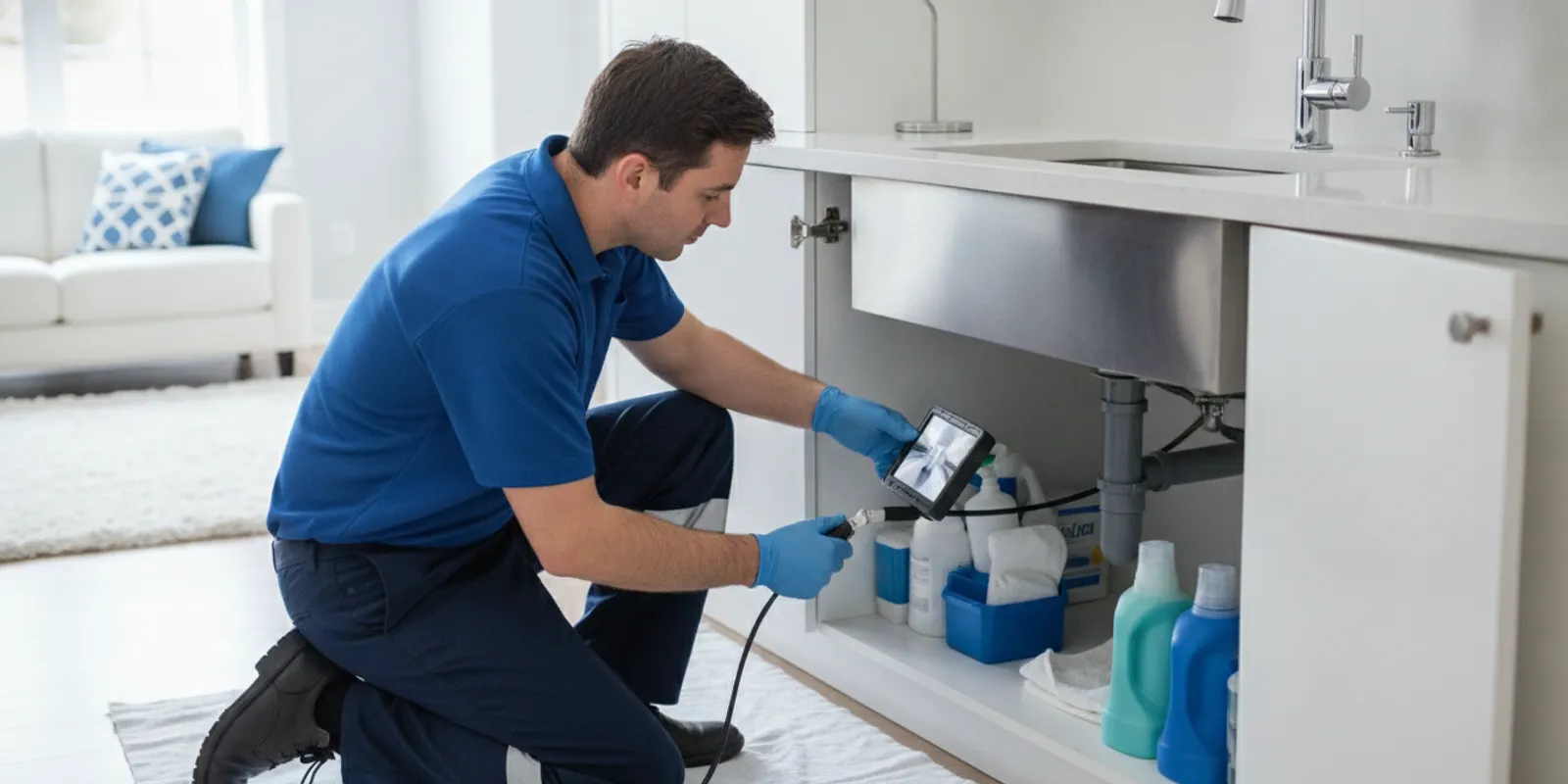
If the source of the backup isn’t obvious, the next step is to see what’s happening inside your pipes. A professional can use a specialized waterproof camera to perform a sewer line inspection, feeding it directly into your pipes to get a real-time view of their condition. This is the most accurate way to find out exactly what’s causing the blockage. The camera can reveal issues that would otherwise be impossible to see, such as invasive tree roots that have cracked a pipe, a collapsed section of the line, or a severe grease buildup. This technology removes the guesswork, allowing a plumber to pinpoint the problem’s exact location and recommend the most effective and least invasive repair from our range of plumbing services.
Look for Signs of Seepage and Moisture
The water in your basement might not be coming from the drain at all. After heavy rain, the soil around your foundation becomes saturated, creating significant hydrostatic pressure. This pressure can force water through tiny cracks in your basement walls or floor. Walk around your basement and carefully inspect the walls, especially near the floor. Look for damp spots, dark stains, or peeling paint. Do you see any puddles forming away from the drain? These are all signs of seepage. This indicates that your home’s exterior water management, like the yard grading or foundation drains, isn’t doing its job. A properly installed sump pump is often the best solution for managing groundwater and preventing it from entering your basement.
Identify the Type of Liquid
This last step is crucial for your safety. Take a close look at the water that has backed up. Is it relatively clear, or is it murky and gray? Does it have a distinct, foul odor? If the liquid smells like sewage, you are dealing with a sanitary sewer backup, which contains harmful bacteria and contaminants. Do not attempt to clean this up yourself without proper protective gear. If you see a liquid that is clearly not water or sewage—for example, if it has an oily sheen or smells like fuel—you should call a professional immediately. Distinguishing between rainwater, groundwater, and raw sewage is key to understanding the severity of the problem and keeping your family safe.
Got Water in Your Basement? What to Do Right Now
Finding a puddle, or worse, standing water in your basement is a homeowner’s nightmare. It’s stressful, but taking immediate, calculated steps can make a huge difference in minimizing damage. Don’t panic. Here’s your action plan for what to do the moment you discover water where it shouldn’t be. Acting quickly can protect your home, your belongings, and your peace of mind.
First, Shut Off the Power and Avoid the Water
Your first priority is always safety. If you have standing water, there’s a serious risk of electric shock. Find your home’s main electrical panel and shut off the power to the basement before you step into the water. If you can’t reach the panel safely, don’t risk it. The water itself can also be hazardous, potentially containing sewage, bacteria, or other contaminants. Avoid direct contact if possible. If the flooding is significant, your first call should be to a professional. Our team is ready to handle emergency plumbing situations safely and effectively, so you don’t have to put yourself in harm’s way.
Watch Out for Electrical Hazards
Before you do anything else, think about electrical safety. Standing water and electricity are a life-threatening combination. Your first step should be to locate your home’s main electrical panel and shut off the power to the basement. If you cannot get to the panel without stepping in water, do not attempt it. The risk of a severe electric shock is just too high. Remember, the water itself could be contaminated with sewage or other harmful bacteria, so you should avoid direct contact whenever possible. When safety is a concern, the best move is to stay out of the basement and call for professional emergency plumbing services immediately.
Ventilate the Area to Disperse Fumes
Once you’ve confirmed the power is off and the area is safe to enter, your next step is to get some fresh air circulating. Stagnant water, especially from a sewer backup, can release unpleasant and potentially harmful fumes. It also creates a damp, humid environment that is perfect for mold and mildew growth. Open any basement windows and set up fans to help air out the space and begin the drying process. This simple action can improve the air quality and make the cleanup process a bit more bearable while you wait for professional help to arrive and address the underlying plumbing issue.
Don’t Use Any Sinks, Toilets, or Appliances
The next step is to stop adding to the problem. A backup often means your home’s main drain line is clogged, so any water you use upstairs will have nowhere to go but back up into your basement. Immediately stop using all water-based appliances. This means no flushing toilets, no showers, no running the dishwasher, and definitely no laundry. Pausing your water usage can prevent the water level in your basement from rising further while you figure out the source of the problem. This simple step gives you a crucial window to assess the situation without making it worse.
Take Photos and Videos for Insurance
Before you move a single item or start cleaning, pull out your phone and document everything. Take clear photos and videos of the extent of the flooding, the water level, and any items that have been damaged. This evidence is absolutely essential when you file a claim with your homeowner’s insurance. Be as thorough as possible. Ignoring the issue can lead to incredibly expensive and lasting damage to your home’s foundation and structure, and having clear documentation will support your case for getting the coverage you need for repairs. It’s a frustrating step, but your future self will thank you.
Understand Your Insurance Coverage
After you’ve documented the damage, the next big question is about your insurance. It’s a common misconception that a standard homeowners policy covers all types of water damage. In reality, most policies will cover water from internal sources, like a burst pipe or an overflowing washing machine. However, they almost always exclude damage from external “flooding,” which includes water from heavy rain or groundwater seeping in. This distinction is critical because it means a basement backup caused by a storm might not be covered by your standard plan, leaving you with the bill for cleanup and repairs.
For protection against storm-related backups, you often need a separate flood insurance policy or a specific sewer backup rider added to your existing plan. This additional coverage is designed for these exact situations. The best thing you can do is be proactive. Pull out your current policy and review the fine print on water damage, then call your insurance agent. Asking them directly, “Am I covered if the city sewer backs up into my basement?” will give you the clarity you need to make sure you’re protected before the next storm hits.
Begin Removing Water and Cleaning the Area
Once it’s safe to enter the area, you can begin the cleanup process. For small amounts of water, a wet/dry vacuum can be a huge help. For larger floods, you may need to rent a submersible pump. The goal is to remove the water as quickly as possible to prevent mold growth and further structural damage. After the water is gone, use fans and dehumidifiers to dry the area completely. Remember, this is often a temporary fix. To prevent this from happening again, you’ll need to address the root cause. Installing a reliable sump pump can be a powerful defense against future flooding.
How to Prevent Your Basement Drain from Backing Up Again
Dealing with a flooded basement is stressful, but the good news is you can take steps to prevent it from happening again. Being proactive about your home’s plumbing and drainage is the best way to protect your property and your peace of mind. A few key updates and maintenance habits can make a huge difference the next time a big storm rolls through Metro Detroit. Think of it as an investment in a dry, worry-free basement.
Install a Backwater Valve for Protection
One of the most effective ways to protect your home is by installing a backwater prevention valve. Think of it as a one-way gate for your sewer line. It allows wastewater to flow out of your house but automatically closes if the city sewer system starts to back up, stopping sewage from flowing back into your basement. This is especially important for homes in low-lying areas or any property with a basement. A professional plumber can install this device on your main sewer line, providing a powerful defense against unexpected backups. It’s a smart, one-time installation that can save you from a major cleanup down the road.
Schedule Regular Drain and Sewer Cleaning
Just like your car, your home’s plumbing system needs regular check-ups to stay in top shape. Scheduling routine drain maintenance helps you catch small issues before they turn into major disasters. A professional can inspect your pipes, clear out any early-stage clogs from grease or debris, and ensure everything is flowing smoothly. Cleaning the drain trap and checking for any hidden leaks or cracks are crucial parts of this process. Staying on top of regular maintenance is far less expensive and disruptive than dealing with an emergency backup, making it a simple way to keep your system healthy.
Professional Drain Snaking
When a clog is too deep or stubborn for the tools you have at home, professional drain snaking is the solution. This isn’t about the small snake you can buy at a hardware store; our technicians use powerful, specialized equipment to reach far into your plumbing lines. This process effectively breaks up and clears out the tough blockages caused by years of built-up grease, hair, and soap scum. If you’re noticing recurring backups or that multiple drains are slow, it’s a clear sign of a main line issue that needs an expert. Professional snaking is a key part of our comprehensive plumbing services, designed not just to solve the immediate problem but to restore proper flow and help prevent future emergencies.
Improve Your Yard’s Drainage and Grading
What happens outside your home directly affects what happens inside. If your yard doesn’t slope away from your foundation, rainwater will pool around your house and put immense pressure on your basement walls and drains. Take a walk around your property during the next rainstorm to see where the water goes. Make sure your gutters are clean and that downspouts direct water at least five feet away from the foundation. For persistent issues, you might need to improve your landscaping’s grading to ensure water naturally flows away from your home, not toward it.
Extend Gutter Downspouts
This is one of the simplest yet most effective changes you can make. If your gutter downspouts are dumping water right next to your foundation, you’re essentially creating a moat around your house every time it rains. All that concentrated water soaks into the soil, creating the intense hydrostatic pressure that forces water into your basement. The fix is straightforward: add extensions to your downspouts to carry water much farther away. You can find affordable extensions at any home improvement store. As a rule of thumb, make sure they direct water at least five feet away from your foundation. This small adjustment can drastically reduce soil saturation near your home, easing the burden on your drainage system and sump pump during a heavy storm.
Use Drain Screens to Keep Debris Out
Sometimes the simplest solutions are the most effective. Placing drain screens or strainers over all your drains, including in the shower, sinks, and the basement floor drain, is an easy and inexpensive way to prevent clogs. These screens catch hair, soap scum, and other debris before they have a chance to enter your pipes and create a blockage. You can find them at any hardware store, and they take just a few seconds to put in place. Remember to clean them out regularly to keep water flowing freely and stop clogs at the source.
When Is It Time to Call a Plumber?
A backed-up basement drain is more than just an inconvenience; it’s often a sign of a deeper issue that a bottle of drain cleaner can’t fix. While it’s tempting to try a DIY solution first, some problems require a professional eye to prevent further damage. Knowing when to put down the plunger and pick up the phone can save you from a much bigger headache, not to mention costly repairs down the line. If you spot any of the following red flags, it’s a clear signal that you need an expert.
If Multiple Drains Are Backing Up at Once
If your basement drain is acting up at the same time as your kitchen sink or toilet, you’re likely dealing with a mainline sewer clog. When a single drain is slow, the blockage is usually isolated to that specific pipe. But when multiple fixtures across your home are backing up simultaneously, it points to a significant obstruction in the main sewer line that carries all of your home’s wastewater away. This isn’t a simple clog; it’s a system-wide problem that requires professional equipment to clear. Ignoring it can lead to a messy and unsanitary sewage backup throughout your house, making it a true emergency plumbing situation.
You See or Smell Raw Sewage
Your nose is one of the best tools for detecting a serious plumbing problem. A distinct, foul odor of sewage around your drains is an unmistakable sign that your main sewer line is blocked. This smell means that waste isn’t flowing away from your home as it should be. Instead, it’s sitting in the pipes and potentially being pushed back up into your basement. This can be caused by anything from invasive tree roots to broken pipes. Because raw sewage poses significant health risks, you should contact a plumber immediately to diagnose and resolve the issue safely.
Your Sewer Cleanout Is Overflowing
Your sewer cleanout, which is typically a capped pipe located outside near your foundation, provides direct access to your main sewer line. If you’re comfortable, you can carefully remove the cap to check for a blockage. If you see standing water or sewage backing up inside the pipe, you’ve found your culprit. A full cleanout is a clear indication that there’s a major obstruction downstream between your house and the municipal sewer. This is a definitive sign that the problem is beyond a simple DIY fix and requires professional attention to clear the line properly.
If This Isn’t the First Time It’s Happened
Are you constantly dealing with a backed-up drain every time there’s a heavy downpour? A recurring problem is a sure sign of an underlying issue that hasn’t been properly addressed. Persistent backups suggest there might be a partial clog that keeps reforming, damage to the pipe itself, or even an issue with how your home connects to the city’s sewer system. Instead of repeatedly treating the symptom, it’s time to find the cause. A professional plumber can perform a camera inspection to identify the root of the problem and provide a lasting solution for all your plumbing needs.
Why You Can’t Ignore Water Coming Up the Basement Drain
A backed-up drain in the basement is more than just a messy inconvenience. It’s a clear warning sign that something is wrong with your plumbing system, and it’s one you really can’t afford to ignore. While it’s tempting to put a towel down and hope the problem resolves itself, this approach can lead to a cascade of serious issues that affect your health, your home’s structure, and your finances. The water seeping up from a floor drain isn’t clean; it’s often contaminated with bacteria and waste from the sewer line, creating an unsanitary environment right in your home. Letting this problem linger turns what could be a manageable plumbing fix into a major restoration project involving cleanup crews and costly repairs. The longer water sits, the more damage it does, seeping into drywall, flooring, and personal belongings. Addressing the source of the backup quickly is the best way to protect your family and your property from long-term damage. If you’re facing a sudden and severe backup, calling for emergency plumbing services can prevent these dangers from escalating and give you immediate peace of mind.
Health Risks from Mold, Mildew, and Bacteria
One of the most immediate dangers of a wet basement is the development of mold and mildew. These fungi thrive in damp, dark environments and can begin to grow on walls, floors, and stored items within just 24 to 48 hours of water exposure. Once established, mold releases spores into the air that can cause a variety of health problems, especially for children, the elderly, and anyone with respiratory conditions like asthma. Symptoms can range from sneezing and coughing to more severe allergic reactions and breathing difficulties. Cleaning up the water is only the first step; you have to completely dry the area to prevent mold from taking hold and compromising your home’s air quality.
Preventing Mold Growth After a Flood
Once the standing water is gone, the race against mold begins. Your immediate goal is to get everything bone-dry as quickly as possible. Start by removing anything that got wet—carpets, drywall, furniture, and storage boxes. Then, get the air moving with fans and run a dehumidifier constantly to pull moisture from the air and surfaces. According to FEMA, you should clean and disinfect all affected surfaces to kill any lingering spores. Remember, these steps address the aftermath, but not the cause. If the flooding was caused by a plumbing failure, preventing future mold means preventing future floods. Getting a professional to fix the underlying issue, whether it’s a clogged drain or a failing sump pump, is the only way to truly protect your home.
Damage to Your Home’s Foundation and Structure
Water and your home’s foundation are not a good mix. When water from a backed-up drain pools on your basement floor, it can seep into the concrete and surrounding soil. Over time, this constant moisture can weaken the structural integrity of your foundation, leading to cracks in the walls and floors. It can also cause wooden support beams and floor joists to rot, swell, or warp. What starts as a simple puddle can eventually threaten the stability of your entire house. This kind of structural damage is incredibly expensive to repair, making it crucial to fix the underlying drainage problem before it gets to that point.
Impacts on Your Property Value and Insurance
Ignoring a backed-up drain can also have significant financial consequences. Most standard homeowner’s insurance policies have limited or no coverage for damage caused by sewer backups unless you’ve purchased a specific add-on. This means you could be on the hook for the entire cleanup and repair bill. Furthermore, a history of water problems can make your home much harder to sell. You’re often legally required to disclose past flooding or water damage to potential buyers, which can lower your property value and scare many people away. Protecting your investment means being proactive. Resolving drainage issues for good shows that you’ve maintained the home properly and helps preserve its long-term value.
Could a Sump Pump Be the Solution?
If your basement floods every time there’s a heavy downpour, you know how frustrating it can be. When the problem is caused by saturated soil pushing water against your foundation, a sump pump can be a game-changer. Instead of reacting to a flood after it happens, a sump pump works proactively to keep your basement dry. It’s a powerful tool designed to automatically remove groundwater before it has a chance to seep in and cause damage.
Think of it as your home’s personal bodyguard against underground water. By installing one in the lowest part of your basement, you create a defense system that stands ready to protect your property. For many homeowners in Metro Detroit, a reliable sump pump is the key to a permanently dry and usable basement, preventing costly water damage and the headache of cleanup. This isn’t just about preventing a puddle; it’s about protecting your home’s foundation, avoiding mold growth, and safeguarding your belongings. A sump pump addresses the root cause of water intrusion from the ground up, offering a long-term fix rather than a temporary patch.
When a Sump Pump Is (and Isn’t) the Answer
A sump pump is the perfect defense when the issue is groundwater being pushed into your basement by saturated soil. If your basement gets damp or floods after heavy rain, and the water seems to seep in through the floor or foundation, a sump pump is likely the solution you need. It works by collecting this groundwater in a basin and pumping it safely away from your home. However, it’s not a cure-all. If water is coming up through your floor drain, the problem is likely a clog in your sewer line or a backup from the municipal system. A sump pump is not designed to handle sewage or wastewater, so it won’t help in that situation. Correctly identifying the source of the water is the key to finding a lasting fix. Our team can help diagnose the issue and determine if our sump pump services are the right fit for your home.
How a Sump Pump Keeps Your Basement Dry
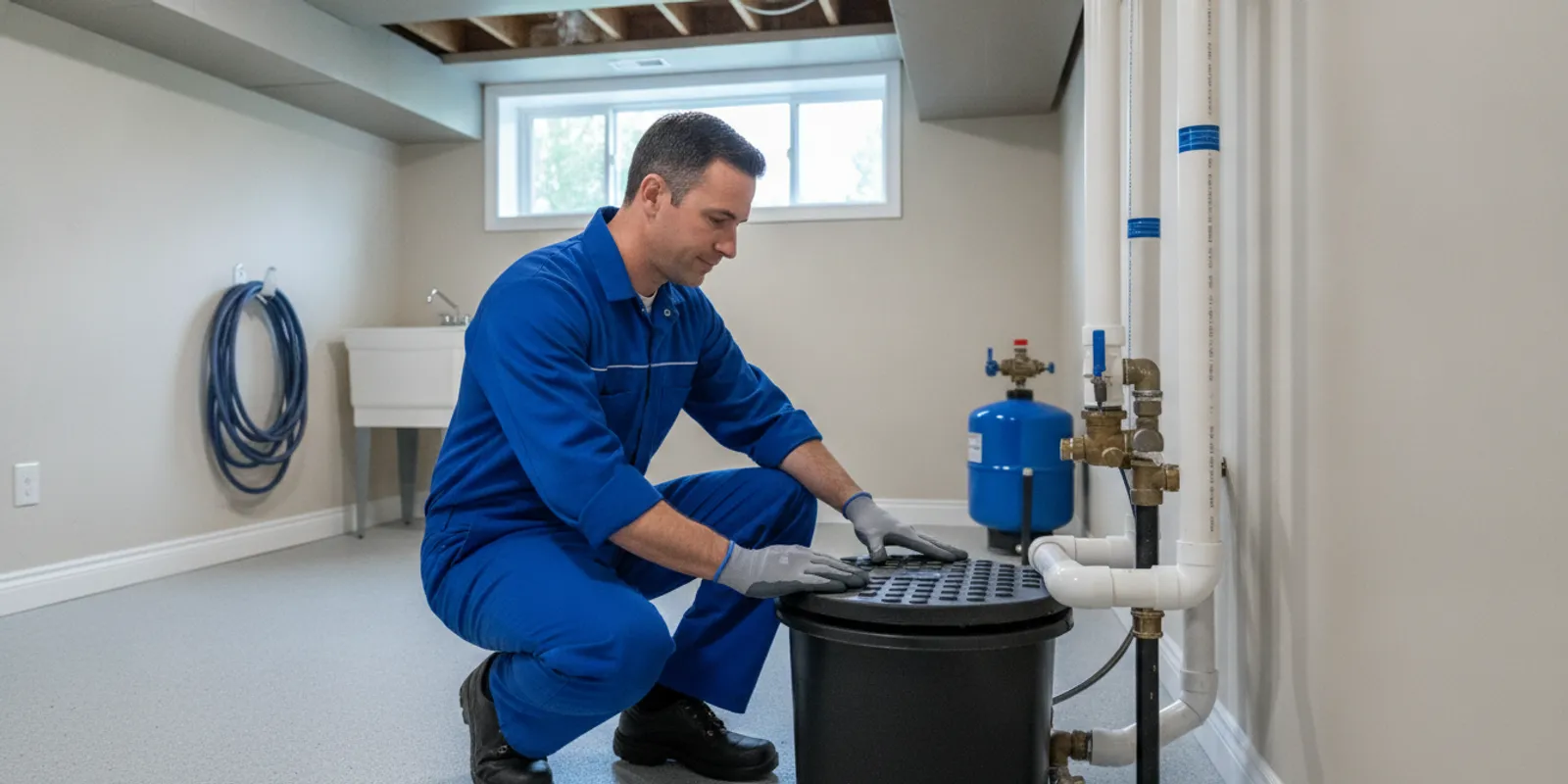
A sump pump system is surprisingly simple. It starts with a sump pit, which is a basin carved into your basement floor at its lowest point. This pit collects excess water from around your foundation, either from rain or high groundwater levels. Inside the pit sits the sump pump, which is equipped with a float switch. As water fills the basin, the float rises. Once it reaches a certain level, it activates the pump, which then pushes the water out of the pit and through a pipe that leads away from your home. This process keeps your foundation safe and your basement dry, even during the heaviest storms.
Pedestal vs. Submersible: Which Pump Do You Need?
When choosing a sump pump, you’ll generally find two main types: pedestal and submersible. A pedestal pump sits above the sump basin with a long tube extending down into the water. Because the motor is out of the water, it’s easier to access for service and often less expensive. The trade-off is that it can be noisier. A submersible pump, on the other hand, is placed directly inside the sump pit, fully submerged in water. This makes it much quieter and keeps it out of sight, which is great for finished basements. However, they can be more difficult to access for repairs. Your choice depends on your budget, basement setup, and tolerance for noise.
Why a Battery Backup Is Non-Negotiable
A sump pump is only effective if it has power. Unfortunately, the severe storms that cause basement flooding are often the same ones that knock out the electricity. That’s where a battery backup system comes in. This secondary, battery-powered pump sits alongside your primary one and automatically takes over if the power goes out. It provides peace of mind, ensuring your basement stays protected when you need it most. Investing in a battery backup is like having an insurance policy for your flood prevention system, making your sump pump services truly reliable.
Pro Waterproofing for Stubborn Drainage Issues
If you’ve tried the basic fixes and water still finds its way into your basement, it might be time to consider professional waterproofing. These solutions are more involved, but they offer a powerful, long-term defense against water intrusion, protecting your home’s foundation and giving you lasting peace of mind. Think of it as creating a protective shield around your basement. When water consistently appears after heavy rain, it’s often a sign that the soil around your home is oversaturated, creating immense hydrostatic pressure against your foundation walls. This pressure can force water through even the tiniest cracks in the concrete.
For these persistent drainage problems, a professional approach addresses the root cause of the water entry, rather than just managing the symptoms. This is especially important in Metro Detroit, where heavy rainfall or rapid snowmelt can overwhelm standard drainage. Ignoring chronic dampness can lead to more serious issues, including mold growth, musty odors, and even structural damage to your foundation over time. Investing in a robust waterproofing system is an investment in your home’s health and value, ensuring your basement remains a dry, usable space for years to come.
Interior Solutions like French Drains
When water seeps through your basement walls or floor, an interior drainage system can be an incredibly effective solution. The most common type is a French drain, which is essentially a trench installed along the inside perimeter of your basement floor. This trench contains a perforated pipe that collects water as it enters and channels it to a sump pump, which then safely pumps the water out and away from your home. This system is designed to manage groundwater and hydrostatic pressure, preventing it from ever accumulating in your basement. It’s a reliable way to intercept water before it has a chance to cause a flood.
Exterior Waterproofing to Seal Your Foundation
For a truly proactive approach, exterior waterproofing stops water before it can even touch your foundation. This process involves excavating the soil around your home’s foundation and applying a waterproof membrane or sealant directly to the exterior walls. This creates an impermeable barrier that blocks moisture from penetrating the concrete. While it’s a more intensive project, exterior waterproofing is one of the most thorough methods for preventing basement leaks, especially for homes in areas with high groundwater levels or poor soil drainage. It addresses the problem at its source, keeping your foundation walls completely dry.
Seal Cracks in the Foundation and Floor
Even tiny cracks in your basement floor or foundation walls can act like an open door for water, especially under pressure from saturated soil. For small, hairline cracks, you can often handle the repair yourself. As experts at The Spruce point out, products like hydraulic cement or a flexible polyurethane caulk are effective for sealing these minor gaps. However, if you’re dealing with large, deep cracks, or you see them spreading across the wall, it’s a sign of a more serious structural issue. In those cases, it’s best to consult a foundation repair specialist to ensure the problem is addressed correctly and doesn’t compromise your home’s stability.
Apply a Waterproof Coating
After you’ve sealed any existing cracks and ensured the surface is clean and completely dry, adding a waterproof coating is your next line of defense. This isn’t just a coat of paint; it’s a sealant designed to create a barrier that stops moisture from seeping through the porous concrete. You can choose between a Waterproof Concrete Sealer or an Epoxy Coating. These coatings not only help to stop moisture from penetrating but also prevent new cracks and resist stains, providing a protective layer for your basement. It’s a powerful step toward turning a damp, vulnerable basement into a dry, protected space.
Developing a Long-Term Moisture Plan
The best defense against basement flooding is a multi-layered strategy. A comprehensive moisture management plan combines several tactics to keep your home dry year-round. This starts with ensuring your gutters and downspouts are clean and directing water far away from your foundation. It also includes regular inspections of your drainage systems and plumbing to catch small issues before they become big problems. For many homeowners, a complete plan involves installing a backwater valve to prevent sewer backups and maintaining a reliable sump pump. By creating a holistic plan, you can manage water from every angle and ensure your basement stays protected through every storm.
A Step-by-Step Guide to Water Removal and Cleanup
Once you’ve made sure the area is safe, your next priority is getting the water out and cleaning up. Acting quickly is key to minimizing damage and preventing long-term problems like mold. It can feel overwhelming, but breaking it down into manageable steps makes the process much easier. Here’s how you can tackle the cleanup and start getting your basement back to normal.
How to Get the Water Out Safely
For a small amount of standing water, a wet/dry vacuum is your best tool. You can use it to suck up water and any small debris that might be clogging the drain. If you’re dealing with more than an inch or two of water, or if the water is contaminated with sewage, it’s time to call in the professionals. Handling large-scale water removal requires specialized equipment to do it quickly and safely. Don’t hesitate to reach out for emergency plumbing help; a professional can assess the situation, identify the source of the problem, and prevent further damage to your home.
Sanitizing Everything the Water Touched
After the water is gone, you need to sanitize everything the water touched. Backup water, especially from a sewer line, contains bacteria and other contaminants that pose a health risk. Clean the floors, walls, and any salvageable items thoroughly with a strong disinfectant designed to kill germs and prevent mold growth. It’s so important to address a backed-up drain right away, because ignoring it can lead to expensive and lasting damage. If you’re unsure about how to handle the cleanup safely, our team at Mr. Pipey is always ready to help you restore your space. You can contact us for guidance and professional service.
Drying and Ventilating Your Basement Properly
Getting the area completely dry is the final, crucial step. Any lingering moisture can lead to mold, mildew, and musty smells. Use fans and dehumidifiers to circulate air and pull moisture out of the room. If the weather is nice, open any basement windows to help with ventilation. This drying process can take several days, so be patient. To prevent future issues, consider installing a sump pump. A reliable sump pump system is one of the best defenses against basement flooding, automatically pumping water out and away from your foundation before it ever becomes a problem.
Test for Radon Before Sealing Floors
Before you move forward with sealing cracks in your basement floor, there’s a crucial safety step you shouldn’t skip: testing for radon. Radon is an invisible, odorless gas that naturally rises from the soil and can enter your home through the foundation. While sealing floors is great for stopping water, it can also trap this gas inside, potentially causing radon levels to build up. This is a serious concern because long-term exposure to high levels of radon is a leading cause of lung cancer. A simple radon test is an inexpensive way to ensure your home is safe before you seal it up. By testing first, you make sure your efforts to create a dry basement don’t accidentally create a different kind of health hazard for your family.
Related Articles
- Basement Drain Backup: Your Step-by-Step Guide
- A Homeowner’s Guide to Old Basement Drainage Systems
- Drain Backup in Basement? A Step-by-Step Guide
Frequently Asked Questions
Is a backed-up floor drain my responsibility or the city’s? This is a great question, and the answer is usually a bit of both. While heavy rain can overwhelm the city’s main sewer line, causing water to back up, the plumbing lines on your property are your responsibility. A professional can install a backwater prevention valve on your sewer line, which acts as a gate to protect your home from municipal sewer system backups. So, even if the initial cause is the city’s system, the solution to protect your home is on your end.
Can I just use a chemical drain cleaner to fix the backup? I strongly advise against using chemical drain cleaners for a basement floor drain backup. These products are designed for minor clogs in sinks or showers, not for major blockages in a main line. They are often ineffective against serious obstructions like tree roots and can even corrode your pipes over time, creating a much more expensive problem. It’s safer and more effective to have a professional diagnose the real issue.
What’s the difference between a sump pump and a backwater valve? Do I need both? They solve two different problems. A backwater valve is installed on your main sewer pipe to stop sewage from the city’s line from flowing back into your house. A sump pump, on the other hand, collects and pumps out groundwater that seeps in around your foundation. If your issue is sewage backing up, you need a backwater valve. If it’s groundwater seeping in due to saturated soil, you need a sump pump. Many homes in Metro Detroit benefit from having both for complete protection.
How can I tell if the problem is a simple clog or something more serious like tree roots? A simple clog might cause a one-time backup in a single drain. More serious issues, like tree roots or a broken pipe, usually have other symptoms. You might notice that multiple drains in your house are slow, hear gurgling sounds from your toilets, or find that the backup happens every single time it rains. The only way to know for sure is with a professional camera inspection, which can see exactly what’s happening inside your pipes.
My basement only gets a tiny bit of water after it rains. Is it really that big of a deal? Even a small amount of water is a sign that something isn’t right with your drainage system. That little puddle can lead to big problems over time, including mold growth, musty odors that spread through your home, and gradual damage to your foundation. Addressing the source of the water now, while it’s a small issue, is much easier and less costly than dealing with a major flood or mold remediation project later.