

The sound of a downpour should be relaxing, not a source of anxiety. But if you’re constantly worried about your sump pump or checking for damp spots, you know the stress all too well. Finding water in your basement after heavy rain feels like a losing battle, but it’s a battle you can absolutely win. This isn’t just bad luck; it’s a series of small, fixable issues. This guide is your complete roadmap, showing you exactly how to build a multi-layered defense. We’ll start with simple outdoor checks and work our way to more robust interior solutions, putting you back in control.
Key Takeaways
- Control Water Outside Your Home: Your first line of defense is managing rainwater before it ever reaches your foundation. This means keeping gutters clean, extending downspouts, and ensuring your yard slopes away from the house.
- A Sump Pump is Your Best Defense: For any water that does get in, a reliable sump pump is the most effective tool for removing it. A quality unit with a battery backup ensures your basement stays protected, even during a power outage.
- Seal Your Foundation and Maintain Your Systems: Create a strong barrier by sealing cracks in your basement walls and around windows. Then, perform regular checks on your sump pump and drains to ensure your entire flood prevention system is always ready for a storm.
Why Is There Water in My Basement After Heavy Rain?
Finding water in your basement after a heavy rain is incredibly frustrating. You might feel like you’re fighting a losing battle against nature, but the truth is, a flooded basement is usually a sign of a specific problem. When rainwater has nowhere else to go, it will find the path of least resistance—which often leads right through your foundation. Understanding why this happens is the first step to keeping your basement dry for good. Most flooding issues come down to a few common culprits, from how water behaves in your yard to the condition of your home’s foundation and plumbing systems. Let’s walk through the main reasons your basement might be taking on water when it storms.
Understanding Why Foundations Leak
To stop water from getting in, you first have to understand how it’s trying to get there. Your home’s foundation is constantly interacting with the surrounding soil and water, and a few key forces are usually responsible for turning your dry basement into a damp, frustrating space after a storm.
The “Clay Bowl Effect”
When your home was built, a large hole was excavated for the foundation. Afterward, the soil was put back around the walls—this is called backfill. This backfill soil is much looser and more absorbent than the dense, undisturbed earth around it. As a result, it soaks up rainwater like a sponge, creating a “clay bowl” of saturated soil that holds water directly against your foundation. This is a common issue in Metro Detroit, where clay-heavy soil is prevalent. The trapped water builds up and creates pressure, relentlessly seeking a way into your basement through any available crack, joint, or porous spot in the concrete.
Hydrostatic and Lateral Soil Pressure
That pool of water in the “clay bowl” does more than just sit there; it exerts incredible force on your foundation. This is known as hydrostatic pressure—the weight of the water itself pushing against your basement walls and floor. As the soil becomes saturated, it also expands and gets heavier, creating lateral pressure. This one-two punch can force water through the tiniest of openings and can even cause new cracks to form over time. It’s a constant battle between your foundation and the powerful forces of nature right outside your walls, and without proper drainage, the water will eventually win.
Rising Water Tables
Sometimes, the threat comes from below. In areas with a naturally high water table or in low-lying regions, heavy rain or melting snow can cause the level of underground water to rise above your basement floor. When this happens, hydrostatic pressure builds up underneath the concrete slab. This upward force can push water directly through cracks in your basement floor or through the cove joint, which is the seam where the floor meets the walls. It’s a clear sign that you need a system in place to actively collect and remove this groundwater before it has a chance to enter your living space.
Key Facts About Basement Water Intrusion
If you’ve dealt with a wet basement, you’re far from alone. Studies show that over 98% of basements will experience some form of water intrusion at some point. The problem often starts small, and recognizing the early warning signs is the key to preventing a major flood. Look for more than just puddles on the floor. Telltale signs include damp spots or water stains on the walls, a white, chalky substance called efflorescence (mineral deposits left behind by evaporating water), peeling paint, and a persistent musty or earthy smell. High humidity that makes the air feel damp and sticky is another red flag.
Ignoring these symptoms can lead to bigger problems, including mold growth, wood rot, and even damage to your home’s structural integrity. The most effective way to combat these issues is with a professionally installed sump pump system, which acts as your basement’s dedicated bodyguard, collecting and pumping out water before it can cause damage. According to FEMA, having a reliable water removal system is a critical step in protecting your property. If you spot any of these warning signs, it’s time to take action and create a plan to keep your basement safe and dry.
Is Poor Yard Drainage the Culprit?
Think of your yard as the first line of defense against rainwater. Ideally, your property should have a gentle slope that directs water away from your house. If your yard is flat or, even worse, slopes toward your foundation, you’re essentially inviting water to pool around your home’s base. This creates immense hydrostatic pressure, forcing water to seek out any tiny crack or opening to get into your basement. A proper grade should drop about six inches for every ten feet away from the foundation. This simple slope uses gravity to your advantage, guiding rainwater away before it has a chance to cause problems.
Are Your Gutters and Downspouts Clogged?
Your gutters and downspouts have one critical job: to collect rainwater from your roof and channel it safely away from your foundation. But when they get clogged with leaves, twigs, and other debris, they can’t do their job. Instead of flowing away, water spills over the sides of the gutters and saturates the ground right next to your house. This is one of the most common and easily preventable causes of basement flooding. Cleaning your gutters at least twice a year, especially in the spring and fall, is essential. It’s also a good idea to check that your downspouts extend several feet from your home to ensure water is discharged at a safe distance.
Do You Have Cracks in Your Foundation?
Over time, concrete foundations can develop cracks due to settling or pressure from the surrounding soil. While a tiny hairline crack might not seem like a big deal, it can be a major entry point for water, especially when the ground is saturated after a heavy rain. Sealing these cracks is important, but it’s often just treating a symptom. The presence of cracks can indicate a larger issue with drainage or soil pressure around your home. If you spot cracks in your basement walls or floor, it’s a clear sign that water is trying to get in and that your foundation needs attention from a professional plumber.
Storm-Related Sewer Backup
Sometimes, the problem isn’t just the water coming from the sky but also the water coming back up from your pipes. During intense rainstorms, municipal sewer systems can become overwhelmed with excess stormwater. When this happens, the system can back up, forcing water and sewage to flow backward into your home’s drain pipes and emerge in your basement. This is not only damaging but also a serious health hazard. A key solution is installing a backwater valve, which acts as a one-way gate, allowing waste to leave your home but preventing it from coming back in during a backup.
How to Assess Your Home’s Flood Risk
Before you can effectively waterproof your basement, you need to play detective. Understanding where your home is most vulnerable is the first step to creating a solid defense against heavy rain. Every house is different, and identifying your specific risk factors will help you focus your efforts where they matter most. A quick walk around your property and a thorough look at your basement can reveal potential problems before they turn into a watery mess.
Think of this as a health checkup for your home’s foundation. By looking at your yard’s slope, inspecting for cracks, and searching for signs of past water intrusion, you can build a clear picture of how water interacts with your home. This proactive approach not only saves you from the stress and expense of a flooded basement but also gives you peace of mind when you see storm clouds gathering. It’s about spotting the small issues before they escalate into major headaches. Taking the time for this assessment now can prevent a frantic call for emergency plumbing services later. Let’s walk through the key areas you should examine to get a complete picture of your home’s flood risk.
How to Find the Source of the Water
Once you’ve identified your home’s potential weak spots, the next step is to trace the water back to its source. When you find a puddle in your basement, your first instinct might be to just clean it up, but that’s only a temporary fix. To stop the problem for good, you have to play detective and figure out exactly how the water is getting in. Sometimes the entry point is obvious, like a visible crack with a trickle of water. Other times, it’s more subtle, requiring you to look for clues like water stains on the walls or damp spots on the floor. By pinpointing the source, you can apply the right solution instead of guessing what might work.
Check Where the Water Is Coming From
Start your investigation outside. Look at how water behaves in your yard during a storm. Does it pool near your foundation? If your yard is flat or slopes toward the house, it’s creating pressure that forces water into any available opening. Next, check your gutters and downspouts. If they’re clogged with leaves and debris, rainwater will spill over the sides and saturate the ground right next to your foundation. Make sure your downspouts extend at least a few feet away from your home. These exterior issues are often the primary culprits behind a wet basement and are thankfully some of the easiest to address.
After inspecting the outside, move your search indoors. Carefully examine your basement walls and floor for cracks. Even a tiny hairline fracture can become a significant entry point for water when the ground outside is saturated. You should also check the seals around your basement windows, as these are common weak points. If you find widespread cracking or can’t identify a clear source, it might be time to call in a professional. A thorough inspection can uncover underlying issues that require expert plumbing solutions to ensure your basement stays dry for good.
Check if Your Yard Slopes Correctly
The slope of your yard, or its “grading,” plays a huge role in keeping your basement dry. Ideally, your yard should slope gently away from your house, dropping about six inches for every ten feet. This slight decline uses gravity to your advantage, guiding rainwater away from your foundation instead of letting it pool against your walls. A negative grade, where the ground slopes toward your house, essentially creates a direct path for water to seep into your basement. Take a walk around your home during the next rainstorm to see where the water flows. If you notice puddles forming near the foundation, you may have a grading issue that needs to be addressed.
Inspect Your Foundation Inside and Out
Your home’s foundation is its primary barrier against groundwater. Over time, concrete can settle and develop cracks, creating easy entry points for water. Take a bright flashlight and carefully inspect your basement walls and floor for any visible fissures, no matter how small. A hairline crack can let in a surprising amount of water during a downpour. While you’re at it, check the seals around your basement windows and doors. Gaps in caulk or old weatherstripping can also let water in. Sealing these openings is a simple but effective way to reinforce your home’s defenses. If you find large or concerning cracks, it’s best to contact a professional for an expert opinion.
Look for Signs of Past Water Damage
Sometimes, the most telling clues are the ones left behind from previous water events. Don’t just look for active leaks; search for the subtle signs of past intrusion. This can include faint water stains on drywall or concrete, peeling paint, warped wood, or a white, chalky powder on the walls called efflorescence. A persistent damp, musty smell is another dead giveaway that moisture is getting in somewhere. Believing that visible cracks are the only problem is a common mistake—these other signs are just as important. Identifying where water has been before helps you pinpoint weak spots that need attention before the next storm. It’s often a sign that you could benefit from our sump pump services.
Look for White, Chalky Stains (Efflorescence)
If you’ve ever noticed a white, chalky substance on your basement walls or floor, you’re looking at efflorescence. This happens when water travels through the concrete of your foundation, and as it evaporates, it leaves behind mineral deposits. While it might look like a harmless stain, it’s actually a clear signal that water is actively seeping into your basement. Think of it as a breadcrumb trail left by moisture, pointing directly to a weak spot in your foundation. Often, efflorescence is accompanied by a persistent damp, musty odor—another sure sign that you have a moisture problem. Ignoring these clues can lead to bigger issues, so it’s important to find the source of the leak, which often requires a professional solution like installing a reliable sump pump to manage incoming water.
How to Keep Water Away From Your Foundation
One of the most effective ways to keep your basement dry is to stop water from reaching your foundation in the first place. When heavy rain falls, your yard can quickly become saturated, and if that water has nowhere to go, it will find the path of least resistance—often through tiny cracks in your foundation walls. By actively managing how water flows around your property, you can guide it safely away from your home. These proactive steps are your first line of defense against a flooded basement. Think of your yard as a system designed to protect your house. A few simple adjustments can make a huge difference, turning a potential disaster into nothing more than a rainy day. If you’re unsure where to start, our team can help assess your property’s unique challenges and recommend the best course of action when you contact us.
Clean Your Gutters and Extend Downspouts
Your gutters have one job: to catch rainwater and carry it away from your home. But if they’re clogged with leaves, twigs, and other debris, they can’t do their job properly. Instead, water will spill over the sides and pool directly against your foundation. Make it a habit to clean your gutters at least twice a year, typically in the spring and fall. If you have a lot of trees, you might need to do it more often. Once they’re clean, check your downspouts. They should extend at least five to ten feet away from your house to ensure water is deposited a safe distance from your foundation. You can find downspout extenders at any home improvement store, and they’re a simple, inexpensive fix.
Improve the Grading Around Your Home
Take a look at the ground surrounding your house. Does it slope away from your foundation, or does it tilt inward? This slope is called grading, and it plays a huge role in where rainwater goes. Ideally, your yard should slope down and away from your home—a drop of about six inches for every ten feet is a good rule of thumb. This gentle slope uses gravity to naturally guide water away. If you notice the ground is flat or, worse, slopes toward your house, you have a negative grade. This can be fixed by adding compactable soil (like clay) around your foundation to build up the slope. For more significant grading issues, it’s best to consult a landscaping professional.
Install a French Drain for Better Drainage
If your yard is flat or you have persistent issues with soggy soil, a French drain can be an excellent solution. Don’t let the name fool you; it’s a straightforward concept. A French drain is essentially a gravel-filled trench containing a perforated pipe. It sits just below the surface of the ground, collecting excess water and channeling it away from your house to a safe drainage point. It’s an incredibly effective way to manage groundwater, similar to how interior systems like sump pumps work to remove water that has already entered. While some handy homeowners might tackle this themselves, installing a French drain is often a job for professionals who can ensure it’s properly placed for maximum effectiveness.
Use Water-Friendly Landscaping
Your landscaping can be both beautiful and functional when it comes to water management. When planting trees and shrubs, place them at least ten feet away from your foundation. Their roots can cause cracks over time, and the foliage can drop leaves directly into your gutters. Similarly, be mindful of your mulch. While it’s great for your garden beds, piling it up against your house can trap moisture against the foundation. Always leave at least a six-inch gap between your siding and your mulch beds. Choosing plants with low water requirements for areas near the house can also help keep the soil from becoming overly saturated. These small landscaping choices contribute to a drier, healthier home.
Seal Your Foundation to Stop Water Leaks
Your home’s foundation is its first line of defense against groundwater. When heavy rain saturates the soil, it creates immense pressure against your basement walls. Even the smallest gap or crack can become a pathway for water to seep in, leading to dampness, mold, and eventually, a full-blown flood. Sealing your foundation is a critical, proactive step to ensure your basement stays dry and your home remains structurally sound. By addressing vulnerabilities before the storm hits, you can prevent water from ever finding its way inside.
Find and Fill Any Foundation Cracks
Take a walk around your basement and the exterior of your home, paying close attention to the foundation walls. Look for any cracks, no matter how small. Vertical or hairline cracks are common as a house settles, but horizontal or stair-step cracks can indicate more serious structural issues. For minor cracks, you can use a polyurethane or epoxy injection kit to create a strong, waterproof seal. Make sure you clean the area thoroughly before applying any sealant to ensure a proper bond. If you find large, wide, or horizontal cracks, it’s best to have a professional assess the situation to rule out a bigger problem.
Apply a Waterproof Coating to Basement Walls
After you’ve sealed any cracks, applying a waterproof coating adds another powerful layer of protection. These thick, cement-like sealants are painted directly onto your interior basement walls, creating an impermeable barrier that stops water from seeping through porous concrete. It’s important to choose a true waterproofing product rather than just water-resistant paint, as they are designed to withstand significant water pressure. For the coating to be effective, the walls must be completely clean and dry before application. This step fortifies your foundation from the inside out, helping to keep your basement dry and comfortable.
Seal Gaps Around Windows and Doors
Water doesn’t just come through walls; it can also sneak in around poorly sealed windows and doors. Check the caulking around your basement window frames and any exterior basement entryways. Over time, caulk can dry out, crack, and pull away, leaving small gaps for rain to get in. Scrape away the old material and apply a fresh bead of high-quality, exterior-grade silicone caulk. Also, inspect your window wells. They should be free of leaves and debris so water can drain properly. Installing simple window well covers is an easy way to keep both water and debris out.
Why a Sump Pump Is Your Best Defense Against Flooding
When it comes to keeping your basement dry, a sump pump is your most powerful ally. While sealing cracks and managing drainage are crucial first steps, a sump pump is the active system that removes water that finds its way in. Think of it as your personal security guard for the basement, constantly on watch and ready to spring into action during a downpour. For Metro Detroit homeowners, who are no strangers to heavy rain and rapid snowmelt, having a reliable sump pump isn’t just a good idea—it’s an essential piece of home protection. It’s the difference between a minor cleanup and a major, costly restoration project. Investing in the right system gives you peace of mind, knowing your home is protected from the ground up.
How Does a Sump Pump Work?
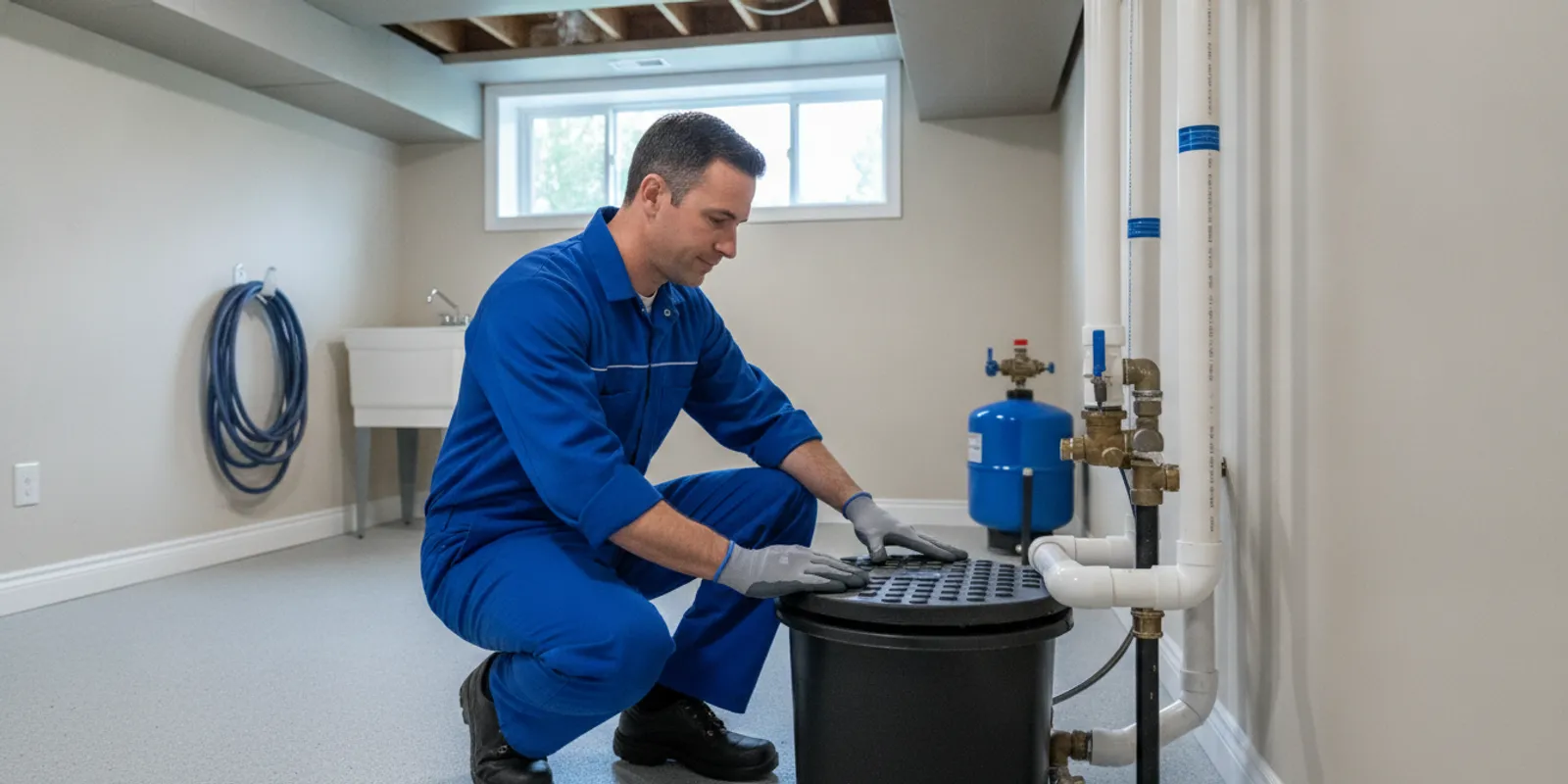
It’s a simple concept with a big impact. A sump pump sits in a specially constructed pit, called a sump pit, at the lowest point of your basement or crawlspace. As groundwater levels rise or rainwater seeps in, it naturally flows toward this low point and collects in the pit. When the water reaches a certain level, it triggers a float switch—much like the one in your toilet tank—that activates the pump. The pump then pushes the water out of your home through a discharge pipe, directing it a safe distance away from your foundation. This automatic process keeps your basement dry without you having to lift a finger.
How to Choose the Right Sump Pump
Not all sump pumps are created equal, and this is one area where you don’t want to cut corners. The cheapest model might save you a few dollars upfront, but it could fail when you need it most. A reliable pump should be powerful enough to handle the volume of water your home might face during a severe storm. When selecting a unit, consider factors like horsepower, pumping capacity (gallons per hour), and build quality (cast iron is more durable than plastic). Getting professional advice on the right model for your home can prevent a future disaster. Our team can help you assess your needs and explore your options for professional sump pump services.
Get a Battery Backup for Power Outages
Here’s the bottom line: the worst storms often knock out the power. If your sump pump runs on your home’s main electrical supply, a power outage renders it useless right when water is pouring in. This is why a battery backup system is a non-negotiable upgrade. A backup system includes a secondary pump and a marine-grade battery that automatically takes over if the power fails or if the primary pump can’t keep up with the water flow. It’s a failsafe that ensures your basement stays protected around the clock, through any weather, giving you true peace of mind.
Make Sure Your Sump Pump Is Placed Correctly
Even the best sump pump on the market won’t do its job if it’s installed incorrectly. Proper placement and sizing are critical for effective operation. The sump pit must be located at the absolute lowest point of your basement to ensure all water is collected. Furthermore, the pump itself must be sized correctly for your home’s specific situation. A pump that’s too small will be overwhelmed, while one that’s too large will cycle on and off too frequently, leading to premature wear and tear. Professional installation ensures the pit is dug correctly, the pump is sized appropriately, and the discharge line is routed to effectively carry water away from your foundation.
Keep Your Flood Prevention Systems Working
Once your flood prevention systems are in place, the work isn’t over. Think of them like any other important equipment in your home—they need regular check-ups to perform when you need them most. Consistent maintenance is the key to keeping your basement dry and avoiding costly emergency repairs. A few minutes of your time each month or season can make all the difference when heavy rains start to fall. By staying on top of these simple tasks, you can ensure your sump pump, gutters, and drains are ready to protect your home from water damage.
Test Your Sump Pump Regularly
Your sump pump is your basement’s first line of defense, so you need to know it’s ready for action. A monthly test is a quick and easy way to get that peace of mind. Simply pour a bucket of water into the sump pit until the float rises and activates the pump. Watch to make sure the pump turns on, removes the water efficiently, and shuts off automatically. While you’re there, check that the float switch can move freely without getting caught on the pump or wires. Clearing out any dirt, gravel, or debris from the bottom of the pit will also prevent clogs. If the pump makes strange noises or fails to activate, it’s time to call for professional sump pump services.
Inspect the Discharge Pipe and Float Switch
A working sump pump is only effective if it can actually move water away from your home. That’s why it’s just as important to inspect the discharge pipe. This pipe carries water from the sump pit outside and away from your foundation. Walk outside and find where the pipe exits your home, making sure the opening is clear of leaves, dirt, animal nests, or ice dams in the winter. A blockage here will cause water to back up right into your basement. Back inside, give the float switch another look. This is the trigger that tells your pump when to turn on, so ensure it isn’t stuck or obstructed.
Clean Your Gutters Seasonally
It’s easy to forget about your gutters, but they play a huge role in managing rainwater. When they become clogged with leaves, twigs, and other debris, water can’t flow freely to the downspouts. Instead, it spills over the sides and pools directly against your foundation, creating immense pressure and increasing the risk of leaks. Make it a habit to clean your gutters at least twice a year—once in the spring and again in the fall. If your yard has a lot of trees, you may need to do it more often. A clean gutter system directs water exactly where it’s supposed to go: away from your house.
Keep Your Drains Free of Debris
Beyond your gutters, pay attention to other drains around your property. Many homes have exterior drains at the bottom of basement stairs or in window wells designed to catch water before it reaches an entryway. These can easily fill up with leaves, silt, and trash, rendering them useless. Regularly check these drains and clear them out by hand or with a stiff brush. If you notice water pooling on your patio or driveway, check for clogged drains there, too. Slow drainage can sometimes point to a deeper issue within your plumbing, so if you can’t clear a clog yourself, it’s best to get professional help from a trusted plumbing expert.
Advanced Waterproofing Solutions to Consider
If you’ve sealed your foundation and optimized your yard’s drainage but still worry about heavy rainfall, it might be time for some bigger upgrades. These next steps offer a more robust defense against water intrusion, giving you serious peace of mind when the storm clouds roll in. Think of these as the heavy-duty tools in your flood-prevention toolkit. By adding specialized systems inside and outside your home, you can create a comprehensive barrier that protects your basement from multiple angles. These solutions are designed to handle more intense water issues, from persistent seepage to the dreaded sewer backup. Taking these extra measures can help ensure your basement stays dry, no matter what the Metro Detroit weather throws at it. For a full overview of protective measures, you can explore a range of expert plumbing solutions.
Consider an Interior Drainage System
Patching a crack where you see a leak is a good start, but water is sneaky and can find its way in from anywhere. An interior drainage system is a more complete solution that manages water no matter where it enters. This system works by collecting any water that seeps through the foundation walls or floor and channeling it to your sump pump. The pump then safely expels the water away from your home. It’s a proactive approach that accepts that some water might get in, but ensures it has a designated, safe path to get out before it can cause any damage. Paired with high-quality sump pump services, an interior drainage system provides a powerful, reliable defense against flooding and moisture problems.
Exterior Waterproofing Membrane
For the ultimate defense, you can take the battle against water outside your home. An exterior waterproofing membrane is like a durable, seamless raincoat for your foundation. While interior coatings manage water that has already seeped through the concrete, an exterior membrane stops it before it ever has a chance to get in. This process involves excavating the soil around your foundation and applying a waterproof material directly to the exterior walls. It’s a significant undertaking, but it’s also one of the most effective ways to ensure a permanently dry basement. Sealing your foundation this way addresses the root of the problem by creating a powerful barrier against soil moisture and hydrostatic pressure, offering a long-term solution for homes with persistent water issues.
Crawl Space Encapsulation
If your home has a crawl space, it could be a major source of the moisture affecting your basement and the rest of your house. Damp, dirt-floor crawl spaces release water vapor that rises and can lead to musty odors, mold growth, and wood rot. Crawl space encapsulation transforms this problematic area by completely sealing it off from the earth and outside air. The process involves lining the floor and walls with a heavy-duty vapor barrier and sealing off any vents. This not only stops moisture from getting into your basement but also improves your home’s overall air quality and energy efficiency. It’s one of the most impactful comprehensive plumbing solutions for creating a healthier, drier living environment from the ground up.
Install Covers on Your Window Wells
Your basement windows can be a major weak point for water entry. An open window well is essentially a bucket right next to your foundation, collecting rain, leaves, and other debris. When it fills up, that water has nowhere to go but straight through your window seals or foundation. Installing window well covers is a simple yet highly effective way to prevent this. These covers fit securely over your window wells, keeping rain and debris out while still allowing sunlight to pass through. This small investment is crucial for preventing water from accumulating against your basement windows and potentially causing a flood. It’s an easy fix that closes a common entry point for water and reduces the risk of needing emergency plumbing services.
Install a Backwater Valve to Prevent Sewer Backup
Sometimes, the threat of flooding doesn’t come from outside your home, but from underneath it. During intense storms, municipal sewer systems can become overwhelmed, causing water and sewage to flow backward through the pipes and into your basement. A backwater valve is your best defense against this specific type of flooding. This device is installed on your main sewer line and acts as a one-way gate, allowing wastewater to flow out but automatically closing if it detects a backflow from the sewer main. Adding a backwater valve is essential for stopping sewage from backing up into your home. Because it involves your main sewer line, this is a job that requires a professional. Our team is experienced with backflow preventer repair and testing and can ensure your home is protected.
What to Do in a Flooding Emergency
Even with the best prevention methods in place, a severe storm can overwhelm your home’s defenses. That’s why having a solid emergency plan is just as important as waterproofing. When water starts rising, you won’t have time to figure out your next steps. Acting quickly and safely can make a huge difference in minimizing damage and keeping your family safe. A little preparation now goes a long way when you’re facing a potential flood. Think of it as your family’s fire drill, but for water. Knowing what to do and having the right tools on hand will give you peace of mind when the weather takes a turn for the worse.
Safety First: Before You Start Cleanup
Before you even think about cleanup, your number one priority is safety. Floodwater is not just water; it can be contaminated with sewage, chemicals, and bacteria, and it poses a serious electrical hazard. The very first thing you must do is turn off the power to your basement at the breaker box. If you have to walk through water to get to your breaker box, stop immediately and call an electrician. Never step into standing water when the power is on. Once you’re sure the electricity is off, protect yourself by wearing waterproof boots and gloves. This isn’t the time for bare feet or hands—you need a barrier between you and whatever is in that water. If the flooding is severe or you feel unsafe for any reason, it’s always best to call for professional emergency plumbing services.
Immediate Cleanup and Drying Steps
Once the area is safe, the clock starts ticking on water removal. The goal is to get your basement as dry as possible, as quickly as possible, to minimize damage and prevent mold growth. If you have a small amount of water, a wet/dry shop vac is your best tool for the job. Start removing as much standing water as you can. As you clear an area, move any wet items—like rugs, furniture, and boxes—out of the basement. The less saturated material you have in the space, the faster it will dry. After you’ve removed the bulk of the water, set up as many fans and dehumidifiers as you can get your hands on. You want to create as much airflow as possible and pull the moisture out of the air. Your target should be to get the humidity level below 50%.
Remove Damaged Materials Quickly
This is the tough part, but it’s absolutely necessary. Some items simply can’t be saved after being saturated with floodwater. Anything porous that has been soaked, like carpeting, padding, upholstered furniture, and drywall, will likely need to be thrown out. Mold can begin to grow within 24 to 48 hours, and these materials are a perfect breeding ground. When it comes to drywall, you’ll need to cut it out at least a few inches above the waterline to ensure you remove all the moisture. It might be tempting to start rebuilding right away, but patience is key. You should wait at least a month or two to be certain that the underlying wood studs and concrete are completely dry before installing new flooring or drywall.
Disinfect to Prevent Mold Growth
After you’ve removed the water and discarded damaged materials, it’s time to clean and disinfect everything that’s left. Mop the entire concrete floor with a strong disinfectant cleaner to kill any lingering bacteria and germs. Once the floor is dry, it’s a good idea to treat the surfaces to prevent future mold growth. You can use a mold control spray, applying it to the concrete floor and the bottom foot or so of the remaining drywall and exposed wood studs. This creates a barrier that helps stop mold spores from taking hold. Continue to run dehumidifiers and fans, and keep an eye on the humidity levels. Consistently checking for any signs of new mold growth will ensure your basement stays clean and healthy long after the flood is gone.
Create a Flooding Action Plan
Your first step is to create a simple, clear action plan. A common mistake is thinking that patching a few visible cracks is enough. However, water damage can happen anywhere in a basement, so your plan needs to be comprehensive. Start by identifying the location of your main water shut-off valve and your home’s electrical panel. Make sure everyone in your household knows how to turn them off safely. You should also have a list of important contacts, including your insurance agent and a trusted plumber for emergency plumbing services. Finally, decide ahead of time which valuables or electronics in the basement should be moved to a higher floor if flooding seems likely.
Put Together an Emergency Kit
Next, assemble an emergency kit with supplies specifically for a flooding event. A flooded basement can create serious safety risks, from electrical hazards to contaminated water, so you need to be prepared. Your kit should include safety gear like waterproof boots and heavy-duty gloves. Essential tools include a wet/dry vacuum for removing water, a battery-powered flashlight, and extension cords. If you rely on a sump pump, having a backup pump or a battery backup system is a must in case of a power outage. Store these items together in a dry, accessible spot so you can grab them the moment you need them.
Know When It’s Time to Call Mr. Pipey for Help
While there are many steps you can take to protect your basement, some jobs are best left to the pros. Recognizing when you need an expert is key to preventing small issues from turning into major, expensive disasters. If you’ve tried the basics and are still finding water, or if the problem seems bigger than a simple fix, it’s time to call for backup. A small crack in the foundation or a persistent damp spot might seem minor, but these are often just symptoms of a larger issue. Simply patching a visible leak without understanding the source is like putting a bandage on a broken arm. Water intrusion can be complex, and a professional assessment is necessary to identify the root cause, whether it’s poor grading, hydrostatic pressure, or issues with your home’s drainage system.
More importantly, dealing with basement water can be hazardous. A flooded basement introduces risks of electrical shock, structural damage, and potential gas leaks. Your family’s safety is the top priority. If you’re facing active flooding or significant water intrusion, stepping aside for a trained professional is the safest and smartest move. Our emergency plumbing team is equipped to handle these situations safely and efficiently. Even if your basement is currently dry, a professional inspection can offer peace of mind. We can assess your current setup and recommend preventative measures, like our expert sump pump services, to keep your home protected for years to come.
Signs You Need a Professional Plumber
While DIY fixes are great for many home projects, some situations are clear signals that you need an expert. If you experience recurring leaks every time it rains, it’s a sign of a systemic issue, not a one-off problem. Look for cracks in your foundation; while small vertical ones can be normal, any horizontal or stair-step cracks can indicate serious pressure on your walls. A persistent musty smell or visible mold growth are also red flags that point to a hidden, long-term moisture problem that needs professional diagnosis. And if your sump pump is constantly running or fails to turn on, it’s a critical failure that requires immediate sump pump repair. These issues go beyond simple patches and require an expert to find and fix the root cause before the damage gets worse.
A Note on Homeowners Insurance
When you’re dealing with a wet basement, understanding your insurance policy is crucial. It’s important to know that most standard homeowners policies do not cover damage from “flooding,” which is typically defined as water entering from a natural, rising body of water. However, your policy may cover water damage from other sources, like a burst pipe or a sewer backup, especially if you have a specific rider for it. When you call your insurance agent, be precise with your language. Instead of saying your basement “flooded,” describe the situation as “water in the basement.” Before you clean up, document everything thoroughly with photos and videos to support your claim. You can get more details on the specifics of water damage coverage to be better prepared.
Related Articles
- A Homeowner’s Guide to Old Basement Drainage Systems
- Sump Pump Installation: Your Guide to a Dry Basement
- Basement Drain Backup: Your Step-by-Step Guide
- Sump Pump Basin: Everything You Need to Know
Frequently Asked Questions
My basement only gets a little damp, not a full flood. Is that still a big deal? Yes, even a small amount of moisture is a warning sign. That persistent dampness can lead to mold growth, musty odors, and can slowly damage your home’s foundation and structure. Think of it as a symptom of a larger problem, like a small crack or poor drainage, that could worsen during the next big storm. Addressing it now prevents a much bigger headache later.
I’ve cleaned my gutters, but water still pools near my house. What’s my next step? If your gutters are clear but water is still gathering at your foundation, the next thing to check is your property’s grading. The ground around your house should slope away to guide water off. If your yard is flat or slopes inward, that’s likely your problem. You might also want to make sure your downspouts extend far enough away from the house—at least five feet is a good rule.
Is a sump pump battery backup really necessary? Absolutely. The most intense rainstorms are often the ones that knock out the power. Without a battery backup, your sump pump becomes useless at the exact moment you need it most. The backup system automatically kicks in when the power goes out, ensuring your basement stays dry. It’s a critical failsafe that provides true peace of mind.
How can I tell if a foundation crack is a simple DIY fix or something more serious? Generally, thin, vertical cracks are common from a house settling and can often be sealed with an epoxy injection kit. However, if you see horizontal cracks, stair-step cracks in a block wall, or any crack that is actively leaking or getting wider, it’s time to call a professional. These can indicate serious pressure on your foundation that needs an expert assessment.
Can I just use waterproof paint to fix a damp wall? While applying a waterproof coating is a great step, it should be done after you’ve addressed the root cause of the water. Simply painting over a damp spot or a water stain traps the moisture behind the paint, which can cause the paint to bubble and peel. More importantly, it doesn’t stop the water from getting into your foundation in the first place. You need to find out why the wall is damp—whether it’s a crack or an external drainage issue—and fix that first.