
That damp, musty smell in your basement is more than just an annoyance—it’s a warning sign. When heavy rains or melting snow are a reality, that moisture can lead to costly water damage, mold, and even foundation issues. A sump pump is your home’s best defense, working tirelessly to keep your basement dry. The good news? You can absolutely install a sump pump yourself. This guide gives you the confidence and know-how, breaking down the entire process from start to finish. We’ll make sure your home stays safe, dry, and protected.
Key Takeaways
- Plan your project before you dig: Find the lowest spot in your basement for the sump pit, check local regulations on water discharge, and map out a pipe route that directs water at least 10 feet away from your home’s foundation.
- Focus on the core components: A successful installation hinges on a few key details, including setting the basin on a stable gravel base, installing the check valve with the arrow pointing away from the pump, and creating watertight seals on all pipe connections.
- Prioritize safety and regular testing: Always plug your sump pump into a dedicated GFCI outlet and never use an extension cord. After installation, test your system with a bucket of water and repeat this check every few months to ensure it’s ready for a storm.
What’s a Sump Pump and Why Does Your Basement Need One?
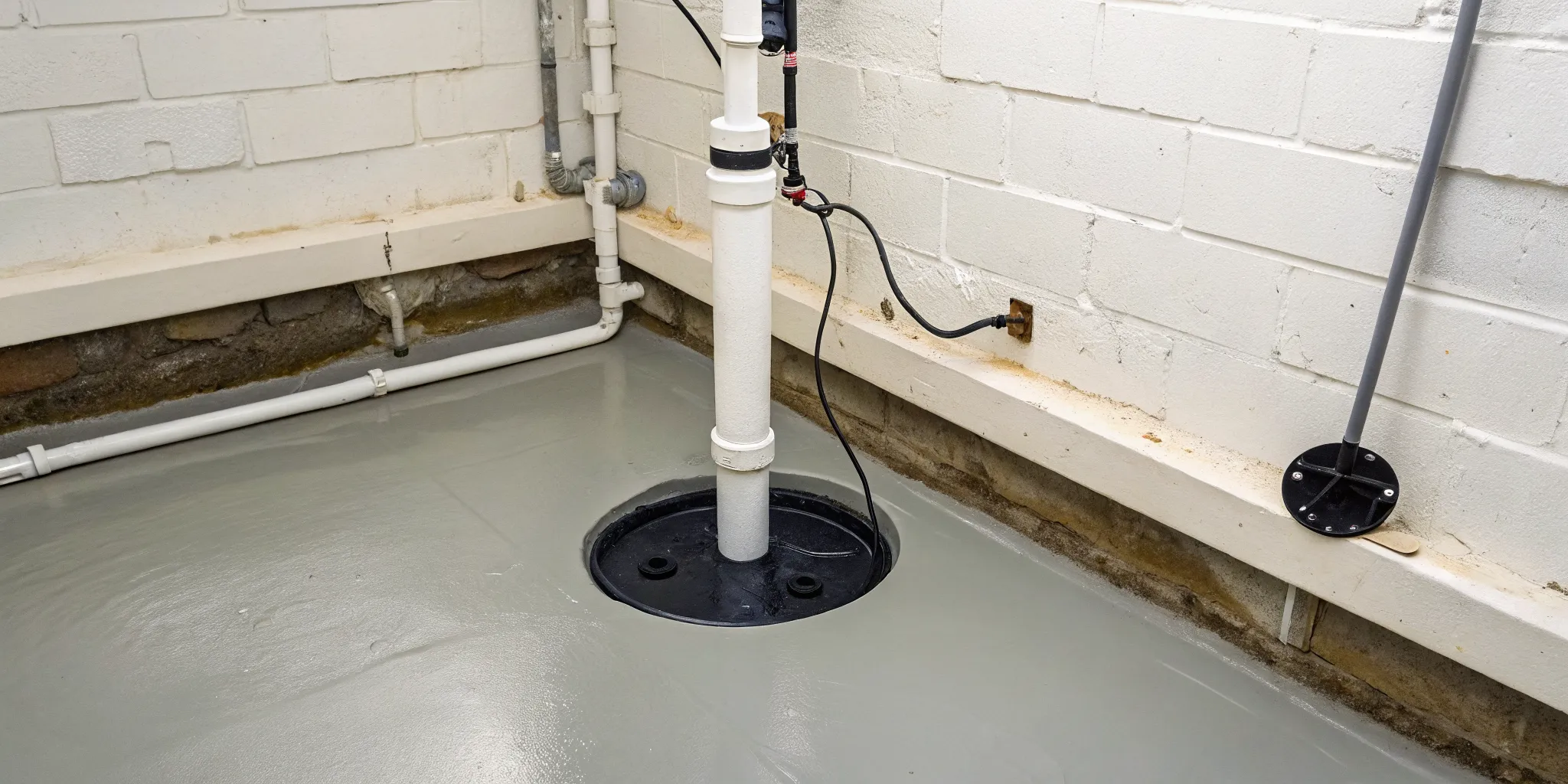
Think of a sump pump as your basement’s personal bodyguard against flooding. It’s a small pump installed in the lowest part of a basement or crawlspace, specifically designed to keep the area dry and prevent water from damaging your home. Its main job is to remove water that accumulates under your foundation and direct it away from your house. For homeowners in Metro Detroit, where heavy rain and melting snow can lead to excess groundwater, a sump pump is an essential tool for protecting your property from the elements.
Water damage can be a nightmare, leading to costly repairs, mold growth, and even a compromised foundation. A sump pump helps prevent all of that. It sits inside a specially constructed pit, called a sump pit. As groundwater levels rise, the pit fills with water, and the pump automatically turns on to discharge the water safely outside. Investing in professional sump pump services not only keeps your basement dry but also gives you peace of mind, knowing your home is protected from unexpected water intrusion. It’s a proactive measure that safeguards your home’s value, protects your stored belongings, and maintains a healthy, dry environment for your family.
How Does a Sump Pump Keep Your Basement Dry?
The way a sump pump works is pretty straightforward. It all starts with the sump pit, which collects excess water from the foundation drains around your basement. As the pit fills up, it raises a float switch, similar to the one in your toilet tank. Once the water reaches a specific level, the float triggers the pump to turn on. The pump then moves the water out of the pit and through a discharge pipe. This pipe carries the water away from your house, ensuring it doesn’t just seep back into the foundation. A properly installed system will deposit the water at a safe distance, protecting your home from moisture.
Choosing Your Pump: Submersible vs. Pedestal
When you start shopping for a sump pump, you’ll quickly see two main types: submersible and pedestal. A submersible pump does exactly what its name suggests—it sits fully submerged in the sump pit. This design makes it much quieter and keeps it out of sight. Because it’s underwater, it’s also less likely to get clogged with debris, making it a reliable choice for most homes, especially in areas that see a lot of rain. On the other hand, a pedestal pump has its motor mounted on a column above the pit. This makes them easier to access for maintenance and generally less expensive. The trade-off is that they tend to be louder and can be more prone to clogging. Deciding between the two often comes down to your budget and how much noise you’re willing to tolerate. If you’re still weighing the options, our team can help you select the perfect pump for your home’s specific needs.
Understanding Pump Capacity and Power Needs
Beyond the type of pump, you also need to consider its power. Most residential sump pumps are rated by horsepower (HP), with 1/3 HP being the standard for an average home. This rating tells you how much water the pump can move and how quickly. While 1/3 HP is often enough, a home in a high water table area might need a more powerful model. It’s also important to think about the electricity it uses, especially if you plan on getting a battery backup for power outages. A pump needs a lot more power to start up than it does to run continuously. For example, a 1/3 HP pump might need 1200 watts to start but only 400 to run. Making sure your backup system can handle that initial surge is key to keeping your basement dry during a storm, which is why having a plan for plumbing emergencies is so important.
Telltale Signs It’s Time for a Sump Pump
Not sure if you need a sump pump? Your house will usually give you some clear signals. If you’ve noticed a persistent damp or musty smell in your basement, that’s a big red flag for excess moisture. Other telltale signs include damp spots on the floors or walls, peeling paint, or chalky white residue (efflorescence) on concrete surfaces. Of course, the most obvious signs are standing water or visible water trickling in after heavy rain. If you see any of these issues, it’s a strong indication that your basement could benefit from a sump pump to manage the moisture and prevent long-term damage.
What You’ll Need to Install Your Sump Pump
Before you start any project, it’s always a good idea to get organized. Taking a few minutes to gather everything you need will save you from making extra trips to the hardware store and help the installation go smoothly. Think of it as setting up your workspace for success. A well-prepared project is often a well-executed one, and this step ensures you have all the necessary parts and safety gear right at your fingertips. When you have everything laid out, you can focus completely on the task at hand without any interruptions. Let’s walk through exactly what you’ll need to get this job done right.
Your Sump Pump Installation Toolkit
You don’t need a professional-grade workshop, but a few key tools are essential for installing your sump pump drain system. Having these ready will make each step much easier to manage.
Here’s what you should have on hand:
- A drill
- A hacksaw or PVC pipe cutter for clean cuts
- A tape measure
- A level
- A shovel or spade for digging the pit
- A bucket for removing dirt and water
Most of these are common household tools, but it’s worth double-checking your toolbox before you begin. A good sump pump installation guide can also be a helpful reference to keep nearby as you work.
Sump Pump Parts and Materials Checklist
Next, let’s talk about the materials that will make up your new sump pump system. It’s best to purchase these all at once to ensure they are compatible.
You will need the following components:
- The sump pump itself
- A check valve to prevent water from flowing back into the basin
- Enough PVC pipe to run from the pump to your desired discharge location
- PVC primer and cement to create watertight seals
- PVC fittings and connectors (like elbows and adapters)
- Gravel for the base of the sump pit
- A sump basin or liner
Gathering these specific materials and components ahead of time is a critical step for a seamless installation.
Safety First: Your Pre-Installation Checklist
Safety should always be your top priority. Working with water and electricity requires careful attention, so please don’t skip these precautions. Before you touch anything, unplug the old sump pump from its power source. This is the most important step to prevent electrical shock. It’s also wise to wear safety glasses and gloves to protect yourself from debris. If at any point you feel unsure or the job seems more complex than you expected, it’s always best to pause. Our team is here to provide professional and reliable sump pump services to ensure your home is protected safely and correctly.
Before You Install: Essential Prep Steps
A successful sump pump installation starts long before you break ground. Taking the time to plan ahead will save you from major headaches and ensure your system works effectively when you need it most. Proper preparation involves more than just picking a spot; it’s about understanding your space, knowing the local rules, and creating a smart plan for where all that water will go. Think of it as creating a blueprint for a dry basement.
First, you’ll need to find the perfect location for the sump pit, which is crucial for maximizing water collection. Next, you have to do your homework on local building codes and permits. This step is often overlooked, but skipping it can lead to fines and an installation that isn’t up to standard. Finally, you need a solid plan for the discharge route to make sure water is directed safely away from your home without causing issues for you or your neighbors. Getting these three things right is the foundation of a reliable system that will protect your home for years. If you’re feeling unsure about any of these steps, remember that our team can handle the planning and installation for you, guaranteeing a setup that’s both effective and compliant with all Metro Detroit regulations.
Finding the Perfect Spot for Your Sump Pit
The right location is everything when it comes to your sump pump. Since water flows downhill, you’ll want to place the sump pit in the lowest spot in your basement or crawl space. This is where water will naturally collect first, allowing the pump to do its job efficiently. Take a walk around your basement and look for any slight slopes or areas where you’ve noticed moisture before. A corner is often the most practical and out-of-the-way spot. Once you’ve picked your location, the plan is to dig a hole that’s just a bit wider and deeper than the sump basin itself to ensure a snug and stable fit.
Do You Need a Permit? Check Local Codes
Before you start digging, it’s essential to check your local building codes. Many homeowners don’t realize that cities and townships have specific rules about where and how a sump pump can discharge water. For example, some regulations dictate how far the discharge line must be from your property line or public sidewalks. Following these rules isn’t just about compliance; it’s about being a good neighbor and ensuring safety. A quick call to your local building department can clear things up. To avoid any guesswork, working with a professional ensures your entire sump pump system is installed correctly and legally from the start.
Where Will the Water Go? Planning Your Discharge Route
The whole point of a sump pump is to get water out of your basement, so where that water ends up is critical. You need to map out a path for the discharge pipe that carries water far away from your home’s foundation. A good rule of thumb is to aim for at least 10 to 20 feet away. If the water is released too close, it can just seep back into the soil and right back into your basement, defeating the purpose of the pump. Also, be mindful of your property lines and avoid sending water toward your neighbor’s yard. In the winter, a poorly placed discharge line can create dangerous ice patches on sidewalks or driveways, so planning for proper drainage is key to preventing frozen pipes and other hazards.
Pro Tip: Containing Dust and Debris
Let’s be honest: breaking up a concrete floor is going to make a mess. But with a bit of planning, you can keep that mess contained. The difference between a tidy work zone and a basement coated in a fine layer of dust comes down to preparation. Containing dust and debris isn’t just about making cleanup easier; it’s about maintaining a safe, breathable environment while you work. A few simple but effective strategies can prevent concrete dust from traveling through your home’s ventilation system and settling on everything you own. Taking these steps will help you focus on the installation itself, without worrying about the cleanup nightmare waiting for you at the end.
- Create a Dust Barrier. Before you begin any digging, hang heavy-duty plastic sheeting from the ceiling joists to the floor, completely enclosing your work area. Use painter’s tape to seal the edges and create a quarantine zone. This simple step is the most effective way to stop concrete dust from migrating through your entire basement and into your home’s ventilation system. It’s a small effort that makes the final cleanup infinitely easier.
- Prepare for Water Management. As you break through the concrete and start digging the pit, you might encounter water sooner than you expect. Be ready for this by having a shop vacuum on hand. A good wet/dry vac can quickly suck up any water that begins to pool, keeping your workspace from turning into a muddy pit. If you anticipate a lot of water, a small, temporary utility pump can be a lifesaver, allowing you to continuously drain water as you work.
These precautions will make the installation process much smoother and far less chaotic. However, we know that dealing with concrete demolition, dust control, and unexpected water is a big job that not everyone wants to tackle. If the thought of turning your basement into a construction zone sounds like more hassle than you’re up for, that’s perfectly okay. Our team at Mr. Pipey is here to help. We handle the entire process, from careful planning to a thorough cleanup, providing professional sump pump services for homeowners across Metro Detroit. You get the peace of mind of a dry basement without any of the mess or stress.
Let’s Install Your Sump Pump: A Step-by-Step Guide
Alright, you’ve gathered your tools and you’re ready to get your hands dirty. Installing a sump pump can be a rewarding project, but it requires precision and careful attention to detail. This guide will walk you through the core steps of the installation process, from digging the pit to connecting the pipes. Before you begin, it’s important to be realistic about the scope of the work. If your basement has a thick concrete floor, you’ll need a jackhammer to create the sump pit, which can be a physically demanding task. You’ll also be working with plumbing and electrical systems, so safety should always be your top priority.
This guide is designed to give you a clear roadmap. We’ll cover how to choose the right spot, prepare the pit, set the pump, and connect all the essential components like the discharge pipe and check valve. Following these steps carefully will help you create a reliable system to protect your basement from water damage. However, remember that every home is different, and you might encounter unique challenges. If you ever feel unsure or run into a problem you can’t solve, don’t hesitate to call in a professional. A properly installed sump pump is your basement’s best defense against flooding, so getting it right is what matters most. For those who prefer the peace of mind that comes with an expert touch, our team is always ready to handle your sump pump installation from start to finish.
Step 1: Digging and Prepping the Sump Pit
First things first, you need to create a home for your sump pump. Find the lowest point in your basement where water naturally collects, which is typically in a corner. This is where you’ll place the sump pit. Once you’ve found the perfect spot, it’s time to dig. You’ll need to excavate a hole that is slightly wider and deeper than the sump basin itself. This extra space is important because it allows you to add a layer of gravel underneath and around the basin, which helps with water filtration and keeps the liner stable. If you have a concrete floor, this step will require a jackhammer. Take your time to ensure the hole is the right size for a snug, level fit.
Step 2: Placing the Basin and Pump
With the pit prepared, you can now install the basin. Start by placing a few inches of coarse gravel at the bottom of the hole to create a stable base. Set the basin into the hole, making sure its top edge sits perfectly flush with the basement floor. Next, fill in the gaps around the outside of the basin with more gravel. To secure it completely, you can pour a thin layer of fresh concrete around the rim to seal it in place. Once the basin is secure, you can lower the sump pump and position it in the center. Make sure the pump is level and that its float switch can move freely without touching the basin walls.
Securing the Pit Cover for Safety
Now that your pump is in place, it’s time to secure the pit. This isn’t just about keeping things tidy; it’s a critical safety step. An open sump pit is a serious hazard for children and pets, and it’s an open invitation for debris to fall in and clog your pump. A proper, securely fastened cover does more than just prevent accidents. A tight-fitting, airtight cover is essential for preventing dangerous soil gases, like radon, from seeping into your basement. Make sure the cover is gasketed and bolted down, creating a seal that protects your home’s air quality and keeps your pump system running smoothly. This simple step ensures your basement is not only dry but also safe for your family.
Step 3: Connecting the Discharge Pipes
Now it’s time to create an exit route for the water. You’ll need to assemble the discharge pipe that will carry water from the pump safely out of your home. Start by attaching a male threaded adapter to the pump’s discharge port. From there, connect a short piece of PVC pipe. This is also where you’ll install the check valve, a crucial component we’ll discuss next. Use PVC primer and cement at every connection point to create a strong, watertight seal and prevent leaks. This system is what moves water away from your foundation, so ensuring every joint is secure is key to a successful installation.
Deburring PVC for a Leak-Proof Seal
Here’s a small detail that makes a huge difference in preventing leaks. After you cut your PVC pipe, you’ll notice the edges are a bit rough. Taking a moment to clean these up is a critical step for getting a perfect, watertight seal. Carefully use a utility knife to trim away any plastic burrs or jagged bits from the inside and outside of the pipe’s cut end. This creates a smooth, clean surface that allows the pipe and fittings to connect flawlessly. As any good installation guide will emphasize, a clean connection is essential for the PVC primer and cement to create an unbreakable, leak-proof bond. This simple action ensures your system will effectively move water away from your foundation without any frustrating drips or seepage down the line.
Step 4: Installing a Check Valve to Prevent Backflow
A check valve is a small but mighty part of your sump pump system. Its only job is to stop water in the discharge pipe from flowing back into the pit after the pump turns off. Without it, your pump would have to work much harder, cycling on and off to pump out the same water repeatedly. When you install the check valve, pay close attention to the arrow printed on its side. This arrow must point up and away from the pump, following the direction of the water flow. Installing it upside down will prevent the system from working at all. This simple step protects your pump from unnecessary wear and tear, extending its lifespan and ensuring proper backflow prevention.
Don’t Forget the Weep Hole
This next step might seem small, but it’s a game-changer for your pump’s reliability. You need to drill a tiny “weep hole” in the discharge pipe to prevent air from getting trapped, a problem called air lock. If air gets stuck, it can stop the pump from moving water, causing it to fail when you need it most. To do this, find a spot on the PVC pipe about two finger-widths above where it connects to the pump. Using a 3/16-inch drill bit, drill a hole at a downward angle into the pipe. This allows any trapped air to escape, ensuring your pump can prime itself and work effectively. It’s a quick step that makes a huge difference.
Choosing a Quality Check Valve
While we just covered how to install the check valve, selecting a good one from the start is just as important. Not all check valves are created equal, and a cheap or flimsy one can fail, causing the very backflow issues you’re trying to prevent. When you’re at the hardware store, look for a valve made from durable PVC or ABS plastic with a strong internal flapper and quality rubber seals. Some models are even designed as “silent” check valves, which use a spring to prevent the loud “thump” when the pump shuts off. Investing a few extra dollars in a quality component will ensure your system runs efficiently and quietly for years to come.
Getting the Exterior Discharge Line Right
Once you’ve connected the pipes inside, the next step is figuring out where all that water will go. The exterior discharge line is what carries water from your sump pump safely away from your home. Getting this part right is essential. If the line is too short, water will just seep back into your foundation, defeating the whole purpose of the pump. If it’s poorly planned, you could end up with a frozen, blocked pipe in the middle of a winter storm. Let’s walk through how to route your discharge line so it works efficiently and protects your home year-round.
Keep Water Away From Your Foundation
The golden rule for your discharge line is to get the water far away from your house. You should aim to run the pipe at least 10 to 20 feet from your foundation. This distance gives the water enough space to absorb into the ground without circling back to your basement. Be careful not to make the line too long, though. A pipe longer than 20 feet can make your pump work overtime, leading to premature wear and tear. The goal is to find that sweet spot where water is safely away, and your pump isn’t under unnecessary strain. Proper drainage is key to effective sump pump services.
How to Stop Your Discharge Pipe From Freezing
Here in Metro Detroit, we know how cold winters can get. A frozen discharge line is a common cause of sump pump failure when you need it most. To prevent this, you need to protect the pipe from the elements. Insulating the exterior portion of the line is a great first step. For an even better solution, consider burying the pipe just below the frost line. This keeps it shielded from freezing temperatures. It’s also a good idea to create a small “air gap” between the end of the pipe and the ground to ensure water can escape even if ice or snow builds up around it. Taking these steps can save you from needing an emergency frozen pipe repair.
Getting the Pipe Size and Slope Just Right
The final piece of the puzzle is using the right hardware. Your discharge pipe needs to be the correct diameter to handle the volume of water your pump pushes out. Using a pipe that’s too narrow can create a bottleneck, putting a lot of stress on the pump’s motor. You also want to ensure the pipe has a slight, consistent downward slope away from your house. This uses gravity to your advantage, helping the water flow out smoothly and preventing it from sitting in the line. If you’re unsure about the right pipe size or how to achieve the perfect slope, it’s always best to contact a professional for help.
Power Outages and Peace of Mind: Backup Systems and Upgrades
Your sump pump is your first line of defense against a flooded basement, but it has one major vulnerability: it relies on electricity. Here in Metro Detroit, we’re no strangers to powerful storms that can knock out the power for hours, often at the exact moment rainfall is at its heaviest. If the power goes out, your primary sump pump goes with it, leaving your home completely unprotected. This is why having a reliable backup plan isn’t just a good idea—it’s essential for true peace of mind. A backup system ensures your basement stays dry even when the grid is down, preventing a stressful situation from turning into a catastrophic one.
Fortunately, there are several upgrades you can add to your sump pump system to make it more resilient. The most important of these is a battery backup, which automatically takes over when the power fails. Beyond that, smart technology like high-water alarms can provide an extra layer of security by alerting you to potential problems before they escalate. Investing in these systems means you won’t have to worry every time the lights flicker during a storm. It transforms your sump pump from a single point of failure into a robust, multi-layered defense system. If your pump does fail during an outage, it can quickly become an emergency plumbing situation, so preparing ahead of time is always the best strategy.
Types of Battery Backup Systems
A battery backup is a secondary, battery-powered sump pump that sits alongside your primary pump. When a power outage occurs, it automatically kicks in to take over the job of pumping water out of your basement. Unlike a gas generator, which can be unsafe to operate indoors and requires manual starting, a battery backup is designed for seamless, automatic operation. It works with both submersible and pedestal pumps and provides a safe, reliable solution for keeping your basement dry when you need it most. This simple addition can be the difference between a minor inconvenience and thousands of dollars in water damage.
How to Size Your Battery Backup
Choosing the right battery backup comes down to two key factors: power and runtime. First, you need to check your primary pump’s power requirements. Sump pumps require a surge of energy to start up (starting watts) and less energy to keep running (running watts). Your battery backup must be powerful enough to provide the necessary starting watts. Second, decide how long you want the backup to run. To figure this out, you can multiply your pump’s running wattage by the number of hours of protection you want. This will give you a target for the battery’s capacity, ensuring it can handle a prolonged outage.
Smart Upgrades: High-Water Alarms
For an even greater sense of security, consider installing a high-water alarm. These smart devices monitor the water level in your sump pit and alert you if it rises too high, which could signal a pump failure or a power outage. Many modern sump pump alarms can even send notifications directly to your smartphone, so you’ll know there’s an issue no matter where you are. When paired with a battery backup, a high-water alarm creates a comprehensive safety net, giving you an early warning to check on your system. If you want to ensure these components are installed correctly and work together flawlessly, our team offers expert sump pump services to give you complete confidence in your home’s protection.
Sump Pump Installation Mistakes to Avoid
Installing a sump pump might seem straightforward, but a few common missteps can lead to a system that doesn’t work when you need it most. Getting the details right from the start will save you from dealing with a flooded basement, a burned-out pump, or even safety hazards down the road. Let’s walk through some of the most frequent installation mistakes so you can be sure your hard work pays off with a dry, protected home. When in doubt, remember that our team is always here to help with professional sump pump services to ensure everything is done correctly and safely.
Mistake #1: Discharging Water in the Wrong Place
Where you send the water is just as important as getting it out of your basement. A primary mistake is placing the discharge pipe too close to your home’s foundation. The pipe needs to extend at least 10 feet away; otherwise, the water you just pumped out will seep back into the soil and right back into your sump pit. This creates an endless cycle that overworks your pump and wastes energy. Also, be mindful of where the water ends up. Avoid discharging it onto a neighbor’s property, into a septic system, or onto public sidewalks. Many local ordinances have specific rules about this, so a quick check can prevent future headaches.
Mistake #2: Ignoring Electrical Safety
Water and electricity are a dangerous combination, so proper wiring is non-negotiable. Your sump pump must be plugged into its own dedicated, ground-fault circuit interrupter (GFCI) outlet. Never, ever use an extension cord. Extension cords aren’t designed for this kind of permanent, heavy-duty use and can create a serious fire risk. The outlet should also be installed at least four feet off the floor to protect it from potential flooding. And before you even begin working in the sump pit, whether you’re installing a new pump or replacing an old one, always unplug the power source first. Handling these electrical components incorrectly can lead to a serious emergency plumbing situation.
Creating a Drip Loop for Your Cords
Another key electrical safety step is creating a drip loop with your pump’s power cord. This is a simple but brilliant trick. By allowing the cord to hang in a U-shape just before it plugs into the GFCI outlet, you use gravity to your advantage. Any moisture or condensation that might travel down the cord will drip off at the bottom of the loop instead of running straight into the electrical socket. As one guide on making drip loops explains, this downward curve ensures water can’t follow the wire into the connection. It’s a small detail that electricians never forget because it effectively prevents water from reaching the outlet, which is crucial for avoiding shorts and enhancing safety. This simple loop is a must-do for a secure and reliable installation.
Mistake #3: Choosing the Wrong Size Pump
Bigger isn’t always better, and too small won’t get the job done. Both your sump pit and the pump itself need to be sized correctly for your home’s needs. A pit that is too small or shallow will cause the pump to turn on and off too frequently, a problem known as short-cycling that can burn out the motor prematurely. According to installation guides, a pit should be at least 22 inches deep and about 18 inches wide. Similarly, a pump that’s too powerful for the amount of water you typically get will be inefficient, while one that’s too weak won’t be able to keep up during a heavy storm. Getting the size right ensures your system runs efficiently and lasts for years.
Keeping Your Sump Pump in Top Shape
Getting your sump pump installed is a huge step toward a dry basement, but the job isn’t quite finished. Like any important piece of equipment in your home, your sump pump needs a little attention to ensure it’s ready to work when the next big storm hits. Regular testing and maintenance are the keys to preventing a surprise flood. Think of it as peace of mind in a bucket. A few simple checks can save you from a major headache and costly water damage down the road. By creating a simple routine, you can feel confident that your system is prepared to protect your home.
The First Test: Does Your New Pump Work?
Once the final pipe is connected, it’s time for a test run. Don’t wait for a downpour to find out if something is wrong. You can easily test the system yourself by slowly pouring a five-gallon bucket of water into the sump pit. The water should raise the float, trigger the switch, and turn the pump on. Listen for the pump to kick in smoothly and then head outside to watch the discharge pipe. You should see a steady stream of water flowing out and away from your foundation. This simple check confirms that everything is connected correctly and the water is going exactly where you planned.
Your Simple Sump Pump Maintenance Schedule
Your sump pump doesn’t run every day, so it’s easy to forget about it until you really need it. To avoid any surprises, it’s a good idea to create a simple maintenance schedule. Every few months, and especially before the spring thaw or a rainy season, repeat the bucket test to make sure the pump is still working properly. While you’re there, unplug the pump and take a quick look inside the pit. Clear out any dirt, gravel, or debris that could get sucked in and clog the pump’s intake. A clean pit helps your pump run efficiently and extends its life. If you’d rather leave it to the pros, our team offers expert sump pump services to keep your system in top shape.
Know When to Call a Professional
While regular testing is something you can handle yourself, some problems require an expert eye. If you hear strange grinding, rattling, or loud humming noises, it could mean internal parts like the motor are failing. Another major red flag is if the pump runs constantly, even when there’s no water, or if it fails to turn on at all. If you notice water overflowing the pit, that’s a clear sign of a malfunction that needs immediate attention. Don’t hesitate to call for help. Catching these issues early can prevent a full-blown basement flood. For any concerns, our emergency plumbing team is always ready to help.
DIY vs. Hiring a Pro: Costs, Time, and Considerations
Deciding whether to install a sump pump yourself or hire a professional is a big part of the process. A DIY installation can be a satisfying and budget-friendly project if you have the right skills and a straightforward setup. However, it’s also a job where mistakes can lead to a flooded basement, so it’s important to be honest about your comfort level. This decision often comes down to a balance of three things: cost, time, and the complexity of the job. If you’re simply replacing an old pump with a similar model, you might feel confident tackling it yourself. But if the project involves cutting through concrete or installing a new drainage system from scratch, the expertise of a professional is invaluable. A pro not only brings the right tools and experience but also ensures the job is done correctly and up to code, giving you total peace of mind. At Mr. Pipey, we believe in empowering homeowners, but we’re also here to provide reliable sump pump services when the job calls for an expert hand.
Understanding Installation Costs
The cost of installing a sump pump can vary quite a bit, so it’s helpful to know what to expect. The biggest factor influencing the price is whether you’re replacing an existing unit or installing a brand-new system where one has never been before. A simple replacement is a much smaller job, while a new installation involves creating the sump pit, running new plumbing, and handling the electrical work. The DIY route will save you money on labor, leaving you with just the cost of the pump and materials. However, professional installation includes the expertise and efficiency of a trained plumber, which can be well worth the investment, especially for more complicated projects that require specialized tools and knowledge.
Typical Cost Ranges for Sump Pump Installation
If you’re hiring a professional, a straightforward replacement of an existing pump will typically cost between $300 and $600. This kind of job is relatively quick and doesn’t involve major construction. However, if you need a completely new installation, the price can range from $800 to $1,700. This higher cost covers the labor-intensive work of digging the pit, installing the basin, and running the discharge lines. It’s important to remember these are just estimates. The final cost of a sump pump installation can change based on the specifics of your home and the type of system you choose.
Factors That Increase Installation Costs
Several factors can push the cost of a sump pump installation toward the higher end of the spectrum. The most significant is the need to cut through a concrete basement floor to create a new sump pit, which requires a jackhammer and considerable labor. The complexity of the drainage system also plays a big role. If you need extensive piping to carry water far from your home, or if the plumber needs to navigate around existing utilities, the cost will increase. Additionally, choosing a more advanced system, like one with a battery backup or a heavy-duty cast-iron pump, will add to the material costs. In some cases, a complex installation can reach up to $4,000, especially if significant drainage work is required.
How Long Does Installation Take?
The time commitment for installing a sump pump depends heavily on the scope of the project. If you’re just replacing an old pump, a professional can usually complete the job in about two to four hours. For a DIYer with some experience, it might take a bit longer but is often a manageable half-day project. A new installation is a different story. This process can take a professional anywhere from six to ten hours, especially if it involves breaking through concrete. For someone doing it themselves, it could easily turn into a full weekend project, factoring in time for unexpected challenges and trips to the hardware store. Weighing the value of your time against the cost of professional labor is a key part of the decision.
What to Look for in a Professional Quote
When you decide to hire a professional, getting a clear and detailed quote is essential. A trustworthy quote should be more than just a single number; it should be an itemized list that breaks down all the costs involved. Look for separate line items for labor, the pump itself, and all other materials like pipes and fittings. It should also include any potential permit fees required by your city. Most importantly, make sure the quote clearly outlines the warranty information for both the sump pump and the labor. A reputable company will stand behind their work. As a family-owned business, we pride ourselves on transparency and provide every client with a comprehensive quote so you know exactly what you’re paying for.
Financial Assistance and Local Rebates
Before you start your project, it’s worth taking a few minutes to see if you can save some money. Some local wastewater management offices or municipalities offer rebates or credits to homeowners who install a sump pump. These programs are designed to help reduce the strain on public sewer systems during heavy rainfall. To apply, you often need to get at least two price quotes from licensed contractors. A quick search for your city’s name along with “sump pump rebate” or a call to your local water department can tell you if any programs are available in your area. It’s a simple step that could help offset the cost of the installation.
Interior vs. Exterior Drainage Solutions
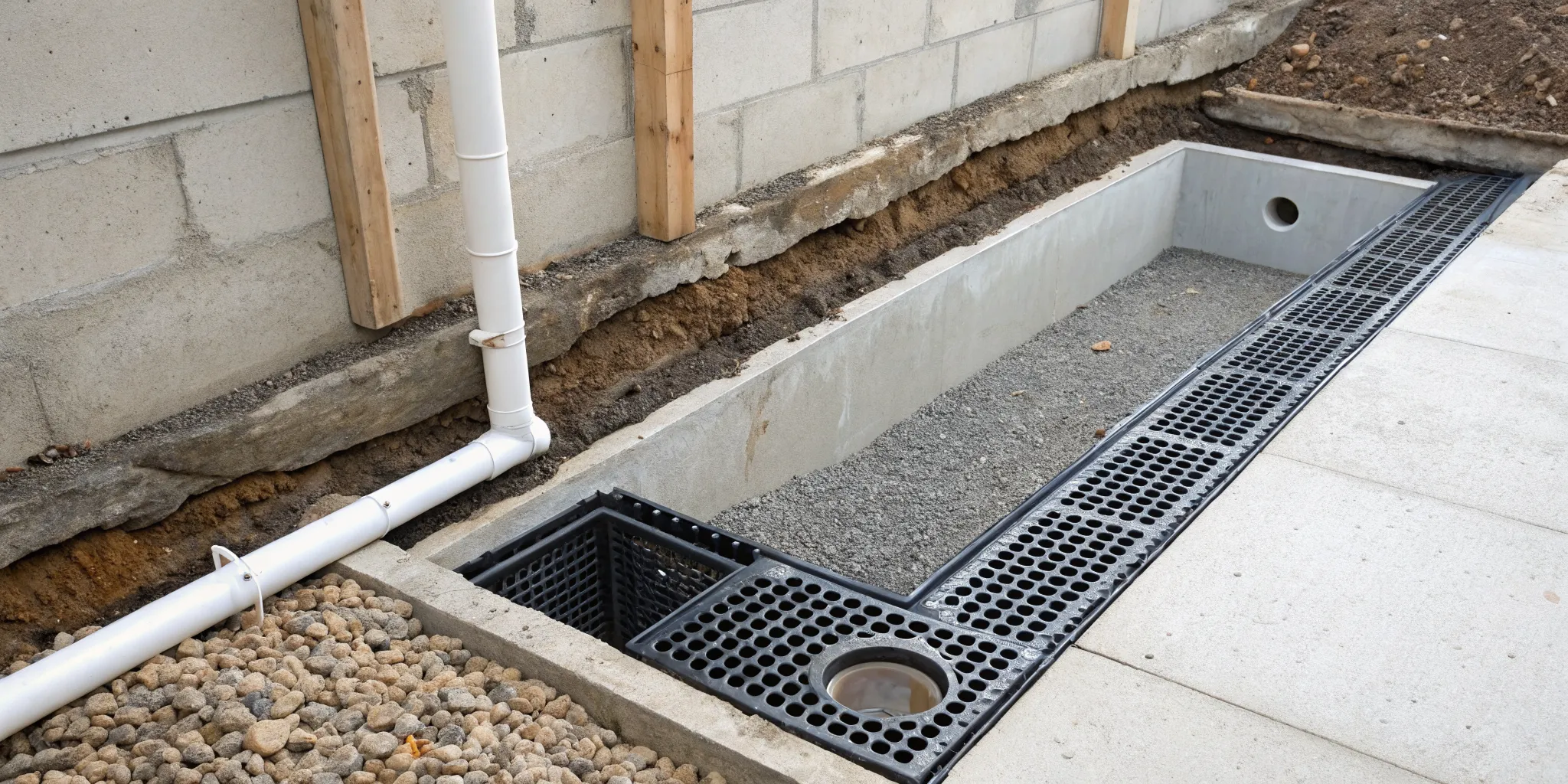
When dealing with basement water issues, you might hear about both interior and exterior drainage solutions. The sump pump system we’ve been discussing is an interior solution—it manages water after it has already made its way under your foundation. This is often the most practical and cost-effective approach. An exterior drainage solution, on the other hand, is a much larger undertaking. It involves excavating the soil around your home’s foundation to repair or replace the exterior drain tiles. This method is designed to stop water before it ever reaches your foundation walls. While it can be a very effective long-term fix, it is also significantly more invasive and expensive, often requiring heavy machinery and a team of professionals.
Related Articles
- Sump Pump Installation: Your Guide to a Dry Basement
- Sump Pump and Installation Cost: What to Expect
- Cost to Replace Sump Pump: A 2026 Price Guide
- Sump Pump Basin: Everything You Need to Know
Frequently Asked Questions
What happens to my sump pump if the power goes out during a storm? A standard sump pump needs electricity to run, so a power outage can leave your basement vulnerable during the very time you need protection most. For this reason, many homeowners choose to install a battery backup system. This secondary pump automatically kicks on when the power goes out, ensuring your basement stays dry and giving you complete peace of mind.
How often should I really be testing my sump pump? It’s a great idea to test your sump pump at least once a season, or about four times a year. A quick check before the spring thaw and again before the fall rainy season is especially smart. All it takes is a bucket of water poured into the pit to confirm that the float switch and pump are working correctly, so you can be confident it’s ready for the next downpour.
My pump seems to run all the time, even when it’s not raining. Is that normal? A pump that runs constantly is a clear sign that something isn’t right. The issue could be a stuck float switch, a failed check valve that’s letting water flow back into the pit, or even an undersized pump that can’t keep up with the groundwater. A constantly running motor will burn out quickly, so it’s best to have a professional take a look to diagnose and fix the root cause.
Is it okay to drain the sump pump water into my home’s sewer line? Connecting your sump pump discharge to the municipal sewer line is almost always against local codes and regulations. Doing so can overwhelm the public sewer system during heavy rain, which can cause sewage to back up into homes. The correct and safest method is to route the discharge line outside, ensuring water is directed at least 10 feet away from your foundation.
How long can I expect a new sump pump to last? On average, a quality sump pump has a lifespan of about 10 years. Of course, this can vary depending on how often it has to run, the mineral content of your water, and how well it’s maintained. Performing regular checks and keeping the sump pit clear of debris are great ways to help your pump last as long as possible.