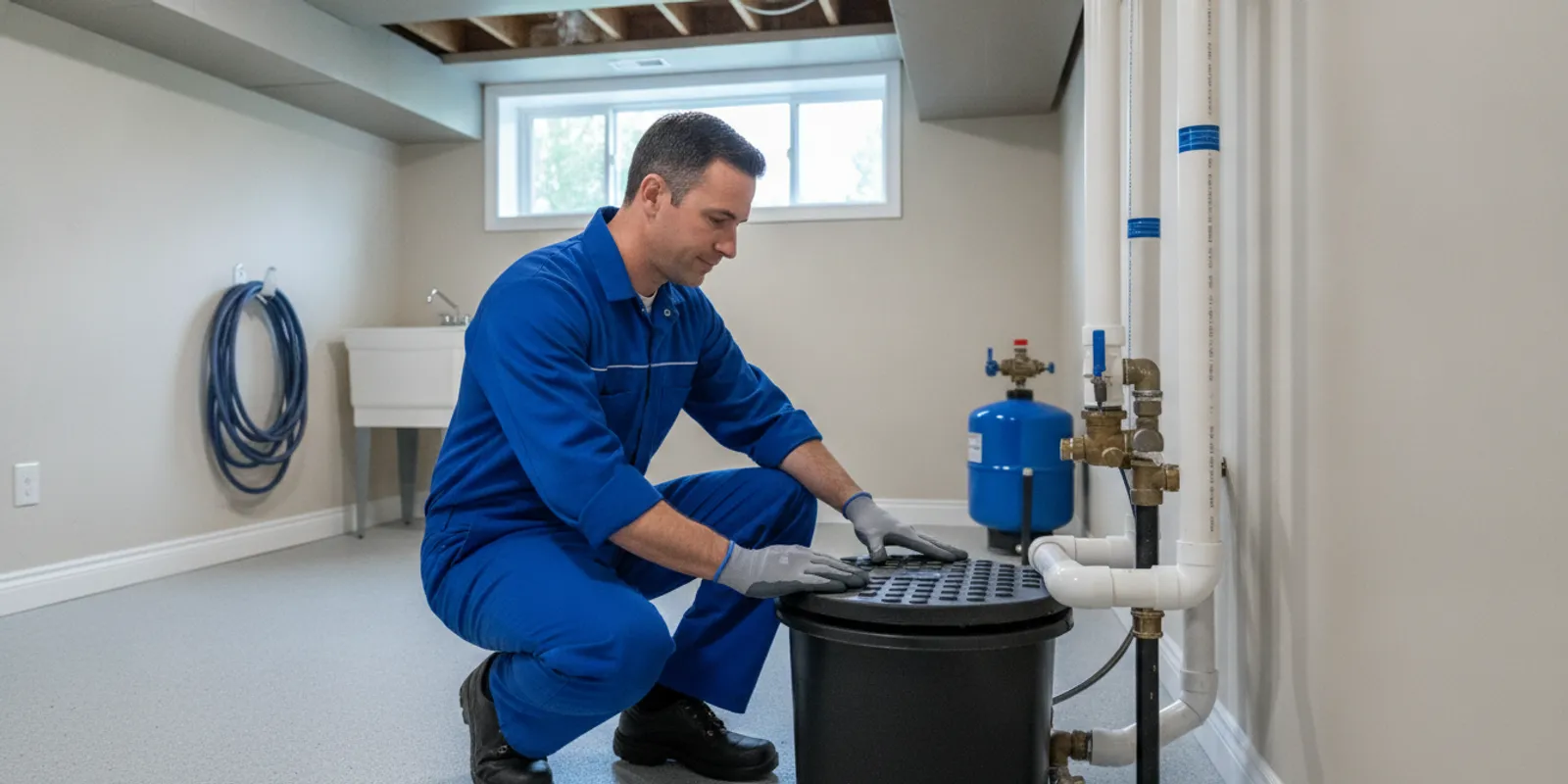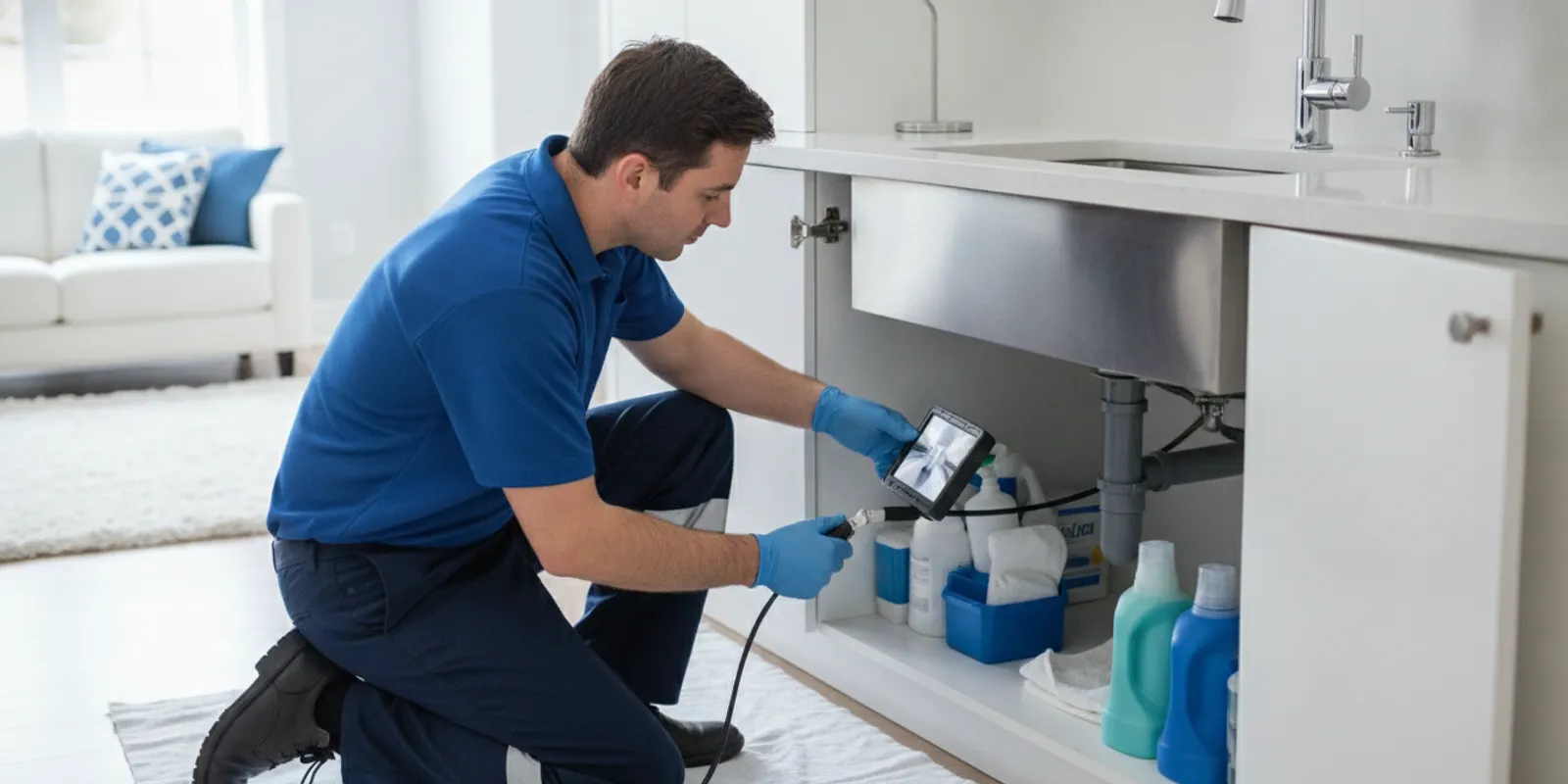


Think of your sump pump as the heart of your home’s water defense system. If that’s the case, the discharge system is the network of arteries carrying water safely away. A strong heart is great, but if the arteries are blocked, you have a serious problem. The same is true for your sump pump. A visual sump pump discharge diagram shows how water moves from the pit, through the check valve, and out the discharge line. If any part of that path is compromised, your foundation is at risk. This guide will help you understand this vital system, identify potential weak points, and perform the right maintenance to ensure your home stays dry.
Key Takeaways
- Your discharge system is more than just a pipe: Its success relies on several parts working together, including a properly sloped pipe to carry water away and a check valve to prevent it from flowing back in.
- Recognize the warning signs of failure: A pump that runs constantly often indicates a faulty check valve, while a clogged or frozen discharge line can cause water to back up into your basement, so keep an eye on how your system performs.
- Simple maintenance prevents major headaches: You can avoid most emergencies by regularly testing your pump, cleaning debris from the sump pit and outdoor discharge area, and considering a battery backup for protection during power outages.
What Is a Sump Pump Discharge System?
If you have a sump pump, you already know it’s your basement’s best friend when it comes to preventing floods. But the pump itself is only half the story. The other half is the discharge system, which is the network of pipes responsible for carrying all that unwanted water safely away from your home. Think of it as the exit route for groundwater. When your sump pump kicks on, it pushes water into the discharge line, which then directs it away from your foundation, keeping your home safe and dry.
A properly working discharge system is absolutely essential for keeping your basement or crawl space dry and protecting your home’s structural integrity. If this system fails, the water your pump works so hard to remove can end up right back where it started, or worse, cause new problems like soil erosion or a flooded yard. A small clog or a failed part can render your entire sump pump useless right when you need it most. Understanding how it all works together helps you spot issues before they turn into a watery mess. That’s why we put together this simple guide to your home’s sump pump services, so you can feel confident your system is ready for whatever weather comes our way.
The Key Parts of Your Discharge System
Your sump pump discharge system might seem like just a simple pipe, but it has a few key components that have to work in perfect harmony. The first is the discharge pipe itself, which is the main channel that transports water from the pump to the outside. Connected to this pipe, right above the pump, is a check valve. This one-way valve is critical because it stops water from flowing back into your sump pit after the pump turns off. Without it, your pump would have to work much harder, re-pumping the same water over and over. Finally, some systems include a vent pipe to let air escape, preventing pressure buildup and ensuring water flows out smoothly.
How It Moves Water Away From Your Home
The process is pretty straightforward but incredibly effective. As groundwater around your foundation rises, it flows into a basin in your basement floor called a sump pit. Inside the pit, a float switch rises with the water level. Once the water hits a certain point, the switch activates the sump pump. The pump then forces the water up and out through the discharge pipe. This pipe carries the water to a designated spot outside, far enough from your foundation that it can’t seep back in. This simple, automatic process is your home’s first line of defense against the water damage and flooding that can result from Michigan’s heavy rains and snowmelt.
Understanding Local Codes for Water Discharge
When it comes to getting rid of that sump water, you can’t just point the pipe anywhere you’d like. Most cities and townships in the Metro Detroit area have specific building codes that dictate where and how you can discharge water. These rules are in place for good reason: to prevent you from accidentally flooding your neighbor’s property, creating hazardous ice patches on sidewalks in the winter, or overwhelming the storm sewer system. A professional plumber will know the local regulations and ensure your system is installed correctly. If you’re unsure if your setup is compliant, it’s always a good idea to contact a professional to take a look.
How Does a Sump Pump Discharge System Work?
A sump pump is your basement’s best friend during a storm, but it doesn’t work alone. The discharge system is the crucial network of parts that carries water from the sump pump safely away from your home. Think of it as the exit route for all that unwanted groundwater. When every component works together correctly, your foundation stays dry and protected. Let’s walk through how each part plays its role in keeping your basement from turning into a swimming pool.
The Role of the Sump Basin and Float Switch
This is where the action starts. Your sump pump sits inside a pit, called a sump basin, which is dug into the lowest part of your basement or crawlspace. This basin acts as a collection point, gathering groundwater that would otherwise seep into your home. But how does the pump know when to turn on? That’s the job of the float switch. As water fills the basin, the float rises with it. Once the water reaches a preset level, the float triggers the switch, activating the pump. It’s a simple but effective mechanism that ensures your pump only runs when it needs to, protecting your home from excess water.
How the Check Valve Prevents Backflow
Once your sump pump pushes water out through the discharge pipe, you want to make sure it stays out. That’s where the check valve comes in. This small but mighty device is essentially a one-way door for water. It allows water to be pumped out of the basin but snaps shut the moment the pump turns off. Without a check valve, all the water sitting in the vertical discharge pipe would flow right back down into your sump basin, a problem called backflow. This would force your pump to work twice as hard, wasting energy and causing unnecessary wear and tear. Regular checks of your sump pump services should always include inspecting this critical part.
Why Pipe Size, Slope, and Placement Matter
The discharge pipe itself is more than just a simple tube; its specifications are key to a functioning system. The pipe’s diameter must be correctly sized to handle the pump’s output without causing blockages or reducing pressure. The pipe also needs a consistent downward slope away from your home, using gravity to ensure water drains completely and doesn’t pool inside. Finally, the placement of the discharge outlet is critical. It must terminate far enough from your foundation, typically at least 10 to 20 feet, to prevent the water you just pumped out from seeping right back into the soil and returning to your basement. Getting these details right is essential for an effective system.
Protecting Your Discharge Line From Michigan Winters
Here in Michigan, winter adds another layer of complexity. A frozen discharge line is a common cause of sump pump failure. If the pipe is blocked with ice, the water has nowhere to go, which can lead to a flooded basement and a burned-out pump motor. To prevent this, ensure your discharge line has a proper downward slope so water can drain out completely. You should also keep the end of the pipe clear of snow and ice. For extra protection, consider a freeze-resistant hose or a specialized grated outlet. If you suspect a problem, it’s best to call for professional frozen pipe repair to avoid potential water damage.
What Are the Most Common Sump Pump Discharge Problems?
Even a perfectly installed sump pump system can run into trouble. When your pump isn’t working correctly, the discharge system is often the first place to look. This network of pipes is the exit route, responsible for carrying all that collected water safely away from your home. If it gets blocked or fails, the water has nowhere to go but back into your basement. From clogs and frozen pipes to faulty parts, these common issues can stop your sump pump from doing its job, putting your home at risk of water damage. Understanding these problems is the first step toward keeping your home dry and protected, so you can catch them early before they turn into a costly emergency.
Clogged or Frozen Discharge Lines
Your sump pump’s discharge line is the exit route for water, but it can easily get blocked. Over time, sediment, dirt, and small debris can build up inside the pipe, creating a clog. Here in Michigan, we also have to worry about frozen discharge lines during our harsh winters. If the pipe isn’t properly insulated or sloped, water can freeze inside and form an ice dam. When the line is blocked, water has nowhere to go but back into your sump pit, causing it to overflow. Regular maintenance, like clearing the line of debris and ensuring it’s protected from the cold, is essential. If you suspect a frozen pipe, our team offers expert frozen pipe repair to get things flowing again.
When a Check Valve Fails and Causes Backflow
The check valve is a small but mighty component that acts as a one-way door, preventing water in the discharge pipe from flowing back into the sump pit after the pump turns off. If this valve fails, water will rush back into the pit, forcing your pump to turn on again. This constant cycling wears out the pump motor much faster and wastes electricity. You might hear your pump turning on and off frequently, even when it’s not raining. A faulty check valve is a common issue, but it’s also a relatively simple fix. Regular inspections can catch a failing valve before it causes your pump to burn out, and our sump pump services include checking and replacing these critical parts.
Why Is My Pump Running but Not Draining Water?
It’s a frustrating and confusing problem: you can hear your sump pump running, but the water level in the pit isn’t going down. This usually points to one of two issues. First, the impeller, which is the fan-like part that propels water out of the pump, could be jammed with debris. Second, the float switch, which tells the pump when to turn on and off, might be stuck in the “on” position. In either case, the motor is running without actually moving any water. This can quickly lead to the motor overheating and failing completely. If you notice your pump running without doing its job, it’s a sign that something is wrong internally and requires immediate attention. This situation can quickly become an emergency plumbing issue if water levels are rising.
The Dangers of Discharging Too Close to Your Foundation
The whole point of a sump pump is to move water away from your home, but where that water ends up is critical. If your discharge line releases water too close to your foundation, you’re just recycling the problem. The water will saturate the soil around your house and seep right back into your basement or crawl space. Experts recommend that discharge lines terminate at least 10 feet away from the foundation to prevent this. Water pooling near your foundation can lead to serious structural damage, cracks, and mold growth over time. Ensuring your system has a properly extended and sloped discharge line is one of the most important parts of keeping your basement dry for good. We can help assess and correct your setup as part of our comprehensive plumbing services.
How to Maintain Your Sump Pump Discharge System
Keeping your sump pump discharge system in top shape is one of the best things you can do to protect your basement from flooding. A little proactive care goes a long way, and thankfully, most of it is pretty simple. Here are the key maintenance steps to keep your system running smoothly, especially with our unpredictable Michigan weather. Following these tips will help you feel confident that your home is protected when the next big storm rolls through.
Inspect and Test Your Pump Regularly
Think of this as a quick check-up for your home’s hardest-working appliance. You should test your sump pump at least once a season, and definitely before the spring thaw or a heavy rainy spell. It’s easy to do: just pour a bucket of water into the sump pit. The float should rise, activate the pump, and drain the water efficiently. The American Society of Home Inspectors recommends you test a sump pump regularly to ensure it’s ready when you need it. If the pump doesn’t turn on or struggles to clear the water, it’s a clear sign that something needs attention before it becomes an emergency.
Keep the Sump Pit and Discharge Line Clean
Over time, your sump pit can collect dirt, gravel, and other debris that can clog your pump’s intake. It’s a good idea to periodically unplug the pump and clean out the pit. You can use a wet/dry vac or just scoop out the gunk by hand. As The Family Handyman suggests, you should clean the sump pit to prevent obstructions. Don’t forget to check the outside end of your discharge pipe, too. Make sure it’s clear of leaves, dirt, snow, or animal nests so water can flow freely away from your foundation.
Check Your Check Valve for Wear
The check valve is a small but mighty part of your discharge system. It’s a one-way valve that stops water in the discharge pipe from flowing back into the pit after the pump shuts off. If it fails, your pump will have to work much harder, re-pumping the same water over and over. This can lead to premature failure. You can often tell if the valve is bad by listening for water rushing back into the pit after a cycle. According to This Old House, a faulty check valve is a common point of failure, so inspecting it for wear is a key part of maintenance.
Why a Battery Backup Is a Smart Idea
What happens if a severe thunderstorm knocks out your power? That’s often when you need your sump pump the most. A battery backup system is your best defense against this scenario. It’s a secondary, battery-powered pump that automatically kicks in if the primary pump loses power or can’t keep up with incoming water. Investing in a battery backup provides incredible peace of mind, ensuring your basement stays dry no matter what. We can help you choose and install the right sump pump services and backup system for your home, so you’re always prepared.
Knowing When to Call a Professional Plumber
While these DIY maintenance tips can solve many common issues, some problems require an expert eye. If your pump is making strange grinding or rattling noises, running constantly, or failing to turn on at all, it’s time to call for help. Ignoring these warning signs can lead to a flooded basement and expensive repairs. When you’re not sure what’s wrong, it’s always best to consult a licensed plumber. If you’re facing a persistent issue or a sudden failure, our team is ready to provide fast and reliable emergency plumbing services to get your system back in order.
Related Articles
- Sump Pump Installation: Your Guide to a Dry Basement
- Sump Pump and Installation Cost: What to Expect
- Sump Pump Basin: Everything You Need to Know
- Step-by-Step Sump Pump Installation in Crawl Space
Frequently Asked Questions
How far from my house should the sump pump discharge water? A good rule of thumb is to make sure the discharge line ends at least 10 to 20 feet away from your home’s foundation. If the water is released too close, it will just soak back into the ground and cycle right back to your sump pit, defeating the whole purpose. Proper distance ensures the water is truly removed, protecting your foundation from saturation and potential water damage.
What should I do if I think my discharge line is frozen? If you suspect your discharge line is frozen, it’s best to call a professional right away. A frozen line is a serious problem because the water has nowhere to go, which can cause your basement to flood and your pump’s motor to burn out. Trying to thaw it yourself with heat can damage the pipe. A professional can safely and effectively resolve the ice blockage and get your system working again.
Why does my sump pump keep turning on and off, even when it’s not raining? This frequent cycling is almost always a sign that your check valve has failed. The check valve is supposed to stop water from flowing back into the pit after the pump shuts off. When it fails, water from the pipe rushes back down, refilling the pit and tricking the pump into turning on again. This constant work will wear out your pump much faster, so it’s a good idea to get that valve inspected and replaced.
Is a battery backup system really worth the investment? Absolutely. Think of it as an insurance policy for your basement. The worst storms are often the ones that knock out the power, which is precisely when you need your sump pump the most. A battery backup system automatically takes over if the power goes out or if your primary pump fails, ensuring your basement stays dry during a critical time. It provides peace of mind that your home is protected no matter what.
Can I clean out the sump pit myself? Yes, this is a great maintenance task for homeowners. You can unplug the pump, remove it from the pit, and use a shop vacuum or a bucket to clear out any dirt, gravel, or debris that has collected at the bottom. Keeping the pit clean helps prevent the pump’s intake from getting clogged. However, if you notice any damaged parts or the pump still isn’t working correctly after cleaning, it’s time to call a professional.