
Think of your basement floor drain as having its own built-in security guard. It’s a simple, U-shaped pipe called a P-trap, and its only job is to hold a small amount of water. This water acts as a constant barrier, protecting your home from sewer gases, foul odors, and even pests trying to sneak in from the main sewer line. So when you ask, “should there be standing water in basement floor drain?” the answer is a definite yes. That water is the guard on duty. This article will explain exactly how this system works, what happens when that water barrier disappears, and how to tell the difference between a healthy drain and one that’s signaling it needs professional help from a plumber.
Key Takeaways
- That Puddle in Your Drain Is a Good Thing: The U-shaped pipe under your floor drain, called a P-trap, is designed to hold a small amount of water. This water creates a seal that stops sewer gas and pests from getting into your basement.
- Identify Problems with Too Much or No Water: If water is backing up onto the floor, you likely have a clog. If the drain is completely dry and you notice a foul smell, the water seal has evaporated, leaving your home unprotected from sewer gases.
- Practice Simple Preventative Care: Pour a gallon of water down the drain monthly to keep the P-trap’s seal intact. You can also use a drain screen to catch debris and avoid sweeping dirt into the drain, which helps prevent clogs.
What’s a P-Trap in Your Basement Floor?
If you’ve ever looked down into your basement floor drain and seen a small pool of water, your first thought might be to worry. Is it clogged? Is something backing up? It’s a fair question, but in most cases, that little bit of water is actually a good thing. It means a simple but essential piece of your plumbing is doing its job perfectly. That piece is called a P-trap, and it plays a huge role in keeping your home comfortable and safe from unpleasant odors.
A P-trap is a U-shaped bend in the pipe located just beneath the drain grate. You have them under every sink in your house, and the one in your basement floor works the exact same way. Its entire purpose is to hold a small amount of water after the rest of the wastewater has drained away. This creates a seal that is the only thing standing between the air in your home and the sewer line it’s connected to. While it’s a standard part of your home’s plumbing, it’s one of the most important for maintaining a healthy living environment. Understanding how this simple component works can help you tell the difference between a healthy drain and one that needs attention from a professional.
How the P-trap works
The name “P-trap” is a little misleading because the pipe itself is shaped more like a “U” or a “J.” When you include the vertical pipe attached to it, the whole assembly looks like the letter P lying on its side. This specific curve is a clever and simple design. As water flows down the drain, most of it continues on to the main sewer line. However, the dip in the P-trap is designed to hold onto a small amount of that water.
This isn’t a flaw; it’s the trap’s main feature. The water sits in the bend of the pipe, creating a constant barrier. Just like the traps under your kitchen and bathroom sinks, the one in your basement floor is a fundamental part of your home’s drainage system. It’s a crucial component in the wide range of plumbing solutions that keep a household running smoothly and safely.
Why the water seal is crucial
That small puddle of water you see at the bottom of the drain is a seal, and it’s your first line of defense against the sewer system. This water barrier effectively blocks sewer gases, unpleasant odors, and even small pests from traveling up the pipes and entering your basement. Without this seal, your home would be open to methane and other potentially harmful gases, which is a significant health concern.
So, seeing a bit of standing water in your basement floor drain is completely normal and necessary. It shows the P-trap is working as intended. The real problem arises when the trap dries out or becomes clogged, compromising the seal. If you ever notice persistent foul odors coming from your drain, it could be a sign that the water seal is gone or that a more serious blockage requires emergency plumbing services.
Is It Normal to See Water in Your Basement Floor Drain?
If you’ve peeked into your basement floor drain and noticed a little pool of water, your first thought might be concern. But take a breath, because seeing some water is actually a good thing. It’s completely normal and even necessary to have a small amount of water sitting in that drain. This water is held in a U-shaped pipe called a P-trap, which is designed to create a seal. Think of it as a tiny moat protecting your home from the sewer line. This water barrier is crucial because it stops unpleasant sewer gases, odors, and even small pests from making their way up the pipe and into your basement.
How much water should you see?
Typically, you should see about two to three inches of water in the drain. This is just enough to fill the bottom of the P-trap and create that protective seal. If your furnace, dehumidifier, or washing machine drains into it, you’ll see water levels fluctuate, which is perfectly fine. The key is that there should always be some water present. This is a sign that your plumbing is working exactly as it should. Much like your sump pump services manage excess groundwater, the floor drain’s P-trap manages the air quality in your basement by keeping sewer gases out. So, a little standing water is not just normal; it’s your first line of defense.
Why your P-trap dries out
So, what happens if you look down the drain and it’s bone dry? This usually happens for one simple reason: evaporation. If your basement is dry and the floor drain doesn’t get much use, the water in the P-trap can simply evaporate over time. When this happens, the water seal is broken, leaving an open invitation for smelly sewer gases to enter your home. The fix is usually just as simple. Just pour a gallon of water down the drain to refill the trap and restore the seal. Making this a regular habit, especially during dry seasons, can prevent the problem from happening again. If the smell persists, it might point to a different issue, and it’s a good idea to review what plumbing solutions are available.
When Standing Water Becomes a Problem
Seeing water in your basement can be alarming, but when it comes to your floor drain, it’s not always a sign of trouble. The key is knowing how to tell the difference between a drain that’s doing its job and one that’s signaling a deeper issue. Let’s walk through what’s normal and what calls for a closer look.
Good signs: A healthy P-trap
It might seem strange, but it’s completely normal to see a small pool of water sitting inside your basement floor drain. This is by design. That little bit of water is held in a U-shaped pipe called a P-trap, and it serves a very important purpose. The water creates a seal that blocks unpleasant sewer gases from creeping up your pipes and into your home. So, if you peek into the drain and see some water, you can relax. It means your P-trap is working correctly and keeping your basement air fresh. It’s one of the many small but crucial parts of your home’s plumbing system that we help maintain through our comprehensive services.
Red flags: When to be concerned
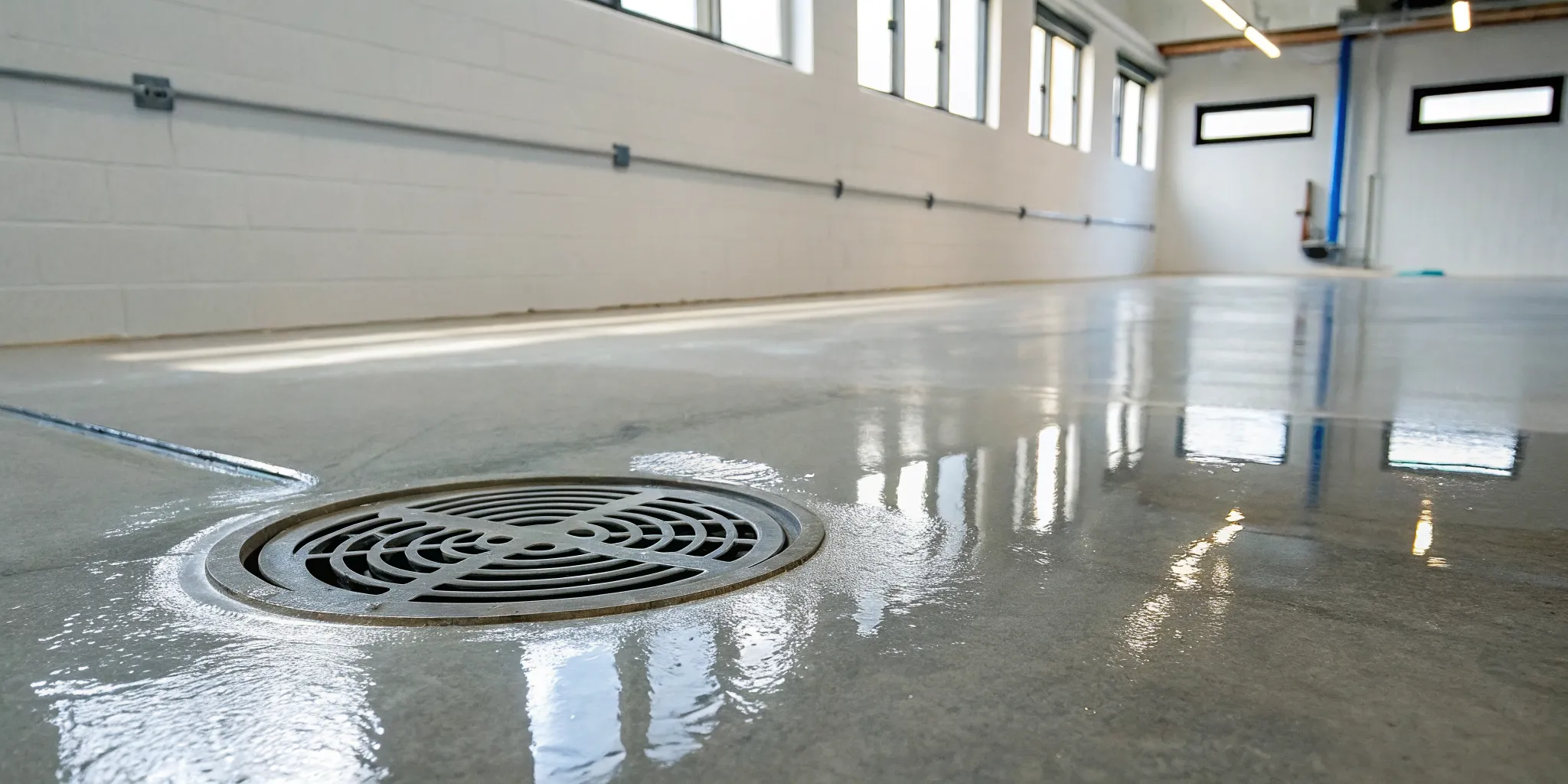
While a little water is good, there are a couple of red flags to watch for. The most obvious one is an overflowing drain. If water is backing up and pooling on the floor around the drain, you have a clog somewhere in the line that needs immediate attention. On the flip side, a completely dry drain is also a problem. If the P-trap has no water, that seal is gone, leaving an open invitation for sewer gas to enter your home. An overflowing drain can quickly lead to water damage, so it’s best to treat it as an urgent issue and call for emergency plumbing support.
Common causes of drain backups
So, what causes a perfectly good drain to back up? Over time, floor drains can collect dirt, dust, pet hair, and other small bits of debris that get swept or washed into them. This buildup can eventually form a stubborn clog that stops water from flowing freely. You might notice that water drains very slowly or that foul odors are coming from the drain, which can indicate a blockage is forming. If you spot these signs, it’s a good idea to get it checked out before it becomes a bigger headache. When you’re ready for a professional to take a look, you can always contact us for help.
Warning Signs of a Clogged Basement Drain
While a small amount of visible water in your floor drain is a good thing, certain signs point to a clog that needs your attention. A blockage in your basement drain can quickly escalate from a minor annoyance to a major, messy problem. If you notice any of the following red flags, it’s time to take action before you’re faced with a flooded basement. Catching these issues early can save you a lot of stress and potential damage down the road.
Slow draining or water backups
One of the first and most obvious signs of a clog is when water struggles to go down the drain. You might notice this after doing a load of laundry or during a heavy Michigan rainstorm when your sump pump is working hard. If water takes a long time to disappear or, even worse, starts backing up out of the drain, it’s a clear signal that a blockage is forming. Ignoring this can lead to a complete backup, turning your basement floor into a swamp. This is your plumbing system’s way of telling you it needs help before the situation becomes an emergency plumbing call.
Gurgling noises and foul odors
Your drains shouldn’t talk back to you. If you hear strange gurgling or bubbling sounds coming from the floor drain, it’s often caused by trapped air being forced around a clog in the pipe. Along with the strange noises, you might also notice a foul, sewer-like smell. This odor can come from waste and debris decomposing within the clog or from sewer gases that are supposed to be blocked by the P-trap’s water seal. A healthy drain is quiet and odorless, so these sensory clues are a sure sign that it’s time to investigate your plumbing services.
Water pooling around the drain
Seeing a persistent puddle of water forming around your basement floor drain is a major red flag. This isn’t just slow draining; it means the blockage is so severe that water can no longer flow down the pipe at all. It has nowhere to go but back up and onto your floor. This standing water can cause damage to your foundation, lead to mold growth, and ruin any items you have stored in your basement. If you see water pooling, the problem has become urgent. It’s best to contact a professional right away to diagnose and clear the obstruction. Mr. Pipey offers basement drain cleaning services for homes throughout Metro Detroit.
The Problem with a Dry Floor Drain
While a backed-up drain is an obvious headache, a completely dry floor drain can signal a different kind of trouble. It might seem like a good thing, but that missing water serves a critical purpose. When the P-trap in your floor drain dries out, it leaves your home vulnerable to some unpleasant and unhealthy intruders from the sewer line. Understanding these risks is the first step to keeping your basement safe and fresh.
The risk of sewer gas
The most immediate problem with a dry P-trap is sewer gas. That U-shaped pipe under your drain is designed to hold a small amount of water, which acts as a seal. This water barrier physically blocks gases from the main sewer line from creeping up into your home. When the trap is dry, there’s an open invitation for foul odors, primarily hydrogen sulfide (which smells like rotten eggs), to fill your basement. If you notice a persistent sewer smell, it’s a clear sign that your P-trap has likely evaporated and needs attention. These gases aren’t just unpleasant; they can also be harmful to your health.
Why a dry trap invites pests and mold
Besides letting in nasty smells, a dry drain pipe is like rolling out the red carpet for pests. Insects like cockroaches and drain flies that live in sewer systems can easily travel up a dry pipe and find their way into your home. Furthermore, while the trap itself is dry, the lack of regular water flow can allow damp grime to accumulate in the pipe, creating a perfect environment for mold to grow near the drain opening. This can contribute to musty odors and poor air quality in your basement, which is a concern for everyone in your family. If you’re dealing with a persistent issue, our emergency plumbing services are available to diagnose the problem.
How to quickly refill your P-trap
Fortunately, fixing a dry P-trap is usually very simple. The solution is to manually restore the water barrier. Just pour about a gallon of water directly into the floor drain. This will refill the trap and immediately block sewer gases and pests. If the drain is in an area that you don’t use often, consider adding a tablespoon of mineral oil to the water. The oil will float on top and slow down the evaporation process, keeping the trap full for longer. Making this a regular part of your home maintenance routine, especially for infrequently used drains, is an easy way to prevent future problems.
How to Maintain Your Basement Floor Drain
Keeping your basement floor drain in good shape doesn’t require a lot of work, but a little proactive care can save you from major headaches like clogs, foul odors, and water damage. Think of it as simple preventative maintenance. By following a few easy steps, you can ensure your drain is always ready to do its job, protecting your basement and your peace of mind. These habits are easy to adopt and will help you avoid calling for an emergency repair down the road.
Add water to the drain regularly
The most important thing you can do for your floor drain is to keep its P-trap from drying out. That little bit of water you see at the bottom of the drain is a crucial barrier that stops unpleasant sewer gases from creeping into your home. If your basement is dry or you don’t have appliances draining into it, this water can evaporate over time. To prevent this, simply pour a gallon of water down the drain about once a month. This simple action replenishes the water seal and keeps your basement air fresh and clean.
Consider a trap primer
If you find that your P-trap dries out frequently or you have a floor drain in a rarely used area, a trap primer might be a great solution. A trap primer is a small device that connects to a water supply line and automatically releases a small amount of water into the drain periodically. This ensures the P-trap never dries out, providing constant protection against sewer gas and pests. Installing a trap primer is a job for a professional, but it’s a smart, low-maintenance upgrade for any homeowner. Our team can help you find and install the right one for your home’s plumbing system.
Use a drain cover to block debris
One of the easiest ways to prevent clogs is to use a drain cover or screen. This simple accessory sits over the drain opening and acts as the first line of defense, catching hair, lint, dirt, and other debris before it can enter your pipes and cause a blockage. Just be sure to clean the cover regularly. A screen clogged with gunk can cause water to back up just as easily as a clog deep in the pipe. It’s a small task that makes a huge difference in keeping your drain flowing freely.
Avoid sweeping debris into the drain
It can be tempting to sweep dust, dirt, or workshop debris directly into the floor drain, but please resist the urge. Your drain is designed to handle water, not solid waste. Sweeping things like sawdust, drywall dust, or even clumps of dirt into the drain is a fast track to a stubborn clog that can be difficult and costly to remove. Always take the extra minute to sweep debris into a dustpan and dispose of it in the trash. This protects your pipes from blockages and potential emergency plumbing situations.
Seasonal tips for Metro Detroit homes
Here in Metro Detroit, our weather puts our basements to the test. During heavy spring rains and winter thaws, your floor drain is essential for managing excess water from snowmelt or a struggling sump pump. Before the wet season hits, make sure your drain is clear and ready to work. Conversely, during dry summer months or in the winter when the furnace is running constantly, the dry air can cause your P-trap to evaporate quickly. This is when it’s especially important to remember to add water to the drain to keep those sewer gases out.
When to Call a Plumber for Your Floor Drain
While you can handle some minor home maintenance yourself, a basement floor drain issue often points to a bigger problem that needs an expert. Knowing when to make that call can save you from costly water damage and unhealthy living conditions down the road. If you spot any of the following signs, it’s best to put down the DIY tools and pick up the phone.
Problems that require a professional
If you see standing water pooling around the drain instead of going down, it’s a definite red flag. Foul odors wafting up from the drain are another clear sign that something is wrong deep inside your pipes. These smells can indicate a serious clog or even dangerous sewer gases trying to enter your home. Gurgling sounds also signal that air is trapped in the line by a blockage. Ignoring these warnings can lead to extensive property damage and create an unhealthy environment. When you’re facing an overflowing drain or persistent bad smells, it’s time to call for emergency plumbing to get the problem handled quickly and safely.
What to expect during a drain inspection
Calling a plumber can feel stressful, but knowing what to expect helps. When our team arrives, we don’t just look for a quick fix. We use specialized equipment to thoroughly inspect your drain system and find the true source of the problem. This helps us not only clear the current blockage but also prevent it from happening again. For older homes or properties with large trees, we often recommend annual check-ups to catch potential issues before they turn into major headaches. Our goal is to provide a long-lasting solution that gives you peace of mind. If you’re ready to get to the bottom of your drain issues, you can contact us to schedule an inspection.
Related Articles
- A Homeowner’s Guide to Old Basement Drainage Systems
- Sump Pump Installation: Your Guide to a Dry Basement
- Sump Pump Basin: Everything You Need to Know
- Basement Drain Backup: Your Step-by-Step Guide
Frequently Asked Questions
Why does my basement drain suddenly smell like a sewer? That rotten egg smell is almost always a sign that the water seal in your P-trap has disappeared. This usually happens because the water has evaporated, creating a direct path for sewer gases to enter your home. The quickest fix is to pour a gallon of water down the drain to restore the seal. If the smell persists after you’ve done that, it could point to a clog or a venting issue in your plumbing system that needs a professional look.
Is it safe to use chemical drain cleaners on a clogged basement drain? I strongly advise against using harsh chemical cleaners. These products can be very corrosive and may damage your pipes, especially in older homes. They often provide only a temporary fix by burning a small hole through the clog, without clearing the pipe completely. A much safer first step is to try clearing minor debris with your hands (wear gloves!) or a tool like a drain snake. For stubborn clogs, a professional has the right equipment to clear the blockage safely and effectively.
How can I tell if the problem is just my floor drain or a bigger sewer line issue? This is a great question. If only your basement floor drain is backing up or draining slowly, the clog is likely located in that specific drain line. However, if you notice that your toilets are also gurgling, your sinks are draining slowly, and water backs up in the basement drain when you flush a toilet or run the washing machine, you are likely dealing with a main sewer line clog. A main line backup is a serious issue that affects your entire home and requires immediate professional attention.
My drain seems to be working, but it makes a gurgling sound. Should I be worried? A gurgling sound is an early warning sign that you shouldn’t ignore. It means air is being trapped in the pipe and forced through a partial blockage when water flows past it. While water might still be getting through for now, the clog is likely growing. Addressing it at the gurgling stage is much easier and less messy than waiting for a complete backup to happen.
I poured water down my dry drain, but it still smells. What’s next? If you’ve refilled the P-trap with water and the sewer smell is still hanging around after a day or so, it’s time to investigate further. The odor could be coming from gunk and bacteria that have built up on the inside of the pipe. You can try cleaning the drain with a mixture of baking soda and vinegar, followed by hot water. If that doesn’t solve it, the smell might be a sign of a more significant clog or a problem with your plumbing’s vent system, which is a job best left to a professional plumber.