For an Allen Park homeowner, a sump pump is easy to overlook when the basement stays dry. But if the pump is older or runs often, it is reasonable to ask: how long do sump pumps last in Allen Park, and how can you tell whether yours is nearing the end of its service life? Many pumps are planned for replacement at around the 10-year mark, but age alone does not determine how long one will work. Use this guide to understand the factors that matter and when a professional assessment can help you plan.
Request a sump pump assessment
How long do sump pumps last in Allen Park homes?
A sump pump’s service life depends on its design, how often it operates, the volume of water it handles, and whether its components have been maintained. As a general planning point, many homeowners start discussing replacement when a pump approaches 10 years old. The City of Edina’s sump pump guidance also recommends considering replacement every 10 years and notes that some systems include water-level or flood alarms. That is useful as a maintenance benchmark, not a guarantee that every pump will fail at a specific age.
A pump that runs only occasionally may experience a different workload from one that cycles repeatedly during wet periods. A pump can also become unreliable before it stops completely. Conversely, age by itself does not confirm that a unit has failed. The best decision combines its approximate age with its condition, operating history, drainage setup, and the homeowner’s tolerance for uncertainty.
For an Allen Park property, changing weather and seasonal groundwater can mean the pump has periods of heavier use. That does not establish a fixed lifespan for homes in the city. Two neighboring houses may have different drainage conditions and pump workloads. If you do not know when the unit was installed, a plumber can assess visible condition and operation, then explain what is known and what remains uncertain.
Read the City of Edina’s sump pump guidance for its age recommendation and alarm note. For Allen Park homeowners, treat that advice as a prompt to review the system rather than a substitute for an inspection of the pump and discharge route.
What affects a sump pump’s service life?
The pump’s workload is one of the main variables. Frequent cycling can add wear to moving and electrical components. A unit that handles substantial water for extended periods may have a different operating history from one that runs briefly once in a while. A professional can consider how the pump behaves, but there is no reliable way to convert a particular number of cycles into a guaranteed remaining lifespan.
- Operating frequency: Repeated starts and stops place demand on the pump and its switch. A pattern of unusually frequent cycling deserves attention.
- Water volume: The amount of water entering the basin and the pump’s ability to move it influence how long and how hard the unit runs.
- System condition: The pump, float or switch, basin, check valve, electrical connection, and discharge piping all affect dependable operation.
- Discharge conditions: A restricted or poorly functioning discharge route can interfere with the system’s ability to move water away from the home.
- Maintenance history: Previous inspections, repairs, and known performance problems help a plumber judge whether a repair is likely to be durable.
- Installation and sizing: A system that does not suit the property’s conditions may run more often or struggle to keep up.
These factors work together. Replacing one component may address a specific fault, while a recurring problem may point to a broader issue with the system or discharge. A professional inspection can distinguish between those possibilities. For context on one component, see Mr. Pipey’s guide to the sump pump check valve and when it may need attention.
Which signs mean a sump pump needs attention?
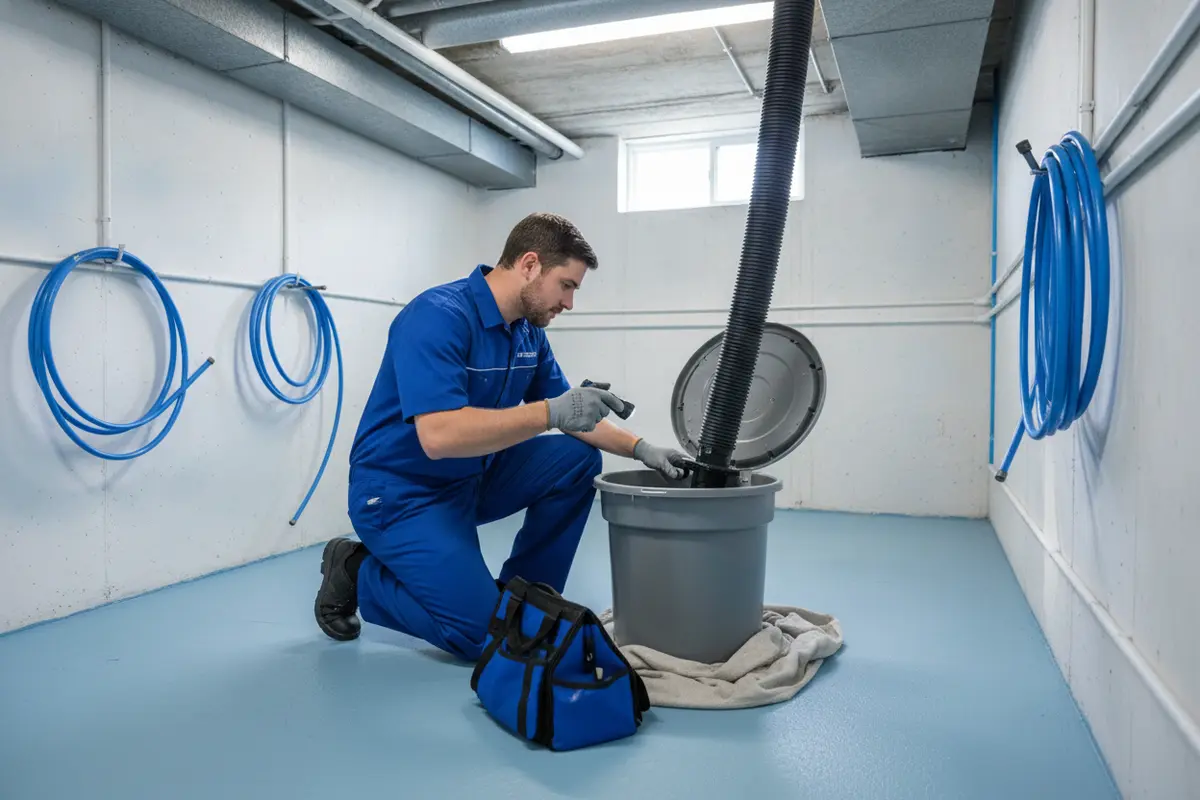
Changes in how a pump sounds or operates can help homeowners recognize when to arrange service. These signs do not prove that replacement is necessary. They are reasons to have the system assessed, particularly when a pump is older or has an unknown service history.
- The pump runs much more often than before. More frequent operation can reflect changing water conditions, a switch issue, or another system concern. A plumber can look at both the pump and the circumstances around the cycling.
- The pump makes an unusual sound. New grinding, rattling, or persistent humming may indicate that a component is not operating normally. Describe when the sound occurs and whether it is new.
- The pump runs but water does not appear to move as expected. That can involve the pump, its switch, or the discharge route. It merits professional evaluation rather than an assumption about the cause.
- The pump starts and stops repeatedly. Short cycling can result from different conditions. Its frequency and timing help a plumber investigate the source.
- The unit does not activate when expected. A pump that appears inactive during a period when it normally runs should be checked, especially if its age or condition is uncertain.
- You notice water around the basin or a damp basement area. Water can have more than one source, so an assessment can help determine whether the sump system is involved.
When describing a concern, note the pump’s approximate age if known, recent changes in its sound or cycling, and whether the issue is continuous or occasional. This information gives the plumber a useful starting point. If water is entering the basement, contact a qualified plumbing professional promptly for advice about the situation.
Should you repair or replace an aging sump pump?
There is no universal age at which every pump should be replaced. A repair may be appropriate when the issue is limited, the rest of the system is in sound condition, and the pump has a reasonable service history. Replacement may be a more practical option when the unit is near or beyond the commonly used 10-year planning point, has recurring problems, or has multiple components showing wear.
Ask the plumber to explain what failed, whether the cause appears isolated, and what condition the other system components are in. A clear recommendation should distinguish a repair that addresses the current symptom from a replacement that renews the pump itself. It should also explain any concerns about the basin, switch, check valve, or discharge piping, rather than treating the pump as a stand-alone item.
| Consideration | Repair may make sense when… | Replacement may make sense when… |
|---|---|---|
| Age and history | The pump is relatively newer and has had few issues. | The unit is approaching or past the 10-year planning point, or its history is unknown. |
| Nature of the issue | A plumber identifies a specific, limited fault and the rest of the system is in good condition. | Problems are recurring or several parts show signs of wear. |
| System performance | The existing pump is appropriate for the property’s conditions and has been operating dependably. | The system struggles to manage the property’s water conditions or has not been dependable. |
| Planning preference | You prefer to address a confirmed component issue and understand the remaining uncertainty. | You prefer to plan a new installation instead of waiting for an older unit to need further work. |
| Estimate details | The proposed work and its limits are clearly explained. | The estimate describes the replacement scope and any related system work separately. |
This comparison is a discussion guide, not a remote diagnosis. A written estimate should identify the recommended work, explain what is included, and make clear whether any additional repairs are proposed. Mr. Pipey’s overview of sump pump replacement cost factors in Metro Detroit can help you understand which project details to discuss; the final scope depends on the property and system condition.
What should a professional sump pump inspection include?
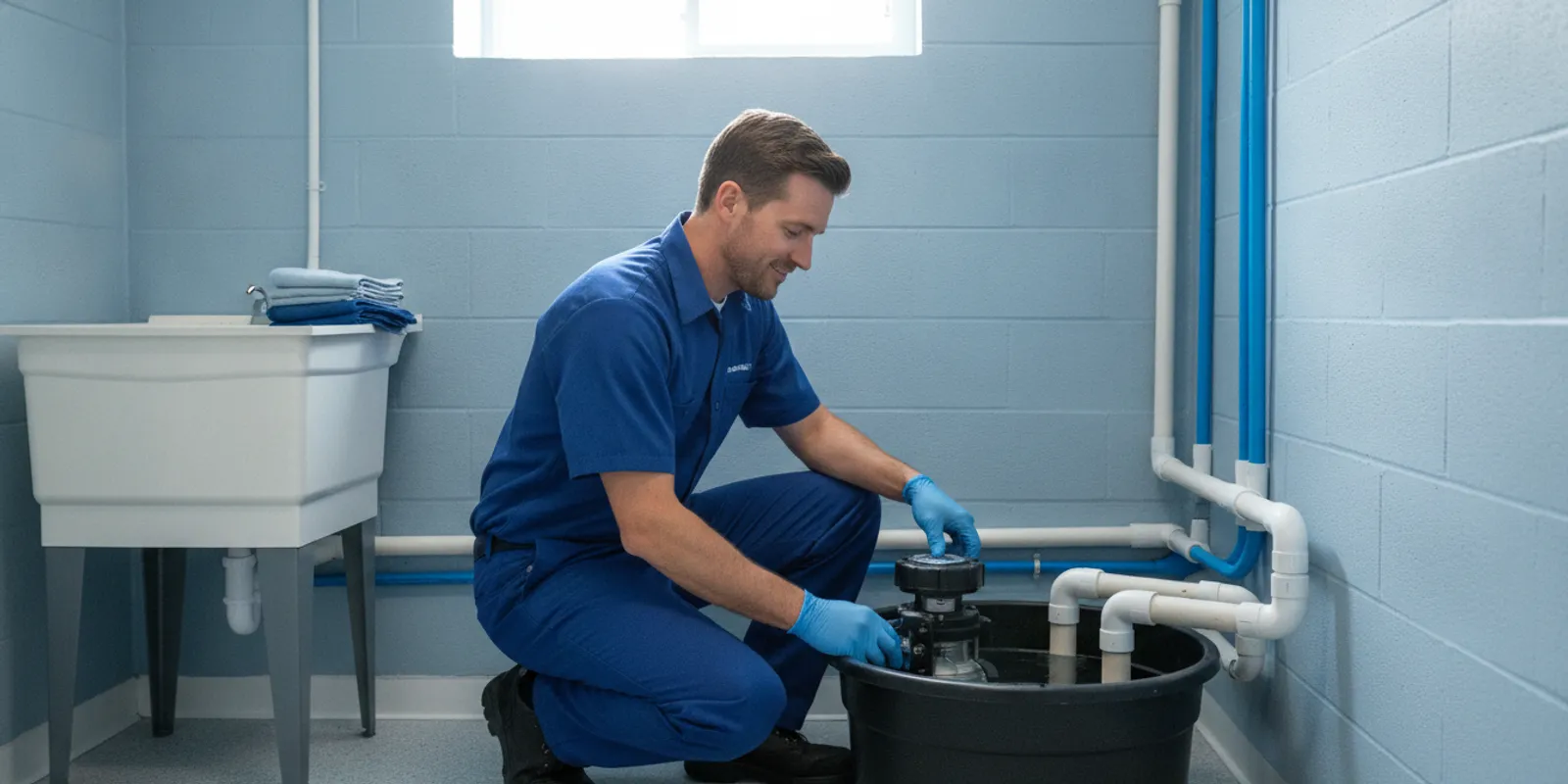
An inspection should look beyond whether the motor turns on during a brief check. The plumber should review the pump’s apparent condition, operation, switch response, and the components that work with it. The exact evaluation depends on access and the concern reported, but homeowners can ask for the findings in plain language.
- Pump age and visible condition: Establish what is known about the unit and identify visible wear or damage.
- Operation and switch response: Assess whether the pump starts and stops as expected and discuss any irregular cycling or sounds.
- Basin and inlet area: Review accessible areas for conditions that could affect operation or maintenance.
- Check valve and discharge piping: Consider whether these connected parts appear to support proper discharge.
- Electrical and alarm considerations: Review relevant system features, including an existing alarm if present, and note any concerns for follow-up.
- Recommendation and next steps: Explain whether monitoring, repair, or replacement is appropriate and why.
An inspection is also an opportunity to discuss how the home’s drainage conditions may affect pump workload. It should not promise a specific remaining lifespan. Instead, it should give you a clearer understanding of system condition, likely priorities, and the factors that could change the recommendation.
Mr. Pipey provides sump pump repair and service for homeowners seeking professional help with an existing system. If water appears to be coming from another basement drain or fixture, a plumber can assess that source too; see the company’s information about basement drain service.
How can Allen Park homeowners plan sump pump service?
Planning ahead does not mean replacing a pump solely because it has reached a particular birthday. It means knowing approximately how old it is, recognizing changes in operation, and making a decision before uncertainty becomes urgent. If installation records are available, keep the date and any repair details with other home maintenance information. If records are missing, a professional assessment can help document the unit’s visible condition and current performance.
Consider arranging a review when the pump is nearing 10 years old, has an unknown installation date, or has begun behaving differently. You can also bring up the pump during plumbing service if you have concerns about its performance. The timing and scope of service will depend on the system, the property’s conditions, and what the inspection finds.
Before approving work, ask:
- What condition did you find, and what evidence supports the recommendation?
- Is the issue limited to the pump, or do connected components need attention too?
- What is included in the repair or replacement estimate?
- If I choose a repair, what uncertainty remains about the age or condition of the rest of the system?
- Is an alarm present, and should its status or installation be part of the service discussion?
These questions support a practical comparison without assuming that every older pump needs immediate replacement. If the work involves a different plumbing concern, Mr. Pipey’s pages on water valve service and sewer and drain service describe other areas a plumber may evaluate when the symptoms point beyond the sump system.
How should you compare sump pump service estimates?
A useful estimate makes the recommendation understandable before work begins. It should identify whether the proposed work is a repair, a pump replacement, or a broader system update. If replacement is recommended, ask which parts are included and whether the estimate covers the basin, check valve, discharge connections, switch, or alarm. Not every project needs each of these items, so the estimate should explain why any related work is being proposed.
For a repair, ask which specific fault was found, what the repair addresses, and whether the rest of the unit showed signs of wear. For a replacement, ask what led the plumber to recommend a new pump rather than a repair. The answer may reflect age, repeated trouble, observed condition, or the system’s ability to manage the property’s drainage needs. Understanding the reason helps you compare recommendations on the same basis instead of focusing only on the equipment label or the total line.
When reviewing two proposals, compare scope and assumptions as well as price. One estimate may address only the pump, while another may include associated components or changes to the discharge route. Ask whether the proposed work corrects the concern identified during the inspection and whether any follow-up work is excluded. If the reason for a recommendation is unclear, request a plain-language explanation before deciding.
- Confirm whether the proposal is for repair or full replacement.
- Check which connected components and labor are included.
- Ask what findings support the recommendation.
- Clarify any exclusions, additional work, or follow-up concerns.
- Compare proposals with the same understanding of the system’s current condition.
This careful review helps keep the decision tied to the pump’s condition and the property’s needs. The right choice is not necessarily the one with the fewest line items; it is the option whose scope and reasoning are clear to you.
Talk with Mr. Pipey about your sump pump
Frequently asked questions
Does every sump pump need replacement at 10 years?
No. Ten years is a useful planning benchmark, not an automatic failure date. A plumber should consider age alongside operating history, condition, and system performance.
Can a sump pump last longer than 10 years?
Some may continue operating beyond that point, but age does not confirm that a pump will remain dependable. An inspection can clarify its current condition and help you weigh the uncertainty.
Does frequent cycling mean the pump is failing?
Not by itself. Frequent cycling can have several causes, including changing water conditions or a component concern. A professional assessment can investigate the pump and related system.
Should I replace a pump if I do not know its age?
Unknown age alone does not prove replacement is required. Have a plumber assess its condition and operation, then discuss whether monitoring, repair, or replacement is the most reasonable next step.
What should I do if the pump is not working as expected?
Contact a qualified plumbing professional and describe what you have observed, including sounds, cycling changes, or water near the basin. If water is entering the basement, seek prompt professional guidance.
A professional assessment can help you decide whether your sump pump is ready for more service, needs a targeted repair, or is better replaced as part of a planned upgrade.