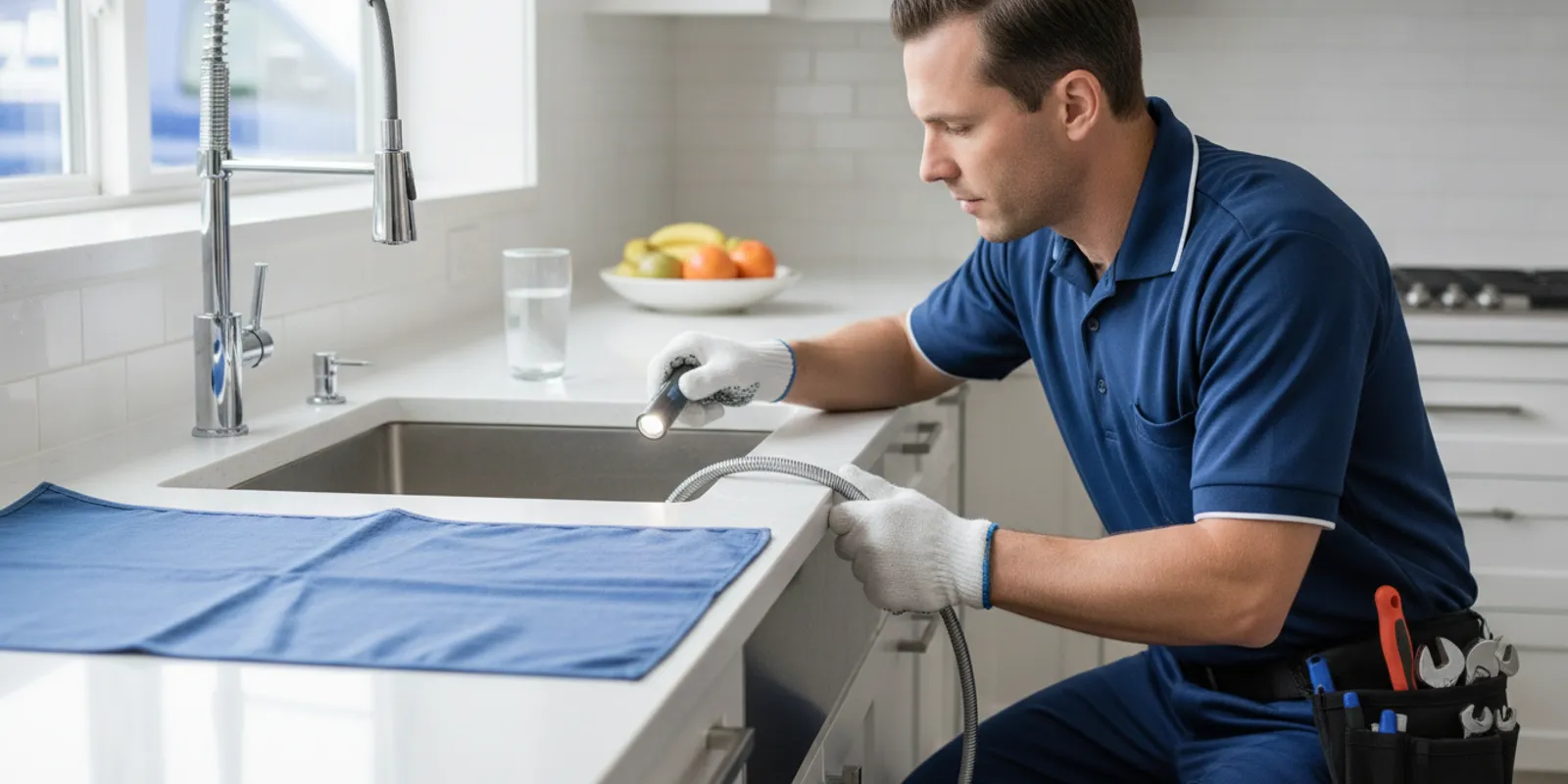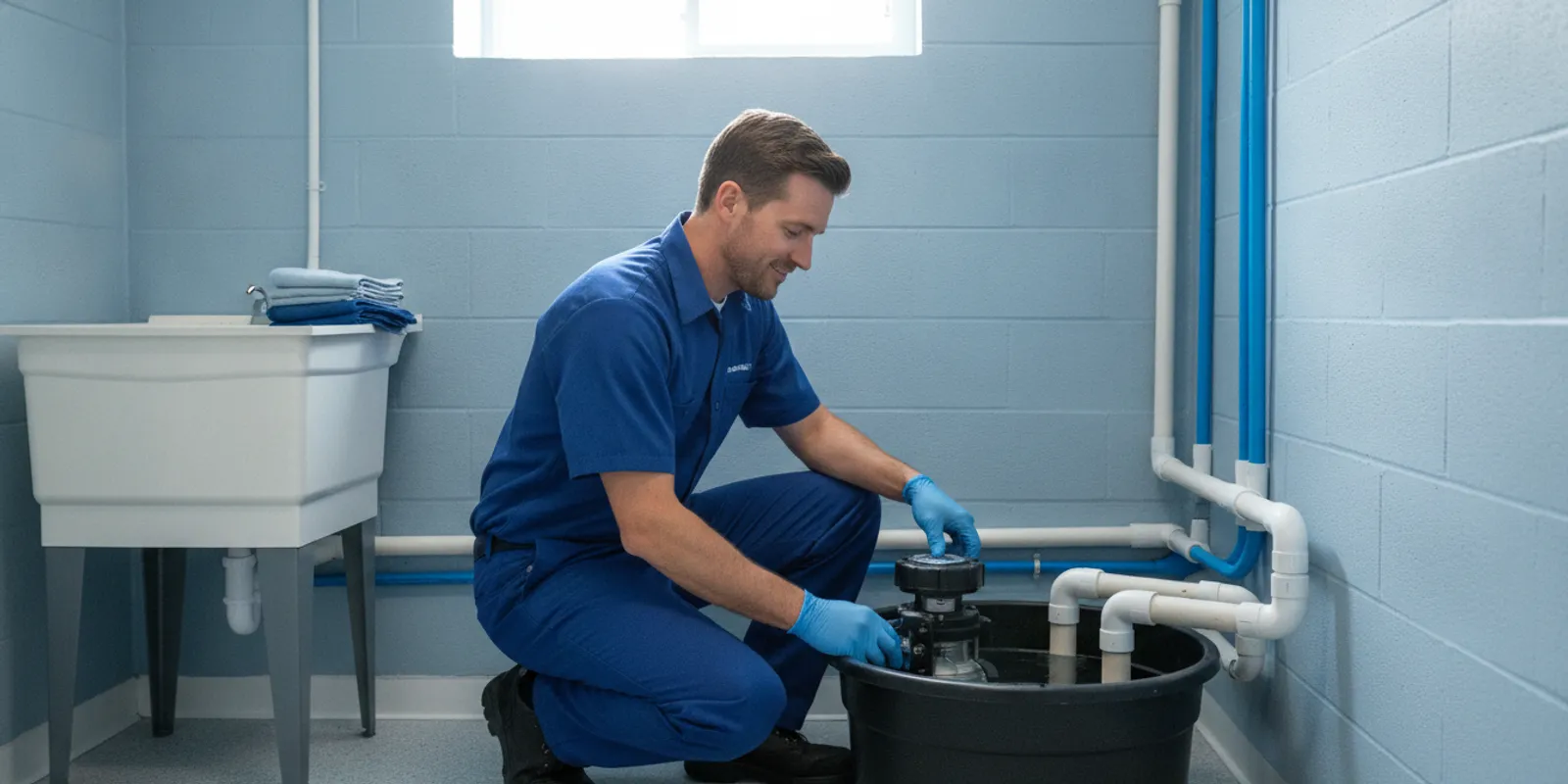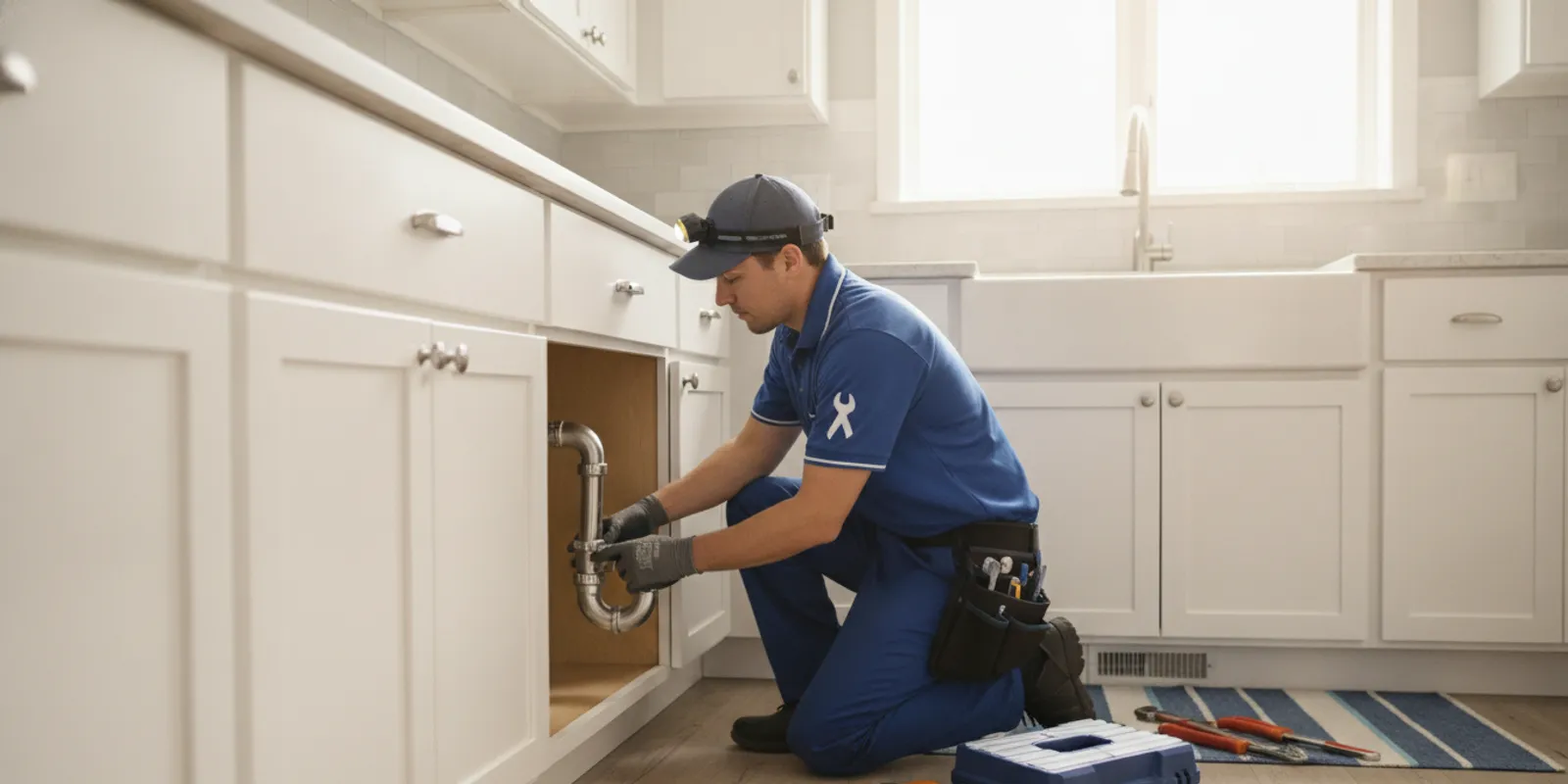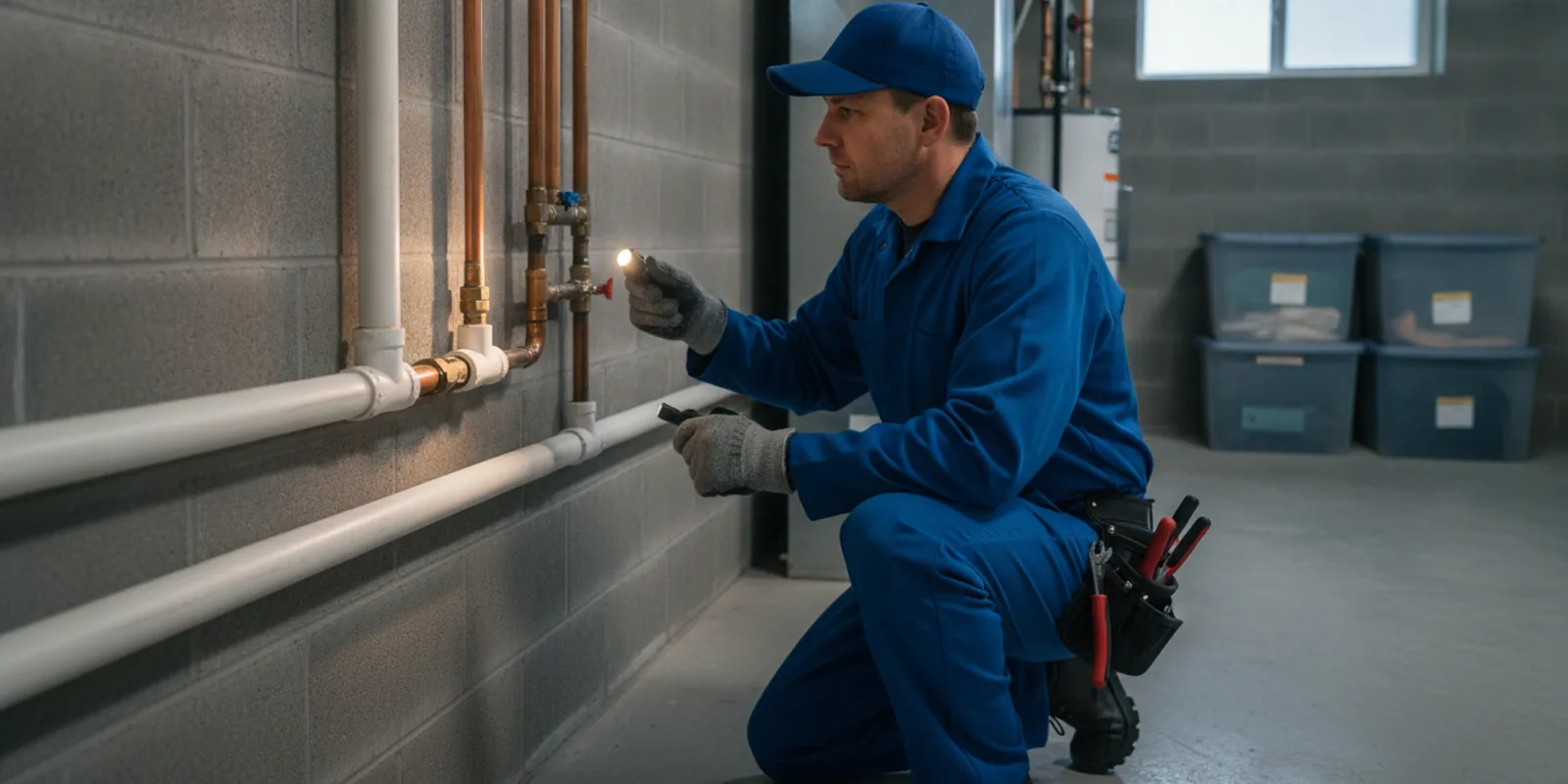
Allen Park winters can bring long cold spells, and a vulnerable pipe may be located in an exterior wall, basement, crawl space, garage, or other area that gets colder than the rest of the house. Knowing how to prevent frozen pipes in Allen Park starts with finding those vulnerable spots and making a plan before temperatures drop. A few practical steps can reduce exposure, while a plumbing professional can help assess pipes that remain difficult to protect.
Contact Mr. Pipey to discuss winter pipe protection
Which pipes are most likely to freeze in Allen Park?
Water pipes are at greater risk when they are exposed to freezing air or run through a space that is not consistently heated. In a typical home, that can include supply lines along an outside wall, plumbing in an unheated basement or crawl space, pipes near a garage, and lines inside a cabinet on a cold exterior wall. A room that feels comfortable does not guarantee that every hidden pipe is warm; air may enter through gaps around the foundation, utility penetrations, or windows and cool a specific section.
Start by making a simple map of where water lines travel. Pay particular attention to rooms that are seldom used, areas above garages, and plumbing at the perimeter of the building. Check whether doors between heated living space and colder areas are usually left open or closed, and note any history of weak water flow during winter. Repeated trouble in the same location is useful information for a plumber because it can point to a recurring cold exposure or an issue with how the pipe is routed.
Do not assume that only old homes have vulnerable pipes. Renovations, additions, and changes to heating patterns can leave a line in a newly colder location. A professional inspection can help determine whether the concern is insulation, air leakage, pipe placement, or another condition. If you have known plumbing in a cold area, include it in your winter preparation rather than waiting for a freeze warning.
Think about how each part of the home is used during winter. A basement door that is usually kept closed, a garage that is opened frequently, or a rarely used bathroom can create different conditions for nearby plumbing. Changes in how the home is heated may also affect a pipe that was not previously a concern. When you identify one of these factors, record the exact room and what you observe; this helps a professional focus on the relevant area.
Look for patterns rather than relying on a single cold day. If a fixture loses pressure only after a long period of low temperatures, or if the same wall feels colder each winter, those details may help identify a recurring exposure. Do not open walls or dismantle fixtures to investigate. A plumber can determine what can be inspected safely and whether the pipe route or surrounding conditions need further evaluation.
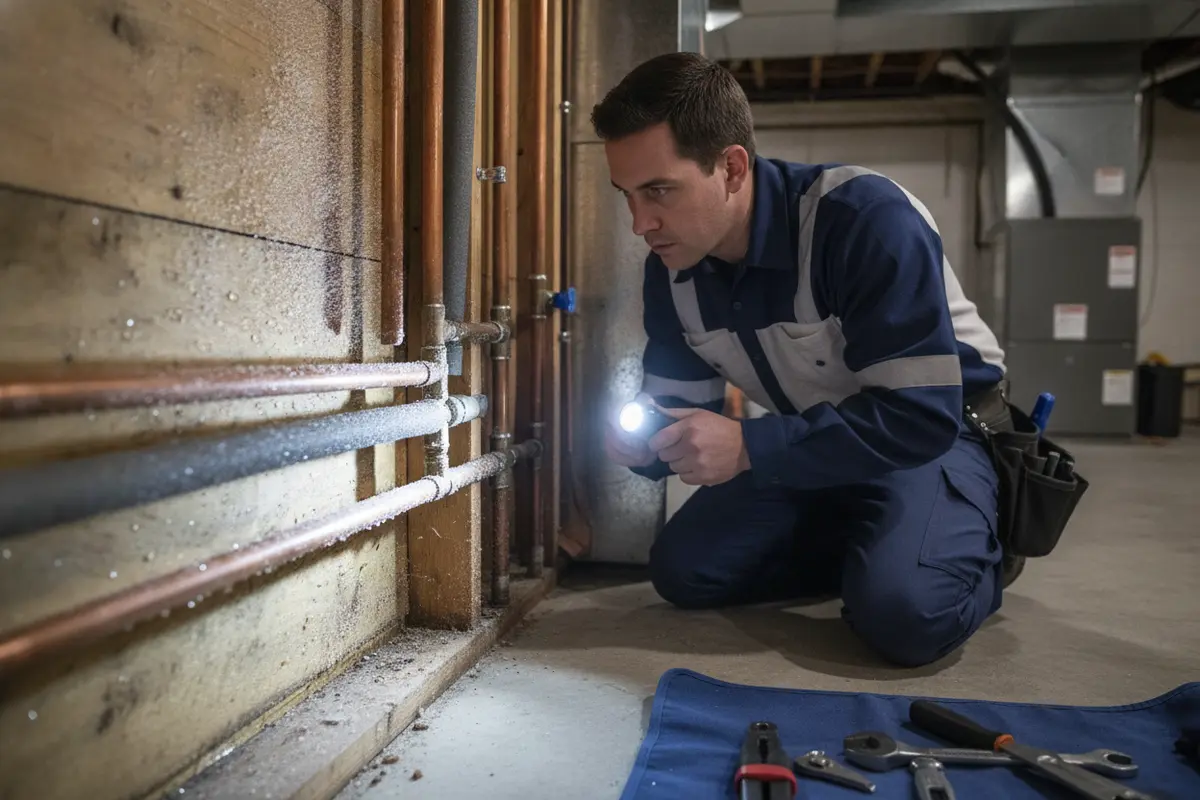
How can you prevent frozen pipes before a cold snap?
Prevention is most effective when done before severe cold arrives. Begin with the parts of the home that are already known to get chilly, then address indoor conditions and household routines. Insulation can help slow heat loss from pipes, but it is not a substitute for correcting leaks or addressing a space that is consistently freezing. Utah State University Extension advises checking for water leaks before installing insulation, since wet insulation can lose effectiveness. See its frozen-pipe prevention advice for additional guidance.
- Locate exposed plumbing. Identify pipes in basements, crawl spaces, garages, exterior walls, and other unheated or drafty areas. Make a note of sections that have frozen or lost flow before.
- Keep the home consistently heated. Avoid letting indoor temperatures fall sharply overnight or when the home is empty. If you are away in winter, arrange for the heat to remain on and have someone check the home when appropriate.
- Reduce cold drafts near pipes. Inspect the general area around utility openings, exterior doors, and windows for obvious drafts. A professional can identify whether air infiltration is reaching plumbing that is difficult to access.
- Consider pipe insulation where suitable. Insulation may reduce heat loss on exposed lines, but the right approach depends on the pipe and location. Have leaks addressed first and ask a plumber to assess areas where insulation alone may not solve the exposure.
- Plan for vulnerable fixtures. If a sink or plumbing fixture sits against a cold exterior wall, keep the surrounding area from becoming excessively cold. Ask a plumber about persistent cold spots or pipes hidden behind finished surfaces.
- Know where the main shutoff is. Make sure household members know how to locate the water shutoff and how to get professional assistance if a leak occurs. This is preparation, not a substitute for repair.
The American Red Cross also recommends keeping the thermostat at a consistent setting and notes that moving water, even at a trickle, can help reduce the chance of freezing in certain circumstances. That is not a universal fix for every pipe or home. Use advice suited to your plumbing layout, and consult a professional if a line is known to freeze or the home will be vacant during extreme cold.
What should you do with pipes during winter travel?
Leaving a home unattended can make a plumbing problem harder to notice promptly. Before a winter trip, consider the length of time away, the home’s heating reliability, and whether any plumbing has a history of freezing. Keep the heat operating at a steady setting rather than switching it off to save energy. Ask a trusted person to check the home if possible, especially during extended absences or a forecast of very cold weather.
Do not rely on a single precaution when several vulnerabilities are present. A pipe in a drafty crawl space may need a different solution from a line inside a heated room. If you have experienced repeated cold-weather flow problems, have the plumbing reviewed before travel. A plumber can discuss pipe location, existing insulation, and practical steps for that specific home. For information about Mr. Pipey’s frozen pipe repair and insulation service, review the service details before arranging a visit.
Where there is an active leak or loss of water, do not wait until returning from a trip. Contact a plumbing professional and follow their guidance. If you can safely reach the main shutoff, knowing its location may help you respond while help is arranged; avoid entering unsafe areas or handling electrical equipment in standing water.
How do prevention options compare?
The right measure depends on why a pipe is exposed to cold. The following comparison can help organize questions for a professional; it is not a promise that one measure will suit every home.
| Measure | Best suited to | What it addresses | When to ask for help |
|---|---|---|---|
| Consistent indoor heat | Occupied or temporarily vacant homes | Limits temperature drops in heated areas | When a room or pipe zone stays cold despite normal heating |
| Draft assessment | Pipe areas near openings or exterior walls | Cold air reaching plumbing | When drafts affect hidden or hard-to-reach pipe runs |
| Pipe insulation | Accessible exposed plumbing, after leak checks | Slows heat loss from the pipe | When lines have leaked, remain exposed, or freeze repeatedly |
| Plumbing evaluation | Recurring freeze concerns or uncertain pipe routes | Identifies location-specific causes and options | Before major cold weather or an extended winter absence |
These measures work best as a coordinated plan. For example, adding insulation to a pipe will not address a cold draft entering behind it, and maintaining indoor heat may not adequately protect a line routed through an unheated area. A professional can help distinguish between those conditions and explain what work is appropriate without guessing at the cause.
A practical seasonal review can be organized in three passes. First, walk through the home and list plumbing near exterior walls or unheated rooms. Second, note any cold-weather history, such as a faucet that slowed during a previous cold spell or a room that stays noticeably colder. Third, decide which concerns need a professional look before winter travel or a forecast of prolonged freezing temperatures. This short record helps keep attention on specific locations instead of treating the entire plumbing system as if every pipe faced the same exposure.
It is also helpful to review household routines. Confirm that the thermostat will remain on when the home is empty, and consider who will notice a heating interruption or water leak while you are away. Keep the main shutoff location known to the adults in the household, but do not use an unfamiliar valve if it appears damaged or difficult to operate; ask a plumber to assess it. A planned check is more useful than trying to make hurried decisions during severe weather.
Older repairs and previous freeze events deserve particular attention. If insulation has become wet, displaced, or damaged, it may no longer provide the protection expected. If plumbing has been altered during a remodel, its current route may differ from what the homeowner remembers. A qualified assessment can account for these changes and determine whether a targeted repair or broader evaluation is warranted. Keep notes about completed work so future service begins with a useful history.
What are the early signs of a frozen pipe?
A frozen pipe may not be visible. Watch for changes in water service, particularly during a cold spell. Common clues include:
- Little or no water from a faucet. If one fixture has reduced flow while others work normally, a localized supply line may be affected.
- Several fixtures losing flow. A wider pattern may involve a larger section of plumbing or a supply issue that needs prompt assessment.
- Unusual sounds or visible frost. Frost on an exposed pipe or unexpected changes in sound as water is used can indicate a cold-weather problem.
- Moisture, staining, or a leak. A pipe can begin leaking as it thaws or when damage becomes apparent. Treat water where it should not be as a reason to seek help.
Do not ignore a partial loss of flow simply because some water still comes through. Note which fixtures are affected, when the change began, and whether the plumbing is near a cold area. That information can help a plumber assess the situation. If water is leaking, keep clear of electrical hazards and contact a professional promptly.
For a broader plumbing concern, Mr. Pipey also provides plumbing leak repair and detection. If the issue appears connected to a fixture or supply line, a service assessment can clarify what is happening before damage spreads.
What should you do if you suspect a frozen pipe?
Stay calm and focus on safety. Do not apply an open flame or improvised high heat to plumbing. A pipe may be hidden behind a wall or near wiring, and unsafe heating can create additional hazards. If there is a leak, water near electrical components, or a pipe you cannot safely access, keep away from the area and call a qualified plumber.
If there is no active leak and you can safely observe the affected area, note the location and which fixtures have reduced flow. Avoid repeatedly forcing water through a line or attempting an aggressive thaw. Contact a plumbing professional for guidance, especially if the pipe is concealed, has frozen before, or remains without flow. If you find a leak, knowing the location of the main shutoff can help you explain the situation and follow instructions safely.
After service, ask what caused the freeze and whether preventive work is recommended. The answer may involve the pipe’s route, a cold draft, inadequate protection, or heating conditions. Understanding the cause helps avoid repeating the same problem next winter. A repair should be followed by a prevention plan that fits the home’s actual plumbing rather than a generic checklist.
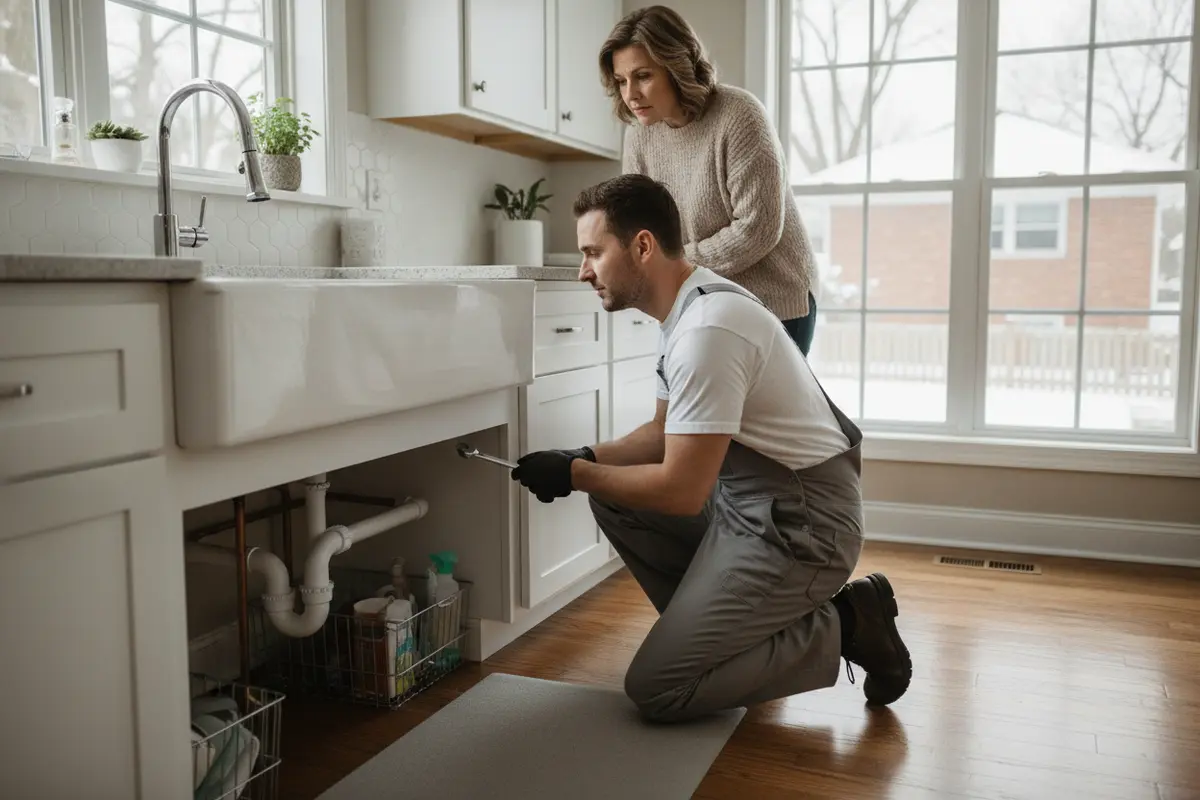
How can an Allen Park homeowner plan a professional assessment?
A useful assessment begins with clear observations. Before the appointment, write down the room or area where the pipe is located, whether it is exposed or hidden, and when the water-flow change or freeze occurred. Mention any prior repair, visible leak, or planned winter absence. These details help focus the conversation on the actual condition.
Ask the plumber to explain what is known and what still needs inspection. A clear discussion should cover the likely cold exposure, whether a leak needs attention before insulation, and which options address the cause. If more than one approach is possible, ask what each option is intended to do and what areas it will cover. This makes it easier to understand the scope before approving work.
Mr. Pipey serves homeowners across Metro Detroit and offers plumbing services including frozen pipe repair and insulation. The company describes its pricing as upfront, with no overtime charges for after-hours or emergency calls. To discuss a concern or request service, use the emergency plumbing information or contact page. You can also review related water valve services if you need help with a shutoff or valve issue.
Request help with frozen-pipe prevention or repair
Frequently asked questions
Can pipes freeze inside a heated home?
Yes. A line routed through an exterior wall, drafty space, garage, or unheated area may be colder than the main living space. Consistent indoor heat helps, but it may not fully protect plumbing in an isolated cold zone.
Does pipe insulation guarantee that a pipe will not freeze?
No. Insulation slows heat loss but does not create heat or correct every source of cold air. A plumber can check whether a leak, draft, pipe location, or another condition needs attention as well.
Should I leave water running when temperatures drop?
Moving water can help in some situations, and the Red Cross includes a trickle among its prevention recommendations. Whether it is appropriate depends on the plumbing and circumstances. It should not replace a plan for pipes that routinely freeze or spaces that remain cold.
What information should I give a plumber about a frozen pipe?
Share which fixtures are affected, when the problem began, where the pipe runs if known, whether there is a leak, and any past freeze or repair. Mention whether the home will be vacant or has a room that stays unusually cold.
When should I call a plumber?
Call when water flow is reduced or absent during freezing conditions, a pipe has frozen before, or you find a leak. Seek prompt help for active leaking, concealed piping, or any situation that is not safe to inspect.
Preparing before a cold snap gives Allen Park homeowners time to find vulnerable plumbing and address the conditions that put it at risk. If a pipe has frozen or a cold-weather problem keeps returning, a professional assessment can help identify a practical next step.