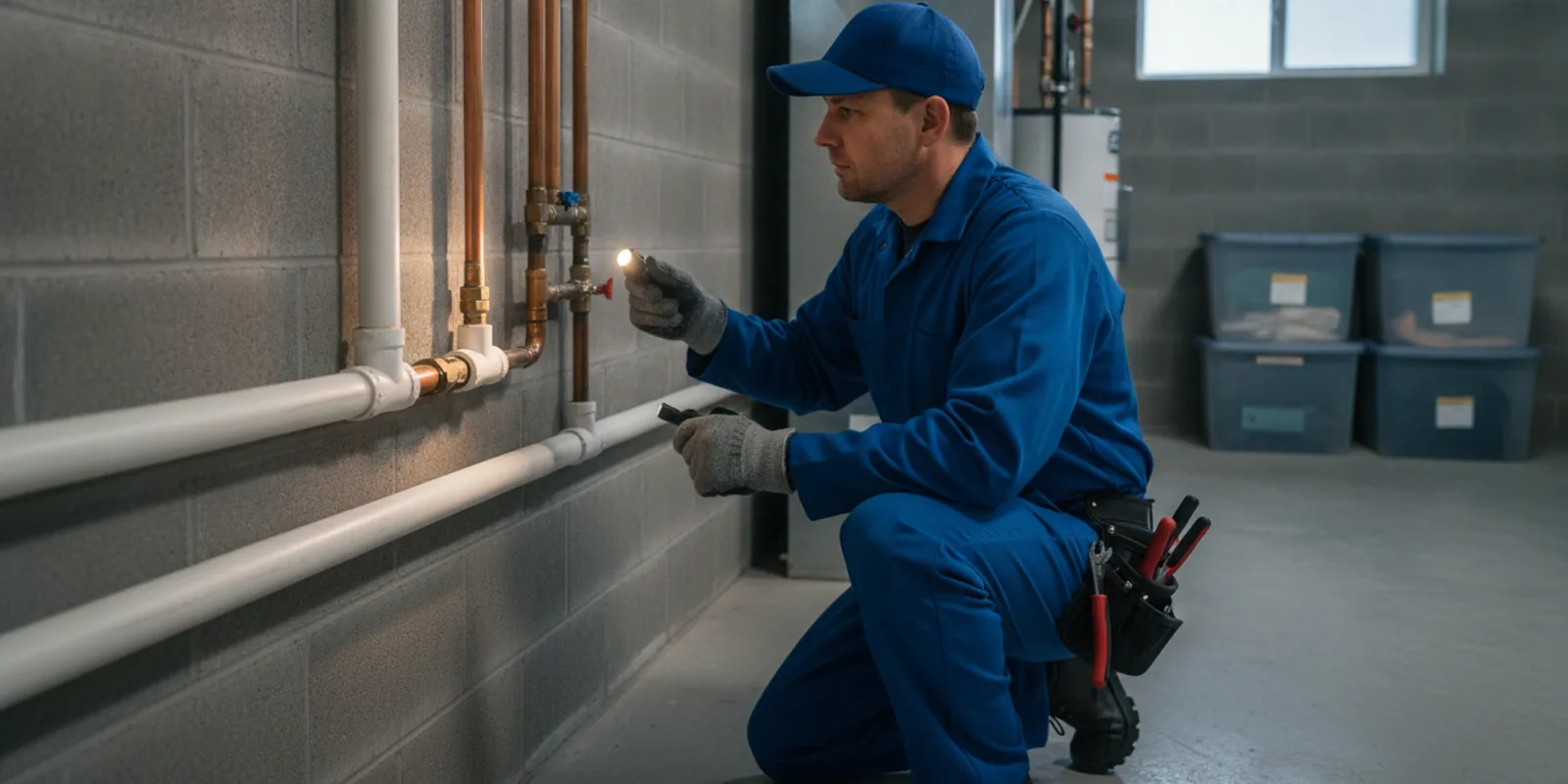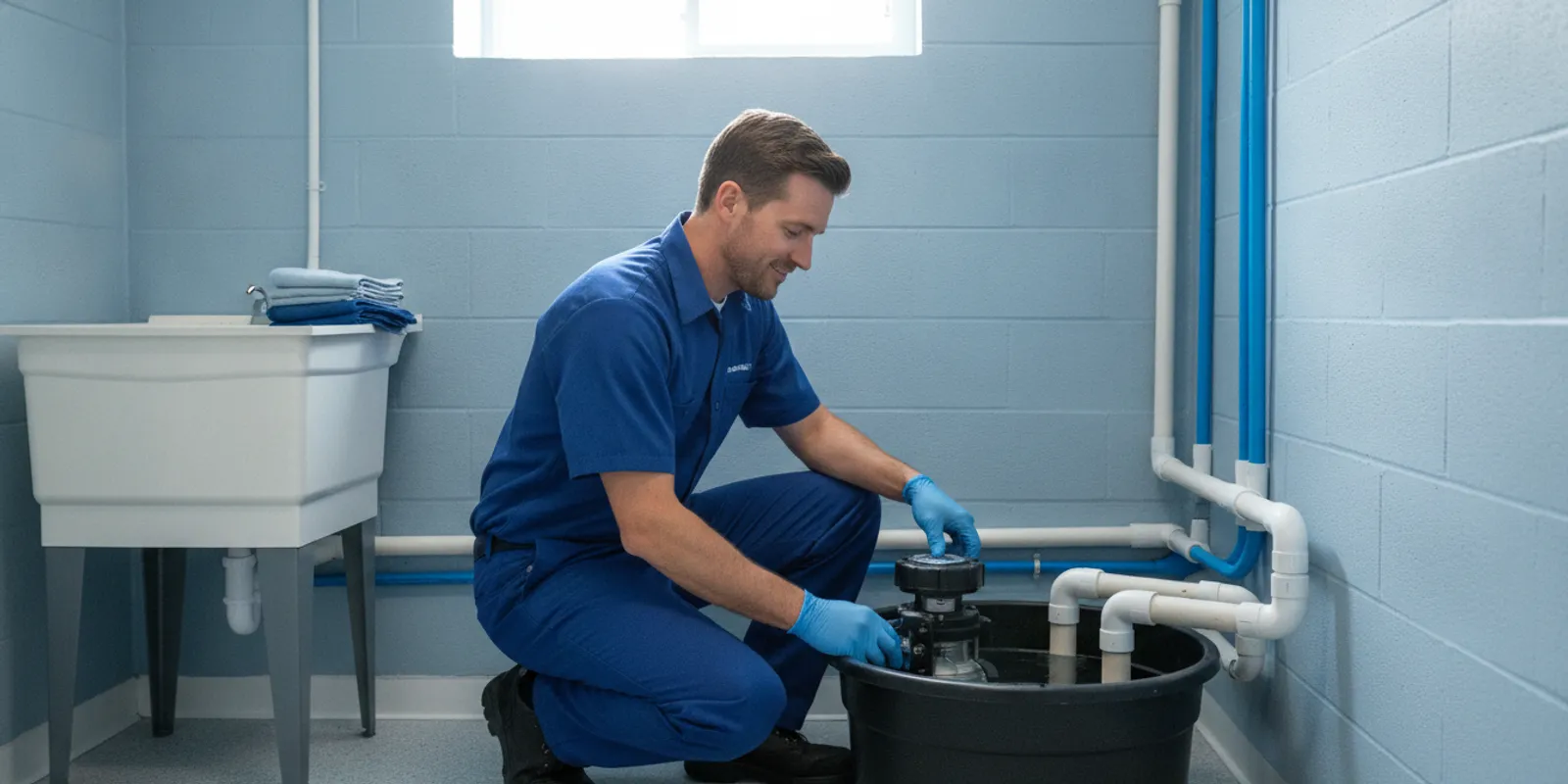
When a sink, shower, or floor drain slows down, Ann Arbor homeowners want a clear answer: what is the best drain cleaner for Ann Arbor homes? The most useful solution depends on where the blockage is and what caused it. A one-time slowdown at one fixture is different from repeated clogs or several drains acting up together. Identifying that pattern helps point toward an appropriate next step without relying on a product that may not reach or resolve the underlying issue.
Request professional drain service
What is the best drain cleaner for Ann Arbor homes?
There is no single drain cleaner that fits every clog. The right approach addresses the actual obstruction and takes the condition of the drain line into account. A localized buildup near one fixture may call for a different service than a blockage farther along a shared drain or sewer line. If the clog keeps returning, finding the cause matters more than repeating the same treatment.
Consumer drain products cannot see where a blockage sits or determine what is causing it. They may not reach an obstruction deeper in a line, and they cannot confirm whether the line has an underlying condition that contributes to repeat symptoms. A professional assessment can help distinguish a fixture-level issue from a broader drain concern and guide the choice of cleaning or inspection.
If a household product has already been used, follow its label instructions and warnings. The U.S. Environmental Protection Agency provides general information about household chemicals at EPA.gov; for a specific cleaner, the product label is the source for its directions and precautions. Never mix drain cleaners or combine them with another treatment. Tell the plumber what product was used and when, particularly if the water is still draining poorly. This information helps the service professional plan an appropriate evaluation.
How can you identify the pattern behind a clogged drain?
Symptoms do not prove the cause, but their pattern helps narrow the questions a plumber should investigate. Before requesting service, make a short note of what is happening throughout the home. Consider these distinctions:
- One sink or tub drains slowly: The issue may be confined to that fixture or its nearby drain connection.
- Several fixtures slow down around the same time: A shared branch line or a larger part of the drain system may need evaluation.
- A clog returns after being cleared: Some buildup or another contributing condition may remain in the line.
- Water backs up at a lower drain: The symptom can indicate that the concern is farther downstream; avoid adding water to affected fixtures and arrange an assessment.
- Gurgling or an unusual odor accompanies slow drainage: Report it as part of the symptom pattern, but do not treat it as a diagnosis on its own.
Timing can also help. Note when the symptoms began, whether they affect one or multiple fixtures, and whether the problem is constant or intermittent. If there was recent plumbing work or a product treatment, mention that as well. A clear account gives the plumber a better starting point than simply saying that a drain is clogged.

For example, a bathroom sink that is slow while every other fixture works normally suggests a different starting point than a basement drain that backs up when several fixtures are used. These patterns do not establish the cause, but they help determine whether to begin with the fixture or evaluate a larger section of the system. Mr. Pipey’s sewer and drain service includes professional evaluation and cleaning options for drain concerns.
Which drain service options may be appropriate?
Professional methods have different purposes. A plumber considers the symptoms, access to the line, and its condition before recommending work. The table compares common service approaches in practical terms; it is not a substitute for evaluating the specific plumbing.
| Approach | Primary purpose | When it may be considered | Important consideration |
|---|---|---|---|
| Fixture-level assessment | Determine whether symptoms appear limited to one fixture and its nearby drain | One sink, tub, or shower is affected | Symptoms at other fixtures should be reported too |
| Mechanical drain cleaning | Address an accessible obstruction in a drain line | A localized blockage is suspected | Clearing a clog does not always explain why it formed |
| Camera inspection | Visually assess the interior of an accessible drain or sewer line | Clogs return or symptoms point to a deeper concern | Inspection helps inform diagnosis; it is not itself cleaning |
| Hydro jetting | Use professional high-pressure water cleaning where suitable | A plumber finds that the line and buildup are appropriate for this method | Not every pipe or situation is a candidate |
Cleaning and camera inspection can work together, but they answer different questions. A camera may help a plumber see the line’s interior and locate or characterize a concern. Cleaning addresses certain obstructions or buildup. Hydro jetting is a professional method, not a universal choice; the plumber should assess whether the line is suitable and explain the reason for the recommendation.
Mr. Pipey’s HydroScrub drain jetting service is an option when conditions call for professional jetting. When a recurring or deeper line concern needs visual assessment, a plumber may discuss sewer camera inspection. The findings should guide which step is appropriate, rather than selecting a method before the line is assessed.

When should an Ann Arbor homeowner call a plumber?
Arrange professional evaluation when a clog repeatedly returns, more than one fixture is affected, water backs up, or the source is unclear. It is also reasonable to call when a drain remains slow after an initial attempt or when you are uncertain what product has been put into it. These are reasons to get the line assessed, not reasons to assume a particular repair is needed.
If water is actively backing up, avoid using affected fixtures and avoid adding another drain product. Describe what is happening when you contact a plumber. Include which drains are involved, when the symptoms occur, and whether the issue has happened before. If the concern seems limited to one fixture, Mr. Pipey’s drain repair information provides context for professional help with local drain problems.
Some symptoms involve plumbing beyond a sink or shower. A backup at a basement drain, for example, is useful to mention because it identifies another affected point in the home. Homeowners can also review information about basement drain service when that fixture is involved. A plumber can determine whether a concern is local or calls for a wider evaluation.
What should you expect during professional drain service?
A helpful service visit starts with a conversation about what the homeowner has observed. The plumber can ask which fixtures are affected, when the problem began, whether it has recurred, and what steps or products have already been tried. The affected area and related fixtures may then be assessed to establish an appropriate next step.
- Describe the symptoms. Identify each affected sink, tub, shower, or floor drain. Explain whether the problem is constant, intermittent, or associated with use elsewhere in the home.
- Share the history. Note previous clogs, recent plumbing work, and any products used. If a product is still in the line, say so before service begins.
- Review what the assessment shows. Ask whether the issue appears limited to one fixture or may involve a shared or deeper section of drain.
- Understand the proposed method. Ask what the recommended cleaning or inspection is meant to address, and why it fits the line and symptoms.
- Discuss what happens next. If the clog returns, clarify what information to track and whether further evaluation may be appropriate.
These questions help connect the observed problem to the proposed work. A clear explanation should distinguish what is known from what is still uncertain. If inspection is recommended, ask what it is expected to clarify; if cleaning is proposed, ask what type of blockage or buildup it is intended to address.
For symptoms that include water near a pipe or dampness around a fixture, mention that separately from the drain slowdown. A related plumbing concern may need its own evaluation. Mr. Pipey’s plumbing leak information explains another service area that may be relevant when leakage accompanies a drain issue.
How can you reduce repeat drain problems?
Prevention starts with using household drains for their intended purpose and noticing changes in performance early. Keep grease, food scraps, wipes, and other unsuitable materials out of drains. If one fixture repeatedly slows despite normal use, do not treat recurring chemical applications as a maintenance plan. Ask a plumber whether the line needs cleaning, inspection, or another response based on its history.
There is no single cleaning schedule that applies to every home. Drain layouts, usage, and previous problems vary. A recommendation should fit the specific fixture and symptoms rather than prescribe a routine product treatment for all plumbing. Keep a simple record of repeat issues: the fixture, date, what was happening elsewhere in the home, and any prior service. This can help distinguish an isolated event from a recurring pattern.
It can also help to describe the issue precisely when you seek service. “The kitchen sink drains slowly” is different information from “the kitchen and basement drains both back up when the laundry is running.” The second account gives the plumber a broader picture and may shape which part of the system should be assessed first.
When a line’s history suggests a wider concern, ask whether a sewer and drain evaluation is more appropriate than repeated fixture-level clearing. Mr. Pipey’s drain and sewer service overview describes options for professional assessment. The goal is not to choose the most extensive method by default; it is to match the service to what the symptoms and inspection indicate.
How should you compare drain-cleaning recommendations?
When a plumber presents an option, compare the reason for the work, what it is meant to accomplish, and what it will not establish. This keeps the conversation focused on the symptoms and the line rather than on a method’s name. A useful recommendation connects the observed pattern to a specific next step and explains whether further assessment may be needed if the symptom persists.
- Ask what part of the system is being addressed. Is the recommendation for one fixture drain, a shared branch, or a larger sewer line? The answer should relate to the affected fixtures and what the plumber observed.
- Clarify whether the goal is diagnosis or clearing. Camera inspection helps visualize a line; mechanical cleaning and hydro jetting are cleaning approaches for appropriate conditions. They are not interchangeable services.
- Discuss suitability and limitations. Ask what the plumber considered about access and line condition, and why the proposed method fits. A professional should be able to explain why an option may not be appropriate as well.
- Ask what to monitor afterward. Find out what a recurring slowdown would mean for follow-up and whether additional inspection might be useful.
Consider two common examples. If one bathroom sink slows over time while the tub, toilet, and other drains work normally, an assessment may begin at that fixture and nearby connection. If multiple fixtures show related symptoms or a lower drain backs up, it may be more useful to evaluate a shared or farther section of the system. Neither example proves the cause; each helps frame the questions for a professional.
A third situation is a clog that improves and then returns. The immediate obstruction may have been cleared, while the reason it formed remains. In that case, ask whether the history supports further diagnosis, such as visual inspection, rather than simply repeating the same clearing service. The choice should be based on the line and its symptoms, not a blanket rule that every repeat clog needs the same equipment.
Finally, distinguish an estimate for a defined service from a recommendation that depends on inspection findings. Ask what work is included, what result is expected, and what would prompt a different next step. Clear answers help you understand the scope without assuming that a more involved method is automatically better.
Contact Mr. Pipey to discuss a drain concern
Frequently asked questions
What is the best drain cleaner for Ann Arbor homes with recurring clogs?
For a recurring clog, professional evaluation is generally a more useful next step than repeatedly applying a chemical product. A plumber can assess whether the issue appears local or farther along the drain and recommend an appropriate service.
Can a chemical drain cleaner clear every type of blockage?
No. A product cannot locate or identify the cause of an obstruction, and it may not address a blockage farther into the drain system. Follow the label and never mix cleaners.
Does hydro jetting work for every drain line?
No. Hydro jetting may suit some lines and conditions but is not appropriate for every situation. A plumber should assess the line and explain why the method is or is not suitable.
When might a camera inspection be useful?
A camera inspection may help when clogs recur or symptoms suggest a deeper drain or sewer line concern. The plumber can decide whether it is warranted based on the observed pattern and assessment.
What information should I share when I call?
List the affected fixtures, when symptoms began, whether they have returned, and what products or prior service have been used. Mention gurgling, odors, or backups as observations, not as a diagnosis.
The best drain cleaner for an Ann Arbor home is the response that fits the cause and location of the problem; when symptoms recur or involve several fixtures, a professional assessment can help determine the next step.