
For a Troy homeowner, the question often begins with a damp basement, a history of seepage, or concern about heavy rain and spring snowmelt. If you are asking what is a sump pump and do i need one in Troy. The answer depends on how water reaches your foundation and how the basement is used.
Talk with a Troy plumbing professional about your sump pump needs
What Is a Sump Pump and Do I Need One in Troy?
What is a sump pump and do I need one in Troy? A sump pump collects groundwater and seepage in a basement basin, then sends it away from the home. Troy properties with recurring moisture, high groundwater exposure, finished lower levels, or past flooding may benefit from a professional evaluation.
The useful question is not whether every Troy home needs the same equipment. It is whether your basement has a dependable way to collect and move water before moisture affects the space. The sections below explain how the system works, which property conditions matter, and what a professional inspection should cover.
What Does a Sump Pump Do in a Troy Basement?
Water naturally moves toward the lowest available point. A sump pump system gives groundwater and foundation seepage a controlled place to collect and a route out of the home. Rather than allowing water to spread across the basement floor, the system gathers it in a sump basin and removes it through a discharge line.
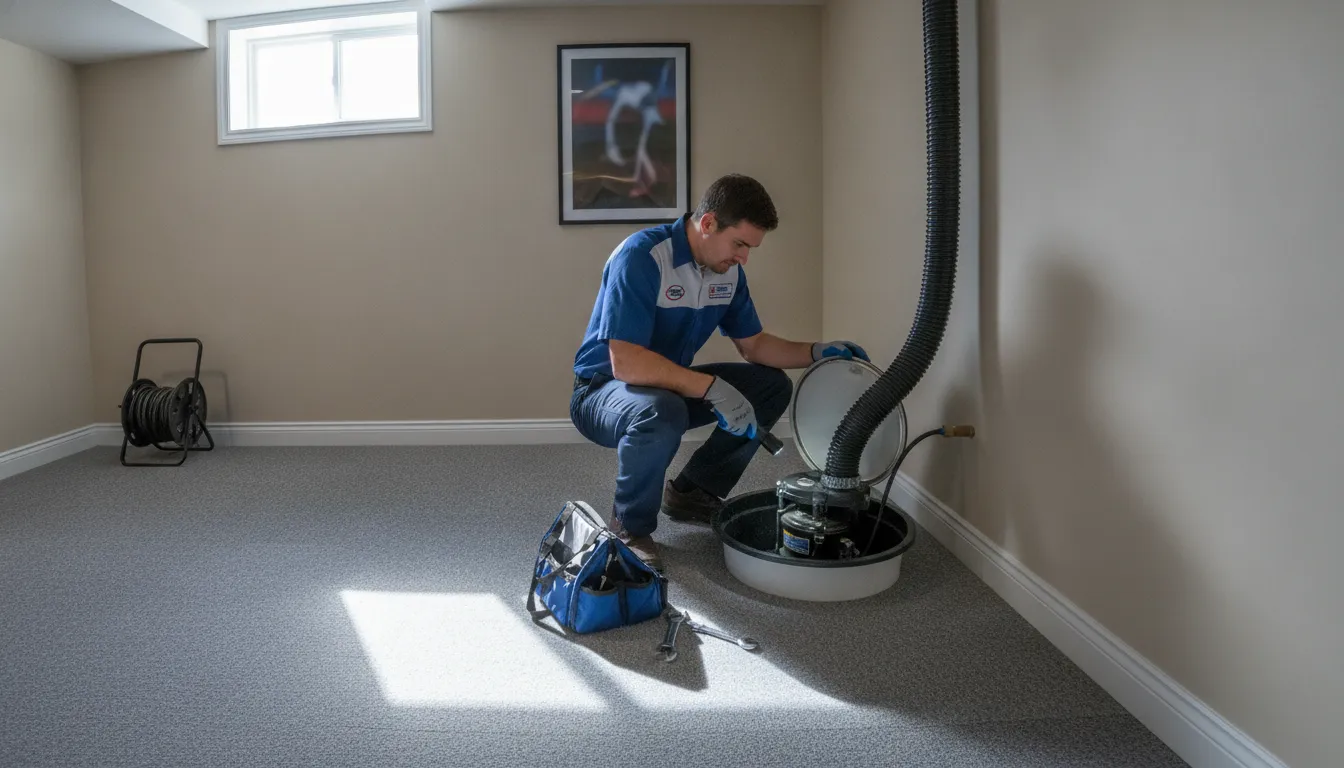
The basin is installed at the lowest practical point of the basement or crawlspace. Guidance from the City of Edina’s sump pump resource describes the basin as a collection point for excess water near the foundation or drainage system. For a Troy homeowner, the basic sequence is straightforward: water enters the basin. A control senses the rising level, and the pump moves the water away from the building.
How the pump cycle works
As water enters the basin, its level rises. A float switch or similar control responds when the water reaches an activation point. The motor starts, draws water from the basin, and pushes it through the discharge pipe. Once the water level falls, the control shuts the pump off.
The cycle may occur after rain, snowmelt, or a change in groundwater conditions. Some systems operate more often because of soil, grading, drainage, or foundation conditions. Frequent operation does not automatically prove that the pump is failing. It does mean the system should be correctly sized and professionally assessed, especially if the pattern changes.
Why the check valve and discharge path matter
A check valve helps keep water in the discharge pipe from flowing back into the basin after the motor stops. Without effective backflow control, the pump may cycle unnecessarily and handle the same water more than once. The discharge line must also carry water far enough away from the foundation so it does not immediately return to the soil beside the basement.
These parts work as one system. The basin collects water, the float starts the motor, and the pump pushes water through the pipe. The check valve helps limit return flow. Because the system combines electrical components with drainage and foundation-water management. Installation or replacement should be evaluated by a qualified plumber rather than treated as a homeowner equipment project.
What Is a Sump Pump and Do I Need One in Troy?
Not every Troy home needs a sump pump, but several conditions make one a sensible part of a basement water-management plan. The strongest indicators include a below-grade or finished basement, recurring seepage, past flooding, groundwater near the foundation, and a property layout that directs runoff toward the home.
FEMA identifies high water tables and seasonal precipitation as factors that can increase the need for sump pump protection. Those factors are relevant when evaluating homes in Metro Detroit. However, a broad regional pattern cannot replace a property-specific inspection. A newer home may have effective drainage, while an older home with a currently dry basement may still deserve an assessment if its site collects water.
Which property conditions increase the value of a sump pump?
- A finished or below-grade basement: Drywall, flooring, furniture, and stored belongings make moisture control more important. A professional can evaluate how water reaches the space and whether the existing basin and drainage components are performing as intended.
- A history of dampness or flooding: Water stains, recurring seepage, musty conditions, or a previous cleanup provide useful evidence. A basement that is dry today may still have the same underlying drainage exposure.
- Frequent groundwater activity: A pump that cycles during dry weather may be responding to sustained groundwater around the foundation. FEMA’s sump pump guidance explains why frequent operation and unusual sounds deserve attention.
- Heavy rain or rapid snowmelt: Saturated soil can send more water toward the foundation. A reliable collection and discharge system can help manage that flow when site drainage directs water toward the home.
- Grading or drainage concerns: Soil that slopes toward the house, concentrated runoff, or poorly routed drainage can increase basement moisture. Correcting the water source may be necessary whether or not a sump pump is recommended.
Look for patterns rather than relying on one isolated event. Note whether moisture appears only after an unusually intense storm or returns whenever the ground is saturated. The entry point also matters. Water can enter near a wall, floor joint, drain, or foundation penetration. These observations help a plumber distinguish a sump-system concern from a grading, foundation, or basement-drain issue.
A professional assessment should explain the cause of the water and the practical options. It should not assume that every Troy homeowner needs a new pump, a larger pump, or a backup system. The goal is a solution that matches the basement, drainage conditions, and expected water volume.
How Can You Tell If Your Sump Pump Needs Attention?
A sump pump may operate quietly for months and then face its greatest demand during heavy rain or snowmelt. Changes in sound, timing, or water movement are useful clues. They do not always mean that the entire system needs replacement, but they do justify professional evaluation before the next major storm.
- Unusual noise or vibration: Grinding, rattling, humming, or pronounced vibration differs from normal operation. It may indicate a mechanical issue, an unstable installation, or strain elsewhere in the system.
- Frequent cycling during dry weather: Repeated starts and stops can relate to high water flow, a switch concern, backflow, or inefficient discharge. The pattern should be assessed in the context of weather and foundation drainage.
- Failure to discharge water during rain: If the basin level rises while water is not leaving, the pump or another component may not be working correctly. A rising water level deserves prompt attention when a storm is continuing.
- Debris near the float or pump: Material in the basin can interfere with the float switch. The basin and controls should be evaluated safely as part of professional sump pump service.
- A frozen or obstructed discharge line: A motor may run while ice, soil, leaves, or other obstructions stop water from traveling through the pipe. The public works discharge guide explains why the outlet must remain clear and separated from the foundation.
A technician can determine whether the concern involves the pump, float, basin, check valve, power supply, or discharge route. This approach prevents a homeowner from assuming that a noisy motor automatically requires replacement or that a quiet motor is always reliable.
Which Sump Pump Setup Fits Your Basement?
After the water exposure is understood, the next decision is the system design. The right setup depends on the basin location, available clearance, expected water volume, discharge height, and level of protection the property needs during severe weather. A professional assessment is more reliable than selecting a pump by appearance or horsepower alone.
| Consideration | Submersible pump | Pedestal pump |
|---|---|---|
| Location | The pump operates inside the sump basin, below the water level. | The motor stands above the basin while the pumping component extends into it. |
| Operating environment | The contained design is generally quieter and helps keep the motor cool. | The motor remains accessible above the basin, but operation may be more noticeable. |
| Service access | Components are contained within the basin and may require access there. | The motor and controls are easy for a professional to reach. |
| Potential fit | Often considered where quiet operation and a contained setup are priorities. | May suit a space where overhead clearance and service access are available. |
Neither design is automatically right for every Troy basement. The basin, drainage system, electrical supply, discharge route, and expected inflow all affect the recommendation. Homeowners seeking background on the process can review this sump pump installation guide or the related sump pump basin guide. Sizing and installation should remain professional decisions.
When is backup protection worth considering?
Power interruptions can occur during the same storms that increase basement water pressure. A battery backup can keep a pump operating when the electrical grid fails. A high-water alarm can also alert occupants when water rises above a set level, which may indicate that the primary pump has stopped or cannot keep up.
Backup protection should be selected as part of the complete system design. The appropriate capacity depends on the pump’s workload, the expected duration of an outage, the home’s drainage conditions, and the space available for the equipment. A professional can explain whether a battery, combination system, or another arrangement suits the property.
Why Do Sump Pump Discharge Lines Matter in Troy?
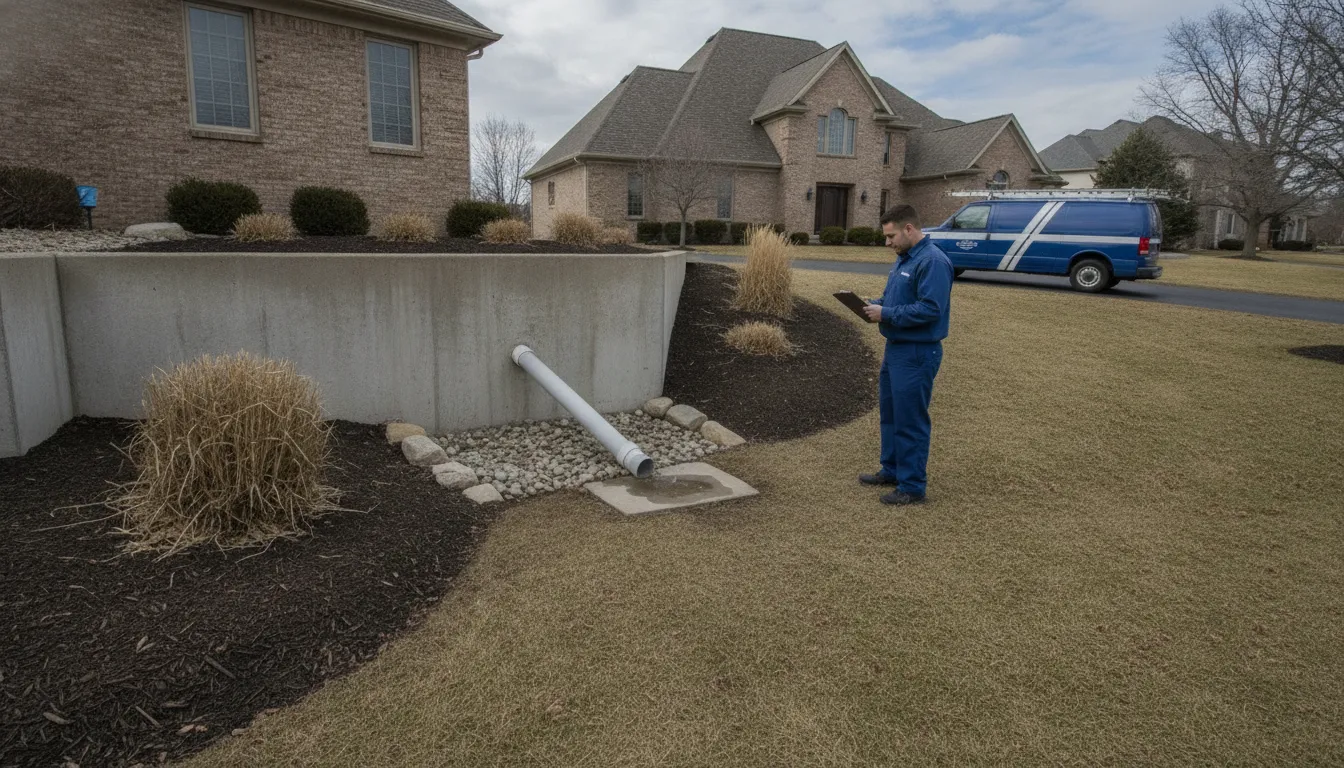
Removing water from the basin is only part of the job. The discharge line must carry that water far enough away from the building so it does not return to the soil beside the foundation. In Troy, a poorly routed line can contribute to repeated moisture, ice-related interruptions, or avoidable drainage problems.
How should discharge water be handled?
The outlet should direct pumped water away from the foundation and toward a suitable drainage area. The correct endpoint depends on the property’s grading, lot layout, drainage features, and applicable local requirements. A professional can evaluate those factors together instead of treating the discharge pipe as an isolated component.
The line also needs to remain clear through changing weather. Leaves, soil, ice, and damaged sections can restrict flow. Winter freezing is especially important because a pump may run normally while water cannot leave the home. The sump pump check valve guide provides additional context on how discharge components affect system operation.
What should Troy homeowners confirm about drainage?
Sump pump water should not be connected to a sanitary sewer unless the responsible authority specifically permits that arrangement. Public guidance from the City of De Pere explains why sump water should be kept out of sanitary sewers. Requirements can vary by municipality and property, so a Troy homeowner should confirm current requirements with the appropriate local department and a qualified plumbing professional.
If water remains near the foundation, the pump, check valve, discharge line, grading, and surrounding basement drainage should be reviewed together. A related basement drain guide for Troy homeowners can help explain why the larger drainage context matters.
How Often Should a Troy Sump Pump Be Serviced?
Annual professional maintenance is a practical baseline for many Troy homes. A yearly visit helps confirm that the system is ready before heavy spring rain, summer storms, and snowmelt place greater demand on it. The City of Edina’s maintenance guidance recommends checking a sump pump at least once a year.
Maintenance should evaluate more than whether the motor starts. A technician can review the pump, basin, float switch, check valve, discharge piping, electrical connection, and backup protection. The basin must allow the float to move freely, and the discharge route must remain open so water can leave when the pump operates.
Service timing should also reflect the home’s history. A pump that runs frequently during dry weather may point to higher groundwater or another drainage condition. A system that has been quiet for a long period still deserves evaluation if it has not been checked before a wet season. Homeowners comparing regional service information can also review sump pump repair guidance and sump pump installation guidance from the Mr. Pipey blog.
Schedule a professional sump pump assessment before the next major storm
Frequently Asked Questions
What is a sump pump?
A sump pump is a mechanical device installed in a basin at the lowest part of a basement or crawlspace. It collects water that reaches the pit and pumps it away from the home. A float or similar control starts the pump as the water level rises, while a check valve helps limit backflow.
Do I really need a sump pump in my Troy home?
Not every Troy home needs one. It deserves consideration when a basement has recurring moisture, previous flooding, finished lower-level space, groundwater exposure, or drainage that directs water toward the foundation. A property-specific assessment is more useful than deciding from home age or basement size alone.
How often should I have my sump pump serviced?
Many homeowners benefit from a professional maintenance check at least once a year, ideally before the seasons with heavier rain or snowmelt. The inspection should include the pump, float, basin, check valve, discharge line, power supply, and backup protection.
What are common signs of a failing sump pump?
Unusual noise, frequent cycling, failure to discharge water, a rising basin level, or a frozen or obstructed discharge line can indicate that the system needs attention. A technician can determine whether the cause is the pump, switch, power, basin, valve, or drainage path.
Where should sump pump discharge water go?
Discharge water should be directed away from the foundation through a clear, suitable route. It should not enter a sanitary sewer unless local requirements specifically allow it. A professional can review the property’s grading, drainage, outlet, and local requirements together.
Ready to Plan the Right Sump Pump Support?
A professional assessment can clarify whether your Troy home would benefit from sump pump installation, maintenance, repair, or a drainage correction. Mr. Pipey’s licensed plumbing team can review the basement and explain a practical next step based on the property’s conditions.
Contact Mr. Pipey to discuss sump pump service for your Troy home