
That strange grinding sound coming from the corner of your basement is more than just an annoyance; it’s a warning sign. For homeowners in our area, a sump pump isn’t a gadget, it’s the first line of defense against water damage. The heavy clay soil and high water tables here put incredible strain on these machines, meaning they work harder and can fail more unexpectedly than in other places. Ignoring the signs of trouble, like unusual noises or constant running, is a gamble you can’t afford to take. This guide will help you understand what your sump pump is trying to tell you and what steps to take next, so you can find reliable sump pump repair Southfield MI before a small problem turns into a full-blown flood.
Key Takeaways
- Select a pump built for local conditions: Southfield’s clay soil and high water tables require a heavy-duty pump, so look for one with a sealed motor and pair it with a battery backup system to ensure your basement is protected during power outages.
- Be proactive with maintenance and observation: You can prevent most emergencies by learning the warning signs of failure, like odd noises, and performing simple maintenance, such as testing your pump before a storm and keeping the pit clean.
- Know when to repair versus replace: For newer pumps with minor issues, a repair is often cost-effective; however, if your pump is over seven years old or needs constant attention, replacing it is the smarter long-term investment.
Why Are Southfield Basements Prone to Flooding?
If you live in Southfield, you know that a wet basement is more than just a possibility; it’s a constant concern for many homeowners. It’s not your fault, and it’s not just bad luck. The truth is, our city has a unique combination of environmental and historical factors that make basements particularly vulnerable to water intrusion. Understanding these challenges is the first step toward finding a lasting solution and keeping your basement dry for good.
From the soil under your foundation to the age of your home, several key issues are working against you. Let’s look at the three biggest reasons why Southfield basements are so prone to flooding.
Clay Soil and High Water Pressure
The ground beneath our feet plays a huge role in basement water problems. Much of Southfield is built on dense, clay-based soil. Unlike sandy soil that allows water to drain through it quickly, clay holds onto water for much longer. This creates intense hydrostatic pressure, which is just a technical way of saying there’s a lot of water weight pushing against your foundation walls. This pressure is powerful enough to force water through even the tiniest cracks in the concrete.
Even worse, this clay soil contains fine silt and sediment that can cause serious problems for your sump pump. As water fills your sump pit, it carries these tiny particles with it. Over time, this sediment can clog your pump’s intake, jam its moving parts, and wear out the motor prematurely. This is why having the right sump pump services from a pro who understands local soil conditions is so important.
High Water Tables Near the Rouge River
Living near the beautiful Rouge River and its tributaries has its perks, but it also comes with a higher risk of flooding. Proximity to these waterways often means the local water table, the natural level of groundwater in the soil, is much higher. After a heavy rain or during a spring thaw, this water table can rise significantly, putting your basement in the direct path of excess groundwater.
A high water table means your sump pump has to work much harder and more frequently to keep your basement dry. For homes in these specific areas, a standard, off-the-shelf pump often isn’t powerful enough to handle the constant flow of water. You may need a more robust system, like a 3/4 horsepower model, to keep up. It’s a perfect example of how a one-size-fits-all approach to basement waterproofing simply doesn’t work in Southfield.
Aging Homes and Outdated Drainage
Many of Southfield’s charming neighborhoods were developed between the 1950s and 1980s. While these homes have character, they were also built with drainage systems that are now 40 to 70 years old. The original drain tiles, or weeping tiles, installed around your foundation were designed to channel water away, but they can degrade, crack, or become clogged with soil and roots over time.
Building codes and waterproofing technologies have also come a long way since these homes were constructed. An older drainage system may simply not be equipped to handle the amount of water created by our local soil and weather patterns. While you can’t change the age of your house, you can certainly upgrade its defenses. Addressing outdated components is a key part of a comprehensive strategy to protect your home, and our team is always ready to help with a full range of plumbing solutions.
Common Sump Pump Problems Homeowners Face
Your sump pump is your basement’s first line of defense against flooding, but it’s not invincible. Like any hardworking appliance, it can run into problems over time. Knowing what to look for can help you catch an issue before it turns into a catastrophe. From mechanical failures to clogs caused by debris, most sump pump issues fall into a few common categories. A pump that fails during a heavy Southfield downpour can cause thousands of dollars in water damage in less than an hour. Understanding these potential pitfalls is the first step in keeping your basement dry and your mind at ease. If you notice any of these signs, it’s often best to call for a professional sump pump inspection to diagnose the problem correctly.
A Stuck Float Switch
Think of the float switch as your sump pump’s trigger. As water fills the sump pit, the float rises with it. Once it reaches a certain level, it signals the pump to turn on. If this switch gets stuck, your pump will either run nonstop or, even worse, not turn on at all. This is a frequent problem, especially in areas with clay soil like Southfield. Debris can wedge the float against the side of the basin, or corrosion can cause it to jam. A stuck switch is one of the most common reasons for pump failure, leaving your basement completely vulnerable to flooding when you need protection the most.
Motor Burnout
The motor is the heart of your sump pump, and if it gives out, the whole system is useless. Motor burnout often happens when the pump is forced to overwork. This could be due to a stuck switch that keeps it running constantly or an undersized pump that can’t handle the volume of water. Blocked or partially clogged discharge pipes also put a major strain on the motor, forcing it to work harder than it should. If you hear your pump making unusual humming or grinding noises, it could be a sign that the motor is on its last legs and needs immediate attention from a professional.
Clogged or Frozen Pipes
Your sump pump’s job is to move water out of your basement and away from your home’s foundation through a discharge pipe. If that pipe is blocked, the water has nowhere to go. During our tough Michigan winters, a common culprit is a frozen discharge line, especially if the pipe isn’t buried deep enough or graded properly to allow for full drainage. Debris like dirt, gravel, and leaves can also create clogs at any time of year. A blocked pipe will cause water to flow back into your sump pit and eventually your basement, completely defeating the purpose of the pump. We offer expert frozen pipe repair to get your system flowing again.
A Blocked Intake Screen
At the bottom of your sump pump is an intake screen that acts as a filter, preventing rocks, silt, and other debris from getting sucked into the pump and damaging the internal components, like the impeller. Over time, this screen can become clogged with the very gunk it’s designed to block. When the intake is blocked, water can’t enter the pump efficiently, if at all. The motor might run, but it won’t be able to move any water out of the pit. Regular cleaning of your sump pit and pump can prevent this, but a heavily blocked screen may require a professional service to clear it safely.
How to Tell if Your Sump Pump Is Failing
Your sump pump is your basement’s first line of defense against flooding, especially with the kind of weather we get here in Southfield. But it can’t protect your home if it’s not working correctly. Most of the time, it sits quietly in its pit, and it’s easy to forget it’s even there until you really need it. The problem is, sump pumps don’t always fail with a dramatic bang. More often, they give subtle hints that trouble is brewing. Learning to spot these early warning signs can be the difference between a quick, affordable repair and a full-blown basement flood that ruins your belongings and costs a fortune to fix. Think of it like a check-engine light for your basement. Ignoring it won’t make the problem go away. Paying close attention to your pump’s behavior, especially before and after heavy rain, will help you catch issues before they become emergencies. Let’s walk through the key signs that your sump pump might be on its last legs, so you can stay ahead of the problem and keep your basement dry.
Strange Grinding or Rattling Noises
Your sump pump should run with a smooth, quiet hum. If you suddenly hear loud grinding, rattling, or gurgling sounds, it’s a red flag. These noises often mean something is wrong with the motor’s bearings or an object has gotten sucked into the impeller, which is the fan-like part that pushes water out. A rock or piece of debris can jam the impeller, causing the motor to strain and eventually burn out. Don’t ignore these sounds. It’s best to turn the pump off and have a professional take a look before the damage gets worse.
It Runs Constantly (or Not at All)
A sump pump that runs all the time, even when it’s not raining, is just as concerning as one that doesn’t run at all. This usually points to a problem with the float switch, which is what tells the pump when to turn on and off. If the switch is stuck in the “on” position, the motor will run continuously and burn itself out. If it’s stuck in the “off” position, it won’t activate when your basement starts taking on water. You might also notice it running in short, frequent bursts, which is called short-cycling. This also wears out the motor prematurely.
You See Visible Rust
Rust is a sump pump’s worst enemy. If you notice reddish-brown flakes in the sump pit or visible corrosion on the pump itself, it’s a clear sign of trouble. Rust can be caused by iron bacteria in the water, which creates a gel-like substance that clogs the pump and pipes. It also means the metal components are breaking down. A corroded pump can’t operate efficiently and is much more likely to fail when you need it most. This isn’t just a cosmetic issue; it’s a signal that the pump’s integrity is compromised and it needs attention right away.
There’s Water in Your Basement
This one might seem obvious, but it’s the most critical sign of all. If you have water in your basement, your sump pump has already failed its one job. Even a small puddle indicates a problem that needs immediate action to prevent widespread water damage, mold growth, and costly repairs to your floors, walls, and belongings. A functioning sump pump should keep your basement completely dry. If it doesn’t, it could be due to a clog, a motor failure, or an overwhelming amount of water. When you see water, it’s time to call for emergency plumbing services without delay.
Is Your Sump Pump Right for Southfield’s Conditions?
Not all sump pumps are created equal, and what works for a home in a sandy area won’t necessarily protect a basement in Southfield. Our local geography, with its dense clay soil and high water table, puts a unique kind of stress on these essential devices. The clay holds onto water much longer than other soil types, creating intense pressure against your foundation. This means your sump pump has to work much harder to keep your basement dry.
A standard, big-box-store pump often isn’t up to the task. It might run constantly, wear out quickly, or fail altogether when you need it most. To truly protect your home, you need a system specifically suited for the heavy-duty demands of our area. Choosing the right sump pump services means finding a professional who understands these local challenges and can recommend a pump with the right power, durability, and backup features. Let’s look at what makes a sump pump truly Southfield-ready.
Understanding GPH and Horsepower
When you’re looking at sump pumps, two key terms you’ll see are GPH (gallons per hour) and horsepower (HP). Think of GPH as the measure of how much water the pump can move in an hour. Because Southfield’s clay soil and high water levels create so much hydrostatic pressure, you need a pump with a high GPH rating to keep up. A weak pump simply can’t move water out fast enough during a heavy downpour.
Horsepower is the muscle behind that movement. A higher horsepower motor gives the pump the strength it needs to push that large volume of water out and away from your foundation, fighting against the pressure from the surrounding soil. For Southfield homes, a pump with at least a 1/2 HP motor is often recommended.
Sealed vs. Standard Motors
The motor is the heart of your sump pump, and in Southfield, it needs extra protection. Our clay soil contains fine silt and sediment that can easily get into a pump’s moving parts. In a standard pump with an unsealed motor, these tiny particles act like sandpaper, grinding down bearings and causing the motor to burn out prematurely. This is a common reason for sump pump failure in our area.
A pump with a sealed motor, on the other hand, is designed to keep those damaging particles out. The critical components are housed in a watertight, protected casing, which significantly extends the pump’s lifespan and reliability. Investing in a sealed motor is one of the smartest moves a Southfield homeowner can make for long-term basement protection.
Why You Need a Battery Backup System
What happens when a severe thunderstorm knocks out your power? That’s often when your basement is most vulnerable to flooding, and a standard sump pump becomes useless without electricity. This is where a battery backup system becomes your most important line of defense. A backup system is essentially a second pump that runs on a powerful, deep-cycle battery.
When the power goes out, the backup system automatically kicks in, ensuring your basement stays dry. A quality system can run for 8-12 hours, giving you peace of mind until the power is restored. Without one, you risk a major flood that could lead to costly water damage and an emergency plumbing call. Think of it as an insurance policy for your basement.
Sump Pump Repair vs. Replacement: Which Is Right for You?
When your sump pump starts acting up, the big question is always whether to repair it or replace it. It’s a tough call. You want a solution that’s both cost-effective and reliable, especially with Southfield’s tendency for basement flooding. The right answer depends on your pump’s age, the type of problem it’s having, and how much you’ve already spent on past repairs. Let’s walk through the key factors to help you decide what’s best for your home.
When to Repair Your Sump Pump
If your sump pump is relatively new and the problem is minor, a repair is often the most sensible choice. Issues like a stuck float switch or a small clog in the discharge line can frequently be fixed quickly and affordably. A professional plumber can diagnose the problem and often has the parts on hand to get your system running again in a single visit. Think of it like this: you wouldn’t buy a new car just because it has a flat tire. If the core of the pump, the motor, is still in great shape, a targeted repair can give you many more years of service without the cost of a full replacement. Our team specializes in these kinds of sump pump services and can give you an honest assessment.
When It’s Time for a Replacement
Sometimes, a repair is just a temporary fix for a much bigger problem. If your sump pump requires frequent or increasingly expensive repairs, it’s time to consider a replacement. A motor that has burned out, a severely rusted body, or a pump that runs constantly are all signs that your unit is on its last legs. While a new pump is a bigger upfront investment, it protects your home from the catastrophic cost and stress of a flooded basement. Continuing to patch up an old, unreliable pump is a gamble you don’t want to lose during a heavy Michigan downpour. A failed pump can quickly become a reason to need emergency plumbing services, so being proactive is key.
The 7-Year Rule of Thumb
A helpful guideline for any homeowner is the “7-Year Rule of Thumb.” Most sump pumps have a lifespan of about seven to ten years. If your pump is within this age range and starts to fail, replacement is almost always the better investment. An older pump is not only more likely to break down but also less efficient than modern models. Pouring money into repairing a pump that’s nearing the end of its life expectancy just doesn’t make financial sense. By replacing it, you get a brand-new, reliable unit, often with better features and a new warranty. As a family-owned company, we believe in giving honest advice, and we stand by this rule to help our clients make smart, long-term decisions for their homes.
How Much Does Sump Pump Repair Cost in Southfield?
When your sump pump acts up, one of the first questions on your mind is likely, “How much is this going to cost?” It’s a fair question, and the answer really depends on what’s wrong with your pump. The price can vary significantly based on whether you need a simple fix or a full replacement. A minor repair, like replacing a faulty float switch, will cost much less than installing a brand-new unit with a battery backup system. Sometimes, what seems like a huge problem is actually a quick fix for a professional, while other times, a seemingly small issue can be a symptom of a much larger failure.
The key to managing costs is getting an accurate diagnosis from a plumber you trust. A qualified technician can inspect your system, identify the root cause of the problem, and give you a clear, upfront quote. This helps you understand your options and make an informed decision without any surprises on the final bill. At Mr. Pipey, we provide transparent pricing for all our sump pump services so you know exactly what to expect before we begin any work. Understanding the potential costs ahead of time helps you budget accordingly and ensures your basement stays protected.
Average Repair Costs
Generally, homeowners in the Southfield area can expect sump pump repairs to cost anywhere from $309 to $754. This range typically covers common issues like fixing a stuck switch, clearing a clog, or replacing a check valve. The final price within this range will depend on the specific part that needs to be replaced and the labor involved. However, if the problem is more severe, such as a burned-out motor or a cracked basin, a repair might not be the most cost-effective solution. In these cases, a full sump pump replacement is often recommended. Replacement costs are higher, usually falling between $400 and $1,200, but they provide peace of mind with a new, reliable unit and a fresh warranty.
Factors That Affect the Final Price
Several variables can influence the total cost of your sump pump repair. The most significant factor is the nature of the problem itself; a simple adjustment will always be more affordable than replacing a major component like the motor. Beyond that, the price can be affected by the pump’s age, brand, and accessibility. The type of pump you have (submersible vs. pedestal) and its horsepower also play a role in the cost of parts and labor. An older or less common model might have parts that are harder to find, which could increase the price. Ultimately, a professional inspection is the only way to get a precise quote tailored to your specific situation.
Simple Sump Pump Maintenance to Prevent Future Repairs
A little preventative maintenance goes a long way in keeping your sump pump running smoothly and your basement dry. Taking a few simple steps throughout the year can save you from the headache and expense of an emergency repair down the road. Think of it as a small investment of your time to protect a much larger investment: your home. Most of these tasks are straightforward and don’t require a professional, but they are crucial for ensuring your pump is ready to work when you need it most. By staying on top of these simple checks, you can extend the life of your pump and have peace of mind during the next big Michigan downpour.
Test Your Pump Before Storm Season
Before the spring thaw and heavy rains arrive, it’s a great idea to give your sump pump a quick test run. You don’t want to discover it isn’t working in the middle of a storm. The easiest way to check it is by slowly pouring about five gallons of water into the sump pit. This should be enough water to raise the float switch and trigger the pump to turn on. Watch to make sure it activates smoothly and pumps the water out effectively. This simple test confirms that your pump is ready for action and can handle the influx of water when storm season hits Southfield.
Keep the Sump Pit and Intake Clear
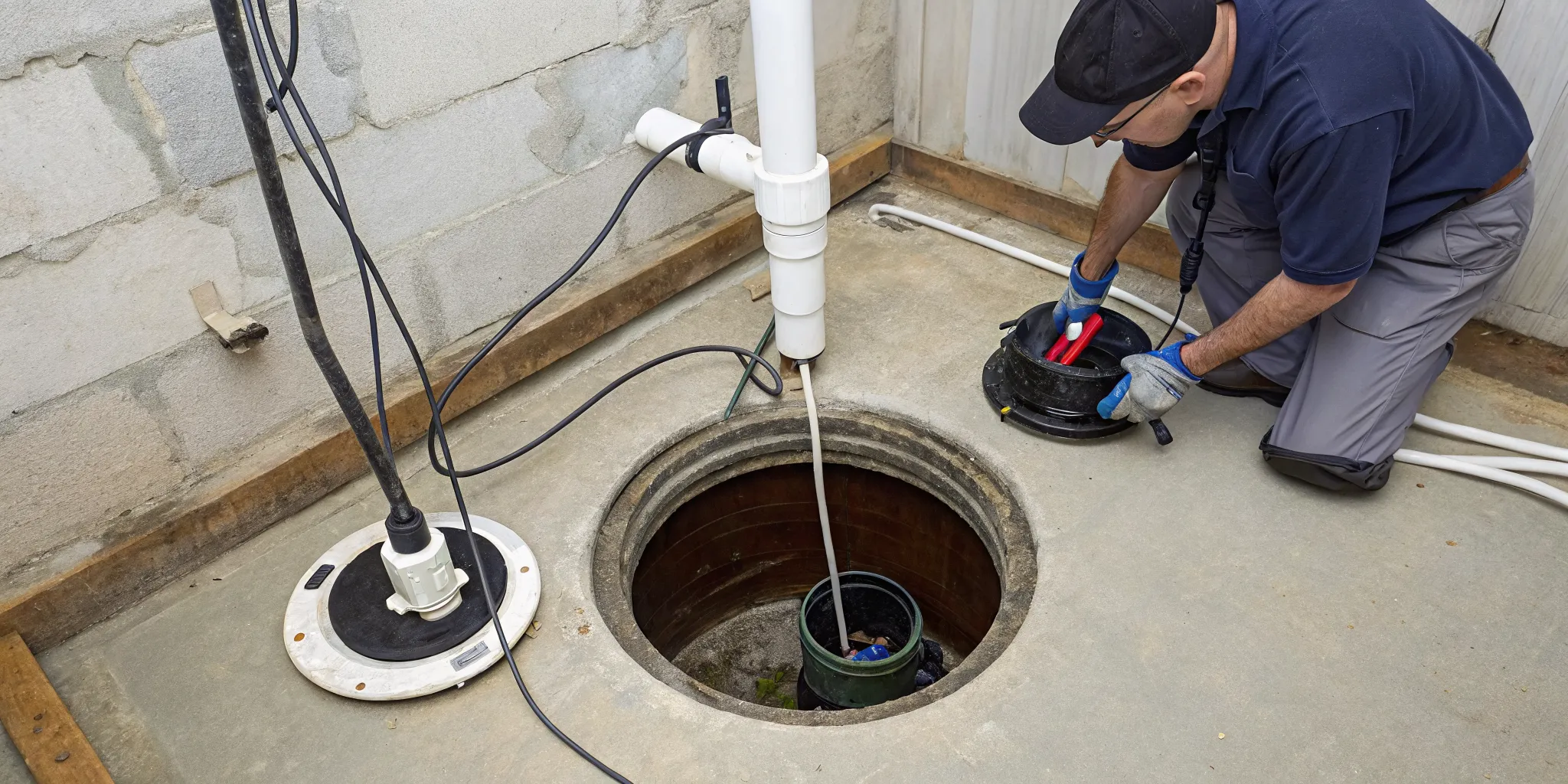
Over time, dirt, gravel, and other small debris can find their way into your sump pit. If left unchecked, this gunk can clog the pump’s intake screen or interfere with the float switch, preventing it from activating properly. A blocked intake can also cause the motor to work harder than it needs to, leading to overheating and premature failure. Once or twice a year, take a few minutes to disconnect the pump and clean out the pit. Removing any sediment or debris ensures water can flow freely and helps your pump operate at peak efficiency, protecting it from unnecessary strain.
Check the Discharge Line
Your sump pump can work perfectly, but if the discharge line is blocked or improperly installed, that water has nowhere to go. Make sure the pipe extends at least 10 to 15 feet away from your home’s foundation to prevent water from seeping right back into your basement. It also needs a slight downward slope to keep water moving. Here in Michigan, it’s especially important that the line is protected from freezing, which can cause a complete blockage. A frozen discharge pipe is a common reason for pump failure during winter thaws, so addressing any issues with it can prevent a major frozen pipe emergency.
Schedule a Yearly Professional Inspection
While DIY checks are essential, having a professional inspect your sump pump annually is the best way to catch potential problems before they start. A trained plumber can spot subtle signs of wear and tear on the motor, check the electrical connections, and ensure the check valve is working correctly. We can identify issues you might miss and perform tune-ups that extend the life of your equipment. Scheduling a yearly inspection with our team provides an extra layer of security, ensuring your system is reliable. Think of it as an affordable insurance policy for a dry basement. You can learn more about our sump pump services and book an appointment online.
How to Choose the Right Sump Pump Pro in Southfield
Finding the right professional to repair or install your sump pump is just as important as choosing the right pump. You’re trusting them to protect your basement from water damage, so you want someone reliable, skilled, and honest. A great plumber will not only fix the immediate problem but also offer advice to prevent future issues. When you’re vetting local companies, focus on a few key areas to ensure you’re hiring a true professional who will treat your home with the care it deserves.
Local Expertise and Licensing
A plumber who understands Southfield’s specific challenges, like our dense clay soil and high water tables, is a huge asset. They’ll know which pumps and setups work best for our area’s conditions. Always confirm that any plumber you consider is fully licensed and insured in Michigan. This is your baseline for safety and professionalism. A licensed pro has proven their knowledge and is accountable for their work. A company with deep roots in the community, like our family-owned business, has a reputation to uphold and a genuine interest in serving its neighbors well.
Clear Pricing and Warranties
No one likes surprise fees. Before any work begins, you should receive a clear, upfront estimate. A trustworthy company will be transparent about its pricing for parts and labor. Also, ask about their warranties and satisfaction guarantees. A company that stands behind its work will offer protection on both the parts they install and the service they provide. For example, we believe in our workmanship so strongly that we offer a 100% customer satisfaction guarantee. This kind of promise gives you confidence that the job will be done right the first time.
24/7 Emergency Availability
Sump pumps often fail at the worst possible times, like during a torrential downpour in the middle of the night. A flooded basement can’t wait until morning. That’s why it’s essential to have a plumber who offers emergency plumbing services around the clock. Knowing you have a reliable expert available 24/7 provides incredible peace of mind. When you’re searching for a pro, make sure to check their hours and ask about their response time for urgent calls. Your future self will thank you during the next big storm.
Keep Your Southfield Basement Dry with Mr. Pipey
Living in Southfield means dealing with some unique environmental challenges, like heavy clay soil and high water tables, especially for homes near the Rouge River. This combination puts your basement at a constant risk of water intrusion, making a reliable sump pump less of a luxury and more of an absolute necessity for protecting your home and foundation. A pump failure isn’t just an inconvenience; it can lead to thousands of dollars in water damage in less than an hour.
At Mr. Pipey, we’re not just plumbers; we’re your neighbors. We understand that a sump pump in Southfield needs to be a true workhorse. That’s why we provide expert sump pump services tailored to our local conditions. We’ll help you find a powerful pump with a high GPH (gallons per hour) rating and a sealed motor that can handle the demands of our soil without failing prematurely. We’re equipped to handle everything from common issues like stuck float switches to complex motor replacements.
Power outages are a fact of life in Michigan, but they don’t have to mean a flooded basement. We can install a battery backup system that will keep your pump running for 8 to 12 hours after the power goes out. These systems even include an alarm to notify you when they’re active, giving you critical peace of mind during a storm. As a family-owned company, our promise is to treat your home like our own, ensuring your basement stays dry so you can worry about more important things.
Related Articles
- Cost to Replace Sump Pump: A 2026 Price Guide
- Sump Pump Installation: Your Guide to a Dry Basement
- Step-by-Step Sump Pump Installation in Crawl Space
- Sump Pump and Installation Cost: What to Expect
- A Homeowner’s Guide to Old Basement Drainage Systems
Frequently Asked Questions
Why can’t I just use a standard sump pump from a hardware store for my Southfield home? A standard, off-the-shelf pump often isn’t built for the tough conditions we have here in Southfield. Our dense clay soil holds a lot of water, which puts intense pressure on your foundation and forces your pump to work much harder. These pumps may lack the horsepower to move water out fast enough or have unsealed motors that get clogged and damaged by the fine silt in our soil. Choosing a pump specifically suited for these challenges is the best way to ensure it won’t fail when you need it most.
My sump pump is over seven years old but seems to be working fine. Should I still replace it? That’s a great question, and it’s smart to think ahead. While your pump might seem fine now, its internal parts wear down over time, and the risk of failure increases significantly after the seven-year mark. Replacing it proactively is a strategic move. It helps you avoid a sudden, catastrophic failure during a storm and allows you to upgrade to a more efficient, modern unit with a new warranty, giving you long-term peace of mind.
Is a battery backup system really worth the extra cost? Absolutely. Think of it as an insurance policy for your basement. The severe storms that cause basement flooding are often the same ones that knock out the power. Without electricity, a standard sump pump is completely useless, leaving your home vulnerable. A battery backup system automatically takes over when the power goes out, ensuring your basement stays dry during that critical time.
How can I tell if my sump pump problem is an emergency? The most critical sign is any amount of water in your basement. If you see water, your pump has already failed its one job, and you should call for help immediately to prevent further damage. Other urgent signs include a pump that won’t turn on at all during a storm or one making loud, grinding noises, which could mean the motor is about to seize. These situations require immediate professional attention.
How often should I test my sump pump myself? A quick test before each rainy season, especially in the spring and fall, is a great habit. It’s as simple as pouring a bucket of water into the sump pit to make sure the float switch rises and the pump kicks on smoothly. This simple check takes only a few minutes and confirms your pump is ready for action before the storms arrive.