
When a sewer line problem affects an Allen Park home, the repair method matters almost as much as the diagnosis. Homeowners often want to know whether the line can be restored without opening a trench across a lawn, garden, patio, or other finished area. The answer depends on the pipe’s condition, the location and extent of the damage, and the access available on the property.
In practical terms, what is trenchless sewer repair in Allen Park? It is a minimally invasive approach that may use an inflatable liner, pipe relining. Or pipe pull to repair or replace a sewer line through access points instead of a full-length excavation. A waterproof camera inspection is needed to determine whether that approach is appropriate.
Because symptoms such as recurring slow drains, sewage odors. Or wet areas in the yard can have different causes, a professional evaluation should come before choosing a repair method. Understanding how trenchless service works and where its limits apply makes the available options easier to compare.
Request a professional sewer camera inspection and clear repair estimate for your Allen Park home.
What Is Trenchless Sewer Repair in Allen Park?
Trenchless sewer repair is a method of restoring a damaged underground sewer line while limiting the amount of digging required at the property. Instead of opening a continuous trench along the full length of the pipe. A plumbing professional works through selected access points and uses specialized equipment to repair or replace the pipe from below ground. For Allen Park homeowners, this can offer a way to address sewer-line damage while reducing disruption to lawns, gardens, patios, or other finished areas. Allen Park is within Mr. Pipey’s Wayne County service area.
The term trenchless covers more than one repair approach. With pipe lining, an inflatable liner is placed inside the existing pipe and formed against its interior. Once cured, the liner creates a new pipe within the old one. With pipe pull, the damaged line is replaced by pulling a new pipe through the route of the existing line. The appropriate method depends on the condition, layout, access, and surrounding circumstances of the specific sewer line.
How do access points replace a full-length trench?
A trenchless repair typically uses existing or newly prepared access points at strategic locations along the sewer route. These openings give the technician a way to inspect the line, position materials, and complete the repair without excavating every section above the pipe. That does not mean the work is entirely surface-free. Access work may still be necessary, and some properties or damaged lines require conventional excavation. The main difference is that trenchless methods can avoid exposing the entire route when the line and site conditions support that approach.
Suitability cannot be confirmed from symptoms alone. A waterproof camera inspection helps identify the location and nature of a problem without damaging the plumbing system. A professional sewer camera inspection can help show whether the line is blocked, cracked, collapsed, or otherwise compromised. The inspection findings, pipe condition, access, and repair goals then guide the recommendation.
That evaluation may support pipe lining, pipe pull, excavation, or conventional replacement. Trenchless repair is not a universal solution for every sewer line, and a responsible recommendation should explain both the available method and its limitations before work begins.
How Does the Trenchless Sewer Repair Process Work?
A professional trenchless repair begins with evidence, not an assumption about the source of a sewer problem. In Allen Park, the process typically starts with a conversation about symptoms, followed by a structured evaluation of the line and the property. The goal is to understand the location and severity of the damage, then select a repair method that fits the pipe’s actual condition.
1. Camera inspection identifies the problem area
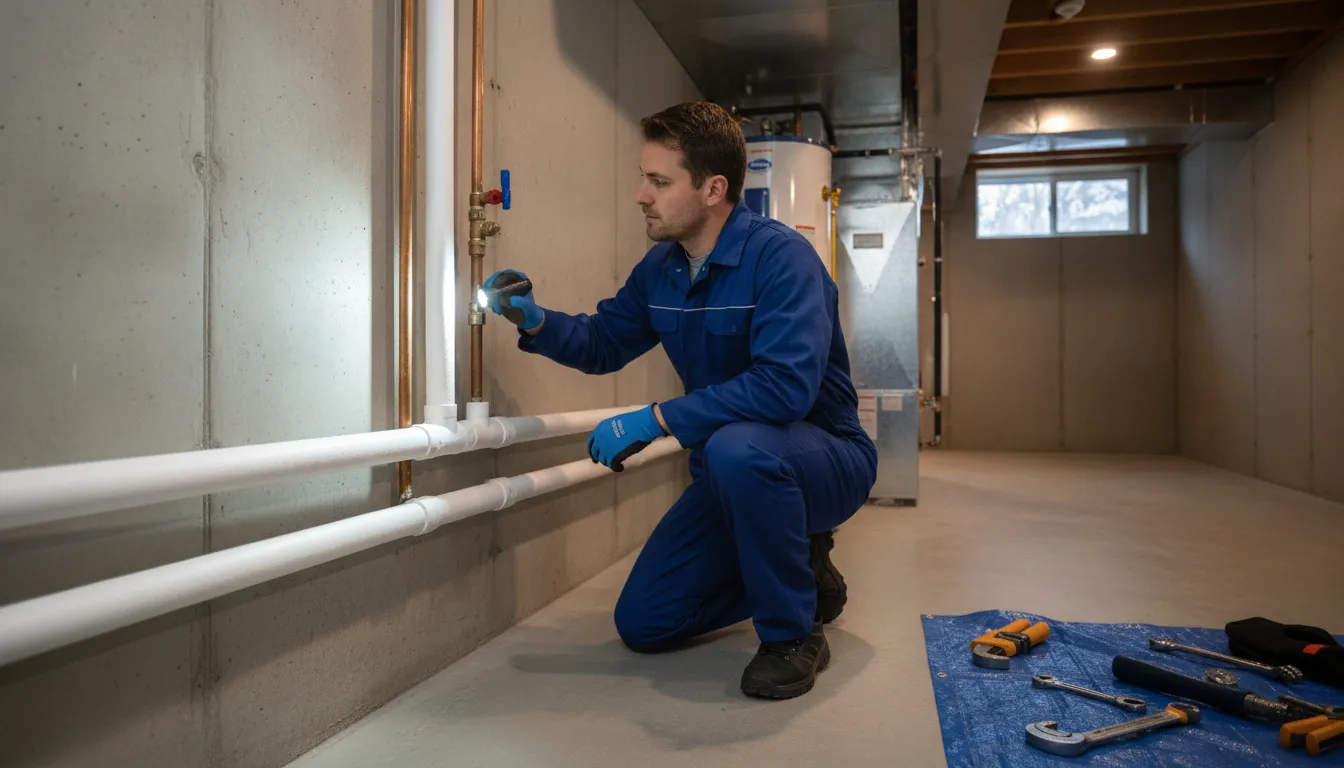
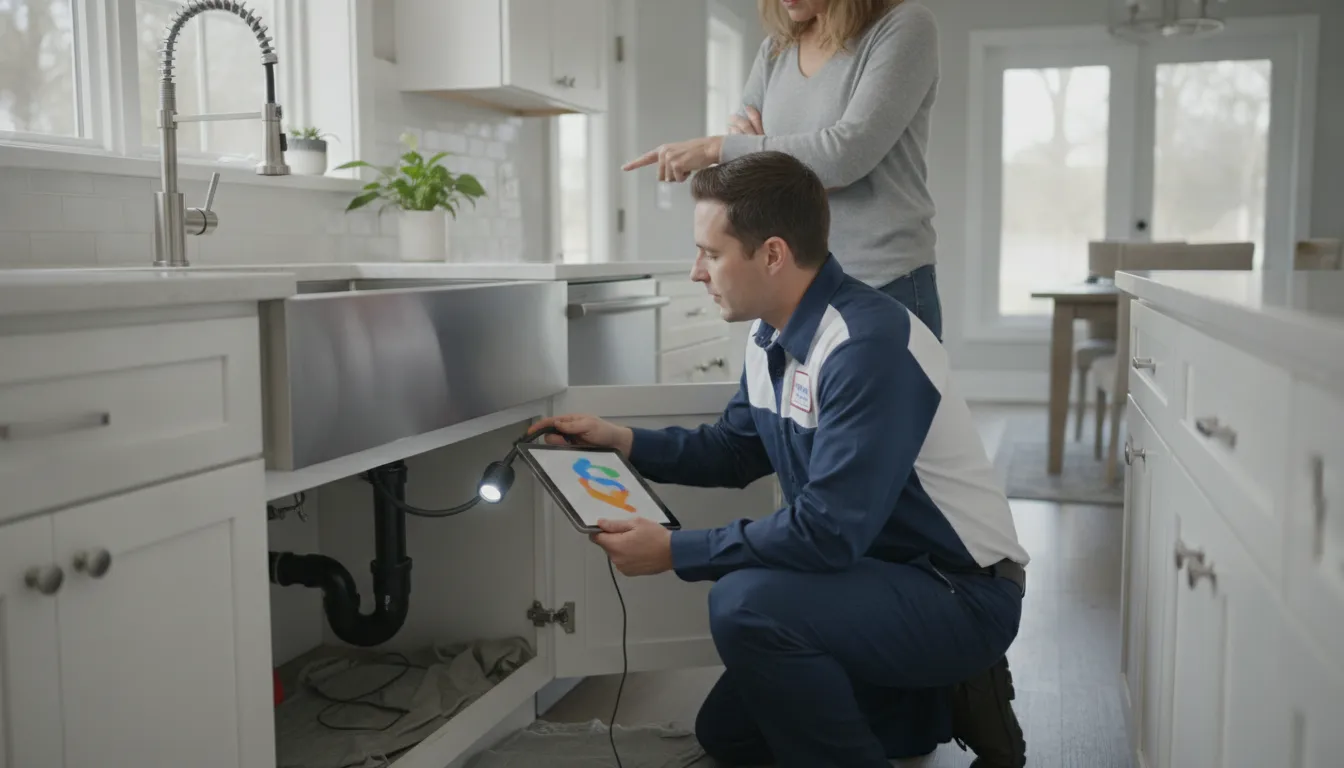
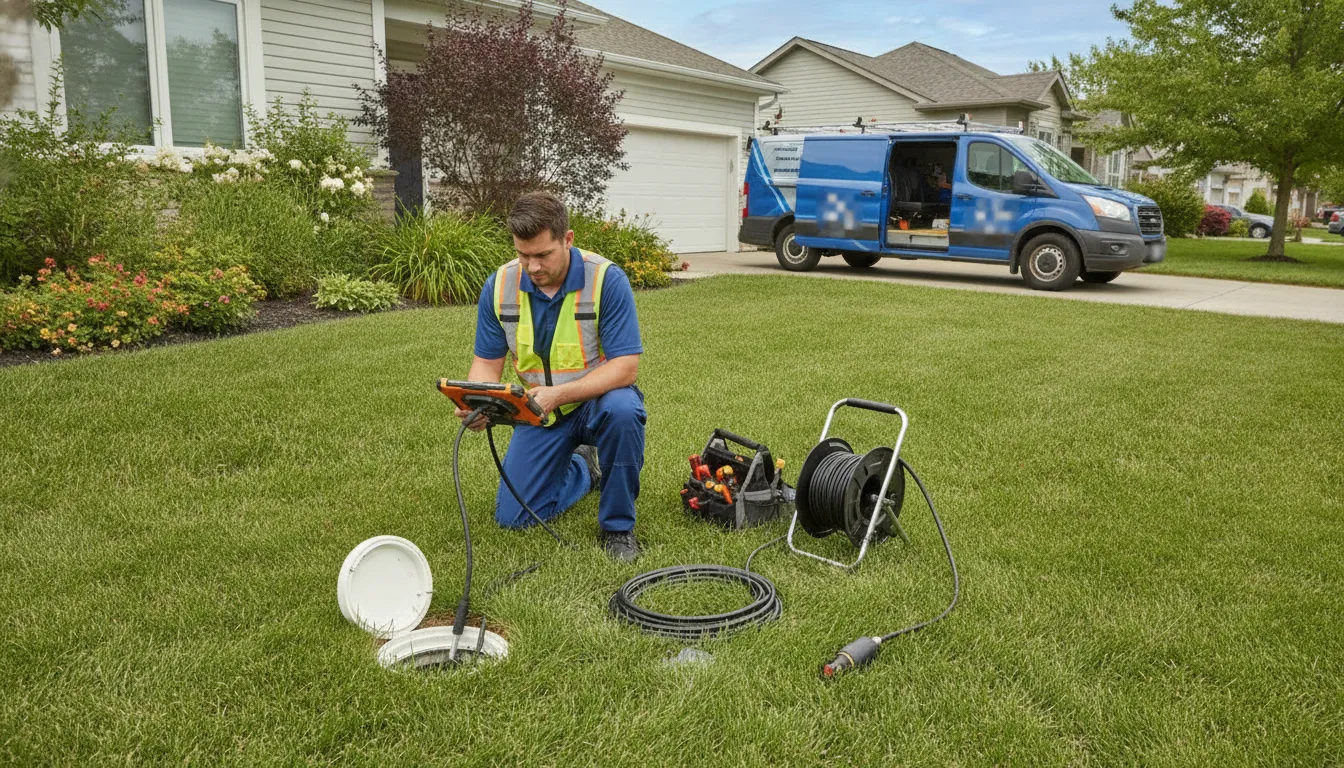
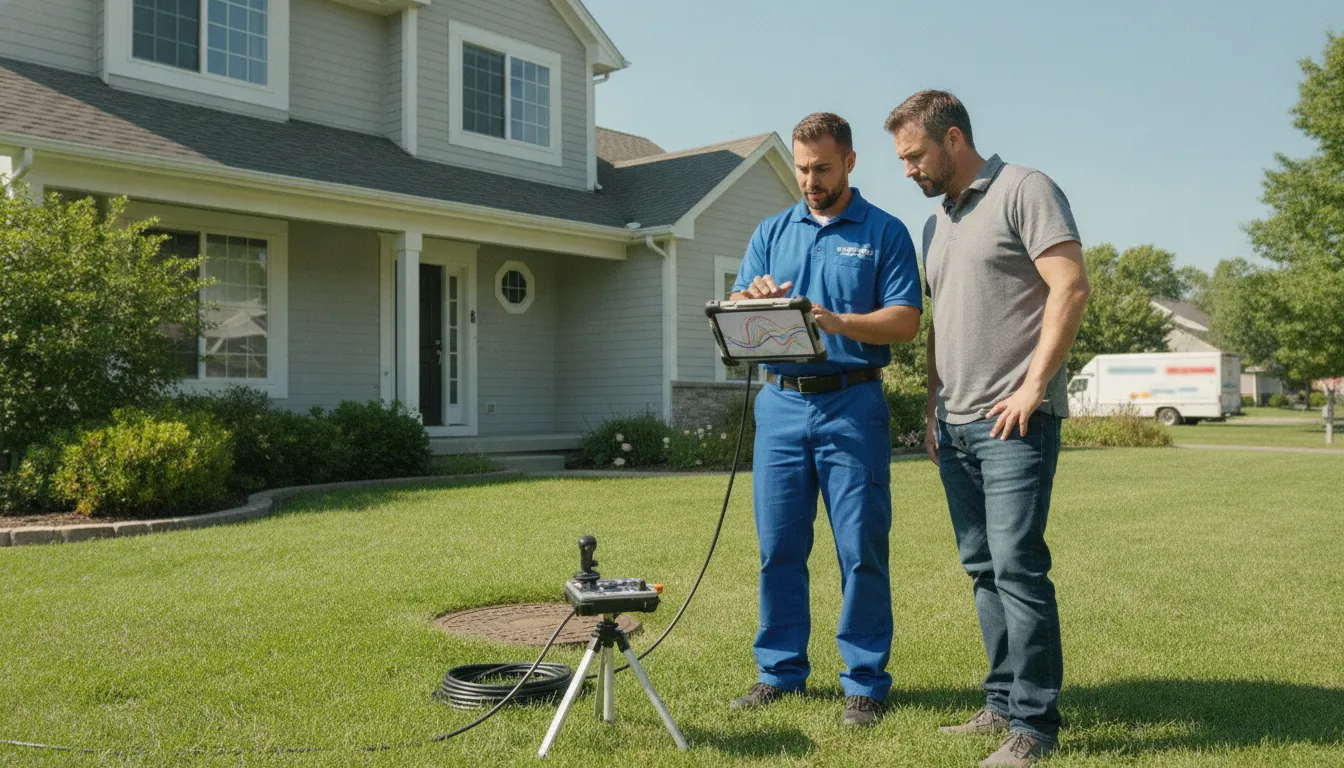
A plumber guides a waterproof video camera through the sewer line to inspect its interior without damaging the plumbing system. The footage can help identify cracks, blockages, breaks, or other conditions and show where the issue occurs. This inspection also gives the plumber information about the pipe’s condition, access points, and the extent of the work that may be needed. Homeowners can ask to review the findings so the recommended scope is clear before work begins.
2. The line is prepared and the repair method is selected
After the inspection, the line may need professional cleaning or other preparation so the repair can be performed correctly. The plumber then considers the pipe material, alignment, damage, access, and surrounding conditions. Depending on those findings, a qualifying project may use an inflatable liner, pipe relining, or pipe pull. Trenchless work is not appropriate for every sewer line. Conventional excavation or replacement may be the more dependable option when the pipe’s condition or layout requires it.
3. The repair is installed, then verified
Once the method is agreed upon, the repair is completed through the selected access points rather than automatically opening a full-length trench. Trenchless methods are designed to minimize disruption to areas such as lawns, gardens, landscaping. And patios, but the actual work plan depends on the property and the inspection results. After installation, another camera inspection or other final checks can verify that the repaired section is open and functioning as intended.
Communication should continue throughout the process. Mr. Pipey provides the findings, available options, and upfront pricing before major work begins, so the homeowner can make an informed decision. Qualifying repairs may be completed in less than one day, according to the company’s service information. But that is a conditional possibility rather than a promise for every project. Learn more about trenchless sewer line repair or request an evaluation based on the condition of your line.
When Is Trenchless Sewer Repair the Right Option?
Trenchless repair may be a strong fit when a sewer line has damage that can be addressed through existing access points or limited openings. While enough of the original pipe remains suitable for rehabilitation. Depending on the findings, a contractor may recommend pipe relining with an inflatable liner or a pipe-pull method. These approaches can reduce disturbance to lawns, gardens, patios, and other finished areas, but they are not automatic substitutes for excavation.
The decision begins with evidence. A waterproof camera inspection can identify the location and character of a problem without damaging the plumbing system. The review should consider the pipe’s condition, the amount and type of damage, available access. Connections to the line, and whether the pipe remains structurally suitable for the proposed method. This is the practical answer behind questions such as what is trenchless sewer repair in Allen Park: it is a group of repair methods, not a universal treatment for every sewer problem.
What signs should lead to an assessment?
Recurring or combined symptoms justify a professional evaluation. Possible indicators include multiple slow-draining fixtures, persistent sewage odors, wet areas in the yard, and other unexplained property concerns.
These symptoms can have more than one cause. They should prompt diagnosis rather than a premature decision about repair technology.
When might excavation or replacement be better?
Trenchless work may not be appropriate if the line is severely collapsed, substantially offset, inaccessible. Or damaged in a way that prevents the selected liner or replacement pipe from being installed correctly. The condition of the surrounding connections and the structural status of the existing line also matter. In some cases, a targeted excavation is needed to correct a point defect before another repair can be considered. In others, full replacement provides the more dependable solution.
Mr. Pipey offers both minimally invasive trenchless methods and conventional sewer line repair and replacement. A professional recommendation should explain what the inspection found, which options are technically suitable, how access and restoration affect the work, and what the estimate includes. Choosing the least disruptive method is useful only when it also addresses the actual condition of the line.
How Does Trenchless Repair Compare With Excavation?
| Consideration | Trenchless repair | Conventional excavation |
|---|---|---|
| Access | Uses selected access points. The method may involve lining or pipe pull when conditions support it. | Requires exposing the affected section of pipe by opening the ground along the repair area. |
| Property disruption | Can minimize disturbance to lawns, gardens, landscaping, and patios because it does not require a full-length trench. | May disturb surfaces above the pipe, with the extent depending on the line’s location and the repair scope. |
| Method fit | May suit certain blocked, cracked, burst, or otherwise damaged lines, but inspection must confirm that the pipe condition and access are appropriate. | May be the better choice when the line cannot be effectively repaired through access points or when replacement and direct access are needed. |
| Restoration | Often reduces the amount of surface restoration required, although access points and other site conditions still need to be addressed. | Usually involves restoring the excavated area after the plumbing work is complete. |
| Decision process | Requires a professional assessment of the pipe, damage, access, and repair method before the work is selected. | Also requires an assessment, especially when excavation may provide a more dependable or practical repair. |
Trenchless technology can be valuable when protecting finished landscaping or hardscaping is a priority, but less surface disruption does not automatically make it the correct solution. A waterproof camera inspection and a review of the pipe’s condition help establish whether lining, pipe pull, excavation, or replacement is appropriate.
The condition of the surrounding property matters as well. A line beneath a patio, garden, or established lawn may make a minimally invasive approach worth evaluating. In another case, direct access may be necessary to address the full extent of the problem or replace a section that cannot support trenchless work.
Mr. Pipey provides sewer line repair and replacement for homeowners who need the options explained before work begins. The goal is not to promote one method in every situation. It is to match the repair to the evidence, the pipe, and the property.
What Should Allen Park Homeowners Ask Before Repair?
Before approving sewer work, ask for enough detail to understand the diagnosis, the recommended method, and the boundaries of the estimate. A professional conversation should connect the inspection findings to the proposed repair rather than present trenchless work as an automatic solution.
What did the camera inspection actually show?
Ask where the defect is located, what type of damage was observed, and whether the video confirms a blockage, crack, break, or another condition. Waterproof camera inspection can identify problem areas without damaging the plumbing system. Request an explanation of the findings in plain language, including any uncertainty that still needs to be resolved. That evidence helps determine whether lining, pipe pull, excavation, or replacement is appropriate.
Why is this repair method being recommended?
Ask why the proposed method fits the pipe’s condition and access points. Trenchless approaches can reduce disruption to landscaping, lawns, gardens, or patios, but not every line is eligible for the same treatment. The contractor should explain the advantages and limitations of the recommendation, and identify the conventional alternative if excavation or replacement would provide a more suitable repair.
What access and restoration work are included?
Clarify where the crew will need access and what happens to affected surfaces after the work. Ask whether locating access points, protecting the property, cleanup, and restoration are included in the written scope or handled separately. This is especially important when comparing a minimally invasive option with conventional excavation. A clear scope lets you compare the complete project, not just the repair technique.
What does the written estimate cover?
Request an itemized explanation of the work, materials, inspection findings, included services, and conditions that could change the scope. Pricing should follow the assessment, not an invented universal figure. For additional context, review this guide to sewer repair costs in Allen Park, which explains how method, access, inspection results, and restoration needs influence a project.
Which timeline depends on site conditions?
Ask when work could begin, how long the repair is expected to take, and which parts depend on inspection results, access, materials, or conditions discovered after work starts. Some qualifying repairs may be completed in less than one day, but that is not a promise for every Allen Park property. A responsible estimate separates what is known from what can only be confirmed after the site is evaluated.
What Can You Expect From a Professional Allen Park Evaluation?
A professional evaluation should give you a clear basis for choosing the next step, rather than assuming trenchless repair is appropriate before the sewer line is examined. Mr. Pipey serves Allen Park as part of its Wayne County service area and begins by listening carefully to what you have observed. Such as recurring backups, multiple slow drains, sewage odors, or wet areas in the yard. These symptoms can point to several plumbing conditions, so they are useful context, not a diagnosis.
The evaluation may include a waterproof camera inspection to view the inside of the line and identify the location and character of a problem without damaging the plumbing system. The technician also considers the extent of damage, the condition and alignment of the pipe, available access points, and the surrounding property. That information helps determine whether pipe relining, a pipe pull, conventional excavation, or sewer replacement is the more suitable approach. Trenchless methods can reduce disruption, but not every line or repair condition qualifies.
You should also receive an explanation of the available methods in terms you can understand. The discussion should cover what work is proposed, where access is needed, how the damaged section will be addressed, and what restoration may be required afterward. Mr. Pipey provides a written scope and estimate before major work begins, along with transparent upfront pricing and service options. Pricing depends on the findings, access, materials, and selected repair method, so a responsible evaluation does not rely on an unsupported universal figure.
Mr. Pipey is a licensed and insured Michigan plumbing contractor whose work is presented as following Michigan plumbing codes. The company also states that it does not add overtime or double-time charges for after-hours or emergency calls and offers a 100% satisfaction guarantee. These policies should be reviewed alongside the written scope so you know what is included before authorizing work.
For a locally focused starting point, review plumbing service in Allen Park and request an evaluation based on your property’s actual conditions. A careful inspection can clarify whether trenchless sewer repair fits the line, or whether another repair plan better protects the property and addresses the underlying problem.
Frequently Asked Questions About Trenchless Sewer Repair in Allen Park
What are the potential downsides of trenchless sewer repair?
Trenchless repair is not suitable for every pipe. Severe collapse, difficult access, unfavorable pipe condition, or other site factors may make excavation or replacement the better option. The work also requires a professional assessment before the repair method can be selected.
What are the disadvantages of CIPP lining?
Cured-in-place pipe lining can reduce surface disruption, but it depends on the existing line providing a workable path for the liner. Significant damage, obstructions, or access limitations may prevent lining from being appropriate. A waterproof camera inspection helps determine whether lining, pipe pull, or another repair is suitable.
Is trenchless pipe lining worth it for an Allen Park home?
It may be a good fit when the pipe condition and access allow a minimally invasive repair, especially when protecting landscaping, lawns, gardens, or patios matters. It is not automatically the best choice. Compare the recommended method, expected scope, restoration needs, and long-term objectives after the inspection.
How much does trenchless sewer line repair cost?
There is no reliable universal price because the total depends on the problem, pipe condition, access, repair method, and project scope. Mr. Pipey provides pricing after assessment so homeowners can review the available options before work begins.
How quickly can trenchless sewer repair be completed?
Some qualifying repairs may be completed in less than one day, but timing varies by site conditions, preparation, access, and the selected method. The inspection and written scope provide a more useful schedule for a specific Allen Park property.
Ready to Review Your Sewer Repair Options?
A professional evaluation can clarify whether trenchless repair or conventional replacement fits your Allen Park sewer line, based on the pipe’s condition and access. Contact Mr. Pipey to request a sewer camera inspection and a clear estimate for the recommended approach.