
That sinking feeling when you notice a damp spot in your basement is something no homeowner wants to experience. Here in Michigan, with our heavy spring rains and rapid snowmelt, a wet basement is a constant threat. Your first and best line of defense is a reliable sump pump, working silently to protect your foundation and belongings. But choosing the right pump and ensuring it’s installed correctly can feel like a huge task. This guide is here to walk you through everything you need to know, from picking the right model to understanding the importance of a professional sump pump installation in Southfield, MI, so you can have confidence your home is protected.
For a local overview, read what a sump pump does in Novi before scheduling an assessment.
Key Takeaways
- Select the right pump for your basement: A submersible pump is a quiet, powerful choice for homes with significant water intrusion, and adding a battery backup is essential for protection during power outages.
- Always use a professional for installation: A qualified plumber ensures your pump is sized correctly and installed to code, preventing critical errors that could cause your system to fail during a storm.
- Know the signs of failure and be proactive: Test your pump regularly and listen for odd noises. Since most pumps have a 7 to 10 year lifespan, replacing an aging unit is a smart move to prevent an emergency call later.
Submersible vs. Pedestal: Which Sump Pump Is Right for You?
When you start looking at sump pumps, you’ll quickly notice there are two main players: submersible and pedestal pumps. Choosing the right one is the first and most important step in keeping your basement dry and protected. The primary difference comes down to where the motor lives. One sits underwater in the sump pit, while the other stands tall above it. This single design choice affects everything from noise level and durability to cost and how much space it takes up in your basement.
For homeowners in Southfield, this isn’t just a minor detail. Given our region’s tendency for heavy rain and rapid snowmelt, your sump pump is your first line of defense against a flooded basement. The decision often comes down to balancing your budget with your home’s specific needs. A home that experiences frequent water seepage will require a more powerful and durable solution than one that only needs occasional protection. Understanding the pros and cons of each type will help you make a confident choice that safeguards your property for years to come. We can help you assess your basement and find the perfect fit for your home and budget.
What Is a Submersible Sump Pump?
A submersible sump pump is designed to sit directly inside your sump pit, fully underwater. Because the motor is submerged, the surrounding water helps keep it cool, which often leads to a longer lifespan. This design also makes them significantly quieter; you’ll barely hear it running. Submersible pumps are typically more powerful and are built from durable materials like cast iron, making them a reliable workhorse for basements that deal with a lot of water. The main trade-off is the price, as they are more expensive upfront. While they are built to last, repairs can also be more involved since the unit needs to be pulled from the pit for service. For many homeowners, the quiet operation and robust performance make it a worthwhile investment in their home’s protection and their own peace of mind.
What Is a Pedestal Sump Pump?
A pedestal sump pump works a bit differently. Its motor is mounted on a tall column, or pedestal, that keeps it out of the water, while an intake pipe reaches down into the sump pit. The most significant advantage of this design is its lower cost and ease of access. Since the motor is exposed, maintenance and repairs are much simpler to perform. However, this design comes with its own set of drawbacks. Pedestal pumps are noticeably louder than their submersible counterparts and are generally less powerful. They also take up more vertical space, which can be a concern in a finished basement or a tight utility closet. A pedestal pump can be a good, budget-friendly option for basements that only experience minor or infrequent water issues.
How Southfield’s Environment Affects Your Choice
Here in the Southfield area, we get our fair share of heavy rain and snowmelt, which creates unique challenges for our homes. The soil composition and grading in Southeast Michigan often lead to significant hydrostatic pressure, which is just a technical way of saying that water in the ground pushes relentlessly against your foundation. This constant pressure is why basement flooding is so common here. Because of this higher risk, investing in a more reliable and powerful sump pump is a smart move. A heavy-duty submersible pump is often the best choice for local homeowners, as it’s better equipped to handle the volume of water we often see. Thinking proactively can save you from a water-logged basement and the stress of needing emergency plumbing services down the road.
Key Sump Pump Features and Brands to Consider
Choosing a sump pump can feel overwhelming with all the options out there. Think of it like picking any important home appliance; you want something reliable that fits your specific needs. To make it easier, let’s walk through some of the most trusted brands on the market and the key features you should look for. This will help you find a pump that keeps your Southfield basement dry and gives you peace of mind.
We’ll cover everything from the powerhouse brands known for their durability to the essential features like battery backups and alarms that provide an extra layer of protection. Understanding these differences is the first step toward making a smart investment in your home’s safety. After all, the right sump pump doesn’t just prevent water damage, it protects your property and the memories you’ve made there. By the end of this guide, you’ll have a much clearer idea of what to look for, so you can make a confident decision for your home.
Zoeller
When you’re looking for a workhorse pump that’s built to last, Zoeller is a name that comes up again and again. These pumps are known for their incredible durability, thanks to a solid cast-iron construction and a powder-coated finish that resists corrosion. A popular model, the Zoeller M98, uses a simple float-activated switch to turn on automatically when water levels rise. Its oil-filled motor helps it run cool and efficiently. Homeowners often praise Zoeller pumps for their robust design, making them a top choice for keeping basements dependably dry through wet Michigan seasons.
Wayne
Wayne is another brand that consistently earns high marks from homeowners, especially for its powerful performance and user-friendly design. Models like the Wayne CDU980E are popular because they offer impressive horsepower (3/4 HP in this case) capable of moving a large volume of water quickly. Many people find that Wayne sump pumps are straightforward to install and operate efficiently, making them a reliable go-to for residential use. If you need a pump that combines power with simplicity, Wayne is definitely a brand to have on your list.
Basement Watchdog
If the thought of a power outage during a heavy storm makes you nervous, Basement Watchdog is the brand for you. Their specialty is creating systems that keep you protected when the lights go out. These systems often include both a primary pump and a battery-powered backup pump that kicks in automatically if the power fails or the main pump can’t keep up. This dual protection is what gives so many homeowners peace of mind. A Basement Watchdog system is an excellent investment for anyone who wants an extra layer of security against basement flooding.
Horsepower and Pump Capacity
When you see horsepower (HP) listed on a sump pump, it’s telling you how powerful the motor is. For most homes in Southfield, a pump with 1/3 to 1/2 HP is plenty. A 1/2 HP pump, for example, can typically move about 3,000 gallons of water per hour. If your home is in an area with a high water table or you experience significant water intrusion, a higher HP might be necessary. The key is to match the pump’s capacity to your home’s needs. We can help you figure out the right size to ensure your basement stays dry without overspending on a pump that’s too powerful for your space.
Battery Backup Systems
A sump pump is only effective if it has power. Michigan weather can be unpredictable, and power outages are always a possibility during a storm, which is exactly when you need your pump the most. This is where a battery backup system becomes a true lifesaver. These systems switch on automatically the moment the power goes out, ensuring your pump continues to run and protect your basement from flooding. Adding a battery backup is one of the smartest sump pump services you can invest in for complete protection and peace of mind.
High Water Alarms
A high water alarm is like a smoke detector for your basement. It’s a small but critical feature that alerts you the second water levels in your sump pit rise too high, whether it’s due to a pump failure or overwhelming rainfall. This early warning gives you a chance to address the problem before it turns into a full-blown flood, saving you from costly water damage and cleanup. Some alarms are built into the pump system, while others can be added separately. Either way, it’s an inexpensive feature that provides an invaluable heads-up.
Warranty and Customer Support
A good warranty is more than just a piece of paper; it’s a sign that the manufacturer stands behind its product. Brands like Zoeller and Wayne often offer warranties ranging from three to five years, which reflects their confidence in the pump’s durability and performance. Good customer support is just as important. If you ever have a question or need help with troubleshooting, you want to know that assistance is available. As a company that prides itself on treating customers like family, we at Mr. Pipey believe in installing products from brands that share our commitment to reliability and support.
How Much Does Sump Pump Installation Cost in Southfield?
Figuring out the budget for a new sump pump is a common question for Southfield homeowners, and for good reason. It’s helpful to think of it not just as an upfront cost, but as a crucial investment in protecting your basement and your home’s foundation from water damage. A flooded basement can lead to thousands of dollars in repairs, ruined belongings, and the potential for mold growth, so a reliable sump pump is your first line of defense. The final price tag for an installation can vary quite a bit because every home is different. The total expense depends on the type of pump you choose, the complexity of the installation, and any specific requirements for your property.
For example, replacing an old, broken pump is usually more straightforward and less expensive than installing a brand-new system from scratch, which might involve cutting through concrete to create a sump pit. Understanding these factors will help you get a clearer picture of what to expect. From the pump’s power to the size of the sump pit, each detail plays a role in the overall cost and, more importantly, in how well your system will protect your home during the next big downpour. We’ll break down the key components that influence the price so you can feel confident in your decision.
Average Installation Costs
When you’re planning for a new sump pump, a good starting point for the total cost, including the unit and professional installation, is typically between $1,200 and $1,400. This range covers a standard installation where a professional plumber sets up a quality pump in your basement. However, some sources show that the cost for sump pump installation in the Detroit area can range from around $790 to over $4,000. This wider range accounts for more complex jobs, which might involve extensive plumbing, difficult access to the installation area, or necessary electrical work. A straightforward replacement will be on the lower end, while a brand-new system installation will be higher.
What Factors Influence the Price?
Several key factors determine your final sump pump installation cost. The type of pump you select is a major one; submersible pumps often cost more than pedestal models but are quieter and less obtrusive. The pump’s power, measured in horsepower (HP), also affects the price, as more powerful pumps are needed for basements with higher water tables. Additionally, features like a battery backup system, which keeps your pump running during a power outage, can add $1,000 or more to the total but provide invaluable peace of mind. The complexity of the job itself, such as the need to dig a new sump pit or run new electrical lines, will also impact the labor costs for your sump pump services.
How Sump Pit Size Impacts Cost
The sump pit, or basin, is the hole in your basement floor where the pump sits and water collects. The size of this pit is critical for your pump’s performance and longevity. If the pit is too small, it will fill up quickly, causing the pump to turn on and off constantly. This frequent “short cycling” puts excessive strain on the pump’s motor and components, leading to premature wear and a shorter lifespan. While creating a larger, properly sized sump pit may add to the initial installation cost, it’s a smart investment that prevents costly repairs and the need for an early replacement down the road.
Southfield Permits and Local Codes
In Southfield, like in many cities, plumbing work often requires a permit to ensure it’s done safely and correctly. A new sump pump installation, especially one that involves new piping or electrical work, may require approval from the local building department. The City of Southfield has specific codes and regulations to ensure all installations are up to standard. When you work with a licensed and insured plumber, you don’t have to worry about this step. A professional contractor will know exactly what permits are needed and will handle the entire process for you, ensuring your installation is compliant and giving you one less thing to manage.
Common Sump Pump Installation Mistakes to Avoid
Installing a sump pump seems straightforward, but a few common missteps can lead to a flooded basement and costly repairs. Getting it right from the start ensures your home is protected when you need it most. By avoiding these frequent errors, you can feel confident that your sump pump will work reliably for years to come.
Choosing the Wrong Size or Type
It’s tempting to think a bigger, more powerful sump pump is always the better choice, but that’s not the case. A pump that’s too powerful for your sump pit will turn on and off frequently, a problem known as short cycling. This causes unnecessary wear on the motor and can lead to premature failure. On the other hand, an undersized pump won’t be able to keep up with heavy water flow during a storm. The right pump size depends on your home’s water table, the size of your basement, and local weather patterns. A professional can assess your specific needs to recommend the perfect fit.
Skipping Professional Installation
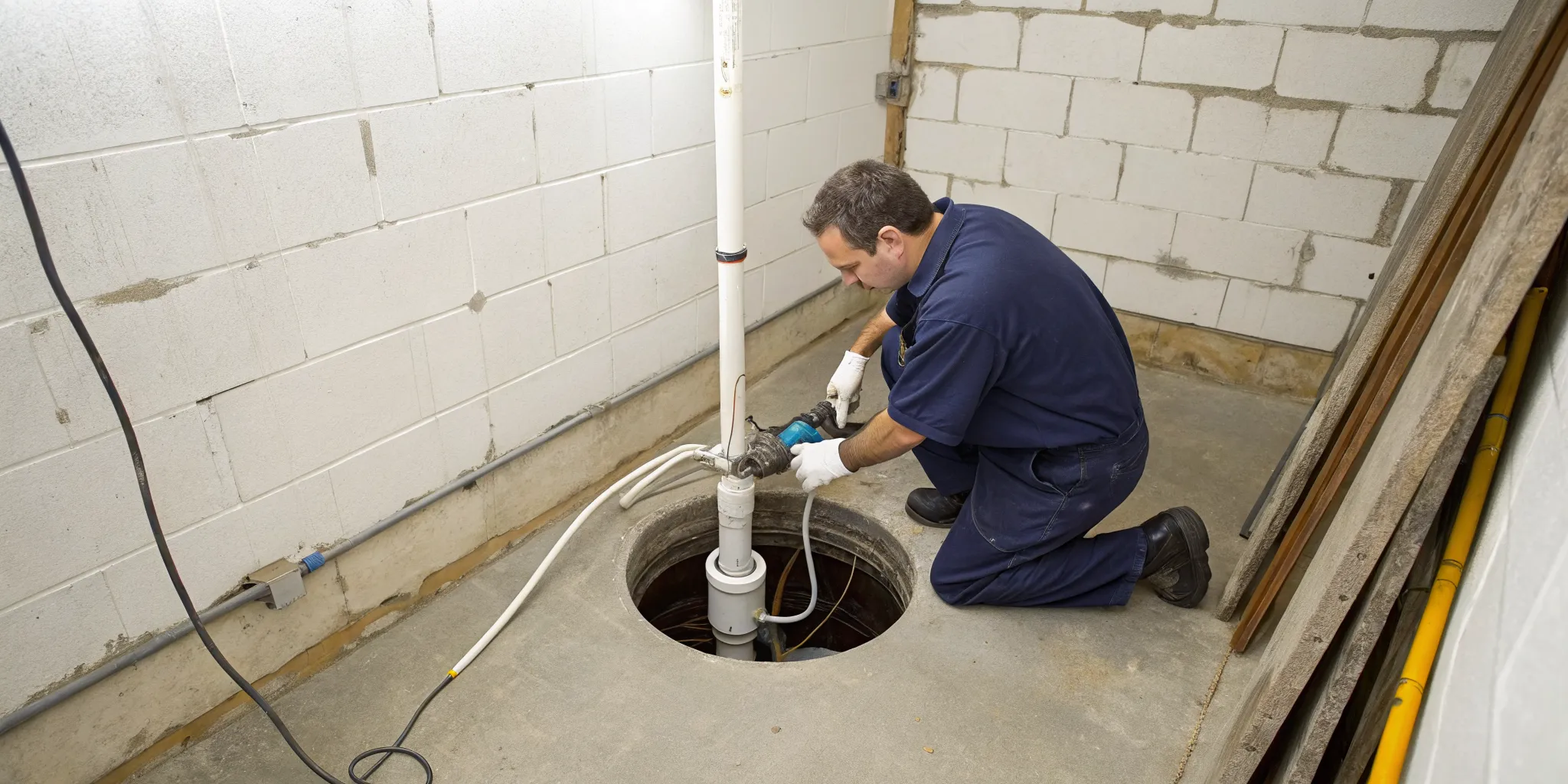
When you find water in your basement, your first instinct might be to rush to the hardware store and try a DIY installation to save money. Unfortunately, this often ends in disaster. A sump pump installation that isn’t done correctly can fail when you need it most. Professionals are trained to handle the unique challenges of each home, from digging the pit to ensuring proper drainage. As U.S. Waterproofing notes, a professional can evaluate your unique situation to prevent common installation errors that could lead to a flooded basement down the road.
Incorrect Discharge Line and Check Valve Placement
Your sump pump’s job is to move water out of your basement and away from your home. If the discharge line is installed incorrectly, that water can flow right back toward your foundation. The pipe must have the right slope and extend far enough from your house. Just as important is the check valve, which prevents water in the discharge pipe from flowing back into the sump pit after the pump shuts off. A missing or improperly installed check valve forces your pump to work harder, wasting energy and shortening its lifespan. If this system fails, you could face a serious water issue requiring emergency plumbing services.
Forgetting a Backup Power Source
Heavy storms are the number one reason you need a sump pump, but they’re also a leading cause of power outages. If your sump pump loses power, it’s just a piece of plastic sitting in a hole as water fills your basement. Many homeowners overlook the importance of a backup power source, but it’s a critical component of a reliable system. A battery backup system will automatically kick in when the power goes out, giving you peace of mind that your home is protected no matter what. This is one of the most common mistakes that can cause sump pump failures during a critical time.
Neglecting to Test the System
You shouldn’t wait for a downpour to discover your sump pump isn’t working. It’s essential to test your system regularly, especially before the rainy season begins. Testing is simple: just pour a bucket of water into the sump pit until the float switch rises and activates the pump. Watch to make sure the pump turns on, removes the water, and shuts off properly. You should also check that water is flowing freely from the discharge line outside. If you notice any issues or just want a professional opinion, you can always schedule an inspection to ensure everything is in working order.
Signs Your Sump Pump Needs Attention
Your sump pump is your basement’s first line of defense against flooding, so it’s important to know when it’s struggling. Catching problems early can save you from a water-logged disaster and expensive repairs. If you notice any of these signs, it’s time to take a closer look or call in a professional.
Odd Noises or Frequent Cycling
A healthy sump pump should run quietly. If you start hearing loud or strange noises like grinding, rattling, or gurgling, it’s a clear warning that something is wrong inside the motor or with the impeller. Another red flag is frequent cycling, which is when the pump turns on and off constantly, even when there isn’t much water. This can burn out the motor and often points to a faulty float switch or an incorrectly sized pump for your needs. Don’t ignore these sounds; they are your pump’s way of asking for help before it fails completely. Our team can diagnose these issues with our expert sump pump services.
Slow Pumping or Visible Rust
Is your sump pit taking longer than usual to drain? A pump that struggles to remove water isn’t doing its job effectively. This could mean the pump is clogged or simply not powerful enough for the amount of water coming in. While you’re checking, look for visible rust on the pump itself. Since the pump sits in water, some corrosion is expected, but excessive rust can eat away at the components and cause them to fail. Rust flakes can also break off and clog the system, leading to a complete breakdown when you need it most.
Age and Power Problems
Most sump pumps have a lifespan of about seven to ten years. If your pump is approaching that age, it’s living on borrowed time, even if it seems to be working fine. An older pump is much more likely to fail during a heavy storm. You should also watch for power issues. Does the pump trip the circuit breaker frequently? Does it fail to turn on at all? These problems could stem from a bad electrical connection or a worn-out motor. A pump failure often becomes a crisis, so if you suspect an issue, it’s best to address it before you need emergency plumbing help.
Knowing When to Repair vs. Replace
When your sump pump acts up, you have to decide whether to repair or replace it. A minor repair might cost a few hundred dollars, which can be a good option for a newer pump. However, if your pump is more than seven years old, replacement is often the smarter financial choice. Pouring money into an aging unit may only be a temporary fix before another part fails. A new, reliable pump provides peace of mind and is a worthwhile investment in protecting your home. If you’re unsure what to do, contact a professional for an honest assessment.
Find Your Sump Pump Expert in Southfield
Once you’ve decided on the right type of sump pump for your home, the next step is finding a qualified professional to handle the installation. This isn’t a decision to take lightly. The right plumber does more than just put a piece of equipment in a hole; they act as your partner in protecting your home from water damage. A dependable sump pump system is a critical defense against basement flooding, especially with Michigan’s unpredictable weather.
Choosing a local expert in Southfield means you’re hiring someone who understands the specific challenges of our area, from heavy spring rains to rapid snow melts. They will ensure your system is installed correctly, complies with all local codes, and is ready to work when you need it most. Think of it as an investment in your peace of mind. A proper installation from a trusted professional ensures your sump pump will function effectively for years, safeguarding your foundation, belongings, and family’s comfort.
Why Choose Mr. Pipey?
As a family-owned company, we believe in treating every client like a neighbor. We know that dealing with plumbing issues can be stressful, which is why we focus on providing reliable, long-lasting solutions with a friendly touch. Our team specializes in sump pump services designed to give Southfield homeowners total confidence in their basement’s protection. We don’t just install your pump; we take the time to assess your home’s unique needs, explain your options clearly, and make sure you feel comfortable with the entire process. Our work is backed by a 100% customer satisfaction guarantee, so you can be sure you’re getting a solution built to last. We’re here to keep your home safe and dry.
What to Look for in a Plumbing Contractor
Choosing the right plumbing contractor is key to a successful sump pump installation. First and foremost, always verify that they are licensed and insured. This protects you and ensures they are held to professional standards. Look for a company with deep roots in the Southfield community and positive customer reviews. A contractor with local experience will be familiar with regional building codes and common water issues. A trustworthy plumber will also provide transparent, upfront pricing without any hidden fees. They should be happy to answer your questions and explain the “why” behind their recommendations. When you find a company that is open about its history and values, like our story on the Mr. Pipey about us page, it’s a great sign you’ve found a reliable partner.
The Importance of Regular Maintenance
Installing a sump pump is the first step, but ongoing maintenance is what keeps it ready for action. Think of it like getting the oil changed in your car; it’s a simple, proactive measure that prevents major problems down the road. Regular maintenance ensures your sump pump is prepared to handle heavy water loads, giving you peace of mind during Michigan’s rainy seasons. A professional check-up should include testing the float switch, cleaning debris from the sump pit, inspecting the check valve, and confirming the discharge line is clear. Scheduling an annual inspection can extend the life of your pump and catch small issues before they turn into a flooded basement. If you need to schedule a check-up, you can always contact our team for help.
Related Articles
- Cost to Replace Sump Pump: A 2026 Price Guide
- Sump Pump Installation: Your Guide to a Dry Basement
- Sump Pump and Installation Cost: What to Expect
Frequently Asked Questions
How often should I test my sump pump? A good rule of thumb is to test your sump pump at least twice a year, once before the spring thaw and again before the fall rains. It’s also smart to check it after any major storm. Testing is simple; just pour a bucket of water into the sump pit to make sure the pump kicks on, removes the water, and shuts off smoothly. This quick check gives you confidence that your system is ready for when you truly need it.
Is a battery backup system really necessary for my home? Think of a battery backup as insurance for your sump pump. The biggest threat of a flood often comes during a severe storm, which is also the most likely time for a power outage. A battery backup ensures your pump keeps working even when the lights go out. For homeowners in our area, where weather can be unpredictable, it provides an essential layer of protection and invaluable peace of mind.
My basement only gets a little damp. Do I still need a powerful submersible pump? Not necessarily. The best pump for you is one that matches your home’s specific situation. If you only deal with minor, infrequent water seepage, a reliable pedestal pump could be a perfectly suitable and budget-friendly choice. The goal is to have the right tool for the job. A professional can help you assess how much water your basement actually takes on to find a solution that keeps you dry without being overkill.
How long does a typical sump pump installation take? For a straightforward replacement where you are just swapping out an old pump for a new one, a professional can usually complete the job in just a few hours. If the project is more involved, for instance, if it requires digging a new sump pit or running new electrical and plumbing lines, it could take a full day. A good plumber will give you a clear timeline upfront so you know exactly what to expect.
My old sump pump lasted ten years. Can I just replace it with the same model? You certainly can, but it’s worth having a professional take a quick look first. Your home’s needs might have changed over the last decade. Things like new landscaping, changes in the local water table, or even a finished basement can affect which pump is best for you now. A quick assessment ensures your new pump is perfectly sized and equipped to protect your home for the next ten years.