
Ann Arbor homeowners often watch the outdoor forecast for freezing temperatures, but the number on the thermostat or weather app is only part of the picture. A pipe can be colder than the surrounding room when it runs through an unheated garage, crawl space, attic, cabinet, or exterior wall, especially where drafts reach the plumbing.
Contact Mr. Pipey for professional frozen-pipe guidance in Ann Arbor.
What temperature do pipes freeze in Ann Arbor? Water freezes at 32 degrees Fahrenheit, but there is no single outdoor temperature or exact countdown that applies to every home. Unprotected waterlines exposed to freezing conditions for several hours can freeze, with risk increasing as cold reaches vulnerable parts of the plumbing. Utah State University Extension explains why exposure and duration matter.
Understanding the difference between water’s freezing point and a pipe’s actual surroundings makes it easier to assess risk. Prioritize prevention, and recognize when a frozen line needs professional attention.
What temperature do pipes freeze in Ann Arbor?
Water freezes at 32 degrees Fahrenheit. That does not mean every pipe freezes as soon as the outdoor temperature reaches 32 F. For Ann Arbor homeowners, exposed plumbing can face meaningful risk around 20 F, especially when cold air reaches the pipe directly. Pipe condition, location, insulation, indoor heat, and drafts affect how quickly it loses heat.
Does water freeze immediately at 32 F?
No. The 32 F mark describes the freezing point of water under ordinary conditions. A pipe may remain above freezing in a heated area. A poorly protected section can become colder much sooner. Utah State University Extension notes that unprotected waterlines can freeze after several hours below freezing. A forecast near or below freezing deserves attention, even when plumbing is not visibly outdoors.
There is no universal rule for how many hours pipes can remain at 32 F before freezing. A pipe in a warm interior wall does not experience the same conditions as one near an exterior wall, in a garage, or in a crawl space. Temperature duration matters, but so does the pipe’s actual surrounding temperature.
| Temperature or condition | What it means for homeowners |
|---|---|
| 32 F | Water’s ordinary freezing point, not a guaranteed pipe-freeze timer. |
| Near 20 F | Meaningful warning point for exposed or poorly protected plumbing. |
| Several hours below freezing | Unprotected waterlines may freeze, depending on exposure and heat. |
Why is 20 F an important warning point?
Near 20 F, exposed or poorly protected plumbing has less thermal margin. Wind and air leaks can accelerate heat loss, and an unheated space may be much colder than the living area of the home. Michigan guidance specifically warns that a small opening can allow enough cold air inside to freeze a pipe under severe wind-chill conditions. The practical takeaway is not to wait for a precise timer or a dramatic forecast. When temperatures are expected to fall near 20 F, vulnerable plumbing should be assessed and protected.
What happens when a frozen pipe thaws?
Freezing water expands, which can crack or split a pipe. The damage may not become obvious until the ice melts and pressurized water reaches the damaged area. If a faucet produces only a trickle, or no water comes out, a frozen line may be involved. Avoid using an open flame to thaw it. A professional can identify the affected section and address the leak risk safely.
For local guidance, see Mr. Pipey’s frozen pipe repair and prevention service.
What temperature do pipes freeze in Ann Arbor when exposure varies?
The outdoor forecast is a useful warning, but it does not measure the temperature at every waterline in an Ann Arbor home. A pipe can be exposed to much colder conditions than the surrounding living space, or it can remain warmer because indoor heat reaches it. That is why there is no single outdoor temperature that guarantees every pipe will freeze at the same time.
Where is the pipe located?
Location strongly affects how quickly a waterline loses heat. Pipes near exterior walls and foundation entries are vulnerable. So are pipes in crawl spaces, attics, garages, and kitchen cabinets. Outdoor hose bibs and supply pipes exposed to severe cold are also common freeze points. These locations may become cold before the home’s central living areas feel uncomfortable.
Even a small opening near a pipe can allow enough cold air inside to create a freezing condition during severe wind-chill conditions, according to Michigan’s winter-preparedness guidance. The relevant question is not only what the forecast says, but whether cold air is reaching the plumbing.
How do drafts and insulation change the risk?
Drafts remove the heat around a pipe, while effective insulation slows that heat loss. Insulation must cover exposed pipes, fittings, and fixtures completely and fit snugly to work as intended. However, insulation is not a substitute for heat during a prolonged freeze. The Utah State University Extension notes that insulation alone may not protect plumbing unless some source of heat or periodic water flow is present.
Why can indoor heat make a difference?
Maintaining steady indoor heat can help protect waterlines that run through conditioned areas. Cabinet doors can be opened to allow warmer air to circulate around plumbing, while garage doors should remain closed when supply lines run through the garage. These measures address the pipe’s actual surroundings rather than relying on a single forecast number. If a waterline is already showing signs of freezing, professional assessment is safer than attempting an improvised repair.
Sources: Utah State University Extension guidance and Michigan winter-preparedness guidance.
Which parts of an Ann Arbor home are most vulnerable?
In an Ann Arbor home, freezing risk depends less on the room name than on how much cold air reaches the plumbing. Waterlines in areas that fall below freezing need protection, especially when exposure lasts for several hours. Mr. Pipey serves Ann Arbor in Washtenaw County from its Detroit headquarters, and local homes can have very different pipe layouts and exposure points.
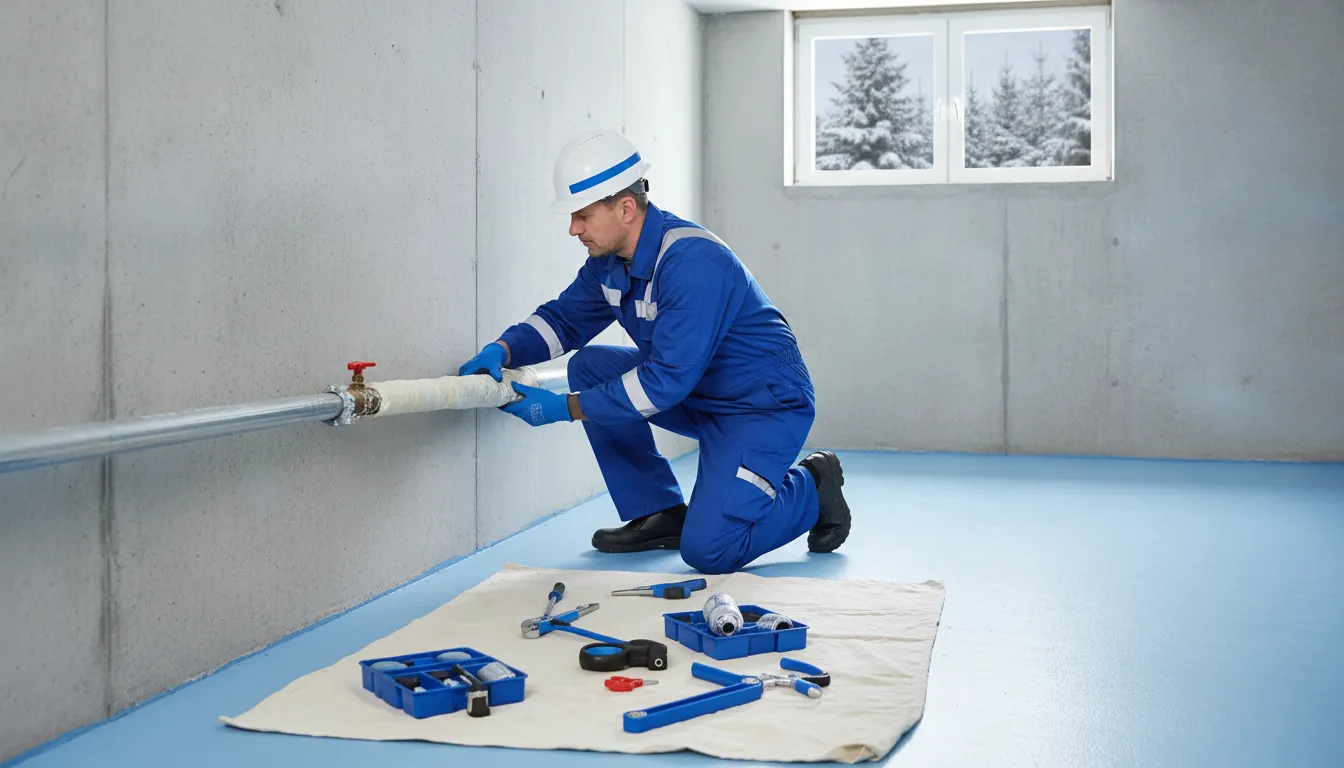
Exterior walls and points where pipes enter the home
Pipes running against exterior walls are more vulnerable because the surrounding wall cavity may be colder than the living space. The water service entry point, where the line passes through the foundation, is another early inspection area when a freeze is suspected. Outdoor hose bibs and the supply pipes connected to them are also frequent trouble spots because they are directly exposed to severe cold. These locations deserve particular attention when a faucet produces only a trickle or stops producing water. Missouri Extension identifies exterior-wall plumbing, foundation entries, and outdoor hose bibs as common freeze-risk locations.
Unheated and lightly heated spaces
Crawl spaces, attics, garages, and cabinets along outside walls can allow plumbing to become much colder than the rest of the home. A garage is especially important when water supply lines run through it. Similarly, plumbing inside a cabinet may be exposed to a cold exterior wall even though the kitchen or bathroom itself feels comfortable. Michigan guidance specifically identifies crawl-space and attic pipes as especially susceptible to freezing and recommends protecting them.
Vacant areas, drafts, and cold airflow
A home does not need to feel cold everywhere for one vulnerable pipe to freeze. A small opening near a pipe can admit enough cold air to create a localized problem during severe wind-chill conditions. Vacant homes face an added concern because a heating interruption or reduced indoor temperature may go unnoticed. Michigan recommends keeping an unoccupied home’s thermostat no lower than 55 degrees and having someone check the property daily. Insulation can help, but it is not a substitute for heat during prolonged freezing conditions. For a property with recurring exposure, professional pipe insulation can address vulnerable sections as part of a broader assessment.
How can you reduce frozen-pipe risk before a cold snap?
Preparation works best before indoor plumbing is exposed to sustained cold. The goal is to keep vulnerable areas from losing heat, limit cold drafts, and make sure insulation is part of a broader protection plan rather than the only defense.
Keep heat steady throughout the home
- Maintain consistent indoor heat. Keep the thermostat at a steady setting during cold weather, including overnight. If the home will be unoccupied, Michigan guidance recommends setting the thermostat no lower than 55 degrees and arranging for someone to check the property daily. This helps identify a heating failure before plumbing is exposed to prolonged cold. Source: Michigan’s frozen-pipe prevention guidance.
- Allow warm air to reach vulnerable plumbing. Open interior doors and cabinet doors where plumbing sits against colder walls so household heat can circulate around the pipes. Keep garage doors closed when water supply lines run through the garage. These simple changes can reduce the effect of cold pockets around plumbing.
Reduce drafts near waterlines
Inspect the areas around pipe penetrations, exterior walls, garages, crawl spaces, and other exposed locations for noticeable cold airflow. A small opening can admit enough cold air to freeze a nearby pipe during severe conditions, according to the Michigan guidance above. Sealing an air leak may be part of the solution, but hidden plumbing and building-envelope problems deserve professional evaluation rather than improvised repairs.
Use professional insulation where exposure is persistent
Pipes, fittings, and fixtures exposed to cold should be covered completely and fit snugly for insulation to work as intended. However, insulation alone may not protect plumbing during prolonged freezing without heat or periodic water flow. Any leak should be corrected before insulation is installed, because wet insulation can lose its effectiveness. A licensed plumber can assess the vulnerable run, identify hidden exposure, and install professional pipe insulation as part of a durable prevention plan.
These measures reduce risk, but they cannot guarantee that every pipe remains above freezing during an extended cold snap. If a faucet produces only a trickle or no water, stop treating the condition as routine maintenance and contact a plumber for an evaluation.
What should you do if an Ann Arbor pipe freezes or bursts?
A frozen pipe deserves prompt attention, even if no water is visible yet. As water freezes, it expands and can crack or split a waterline. The leak may become apparent only after the pipe thaws and pressurized water begins moving again. If a faucet produces only a trickle or no water, treat it as a possible frozen-pipe problem rather than forcing the fixture or waiting for normal flow to return.
Start with safety and water control
- Stop using the affected fixture and assess the area. Look for pooling water, damp walls, ceiling stains, or water near electrical equipment. Do not use an open flame, torch, or other improvised heat source to thaw the pipe. Open flames create a fire hazard, and electrical appliances require particular caution in wet locations. These precautions are consistent with guidance from Michigan’s frozen-pipe safety guidance.
- Shut off the main water valve if freezing or a burst is suspected. Michigan recommends turning off the home’s main shut-off valve when water pipes have frozen. This can limit additional flow if a concealed section has cracked. If you cannot locate or operate the valve safely, tell the plumber immediately when you call.
- Call for professional assessment. A plumber can identify the affected section, evaluate whether the line has split, and determine whether frozen-pipe repair, controlled thawing, or replacement is appropriate. Avoid opening walls, dismantling plumbing, or attempting a repair without knowing where the blockage and damage are located. A professional response helps address the source instead of masking symptoms.
- Escalate immediately when water is actively leaking. A burst supply pipe, rapidly spreading water, or water near electrical systems calls for emergency plumbing response. Move people away from unsafe areas and contact a qualified professional through 24/7 emergency plumbing service.
When is frozen-pipe repair an emergency?
Not every freeze produces an immediate visible leak, but a complete loss of flow, a sudden drop in pressure, or signs of thaw-related leakage should not be ignored. Mr. Pipey provides frozen pipe repair and prevention for Michigan winters, including professional diagnosis and durable corrective work. Emergency plumbing is available 24/7 for burst water supply pipes, with upfront flat-rate pricing and no overtime charges regardless of the time of day.
What should happen after the immediate response?
After the line is made safe, ask the plumber to check the conditions that allowed freezing, such as exposed plumbing, drafts, or insufficient protection in an unheated space. Professional pipe insulation may help reduce repeat risk when it is appropriate for the location and condition of the system. For service in Ann Arbor, contact Mr. Pipey for a professional evaluation and next steps.
Need help with a frozen or burst pipe? Contact Mr. Pipey through the online form.
When should you call a plumber for frozen pipes?
Call a licensed plumber when a frozen pipe remains blocked, when several fixtures lose water at once, or when you see signs that the pipe has split. A frozen section can restrict flow without showing the full extent of the damage. As the pipe warms, water may escape through a crack inside a wall, ceiling, cabinet, or other concealed space.
What signs indicate that professional diagnosis is needed?
Reduced pressure, no water from one fixture, unusual sounds in the plumbing, damp building materials, staining, or a sudden increase in moisture all warrant prompt attention. Do not rely on the outdoor forecast alone to decide whether service is necessary. Pipe location, drafts, insulation, and indoor heat can create different conditions within the same home. A plumber can identify the affected section, assess whether the line has been damaged, and determine whether the issue is isolated or part of a wider plumbing problem.
Why is durable repair more than restoring water flow?
Thawing a line may restore service temporarily, but it does not correct the condition that allowed the pipe to become vulnerable. A complete response may include repairing or replacing the damaged section, checking nearby connections, sealing sources of cold airflow, and addressing exposed plumbing with professional pipe insulation. Mr. Pipey provides frozen pipe repair and prevention for Michigan homes, with an emphasis on accurate diagnosis and repairs intended to hold up through future cold weather.
When is frozen-pipe service an emergency?
Treat a visible burst, active leak, water near electrical equipment, or an inability to control the water supply as an urgent plumbing problem. Mr. Pipey’s 24/7 emergency plumbing service includes burst water-supply-pipe response, with no overtime charges based on the time of day. Homeowners who need plumbing service in Ann Arbor can contact the team for professional assessment and next steps.
Frequently Asked Questions
At what temperature do pipes freeze in Ann Arbor?
Water freezes at 32 F, but a pipe does not freeze at one guaranteed outdoor temperature. Exposed or poorly protected waterlines may begin freezing near 20 F, while drafts, insulation, pipe location, and indoor heat can change the timing. Use the forecast as a warning, not an exact threshold.
How many hours at 32 F can cause a pipe to freeze?
There is no dependable hours-at-32 rule for every home. Unprotected waterlines exposed to freezing temperatures for several hours can freeze, according to Utah State University Extension. Pipes exposed to drafts or located in unheated spaces may be at greater risk.
Which pipes are most likely to freeze?
Outdoor hose bibs, supply lines in garages, pipes in crawl spaces or attics, and plumbing against exterior walls are common vulnerable locations. Cold air leaks near a pipe can also increase the risk, even when the general indoor temperature seems comfortable.
What should I do if a faucet produces only a trickle?
A trickle can indicate a frozen pipe. If you suspect freezing, contact a plumber for assessment and avoid using an open flame to thaw the line. If a pipe has frozen, Michigan recommends turning off the home’s main water shut-off valve.
When should I call a plumber for a suspected frozen pipe?
Call a plumber when a faucet produces no water, flow suddenly drops, or you see signs of a leak after freezing weather. Professional assessment can identify the frozen section, check for damage, and address a burst or vulnerable pipe safely.
Contact us for a professional next step
A professional assessment can help identify the source of a frozen or burst pipe. It can determine whether repair, insulation, or emergency plumbing support is appropriate for your Ann Arbor home. Contact Mr. Pipey through the online contact form to explain what you are experiencing and get the conversation started.