A garbage disposal that stops turning can interrupt a busy kitchen routine, especially when the sink is full of water or food waste. If you are searching for how to repair a stuck garbage disposal, the safest first step is to stop using it and avoid reaching into the unit. A hum, silence, or a sink that drains slowly can each point to a different issue, so a jam is not always the whole story.
Contact Mr. Pipey to schedule professional disposal service
Why does a garbage disposal get stuck?
A disposal can stop rotating when an object blocks the grinding mechanism, when food waste has compacted inside, or when a component in the unit has worn or failed. A unit may also stop because its electrical supply has been interrupted. From the sink opening alone, it may not be possible to tell which cause applies.
Some everyday materials are more likely to create problems than others. Fibrous scraps can wrap around moving parts, while hard items can wedge into the mechanism. Grease and starchy food waste can collect in plumbing and contribute to sluggish drainage. A disposal is designed to process appropriate food scraps with water, but it is not a substitute for a trash bin or a drain-clearing service.
- A low hum without normal operation: The motor may be receiving power while the grinding parts cannot turn, or the unit may have another mechanical issue.
- No sound at all: The unit may not be receiving power, or an internal electrical or motor issue may be present.
- A brief start followed by a stop: A jam, overload protection, or a developing mechanical fault may be involved.
- Water remains in the sink: A clog in the disposal outlet or a nearby drain line may be restricting flow, whether or not the disposal itself is stuck.
- Leakage or an unusual odor: The source may be a connection, seal, drain issue, or waste trapped in the unit. A professional inspection can identify it.
These clues are useful when describing the issue, but they do not confirm a diagnosis. If you notice a burning smell, visible leakage, repeated shutoffs, or an electrical concern, leave the disposal off and arrange professional service. For broader sink or fixture concerns, see Mr. Pipey’s sink repair service information.
The pattern also matters. A disposal that stops immediately after one incident may have a different cause from one that has become slower over several weeks. A sink that drains normally while the unit is off gives different information from water that remains pooled or backs up elsewhere. If you hear a change in sound before the unit stops, mention that too. A timeline helps the plumber understand whether the problem is isolated or recurring, without relying on guesswork.
What should you do when a disposal stops working?
Keep the response simple and focused on safety. Do not put a hand, utensil, or other object into the disposal opening, even if the unit appears to be off. Do not keep switching it on to test whether a jam has cleared. Repeated attempts can add strain to an already stalled unit and may make it harder to identify the original problem.
- Stop running the disposal. Turn its wall switch off and do not use the sink to push more material into the unit.
- Keep people away from the opening. Do not reach into the disposal or try to dislodge material through the drain.
- Note what happened. Record whether the unit hummed, went silent, tripped off, leaked, or drained slowly. Mention any recent change, such as a new sound or a previous clog.
- Arrange a professional assessment. Share the symptoms and any concern about water or electrical supply so the plumber can plan the visit.
While waiting, leave the unit switched off and avoid pouring additional waste or standing water into a sink that is already backed up. If the sink is shared with another basin, avoid running water there if it drains into the same blocked line. Keep the cabinet area accessible for inspection, but do not remove electrical covers, loosen plumbing connections, or disassemble the disposal. If water is leaking, keep the area clear and tell the plumber when you call. These simple precautions preserve useful clues and reduce the chance of turning a small appliance problem into a more involved cleanup.
Some disposal manufacturers provide model-specific guidance for reset or jam procedures. Those instructions vary by model and can involve electrical isolation and access around moving components. If you are unsure of the model, cannot verify the unit is safely isolated, see leakage, or have recurring problems, do not improvise. A licensed plumbing professional can inspect the unit and connected drain without asking you to work inside it.
When a sink is backing up beyond the disposal, or several fixtures drain poorly, the problem may extend into the drain system. Mr. Pipey’s sewer and drain services address drain concerns beyond the disposal itself. If the issue involves a persistent sink line blockage, a plumber may also determine whether drain repair or other service is appropriate.

How does a plumber diagnose a stuck garbage disposal?
A professional visit starts with the symptoms and the condition of the sink area. The plumber may ask when the problem began, what the unit sounded like, whether water drains, and whether the disposal has stopped before. These details help distinguish a jam from a power issue, a worn unit, or a downstream drain blockage.
It helps to be specific when you describe the problem. Say whether the disposal made a hum or no sound, whether it shut off after running, and whether water is standing in the sink. If there is a leak, note whether it appears around a pipe connection, the sink flange, or the body of the disposal, but do not reach under or handle wet electrical components to investigate. The plumber can assess the area safely. Mention any prior repair or recurring symptom as well; a pattern of repeated stoppages may call for a broader check than a one-time failure.
Plumbing work can involve the appliance, electrical supply, and connected drainage, so diagnosis should follow the specific symptoms rather than assume every stoppage has the same fix. The Plumbing-Heating-Cooling Contractors Association is a professional organization for the plumbing and HVAC trades. For a homeowner, the practical point is to describe the issue clearly and have the disposal and connected plumbing assessed by a qualified service professional.
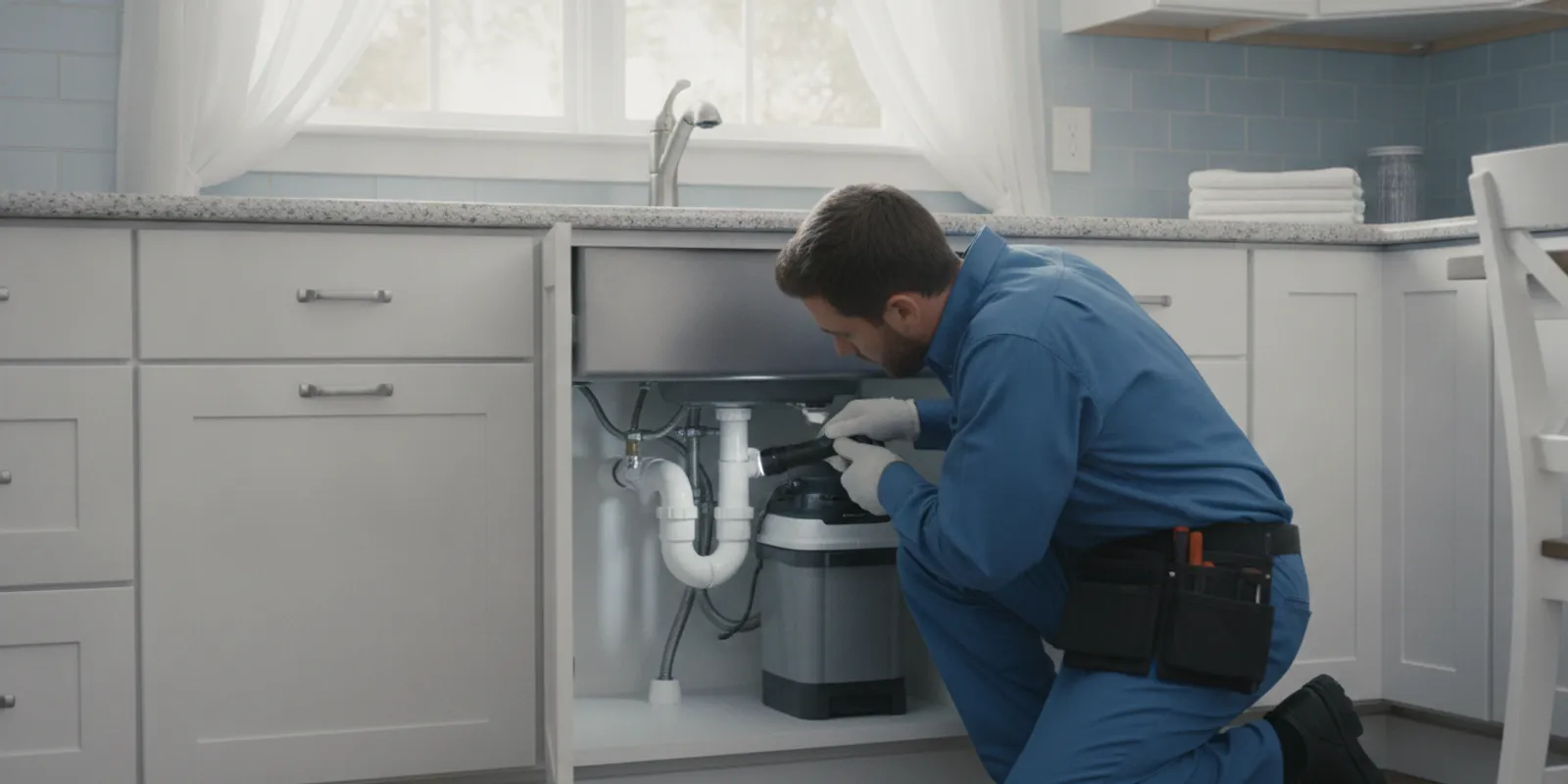
The plumber then assesses the disposal and its connections using appropriate safety procedures. Depending on the symptoms, this may include checking whether the unit receives power, examining the grinding mechanism for an obstruction, reviewing its reset or overload response, and inspecting the drain opening and trap area for blockage or leakage. A persistent humming sound is different from a unit that stays completely silent, so the evaluation is guided by the actual behavior rather than a single symptom.
If the mechanism is obstructed and the unit is otherwise in serviceable condition, clearing the cause may be possible. If a component has failed, the housing leaks, or the motor does not operate reliably after the cause is addressed, repair or replacement options may be discussed. A plumber can also identify whether a disposal problem is masking a drain line issue. That matters because replacing a disposal will not correct a separate blockage in the connected plumbing.
For homes with a broader plumbing concern, Mr. Pipey offers emergency plumbing service information for urgent situations. A disposal that simply will not run may not require emergency response, but active leakage, an unusable sink, or water affecting nearby areas deserves prompt attention.
What should you expect during a garbage disposal service visit?
Be ready to explain what the disposal did immediately before it stopped and whether the sink still drains. The plumber may ask whether the problem began after a particular item went into the unit, whether the breaker or unit has shut off, and whether the issue has happened before. You do not need to guess at a cause. A straightforward description of what you observed is more useful than attempting a repair first.
The service professional will assess the disposal and relevant connections, then explain what the inspection found. If the issue is limited to the appliance, the next steps may differ from a case where water is backing up through the drain or a connection is leaking. Ask which parts of the system have been checked and whether the recommended work addresses the original symptom as well as any related plumbing concern.
Before approving work, make sure you understand the proposed scope and the options available. Ask what the repair is expected to correct, whether a replacement is being recommended instead, and whether additional drain service is included or separate. If the plumber identifies more than one issue, a clear explanation helps you prioritize the immediate repair and make an informed decision about other work. You can also ask what the final test will confirm once service is complete.
After the work, note whether the unit starts normally, whether water drains as expected, and whether any unusual sound or leak remains. If the same symptom returns, turn the disposal off and contact the service provider with those details. Sharing a clear follow-up description can help determine whether the original fault persists or a separate issue has appeared.
Should a stuck garbage disposal be repaired or replaced?
The right choice depends on the unit’s condition and the cause of the failure. A single obstruction in an otherwise sound disposal is a different situation from recurring jams, a leak in the unit body, or a motor that no longer runs consistently. The assessment should account for the disposal’s age and history, the availability of a practical repair, and whether the drain connection also needs attention.
A repair discussion should identify the specific fault, not just the symptom that brought the plumber to the home. Ask whether the disposal can be operated reliably after the proposed repair and whether the cause of any repeated stoppage has been addressed. If a clog is found, clarify whether it was in the disposal or farther along the drain. This helps prevent confusion between restoring the appliance and correcting plumbing that happens to connect to it.
If replacement is recommended, ask what the quoted work covers, including removal of the old unit, installation, connection checks, and a final operational test. Confirm whether any drain correction is separate from the appliance work. A clear scope makes it easier to compare options on the same basis and understand which problem each option is intended to solve. The lowest initial-cost choice is not automatically the best fit if it leaves a recurring cause unresolved.
Homeowners do not need to choose based on a general rule about how long every disposal should last. Frequency of use, prior service history, the type of failure, and the condition of the plumbing connections all affect the decision. A professional can explain the findings in plain terms and outline the practical choices for that particular sink.
| What the assessment finds | What it may mean | Professional next step |
|---|---|---|
| One obstruction, with the unit otherwise working normally | The immediate stoppage may be limited to the jam | Inspect and clear the obstruction safely; test operation |
| Repeated stalls or recurring clogs | There may be a persistent use, unit, or drain issue | Check the disposal and connected plumbing before recommending a fix |
| Leak from the disposal body or failed component | Repair may not restore dependable operation | Compare feasible repair with replacement options |
| Slow drainage beyond the disposal | A nearby drain line may be restricted | Diagnose and clear or repair the affected plumbing as needed |
Ask the plumber to explain what failed, whether the drain was checked, and what each recommended option includes. A useful estimate separates the disposal work from any additional drain repair, so you can understand what is being addressed. It should also make clear whether the proposed solution is a repair, a replacement, or both.
Replacement may be worth discussing when repairs are recurring, a major component has failed, or the unit leaks from a place that cannot be reliably repaired. A repair may make sense when the cause is limited and the disposal remains in good condition. There is no single age or symptom that determines the right choice for every household; the condition of the specific unit and the plumber’s findings matter.
How can you reduce repeat disposal problems?
Once the disposal is working again, use it only for materials the unit is designed to handle, and follow the manufacturer’s instructions for the specific model. Avoid treating it as a general food-waste bin. Grease, fibrous scraps, hard items, and other unsuitable waste can contribute to jams or drain trouble. If the same symptoms return despite careful use, request an inspection rather than repeatedly trying to restart the unit.
It also helps to distinguish disposal trouble from a separate drain problem. If water backs up when the disposal is off, another fixture is affected, or a clog returns soon after service, tell the plumber. Those details can point to plumbing beyond the appliance. Homeowners who need help with other leaking fixtures can review plumbing leak service information; for a larger plumbing question, the Mr. Pipey home page outlines the company’s plumbing services.
Mr. Pipey serves Metro Detroit homeowners with plumbing repairs and related service. When describing a disposal concern, share the unit’s symptoms, whether the sink drains, and whether you see water around the cabinet. That gives the service professional a clearer starting point and helps keep the visit focused on the actual cause.
Request a professional garbage disposal assessment
Frequently asked questions
Can I reach into a garbage disposal to remove a jam?
No. Do not put your hand or an object into the disposal opening. Keep the unit off and have a plumbing professional assess a jam you cannot safely resolve through the manufacturer’s approved instructions.
Why does my disposal hum but not turn?
A hum can mean the motor is receiving power while the mechanism cannot turn, but it does not prove that a jam is the only issue. Stop running it and arrange an assessment if the sound persists.
Why is my sink still clogged after the disposal stops?
The blockage may be in the disposal outlet or a connected drain line. A plumber can determine whether the appliance or plumbing beyond it is restricting flow.
Does a stuck disposal always need replacement?
No. A limited obstruction may be clearable, while a failed motor, recurring faults, or a leaking unit may make replacement a more practical option. The condition of the unit determines the recommendation.
When should I call a plumber about a stuck disposal?
Call when the unit remains stuck, repeatedly shuts off, leaks, produces an unusual smell, or leaves the sink backed up. Stop using it if you suspect an electrical issue or see water near the unit.
A stuck disposal is not always a failed appliance, and a careful diagnosis can separate a simple obstruction from a drain or mechanical problem. Keep the unit off when symptoms persist and contact a plumber for a safe, clear recommendation.