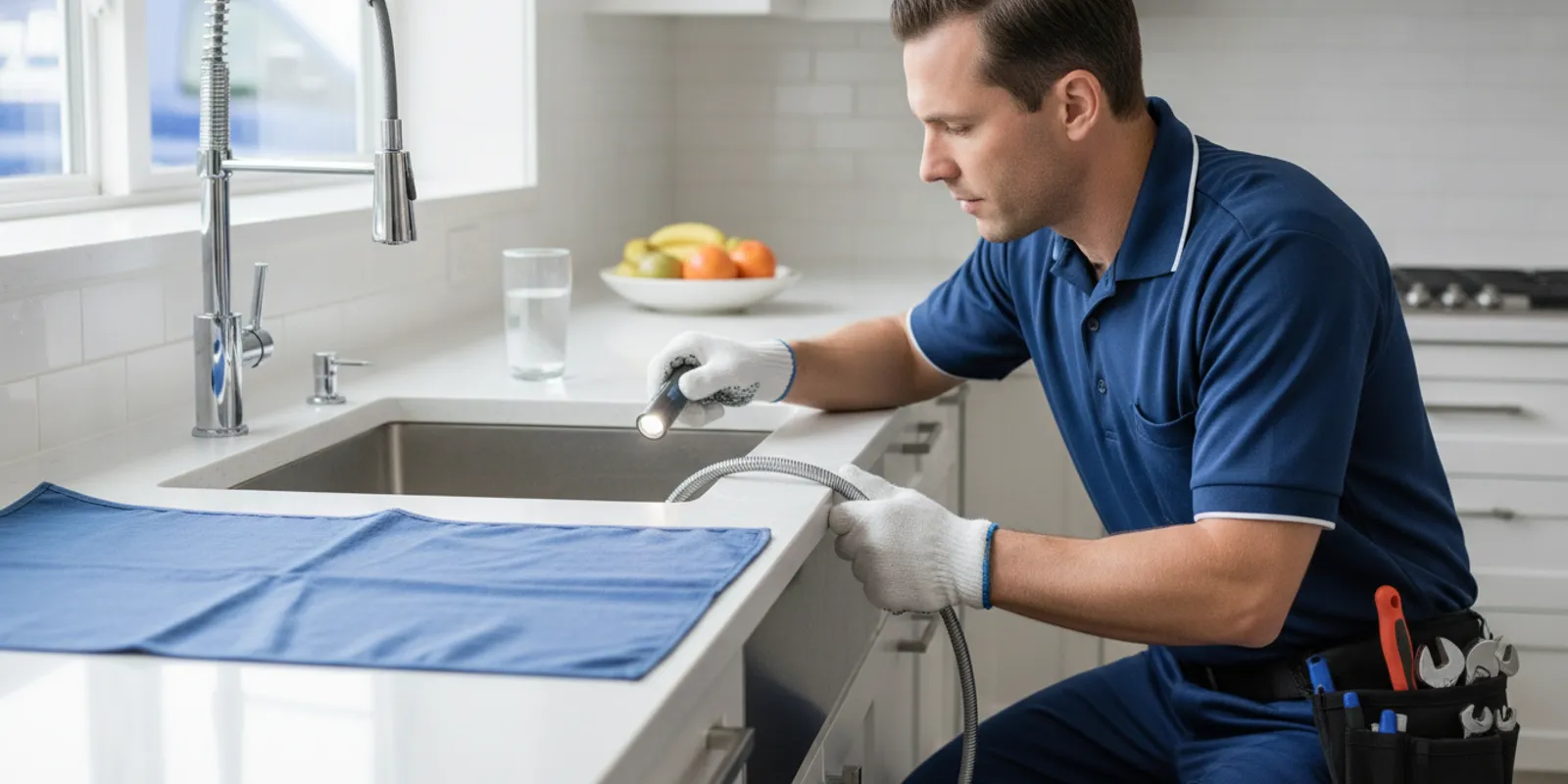
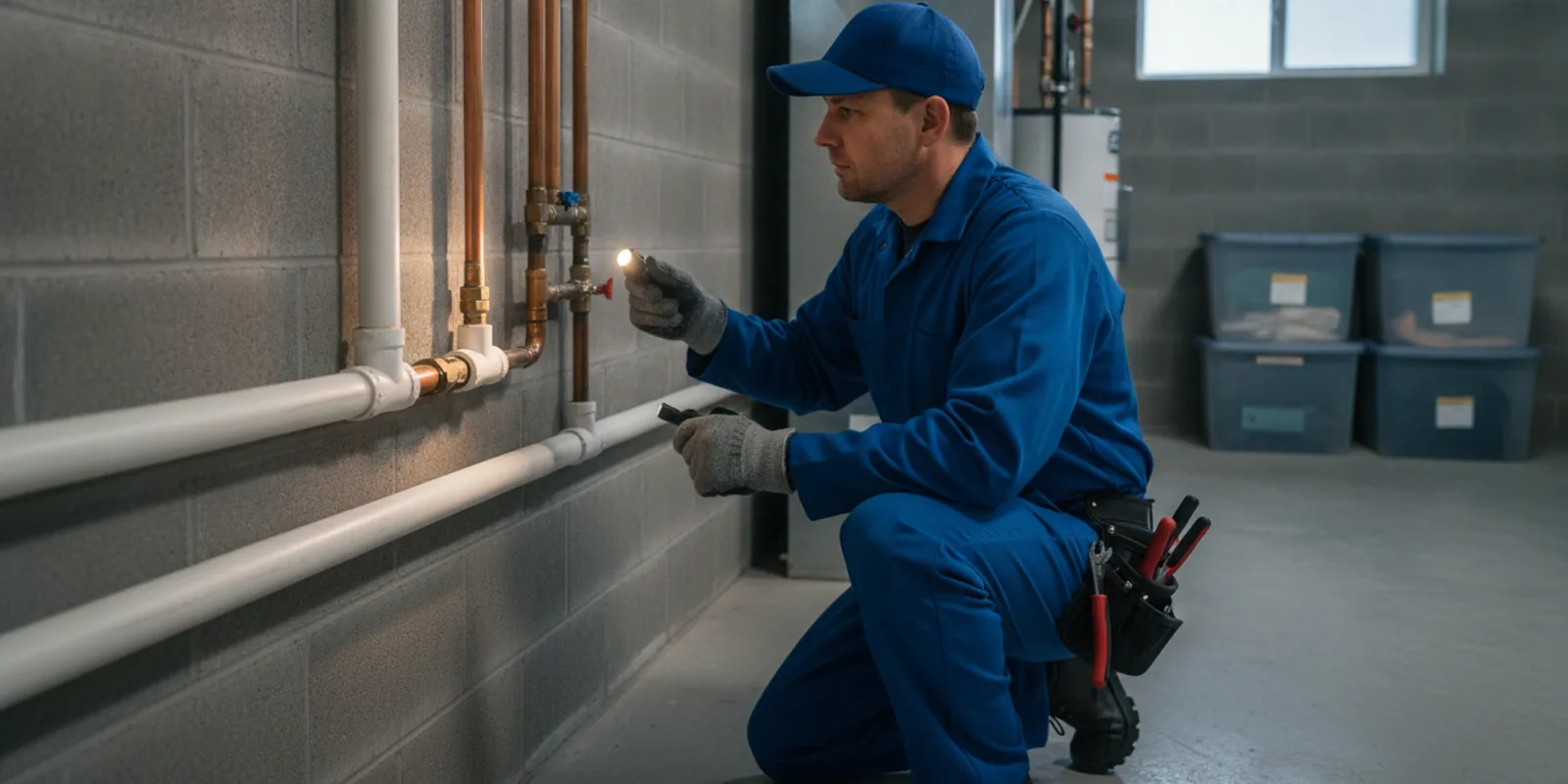
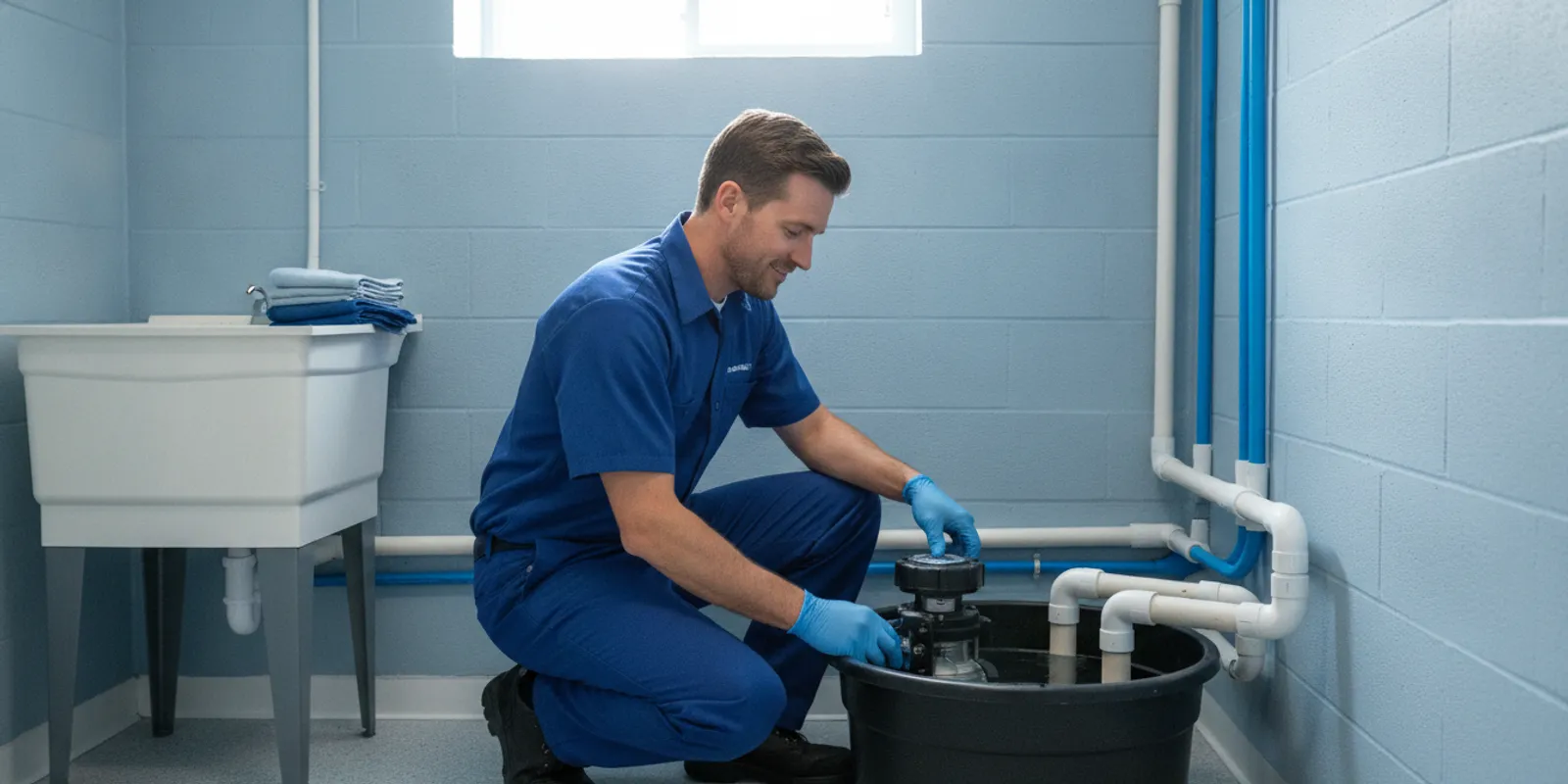
Signs of sewer line problems in Allen Park often begin as small changes rather than a sudden failure. One drain slows down, a toilet begins to gurgle, or a patch of lawn stays wet after a dry week. A single slow sink is usually only a local clog. When the same trouble shows up in more than one fixture, or it returns after a clearing, the private sewer line deserves a closer look.
Schedule a sewer line inspection in Allen Park
Allen Park homes send wastewater from branch drains into a private lateral, and that lateral then connects to the city sewer. The City of Allen Park Water and Sewer Department handles public sanitary cleaning, camera work, and repairs. The pipe on your property is a separate responsibility. Symptoms inside the house cannot identify which side is failing. They can tell you whether to stop using water and request an inspection.
The clearest signs of sewer line problems in Allen Park are easy to list. Several drains slow together. Waste rises at a low fixture. Toilets gurgle when water runs elsewhere. Sewer odor shows up indoors or in the yard. A soggy or extra-green strip of lawn appears. One sign can be a simple clog. Two or more, or a clog that returns, points to a camera inspection of the private line.
This guide sorts those clues so you know what to record before a plumber arrives. It does not replace a camera inspection, and it does not cover backup prevention plans or repair pricing. Those topics already live on their own pages.
What are the signs of sewer line problems in Allen Park?
A sound line carries waste away without noise, odor, or water appearing where it should not. A real line problem tends to repeat. Watch the pattern across several days, not one difficult morning.
These are the signs homeowners in Allen Park report most often:
- Several fixtures slow at once. A kitchen sink, a tub, and a toilet that all drain slowly on the same day often share a downstream restriction.
- Waste appears at a low opening. A basement floor drain, a tub, or a laundry standpipe can overflow when the line cannot carry flow.
- Toilets or tubs gurgle. Air forced backward usually means flow is restricted farther down the pipe.
- Sewer odor indoors or outside. An odor near a drain, a cleanout, or the yard can mean waste is sitting in the line or seeping into soil.
- A wet or extra-green strip of lawn. A leak can feed the grass along the pipe path even when the rest of the yard is dry.
- The same clog comes back. A cable that buys only a few days often left roots, a break, or a sag in place.
One item on that list can still be an ordinary fixture clog. Two items, or one item that keeps returning, is a reason to stop guessing and schedule an inspection of the line.
How do you separate a single clog from a sewer line problem?
Begin by counting how many fixtures are involved. A clogged trap under one sink usually affects only that sink. It does not make the hall bathroom gurgle. A sewer line problem sits downstream of several branches, so it can affect more than one room.
Use this comparison before you call a plumber:
| What you notice. | More likely a local clog. | More likely a sewer line issue. |
|---|---|---|
| How many fixtures. | One sink, tub, or toilet. | Two or more fixtures, or a whole bathroom. |
| Where water shows up. | Only in that fixture. | A lower drain, tub, or cleanout. |
| Sounds. | Quiet, or only that drain. | Gurgles when another fixture runs. |
| After a clearing. | Stays clear. | Returns in days or weeks. |
| Yard or odor. | None. | Sewer smell, soggy soil, or lush grass. |
If only the kitchen sink is slow and nothing else changed, drain cleaning is the usual first step. If the basement drain rises when an upstairs toilet flushes, treat that as a line problem until a camera shows otherwise.
Do not open a cleanout cover if wastewater is already present around it. Keep people and pets away from any standing water that may contain sewage.
Which indoor signs point to the private sewer line?
Indoor clues are the ones you can check without any digging. They still need a camera before anyone recommends a repair.
Multiple slow drains
Run water in an upstairs sink while you watch a lower fixture. If the lower drain gurgles or the water level rises, the shared drainage path is restricted. That path may be a building drain or the private lateral leaving the house.
Gurgling and bubbling
A toilet that bubbles when the washer drains is pushing trapped air. That air has to escape somewhere when waste cannot move forward. The sound is a warning, not proof of a broken pipe.
Backups at the lowest opening
Floor drains and tubs sit low in the system, so they are often the first place waste appears. Stop using water throughout the house if sewage is entering a living area. Mopping it back into the drain does not repair the line, and contact with sewage is a health risk.
Odors that are not one drain
A dry trap can produce odor. Pour water into unused floor drains and see whether the odor fades. If the odor remains, or you notice it near several fixtures, the cause may be farther down the line.
Record which fixtures, which floor, and whether the trouble follows laundry, showers, or rain. That note shortens the diagnostic portion of the service call.
What yard clues should Allen Park homeowners check?
The private lateral often runs beneath the lawn toward the street. Leaks and breaks can appear outside before a full indoor backup.
- A soggy strip when neighbors’ yards are dry. Trace it from the house toward the curb. That path often follows the lateral.
- Grass that is greener or taller in a line. A small leak can fertilize one narrow strip of lawn.
- Sinkholes or soft soil. A washout under the yard can indicate a separated joint or a collapsed section.
- Odor near the cleanout or foundation. An outdoor odor, even with no indoor backup yet, still deserves a camera inspection.
- Insects or rodents near a cleanout. Pests are drawn to moisture and waste. They are a clue, not proof that the pipe has broken.
Stay off any soft ground. Do not dig to “just see” the pipe. A camera inserted from a cleanout locates the defect without opening the yard.
Tree roots are a frequent reason these yard clues appear in older Metro Detroit neighborhoods. If roots are your leading suspicion, the tree roots in sewer line guide covers pipe materials and root entry in more detail. This page stays focused on how to read the signs.
When is it your lateral, and when might it be the city?
Allen Park maintains the public sanitary sewer. The city lists sanitary sewer cleaning, closed-circuit television inspections, and sanitary repairs among its Water and Sewer duties. Homeowners are generally responsible for the private lateral running from the house to the public connection point. A backup inside one home does not, by itself, prove a problem in the city main.
Clues that lean toward your lateral:
- Only your home shows the symptoms.
- Symptoms follow heavy water use inside the house, rather than a neighborhood-wide event.
- Yard clues sit on your own property, between the house and the street.
- A previous clearing of your line bought only short-lived relief.
Clues that are worth a call to the city as well:
- Several nearby homes report similar backups at the same time.
- The trouble begins during or immediately after a heavy rain across the block.
- City crews are already working on the main directly in front of the house.
You can review the city’s own list on the Allen Park Water and Sewer responsibilities page. The water clerk line on that page is for water-main and billing questions during weekday hours, not a substitute for a plumber when sewage is in the house. For an active indoor backup, call a plumber first and mention whether neighbors are seeing the same trouble.
Mr. Pipey serves Allen Park from its Detroit shop and can inspect the private side of the line. We do not speak for the city, and we do not guess which side failed without camera video.
What usually causes these sewer line signs?
The list of visible symptoms is fairly short. The underlying causes are not. Knowing the usual causes helps you describe the history accurately. It does not give anyone a reason to skip the camera.
Roots, grease, and debris
Roots enter at joints and small cracks, then trap grease, wipes, and paper. The line may seem fine for weeks, then back up after a holiday gathering or a long shower. Hydro jetting can reopen the flow path. If the roots remain in place, the backup usually returns.
Offset joints, cracks, and collapse
Older clay and cast-iron laterals can shift in the soil. A joint that has slipped out of alignment catches solids. A belly, which is a sag in the pipe, holds standing water and waste. A collapsed section can stop flow almost completely. These defects require video, not another bottle of chemical drain opener.
Heavy use and weather
A line that is only partly restricted may fail when several fixtures run together, or when rainfall adds flow nearby. That pattern is why a sewer problem can seem random at first. Note the recent weather and which fixtures were running. Both details help the technician decide where to begin the camera inspection.
If you want the habit side of this, how to prevent sewer backups in Allen Park covers daily use and repeat-backup planning. Read that guide after you know whether you are seeing signs of pipe damage or only a one-time clog.
What should you do when you see these signs?
Work through these steps in order. The goal is to limit contact with sewage and give the plumber a clear account of what changed.
- Stop adding water if waste is rising or more than one drain is backing up. Delay laundry, showers, and dishwasher cycles until the line is checked.
- Keep people and pets away from any water that might be sewage. Do not mop that water into another drain.
- Skip chemical drain openers. They will not open a root mass or a separated joint, and they complicate the service call.
- Do not pull a cleanout cap if the area is wet or under pressure. Pressurized waste can release suddenly.
- Write a short log: which fixtures were affected, which floor, whether the clue was indoors or in the yard. The first date you noticed it, and whether it followed rain or heavy use.
- Request an inspection when the pattern matches a line problem, or when sewage is already inside the home.
For sewage in the living space, use 24/7 emergency plumbing. Mr. Pipey uses the same rates day and night, with no overtime charge, and backs the work with a 100% satisfaction guarantee. The published phone number is (313) 900-0700.
If the drains are only slow and the house is still dry, a scheduled visit is usually enough. Ask for the line itself to be checked, not only the nearest fixture cabled.
How does a plumber confirm a sewer line problem?
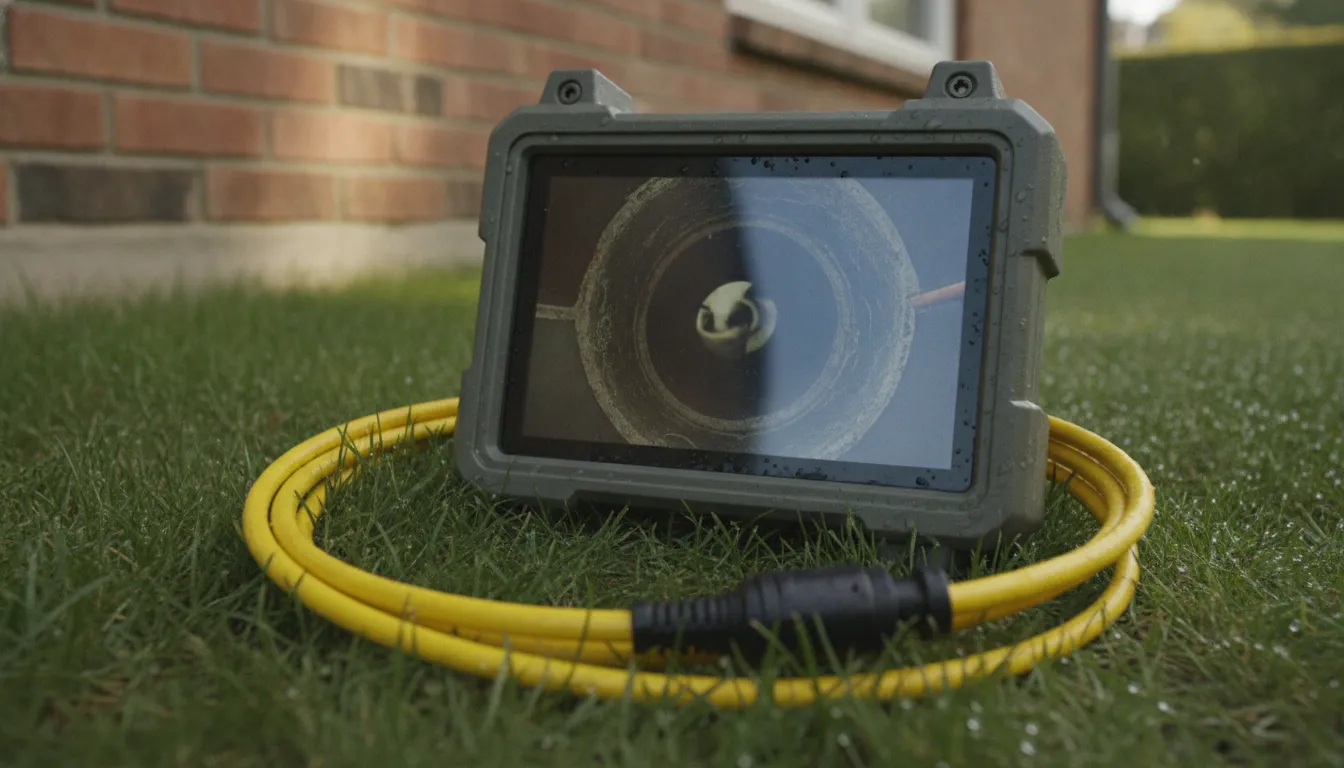
Confirmation comes from video, not from a guess made in the yard. A waterproof camera on a flexible rod is inserted through an accessible cleanout. The technician watches the live picture, marks the depth, and looks for roots, grease, offsets, cracks, bellies, and collapsed sections.
Sewer camera inspection is the step that separates a clog you can clear from a pipe that needs repair. Mr. Pipey uses waterproof cameras for that inspection, then explains what the video shows before recommending any work.
Here is what the video can change:
- A soft blockage of grease or paper may call for hydro jetting rather than a structural repair.
- Roots at a single joint may need clearing now, plus a plan for that joint later.
- A crack, an offset joint, or a collapse is a repair conversation, not another temporary clearing.
Use that video in any later repair decision. If the pipe needs work beyond ordinary cleaning, sewer repair options can range from a spot repair to full replacement. Some Allen Park laterals are candidates for trenchless sewer repair. The right method depends on pipe condition, depth, and access, which is why this article stops at the signs and the inspection. Repair method and sewer repair cost in Allen Park become separate decisions once that video exists.
Call (313) 900-0700 for sewer line help
Frequently Asked Questions
Can one slow drain be a sign of a sewer line problem?
It can be, but that is not the usual case. One slow sink, with no gurgling anywhere else, is often a local clog. Treat it as a sewer line concern if other fixtures become involved, waste appears at a lower drain, or the clog returns soon after clearing.
Are sewer odors always a damaged line?
Not by themselves. A dry trap in a floor drain or a little-used guest bath can smell like sewer gas. Add water to those unused traps first. If the odor remains, or you also have slow drains or a wet area in the yard, schedule a camera inspection.
What should I do if sewage backs up into my Allen Park home?
Stop using water, keep people and pets away from the affected area, and do not open a cleanout. Call a plumber for emergency service the same day. If several homes on the block are backing up at once, also tell the city water department exactly what you are seeing.
How can I tell a private lateral issue from a city main issue?
A problem limited to your own fixtures and your own yard usually sits on the private lateral. Backups at several nearby homes during the same storm are a reason to involve the Allen Park Water and Sewer Department as well. Only a camera inspection, and sometimes a city crew, can settle which portion of the line is involved.
Do I need a camera inspection for every slow drain?
Not in most cases. A single fixture that clears and then stays clear does not need video of the whole lateral. Ask for a camera when more than one fixture is involved, the clog returns, or you notice odor, wet soil, or an extra-green strip in the yard.
Ready for a sewer line look in Allen Park?
If these signs of sewer line problems in Allen Park match what you are seeing, a camera inspection is the most useful next step. You get a clear picture of the private line before anyone recommends cleaning, jetting, or a repair.
Call Mr. Pipey at (313) 900-0700 or request a visit online. Rates stay the same day and night. There is no overtime charge.