
For an Allen Park homeowner, a sewer problem can raise an immediate pricing question. Especially when slow drains, repeated backups, odors, or wet areas in the yard point to an underground line issue. The responsible starting point is not a generic per-foot figure. It is a clear diagnosis of the pipe, the damage, and the work needed to reach it.
So, how much does sewer repair cost in Allen Park? There is no universal quote. A waterproof sewer camera inspection can locate and evaluate underground problems without damaging the plumbing system, helping determine whether cleaning, a targeted repair, or replacement is appropriate. Pipe condition, damage location, repair method, access, and restoration needs all affect the estimate.
Mr. Pipey provides upfront options after evaluating the situation, with calm guidance for homeowners comparing repair paths. The inspection also helps distinguish a correctable blockage from structural damage, giving the cost discussion a practical foundation.
Request an Allen Park sewer inspection and upfront pricing
How much does sewer repair cost in Allen Park after an inspection?
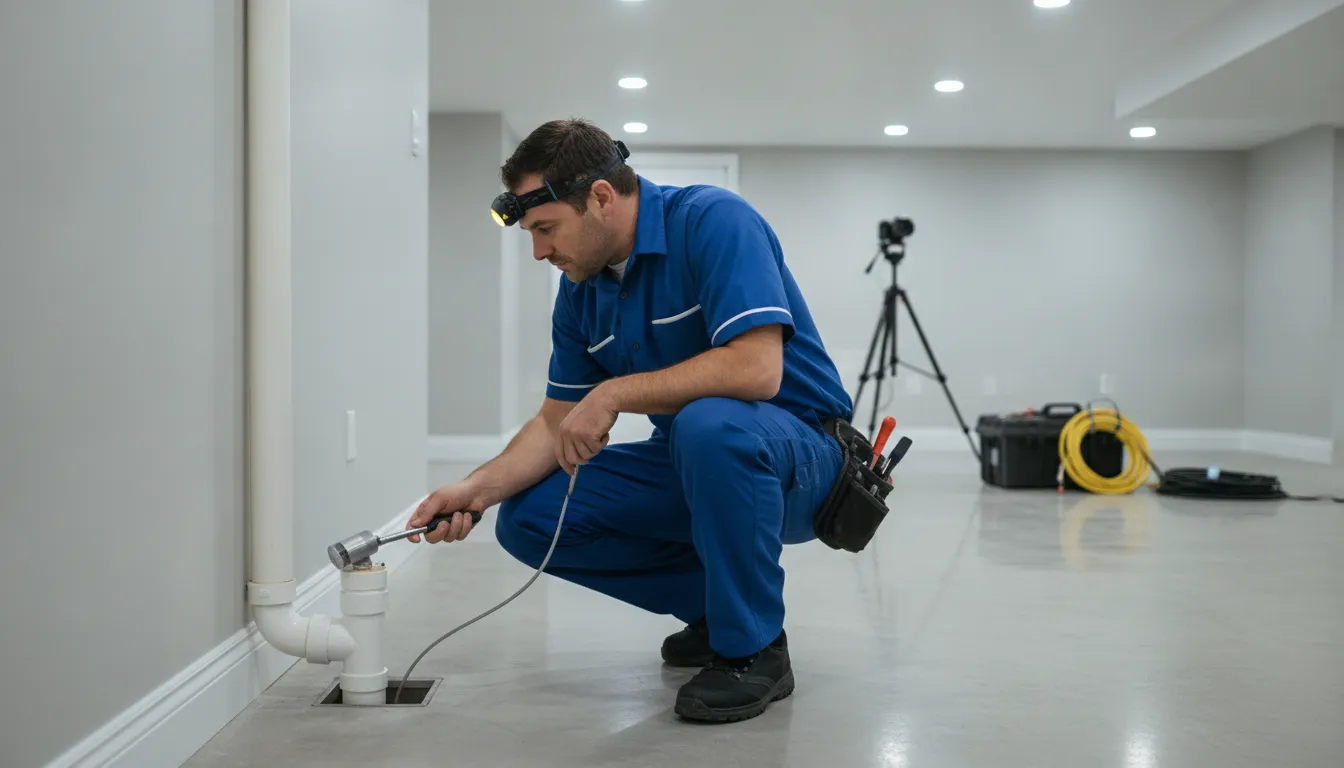
For an Allen Park homeowner asking how much sewer repair costs, the most useful first answer is that an accurate quote depends on what is inside the line. A sewer camera inspection gives the plumber a direct view of the underground pipe, helping identify the problem’s location and condition without damaging the plumbing system. Mr. Pipey’s sewer camera inspection service uses a waterproof camera on flexible tubing to evaluate hard-to-see areas.
That visual information turns a general concern into a defined repair scope. The camera may show a localized break, a connection problem, heavy buildup, root intrusion, or broader structural damage. It can also help determine whether the immediate issue is in the private sewer lateral connecting the property to the public sewer system. Defective private laterals can contribute to sewer backups, so identifying the affected section matters when planning the work.
Condition: Is the pipe blocked, damaged, or deteriorating?
A blockage does not automatically mean the entire sewer line needs to be replaced. The inspection helps distinguish a condition that may respond to professional cleaning from damage that needs a targeted repair or a full replacement. Pipe material and overall condition also influence the recommended approach. For example, a line with one repairable problem may require a different scope from a line with multiple damaged sections.
Location: Where is the problem beneath the property?
Location affects the practical work required to reach or repair the line. A camera can help identify whether the issue is closer to the building, farther along the lateral, or near the connection to the public system. It may also help clarify access considerations. Such as whether the repair can be approached through an existing access point or whether excavation and surface restoration may be necessary.
Scope: What repair option fits the evidence?
Sewer repair pricing depends on pipe condition, repair method, and damage location. A professional inspection can support a choice among cleaning, targeted repair, or full line replacement rather than defaulting to the most extensive option. Those factors are why a generic online number cannot serve as a reliable Allen Park quote. After evaluating the line, a qualified plumber can explain the findings, outline appropriate options, and provide pricing for the actual scope instead of an assumption.
Which factors change sewer repair cost in Allen Park?
There is no universal sewer repair price for every Allen Park home. An estimate depends on what the inspection finds, where the affected pipe is located, and which repair approach can address the problem correctly. A camera inspection can identify and evaluate underground issues without damaging the plumbing system, helping a plumber distinguish a localized repair from a larger replacement project.
Several connected factors shape the scope of work and the resulting estimate:
- Pipe material: The existing material affects how the line responds to cleaning, lining, sectional repair, or replacement. Older or incompatible materials may require a different method than a newer pipe in otherwise serviceable condition.
- Damage severity: A small, localized defect is a different project from a collapsed, badly cracked, or extensively deteriorated line. The more substantial the damage, the more likely the work will require additional preparation or replacement rather than a limited repair.
- Depth: A sewer line installed farther below grade can require more excavation, shoring, equipment, and restoration planning. Depth also helps determine whether a trenchless option is technically appropriate.
- Length of affected pipe: A short damaged section may be treated differently from a problem extending across a larger portion of the lateral. The length of the affected area is one reason a visual inspection is more useful than a generic price range.
- Location and access: A line beneath a driveway, finished surface, addition, landscaping, or another obstruction can involve different access and restoration requirements than a line in an open yard. The physical route of the pipe matters as much as the symptom inside the home.
- Labor and site requirements: Labor needs vary with equipment, excavation conditions, access, cleanup, and the complexity of safely reaching the pipe. Deep blockages, tree-root intrusion, and structural damage may require more complex repair work.
- Repair versus replacement: Minor repairs are generally less involved than full line replacement. However, the least disruptive method is not automatically suitable for every pipe. The condition, alignment, accessibility, and remaining serviceability of the line should guide the recommendation.
Repair method is therefore part of the cost discussion, not an afterthought. Traditional excavation may be necessary when the pipe condition or site requires it. In other cases, a trenchless approach may reduce excavation and property-restoration work, although eligibility must be confirmed during the evaluation. The goal is not simply to select the lowest initial number. It is to match the work to the actual defect and provide a durable solution.
| Potential approach | When it may fit | Property considerations |
|---|---|---|
| Professional cleaning | A blockage or buildup is present and the pipe remains structurally serviceable. | Addresses flow restrictions, but does not repair a damaged pipe. |
| Targeted repair | A localized defect can be addressed without replacing the full line. | Scope depends on the defect location and access. |
| Trenchless repair | Pipe condition, alignment, and access support a liner or pipe-pull method. | May reduce excavation and restoration, but is not suitable for every line. |
| Traditional excavation | The line condition or project scope requires direct access and replacement. | May involve surface restoration for areas above the pipe. |
For a clearer explanation of available approaches, review Mr. Pipey’s sewer repair and replacement services. A professional evaluation can document the affected section, explain the available options, and provide upfront pricing without relying on an unsourced local dollar figure.
Can trenchless sewer repair reduce excavation and restoration work?
Traditional sewer repair usually requires an excavation trench to expose the damaged section. That approach can provide direct access to the pipe, but the work area may extend through soil, paving, landscaping, or other surfaces above the line. Once the pipe work is complete, those surfaces may also need restoration. The total scope depends on the pipe’s location, depth, condition, and the repair or replacement method selected.
Trenchless work takes a different approach. Depending on the condition and layout of the sewer line. A contractor may use an inflatable liner or a pipe-pull method to repair or replace the affected section through limited access points. This can preserve more of the surrounding property and minimize disruption. It does not mean that every project can be completed without excavation, or that trenchless work is automatically the lower-cost option.
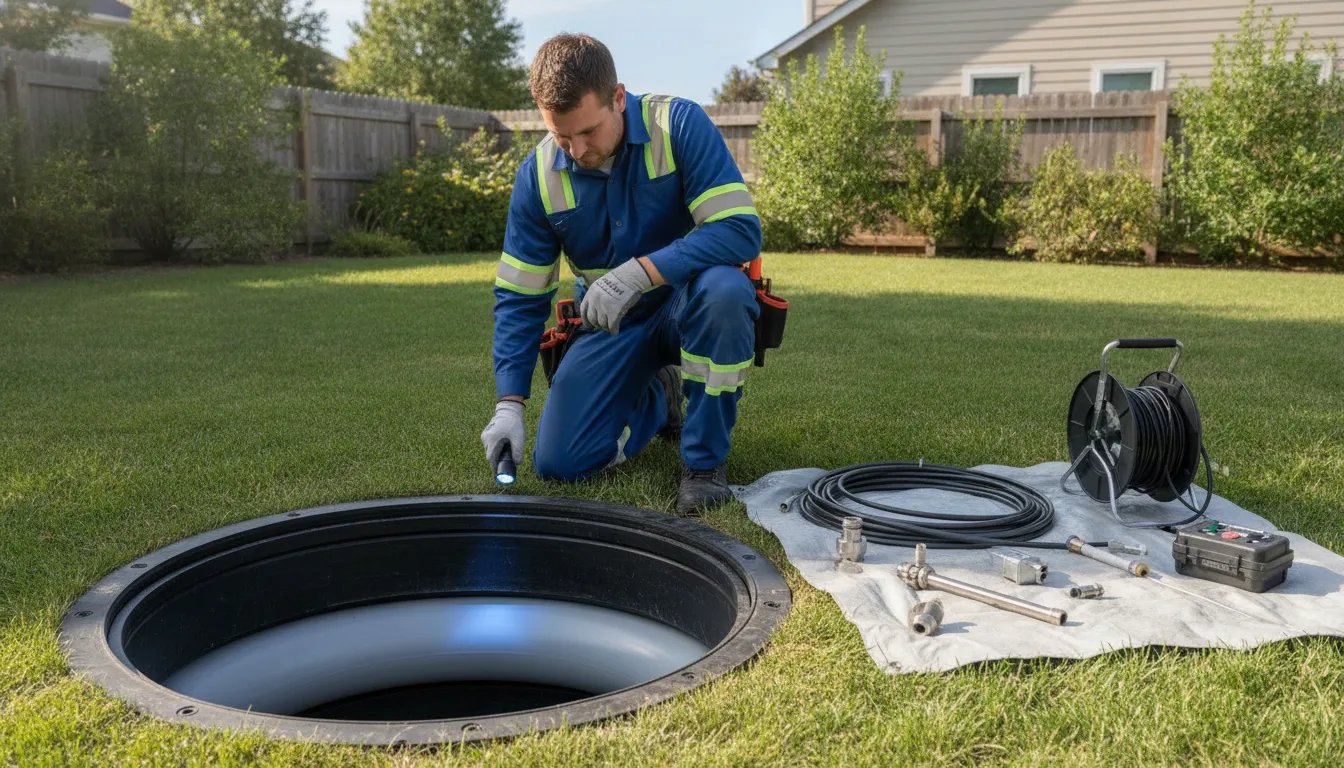
For example, pipe lining may be considered when the existing line has a suitable shape and structure for the selected liner. The process can involve placing a resin-saturated liner inside the damaged pipe, where it forms a new interior surface. Other conditions may call for a pipe-pull approach or conventional excavation instead. Severe collapse, difficult access, an unsuitable pipe configuration, or the need to replace a broader section can affect which methods are practical.
That is why a professional diagnosis should come before comparing methods. A sewer camera inspection can help identify the location and nature of the problem without damaging the plumbing system. The findings help establish whether cleaning, a targeted repair, trenchless work, or full replacement makes sense for the property. The assessment should also account for the route of the line and what sits above it, rather than treating restoration as an afterthought.
Mr. Pipey offers trenchless sewer line repair using inflatable liners or pipe-pull methods, while traditional excavation remains available when the repair or replacement requires it. The objective is not to force one method onto every Allen Park home. It is to match the repair plan to the pipe’s actual condition and the property’s layout, then explain the expected work clearly before it begins.
When is cleaning enough, and when is sewer repair needed?
A blockage does not automatically mean the sewer line needs to be replaced. In some Allen Park homes, professional cleaning or hydro jetting can clear buildup and restore flow, especially when the pipe itself remains structurally sound. Mr. Pipey may use HydroScrub jetting or specialized cable equipment with root-cutting heads, depending on the condition and location of the obstruction. Cleaning addresses the immediate restriction, but it does not correct a collapsed, cracked, or severely deteriorated pipe.
A camera inspection helps separate those situations. Waterproof camera equipment can identify the problem area without damaging the plumbing system, allowing the technician to evaluate whether cleaning, a targeted repair, or replacement is appropriate. This distinction matters when considering how much does sewer repair cost in Allen Park, because the scope of work should follow the diagnosis rather than a generic price range.
Homeowners should request an evaluation when symptoms continue after cleaning. They should also seek one when signs suggest a broader line problem. Common signs include:
- Multiple slow-draining fixtures throughout the home
- Repeated toilet or sink backups
- Foul sewer odors inside or outside the home
- An unusually wet or smelly area of the yard
- Gurgling from toilets, drains, or other fixtures
Multiple symptoms do not prove that structural repair is necessary. They provide useful context for the inspection.
Defective private sewer laterals can contribute to backups. Deep blockages, tree-root intrusion, or structural pipe damage may require more complex work.
A recurring root obstruction may be temporarily cleared by cleaning. It may still deserve a closer review if it returns.
Repair may involve a focused section rather than full replacement. The appropriate method depends on the pipe material, damage severity, location, access, and the surrounding property. Traditional excavation remains available when the line requires it, while other situations may qualify for a less disruptive repair approach. A professional professional sewer and drain service can explain what the inspection shows, which options address the underlying issue, and what each option includes before work begins.
How does Mr. Pipey build an Allen Park sewer repair estimate?
For an Allen Park homeowner asking how much does sewer repair cost in Allen Park, the useful answer begins with a diagnosis, not a generic price range. A sewer estimate should reflect the actual pipe condition, the location of the problem, the repair method, and the amount of access or restoration required. Mr. Pipey uses the following process to make those factors clear before work begins.
- Inspect the sewer system and identify the problem. The process starts with an inspection suited to the symptoms and the property. A camera inspection can help locate and evaluate underground line problems without damaging the plumbing system. The technician looks for conditions such as roots, breaks, collapsed sections, connections, or recurring blockages. Mr. Pipey provides residential sewer-line installation, repair, and replacement, including pipe relining and trenchless burst-pipe hydraulic replacement. Review the available sewer repair services for the types of work that may be considered.
- Separate cleaning from structural repair. Not every sewer problem requires replacement. Depending on what the inspection shows, the appropriate next step may be professional cleaning, a targeted repair, trenchless work, or a larger replacement project. Mr. Pipey’s sewer and drain service may use HydroScrub jetting or specialized cable equipment with root-cutting heads when cleaning is appropriate. Cleaning can address a blockage, but it does not correct a damaged pipe that is allowing repeated failures.
- Explain practical repair options. The technician matches the recommendation to the condition and location of the line. Trenchless repair may use inflatable liners or pipe-pull methods and is designed to minimize property disruption. Traditional excavation remains available when the pipe condition or repair scope requires it. The estimate should explain why a method is suitable, what access it needs, and whether landscaping or other surfaces may be affected.
- Provide written options and scope. For major work, Mr. Pipey can provide an inspection and a free estimate, followed by written upfront quotes and multiple service options before work begins. The scope should identify the recommended work, the portion of line involved, and any related service or restoration considerations. This gives an Allen Park homeowner a clear basis for comparing repair and replacement decisions instead of choosing from an unsupported universal number.
- Confirm final pricing before authorization. Mr. Pipey uses transparent flat-rate pricing with no hidden fees and no overtime premiums for nights, weekends, or holidays. A drain-pipe repair range is not a guaranteed sewer-line repair price, so a sewer estimate must be based on the inspection and agreed scope. To discuss the issue and request written upfront pricing, contact Mr. Pipey before authorizing the work.
What should Allen Park homeowners ask before approving sewer work?
A clear estimate should help you understand the work, not simply present a total. Before approving sewer service, ask questions that connect the diagnosis to the recommended solution. Allen Park is a Wayne County community in Mr. Pipey’s service area, so local homeowners can request an inspection and written options from a licensed, insured Michigan plumbing contractor through Allen Park plumbing services.
- What did the inspection find? Ask whether the problem is a blockage, root intrusion, crack, collapse, or another condition, and where it is located. A sewer camera inspection uses a waterproof camera on flexible tubing to identify underground problems without damaging the plumbing system. The findings should support the recommendation.
- What exactly is included in the scope? The written estimate should identify the affected section, access points, labor, materials, cleanup, and any restoration work that may be needed. Ask whether excavation, surface repair, permits, or follow-up testing are included or priced separately.
- Is targeted repair appropriate, or does the line need replacement? Cleaning, a localized repair, pipe relining, trenchless replacement, and traditional excavation address different conditions. Ask why the proposed method fits the pipe’s condition and whether another option is technically reasonable. A replacement discussion should account for the line’s length, depth, access, and method, rather than relying on a generic national figure. For background, see this guide to sewer line replacement cost.
- How will the property be restored? If excavation is necessary, ask what will happen to concrete, landscaping, driveways, or other affected surfaces. If a trenchless method is proposed, ask whether the existing pipe qualifies and what access work remains. Trenchless repair can minimize property disruption, but it is not suitable for every line.
- What warranty, maintenance, or follow-up applies? Ask what workmanship or material warranty is offered, what maintenance is recommended, and who to contact if symptoms return. Do not assume coverage terms. Have the provider state them in writing with any exclusions.
- Will I receive the estimate and options in writing? Major work may qualify for a free estimate and inspection, with written upfront quotes and multiple service options before work begins. Also ask whether the price is flat-rate and whether after-hours, weekend, or holiday work changes it. Mr. Pipey’s stated policy is transparent flat-rate pricing without hidden fees or overtime premiums.
These questions make it easier to compare proposals based on diagnosis, scope, and long-term suitability. They also help separate a local, property-specific estimate from a broad online cost range that may not reflect your Allen Park home’s sewer line.
Contact Mr. Pipey for an Allen Park sewer inspection and written options
Frequently Asked Questions
How much should a sewer line repair cost?
There is no reliable one-size-fits-all price. The estimate depends on the pipe material, damage, location, depth, access, and whether the right solution is cleaning, a targeted repair, trenchless work, or replacement. A sewer camera inspection helps identify the condition and location before a professional recommends an option. Ask for a written scope and upfront pricing based on the actual findings rather than relying on a general online range.
Can you repair a sewer line without digging it up?
Sometimes. Trenchless methods, including inflatable liners or pipe-pull techniques, can reduce excavation and help preserve landscaping when the pipe condition, layout, and access make them appropriate. They are not suitable for every sewer line, so the inspection should determine whether trenchless repair, limited excavation, or conventional replacement is the soundest approach.
What is the cheapest way to replace a sewer line?
The lowest total cost is usually tied to the least extensive method that correctly resolves the documented problem, not a method selected before diagnosis. A cleaning may address a blockage, while structural damage may require targeted repair or replacement. Compare the written scope, expected service life, restoration needs, and warranty details rather than choosing solely by the initial price.
Will homeowners insurance cover sewer line repair?
Coverage depends on your policy, the cause of the damage, exclusions, and whether the affected line is considered part of your private service connection. Some policies offer optional sewer or service-line coverage, while others may exclude wear, roots, or gradual deterioration. Contact your insurer before authorizing non-emergency work, and request the coverage decision in writing. A plumber can document the observed condition and completed work for your records.
Get a clear sewer repair plan for your Allen Park home
A professional inspection can clarify the condition of your sewer line and help you understand which repair options fit your home before work begins. For a straightforward next step, contact Mr. Pipey to request a sewer inspection and written upfront pricing for your Allen Park property.
Contact us to request your sewer inspection and upfront pricing