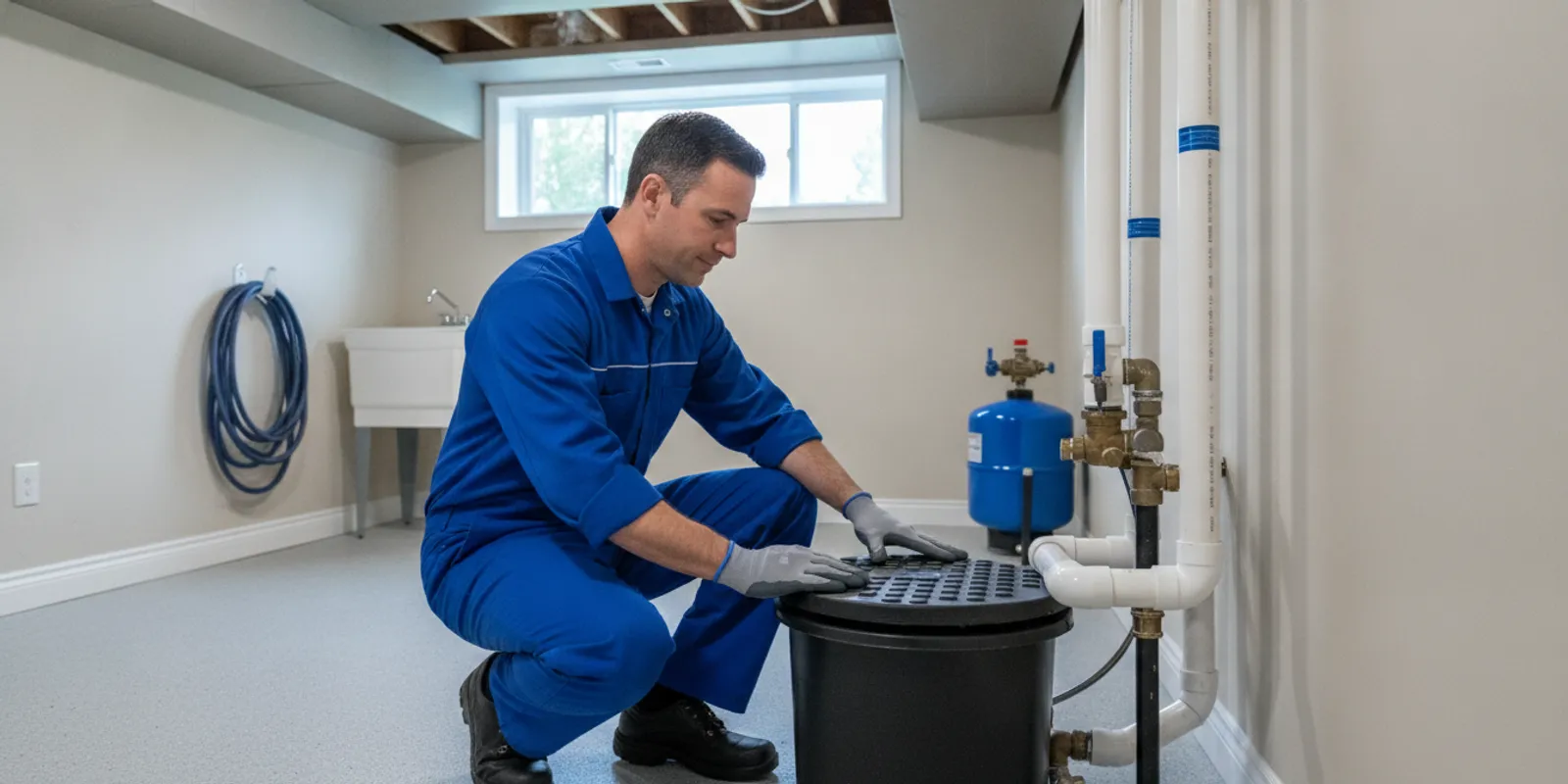
For Allen Park homeowners, a sewer backup can interrupt daily routines and leave important questions: Is the issue inside the home, in the private sewer lateral, or farther along the public system? Knowing what commonly contributes to backups—and arranging the right inspection when warning signs appear—can help you take practical steps before a small concern turns into a larger disruption. This guide explains how to prevent sewer backups in Allen Park through better drain habits, timely professional evaluation, and a clear understanding of your sewer line.
Contact Mr. Pipey to discuss a sewer-line concern
What causes sewer backups in Allen Park homes?
A sewer backup happens when wastewater cannot flow away from a property as it should. The blockage or restriction may be in a home’s drain piping, the private sewer lateral that connects the home to the public sewer, or a shared or municipal sewer section. A symptom inside the home does not, by itself, identify which part of the system is involved.
Common contributors include grease or cooking oil that cools and collects inside pipes, inappropriate items flushed down a toilet, accumulated debris, tree-root intrusion, damaged or offset piping, and a blockage in a downstream sewer. Heavy rain can also put added pressure on some sewer systems, especially where stormwater and sanitary flow interact. The cause varies by property, so recurring symptoms deserve a diagnosis rather than repeated attempts to clear only the nearest fixture.
In Allen Park, as elsewhere in Metro Detroit, it is useful to distinguish a one-fixture drain problem from signs affecting several fixtures or the lowest drains in a home. A slow kitchen sink may be a local branch issue. Multiple slow drains, gurgling at more than one fixture, or wastewater coming up through a basement drain can point to a restriction farther along the system. These clues help a plumber decide where to inspect, but they are not a substitute for a camera evaluation when a sewer-line issue is suspected.
It also helps to understand the route wastewater takes. Water from individual fixtures moves through branch drains into larger building drains and then through the private lateral toward the public sewer. A problem close to one fixture may affect only that fixture. A restriction downstream of several branches may show up in more than one location. The pattern gives useful context, but only an assessment can establish the cause and location with confidence.
How can daily drain habits help prevent sewer backups?
Good drain habits reduce avoidable obstructions. They cannot correct a cracked pipe or prevent every municipal sewer event, but they can limit the amount of material entering the home’s plumbing system. Keep the following practices consistent:
- Keep grease and cooking oil out of drains. Let it cool, then dispose of it in the trash according to local waste guidance. The City of Los Altos specifically advises residents not to pour cooking oils or grease into household or outdoor drains in its sewer-backup prevention guidance.
- Flush only toilet paper and human waste. Wipes, paper towels, hygiene products, diapers, and other household materials can obstruct piping even when a package describes an item as flushable.
- Use sink strainers where practical. Keep food scraps, coffee grounds, hair, and other solids from entering drains. A strainer does not replace professional cleaning, but it helps control what goes down.
- Do not use a toilet or sink as a disposal route. Paint, solvents, medications, and other chemicals require appropriate disposal rather than flushing. Follow the relevant product label and local disposal instructions.
- Pay attention to recurring slow drains. If the same line repeatedly slows or more than one fixture is affected, arrange an assessment instead of relying on repeated temporary clearing.
These actions are simple prevention, not a promise that a sewer will never back up. A line with root intrusion, a break, a belly, or a significant buildup can continue to cause trouble even when a household follows careful disposal practices. For repeated clogs, a plumber may recommend a camera inspection or professional cleaning based on what the line shows. Learn more about professional sewer and drain services or drain repair options when symptoms persist.
Household habits are most effective when everyone follows the same basic rules. A brief reminder near the kitchen sink or bathroom can help guests and family members understand that wipes, hygiene products, grease, and food scraps belong in the appropriate waste stream, not in a drain. If a property has tenants or multiple occupants, include these guidelines in routine home-care information. This small step can reduce preventable material entering the system, although it cannot address a defect already present in the pipe.
Which warning signs should Allen Park homeowners watch for?
Not every slow drain means the main sewer is blocked. The pattern, frequency, and location of symptoms are more useful than one isolated event. Contact a plumbing professional for evaluation when you notice:
- Several fixtures draining slowly at the same time. Multiple affected fixtures can indicate a restriction in a shared drain or sewer line rather than a single fixture trap.
- Gurgling or bubbling from another drain when water runs. This may reflect air displacement or restricted flow in connected piping and should be considered alongside other symptoms.
- Water or waste appearing at a low drain. A basement floor drain or other low fixture can reveal a downstream issue when wastewater cannot move away freely.
- A recurring backup after clearing. If a clog returns soon after service, the underlying cause may remain in the line and may need further inspection.
- Changes around a sewer cleanout or unusually persistent sewer odors. These observations can help a plumber understand the concern, but do not open or handle a cleanout if wastewater is present.
If wastewater is actively entering the home, stop using water in the affected area and keep people and pets away from contaminated water. Avoid direct contact and arrange professional help. For a non-emergency but recurring drain concern, review emergency plumbing support or call to discuss what you are seeing.
When you contact a professional, a short, factual description is more useful than guessing at the source. Note which fixtures are affected, whether the issue occurs while using a particular fixture, when it began, and whether it has happened before. If the condition changes, such as a second drain becoming affected, share that update. This information can help the plumber understand the pattern and decide whether a localized drain assessment or a broader sewer-line evaluation is appropriate.

How does a professional sewer inspection help prevent repeat backups?
Prevention works best when it addresses the reason a line is restricting, not just the immediate symptom. A professional assessment can start with the home’s symptom history: which fixtures are affected, when the problem occurs, whether it has returned after previous service, and where the lowest drain is located. That context helps narrow down the next diagnostic step.
A sewer camera inspection can show the interior condition of an accessible section of pipe. Depending on the findings, the plumber may identify buildup, root intrusion, a damaged or misaligned section, or another obstruction. A camera does not guarantee that every hidden or inaccessible part of the system is visible, and the best inspection approach depends on the property’s layout and access points. The purpose is to get evidence that can guide an appropriate recommendation.
If accumulated material is the issue, professional drain cleaning may restore flow. If roots, pipe damage, or a structural defect are found, cleaning alone may not provide a lasting answer; repair or replacement may need to be discussed. For lines that can be addressed without open excavation, suitability depends on the pipe’s material, condition, location, and repair needs. Compare appropriate options only after the line has been evaluated. Mr. Pipey’s resources explain what a sewer camera inspection involves and professional HydroScrub drain jetting.
A useful service conversation should connect each recommendation to the observed condition. Ask what the inspection found, which section is affected, whether the proposed work is intended to clear a blockage or correct a damaged line, and what conditions could cause the symptom to return. A clear diagnosis can help a homeowner compare options and plan the next step without assuming that every backup requires the same repair.
For example, if a single sink has slowed while all other fixtures drain normally, the plumber may first focus on that fixture’s branch. If several fixtures slow together or a low drain backs up, the assessment may need to follow the shared drainage path toward the lateral. If a camera shows a visible defect, the discussion can shift from clearing symptoms to addressing the pipe condition. Each situation calls for evidence and a solution matched to the finding; the same service should not be assumed necessary for every home.
Which sewer-backup prevention options address different problems?
There is no single prevention measure for every property. The table below compares common approaches by the problem they address and their limits. A plumber can help determine which option fits the symptoms and inspection findings.
| Approach | Best suited to | What it can do | Important limit |
|---|---|---|---|
| Careful disposal habits | Reducing avoidable grease and solid waste in drains | Limits common sources of household clogs | Does not repair damaged piping or prevent every sewer-system backup |
| Professional drain cleaning | Accumulated debris or a removable obstruction | Can clear material that is restricting flow | May not resolve roots, structural defects, or a recurring underlying cause |
| Sewer camera inspection | Recurring, multi-fixture, or unexplained symptoms | Helps locate visible conditions in accessible pipe sections | Findings depend on access and the portion of line inspected |
| Pipe repair or replacement | Confirmed damage or a persistent structural problem | Addresses a defective section based on the diagnosis | Scope and method depend on pipe condition, location, and project requirements |
| Backwater valve assessment | Properties where a qualified professional identifies a suitable application | A check valve may reduce the potential for sewage to flow back into a home | Suitability, installation, upkeep, and local requirements need professional review |
North Dakota State University Extension notes that many new homes have backflow or backwater check valves in the main sewer line to reduce the potential for sewage backup. That does not mean every existing home should have one installed, or that a valve eliminates all backup risk. A plumber should assess whether a device is appropriate for a particular property and explain maintenance considerations. See the university’s guidance on plugging home drains to prevent sewage backup for context.
Use the comparison as a way to frame questions, not as a substitute for diagnosis. If a restriction is caused by material in an otherwise serviceable line, cleaning may be relevant. If the pipe itself is damaged, a cleaning service may improve flow temporarily without correcting the structural issue. If there is a concern about backflow, a valve assessment is a separate conversation about suitability, installation, maintenance, and applicable requirements. A professional should explain both what an option can address and what it cannot.
How can weather and home use affect sewer-backup prevention?
Some backup concerns appear during periods of heavy rainfall or after an increase in water use, while others develop gradually and recur regardless of weather. Timing can be a helpful clue, but it does not prove the cause. A household should not assume that rain alone is responsible or that an indoor plumbing defect is the only possibility. The connection between rainfall, public sewer capacity, property drainage, and private piping can differ from one situation to another.
When symptoms follow a particular pattern, record the timing and what was happening at the property. For instance, note whether multiple fixtures were used shortly before the symptom, whether the issue began during or after a storm, and whether the same pattern has occurred before. Share these observations with the plumber. They can help determine whether the assessment should focus on a local branch, the building drain, the private lateral, or a possible public-system concern.
Homeowners can also consider how routine changes affect the amount of wastewater entering the system. Hosting guests, laundry, or several showers close together can make an existing restriction more noticeable, but ordinary household use should not be treated as the root cause without evidence. If a home repeatedly shows symptoms under normal use, that is a reason to investigate the drainage path rather than simply changing daily routines indefinitely.
Where inspection findings suggest that a public sewer may be involved, contact the relevant local authority or utility for guidance. Do not make assumptions about responsibility based only on where water appears inside the home or on a property’s boundary. The location and applicable local rules matter.
What should you ask before scheduling sewer-line work?
Before approving a cleaning, repair, or replacement, request a practical explanation of the diagnosis and the work being proposed. Helpful questions include:
- Which fixtures or pipe sections appear to be involved, and what evidence supports that conclusion?
- Will a camera inspection help confirm the condition before or after cleaning?
- Is the recommendation intended to restore flow, remove a recurring obstruction, or repair a damaged pipe?
- What access points and work areas are expected to be involved?
- Are there relevant local requirements or utility responsibilities to confirm before work begins?
- What follow-up or maintenance is appropriate after the work is complete?
Sewer responsibility can depend on the location of the problem and applicable local rules. Do not assume that a backup originating near a property boundary is automatically the homeowner’s or municipality’s responsibility. Ask the plumber to identify the affected section as clearly as possible, and contact the appropriate local authority or utility when the findings suggest a public-system concern.
It is reasonable to ask for the recommendation in plain terms: what was observed, what the proposed work is expected to change, and what uncertainty remains. If there are multiple options, ask how they differ in scope and what condition makes one more appropriate. This keeps the decision tied to the pipe’s actual condition rather than to a general claim that every sewer line needs the same treatment. Before work begins, confirm the proposed work area and how the completed service will be explained or documented.
For repair needs, a professional can explain whether a targeted repair, replacement, or another method is appropriate. Explore what homeowners should consider when evaluating sewer replacement and the sewer repair process for local homes as you prepare questions. These resources provide general information; the right scope for an Allen Park property depends on its inspection results.

How can Allen Park homeowners make a practical prevention plan?
A simple plan combines good disposal habits with attention to patterns and timely follow-up. Start with the following steps:
- Keep inappropriate materials out of drains. Dispose of grease and household waste through suitable waste channels instead of flushing or washing them into pipes.
- Record repeat symptoms. Note which fixtures are involved, when the issue happens, and whether it follows heavy water use or returns after a service visit.
- Get recurring or multi-fixture symptoms assessed. A professional can determine whether the concern is local to a fixture or may involve the main drain or sewer lateral.
- Base repair decisions on findings. Ask what was observed and how the recommended service addresses the cause, rather than treating a temporary improvement as proof that the underlying issue is gone.
- Confirm responsibility and local requirements when needed. If inspection suggests a public sewer concern or a boundary issue, check with the relevant authority rather than making assumptions.
This approach is especially useful for homes with a history of recurring clogs or previous sewer work. It also helps a plumber distinguish an isolated drain problem from a pattern that deserves a closer look. For related home plumbing issues, you can also review basement drain service information and a homeowner’s overview of sewer repair.
A simple record can make follow-up more useful. Keep the dates of prior service, the reported symptoms, the section of the system discussed, and any recommendations that were made. If the same sign returns, you will be able to explain whether it is an exact repeat or a new pattern. This history can help a plumber evaluate whether the earlier service addressed the cause or whether more investigation is warranted.
Prevention is a combination of routine habits and knowing when to request professional input. It does not require a homeowner to diagnose the sewer line or select equipment. If symptoms are recurring, multi-fixture, or involve wastewater at a low drain, a professional assessment is a practical next step. A clear record of what happened and when makes that conversation more productive.
Request a professional sewer-line assessment
Frequently Asked Questions
Does a slow drain always mean the sewer line is blocked?
No. A single slow fixture may have a localized obstruction. Multiple fixtures slowing together, repeated clogs, or wastewater at a low drain can justify checking for a restriction farther downstream.
Can a backwater valve prevent every sewer backup?
No. A backwater valve may reduce the potential for sewage to flow back into a home in an appropriate installation, but it does not prevent every cause of backup. A professional should evaluate suitability and local requirements.
Should I flush wipes labeled as flushable?
It is safer for household drains to flush only toilet paper and human waste. Wipes and other products can contribute to obstructions even when marketed as flushable.
How often should a sewer line be professionally inspected?
There is no single schedule that fits every home. Inspection timing depends on the pipe’s age and condition, prior problems, and observed symptoms. Ask a plumber for a recommendation based on the property’s history and findings.
Who should I contact if I suspect the public sewer is involved?
Arrange a plumbing assessment to help identify the affected section, then contact the relevant local authority or utility if findings point toward the public system. Responsibility depends on location and applicable local rules.
Contact Mr. Pipey to plan a sewer-line assessment
Consistent drain habits, attention to recurring symptoms, and a diagnosis based on the condition of the line give Allen Park homeowners a practical way to reduce preventable sewer problems and choose the right next step.