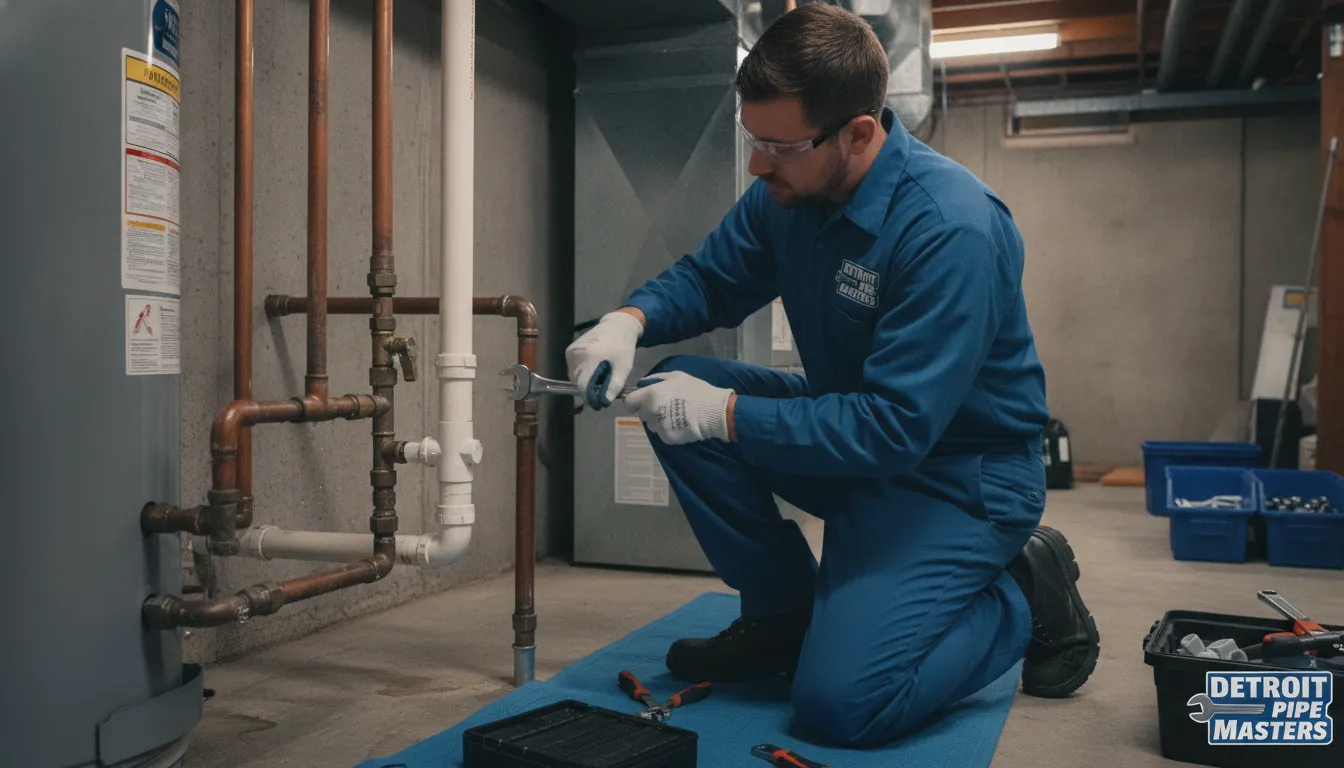


Slow drains and sewage smells are more than just a nuisance for Metro Detroit homeowners. These common plumbing problems often show that invasive tree roots are growing inside your underground sewer system.
Schedule a professional sewer inspection today. Call Mr. Pipey at (313) 900-0700 for expert diagnosis and root removal.
Tree roots in sewer line growth is a common problem for homeowners with older clay or cast iron pipes. Roots enter through small cracks or loose joints while searching for the moisture and nutrients inside your waste system. Once inside, they grow into thick mats that trap debris and cause total blockages or sewage backups. According to Mr. Pipey, root entry is a leading cause of sewer failure in home systems across Metro Detroit. Ignoring these signs can lead to collapsed pipes and expensive yard digging that costs thousands of dollars to repair. Regular camera inspections are the best way to find and remove these roots before they cause lasting damage.
Protecting your home from damage starts with knowing how these invaders behave once they get inside your pipes. You must understand the risks to your property before you can choose a repair. The first step toward saving your sewer line is understanding Why Are Tree Roots in Sewer Lines a Serious Problem? and that process begins with
Why Are Tree Roots in Sewer Lines a Serious Problem?
Tree roots are a top cause of sewer line issues for older homes. They can lead to full blocks and weaken the structure of your pipes. If you ignore the signs of tree root intrusion warning signs, you may face large repair bills later. Fixing these roots is a key part of keeping a safe home.
Roots seek water and food
Roots from trees always look for water and food to grow. The sewer lines in your yard are a top source for both. Even a tiny crack in a pipe lets out moist air that draws roots near. Once they find the leak, they grow into the pipe and expand. This process is a primary cause of sewer line blockages and damage in old systems.
Pipes break and leak waste
As roots grow, they put a lot of force on pipe walls. This force can snap clay or iron pipes that are already weak. When a pipe breaks, it leads to waste leaks in your yard. These leaks threaten the land and your health. Prevention and rehabilitation work is vital to keep these pipes safe and stop failures.
Health and home safety
A sewer line that fails can back up into your house. This brings raw waste and germs into your home. It creates a big health risk for your family and your neighbors. Regular checks can find common causes like tree roots before they become a crisis. Keeping your sewer lines clear is the best way to avoid these risks.
Which Sewer Pipe Materials Are Most Vulnerable to Tree Roots?
If you live in an older Metro Detroit home, your sewer pipes may be at high risk. Tree roots in sewer line systems are common in houses built before the late 1970s. During this time, builders often used materials that do not stand up well to thirsty roots. Knowing what your pipes are made of can help you find a professional sewer line repair plan before a total backup happens.
The weakness of clay and cast iron pipes
Older pipes like clay and cast iron are very weak against root growth. Most homes built until the late 1970s used these materials for their main waste lines. As these pipes age, they develop small cracks or gaps at the joints. Tree roots sense the moisture and nutrients leaking out and grow toward the source. Once a root finds a tiny crack, it forces its way inside and grows larger, which causes the pipe to break. Research shows that regular sewer work is needed to stop leaks and keep the public safe from waste spills.
How joints and cracks invite roots
The way older pipes were put together creates a big problem for homeowners. Clay pipes were often laid in short sections with many joints. These joints were sealed with materials that dry out and shrink over time. This leaves a path for roots to enter the line easily. Cast iron pipes are also prone to root intrusion as they rust and thin out. Mr. Pipey experts often see tree root intrusion warning signs in these older systems. Our team offers free estimates for major repairs to help you deal with these issues without stress.
Modern plastic pipes offer better protection
Modern plastic pipes are much better at keeping roots out. Materials like PVC have fewer joints and are sealed much tighter than old clay or iron. Because the surface is smooth and the seals are strong, roots have a hard time finding a way in. If your home has old pipes, you do not have to dig up your whole yard to fix them. We use new methods like trenchless sewer repair to fix aging lines without making a mess. Mr. Pipey serves Metro Detroit with no overtime charges, so you get the same fair rate at any time of day or night.
How Do I Know If Tree Roots Are in My Sewer Line?
Most tree roots in sewer line issues start small but grow into big plumbing blocks. Roots naturally seek out moisture and food inside your pipes. When they find a tiny crack or a loose joint, they enter the line and grow into a thick mass. If you own an old home in the Detroit area, watch for these early signs to avoid a full backup.
Check for slow drains
If your sinks or tubs drain slow, it might be more than a hair clog. Root masses act like a net that catches grease and waste. This makes the flow of water sluggish over time. You might notice that cleaners do not fix the problem because the roots are still there. If many drains in your home are slow at once, the issue is likely in your main sewer line.
Listen to your toilets
A gurgling sound from your toilet when you flush or run a sink is a common red flag. This noise happens when air bubbles get trapped by a block in the line. As water tries to move past the roots, it forces air back through the pipes. If you hear these strange sounds, you may need a sewer camera inspection to see what is under the ground. Catching roots early can prevent the need for a full sewer line repair and replacement later.
Look at your yard
Invasive tree species like the live oak and crape myrtle have strong root systems that can pierce pipes. Look for patches of grass that are much greener or taller than the rest of your lawn. These lush spots often mean a pipe is leaking water and food that feed the grass. In some cases, you might even see soggy or sunken areas in the dirt where the ground has settled due to a leak. Per research on sewer systems, finding these leaks is vital to stop damage to your home and protect public health.
Steps to spot a root problem
If you think roots are in your sewer, follow these steps to check your system:
- Check all drains: Test every sink, tub, and toilet to see if the slow drainage is in one room or the whole house.
- Listen for air: Pay close attention to gurgling or bubbling noises from your pipes when water is running.
- Scan the lawn: Walk your yard to find soggy dirt or bright green grass near your buried sewer lines.
- Monitor for smells: Take note of any foul sewer odors inside your home or near your outdoor cleanout pipe.
- Find nearby trees: Look for large trees or shrubs planted close to your sewer path that might have deep roots.
Diagnosing the Invasion: The Power of Sewer Camera Inspection
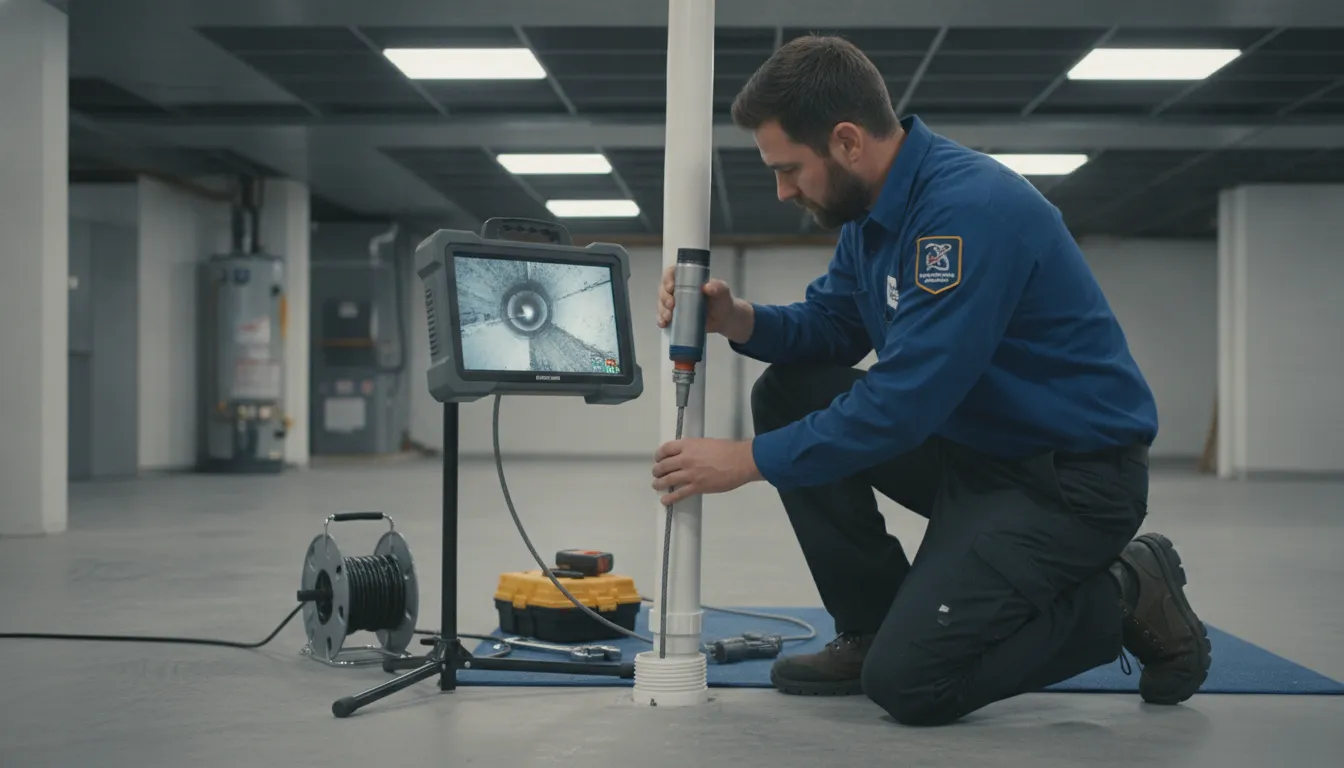
Finding tree roots in sewer line pipes used to mean digging up the whole yard. This was a slow and messy job for local owners. Now, we use high-tech tools to find the exact spot where roots have broken in. A sewer camera inspection lets our team see deep inside your pipes without any digging. This clear view helps us find small cracks before they turn into major sewer line breaks.
How Waterproof Cameras Work
Our experts guide a small, waterproof camera into the sewer line. The camera sends a live video feed to a screen on the ground. We can see root masses, clogs, and pipe damage in real time. This tool removes the guesswork from sewer repair. Since roots are a main cause of blocks in older Detroit homes, seeing the problem first is vital. Precise views let us pick the best way to fix the issue right away.
Clearing Clogs With Root Cutting Heads
Some sewer cameras come with special root-cutting heads. These tools can check and clear clogs at the same time. The sharp blades cut through thick root mats while the camera tracks the work. This method ensures that we remove the whole mass. After the cut, we can use chemical root control to stop roots from growing back soon. This two-step way keeps your drains clear for a much longer time.
Why Precise Diagnosis Matters
Guessing where a clog is can lead to wasted time and money. A camera shows us the exact state of your pipes. We can tell if you have a simple root mass or a broken pipe wall. Knowing the truth helps us save your yard and your budget. At Mr. Pipey, we give free estimates for major work and never charge for overtime. Our 100% satisfaction guarantee means we will not rest until your sewer line flows well again.
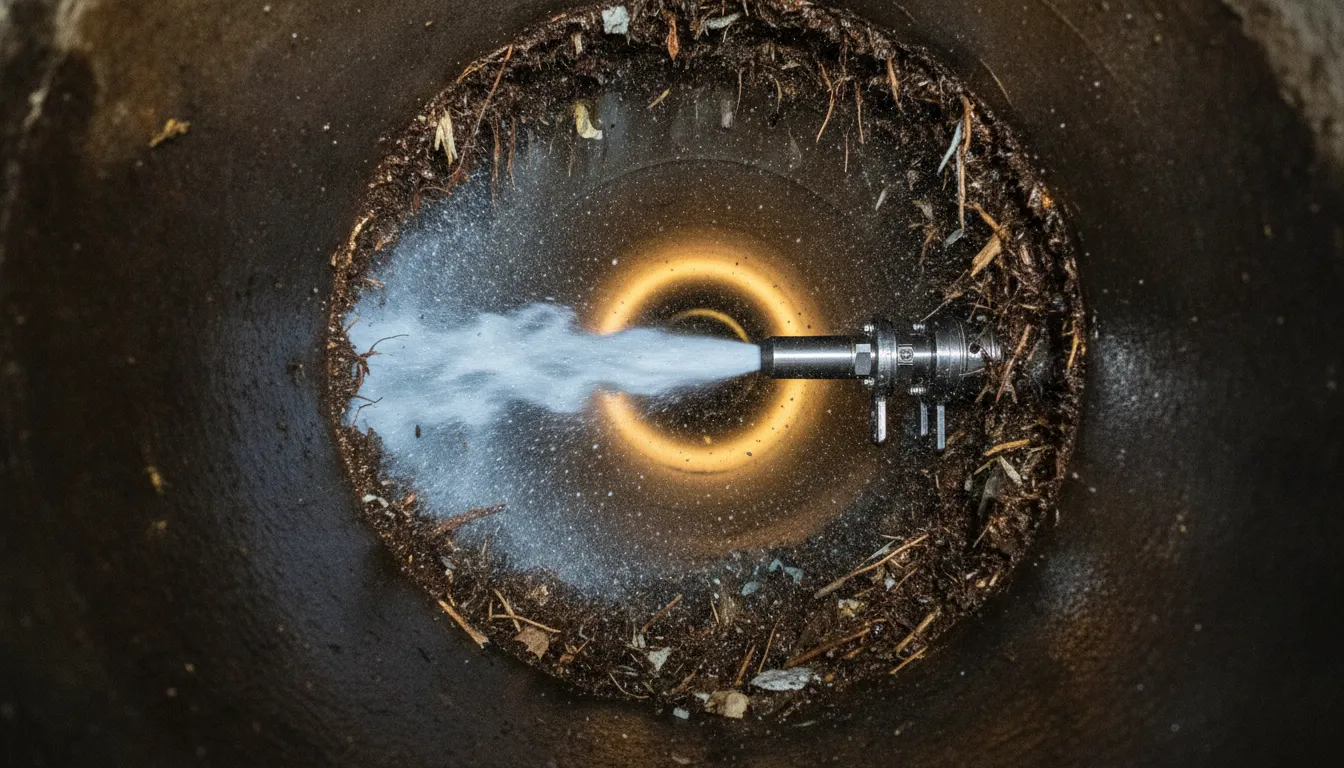
Mechanical Cutting vs. HydroScrub Drain Jetting for Sewer Lines
When you have a tree roots in sewer line problem, you must act fast to stop a full backup. Two main ways exist to clear these blocks. You can use a mechanical root cutter or high-pressure water. Each tool works differently to fix your drain. It is vital to know which method will keep your pipes clear for longer.
Mechanical sewer augers for root removal
Mechanical root removal uses a heavy-duty sewer auger with a sharp cutting blade. This tool spins through the pipe to chop up thick root masses. It is a common way to break through a tough clog. Many plumbers use this as a first step to get water moving again. But this tool has some clear limits that homeowners should know.
The main issue is that a metal blade often leaves root bits behind. These tools may not fill the whole diameter of the pipe. They often leave small roots at the top of the line that can grow back fast. This means your sewer line could clog again in just a few months. Since sewer system leaks can harm public health, leaving roots behind is a risk. You need a full clean to protect your home and yard.
The power of HydroScrub Drain Jetting
For a better clean, many experts now use 4000 PSI HydroScrub Drain Jetting. This system uses high-pressure water to blast away roots and sludge. Unlike a blade, the water reaches every part of the pipe wall. It does not just cut a hole; it scrubs the whole line clean. This makes it much harder for roots to find a place to start growing again.
Jetting is also safer for older pipes in the Detroit area. It does not use harsh chemicals that can eat away at your plumbing. Instead, it relies on pure water pressure to restore flow. This method is highly helpful for removing both roots and the grease that often builds up around them. It gives you a fresh start for your main sewer line.
Comparing drain cleaning methods
Choosing the right tool depends on your goals and the state of your pipes. If you want a quick fix, an auger might work. But if you want to prevent future clogs, water jetting is the best choice. Here is how these two methods compare for home sewer maintenance.
| Feature | Mechanical Cutting | HydroScrub Jetting |
|---|---|---|
| Cleaning Power | Cuts a hole through roots | Blasts all roots and sludge |
| Pipe Coverage | Leaves roots at the top | Cleans all pipe walls |
| Pressure Level | N/A (Mechanical) | Up to 4000 PSI |
| Risk of Regrowth | High (bits stay) | Low (scoured clean) |
| Chemical Use | None | None |
At Mr. Pipey, we offer expert sewer help with No Overtime Charges. Our team can find the exact spot of your tree roots in sewer line and clear them out. We back our work with a 100% satisfaction guarantee. You can get a free estimate for major sewer work to see which path is right for your home.
Get a free estimate today. Call Mr. Pipey at (313) 900-0700 for sewer line repair and root removal.
Repair vs. Trenchless Pipe Relining: Permanent Solutions for Damaged Pipes
When you need sewer line repair and replacement, you have two main choices. You can dig a deep trench to reach the pipe or use modern relining tools. The best path for your home depends on how much damage the roots caused. A pro team will look at the pipe and use camera findings to help you decide. Both ways can fix your sewer, but they work in very different ways.
Traditional sewer repair
Traditional repair involves digging up your yard to find the broken pipe. This path is often best when a pipe has collapsed or moved. It allows plumbers to see the exact state of the line. But this way can be hard on your lawn, driveway, or garden. Many homeowners choose this if the pipe is too far gone for other fixes. It is a solid way to make sure the root problem is gone for good.
Modern trenchless pipe relining
Trenchless pipe relining is a primary way to fix lines without a large mess. This method uses a special liner to create a new pipe inside the old one. It is a great long-term way to fix lines hit by roots while saving your yard and plants. The EPA often suggests trenchless sewer rehab to manage old pipes and stop future issues. Most people like this path because it is fast and keeps the yard clean.
Making the right choice
The choice between these two ways depends on what a plumber finds during a trenchless sewer repair check. If the pipe is mostly whole, relining is often the best move. It seals the cracks where roots get in and stops them from coming back. But if the line is crushed, you may need to dig a trench. Both choices offer a strong fix that keeps your home safe and your drains clear for many years.
Frequently Asked Questions
How can I tell if there are tree roots in my sewer line?
The most common signs of a tree roots in sewer line issue include toilets that gurgle and drains that flow slowly. You may also notice very green or soft spots in your yard where the pipe leaks. According to Mr. Pipey, these symptoms often point to a root mass blocking the flow. Getting a sewer camera check can help find the exact spot of the clog before it causes a full backup in your home.
How do professionals remove tree roots from sewer pipes?
Experts often use mechanical augers with sharp blades to cut through thick root masses inside the pipe. Another strong option is hydro jetting, which uses water at up to 4000 PSI to blast away debris. As noted by Mr. Pipey, this high pressure cleaning clears out roots and sludge without using harsh chemicals. These methods restore flow quickly and help prevent the immediate return of the roots in your main line.
Do chemical root killers actually work for sewer lines?
Yes, special foaming chemicals can kill roots and slow down their growth in the future. These products work best as part of a full plan to manage your sewer health. A CDC report notes that foaming agents like metam-sodium are useful for treating roots in pipes. However, these chemicals cannot fix a pipe that is already cracked or broken. You should use them with mechanical cleaning for the best results.
When is it necessary to excavate for sewer root removal?
You may need to dig if the roots have crushed the pipe or caused it to sag deeply. If the line is too weak for cleaning tools, digging it up might be the only way to fix the flow. Often, homeowners can choose trenchless sewer repair to fix damaged pipes without ruining their lawn. This modern approach is a standard way to restore old systems and stop roots from getting back inside the new pipe walls.
Schedule your expert sewer line check today
Ignoring sewer line issues only makes the problem grow faster. Tree roots will not stop searching for water until they fill your pipes and cause a messy backup. If you wait too long, a small crack can turn into a broken line that costs a lot to fix. By acting now, you can clear the blockage before it ruins your pipes or your yard. Our team is ready to help with sewer line repair and replacement when you need it. You will save time and money by fixing the root cause today. We offer 24/7 service with no extra charges for late hours. Our team also gives free quotes for major sewer work in the Metro Detroit area. We work hard to make sure you are happy with our 100% satisfaction guarantee.
Ready to schedule a professional sewer line inspection and repair? Call Mr. Pipey at (313) 900-0700 to set up your expert service today.