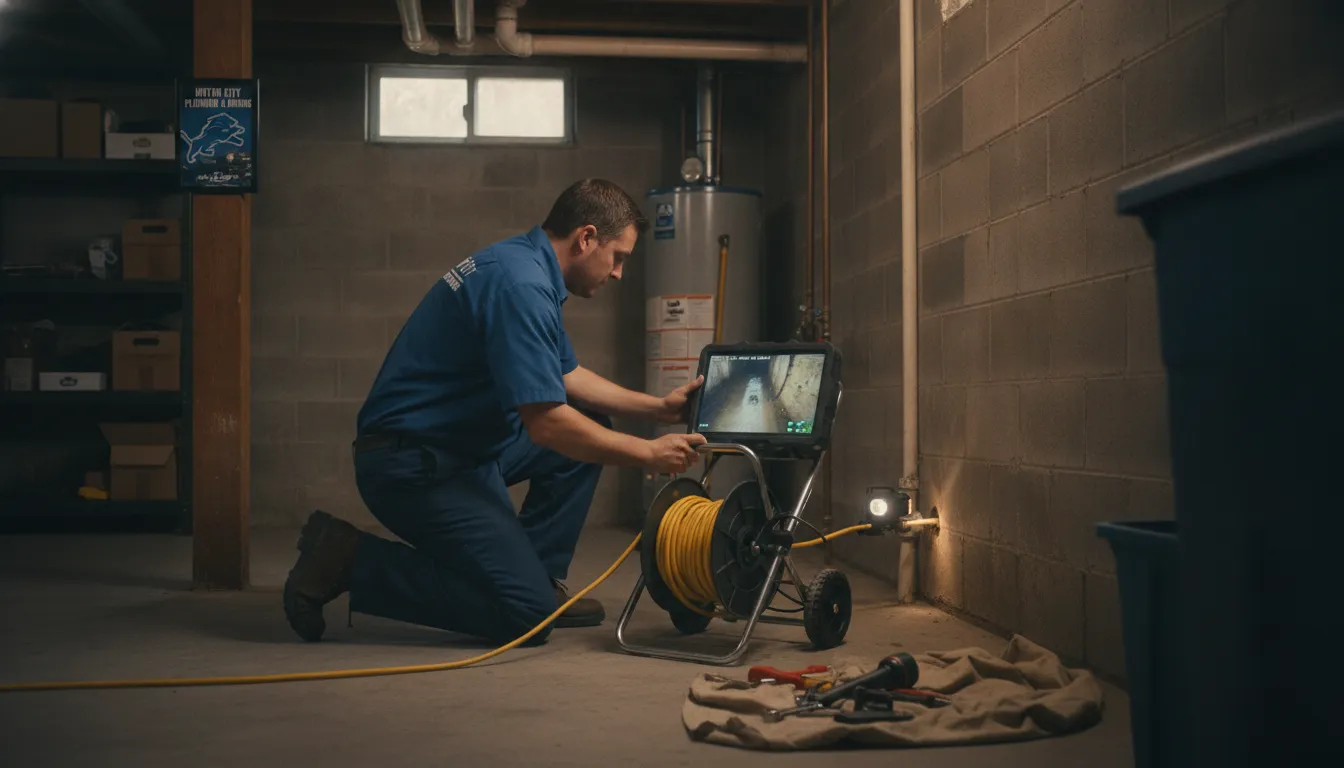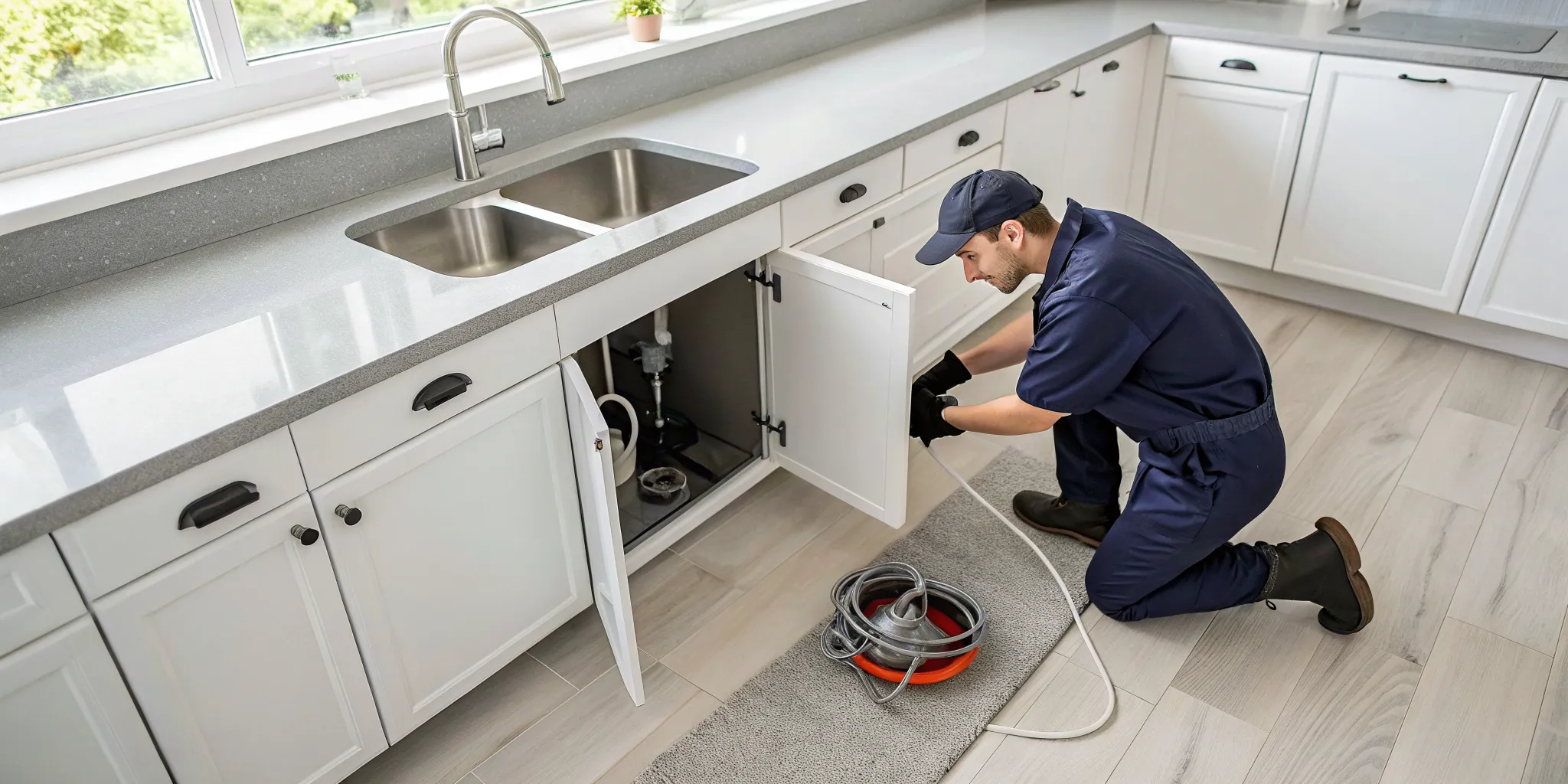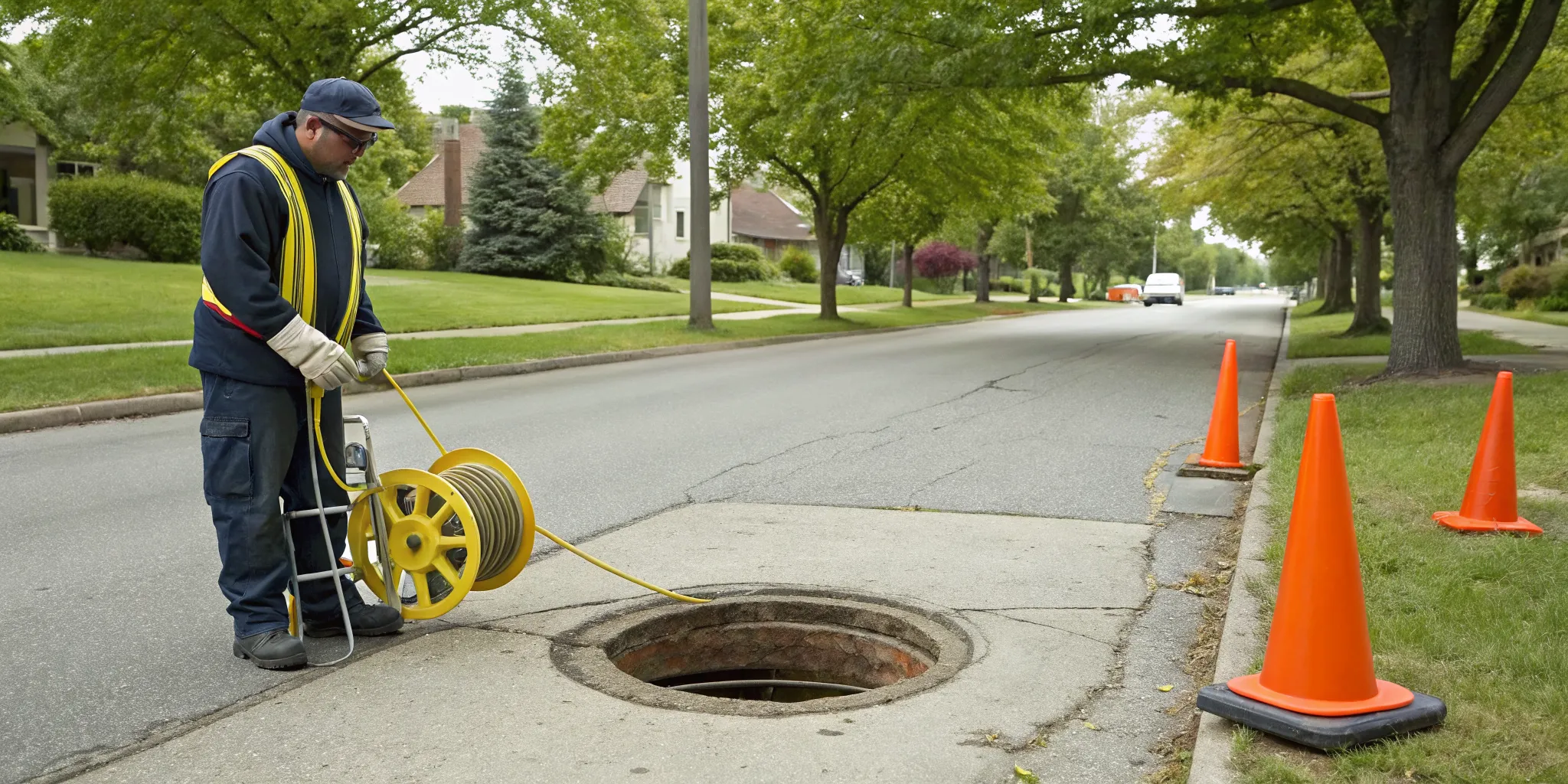


Frozen pipes can burst and flood a home just a few hours after the furnace stops running. This risk is real for Metro Detroit families during a winter blackout. You must take fast action to save your plumbing from the cold.
Prevent frozen pipes during power outage actions must start before the indoor heat levels fall below the freezing point. Start by opening all cabinet doors to let warm air reach pipes near outside walls and set faucets to a slow drip. If the power stays out for hours in deep cold, you may need to shut off the main water valve and drain the system. As noted by the Red Cross, pipes can freeze and burst fast when heat is lost, leading to costly water damage. Draining the lines removes the water that would otherwise expand and crack the pipes. These simple steps protect your Michigan home until the power grid is fixed and your furnace can run again.
Every homeowner should know the real dangers of a winter blackout to respond with the right speed. When freezing air penetrates your home’s walls, still water inside your plumbing can freeze and expand rapidly. Understanding this immediate threat is key to protecting your property before damage occurs.
How to Prevent Frozen Pipes During Power Outage: Understanding the Risks
A power outage in Metro Detroit is more than a small problem during the winter. When the power fails, your home loses its main way to fight the deep cold. Without a furnace to move warm air, the heat inside your walls can drop fast. This lack of heat puts your plumbing at risk as pipes that were once warm become cold. When you need to prevent frozen pipes during power outage events, you must act before the freeze starts.
How ice breaks your pipes
The science of pipe damage is simple but can cause a big mess. Water has a rare trait where it gets bigger as it turns into ice. This growth creates a lot of force inside your metal or plastic pipes. Based on facts from the American Red Cross, this expansion puts huge pressure on the pipe walls. If that force gets too high, the pipe will split open and leak.
Many people think the ice itself breaks the pipe. In many cases, it is actually the water pressure that builds up between the ice and a closed tap. That pressure has nowhere to go, so it pushes against the pipe until it fails. Once the power comes back and the ice melts, water will pour through the break and flood your home. This can cause high costs for repair and cleanup in a very short time.
Cold spots in your home
Not every pipe in your house faces the same risk during a black out. Water lines in unheated spots like your crawl space, attic, or garage are the first to fail. These areas do not have the same heat as your living room and cool down fast when the power is out. Pipes that run along outside walls are also in danger because they are so close to the cold air. Homeowners can learn about insulating pipes in older homes to help protect these zones.
You should also check the pipes under your kitchen and bathroom sinks. Since these pipes are inside closed cabinets against outside walls, they do not get much heat from the room. When the heat is off, the air inside the cabinet can drop to the freezing point even if the rest of the house feels okay. Opening those doors lets the last of the warm air reach the pipes to keep them from turning to ice.
Why you must act fast
You might think you have all day to deal with a cold home, but pipes can freeze in just a few hours. In a Detroit winter, the sub-zero air can move through walls and reach your plumbing quickly. If you wait too long to drip your taps or drain your lines, the damage may already be done. Speed is the key to saving your home from a burst pipe and a soaked basement. Checking your pipes as soon as the lights go out is the best way to stay safe.
If you find a pipe is already frozen, do not wait for it to thaw on its own. It is best to call for professional frozen pipe repair services to check for cracks. A pro can find if the pipe has split before the ice melts and the water starts to flow. Taking this step can stop a small leak from turning into a major flood. Our team stays ready to help Detroit families keep their homes dry and safe during every winter storm.
Dripping Faucets vs. Draining Pipes: Which Method Should You Use?
How the dripping faucet method works
When winter storms hit Metro Detroit, you need a clear plan to protect your home. One common way to keep your plumbing lines from freezing during a winter storm is to let your faucets drip. This simple step keeps water moving through your lines at all times. Even a small trickle of cold water can stop pressure from building up if ice starts to form. Moving water is much harder to freeze than water that sits still in the pipe.
Most pros suggest you start this at a set point. You should drip your faucets when the outside air hits 20 degrees Fahrenheit or lower for a few hours. This is a standard safety rule for homes with exposed pipes. You should focus on faucets that are fed by pipes in outer walls. While this method is very easy to start, it works best for short power outages. If the power stays off for a long time, the heat in your walls will drop. In that case, a small drip might not be enough to stop a pipe from breaking.
The benefits of a full system drain
For a long power loss in extreme cold, you may need a much stronger choice. Draining your plumbing system is a great way to keep your home safe from leaks. This method removes all the water from your lines so there is nothing left to freeze. If the pipes are empty, ice cannot form and expand. Without water, there is no risk of ice growth breaking your metal or plastic lines. Ice growth puts huge pressure on your plumbing that can lead to a flood.
To do this, you must shut off your main water valve first. You can usually find this valve in your basement or near your water meter. Once the main valve is closed, you open all the faucets in the house to let the water run out. This is a key step if you plan to leave your home for a few days. It takes more work than just letting a tap drip, but it offers the most safety. If you are not sure how to find your valve, our emergency plumbing services team can help you get ready.
Choosing the best path for your home
Picking between these two paths depends on how long you think the power will be out. A dripping faucet is good for a short blast of cold. It is fast and you do not need any tools to do it. It works well if the power is likely to come back on within a few hours. But if the heat is gone for days and the indoor air is very cold, you should drain the lines.
Draining is the only way to be 100 percent sure your pipes will stay safe in a deep freeze. It stops the risk of a messy flood when the ice melts later. You should also think about where your pipes are at. Pipes in a crawl space or an unheated attic are at a much higher risk. For those areas, draining the water is often the best move to avoid a burst.
Below is a look at how these two methods compare for local homes.
| Feature. | Dripping Faucet. | Draining Pipes. |
|---|---|---|
| Best Use. | Short power outages. | Long power outages. |
| Protection. | Medium. | Maximum. |
| Ease of Use. | Very Easy. | Moderate. |
| Water Waste. | Small amount. | None. |
| Safety Level. | Good for minor cold. | Best for deep freeze. |
Step-by-Step: How to Keep Pipes From Freezing Without Heat
A power outage in Metro Detroit can turn a cozy home into a cold zone very fast. When your furnace stops, your plumbing becomes vulnerable to the freeze. You must act quickly to protect your water lines from freezing during a blackout. Without active heat, you rely on insulation and air flow to stop water from turning into ice. These steps will help you protect your home until the lights come back on.
Protect your lines with insulation
The first step is to wrap any exposed pipes in unheated areas. Focus on lines in your crawl space, attic, or basement. You can use foam sleeves or even wrap them in layers of old newspaper. According to the American Red Cross, even a thin layer of paper can provide a bit of protection for your plumbing. For a more lasting fix, we highly recommend professional pipe insulation services to permanently safeguard your plumbing against freezing temperatures.
Keep the warm air moving
You need to let what little heat is left in your home reach the pipes. Open all your kitchen and bathroom cabinet doors to help warm air reach the pipes against outside walls. If you have a garage with water lines, keep the big door shut to trap the heat inside. These simple moves keep the air around your pipes just warm enough to stop ice from forming. Moving air is one of your best tools when the power is out.
Sequence for pipe safety
Follow these steps to keep your water lines safe. Each move adds a layer of protection to your home. Doing all of them will give you the best chance to avoid a burst pipe.
-
Open cabinet doors. Swing open the doors under your sinks. This lets the warm air from your rooms reach the pipes that sit against cold exterior walls. It is a simple way to use the heat you already have.
-
Close the garage door. If your garage has water supply lines, keep the door shut. This keeps the cold wind out and helps the space stay a few degrees warmer than the air outside.
-
Let your faucets drip. Turn on your faucets to a very slow drip. Moving water is much harder to freeze than still water. Focus on faucets that are fed by pipes running through cold or unheated spots.
-
Wrap exposed pipes. Use foam pipe sleeves or heat tape on any lines you can see. If you do not have those, use towels or layers of paper. Any barrier helps keep the heat in and the cold out.
-
Shut off the main valve if needed. If the house gets too cold, you may need to turn off the main water valve. Drain the lines by opening all the taps. This removes the water so there is nothing left to freeze or burst.
Manage your water flow
Letting your faucets drip is a key part of your plan. You do not need a lot of water to flow. Just a small trickle can stop a pipe from bursting. This works because moving water does not freeze as easily as water that stays still. Start this as soon as the house starts to get cold. It is a cheap and easy way to save your pipes from a big mess.
If you find a pipe that has already frozen, do not wait for it to burst. You need to act fast to thaw it safely. If you feel like you are in over your head, reach out for help. Our team provides emergency plumbing services across the Detroit area. We can help you fix the issue before it turns into a flood. Stay safe and keep an eye on your pipes until your power is restored.
When and How to Shut Off the Main Water Supply
A power outage in the cold of a Detroit winter puts your home at risk. If you lose heat and the house gets cold, you must act fast to protect your pipes. Draining your lines is the best way to protect your plumbing system from freezing and bursting during a prolonged blackout. This step removes the water that could expand and crack your lines if the house gets too cold.
When to shut off the water
You should make the call to shut off your water if you think the power will stay out for a long time. If your indoor heat falls below 45 degrees, your pipes are in danger. This is mostly true for lines in unheated spots like your basement or crawl space. By shutting off the main valve and clearing the lines, you stop water from sitting in place and freezing. This simple task can save you from the cost of professional frozen pipe repair services later on.
You must also drain the system if you plan to leave your home during the outage. Empty pipes cannot burst. The American Red Cross says that water grows as it freezes. This puts huge pressure on both metal and plastic pipes. Draining the system removes that pressure. It is a vital part of a pipe burst emergency guide for any Metro Detroit homeowner.
Finding the main valve
Most homes in the Detroit area have a main shut off valve near the water meter. Look for it in your basement or a utility room near the front of the house. The valve is often a round handle or a lever. Turn the round handle to the right until it stops. If it is a lever, pull it until it is at a right angle to the pipe. This stops new water from coming into your home. If the valve is stuck or hard to move, do not force it. In that case, call for help from a local team like Mr. Pipey Plumbing.
How to drain the plumbing system
Once the main valve is closed, you must get the rest of the water out of the pipes. Follow these steps to clear the lines:
- Go to the top floor in your house and open all the faucets. This lets air into the system so the water can flow out.
- Go to the lowest point in your home, like a basement sink or a floor drain, and open those faucets.
- Flush every toilet in the house to empty the tanks and bowls.
- Leave the faucets open until the water stops flowing.
Leaving the faucets open is key. Even if a small bit of water stays in the line, the open tap gives it room to grow without breaking the pipe. This is a sure way to keep your home safe during a cold snap. If you have trouble or if a pipe has already frozen, you may need immediate steps for burst pipe repair to stop water damage once the power comes back.
Turning the water back on
When the power comes back and the house is warm again, you can turn the water back on. First, go through the house and close every faucet you opened. Then, go back to the main valve and turn it on very slowly. This stops a sudden surge of pressure that could stress your pipes. Once the main valve is open, go to each faucet and turn it on to let the air out of the lines. You may see some sputtering at first. If you see any leaks or wet spots on your walls or ceilings, call a plumber right away to check for damage.
Suspected Freezing: What to Do If Your Pipes Freeze
How to find a frozen pipe
In a Detroit winter, even the best precautions might not stop a deep freeze. If you turn on a tap and only a few drops come out, you likely have a freeze. Check your faucets one by one to see which ones still work. Pipes near your outer walls are at high risk. You may see frost on the outside of a pipe, which is a clear sign the water inside has turned to ice.
Look for pipes that seem to bulge or feel ice cold. Water takes up more space as it freezes, which puts huge pressure on metal and plastic lines. If you find frost or a cold spot, act fast. Check your crawl space, attic, and garage for these signs. Finding the ice early is key to fixing the problem before a burst occurs.
Safe ways to thaw your pipes
Once you find the freeze, try to thaw the pipe with safe heat while keeping the faucet open. This allows water to flow out as the ice melts, which clears the line. Start the heat near the faucet and move toward the frozen area. Use a hair dryer or a small space heater to warm the pipe slowly. You can also wrap the area in towels soaked in hot water.
Never leave a heater on without someone in the room. Avoid using any heat source with a damaged cord. If you use a hair dryer, keep it moving so you do not get one spot too hot. For pipes that are hard to reach, use heat tape to warm the area. The goal is to melt the ice without making the pipe too hot too fast, as fast heat can cause a crack.
Dangerous methods to avoid
Never use a blowtorch or any open flame to thaw a pipe. A torch can heat the water inside so fast that it turns to steam. This steam builds up pressure and can cause the pipe to blow apart. Open flames also pose a huge fire risk to your home, mostly in tight crawl spaces. Using a flame can also melt plastic pipes or damage metal seals.
Avoid using charcoal stoves or propane heaters inside your home. These tools can release carbon monoxide, which is a deadly gas you cannot see or smell. Stick to safe electric tools or warm water to solve the issue. If you cannot reach the pipe safely, stop and call for help. Taking a risk with fire is never worth the cost of a plumbing fix.
When to call a professional
If you see a crack in the pipe or a leak, shut off the main water valve right away. A split pipe will flood your home as soon as the ice melts. In these cases, you need professional frozen pipe repair services to fix the damaged section. Licensed plumbers have the right tools to stop the leak and check for other weak spots.
Sometimes you might not be able to find where the freeze is. If you have no water but see no frost, the ice could be deep in a wall. You should take immediate steps for burst pipe repair if you hear water running behind your walls. Mr. Pipey Plumbing offers help all day and night in Metro Detroit with no extra fees. We find the freeze fast to protect your home.
Frequently Asked Questions
How do I prevent frozen pipes during power outage?
In very cold weather, your pipes can freeze and burst in just a few hours if your home loses its heat source. This risk is much higher in Detroit when it is far below freezing. Ting says that the lack of warm air flow causes water inside the lines to cool fast. Keeping a close watch on the heat inside your home is the best way to know when to act.
What temperature should I start dripping my faucets?
You should start dripping your faucets when the outside temperature hits 20 degrees or lower. This small flow of water keeps the liquid moving. It also lowers the pressure that builds up if ice starts to form. The Red Cross says to focus on faucets with pipes in outer walls or cold areas. This easy step is a great way to avoid a big plumbing bill later.
Does opening cabinet doors help prevent frozen pipes?
Yes, opening your kitchen and bathroom cabinet doors helps protect your pipes. This lets the warm air in your house reach the pipes behind the wood. When the power is out, every bit of heat helps pipes that sit against cold outer walls. The Red Cross says this is a key step for any home in a cold place like Detroit. It is a fast way to add more safety.
Why should I drain my plumbing system if the power is out?
Draining your whole plumbing system is a top way to prevent damage if the power will be out for a long time. It removes the water that would freeze, grow, and break the pipes. Ting says that this is the best way to keep your home safe during a deep freeze. If you are not sure how to drain your pipes, you can call for expert help to avoid errors.
Prevent Frozen Pipes During a Power Outage: Contact Mr. Pipey
Waiting to fix your pipes during a deep freeze can lead to a burst line and large water damage in your home. These leaks often cost many dollars to clean up and can leave your home without any water for days. It is much better to act fast and keep your lines safe now than to deal with a cold, wet basement later. We offer 24/7 emergency plumbing services with no extra fees for night or weekend work. Our team works at all hours to keep your Detroit home safe from the winter chill. Book your check-up now to avoid the stress of a plumbing emergency when the power is out.
Ready to schedule? Call (313) 896-8874 to schedule emergency repair or diagnostic plumbing help from Mr. Pipey.