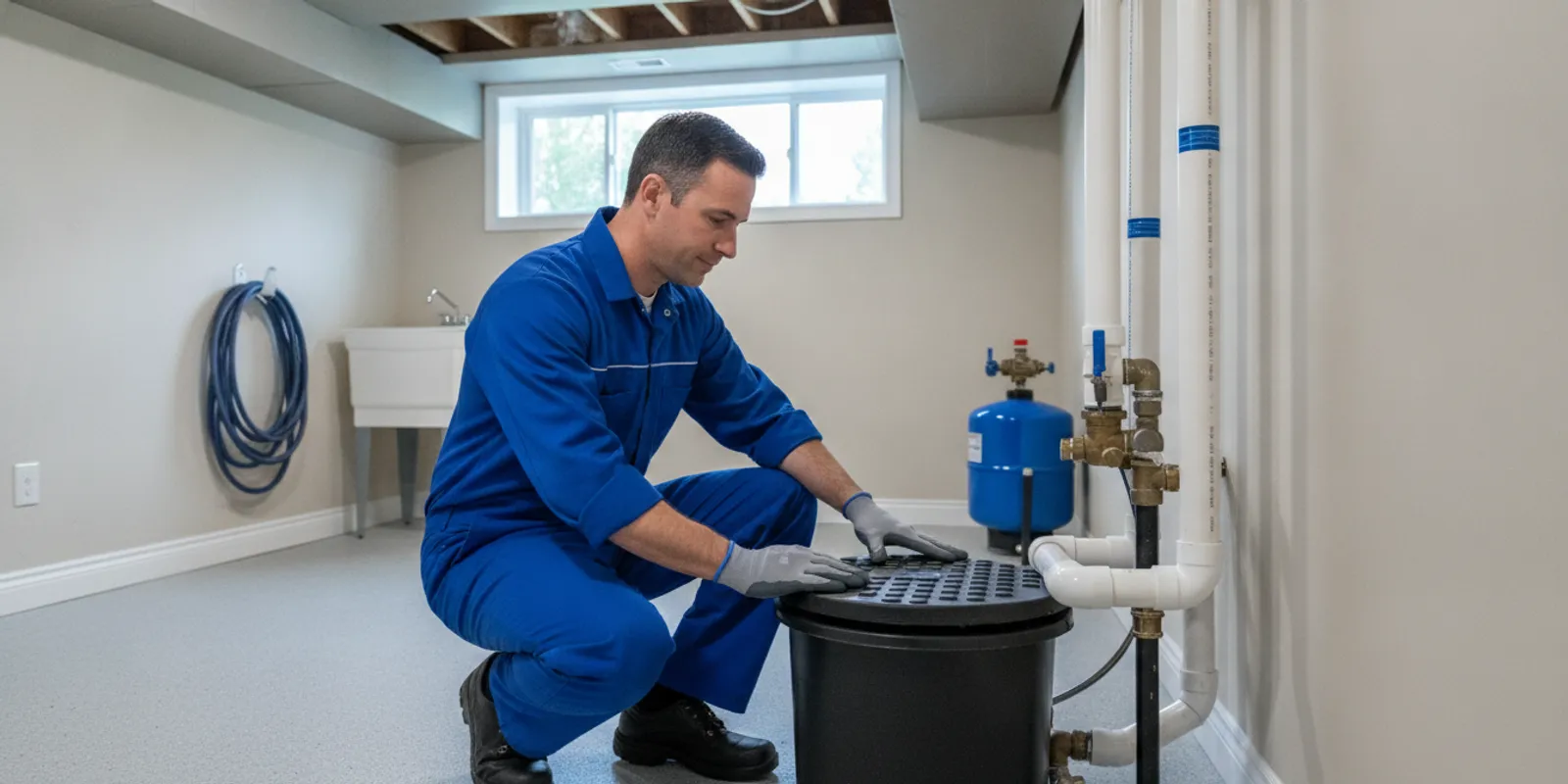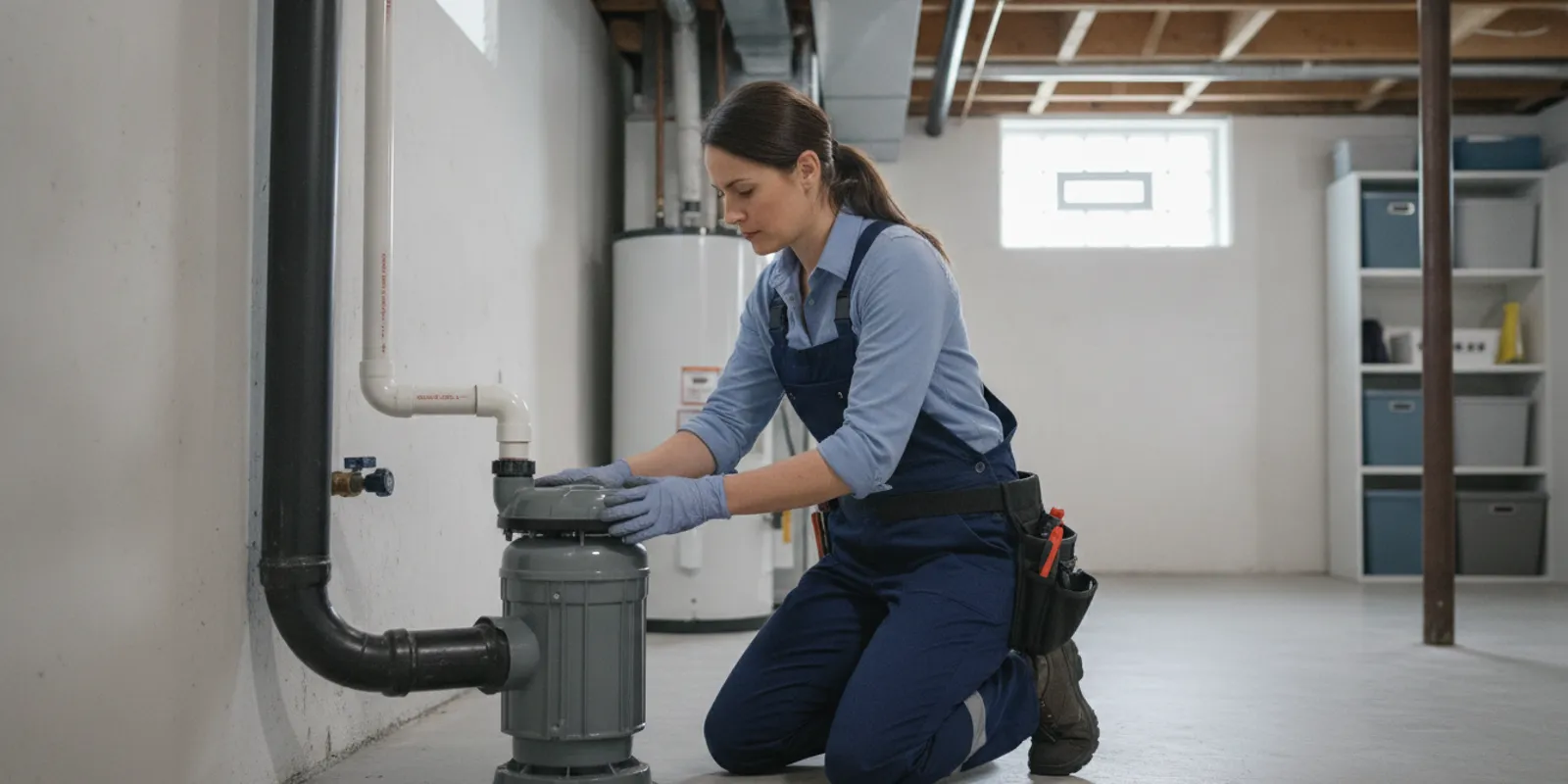
For Rochester Hills homeowners, a sump pump often stays out of sight until its operation changes. If you are wondering how long do sump pumps last in Rochester Hills, the useful answer is that service life varies with workload, equipment condition, installation, and maintenance. Rather than relying on age alone, review the pump’s history and current performance with a plumbing professional so you can plan the next step without rushing.
Request a professional sump pump evaluation
How long do sump pumps last in Rochester Hills homes?
There is no single expiration date that applies to every sump pump. A pump in a home where water enters the pit often may cycle far more than a similar model that runs only occasionally. The switch, motor, power connection, basin, and discharge arrangement also affect how the system operates. General lifespan estimates can help with household planning, but they cannot confirm whether a particular pump is ready for replacement.
Start with the information you can reasonably provide: when the pump was installed, whether it has been repaired, and whether its operation has changed. If the installation date is unknown, a professional may still assess visible condition and operation, although some details cannot be established by appearance alone. Keep any service records or paperwork together so that future evaluations can consider the system’s history rather than treating every visit as a first look.
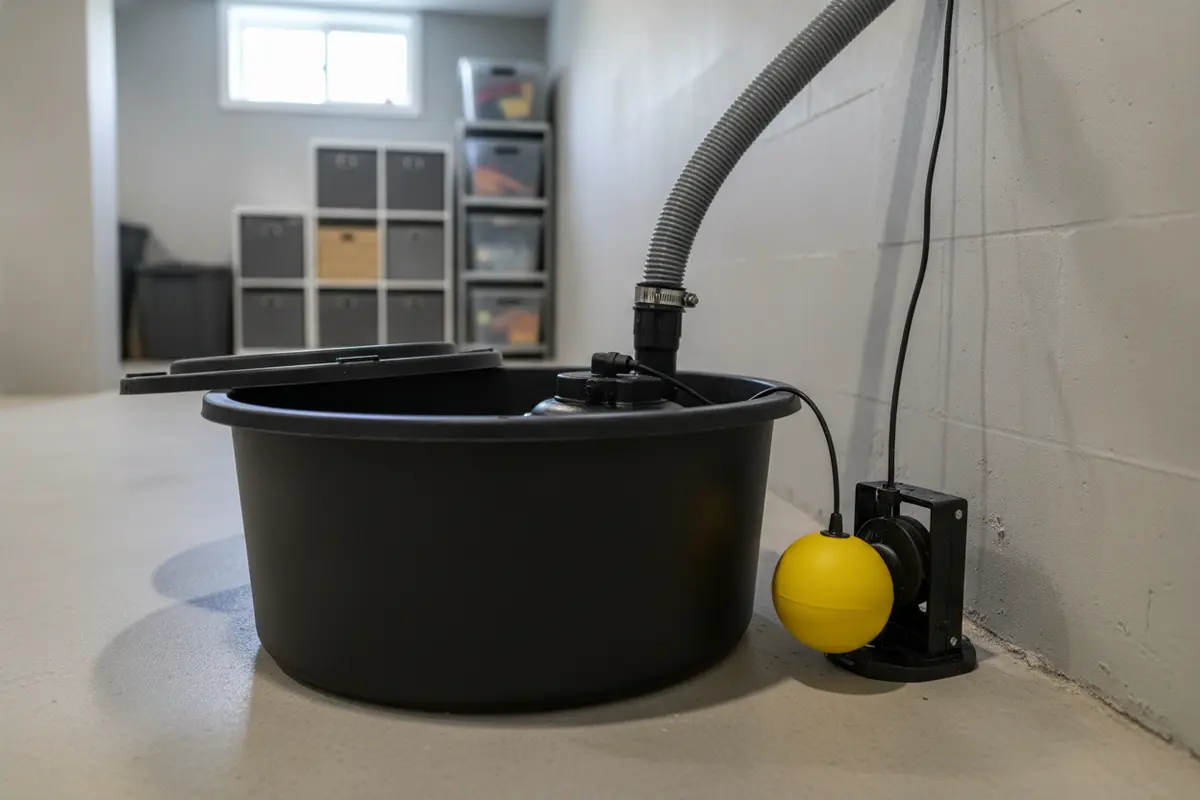
A sump pump is one part of a water-management system. Water collects in a basin, a float or switch signals the pump, and a discharge route carries water away from the home. A concern anywhere along this chain can affect how well the system handles water. Reviewing the pump and supporting components together is more useful than treating the motor’s age as the only measure of reliability. Mr. Pipey’s sump pump service information describes professional support for homeowners.
A practical way to think about lifespan is as a planning window, not a warranty or prediction. If the pump is relatively new but has a history of heavy cycling, its workload still matters. If it is older but operating normally, its age is a reason to review condition and plan ahead, not proof that it has failed. A professional can explain what is known, what cannot be determined from a brief visit, and what signs should prompt another assessment.
What affects a sump pump’s service life?
Two pumps of similar age may have very different operating histories. Seasonal groundwater, heavy rain, snowmelt, and drainage around a home can influence how often water reaches the pit. Those conditions do not automatically mean there is a defect; they are context for understanding the work the pump has done. An evaluation should consider the system as installed and the homeowner’s observations.
- Operating frequency: Frequent cycling adds operating time. It can also be a reason to ask whether the water entering the pit or the system’s controls have changed.
- Component condition: The switch, check valve, basin, electrical connection, and discharge piping all contribute to operation. Wear or an issue with one part may affect the whole arrangement.
- Installation and fit: A pump works as part of its basin and discharge setup. A professional can assess whether the current arrangement is appropriate for the home and whether changes have affected its operation.
- Maintenance history: Periodic inspection can identify accumulated debris, wear, or changes in operation. The InterNACHI Sump Pump Operation and Inspection Guide recommends annual maintenance and professional assistance if a pump does not activate.
- Water conditions around the home: A change in how much water enters the pit may increase workload or point to a drainage condition that merits separate consideration.
These factors are not a do-it-yourself diagnostic checklist. They help explain what information a plumber may ask about and why a system-level evaluation can be more useful than a quick judgment based on a label or estimated age. The objective is to understand the condition and discuss a practical service plan for the specific home.
When describing workload, focus on patterns rather than trying to calculate an exact number of cycles. For instance, note whether the pump seems to run only after heavy rain, operates regularly through a wet season, or has started cycling more often than it did previously. If a sound or water-flow change appears at the same time, record that too. A short timeline can help distinguish a seasonal pattern from a new change.
Maintenance recommendations should also be specific to the system. A general annual check is a useful baseline, as InterNACHI recommends, but a professional may advise follow-up based on the pump’s condition, observed workload, and service history. Ask what was inspected and whether any component should be monitored. Keeping a written record makes the next check more useful because it offers a comparison point.
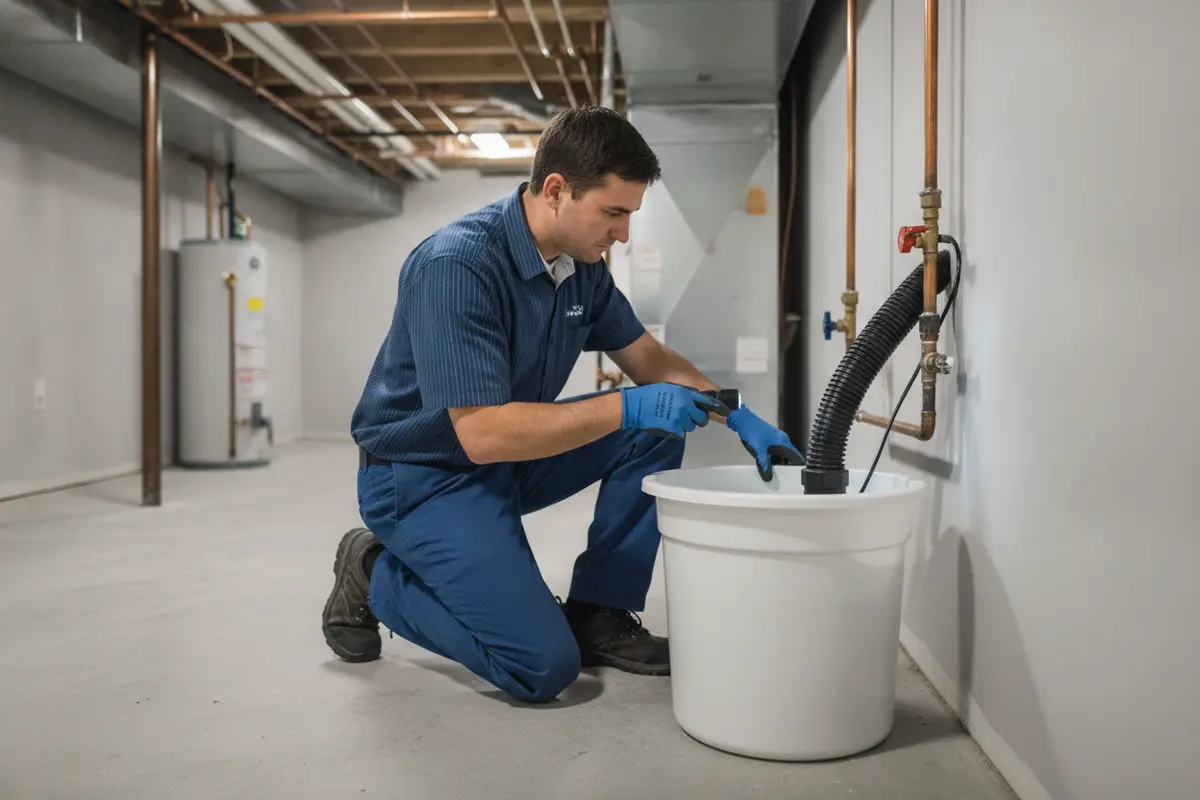
Which signs mean a sump pump needs attention?
Changes in sound, cycling, or water handling can make an inspection timely. None of the observations below proves by itself that the pump has failed. Describe what changed, when it happens, and whether it is limited to wet weather; those details can help a professional decide what to examine.
- The pump runs much more often than you remember or seems to run for unusually long periods.
- You hear new grinding, rattling, or humming sounds during operation.
- The system does not appear to activate when water collects in the basin.
- Water remains in the pit after the pump runs, or the pump starts and stops repeatedly.
- You notice a change in discharge flow or water returning toward the pit.
- The pump or nearby connection shows visible corrosion, damage, or a loose electrical connection.
Use careful, plain descriptions. “It ran several times during a dry afternoon” is more helpful than “the pump is broken,” because it identifies an observable change without assuming its cause. Note whether the condition is continuous or intermittent, and whether it began after a weather event or other change around the home. Avoid reaching into the basin or handling electrical components in a wet area.
If the system does not activate or water is accumulating, arrange professional help promptly. Do not reach into the basin or handle electrical components in a wet area. If the concern is urgent, Mr. Pipey’s emergency plumbing service information explains how to seek assistance. For other plumbing concerns in a basement, the company’s basement drain service page provides related service context.
How can Rochester Hills homeowners plan sump pump service?
Planning does not require predicting an exact replacement year. Keep a record of the installation or last service date, note unusual operation, and arrange periodic professional inspection. InterNACHI recommends annual maintenance; the appropriate follow-up for a particular system can depend on its condition and operating history. A dated baseline makes it easier to compare later observations and helps distinguish a new change from a long-standing pattern.
- Gather the system history. Note the approximate installation date, prior repairs, and whether the pump runs frequently during wet weather. If you do not know a detail, say so rather than guessing.
- Describe observed changes. Mention new noises, repeated cycling, or changes in water handling. A clear description is more useful than attempting to diagnose the cause.
- Ask for a system-level review. Discuss the pump along with its switch, valve, basin, discharge components, and visible connection points as relevant to the system.
- Request an explanation of options. Ask what should be monitored, what a proposed repair would address, and what findings would make replacement the more practical choice.
- Keep the evaluation notes. Record the date, findings, and recommended follow-up. This can help you compare future assessments and plan maintenance.
Before an appointment, gather any paperwork you already have, but do not delay seeking help for an inactive pump while searching for records. A photo or short video of an unusual sound can sometimes help communicate what you noticed, provided it can be captured from a safe, dry location without touching equipment. Let the professional know if the system is currently operating differently or if water is present outside the basin.
Homeowners looking into the repair side can also read our guide to sump pump repair in Rochester Hills. That article focuses on repair concerns and service planning, while this guide centers on how operating history and condition inform lifespan expectations.
It can also help to note when a change occurs. For example, a pump that runs more during a stretch of wet weather presents different context from a system that has become noisy or cycles repeatedly under ordinary conditions. These details do not settle the diagnosis, but they help the professional understand the pattern and assess the equipment and water route more accurately.
For homeowners comparing service discussions, a useful record has four parts: the date, the observed behavior, the professional’s findings, and the recommended follow-up. If the recommendation is to monitor, write down what specific change should trigger another visit. If repair is suggested, record which component is involved. This simple format prevents a vague “check it later” note from becoming difficult to act on.
Should you repair or replace an aging sump pump?
The right choice depends on the fault, the condition of the equipment, how well the existing system fits the home, and the expected value of repair. A newer pump with a clear, limited issue may be a repair candidate. A pump with recurring problems, substantial wear, or multiple affected components may warrant a replacement discussion. An inspection gives you facts to compare those paths; age alone does not make the decision.
| Option | When it may fit | Questions to ask |
|---|---|---|
| Monitor | The system is operating and inspection finds no immediate defect, though age or operating history merits follow-up. | Which changes should prompt another evaluation, and when should it be checked again? |
| Repair | A specific serviceable component or connection is identified as the source of a performance issue. | Which component is affected, what will the work address, and what condition remains? |
| Replace | The pump is worn or repeatedly unreliable, or repair is not a practical way to restore dependable operation. | What pump and system arrangement suit the home, and what is included in the written quote? |
Ask for clear options and an explanation of what the work includes. A quote should distinguish the pump itself from related work, such as changes to a switch or discharge arrangement, if those are recommended. You can ask how the findings support the recommendation and what the alternative would mean. This gives you a basis for comparing immediate work with a plan to monitor, without assuming that every older pump must be replaced at once.
When comparing proposals, make sure you are comparing similar scopes. One recommendation may address a particular component, while another may include broader changes to the system. Ask whether the proposed work is intended to correct an observed issue, improve the overall arrangement, or replace equipment whose condition makes repair impractical. Clear scope descriptions help homeowners understand what is being addressed and what remains outside that work.
Consider a hypothetical example: one household has a pump with an unknown installation date that still activates, but the owner notices more frequent operation during wet weather. Another has a newer pump that now makes an unfamiliar sound and leaves water in the basin. The first situation calls for discussing workload, drainage context, and a monitoring plan. The second calls for describing the new behavior and having the pump and related components evaluated. Neither example supports an automatic replacement decision without inspection.
Questions about costs should be tied to the actual scope rather than to a generic lifespan estimate. Ask which parts and labor are included, whether any associated component work is recommended, and what is not included. If more than one option is presented, have the professional explain the difference in intended outcome. This gives you a practical basis to consider repair and replacement without relying on assumptions about age or a one-size-fits-all price.
What should a professional sump pump inspection include?
An inspection should consider whether the pump activates and moves water as expected, along with the condition of components that support operation. Depending on the system and the concerns described, the professional may review the basin, float or switch, check valve, discharge line, and visible electrical connections. The exact evaluation depends on the installation and what the homeowner has noticed.
A well-explained evaluation should connect observations with next steps. If a component appears worn, ask how it affects operation and whether repair is practical. If no immediate problem is found, ask what to watch for and when to revisit the system. If the installation itself appears to affect performance, ask what change is proposed and what it is intended to accomplish. This keeps the conversation specific and helps you understand the reasoning instead of receiving a recommendation without context.
Useful questions to ask during the evaluation include:
- Does the pump appear appropriate for the basin and discharge configuration?
- Are there signs of wear or damage that affect operation?
- Is the discharge route carrying water away as intended?
- Would repair address the issue, or is replacement a more practical option?
- How often should this specific system be inspected, given its condition and history?
It is also reasonable to ask for the findings in clear language. You do not need to know the name of every component before scheduling a visit. Share what you observed, request an explanation of the condition, and confirm which action is recommended now versus later. If an evaluation suggests follow-up, make sure you know the reason and the appropriate timing.
A helpful explanation connects the recommendation to what was observed. If the pump is working but aging, you can use that information to plan rather than treating an evaluation as an automatic replacement decision. If an issue is identified, ask what it means for operation and what follow-up is appropriate. For broader information about the company, visit the Mr. Pipey home page; for related water movement concerns, see its sewer and drain service information.
When a professional recommends replacement, clarify whether the recommendation is based on the pump’s condition, repeated service concerns, suitability of the setup, or a combination of factors. Ask how the proposed equipment and related work address those findings. When repair is recommended instead, ask what condition remains and what future signs should be noted. These questions help you leave with a plan, not just a task list.
Contact Mr. Pipey to discuss sump pump service
Frequently asked questions
How often should a sump pump be inspected?
Annual maintenance is a useful planning interval; InterNACHI recommends annual maintenance in its sump pump inspection guide. A professional may suggest different follow-up based on the system’s condition and operating history.
Does frequent cycling mean my sump pump is failing?
Not necessarily. Frequent cycling can reflect water entering the pit, a switch or system concern, or operating conditions. A plumber can evaluate the cause rather than assuming the pump itself needs replacement.
Should I replace a pump just because it is old?
Age is one planning factor, not a complete diagnosis. Have the pump’s operation and condition assessed, then compare monitoring, repair, and replacement based on the findings.
What if the pump does not activate?
Seek professional assistance, especially if water is collecting in the basin. Do not handle electrical components in a wet area; explain what you observed when arranging service.
What information should I have ready for an evaluation?
Share the approximate installation or last service date if known, prior repairs, and changes in sound, cycling, or discharge. A short written record can help the professional understand when the changes began.
For Rochester Hills homeowners, knowing the pump’s condition is more useful than relying on one lifespan estimate. A professional evaluation and a clear service record can help you plan monitoring, repair, or replacement with confidence.