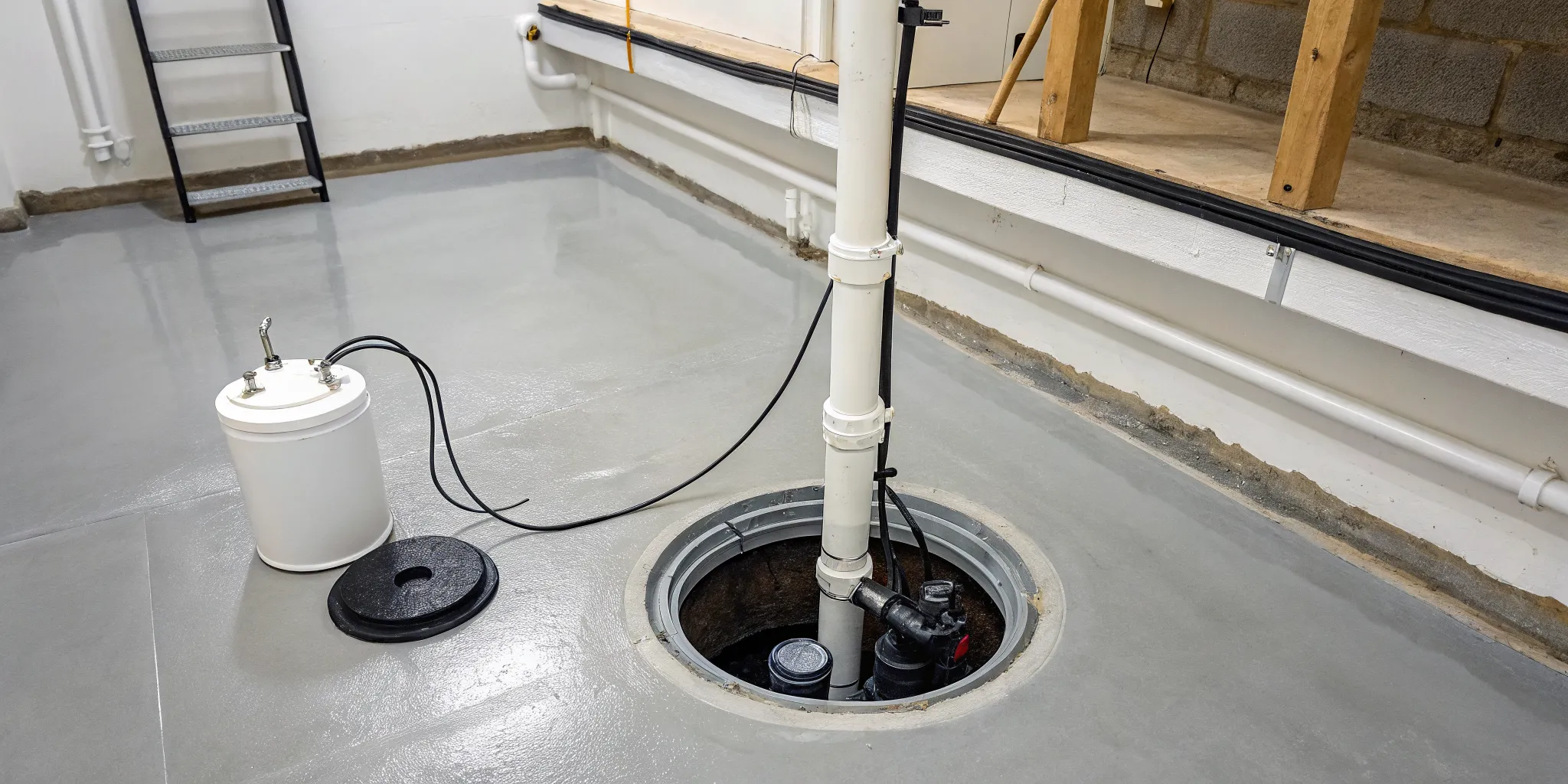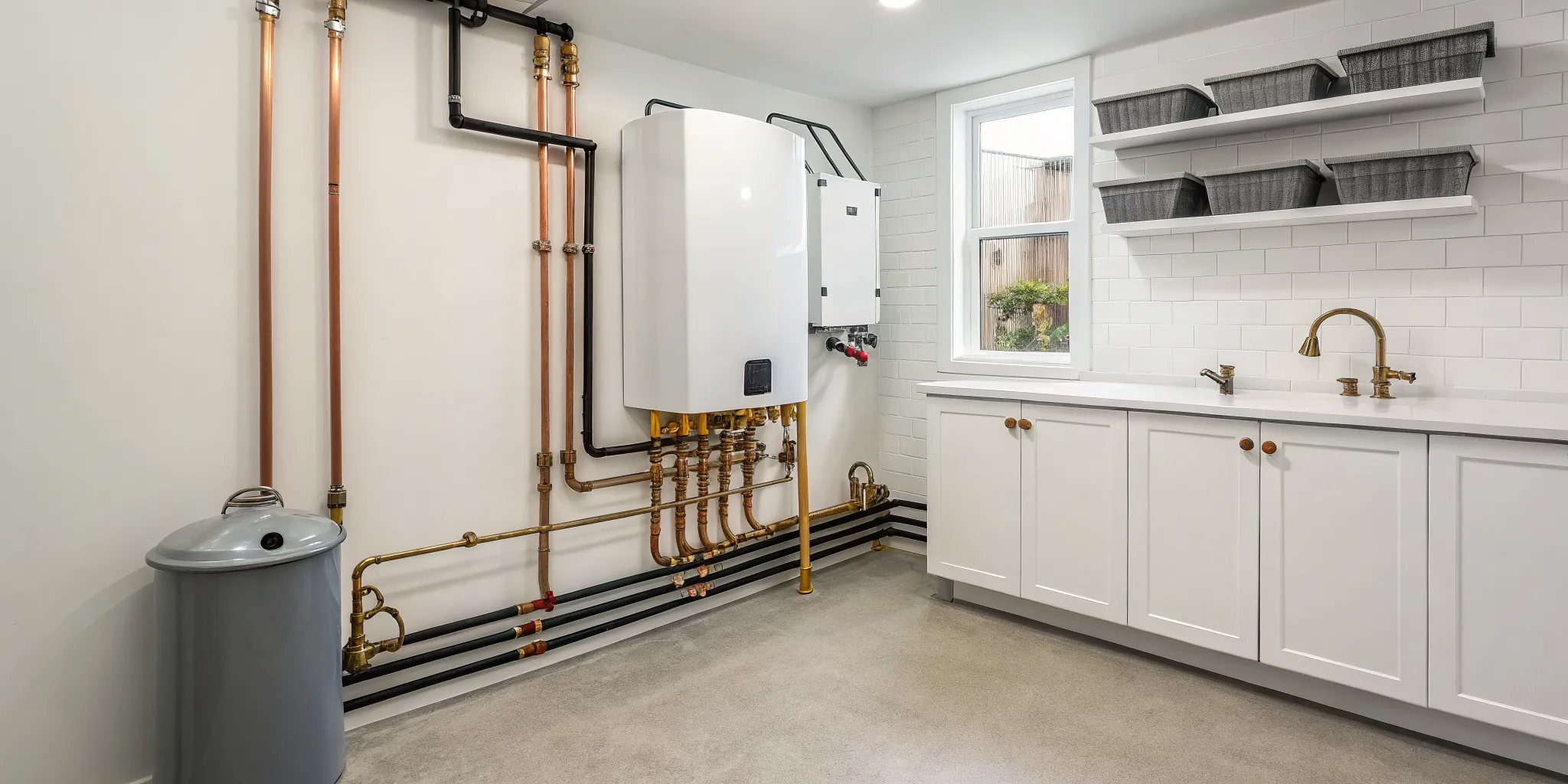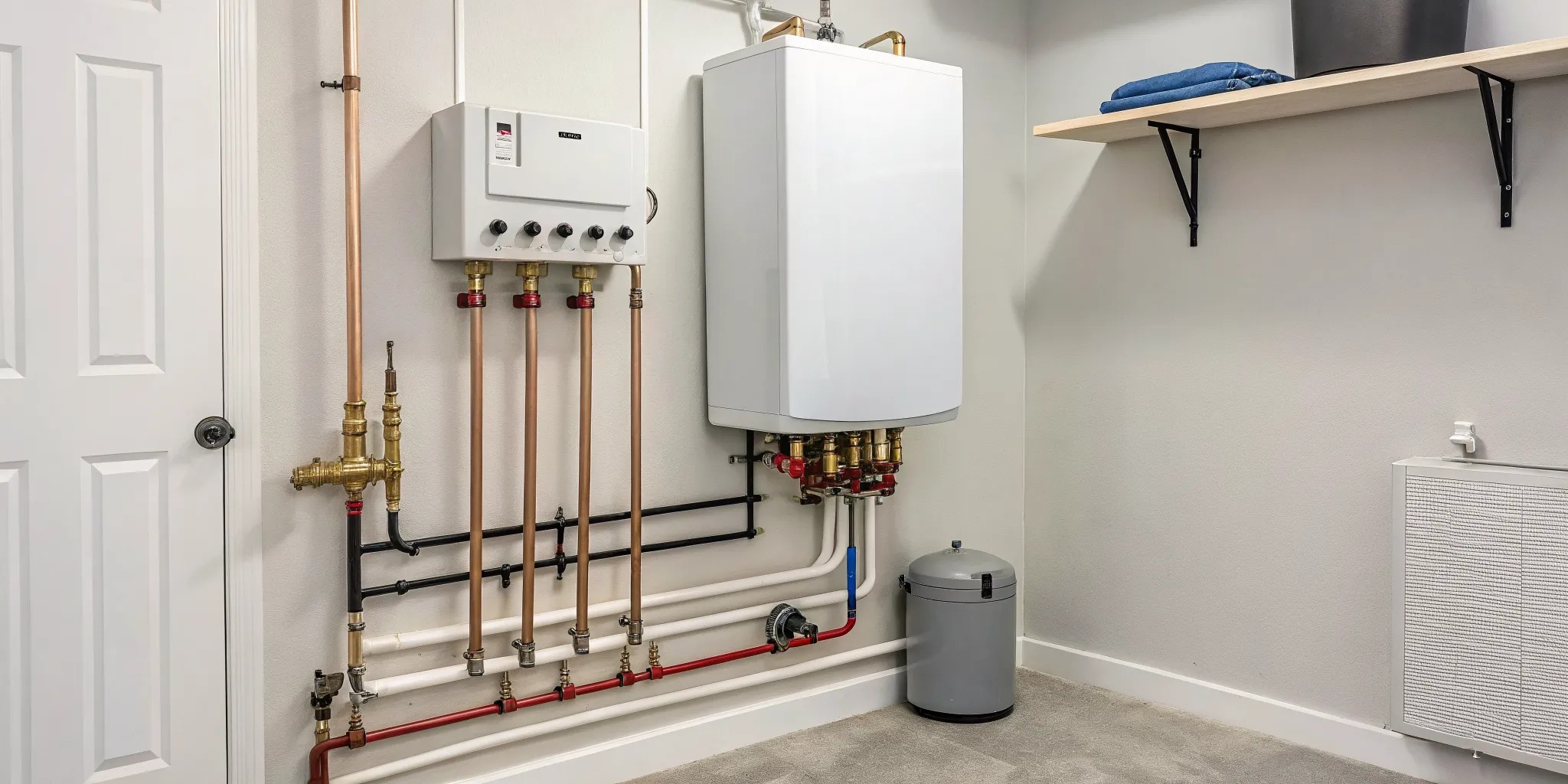


Older Detroit homes often have exposed plumbing in cold basements, crawlspaces, and exterior walls. Pipe insulation helps slow heat loss, lower freeze risk, and reduce condensation. The right material and a snug installation can protect vulnerable lines before the next deep freeze.
Pipe insulation in Detroit protects vulnerable water lines by slowing heat loss, reducing condensation, and lowering the risk of freezing. Older homes benefit most when exposed pipes in basements, crawlspaces, garages, and exterior walls are wrapped with correctly sized material and nearby drafts are sealed.
Why do older Detroit homes need pipe insulation?
Older homes in Detroit have a lot of charm, but their pipes face high risks during the winter. Many of these houses were built before new building rules. This means they often lack the care needed to keep water moving when the air gets cold. Using pipe insulation detroit owners can trust is one of the best ways to protect these old pipes.
Aging pipes and walls
Many Detroit homes built long ago have thin walls with very little fill. Pipes often run through these tight spots near the outside of the house. Without enough cover, these older homes have wall gaps that let in cold air. This makes the pipes much more likely to freeze when a deep chill hits the city. The pipes in these older houses may also be made of metals that do not handle stress well. When water freezes, it grows and puts a huge amount of force on the pipe walls. For an old iron or copper line, this extra push can cause a sudden burst. Adding a thick layer of foam helps keep the pipe at a safe heat level. This simple step can save you from a big flood and high repair costs.
Exposure in unheated spaces
Detroit houses often have large, cold basements or tight crawl spaces. Pipes in these spots are not kept warm by the furnace. During a cold snap, the air in a crawl space can freeze even if your living room feels good. Pipes in these dark, damp spots are often the first to fail. Crawl spaces are also prone to drafts from small cracks in the house base. Even a tiny stream of cold air hitting a pipe can cause a small freeze. Proper preventing frozen pipes starts with sealing these gaps. You should also wrap the lines in top-rate sleeves. This creates a shield that keeps the cold air away from the pipe surface.
Vital freeze protection
The main goal of pipe insulation detroit is to stop water from turning into ice. When pipes are near outside walls, they can burst in freezing weather, which often leads to water damage. Insulation helps keep the heat inside the pipe so the water stays as a liquid. This is vital for both hot and cold water lines. Hot water pipes also lose heat as they go from the tank to your faucet. In an older home with long pipes, this loss can be quite high. By wrapping these lines, you make sure the water stays hot until it hits the tap. This reduces the work for your water heater and helps you save on monthly bills. It also means you spend less time waiting for warm water to reach your shower.
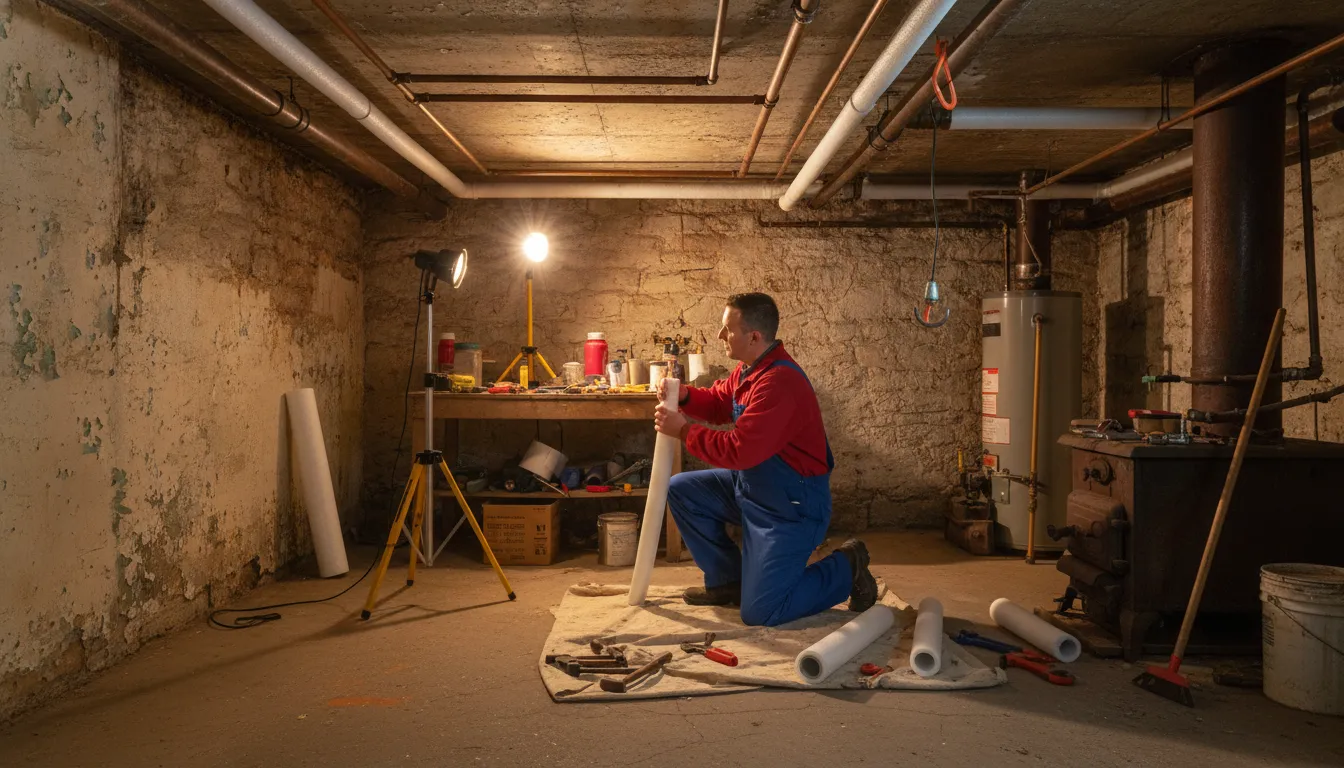
Which pipes should Detroit homeowners insulate first?
In Metro Detroit, the drop in temperature during winter can put heavy stress on your home plumbing. To protect your system, you should focus on pipes that are most likely to freeze or lose heat. Starting with the right spots can help you avoid a plumbing crisis and lower your monthly bills. If you need help finding these areas, professional pipe insulation services can ensure your home is ready for the cold.
Pipes in exterior walls and unheated areas
The most important pipes to wrap are those in or near exterior walls. These pipes are at a high risk of freezing and bursting when the weather turns cold. This can lead to major water damage (energy.gov). In many older Detroit homes, the wall cavities lack enough fill to keep these pipes warm. You should also check pipes in unheated spots like crawl spaces, attics, and garages. If you have pipes in exterior walls, it also helps to air-seal the wall cavity to stop cold air from moving around the plumbing (bsesc.energy.gov).
When you look at these areas, find any pipe that feels cold or sits in a draft. These are your top tasks for preventing frozen pipes this winter. Adding a sleeve here acts as a shield against the harsh Michigan air. It keeps the water inside from reaching the freezing point even during a deep freeze.
Hot water lines near the water heater
Wrapping your hot water lines is a smart way to save money and stay cozy. You should focus on at least the first 3 feet of both the hot and cold water pipes linked to your water heater (energy.gov). This step helps stop heat loss as the water moves through your home. By keeping the water hotter in the pipes, you can often lower the heat setting on your water heater. This can reduce the energy you use for water heating by about 4% to 5% each year (bsesc.energy.gov).
Beyond saving energy, this also means you will not have to wait as long for hot water at your sink or shower. This small change makes your day better while also helping to save water. It is a low-cost project that gives clear gains for any home in the Detroit area.
Cold water pipes prone to sweating
While most people think of heat, wrap is also good for cold water supply pipes. In damp spots, cold pipes can “sweat” or show droplets (bsesc.energy.gov). This moisture can drip onto your floors or lead to mold growth over time. Wrapping these pipes helps control this wetness and keeps your plumbing areas dry. If you have seen puddles under your pipes or damp spots on your basement walls, it is a sign that you should add a wrap. This simple step protects your home from water damage and keeps your air clean by stopping mold before it starts.
Ask Mr. Pipey to identify vulnerable pipes and recommend the right insulation for your Detroit home.
How do you choose the right pipe insulation material?
Picking the best pipe insulation detroit homeowners can use depends on your goals. You might want to save on fuel bills or stop pipes from freezing during a cold snap. Detroit winters put a lot of stress on older pipes. Using the right wrap helps your pipes last longer and work better. Most people choose between foam, rubber, and fiberglass based on where the pipes are placed.
Common insulation types for your home
Foam sleeves are a top pick for many local jobs. They are cheap and very easy to set up. Most polyethylene or neoprene foam sleeves work well on power water heaters. You just slide them over the pipe and seal the edge. This material keeps heat inside the line so your water stays hot longer. It also stops cold water pipes from sweating in the humid summer months.
High heat and tight spaces
Rubber or elastomeric foam is another strong choice. It is easy to bend and handles heat better than plain foam. This makes it a great pick for tight spots or complex pipe runs. If you have an older home in Metro Detroit, you may have pipes in odd spaces. Rubber wraps can bend around corners without breaking or losing their shape. They also do a good job of muffling the noise of rushing water.
Fiberglass is the best choice for high-heat areas. If your pipes are near a gas flue, you must be careful. You should use fiberglass pipe-wrap that is at least one inch thick if it sits within eight inches of a flue. This material does not burn easily. But you must wear gloves and a mask when you handle it to stay safe. It is often the best fit for steam pipes or very hot lines in your basement.
| Material | Best Use | Heat Rating | Cost |
|---|---|---|---|
| Poly Foam | Standard hot lines | Medium | Low |
| Rubber Foam | Tight bends | High | Medium |
| Fiberglass | Near gas flues | Very High | Medium |
| Mineral Wool | Commercial use | Extreme | High |
Tips for a snug fit
Our team at Mr. Pipey can help you find the right fit for your home. We know how to handle the aging pipes found in many city homes. If you need help with pipe insulation or other plumbing needs, we offer flat-rate costs. We never charge extra fees for late-night calls. Getting the right wrap now can prevent a mess later.
Choosing the right wrap is about more than just the price. You must also check the size of your pipes. A snug fit is key for the best results. You should match the inside diameter of the sleeve to the outside diameter of your pipe. This stops air from getting in and stealing heat. Stopping frozen pipes starts with a seal that fits right. Taking the time to measure will save you money on your next bill.
How to insulate accessible pipes safely
Detroit winters are hard on older homes and aging plumbing systems. Adding pipe insulation in Detroit is a smart way to protect your home. It helps stop pipes from freezing when the air gets cold. Proper wrap also saves energy by keeping heat inside your hot water pipes. This small project can lower your bills and keep your water hot as it travels to your tap. Studies show that insulating hot water pipes can reduce heat loss by 16% to 23% in many climates. Most homeowners spend about three hours on this task for a small house.
Pick your pipe wraps
You have many choices for pipe wraps. Foam sleeves made of rubber or plastic are used a lot. They are easy to cut and slide over most metal or plastic pipes. For electric water heaters, many people choose sleeves made of polyethylene or neoprene foam. These items are light and easy to handle for a quick DIY task. They work well to keep heat in and stop cold pipes from sweating in the summer. Always match the inside size of the sleeve to the outside size of your pipe for a snug fit. Use a tape measure to check your pipe size before you buy supplies.
For very hot pipes, you might need fiberglass wrap instead. This wrap can handle more heat than foam. You can buy it in long rolls and spiral it around the pipes. A loose fit will let air move around the pipe, which takes away the benefit of the wrap. Focus your work on the pipes you can reach easily. It is very helpful to wrap the first three feet of pipe that comes out of your water heater. This is where most of the heat loss happens.
Steps to insulate your pipes
- Clean and dry the pipes. Use a cloth to wipe away dust and moisture so the wrap stays in place.
- Measure the pipe length. Use a tape measure to find the right length and cut the sleeves with a sharp knife.
- Slide the sleeves on. Open the slit in the foam and pull it over the pipe until it is fully covered.
- Seal the seams. Use tape or zip ties to close the edges of the foam so air cannot get in.
- Cover the elbows and valves. Wrap small pieces around corners and joints to make sure there are no gaps.
- Secure the ends. Wrap tape around the ends of each sleeve to keep them from sliding or falling off.
Stay safe and find help
Safety is the key part of any home project. If you have a gas water heater, keep all wrap at least six inches away from the flue. Using fiberglass pipe wrap is often the safest choice for areas near high heat. If your pipes are within 8 inches of the flue, use fiberglass that is at least 1-inch thick and has no facing. Always wear gloves, goggles, and a mask when you handle fiberglass to protect your skin, eyes, and lungs.
Some jobs are too big or risky for a quick fix. If you see signs of water damage or old, rusty pipes, you should seek help. Our team can help you with preventing frozen pipes by checking your whole system. We offer clear pricing and no extra fees for late work in the local area. A pro can also help with pipes hidden inside exterior walls where air sealing is needed to stop cold drafts.
Frequently asked questions about pipe insulation in Detroit
Does pipe insulation stop pipes from freezing?
Pipe insulation slows heat loss and lowers the risk of freezing, but it cannot guarantee that a pipe will never freeze. Pipes in drafty exterior walls, crawlspaces, and other cold areas may need added protection. Seal air leaks, keep the home heated, and follow a full cold-weather plan.
Should hot-water pipes be insulated too?
Yes. Insulating accessible hot-water lines can help them hold heat as water moves through the home. It may also help hot water reach fixtures with less waiting. A plumber can help determine which lines are safe and useful to cover.
Can I insulate pipes myself?
Many homeowners can cover straight, easy-to-reach pipes with correctly sized foam sleeves. Work around valves, elbows, damaged lines, heat sources, and hard-to-reach areas needs more care. If a pipe leaks, looks corroded, or has frozen before, arrange an inspection instead of hiding the issue under insulation.
What should I do if a pipe freezes?
Shut off the water if you see a split or leak, then call for help. Do not use an open flame to thaw a pipe. Mr. Pipey offers frozen pipe insulation and repair and 24/7 emergency plumbing service across Metro Detroit.
Protect your older Detroit home before the next freeze
The best time to check vulnerable pipes is before temperatures drop. Mr. Pipey can inspect aging plumbing, find exposed sections, and recommend a practical insulation and winterization plan. As a family-owned, licensed, and insured Metro Detroit plumber, the team offers transparent flat-rate pricing, a 100% satisfaction guarantee, and no overtime charges.
Call (313) 896-8874 to request a pipe insulation and winterization assessment for your home.