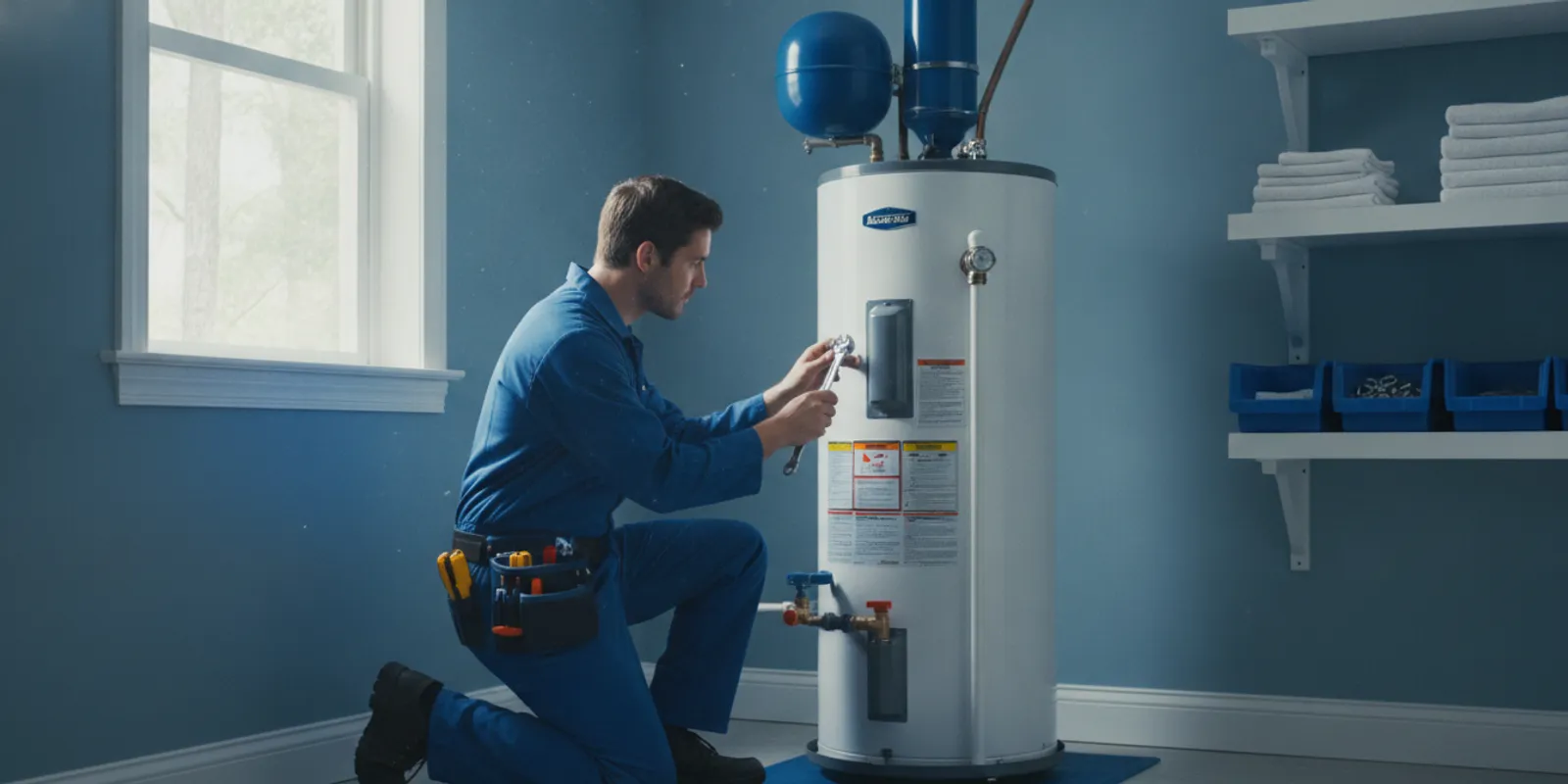
If you are planning home maintenance in Novi, it helps to know whether your water heater is likely to need attention soon or still has useful service life ahead. The short answer to “how long does a water heater last in Novi” is that many conventional tank models are planned around roughly 8 to 12 years, while tankless models often have a longer expected service life. Those are broad planning ranges, not promises: equipment type, installation, water conditions, maintenance, and use all matter.
Ask a plumber to assess your water heater
How long does a water heater last in Novi homes?
A water heater does not reach a single, universal expiration date. A tank model that is 10 years old may still heat reliably, while a younger unit can need service sooner if it has a component problem, an installation issue, or heavy household demand. Tankless equipment is designed differently and commonly lasts longer than storage-tank models, but it also needs service and can develop age-related wear.
For planning purposes, homeowners often use the following broad ranges:
- Conventional storage-tank heater: about 8 to 12 years is a common planning range.
- Tankless heater: often around 15 to 20 years, depending on the model and service history.
These estimates are not a diagnosis or a guarantee. A unit’s serial number and model information can help a plumber determine its age, but its condition and performance are just as important. If you do not know when the appliance was installed, old invoices, home inspection records, or the prior owner’s paperwork may help establish a timeline. A licensed plumber can also identify the equipment type and review visible condition.
Novi homeowners should treat age as one piece of a decision, not a reason by itself to replace a working heater. A professional assessment can put the unit’s age alongside recurring repairs, hot-water capacity, visible corrosion or leakage, and the household’s plans. The appropriate next step may be monitoring, a repair, or replacement planning.
What affects a water heater’s service life?
Two heaters of the same age can be in very different condition. Some of the differences come from the equipment itself; others relate to how it was installed and how the household uses hot water. Common factors include:
- Equipment type and model: Tank and tankless systems have different designs, parts, and service needs. The manufacturer’s model documentation gives a better starting point than age estimates alone.
- Installation quality: Correct sizing, connections, venting where applicable, and setup support safe and dependable operation. Installation concerns should be assessed by a qualified professional.
- Water conditions: Mineral content and sediment can affect components over time. Conditions can vary from one property to another, so a technician should assess the specific system rather than assume every home has the same issue.
- Household demand: A larger household or frequent simultaneous use may place different demands on a system than a smaller household. Demand also affects whether the heater’s capacity continues to meet the home’s needs.
- Maintenance and repairs: Appropriate service can help identify developing concerns. A record of past repairs can show whether a problem was isolated or has become a recurring pattern.
- Operating environment: Moisture, ventilation, access, and the surrounding utility space can influence the equipment’s condition and the ease of service.
These factors are reasons to ask for an assessment, not a checklist for homeowners to dismantle or adjust equipment. Water heaters combine plumbing, electrical or fuel connections, and—in some models—venting. Diagnosis and repair should be handled by a trained professional who can account for the system’s requirements.
It is also useful to separate the age of the equipment from the age of the home. A recently purchased house may have a heater that was installed years earlier, and a label or service record may reveal a different timeline than expected. If documentation is missing, do not rely on appearance to set an exact date. Give a plumber the model information that is readily visible and ask for help identifying the unit and its likely age.
Service history adds context. A single repair that resolved a specific issue is different from repeated calls for similar symptoms or a sequence of unrelated failures. Keep any service notes you have, including the date and the work completed. This helps the plumber understand what has changed and can make a repair-versus-replacement discussion more specific to the heater rather than based only on a general age range.
Capacity is another part of lifespan planning. Sometimes a heater is still functioning as designed but no longer fits how a household uses hot water. In that case, the question may be whether the existing system meets current needs, rather than whether it has reached the end of its mechanical life. A professional can review your usage pattern and explain whether an equipment issue, a capacity mismatch, or another factor may be involved.
There is no need to schedule replacement solely because a calendar estimate has been reached. Likewise, a relatively young appliance should not be assumed to be problem-free if its performance changes. The useful approach is to combine the equipment’s age, symptoms, repair record, and the home’s needs, then choose a next step based on an inspection and a clear explanation.
Which signs suggest a water heater needs attention?
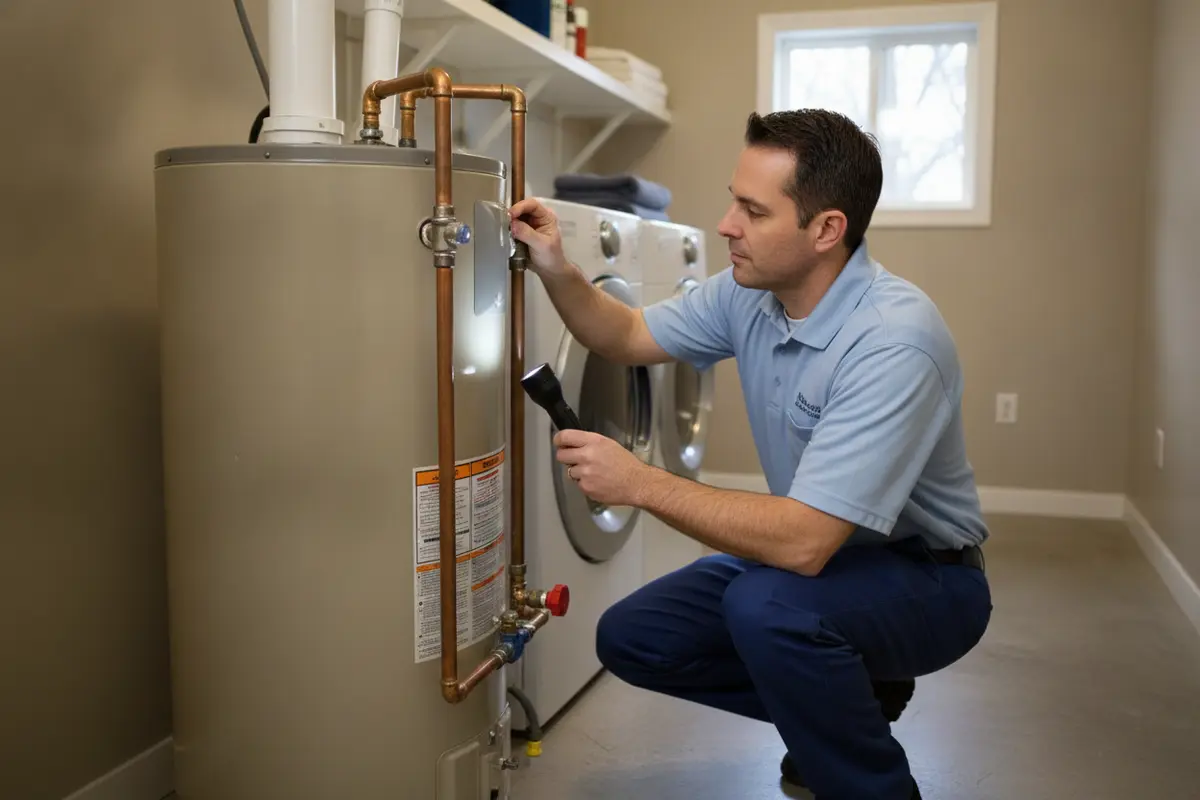
Performance changes can be more useful than age alone. Note what you observe and when it occurs, then share those details with a plumber. Signs worth discussing include:
- Hot water runs out sooner than it used to: This may relate to demand, capacity, a thermostat or heating issue, or another condition. The symptom alone does not identify the cause.
- Water temperature changes unexpectedly: Fluctuations or inconsistent delivery can have more than one explanation and should be evaluated in context.
- Unusual sounds from a tank: Popping, rumbling, or other new sounds can merit inspection. A sound is not proof of a particular failure, so avoid drawing conclusions without a diagnosis.
- Visible moisture, rust, or corrosion: Water near the heater or corrosion on visible fittings warrants prompt professional attention. A leak’s source may be a connection or another nearby component, rather than the tank itself.
- Repeated service calls: If the same problem returns or repairs are becoming frequent, ask whether continued repair makes sense compared with planning a replacement.
- Changes in hot-water needs: A remodeled home, added occupants, or new usage patterns may mean the existing system no longer provides the capacity the household expects.
If water is actively leaking or the heater is not operating normally, contact a plumber for guidance instead of opening panels, adjusting controls, or attempting a repair. For a leak or another plumbing concern, Mr. Pipey provides professional plumbing leak service. If the situation needs urgent plumbing attention, see the 24/7 emergency plumbing service information.
Should you repair or replace an aging water heater?
The choice is best made after a diagnosis and a comparison of the heater’s condition, repair needs, and expected use. Age can affect how much planning makes sense, but it does not automatically settle the question. A plumber can explain what has failed, whether the issue appears repairable, and whether other parts show signs of wear.
| Situation | What it may suggest | Useful next step |
|---|---|---|
| Relatively recent unit with one clearly identified problem | A focused repair may be reasonable, depending on the diagnosis and part availability. | Ask what failed, what the repair addresses, and whether other concerns were found. |
| Older unit that still performs consistently | Age supports planning, but replacement may not be immediately necessary. | Confirm its age and condition; discuss monitoring and a future replacement window. |
| Older unit with recurring issues or declining performance | Repair history and current symptoms may make replacement planning worth comparing. | Request clear repair and replacement options before deciding. |
| Active leak, significant corrosion, or unreliable hot water | The condition needs prompt professional evaluation; the source and extent matter. | Contact a plumber to diagnose the problem and explain the safest next steps. |
The table is a conversation guide, not a substitute for inspection. Ask for the cause of the problem, the work included in each option, and whether a proposed repair addresses the symptom or its underlying cause. When replacement is being considered, ask about capacity, equipment type, installation requirements, and how the options fit the household’s hot-water needs.
For a useful comparison, make sure you understand what each option is intended to solve. A repair proposal should identify the diagnosed fault and the parts or work involved. A replacement proposal should describe the system being considered and the installation scope. Ask whether any additional work may be needed because of the existing setup, and which details are confirmed versus still subject to inspection. That level of clarity makes it easier to compare like with like.
Household priorities also matter. One family may value a reliable supply during several back-to-back showers; another may care most about fitting the heater into a tight utility space or coordinating replacement with other planned work. Explain what is not working well today and what you want from a future system. The plumber can then discuss relevant options without assuming that one equipment type is right for every Novi home.
Consider timing as well as the equipment’s condition. If the heater still works and no urgent issue is present, an assessment can help you understand a reasonable planning window and what changes would warrant another call. If service is needed now, ask what can be repaired and what follow-up, if any, the technician recommends. Clear expectations help prevent an age estimate from being mistaken for a deadline or a guarantee.
Mr. Pipey offers water heater repair and replacement service. Homeowners comparing system styles can also review the company’s tankless water heater service information. The right option depends on the existing setup and the home; a service page is a starting point for questions, not a recommendation to choose a particular model without an assessment.
How can Novi homeowners plan before a water heater fails?
Planning early gives you time to understand the equipment and compare service options without making a rushed decision. Start with the basic records you already have: approximate installation date, make and model if known, prior service invoices, and a description of any recurring performance changes. Do not remove covers or attempt to inspect internal parts to find this information.
- Establish an age range. Check home purchase documents, installation records, or service paperwork. If the date remains unclear, ask a plumber to help identify the unit.
- Track changes in performance. Make a brief note of when hot water runs short, temperatures fluctuate, or service has been needed. This history can help distinguish a one-time event from a pattern.
- Review prior repairs. Gather invoices or note what was previously addressed. Ask whether a new concern is related to an earlier repair or appears separate.
- Discuss household needs. Tell the plumber how many people use hot water and whether the current supply meets normal needs. This helps frame capacity questions if replacement is considered.
- Compare clear options. Request an explanation of the diagnosis and the practical differences between repair and replacement. Ask what is included and what remains uncertain.
If you are arranging other plumbing work at the same time, avoid assuming that every symptom has one cause. For example, discolored hot water may have several possible explanations. Mr. Pipey’s guide to hot water discoloration discusses why that symptom deserves a separate assessment. For a household with a tankless unit, the water heater service-life planning guide for West Bloomfield offers a related overview; local conditions and the equipment in your home still need individual consideration.
When a water heater is older but functioning, planning does not mean replacing it immediately. It means understanding its condition and being aware of the available options. If a unit is already unreliable, an assessment can clarify whether repair is appropriate or whether a replacement conversation should happen now.
What should you ask during a professional water heater assessment?
A useful visit should leave you with a clear understanding of what the plumber found and why a particular next step is being discussed. Consider asking:
- How old does the water heater appear to be, and what information supports that estimate?
- What is the specific cause of the current symptom?
- Is there a repair that addresses it, and are there other signs of wear that affect the decision?
- How would repair compare with replacement for this unit and our household’s needs?
- If replacement is considered, what equipment types and capacities are appropriate to discuss?
- What work is included in each option, and what should we expect after service?
- Are there installation, access, or local inspection questions that should be checked for this project?
For questions about municipal requirements or inspections in Novi, contact the City of Novi through its official website and confirm the requirements for the specific project. This local-government resource is not a water-heater lifespan guide; it is a place to direct municipal questions. When you need a plumbing assessment, Mr. Pipey serves homeowners across Metro Detroit and offers plumbing service information online.
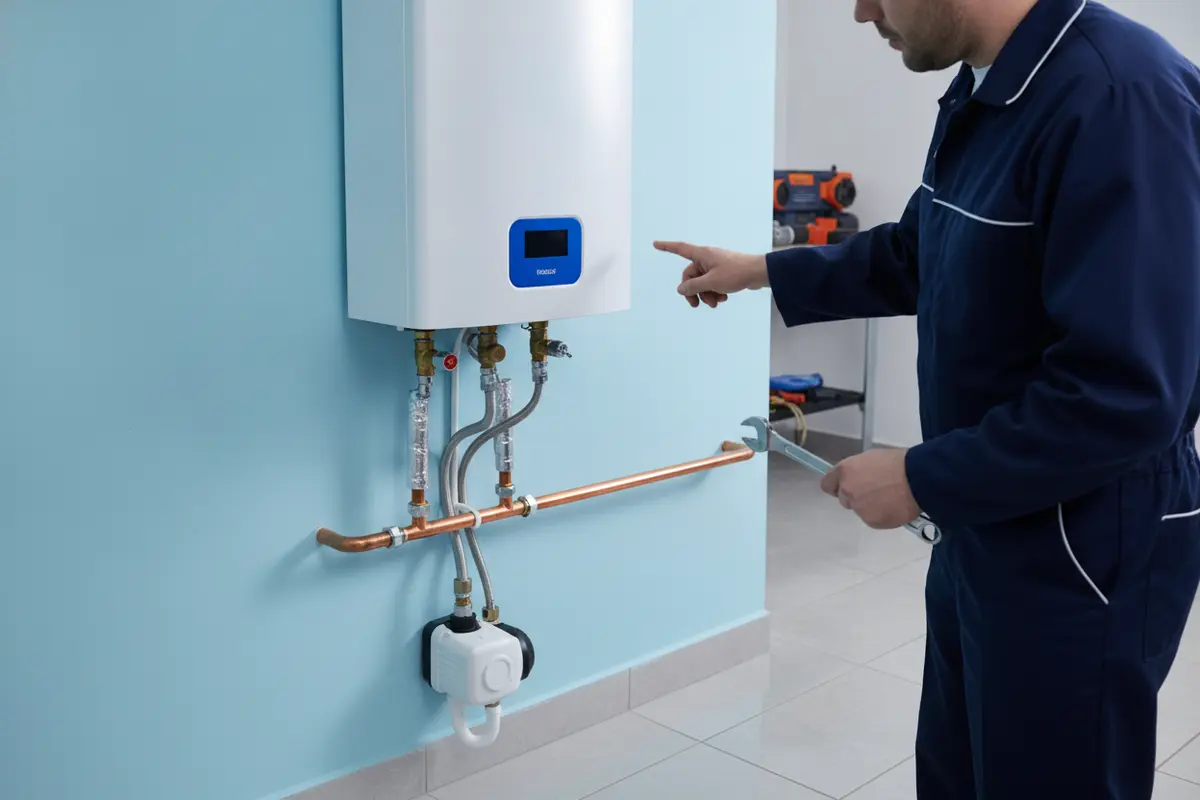
Request a water heater service assessment
Frequently asked questions
Does a water heater have to be replaced at 10 years?
No. Ten years is a planning reference for many tank models, not a fixed replacement deadline. Condition, reliability, repair history, and household needs should be considered along with age.
Do tankless water heaters last longer than tank models?
They often have a longer expected service life, but the exact lifespan depends on the unit and its service history. A plumber can assess the specific system rather than relying on a general range alone.
Can I tell the water heater’s age from its appearance?
Appearance alone is not a dependable way to establish an installation date. Model information and service or installation records can help; a plumber can assist if the age is unclear.
Should I replace a water heater that still works but is older?
Not necessarily. An older heater that performs reliably may be monitored while you plan ahead. Ask a plumber to review its condition and explain what signs would make repair or replacement more appropriate.
For Novi homeowners, the most useful answer is a range plus an assessment of the specific heater: age helps with planning, while condition and performance guide the decision. A plumber can explain the options and help you plan service or replacement at a pace that fits your home.