

The sight of a burst pipe is alarming, but the biggest risks are often the ones you can’t see. Standing water creates serious electrical hazards, and the weight of soaked drywall can lead to a ceiling collapse. When a pipe bursts, your top priority isn’t just saving your property—it’s protecting your family. This guide is your emergency action plan. We’ll walk you through the four most critical steps to take immediately, from shutting off the water to making the area safe. Following these instructions will help you manage the crisis safely while you wait for the pros.
Key Takeaways
- Take Control Immediately: Your first priority is to stop the water by shutting off the main valve. Next, head to your breaker box and cut the power to all wet areas to eliminate the risk of electrical shock.
- Protect Your Home and Document the Mess: Once the immediate danger is handled, remove standing water and move valuables to a dry location. Before cleaning up, take detailed photos and videos of everything for your insurance claim.
- Call for Help and Plan Ahead: A burst pipe is not a DIY job, so call a professional plumber right away for a lasting repair. Afterward, take preventative steps like insulating pipes and scheduling maintenance to avoid another emergency.
A Pipe Just Burst? Here’s What to Do Right Now
Seeing water gushing from a burst pipe is a moment of pure panic for any homeowner. It’s messy, destructive, and incredibly stressful. But before you get overwhelmed, take a deep breath. Knowing exactly what to do in the first few minutes can make a huge difference in protecting your home and your wallet. Your immediate goal is to stop the flow of water and make the area safe. By following these four straightforward steps, you can take control of the situation and minimize the damage while you wait for professional help to arrive.
Find and Shut Off the Main Water Valve
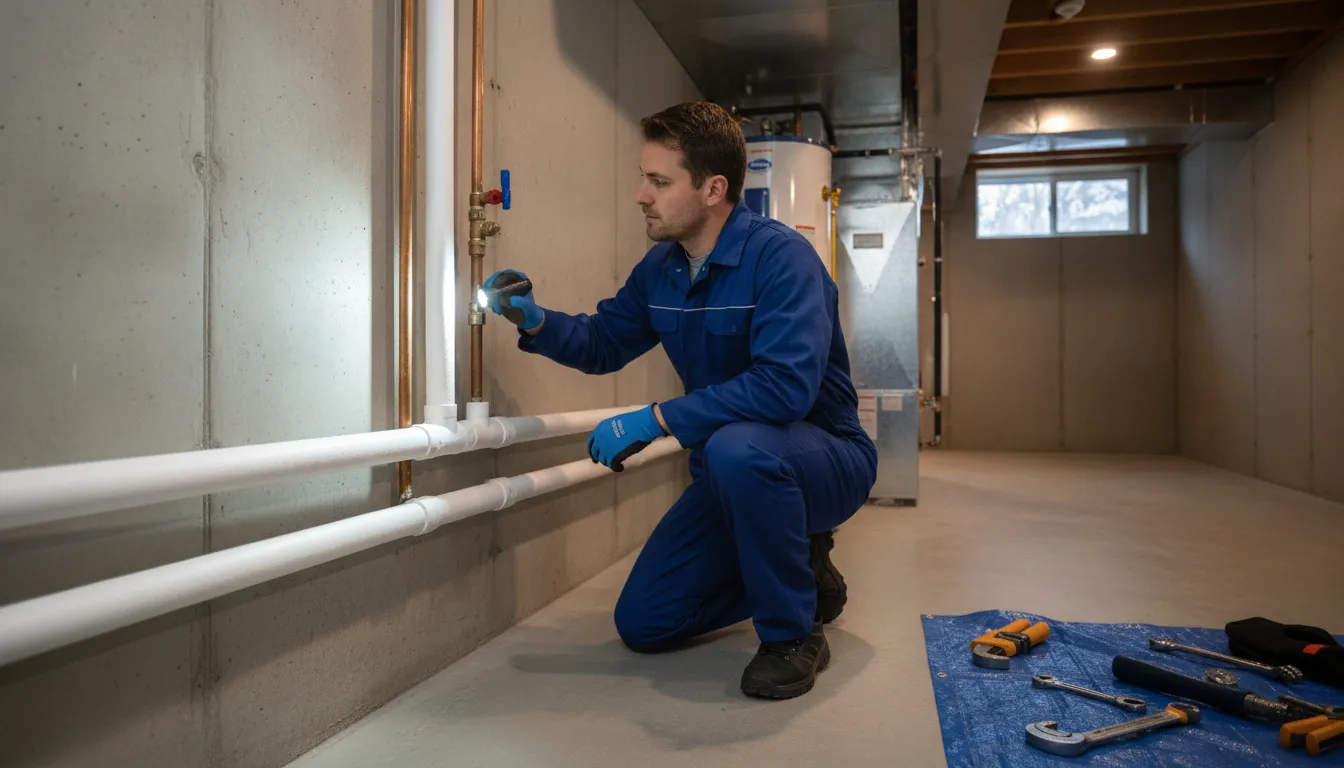
Your absolute first move is to stop the water at its source. Find your home’s main water shut-off valve and turn it off immediately. This valve is usually located in the basement, a crawl space, or a utility closet, often near where the main water line enters your house. Turning it clockwise should shut off the water supply to your entire home, which is the single most effective thing you can do to prevent further flooding. If you aren’t sure where your valve is, take a moment to find it now so you’re prepared for any future emergencies.
Cut the Power to Any Wet Areas
Water and electricity are a dangerous combination. If the burst pipe is near any electrical outlets, appliances, or your breaker box, your next priority is safety. Go to your home’s main electrical panel and turn off the breakers that supply power to the affected rooms. This simple action prevents the risk of electrical shock and potential electrical fires. Don’t try to unplug any devices or touch any switches in the flooded area until you are certain the power is completely off. Your safety is more important than any appliance.
Open Faucets to Drain Remaining Water
After you’ve shut off the main water supply and cut the power, head to the sinks and tubs in your house. Open both the hot and cold taps all the way. This helps drain any water that’s still sitting in your plumbing system. By relieving the built-up pressure in the pipes, you can reduce the amount of water that continues to leak from the burst section. It’s a small step that helps empty the system faster and gets you one step closer to starting the cleanup process.
Call a Professional Plumber Immediately
Once you’ve handled the immediate crisis, it’s time to call for backup. A burst pipe isn’t a DIY fix; it requires an expert to assess the damage, find the cause, and perform a lasting repair. Contact a licensed plumber who can respond quickly to your situation. When you call, be ready to explain where the leak is and what you’ve done so far. Getting a professional on the scene promptly is crucial for getting your home back to normal. For urgent situations, Mr. Pipey offers emergency plumbing services across Metro Detroit to handle the problem correctly and efficiently.
Common Causes of Burst Pipes
After you’ve managed the immediate crisis, you’re probably wondering what went wrong. Understanding why a pipe burst is the first step toward preventing it from happening again. While a sudden flood feels random, it’s almost always the result of an underlying issue that has been developing over time. From the bitter cold of a Michigan winter to the slow, silent process of corrosion, several factors can push a pipe to its breaking point. Knowing these common culprits can help you spot potential problems in your own home and take proactive steps to protect your plumbing system.
Freezing Temperatures
How Cold Weather Causes Bursts
It’s a common misconception that the ice itself splits the pipe. The real problem is pressure. When water freezes inside a pipe, it expands and creates a blockage. As more water flows toward this blockage, pressure builds up between the ice and the closed faucet. With nowhere to go, this intense pressure eventually forces the pipe to rupture. This is why a burst often occurs in a section of the pipe that doesn’t even have ice in it. If you’re dealing with the aftermath, professional frozen pipe repair is essential to fix the damage correctly.
When Are Pipes at Risk of Freezing?
The danger zone for pipes begins when outside temperatures dip to 20 degrees Fahrenheit or lower for an extended period. Pipes in uninsulated or unheated areas of your home—like the basement, attic, crawl spaces, or garage—are the most vulnerable. Even pipes located in exterior walls can be at risk. The best defense is a good offense. Taking preventative measures, such as professional pipe insulation, can protect your plumbing from extreme temperatures and give you peace of mind during the coldest months of the year.
Other Common Causes
Corrosion and Age
Over time, your home’s plumbing system simply wears out. Pipes made of galvanized steel or cast iron are particularly susceptible to rust and corrosion from the inside out. This gradual decay weakens the pipe walls, making them thin and brittle. Eventually, the material can become so compromised that it can no longer withstand normal water pressure, leading to a sudden and messy failure.
Severe Clogs
A stubborn clog isn’t just an inconvenience; it can be a ticking time bomb for your pipes. When a blockage from hair, grease, or other debris completely obstructs the flow of water, pressure begins to build up behind it. If the pressure becomes too great, it can stress the pipe to its breaking point, causing a burst. This is why it’s important to address serious clogs promptly instead of letting them linger.
Physical Damage
Pipes can also be damaged by external forces. During a home renovation project, a misplaced nail or screw can easily puncture a water line hidden in a wall. Outside, invasive tree roots can wrap around and crush underground pipes as they grow. Even ground shifting or nearby heavy construction can cause pipes to move, bend, or break, leading to an unexpected leak or burst.
How to Stay Safe When a Pipe Bursts
Once you’ve shut off the water and called for help, your focus needs to shift to safety. A burst pipe creates more than just a mess; it can create serious hazards inside your home. Keeping a level head and knowing what to look for will help you protect yourself and your family while you wait for the professionals to arrive. Your property can be repaired, but your well-being is the top priority.
Watch Out for Electrical Hazards
Water and electricity are a dangerous combination, so this is your first safety check. If water is pooling anywhere near electrical outlets, appliances, or your main electrical panel, you need to cut the power immediately. Head to your breaker box and shut off the electricity to all the affected areas of your home. If you’re not sure which breakers control which rooms, it’s safest to turn off the main breaker. This single step is the most effective way to prevent the risk of a life-threatening electrical shock. Don’t take any chances; if electronics and water have mixed, assume the area is live until the power is confirmed to be off.
Check for Damage to Ceilings and Walls
A burst pipe can release an incredible amount of water in a short time, and all that weight puts a strain on your home’s structure. Pay close attention to ceilings and walls in and below the flooded area. If you see any sagging, bulging, or cracking, that’s a sign of serious water retention and a potential collapse. Water can quickly weaken drywall and compromise the integrity of wooden beams and floors. Be cautious when moving around, and if you notice any significant signs of structural damage, avoid that area completely. It’s better to be safe than to risk injury from falling debris or a structural failure.
Keep Kids and Pets in a Safe Zone
A flooded area is no place for curious kids or pets. Beyond the obvious slip-and-fall risks, the water itself could be contaminated, or there could be hidden electrical hazards you haven’t spotted yet. To ensure everyone stays safe, move your children and pets to a secure, dry part of the house, far from the emergency zone. If the damage is widespread, it might be best to have a friend or neighbor watch them for a little while. This not only keeps them out of harm’s way but also frees you up to manage the situation without worrying about their safety.
Know When It’s Time to Leave
In some severe cases, the safest thing you can do is leave your home. If the flooding is extensive, if you see signs of major structural damage, or if water is reaching your main electrical panel and you can’t safely turn it off, it’s time to evacuate. Your home is replaceable, but you and your family are not. Trust your instincts. If the situation feels unsafe, it probably is. Having a basic home emergency plan in place beforehand can make this decision easier, as you’ll already know where to go and what to grab on your way out. Wait for a professional to declare the home safe before you re-enter.
Avoid Contact with Contaminated Water
It’s easy to assume the water flooding your floor is clean, but you should always treat it as a potential hazard. Depending on which pipe burst, the water could be contaminated with sewage, chemicals, or bacteria that pose serious health risks. This is especially true if the burst pipe is connected to a drain line or if the water has mixed with other materials in your home. If the water is discolored, has an odor, or you suspect it might contain sewage, do not attempt to clean it up yourself. Your safety is the priority. Stay out of the flooded area and wait for a professional plumber to arrive. They have the proper protective gear and equipment to handle contaminated water safely and assess the situation correctly.
Minimizing Water Damage While You Wait
Once you’ve shut off the water and power and called for help, your next priority is damage control. Water can cause serious problems quickly, from ruining your belongings to creating the perfect environment for mold. Acting fast can save you a lot of headaches and money down the road. The goal is to get everything as dry as possible, as soon as possible. Here are the key steps to take while you wait for your plumber to arrive.
Start Removing Any Standing Water
Your first task is to get rid of any standing water. The longer it sits, the more it will soak into floors, walls, and furniture. Grab a wet/dry vacuum if you have one, as it’s the most effective tool for the job. If not, use buckets, mops, and old towels to soak up as much as you can. Start in the most flooded areas and work your way out. Getting the bulk of the water out quickly is the best way to prevent mold from taking hold, which can happen in as little as 24 to 48 hours. This is a critical part of any emergency plumbing situation.
Move Furniture and Valuables to a Dry Area
Next, get your belongings out of harm’s way. Move any wet or potentially threatened items to a completely dry area of your home. This includes furniture, electronics, rugs, and personal valuables like photo albums or important documents. If you can’t move a heavy piece of furniture, try placing wood blocks or aluminum foil squares under the legs to lift it out of the water. This prevents the finish from getting damaged and stops stains from setting into your carpet. Protecting your things now will make the recovery process much smoother.
Create Airflow to Help Things Dry
After you’ve removed the standing water, it’s time to start drying everything out. Open up windows and doors to get fresh air moving through the space. Set up fans, especially industrial ones if you can get them, to blow across the wet surfaces. A dehumidifier is also a fantastic tool for pulling moisture out of the air, which will speed up the drying process significantly. Good air circulation is your best defense against the musty smells and mold growth that can follow water damage. It’s a simple step that makes a huge difference.
Set Your Thermostat to Speed Up Drying
It might feel strange to turn up the heat after you’ve opened all the windows, but warm air is your best friend in the drying process. The reason is simple: warm air can hold more moisture than cool air, helping it pull dampness from your floors, walls, and furniture more effectively. Set your thermostat to a steady temperature, somewhere between 68 and 72 degrees Fahrenheit, to create the ideal environment for evaporation. Combining this gentle warmth with the airflow from fans and the work of a dehumidifier creates a powerful drying system that helps prevent long-term damage.
What Should You Do with Wet Carpet and Drywall?
Carpet and drywall act like sponges, so they need special attention. If your carpet is soaked, you may need to pull it up along with the padding to allow the subfloor to dry properly. Drywall that has absorbed a lot of water might swell, sag, or crumble. Unfortunately, it often needs to be cut out and replaced to prevent hidden mold from growing inside your walls. While you can start the initial water removal yourself, assessing the full extent of the damage to these materials is a job best left to professionals who can ensure everything is thoroughly dried and restored.
Check for Hidden Pockets of Moisture
Water is sneaky and can travel far from the original leak. It can seep under baseboards, soak into insulation, and get trapped behind walls or under flooring. Even if an area looks dry, hidden moisture could be causing damage you can’t see. A professional plumber has specialized tools, like moisture meters, to find these hidden wet spots. When our team at Mr. Pipey arrives, we don’t just fix the pipe; we assess the entire area to make sure there’s no lingering moisture that could cause problems later. Finding and drying these spots is essential for a complete repair.
Sanitize Surfaces to Prevent Mold
After you’ve removed the water and started the drying process, your next focus should be on preventing mold. Water damage creates the perfect breeding ground for mold, which can appear in as little as 24 to 48 hours and cause both health issues and further damage to your home. Once surfaces like walls and ceilings feel dry to the touch, it’s time to clean and sanitize them. A simple and effective solution is a 50:50 mix of white vinegar and water in a spray bottle. This helps kill off any lingering spores and removes dirt. Remember, good air circulation from fans and dehumidifiers is still your best friend in fighting off that musty smell and keeping mold at bay. While you can handle this initial cleaning, materials like soaked drywall or carpet often need to be removed by a professional to prevent hidden mold growth, a common issue in emergency plumbing situations.
Getting Ready for Your Insurance Claim
After you’ve handled the immediate crisis, your next focus is recovery. Properly documenting the damage is a critical step for a smooth insurance claim process. Think of yourself as a detective gathering evidence. The more thorough you are now, the easier it will be to get the support you need to restore your home. This preparation helps ensure you receive fair compensation for the repairs and any lost property.
Document Everything with Photos and Videos
Before you move or clean anything, pull out your phone and start recording. Take wide-angle shots of every affected room to show the scale of the damage. Then, get close-ups of the burst pipe, soaked drywall, warped flooring, and any damaged furniture or electronics. Videos are great for capturing the full scope of the situation. This visual evidence is the strongest proof you can provide to your insurance adjuster, making your claim much harder to dispute.
Make a Detailed List of Damaged Items
Create a detailed inventory of every single item that was damaged by the water. For each item, write down a description, its approximate age, and what you originally paid for it, if you can remember. If you have receipts or can find the item online, even better. Note the make and model for appliances and electronics. A comprehensive list prevents you from forgetting smaller items and helps your insurance company accurately assess your losses.
Hold On to Every Repair-Related Receipt
Start a folder or envelope for every receipt related to the burst pipe. This includes the bill for the emergency plumbing service, any cleaning supplies you bought, and costs for professional water mitigation or restoration services. If you have to stay in a hotel because your home is unlivable, keep those receipts too. These documents are essential for proving your out-of-pocket expenses and getting reimbursed by your insurance provider.
Call Your Insurance Company Promptly
Don’t wait to get in touch with your insurance agent or claims department. The sooner you report the incident, the faster they can start your claim. Have your policy number handy and be ready to explain what happened. Your agent is your best resource for understanding the next steps, from scheduling an adjuster’s visit to recommending reputable restoration companies. Prompt communication is key to getting your life back to normal quickly.
Review Your Policy: What’s Actually Covered?
Take a moment to review your homeowner’s insurance policy. Most standard policies cover sudden and accidental water damage, which is exactly what a burst pipe is. However, it’s good to know the specifics of your coverage, including your deductible and any limits on certain items. Understanding your homeowner’s policy will help you have a more informed conversation with your insurance company and set clear expectations for the claims process.
Sudden and Accidental Damage vs. Neglect
It’s important to understand that insurance companies draw a clear line between sudden accidents and problems caused by poor maintenance. Homeowners insurance usually covers damage from a pipe burst if it was sudden and accidental, like a pipe freezing unexpectedly. However, it typically won’t cover damage if the pipe burst because you didn’t maintain it or neglected it. For example, if you ignored a slow leak for months or failed to insulate vulnerable pipes before winter, your claim could be denied. This is why proactive care is so important. Taking preventative steps, like having your plumbing inspected or investing in proper pipe insulation, isn’t just good for your home—it’s also crucial for ensuring your insurance has your back when you need it most.
Documenting Displacement Costs
If the damage is severe enough to make your home unlivable, your insurance policy may cover the costs of temporary housing. This is often called “loss of use” or “additional living expenses” coverage. To get reimbursed, you need to meticulously track every expense. Start a folder for every receipt related to the burst pipe and your displacement. This includes hotel bills, restaurant meals (if they exceed your normal food budget), and even laundry services. These documents prove your out-of-pocket costs and are essential for a successful claim. Keeping everything organized from day one will make the process much less stressful and help you recover all the funds you’re entitled to.
The Plumber’s Here: What Happens Next?
Once you’ve taken the first critical steps and have a plumber on the way, you might be wondering what happens next. Knowing the repair process can help ease some of the stress that comes with a burst pipe. A true professional will work quickly and efficiently to get your home back to normal, handling the technical side of things so you can focus on the cleanup. Here’s a breakdown of what you can expect when a qualified plumber arrives at your door.
What to Expect During the Emergency Visit
A burst pipe isn’t just an inconvenience; it’s a full-blown emergency that can cause serious water damage in minutes. That’s why a professional plumbing team will treat your call with the urgency it deserves. When you reach out for emergency plumbing help, the goal is to get a technician to your home as quickly as possible. Their first priority is to stop the flow of water and prevent the situation from getting worse. A swift response is key to limiting structural damage, protecting your belongings, and restoring safety to your home. You can expect a calm, focused professional who is ready to take control of the situation right away.
Information to Give Your Plumber
When you make that call, being prepared with the right information can help your plumber get to work faster. After you’ve shut off the main water supply, try to gather a few key details for the dispatcher or technician. Let them know where you think the leak is coming from, if you can see the burst pipe, and how much water has accumulated. It’s also helpful to mention if the water is near any electrical outlets or appliances. This information gives the plumber a head start, allowing them to bring the right tools and prepare for the specific challenges of your situation. Clear communication helps ensure the repair process is as smooth and efficient as possible.
How the Repair Works
Once your plumber arrives, they’ll immediately get to work. First, they will confirm the main water supply is off and then drain any remaining water from the pipes to relieve pressure. This step is essential to stop the leak completely and prepare for the repair. Next, they will carefully assess the damaged section of the pipe to determine the best course of action. The repair typically involves cutting out the broken piece and replacing it with a new, durable section. For issues like frozen pipe repair, they will also address the underlying cause. A professional focuses on providing a reliable, long-lasting solution, not just a temporary patch, to prevent future problems.
Why Mr. Pipey Is the Right Call for an Emergency
In a stressful situation like a burst pipe, you need a team you can rely on. Attempting a DIY fix or calling an inexperienced plumber can lead to even more extensive and costly damage down the road. Trusting an expert ensures the job is done right the first time. At Mr. Pipey, we treat every client like family, bringing a customer-first approach to every job. As a family-owned business, we stand by our work with a 100% satisfaction guarantee. We understand you need a fast, effective, and reliable solution, and our team is dedicated to providing the high-quality workmanship that protects your home and gives you peace of mind.
How to Prevent This from Happening Again
Experiencing a pipe burst is something no one wants to repeat. Fortunately, you can take proactive steps to protect your home from future plumbing emergencies, especially during Michigan’s winters. A little prevention goes a long way in saving you time, money, and stress.
Protect Your Pipes with Proper Insulation
One of the best ways to prevent a burst is with proper pipe insulation. Think of it as a winter coat for your plumbing. Pipes in unheated areas like basements, crawl spaces, and along exterior walls are most vulnerable to freezing. Wrapping them with foam or fiberglass sleeves creates a thermal barrier that keeps the water inside from dropping to freezing temperatures. This simple step is a powerful defense against the cold.
Schedule Regular Plumbing Inspections
Pipe bursts rarely happen suddenly. They often result from issues that develop over time, like corrosion or high water pressure. Scheduling regular plumbing maintenance allows a professional to spot these hidden problems before they become a disaster. A routine inspection can identify weak points in your system and address them early, ensuring your pipes are in solid condition for every season.
Consider a Post-Repair System Check
After the immediate crisis of a burst pipe is over, it’s tempting to just breathe a sigh of relief and move on. But before you do, it’s smart to think about a post-repair system check. This is more than just making sure the patch holds; it’s about ensuring your entire plumbing system is in good shape to prevent another emergency. A professional can inspect your pipes for other weak spots, check for signs of corrosion, and make sure your water pressure is at a safe level. Think of it as a preventative health screening for your home’s plumbing. It’s the best way to spot hidden issues before they turn into another disaster, saving you from future stress and costly repairs.
Use Your Thermostat to Prevent Freezing
Your thermostat is a key tool for preventing frozen pipes. Even if you’re leaving town, never turn your heat completely off in the winter. Keep your thermostat set to at least 55°F at all times. This consistent heat ensures the air in your walls and crawl spaces stays warm enough to prevent water inside your pipes from freezing, expanding, and causing a burst. It’s a simple habit that provides essential protection.
Take Action During Cold Snaps
Even with the best preparation, a sudden, deep freeze requires a few extra steps to keep your pipes safe. When you hear that a polar vortex is on its way, don’t just turn up the heat and hope for the best. Taking a couple of specific actions during these extreme cold snaps can provide an added layer of defense against the immense pressure that freezing water can exert on your plumbing system. These quick adjustments are simple, effective, and can make all the difference between a quiet winter night and a major plumbing emergency.
Let Faucets Drip
It might sound counterintuitive to waste water, but a small, steady drip can be a pipe-saver during a severe cold spell. When the temperature plummets, letting a small trickle of water run from your faucets helps relieve pressure inside the pipes. Moving water is also much less likely to freeze than stagnant water. Focus on the faucets that are connected to pipes in your home’s most vulnerable areas, like those along exterior walls or in unheated basements. That tiny drip is a small price to pay to avoid a costly frozen pipe repair.
Seal Air Leaks
Frigid drafts are your plumbing’s worst enemy. Cold air seeping into your home can create cold spots that put your pipes at risk, even if the rest of the house feels warm. Before a cold snap hits, do a quick check for any gaps around your windows, doors, and even through cracks in your home’s foundation. Using caulk or weatherstripping to close up these air leaks helps keep the cold air out and maintains a more stable temperature around your pipes. This simple task supports your heating system and creates a stronger defense against the winter chill.
Protect Outdoor Plumbing Before Winter
Your outdoor plumbing is the first line of defense against winter, and it’s also the most exposed. Before the first freeze arrives, you need to winterize your exterior spigots and hoses. Always shut off and drain your outside water lines to prevent them from freezing and bursting. Start by disconnecting all garden hoses and storing them away. Then, find the interior shut-off valve for each outdoor faucet and turn it off. Finally, go back outside and open the spigot to let any remaining water drain out completely. This simple annual ritual is one of the most effective ways to prevent a winter plumbing disaster.
What to Do When You’re Away
Leaving your home for an extended period during the winter requires a bit of extra planning. While you should always leave your heat on and set to at least 55°F, you can add another layer of protection for total peace of mind. If you plan to be away for a long time, consider turning off your main water supply before you leave. This ensures that if a pipe were to burst while you’re gone, the potential flooding would be minimal. It’s a simple step that can prevent a catastrophic amount of water damage and protect your home while you’re not there to supervise it.
Use Technology for Added Protection
For homeowners who want an extra layer of security, modern technology offers some fantastic solutions. These smart devices and advanced tools can monitor your plumbing system and actively work to prevent freezes and leaks, giving you peace of mind whether you’re at home or away. Integrating technology is a proactive way to safeguard your home against the unexpected.
Heat Trace Cables
For pipes in the most vulnerable locations—like those in uninsulated crawl spaces or along exposed exterior walls—sometimes standard insulation isn’t enough. In these cases, consider adding heat trace cables. These are electric cables that you attach directly to your pipes, providing a steady, low level of heat to prevent the water inside from freezing. When combined with professional pipe insulation, these cables offer a powerful, targeted defense against the most extreme cold, ensuring even your most at-risk pipes stay safe.
Smart Water Shutoff Devices
Smart home technology has introduced a game-changing tool for preventing water damage. A smart water shutoff device can be installed on your main water line to monitor flow. If it detects a leak or a potential pipe burst, it can automatically shut off your main water supply to stop the flood before it starts. Many of these devices can also send an alert directly to your phone, so you’re immediately aware of a problem. According to Nationwide, these systems are an excellent way to prevent extensive water damage, providing an invaluable safety net for your home.
Learn to Spot the Early Warning Signs
Your home often gives clues that a pipe problem is developing. Pay attention to warning signs like the sound of rushing water inside your walls, a sudden spike in your water bill, or low water pressure. You should also look for damp spots or water stains on walls and ceilings. If you notice any of these red flags, act quickly. Catching a problem early can help you avoid a catastrophic burst and significant water damage.
Listen for Unusual Noises
Your home’s plumbing system should be relatively quiet. If you start hearing strange sounds like hissing, whistling, or banging coming from inside your walls, it’s time to pay attention. These noises often indicate that something is wrong. A hissing sound could mean water is escaping from a pinhole leak, while a banging noise, known as a water hammer, can signal high pressure or improperly secured pipes. Don’t dismiss these sounds as normal house creaks. They are often the earliest audible signs of a developing problem that could lead to a burst pipe if ignored.
Look for Frost or Low Water Pressure
During a cold snap, one of the most obvious signs of a frozen pipe is a sudden drop in water pressure. If you turn on a faucet and only get a weak trickle or nothing at all, an ice blockage is the likely culprit. This is a critical warning sign, as the pressure building up behind that blockage is what causes a pipe to burst. You might also be able to see the problem directly. Check any exposed pipes in your basement or crawl space; if you see a layer of frost or ice on the outside, you’ve found a frozen pipe that needs immediate attention.
Check for Discolored or Smelly Water
The quality of your water can also signal a problem with your pipes. If your water suddenly appears brown or rusty, it could be a sign that an old steel or iron pipe is corroding from the inside out, making it weak and vulnerable to bursting. Similarly, if your water develops an unpleasant odor, like sewage or mold, it might indicate a crack or break in a pipe that is allowing outside contaminants to get in. In either case, don’t drink the water and call a professional to investigate the source of the problem.
What to Do If You Find a Frozen Pipe
Discovering a frozen pipe can be nerve-wracking, but it’s a situation you can manage if you act quickly and carefully. The goal is to thaw the ice blockage slowly and safely to relieve the pressure before it causes a burst. Rushing the process or using the wrong tools can make the situation much worse. Before you do anything, open the faucet connected to the frozen pipe. This will give the melting water a path to escape and help reduce the pressure building up inside the pipe. Then, you can move on to gently warming the affected area.
How to Safely Thaw a Pipe
The key to thawing a pipe is to apply gentle, even heat. Never try to shock the pipe with high heat, as this can cause it to crack. Instead, use a hairdryer on a low setting, moving it back and forth along the frozen section. You can also wrap the pipe with a heating pad or towels soaked in warm—not boiling—water. Work from the faucet end of the pipe back toward the blockage. This ensures that as the ice melts, the water can flow out freely. If you’re not comfortable handling it yourself, it’s always safest to call for professional frozen pipe repair.
Never Use an Open Flame
This is a rule with no exceptions: never use an open flame to thaw a frozen pipe. That means no blowtorches, propane heaters, or any other flame-producing tool. Applying intense, direct heat can cause the water inside the pipe to boil and turn to steam, creating a massive pressure spike that can cause the pipe to explode. It also creates an extreme fire hazard, especially in tight spaces like crawl spaces or basements where flammable materials might be nearby. The risk of causing a fire or a violent pipe burst is far too high, so stick to the safe methods.
Related Articles
- Need a 24 Hr Emergency Plumber? Read This First
- DIY Pipe Leak Repair: Your Step-by-Step Guide
- Repair a Copper Pipe Leak: A Step-by-Step Guide
- 7 Signs You Need an Emergency Plumber Now
Frequently Asked Questions
What if I can’t find my main water shut-off valve in an emergency? It’s a stressful moment, but try to stay calm. The valve is most often found in a basement, crawl space, or utility closet, usually near where the main water line enters your home. If you still can’t locate it, your next best step is to call an emergency plumber immediately. A professional can help you find it over the phone or get to your home quickly to shut the water off for you and prevent further damage.
Is it safe to stay in my house after a pipe bursts? Your safety should always be your first priority. You need to assess the situation carefully. If water is near electrical outlets or your breaker box, or if you see ceilings starting to sag and bulge, it is not safe. In those cases, you should turn off the main power if you can do so safely and then leave the house. Trust your instincts; if the flooding feels extensive or the structure seems compromised, it’s best to evacuate and wait for a professional to assess the home.
How quickly can mold start to grow after a flood? Mold can begin to develop surprisingly fast, sometimes within just 24 to 48 hours of a water event. This is why it’s so important to remove standing water and start the drying process as soon as you’ve handled the immediate emergency. Getting fans and a dehumidifier running to circulate air and pull moisture from the room is your best defense against mold growth while you wait for professional help.
Will my homeowner’s insurance cover the damage from a burst pipe? In many cases, yes. Most standard homeowner’s insurance policies cover damage from sudden and accidental water discharge, which is exactly what a burst pipe is. However, every policy is different. You should contact your insurance agent as soon as possible to report the incident and clarify the specifics of your coverage. Remember to take plenty of photos and document everything to make your claim process go smoothly.
What are the most common warning signs of a potential pipe burst? Your plumbing system often gives you clues before a major failure. Be on the lookout for a sudden, unexplained spike in your water bill, a noticeable drop in water pressure, or damp spots appearing on your walls or ceilings. You might also hear the sound of water running when all your faucets are off. Catching these signs early and calling a plumber for an inspection can help you address a weak pipe before it turns into a full-blown emergency.