

Thinking a frozen pipe will just thaw on its own is a costly gamble. So is simply wrapping it in a towel. These common mistakes can lead to a disastrous burst, because a frozen pipe is a high-pressure situation waiting to happen. Inadequate insulation just won’t cut it against a deep freeze. It’s time to move past the myths. This guide gives you the expert-backed facts you need to prevent pipes from freezing and keep your home safe, dry, and secure all winter long.
Key Takeaways
- Prioritize simple preventative measures: Maintain a steady thermostat setting, open under-sink cabinets to circulate warm air, and allow a slow drip from faucets during extreme cold to keep water moving.
- Create a physical barrier against the cold: Use foam sleeves to insulate exposed pipes in areas like basements and crawl spaces. For complete protection, seal any nearby air leaks with caulk and use electric heat tape for pipes in the most vulnerable locations.
- Act quickly and correctly in an emergency: For a frozen pipe, apply gentle, indirect heat like a hair dryer only after opening the faucet to relieve pressure. For a burst pipe, immediately shut off your home’s main water valve and call a professional plumber to minimize damage.
Why Do Pipes Freeze and Burst?
Understanding why a pipe bursts is the first step in preventing a watery disaster in your home. It’s not just about the cold; it’s about basic physics. When the temperature plummets here in Metro Detroit, the water inside your pipes can freeze, creating a chain reaction that puts immense stress on your entire plumbing system. A burst pipe isn’t just a minor leak; it can cause significant water damage to your floors, walls, and personal belongings. Knowing which pipes are most vulnerable and how the freezing process works will help you protect your home before the next cold snap hits.
It’s Not the Ice, It’s the Pressure
You might think it’s the expanding ice that splits the pipe, but that’s only part of the story. When water freezes, it expands and creates a solid ice blockage inside the pipe. The real danger comes from the unfrozen water trapped between that ice dam and your closed faucet. As more ice forms, the pressure of that trapped water builds intensely. With nowhere to go, this immense pressure is what actually causes the pipe to rupture. That’s why a burst can happen far from the actual freeze, creating a serious need for professional frozen pipe repair.
The Financial Impact of a Burst Pipe
A burst pipe is more than just a plumbing inconvenience; it’s a financial emergency waiting to happen. The initial repair of the pipe itself is often the smallest part of the bill. The real costs come from the extensive water damage that follows. We’re talking about saturated drywall that needs to be torn out, warped wood floors that have to be replaced, and personal belongings that are often ruined beyond repair. On top of that, you have the expense of professional water damage restoration to prevent dangerous mold growth. These costs can easily run into thousands of dollars, turning a preventable problem into a major financial strain. When water is actively flooding your home, every second counts, which is why having a reliable emergency plumbing service on call is so critical for Metro Detroit homeowners.
Which Pipes in Your Home Are Most at Risk?
Certain pipes are more likely to freeze than others, simply due to their location. Think about the coldest spots in your house. Pipes running through unheated or poorly insulated areas like attics, crawl spaces, basements, and garages are the most vulnerable. You should also pay close attention to pipes located along exterior walls, such as the ones under your kitchen or bathroom sink. These spots don’t get as much of your home’s warmth, making them prime candidates for freezing. Proper pipe insulation is one of the most effective ways to protect these exposed pipes from the cold.
How to Spot a Frozen Pipe Before It Bursts
Before a pipe bursts, it usually gives off a few warning signs. Catching these clues early can be the difference between a simple fix and a major flood. The signs can be subtle, so paying close attention to your home’s plumbing during a cold snap is crucial. If you notice anything out of the ordinary, it’s always best to investigate instead of waiting for the problem to get worse. Here are the three main red flags that point to a frozen pipe.
A Trickle of Water (or Nothing at All)
This is often the first and most obvious sign of a frozen pipe. You turn on a faucet and only a small trickle of water comes out, or maybe nothing at all. This happens because an ice blockage, or “ice plug,” is preventing water from flowing through the pipe. If you experience this, find the shut-off valve for that specific water line and turn it off. Then, open the faucet to help relieve any built-up pressure between the tap and the blockage. This simple step can help prevent the pipe from bursting while you figure out your next move for frozen pipe repair.
Frost on the Outside of the Pipe
Sometimes, the problem is right there in plain sight. Take a look at any exposed pipes in your home, especially those in unheated areas like the basement, crawl space, garage, or under kitchen and bathroom sinks. If you see a layer of frost or condensation on the outside of a pipe, it’s a clear indicator that the water inside has frozen. This is a serious warning sign that the pipe is under extreme pressure from the expanding ice. Proper pipe insulation is the best way to prevent this from happening in the first place, but if you see frost, you need to act quickly.
Unusual Sounds or Smells Near Your Plumbing
Your senses of hearing and smell can also alert you to a frozen pipe. You might hear strange gurgling, clanking, or banging sounds coming from your pipes or walls. This is the sound of water trying to force its way around an ice blockage. You might also notice strange smells coming from a drain or faucet. When a pipe is blocked with ice, it can trap odors that would normally wash away, causing them to back up into your home. If you hear or smell anything unusual, it’s a sign that your plumbing system is under stress and may require emergency plumbing attention.
Cold Spots on Your Walls
Another subtle but important clue is a cold spot on your interior walls. If you brush your hand against a wall and it feels noticeably colder than other areas, it’s a red flag you shouldn’t ignore. This often means there’s a lack of proper insulation behind the drywall, creating a direct path for frigid outdoor air to chill the space within your walls. For any pipes running through that wall cavity, this is a serious problem. They are left exposed to freezing temperatures without the protection of your home’s ambient warmth, putting them at a high risk of developing an ice blockage and eventually bursting from the immense pressure.
Pipes running along exterior walls are particularly susceptible, but so are those in unheated garages, basements, or crawl spaces. If you find cold spots in these areas, the best defense is creating a better barrier against the cold. Sealing up any nearby drafts with caulk is a good first step, but for a reliable, long-term solution, you’ll want to address the root cause. Professional pipe insulation ensures that these vulnerable pipes are properly protected with materials designed to withstand Michigan’s harsh winters. Taking this proactive step is a cost-effective way to prevent a much bigger headache and the need for emergency repairs down the road.
How to Prevent Your Pipes From Freezing
A little prevention goes a long way in protecting your home from the damage of a burst pipe. When temperatures in Metro Detroit start to drop, taking a few proactive steps can save you from a major headache and expensive repairs. These tips are simple, effective, and can easily become part of your annual winter prep routine. By focusing on the most vulnerable areas of your home, you can keep your plumbing system safe and sound all season long.
Simple Steps for Protecting Indoor Pipes
Inside your home, the most at-risk pipes are often hidden in plain sight. Pipes located in cabinets against exterior walls, like under your kitchen or bathroom sink, are especially vulnerable to the cold. A simple trick is to open those cabinet doors during a cold snap. This allows the warmer air from your home to circulate around the plumbing, keeping the pipes from freezing. For an extra layer of defense, you can let cold water drip from the faucet. Even a tiny trickle encourages water movement, which helps prevent ice from forming. For pipes in unheated areas like basements or crawl spaces, proper pipe insulation is your best bet.
Let Faucets Drip (The Right Way)
You’ve probably heard this tip before, but it’s a classic for a reason. Letting a faucet drip during a severe cold spell can be a pipe-saver, and it works in two ways. First, as experts at Consumer Reports note, moving water is less likely to freeze than stagnant water. Second, and just as important, a dripping faucet acts as a pressure-relief valve. If an ice blockage does start to form, the open faucet gives the trapped water somewhere to go, drastically reducing the intense pressure that would otherwise cause a burst. You don’t need a running stream; a slow, steady drip from both the hot and cold taps is all it takes. Focus on faucets connected to pipes in vulnerable areas, like those on exterior walls.
Open Cabinet Doors Safely
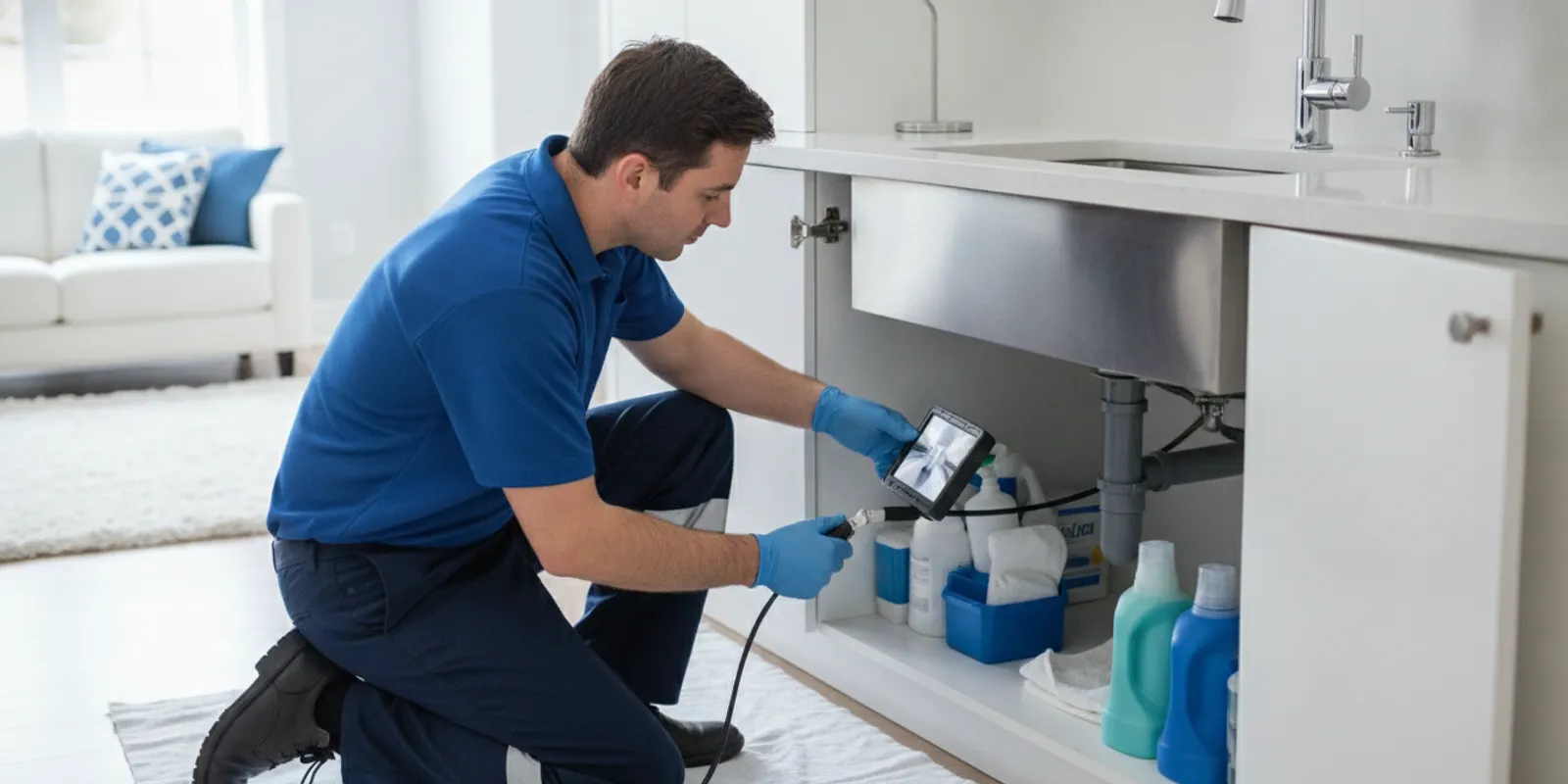
Here’s another incredibly simple yet effective trick for those frigid Michigan nights: open the cabinet doors under your kitchen and bathroom sinks. Those pipes are often tucked away in a cold, dark space against an exterior wall, making them a prime spot for freezing. By opening the doors, you allow the warm air circulating in your home to reach the plumbing, keeping the pipes at a safer temperature. This is a simple, no-cost way to protect your plumbing. Just be sure to move any household cleaners or chemicals to a secure location, especially if you have curious kids or pets in the house. If the pipes under your sink are a consistent concern, professional pipe insulation can provide a more permanent peace of mind.
Winterize Your Outdoor Faucets and Hoses
Your outdoor plumbing needs attention before the first freeze hits. Garden hoses are a common culprit for frozen pipe problems. Disconnect, drain, and store all your hoses for the winter. If you leave them attached, any water trapped inside can freeze and expand, creating pressure that can crack the faucet or the connecting pipe inside your wall. Next, find the shut-off valve for your outdoor spigots, which is usually located in your basement or a crawl space. Turn it off, then go outside and open the spigots to drain any remaining water from the line. This simple step ensures there’s no water left to freeze and cause damage.
Insulate and Cover Outdoor Spigots
After you’ve drained the line, the final step is to protect the spigot itself. You can find inexpensive, hard foam faucet covers at any local hardware store. These covers fit snugly over the outdoor faucet and are held in place with a cord or elastic band. They work by trapping heat that radiates from your home’s foundation, creating a small pocket of warmer air that prevents the metal spigot and the pipe just inside the wall from freezing solid. It’s a small investment that offers a huge amount of protection against a potential burst. If you’re unsure about any part of winterizing your outdoor plumbing, our team can help ensure everything is properly secured with professional pipe insulation services.
Check Your Water Meter Box
Don’t forget to check on your water meter box, which is typically located near the curb in your front yard. This box protects the water meter and the pipes connecting your home to the municipal water supply. It’s crucial to make sure the lid is closed tightly and isn’t broken or missing. An open or damaged lid allows frigid air to surround the meter and pipes, creating a high risk of freezing. If you find that the lid is damaged, contact your local water department, as they are usually responsible for its maintenance. A freeze at this critical connection point can be a major problem, often requiring emergency plumbing intervention to restore water to your home.
Keep Your Thermostat at a Consistent Temperature
Maintaining a steady temperature inside your home is one of the most effective ways to protect your pipes. The American Red Cross suggests keeping your thermostat set to the same temperature both day and night. While you might be tempted to lower the heat at night to save on your energy bill, a sudden drop in temperature can put your pipes at risk. If you plan to be away from home during cold weather, make sure to leave the heat on and set it no lower than 55°F. The small cost of heating an empty house is nothing compared to the expense and mess of repairing a burst pipe.
What’s the Safest Temperature?
So, what’s the magic number? While there isn’t one perfect temperature for every home, the widely accepted rule is to never let your thermostat dip below 55°F. This isn’t just an arbitrary number; it’s the baseline needed to ensure enough ambient warmth reaches the most vulnerable spots in your house—like the pipes running through your basement or along an exterior wall. It can be tempting to dial down the heat overnight to cut down on your energy bill, but that fluctuation is exactly what puts your pipes in jeopardy. A consistent temperature, as recommended by the American Red Cross, creates a stable environment that prevents the sudden cold snaps that can lead to an ice blockage. If you’re worried that certain areas of your home still feel dangerously cold, professional pipe insulation can offer that extra peace of mind, ensuring even your most exposed pipes are protected.
Are You Making These Common Prevention Mistakes?
There are a few common myths about frozen pipes that can lead to trouble. One is that a frozen pipe isn’t a big deal and will just thaw on its own. In reality, the ice creates a blockage that can cause immense pressure to build up, leading to a burst. Another mistake is using inadequate materials for insulation. While wrapping pipes in newspaper is better than nothing, it’s not nearly as effective as foam or fiberglass insulation sleeves designed specifically for plumbing. Don’t wait for a trickle of water to turn into a flood. If you suspect a pipe is already frozen, it’s time to call in the experts for frozen pipe repair before it bursts.
Forgetting to Seal Air Leaks
Insulating your pipes is a fantastic start, but it won’t do much good if they’re sitting in a constant draft. One of the most overlooked steps in winterization is sealing the small cracks and gaps that let frigid outside air into your home. Take a walk through your basement, crawl space, and garage to look for any openings to the outdoors. Pay special attention to areas around windows, vents, and where utility lines enter the house. Use caulk or weatherstripping to seal these leaks. This simple step creates a crucial barrier, stopping the cold before it can even reach your plumbing. Combining this with proper pipe insulation gives you a powerful, two-pronged defense against freezing.
Special Considerations for Renters
If you’re a renter, you might think frozen pipes are solely your landlord’s problem, but that’s not always the case. Many lease agreements require you to maintain a minimum temperature in the unit specifically to prevent this issue. If a pipe bursts because you turned the heat off to save money, you could be held financially responsible for the extensive water damage. Always review your lease to understand your obligations. You can still take simple preventative steps like opening cabinet doors and letting faucets drip during extreme cold. If you suspect a pipe is frozen, notify your landlord immediately so they can call a professional to handle the situation before it gets worse.
Leaving for an Extended Period?
Heading out of town for a winter getaway is a great way to escape the Michigan cold, but you need to make sure your home is protected while you’re gone. An empty house is especially vulnerable to frozen pipes. The most important rule is to never turn your heat completely off. Experts recommend setting your thermostat to at least 55°F to maintain enough ambient warmth to protect your plumbing system. For added security, open the doors to under-sink cabinets and leave a few faucets dripping slowly. The small cost of keeping your heat on is a tiny price to pay compared to the thousands of dollars in damage a burst pipe can cause.
If you’re going to be away for a longer time or just want the ultimate peace of mind, you can take a more thorough approach. The most foolproof method is to shut off your home’s water supply entirely. You can do this at the main shut-off valve, which is typically in the basement or a utility closet. After turning it off, open every faucet in the house—from the top floor to the lowest level—to completely drain the system of any remaining water. If you’re not comfortable performing these steps yourself or can’t locate your main shut-off valve, don’t hesitate to contact a professional. We can help you winterize your plumbing to ensure your home is secure while you’re away.
Your Step-by-Step Guide to Insulating Pipes
Proper insulation is your first and best line of defense against frozen pipes. Think of it as a winter coat for your home’s plumbing system. It works by slowing the transfer of heat, keeping the water inside your pipes from reaching freezing temperatures when the Michigan winter hits hard. While wrapping your pipes is a great start, a truly effective strategy involves a few extra steps to ensure every vulnerable point is protected. From choosing the right materials to sealing up sneaky drafts, taking a comprehensive approach will save you from the stress and expense of a burst pipe.
Effective pipe insulation is one of the most cost-effective ways to protect your home. It not only prevents freezing but also helps conserve energy by keeping your hot water hotter for longer. We’ll walk through the best ways to get the job done, from simple DIY-friendly options to more robust solutions for those extra-cold spots in your home. Taking these steps now can prevent a major headache later.
Choosing the Right Type of Pipe Insulation
Walking into a hardware store, you’ll find a few different options for pipe insulation. The most common and user-friendly choice is foam pipe sleeves. These are typically made from polyethylene or neoprene and come with a slit down the side, making them incredibly easy to slip over your pipes. They are effective, affordable, and perfect for a quick DIY project. Just measure the diameter of your pipes before you go shopping to ensure a snug fit, which is key to trapping heat effectively. For a secure installation, you can use duct tape or zip ties to seal the seam and connect different sections.
Using Heat Tape for Extra Protection
For pipes in the most vulnerable, unheated areas of your home, like a crawl space or attic, insulation alone might not be enough during a deep freeze. This is where electric heat tape or cables come in. This product is essentially a heated wire that you wrap directly around the pipe, providing a constant, low level of warmth to prevent freezing. It’s a targeted solution for problem spots. Always follow the manufacturer’s installation instructions carefully, as improper use can pose a safety risk. When used correctly, heat tape is an excellent tool for giving your most at-risk pipes an extra layer of protection.
Find and Seal Cold Air Leaks
Even the best insulation can be undermined by cold drafts. Before you wrap your pipes, take a moment to inspect the areas where they run. Look for any cracks or gaps where pipes enter your home through foundation walls or floors, especially from the outside. A small opening can let in a surprising amount of frigid air, creating a cold spot that puts your pipe at risk. Use caulk or spray foam insulation to seal these air leaks tightly. This simple step ensures the space around your pipes stays as warm as possible, making your insulation far more effective.
Check Garages, Windows, and Foundation Vents
Your garage is another critical area to check. If you have water lines running through it, make it a habit to keep the garage door closed as much as possible during the winter. An open door can quickly drop the temperature and put those pipes in the danger zone. Similarly, take a walk around your home’s foundation and inspect for any drafts coming from windows or foundation vents. A small opening can let in a surprising amount of frigid air, creating a cold spot that puts your pipe at risk. Sealing these gaps with caulk is a simple but powerful step. If you’ve done all you can and still worry about certain areas, professional pipe insulation can provide the robust protection needed for Michigan’s toughest winters.
Insulate Unheated Areas like Attics and Basements
Pipes don’t exist in a vacuum. The temperature of the space around them matters just as much as the insulation wrapped on them. If your pipes run through an unheated crawl space, attic, or basement, that entire area is contributing to the problem. Insulating the walls and ceiling of these spaces is a crucial step in creating a more stable environment for your plumbing. While it’s a larger project, it offers a huge payoff by preventing heat loss and protecting your pipes. If you’re unsure where to start or need help with a more complex situation, our team is always ready to provide expert frozen pipe repair and prevention services.
Frozen or Burst Pipe? Here Are Your Next Steps
Discovering a frozen or burst pipe is stressful, but taking the right steps quickly can make all the difference. Whether you’re dealing with a trickle of water or a full-blown flood, knowing what to do can minimize damage. The key is to act fast and, when in doubt, call for professional help. If you catch the problem early, you might be able to handle it yourself. But if the pipe has already burst, your immediate actions are crucial. Let’s walk through the steps for each scenario.
How to Safely Thaw a Frozen Pipe
If a faucet stops working but there are no signs of a leak, you may have a frozen pipe. If you can access it, try to thaw it carefully. First, open the faucet connected to the pipe to let water flow as the ice melts, relieving pressure. Next, apply gentle heat to the frozen area using an electric heating pad, a hair dryer, or towels soaked in hot water. Keep the heat source moving to avoid damage. Never use an open flame, like a blowtorch, as this can damage pipes and create a fire hazard.
Safety First: What Not to Use
When you’re trying to thaw a pipe, your first thought might be to use the strongest heat source you have. Please don’t. It’s critical to avoid using any kind of open flame. That means no blowtorches, kerosene or charcoal heaters, or propane stoves. These methods are incredibly dangerous; they can easily damage the pipe itself or, even worse, start a fire in your home. The goal is to gently and slowly warm the pipe, not to apply intense, direct heat that could cause it to crack or burst. Stick to safer, indirect heat sources like a hair dryer on a low setting, an electric heating pad, or towels soaked in hot water. Patience is key here.
Be Prepared for Leaks During Thawing
As the ice begins to melt, be ready for water. If the pipe already has a small crack from the pressure, water will start to spray or drip as soon as it thaws. This is why it’s so important to have towels on hand and to be cautious, especially if you’re using an electrical appliance like a hair dryer near the pipe. If a leak does appear, it’s no longer a DIY job. You’ll need to shut off your home’s main water supply immediately to prevent water damage. Then, it’s time to call for professional help. A sudden leak requires a fast response, so having a trusted plumber ready for emergency plumbing situations is essential.
Check Other Faucets After Thawing
Once you’ve successfully thawed one pipe, your job isn’t quite done. If one pipe froze, it’s a strong signal that others might be at risk, too. Take a moment to walk through your house and check other faucets, particularly those in basements, garages, or on exterior walls. A frozen pipe rarely happens in isolation; it’s often a symptom that parts of your home are not adequately protected from the cold. Finding another problem early gives you a head start. If you discover multiple frozen pipes, it’s a good idea to get a professional to assess the situation and help with a more comprehensive frozen pipe repair plan.
A Pipe Burst? Do This Immediately
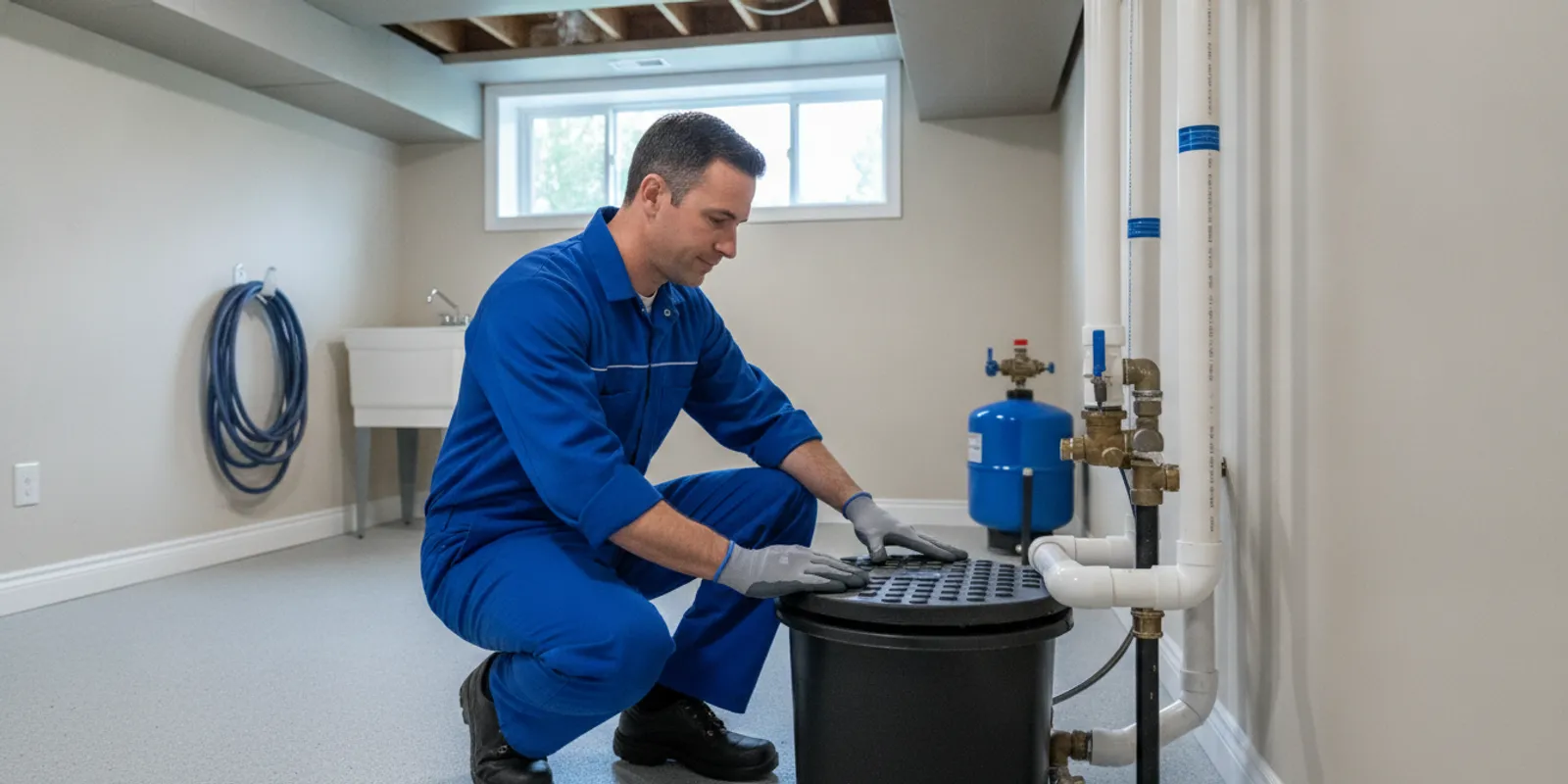
If a pipe has already burst, act immediately to prevent major water damage. Your first step is to shut off the main water supply to your home, which is usually in the basement or a utility closet. This stops the flow of water. Once the water is off, your next call should be to a professional. A burst pipe requires immediate attention, and our team is always ready to handle emergency plumbing situations. While you wait, consider turning off your electricity if water is near outlets or appliances.
Know How to Shut Off Your Water Main
In a plumbing emergency, every second counts, and knowing how to shut off your home’s main water supply is your most powerful tool. This single action can stop a flood in its tracks, saving you from thousands of dollars in water damage. The main shut-off valve is typically located where the main water line enters your house, often in the basement, a crawl space, or a utility closet near the front of your home. To turn it off, you’ll usually turn a wheel-style valve clockwise or move a lever-style valve so it’s perpendicular to the pipe. Take a moment today to find your valve and make sure everyone in your household knows where it is and how it works. If you can’t locate it or find that it’s stuck, don’t wait for an emergency—our team can help you with any emergency plumbing preparations.
When Is It Time to Call a Plumber?
Sometimes, a frozen pipe is out of reach or won’t thaw with gentle heating. You should call a professional for frozen pipe repair if you can’t find the frozen area, it’s behind a wall, or your attempts aren’t working. If you see any water pooling or dripping, don’t hesitate. This means the pipe has already cracked or burst. Trying to thaw it will only release more water. At that point, shut off the main water valve and let an expert take over. We have the tools and experience to fix the problem safely.
Related Articles
Frequently Asked Questions
How cold does it have to be for my pipes to be at risk of freezing? While the freezing point of water is 32°F, pipes are generally at risk when the outside temperature drops to 20°F or below for a sustained period. However, it’s not just about the number on the thermometer. Pipes in uninsulated areas like attics, crawl spaces, or along exterior walls can freeze even in slightly warmer temperatures, especially if there’s a significant wind chill. It’s always better to be cautious and take preventive steps once the forecast predicts temperatures dipping near freezing.
I’ve heard I should let a faucet drip. Does that really work? Yes, it absolutely does. Letting a faucet drip, even just a tiny bit, keeps water moving through your plumbing system. This movement makes it much harder for the water to freeze and form an ice blockage. A slow, steady drip from both the hot and cold taps is all you need. If you have to choose just one, pick the faucet that is furthest from where the water line enters your home to keep water flowing through the entire system.
My pipes are located inside a wall. How can I tell if they’re frozen and what should I do? This is a tricky situation, but there are still clues. You’ll likely notice the same warning signs, such as a sudden drop in water pressure or no water at all from a specific faucet. You might also see frost on the section of the wall where the pipe is located. If you suspect a pipe inside a wall is frozen, do not try to open the wall yourself. Your best and safest option is to call a professional plumber who can locate the freeze and thaw it without causing damage.
Is it safe to use a space heater to thaw a frozen pipe? Using a space heater can be risky and is generally not recommended. Placing a heater too close to flammable materials like drywall, insulation, or wood framing can create a serious fire hazard, especially if left unattended. It’s much safer to use gentle, direct heat from a hair dryer on a low setting, an electric heating pad, or towels soaked in hot water. These methods give you more control and are far less likely to cause damage or fire.
I’m going on vacation during the winter. What are the most important steps to protect my pipes? Enjoy your trip without worrying about your plumbing. Before you leave, set your thermostat to a consistent temperature no lower than 55°F. Open the doors to any kitchen and bathroom cabinets that house plumbing to let warm air circulate. For extra peace of mind on a longer trip, you can shut off your home’s main water supply and drain the pipes by opening all the faucets until they run dry.