
When a Detroit winter settles in, the pipes most likely to cause concern are often the ones outside the home’s heated living space. A basement rim joist, exterior wall, crawlspace, garage, or utility area can expose plumbing to cold air for hours at a time, especially during a prolonged freeze.
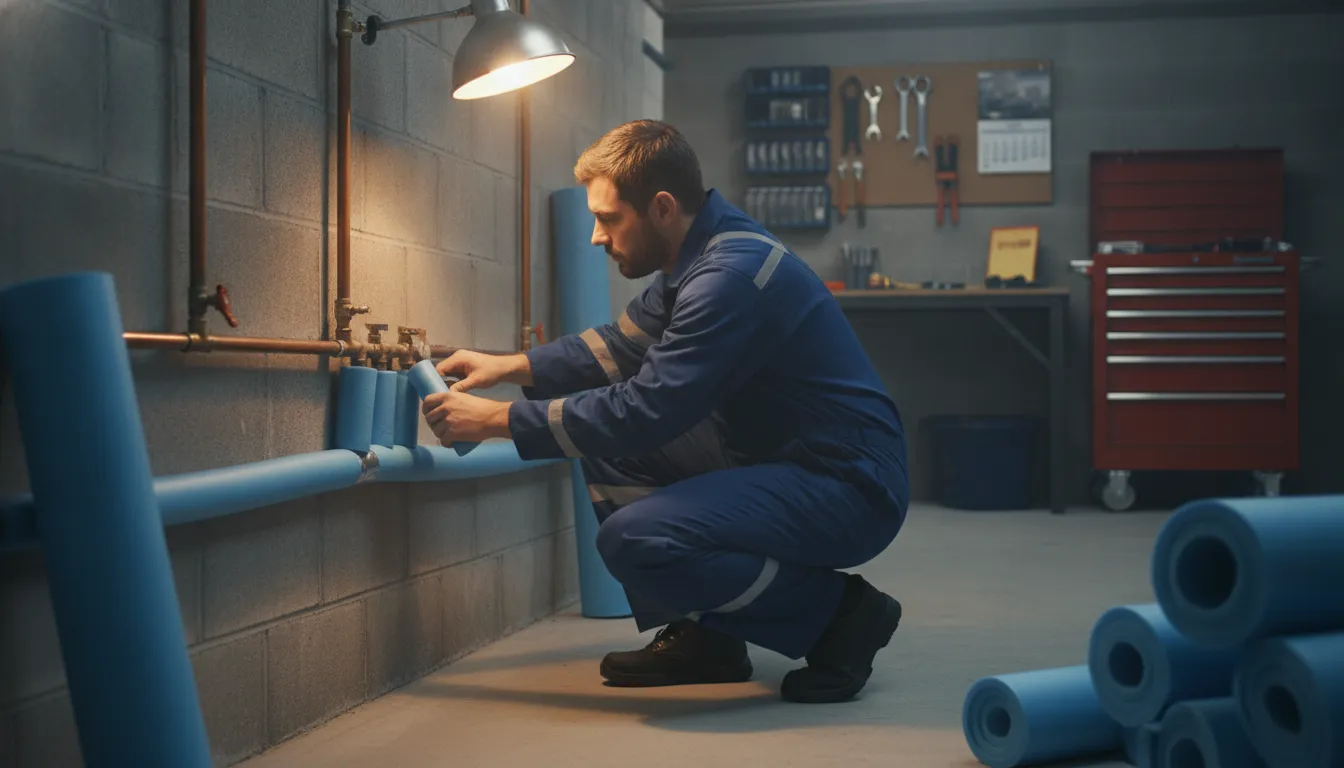
Professional pipe insulation Detroit homeowners rely on slows heat loss from vulnerable supply lines, helping water remain above freezing longer and improving protection in unconditioned areas. It is most effective when the full exposed run is covered and gaps around penetrations are addressed.
Good insulation is not a substitute for a complete winter plumbing plan, but it is a practical first layer of protection. The right starting point is identifying which pipes face the greatest exposure, then matching the coverage and material to those conditions.
Which Pipes Need Pipe Insulation Detroit Homeowners Should Prioritize?
Detroit homes do not all face the same winter exposure. Plumbing that runs through a heated interior area may remain relatively protected. While a short section near an exterior wall or an unheated space can be affected much sooner. When temperatures fall below freezing, water inside vulnerable pipes can freeze, expand, and place stress on the plumbing system. The CDC notes that extreme cold can cause household water pipes to freeze and sometimes rupture or break: CDC winter weather guidance.
Exterior walls and perimeter plumbing
Pipes installed in outer walls deserve close attention because they sit nearer to cold exterior temperatures than plumbing routed through interior partitions. This is especially important beneath sinks, near hose bibs, and along walls that receive sustained winter exposure. The U.S. Department of Energy’s Building America Solution Center identifies pipes in outer walls as more susceptible to freezing because of that proximity to the exterior environment. Insulation should be planned as part of the full vulnerable section, not applied only to the easiest visible point.
Basements, crawlspaces, and attics
Basements and crawlspaces can contain long runs of exposed plumbing, particularly where the space is unconditioned or has drafts around penetrations. Attics present a similar concern because pipes may be separated from the home’s heated living space by limited insulation. The goal is consistent coverage along exposed pipe runs so one unprotected section does not become the weak point. Difficult access also makes it worthwhile to have a professional assess whether insulation is continuous and properly fitted.
Garages and other unheated spaces
Unheated garages and workshops are major weak points during Detroit winters. Water lines serving a utility sink, laundry area, bathroom, or exterior fixture may pass through these spaces before entering the home. A professional evaluation can identify where cold air reaches the plumbing and determine which sections need durable, professional-grade insulation.
For broader preparation steps beyond insulation locations, review this Detroit winter pipe protection guide. It complements an insulation assessment by covering the wider conditions that affect vulnerable plumbing during a Metro Detroit freeze.
How Pipe Insulation Protects Against Freezing in Michigan Winters
Water inside a plumbing pipe gradually loses heat to the colder air and surfaces around it. Pipe insulation slows that heat transfer by creating a layer that holds warmth near the pipe. It does not heat the water, but it helps the water stay above freezing longer when temperatures fall. That extra time is especially valuable in exposed or unconditioned parts of a Metro Detroit home.
Professional-grade winter pipe protection tips start with complete coverage, not just insulating the easiest section to reach.
Why complete coverage matters
Insulation works best when it covers the entire length of exposed piping in unconditioned spaces. A short unprotected section can remain a cold point where heat escapes quickly, particularly near an exterior wall. Crawlspace, basement rim joist, attic, garage, or other area outside the home’s heated envelope. The Building America Solution Center recommends fully insulating exposed pipes in these spaces to maximize protection against freezing: PNNL guidance on insulating plumbing pipes.
Coverage also needs to account for fittings, bends, valves, and connections. Gaps at those transitions can leave small areas vulnerable even when the straight runs appear well protected. A professional assessment identifies where insulation must continue and where the surrounding air barrier needs attention.
When a second layer is appropriate
Some pipes face more severe cold exposure than others. In particularly cold zones, a second insulation layer can provide additional protection, according to the same PNNL guidance. This approach may be appropriate for plumbing near exterior penetrations or in spaces that cannot reliably stay warm during a Michigan cold snap. The correct thickness and installation method depend on the pipe material, location, moisture conditions, and available clearance.
Why sealing penetrations is part of the system
Insulation alone cannot stop cold outdoor air from moving through openings around plumbing. Gaps where pipes enter or leave the home should be sealed with an appropriate caulk or spray foam so drafts do not bypass the insulation. This air-sealing step complements the insulation by helping the surrounding space retain conditioned air.
Because pipes in confined or difficult-to-access locations require uniform coverage, professional installation helps ensure that the insulation and air sealing work together rather than leaving hidden weak points.
Professional-Grade Pipe Insulation Materials for Detroit Homes: What to Know
Material selection depends on the pipe’s temperature, location, exposure, and role in the home’s plumbing or heating system. During a professional assessment for pipe insulation Detroit homeowners can rely on, Mr. Pipey evaluates those conditions before choosing and installing the appropriate insulation. The goal is consistent coverage, stable water temperatures, and a finish that remains dependable in difficult spaces.
| Material | Performance characteristics | Where it fits best |
|---|---|---|
| Flexible elastomeric foam or rubber | Flexible, durable, and mold-resistant, with a long service life when correctly installed. It conforms well around bends, fittings, and other challenging areas. | Exposed plumbing, irregular layouts, humid areas, and locations where a continuous, resilient seal matters. |
| Fiberglass | Provides high thermal resistance and tolerates higher-temperature applications when properly jacketed and installed. | Hot-water or steam heating lines, commercial systems, and specialized residential applications. |
| Polyethylene foam | Lightweight and durable, with a practical balance of coverage and thermal protection for general freeze-prevention work. | Standard residential water lines and accessible runs where the pipe conditions support a tubular foam solution. |
How insulation performance is measured
Foam insulation commonly carries an R-value of approximately R-2 to R-3 per inch. A higher R-value indicates greater resistance to heat transfer, but the rating is only part of the installation decision. Pipe diameter, ambient temperature, moisture, gaps, fittings, and the condition of the existing insulation all affect real-world performance. Mr. Pipey’s technicians account for these variables rather than treating every exposed pipe as the same.
Benefits beyond freeze protection
According to the Building America Solution Center, pipe insulation can reduce energy costs by up to 10% by helping maintain water temperature. It can also shorten the wait for hot water at fixtures, improving comfort while reducing the amount of water that runs before the desired temperature arrives. For steam distribution and return pipes, the same source reports that insulation can reduce heat loss by as much as 90%.
Because material and coverage must match the system, installation is best handled as a planned service rather than a product-shopping decision. Mr. Pipey provides professional pipe insulation services in Detroit, including material selection and coverage in confined or irregular areas.
How to Tell If Your Pipes Are Vulnerable This Winter
Not every pipe problem is visible at first. A quick review of exposed plumbing can show where a Detroit home may need better protection before sustained winter cold arrives. These clues do not automatically mean a pipe will freeze, but they are useful reasons to arrange a professional assessment.
Cold surfaces and drafts around pipe runs
If exposed pipes feel unusually cold during winter, especially in a basement, crawlspace, garage, or near an exterior wall, the surrounding area may be allowing heat to escape. Pipes in outer walls are more susceptible to freezing because they are closer to exterior temperatures, while unheated garages and workshops can create additional weak points. A noticeable draft near a pipe run, foundation opening, sill plate, or utility entry is another sign that cold air may be reaching the plumbing. The Building America Solution Center recommends insulating exposed pipes in unconditioned spaces and addressing gaps around pipes that lead outdoors.
Condensation, corrosion, and damaged insulation
Water droplets or persistent sweating on a pipe can indicate condensation and temperature differences at the pipe surface. Insulation helps reduce condensation, which can otherwise contribute to moisture or mold damage. Look also for insulation that is split, compressed, missing, or detached. Pipe insulation should be checked periodically so it remains intact and provides continuous coverage.
Existing corrosion, staining, mineral buildup, or other visible wear on an exposed line deserves professional attention before insulation is added. Proper insulation can help manage temperature changes and reduce mechanical stress. Supporting the longer-term life of the plumbing system, but it does not replace repair of an already damaged pipe.
Past freeze incidents are valuable history
If a particular room, fixture, or pipe run has frozen in a previous winter, treat that history as useful evidence. Repeated incidents may point to a location-specific exposure, incomplete coverage, inadequate air sealing, or another condition that should be evaluated rather than covered over. An annual inspection of accessible plumbing can identify leaks, wear, damaged insulation, and other vulnerabilities early. For pipes in confined or difficult-to-reach locations, professional inspection and installation help ensure the coverage is appropriate for the space.
Review guidance on insulating plumbing pipes, then schedule an annual inspection with a qualified Detroit plumbing professional before winter conditions intensify.
What Pipe Insulation in Detroit Can and Cannot Do for Your Home
Proper insulation is a low-cost, high-return improvement for plumbing in a cold climate. It slows the rate at which heat leaves the water inside a pipe, giving the pipe more time to stay above freezing as indoor temperatures fall. That extra time matters in exposed or unconditioned areas, but insulation is not a guarantee against freezing during every extreme weather event.
Coverage and installation quality affect the result. Gaps, detached sections, and uninsulated fittings can leave cold points in an otherwise protected run. In especially cold zones, such as an outside wall, crawlspace, garage, or other confined location, a professional may recommend additional insulation or a compatible heat-tape system. Difficult spaces should be assessed by a qualified plumber so the material and installation suit the pipe and surrounding conditions. The Building America Solution Center identifies professional assistance as appropriate where uniform coverage is difficult to achieve.
Why insulation is the foundation, not the entire plan
During a prolonged period of extreme cold, Detroit homeowners may need several protective measures working together. A faucet may be left slightly open to drip, which helps relieve pressure as water conditions change inside the plumbing system. Cabinet doors beneath sinks can also be opened so heated household air reaches nearby pipes. These steps are supplemental. They do not replace proper insulation, stable indoor heat, or an evaluation of vulnerable plumbing.
A comprehensive winter plan should also include routine attention to the heating system and known cold spots around the home. The CDC recommends having the heating system serviced by a qualified technician each year. Maintaining reliable indoor heat supports the plumbing throughout the home, while professional inspection can identify areas where insulation has become damaged, detached, or incomplete.
What to do if a pipe freezes
If a pipe does freeze, do not use a torch or another open flame to thaw it. The CDC recommends thawing slowly with warm air, such as from an electric hair dryer, while taking care around water and electrical connections. If the location is inaccessible, the pipe has split, or water begins leaking after thawing. Shut off the water supply if it is safe to do so and contact a licensed plumber. Mr. Pipey’s emergency burst pipe repair Detroit guide explains the next steps for a plumbing emergency.
For a broader seasonal checklist, review this Detroit winter pipe protection guide. The goal is not to rely on one measure, but to combine sound insulation with professional planning for the home’s coldest and hardest-to-reach areas.
How to Prepare Your Detroit Home’s Plumbing Before Winter Hits
Detroit homeowners can reduce winter plumbing problems by addressing vulnerable areas before sustained cold arrives. A professional review, complete insulation coverage, and a few practical household precautions create a stronger year-round maintenance plan.
-
Schedule a professional plumbing inspection
Arrange an annual inspection before temperatures fall below freezing. A licensed plumber can identify exposed or poorly protected pipes, leaks, worn connections, and vulnerable routing in areas that are difficult to access. Early attention is especially valuable in basements, crawlspaces, attics, garages, and other spaces that are not consistently heated.
-
Seal gaps around plumbing penetrations
Cold air can enter through openings where pipes pass through exterior walls, floors, or foundation areas. Have those gaps sealed with an appropriate caulk or spray foam application. Proper sealing helps keep outdoor air from reaching the plumbing and complements professional insulation work.
-
Install professional-grade insulation on exposed pipes
Have a qualified plumber install suitable pipe insulation throughout unconditioned spaces, rather than treating only one visible section. Full coverage helps slow heat loss, while especially cold zones may require additional protection. If you are evaluating pipe insulation Detroit homeowners can rely on, professional installation also helps address confined or awkward locations safely. Insulation has a year-round benefit: it can reduce pipe sweating during warm, humid months, helping limit moisture concerns. Learn more about frozen pipe prevention during power outages as part of your broader plan.
-
Service the heating system annually
Schedule annual service for the home’s heating system before winter demand begins. Maintaining reliable heat supports a stable indoor environment and helps protect plumbing in areas near the home’s conditioned space. A heating professional can advise on system-specific maintenance needs.
-
Know the main water shut-off location
Every household should know where the main water shut-off valve is located and keep access clear. During extreme cold, opening cabinet doors beneath sinks can allow warmer air to reach nearby pipes. If a plumbing issue develops, prompt action and emergency plumbing services Detroit homeowners trust can help limit disruption.
Complete these steps before the first prolonged freeze, then include plumbing protection in your regular home maintenance schedule.
Frequently Asked Questions
What type of pipe insulation works best for Detroit winters?
The best material depends on pipe location, temperature exposure, moisture, and access. Foam is a common, cost-effective choice for residential plumbing, while fiberglass may suit specialized residential or commercial applications that require high thermal resistance. A professional assessment can match the material and coverage to the conditions around your pipes. PNNL guidance identifies foam as an effective residential option and fiberglass as a high-resistance alternative.
Does pipe insulation guarantee that pipes will never freeze?
No. Insulation slows heat loss and helps keep water above freezing longer, but it does not replace adequate heat, complete coverage, or protection for especially exposed plumbing. Pipes in outer walls, unheated garages, crawl spaces, and other unconditioned areas may need additional evaluation. Sealing gaps around outdoor pipe penetrations and addressing cold-air movement are also important parts of a complete winter plan.
Which pipes should be insulated before winter?
Prioritize exposed water lines in unheated spaces, pipes near exterior walls, and plumbing in garages, workshops, basements, and crawl spaces. Insulation is most effective when it covers the full length of exposed pipe rather than stopping at an easily reached section. Building America guidance recommends fully insulating exposed pipes in unconditioned spaces.
What should I do if a pipe appears to be frozen?
Turn off the water supply if a leak or rupture is suspected, then contact a licensed plumbing professional for assessment. If a pipe is frozen but intact, it should be thawed slowly with warm air. The CDC specifically advises against using a torch and recommends warm air, such as from an electric hair dryer, for slow thawing: CDC winter safety guidance.
Ready to Schedule Professional Pipe Insulation?
A professional assessment can help identify exposed or poorly protected piping before Michigan’s coldest weather arrives. Mr. Pipey can recommend a practical insulation approach for your Detroit-area home and the areas that need attention most.
Schedule professional pipe insulation service before winter by calling (313) 900-0700.