
A burst pipe can turn a routine day into a fast-moving water emergency, especially in an older Detroit home or during a winter cold snap. Stay calm, keep people away from electrical hazards, and focus first on stopping the water at its source. The right early decisions can limit damage while a licensed plumber is on the way.
For burst pipe repair Detroit homeowners can rely on, turn off the home’s main water supply immediately. Then call a professional emergency plumber to assess the line, remove damaged sections, and restore the system safely. Mr. Pipey provides 24/7 emergency plumbing service across Metro Detroit, with an average response time of 45 minutes and no overtime charges.
Once the water is shut off, avoid entering wet areas with electrical equipment and document visible damage from a safe location. The next priority is understanding which steps protect your home while help is in transit, beginning with the main shut-off and a careful assessment of immediate hazards.
Burst Pipe Repair Detroit: What to Do Immediately After a Pipe Bursts in Detroit
A burst pipe can release water faster than a homeowner can contain it. Follow these steps in order, then let a licensed professional assess the line and complete the repair. The goal is to stop active water flow, protect people in the home, and give the plumber accurate information.
-
Turn off the main water supply
Shut off the home’s main water valve first. It is often located in the basement, crawlspace, or near the water meter. Turning off the main supply stops additional water from entering the plumbing system and is the most important action for limiting damage. If you cannot locate or operate the valve, tell the emergency plumber immediately so the technician can help identify the shut-off point.
Mr. Pipey’s main water shut-off valve services can help Detroit-area homeowners address a valve that is difficult to find, access, or operate.
-
Open faucets to drain remaining water
After the main valve is closed, open nearby cold-water faucets and, if appropriate, other fixtures in the home. This helps release water still held in the lines and reduces pressure while the plumbing system is evaluated. Do not force a corroded valve or enter an area where standing water may have reached electrical equipment. Move household members away from unsafe areas and wait for professional guidance when conditions are uncertain.
-
Document the affected areas
Take clear photographs or video of the burst pipe, standing water, damaged ceilings or walls, flooring, and personal property when it is safe to do so. Record when you discovered the leak and the steps you took to shut off the water. Keep receipts for emergency services and related expenses. This documentation can help your insurance company evaluate the loss, although coverage depends on your policy and the cause of the failure.
-
Call a professional plumber
Contact a professional as soon as the water is under control. A temporary reduction in flow does not confirm that the damaged pipe is safe or that the underlying issue has been corrected. Professional burst pipe repair in Detroit is important for restoring water service safely and protecting the long-term integrity of the plumbing system. Mr. Pipey provides a 45-minute average response for emergency calls, subject to conditions and location.
Call Mr. Pipey at (313) 900-0700 for professional burst pipe repair Detroit homeowners can rely on.
When you call, describe the pipe’s location, whether water is still flowing, whether electricity may be affected, and which areas of the home have visible damage. That information helps the plumber prepare for a safer, more efficient response.
Why Do Pipes Burst in Detroit Homes?
Detroit homes face a combination of older plumbing infrastructure and repeated winter freeze-and-thaw conditions. Understanding where problems commonly develop helps homeowners recognize why a professional inspection may focus on certain areas of the house, especially when arranging frozen pipe prevention and repair.
Older homes can have aging supply lines
Detroit’s median home age is approximately 77 years, according to local plumbing data compiled by Alert Plumber. In older properties, portions of the water supply system may run through exterior walls, unconditioned spaces, or areas with older pipe materials. Age alone does not mean a home has an imminent plumbing failure. But it does make the condition, routing, and insulation of the pipes important parts of a professional assessment.
Detroit’s water infrastructure also includes an estimated 80,000 lead service lines connecting homes to city water mains, according to Roto-Rooter’s Detroit service information. A service line is different from the interior pipes that supply fixtures, so this figure should not be treated as a diagnosis of any particular home. It does illustrate the scale and age of the plumbing systems serving the city. And why a qualified plumber should evaluate the full path from the street connection to the home’s interior plumbing.
Where frozen pipes are most likely to develop
The most common vulnerable locations are spaces that receive little or no heat:
- Exterior walls: Pipes near the outside of the building envelope can be exposed to colder temperatures than lines inside heated rooms.
- Attics: Water lines routed through an attic may be affected by cold air if the surrounding insulation or air sealing is inadequate.
- Crawlspaces: Drafts and limited insulation can leave plumbing in a crawlspace vulnerable during a sustained freeze.
- Basements: Pipes near foundation walls, windows, rim joists, or utility penetrations can encounter cold spots even when the basement is enclosed.
Why winter temperatures put pressure on pipes
Detroit cold snaps commonly begin in November and can continue into early March, with overnight temperatures reaching the low 20s. When water freezes, it expands by roughly 9 percent. That expansion increases pressure within a confined pipe, particularly when ice forms between sections of liquid water. The pipe may split at a weak point, and the leak may become apparent only after temperatures rise and the ice begins to thaw.
Freezing does not always produce a visible break at the exact spot where ice forms. Pressure can build between the frozen section and a closed fixture or another obstruction, while the eventual split occurs at a weaker portion of the pipe. This is one reason a visible thaw or temporary return of water flow should not be treated as proof that the line is sound.
These conditions do not make every winter plumbing issue an emergency. But they do explain why prompt evaluation matters when a homeowner notices reduced water flow, dampness, or an unexpected leak in an unconditioned area. A licensed professional can identify the affected section and recommend a durable repair rather than treating only the visible symptom.
How Can You Minimize Water Damage Before the Plumber Arrives?
After the water is shut off and help is on the way, focus on limiting exposure and preserving useful information. You do not need to diagnose the failed pipe or begin a major cleanup. A few careful steps can help protect your home while a qualified plumber addresses the source.
Move belongings away from the water
Move furniture, boxes, rugs, electronics, and other valuables to a dry area when you can do so without walking through unsafe water or handling electrical equipment. Lift smaller items off the floor and separate wet materials from dry ones. Avoid carrying heavy, saturated furniture alone. If water is near outlets, appliances, or electrical panels, leave the area and wait for qualified assistance rather than taking unnecessary risks.
Contain water without disturbing the plumbing
Place buckets, pans, and folded towels beneath active drips when they can be positioned safely. Replace or wring out towels as needed, and keep walkways clear for the responding technician. Opening cabinet doors beneath a sink can improve air circulation around the plumbing space, but do not force swollen doors or reach into standing water. Do not use fans, vacuums, or other electrical equipment where water may have reached a power source.
Take mold precautions during cleanup
Water-damaged areas can create conditions for mold growth, and cleanup may present health and injury risks. The CDC recommends wearing at least a NIOSH-approved N95 respirator and protective gloves when cleaning mold. Follow the CDC’s mold cleanup guidance, and keep children, pets, and anyone with respiratory sensitivities away from the affected area. For substantial water damage, a restoration professional can handle the drying and cleanup process after the plumbing failure is controlled.
A water-damage cleanup company may focus on extraction, drying, and restoration. Mr. Pipey’s role is to fix the burst and restore the plumbing safely first. For professional help with the source of the leak, see our professional leak detection services and ask about emergency plumbing in Metro Detroit.
How Much Does Burst Pipe Repair Cost in Detroit?
The cost of burst pipe repair in Detroit depends on the situation a plumber finds after locating the break. A short, accessible section of modern piping may require a straightforward repair. A burst inside a wall, beneath flooring, or along an older service line can involve more labor, material, and restoration. The extent of water damage also affects the overall scope.
What affects the repair price?
Three factors usually have the greatest impact on pricing:
- Material type: Copper, galvanized steel, PEX, and other piping materials require different repair methods and replacement parts.
- Location and accessibility: A visible pipe in an unfinished area is generally simpler to reach than a line enclosed behind drywall or under a finished floor.
- Extent of the damage: Multiple breaks, saturated building materials, or related plumbing damage may require additional work beyond the initial pipe repair.
Emergency service can also affect what some plumbing companies charge. After-hours premiums commonly range from 50% to 150% above regular rates, and some providers add separate dispatch or overtime fees. Those charges can make an urgent repair harder to budget, especially overnight or during a holiday.
Does Mr. Pipey charge more for emergency service?
Mr. Pipey uses the same flat-rate pricing 24/7/365, with no overtime charges. A plumber evaluates the problem, explains the recommended repair, and provides a free estimate with upfront pricing before work begins. There are no hidden fees, so you can make an informed decision without waiting for standard business hours.
Will homeowners insurance cover a burst pipe?
Many homeowners insurance policies cover sudden water damage from a burst pipe, but coverage depends on the policy and the circumstances. The pipe repair itself may be treated differently from damage to walls, flooring, or personal property. Frozen-pipe damage may be excluded if the insurer determines that homeowner negligence, such as failing to maintain reasonable heat, contributed to the loss. Contact your insurance provider promptly, document the damage, and keep repair estimates and invoices for your claim. A licensed plumber can address the active leak while you confirm your coverage.
Why Should Detroit Homeowners Trust Mr. Pipey for Burst Pipe Repair?
A burst pipe calls for a prompt, steady response from a plumbing company that understands Detroit homes and the surrounding Metro Detroit communities. Mr. Pipey is a family-owned Detroit business based at 12660 Burt Rd, serving homeowners throughout the area with licensed and insured plumbing professionals. That local presence means you can work with a nearby team focused exclusively on resolving the plumbing emergency and restoring dependable service.
24/7 response without after-hours premiums
Water emergencies do not follow business hours, so Mr. Pipey provides emergency plumbing service 24 hours a day, 7 days a week, 365 days a year. The average response time is 45 minutes, helping homeowners get professional attention quickly when a supply line or other pipe fails. The company also maintains the same flat rate around the clock. There are no overtime charges for nights, weekends, or holidays, while some emergency plumbing providers add 50% to 150% premiums for after-hours calls.
For more detail about availability and service coverage, see Mr. Pipey’s 24/7 emergency plumbing services in Detroit.
Licensed professionals and clear accountability
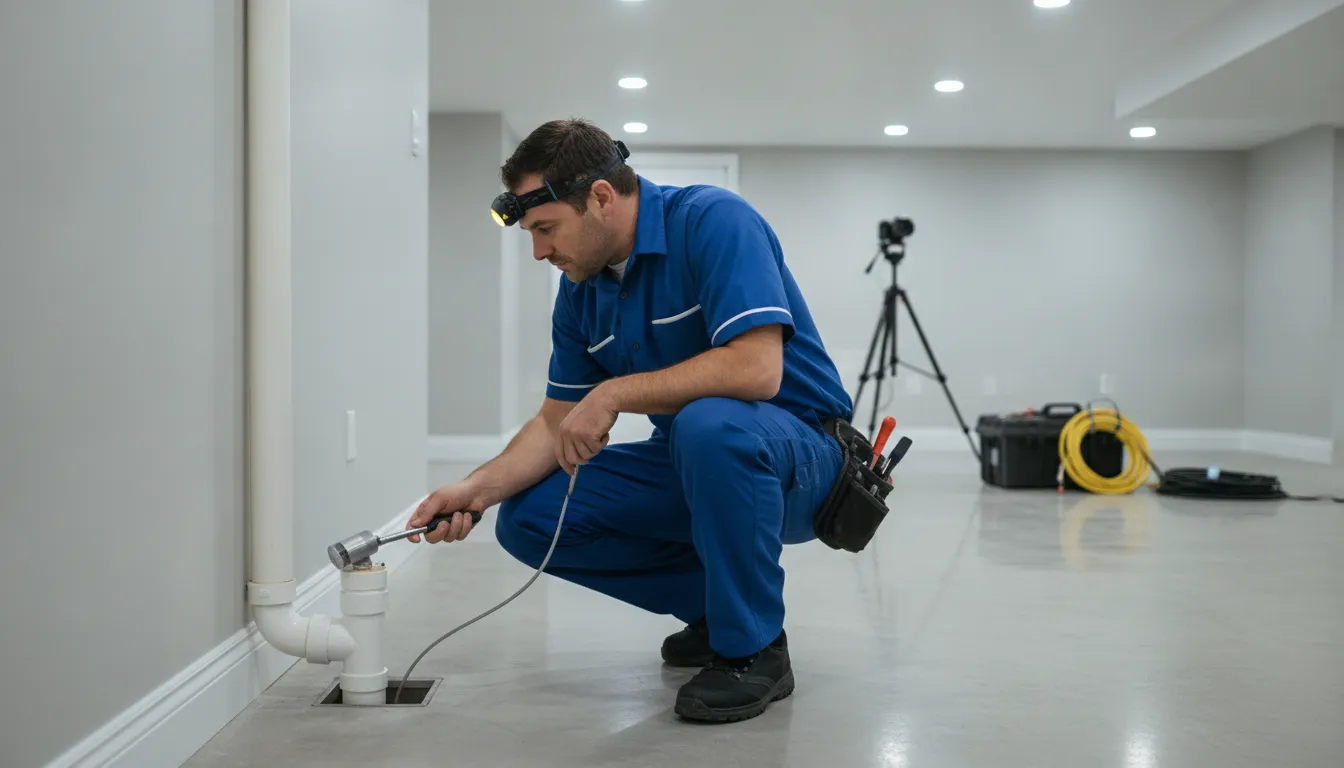
Professional credentials matter when a repair involves hidden piping, water damage, or a system that must remain reliable after the immediate leak is contained. Mr. Pipey’s licensed and insured team evaluates the source of the failure, explains the repair path, and works toward a durable solution rather than a temporary patch. Depending on the situation, that may include advanced leak detection, camera inspection, or trenchless repair methods designed to limit unnecessary property disruption.
A customer record built on satisfaction
Mr. Pipey holds a 4.8 out of 5 star rating, and 80% of its reviews are five-star reviews. The company also backs its work with a 100% satisfaction guarantee. Together, these commitments give Detroit homeowners a clear standard for service: responsive communication, professional workmanship, and a straightforward experience during an already stressful plumbing problem.
Need help now? Call Mr. Pipey at (313) 900-0700 for 24/7 burst pipe repair in Detroit with no overtime charges.
How Can You Prevent Burst Pipes in Your Detroit Home?
Preventing a burst pipe starts with reducing exposure to freezing temperatures and identifying vulnerable plumbing before winter weather arrives. Detroit cold snaps commonly affect homes from November through early March, and overnight temperatures can fall into the low 20s. That combination makes preparation especially important for plumbing in unheated or drafty areas.
Insulate Pipes in Vulnerable Areas
Have a licensed plumber inspect and insulate water lines that run through attics, crawlspaces, garages, and exterior walls. These locations lose heat more quickly than finished living areas. Professional-grade insulation can help maintain safer pipe temperatures. But it should be installed as part of a broader assessment that also checks for damaged insulation, exposed connections, and signs of corrosion.
Keep Indoor Temperatures Consistent
During Michigan cold snaps, maintain a consistent indoor temperature throughout the home, including overnight. Avoid turning the heat down sharply when leaving for several hours, particularly if plumbing passes through an exterior wall or another area with limited heat. If a property will be vacant, arrange for regular monitoring and professional winterization rather than relying on a single thermostat setting.
Reduce Drafts and Manage Water Flow
Seal drafts near plumbing penetrations, exterior walls, windows, and doors. Cold air entering around an opening can lower the temperature around a nearby water line even when the room itself feels comfortable. A plumber can identify vulnerable sections and recommend professional solutions without disturbing the surrounding structure.
During periods of extreme cold, a small, steady drip from a faucet connected to an exposed line may help maintain water movement and relieve pressure. This is not a substitute for insulation or professional service, especially when a pipe is already frozen or damaged. Water expands by roughly nine percent as it freezes, placing substantial pressure on narrow copper or plastic piping.
Know the Main Shut-Off Valve
Every adult in the household should know where the main water shut-off valve is located and how to access it. In Detroit homes, it may be in a basement, crawlspace, utility area, or near the water meter. Keeping the area accessible allows the water supply to be stopped quickly if a leak begins. For help preparing vulnerable plumbing before winter, review our frozen pipe prevention and repair service options.
Professional winterization can address insulation gaps, exposed pipework, corrosion, and other conditions that increase the likelihood of a failure. A proactive inspection is particularly worthwhile before an extended vacancy or a forecasted deep freeze.
Frequently Asked Questions
What should I do first if a pipe bursts in my Detroit home?
Turn off the main water supply as soon as it is safe to do so, then move people and valuables away from the affected area. If water is near electrical equipment, avoid contact and call for professional help. After the water is controlled, contact an emergency plumber to locate the break, assess hidden moisture, and complete a durable repair.
How much does burst pipe repair cost in Detroit?
The cost depends on the pipe location, the extent of the break, access to the damaged section, and whether related water damage needs attention. A plumber should inspect the problem and explain the repair before work begins. Ask for an upfront, flat-rate price when available so you understand the expected charge before authorizing the repair.
Will homeowners insurance pay for a burst pipe?
Coverage depends on your policy, the cause of the failure, and whether the damage was sudden or related to a maintenance issue. Notify your insurance carrier promptly and document the affected areas with photos when doing so is safe. Keep records of the plumber’s inspection and completed work, but do not delay emergency water shutoff while waiting for an insurance decision.
How quickly should I call an emergency plumber after a pipe bursts?
Call as soon as the water supply is controlled, even if the visible flow has stopped. Water can remain inside walls, ceilings, flooring, and insulation, where it may cause additional damage. Mr. Pipey provides 24/7 emergency service across Metro Detroit, with a 45-minute average response time according to customer-provided service information.
Ready to Schedule Burst Pipe Repair in Detroit?
A burst pipe needs a calm, professional response to help protect your home and restore dependable plumbing. Mr. Pipey provides 24/7 emergency burst pipe repair with no overtime charges, so you can get help when the problem occurs without waiting for regular business hours. Call (313) 900-0700 to speak with Mr. Pipey and request emergency service.