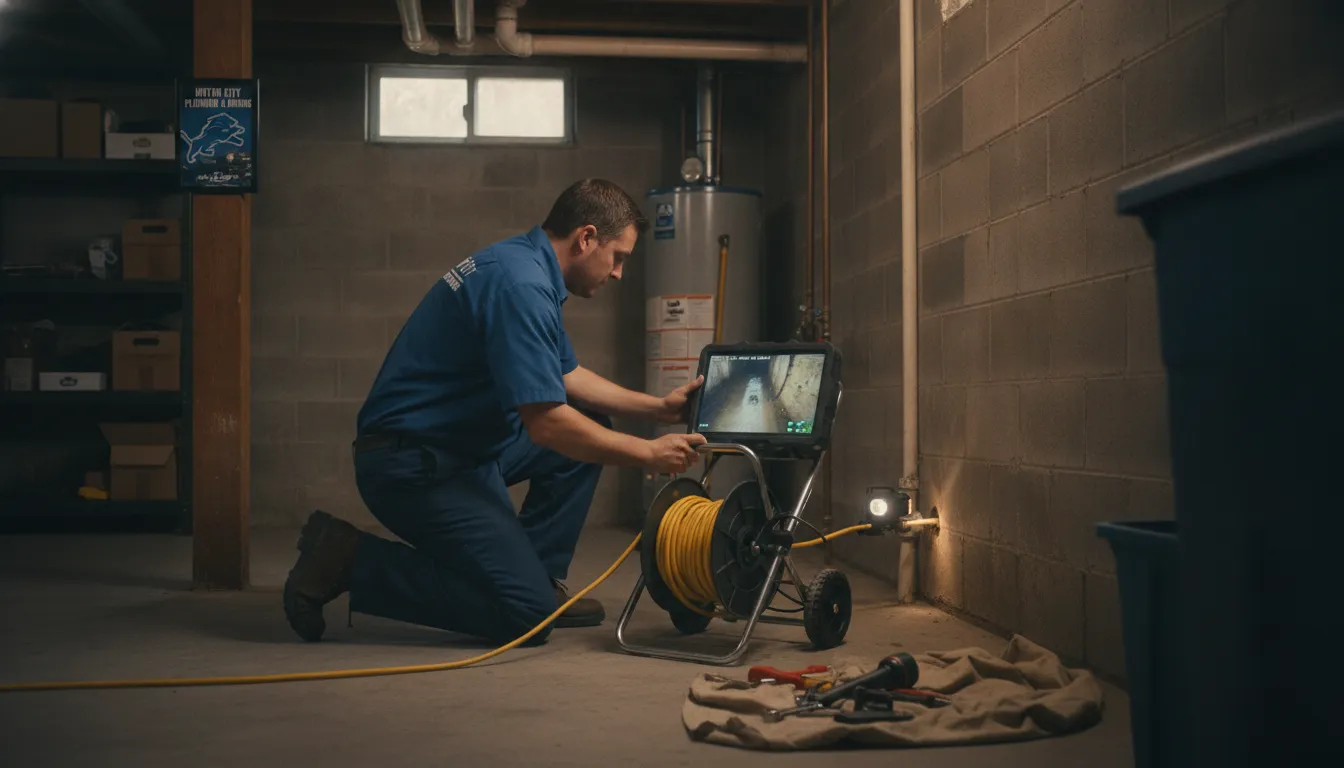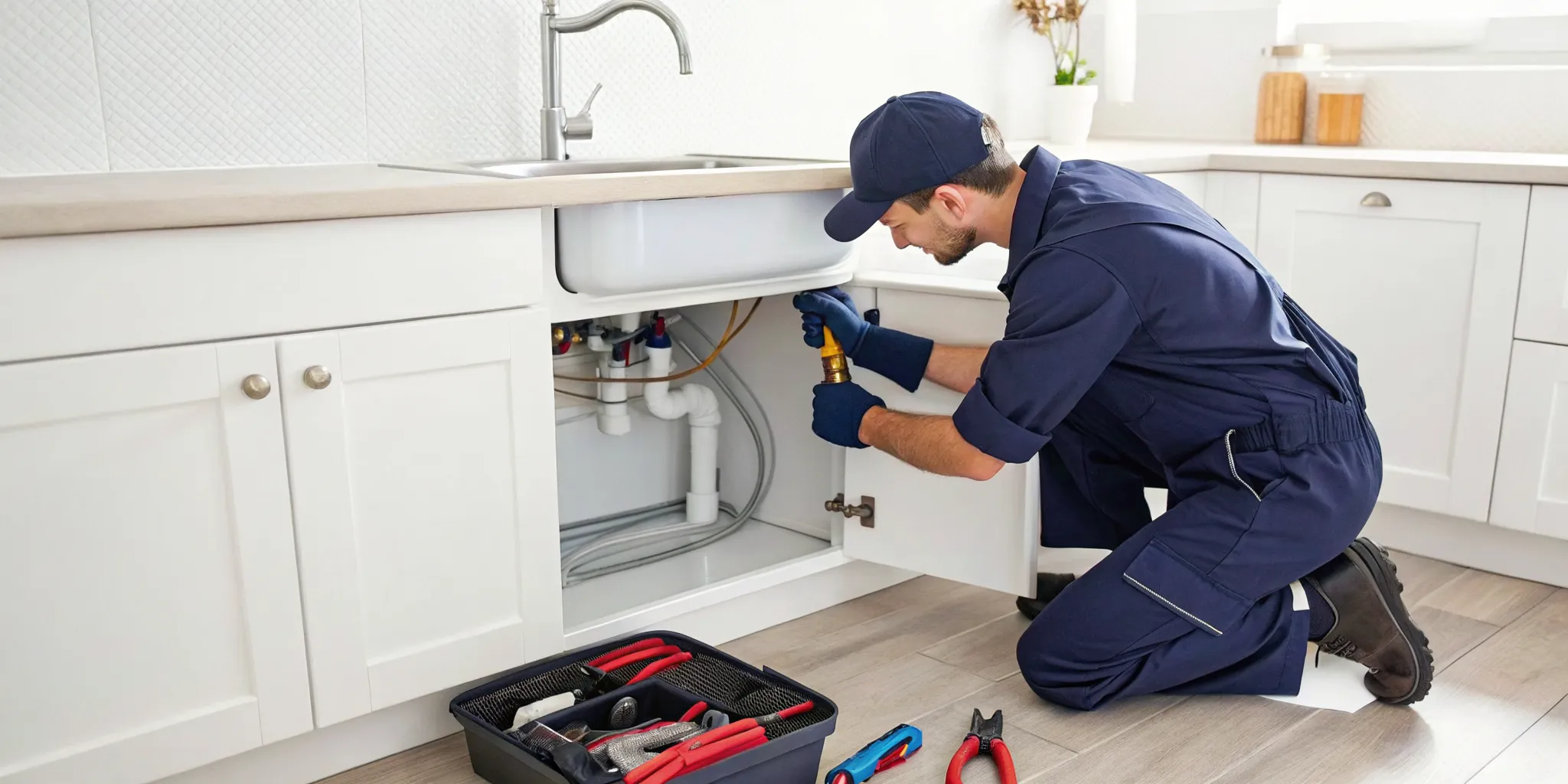


A single frozen pipe in Detroit can cause serious water damage before the sun rises. It only takes one sub-zero night to turn a quiet basement into a flooded disaster. You can avoid this stress by taking small steps to protect your home from the Michigan cold.
Schedule frozen-pipe prevention help with Mr. Pipey before Detroit’s next deep freeze.
Ways to prevent frozen pipes detroit winter storms bring include wrapping bare water lines and keeping your home warm. Start by wrapping pipes in cold areas like basements, attics, and garages with foam sleeves or heat tape. You should also open cabinet doors under sinks to let warm air reach the pipes and leave a slow drip in faucets on outer walls. According to the American Red Cross, water expands as it freezes and puts massive pressure on metal or plastic pipes. This pressure is what causes them to burst and flood your home. If the air outside drops below twenty degrees, keep your thermostat at fifty-five degrees or higher to keep your pipes safe.
Acting before the first hard freeze hits Michigan can save you from a major plumbing disaster and expensive repairs. This guide covers exactly How to prevent frozen pipes during a Detroit winter so you can stay dry and warm this season. Here is how.
Prevent Frozen Pipes Detroit Winter: How to prevent frozen pipes during a Detroit winter
Cold winds in Metro Detroit can freeze your plumbing fast. When water turns to ice, it grows in size and pushes against the walls of your pipes. This can cause a burst that leads to costly floods. Follow these steps to prevent frozen pipes to keep your home safe. Prep now to save you from stress and high costs later.
Prepare outdoor plumbing early
Winter prep starts outside before the first big frost. Drain all water from your sprinkler lines and pool pipes. Take off garden hoses, drain them, and put them in a dry spot. If you leave a hose on the faucet, water can freeze and break the pipe inside your wall. If you have a shut-off valve for these taps, turn it to the off spot.
Insulate exposed indoor pipes
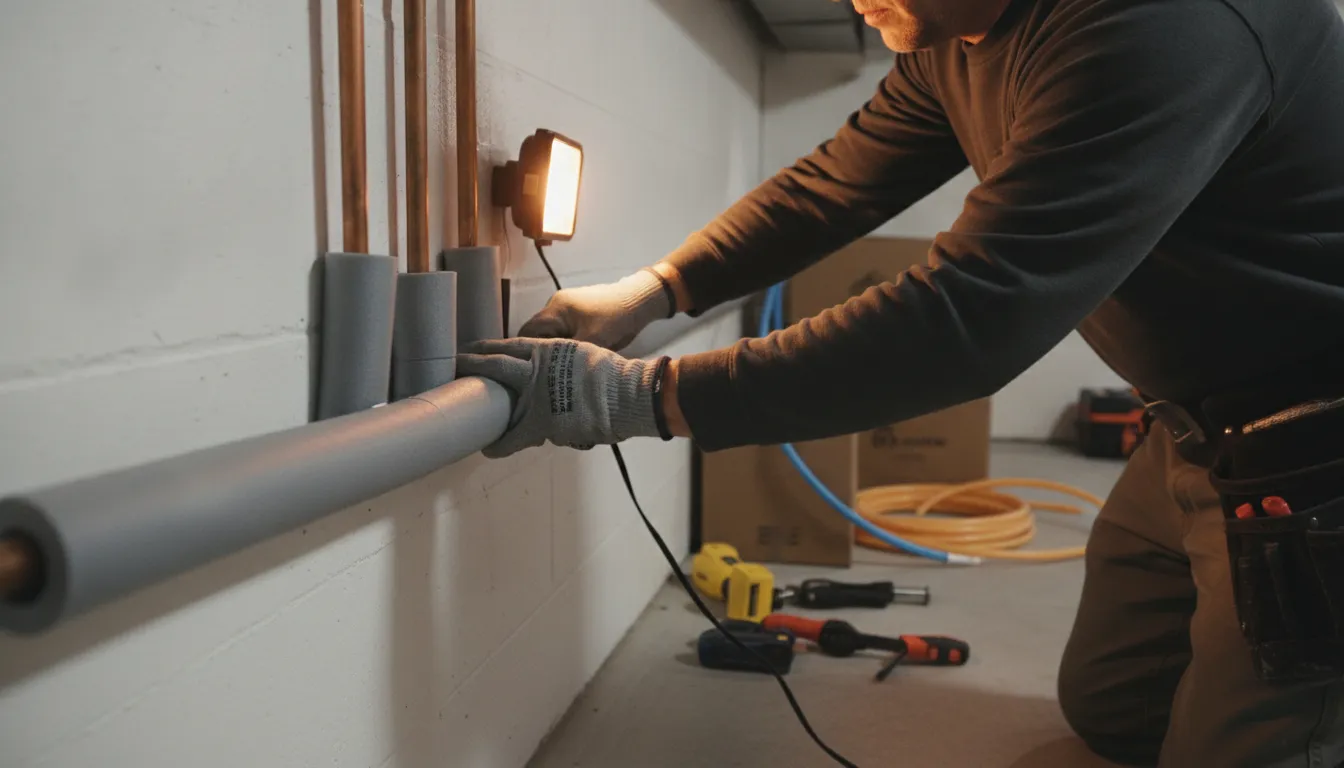
Pipes in the attic, garage, or crawl space are at risk. These areas often lack enough heat to keep water moving. You should insulate pipes for winter by using foam sleeves or heat tape. Even a thick layer of old newspaper can offer help if you are in a pinch. Check your basement for any lines that feel cold to the touch.
Pipes along outer walls are the most likely to freeze. If you find a pipe at risk, wrap it tightly to keep the cold air away. You can buy foam tubes that snap right onto the pipe. For pipes that freeze often, use a heat cable that plugs into an outlet. This keeps the pipe warm enough to stop ice from forming when the temp drops.
Watch your home during deep freezes
When the weather stays below zero, you must take extra care. Keep your garage door closed to trap heat if you have water lines there. Open kitchen and bathroom cabinet doors so warm air can reach the pipes. You can also let a small drip of cold water run from the tap. This trickle keeps water moving and stops ice from blocking the line.
Keep your home at a steady temp all day. Do not turn your heat down low when you leave for work. A drop in house temp can let a pipe in a dark corner freeze. The CDC warns that winter storms can cause power loss and rapid drops in heat. If the power goes out, use extra blankets and coats.
- Shut off the main water valve to outdoor faucets and drain the lines.
- Seal any cracks or holes in outside walls where cold air might blow on your plumbing.
- Keep your home heat set to at least 55 degrees even when you are away.
- Move any cleaners out of the reach of kids before you leave cabinet doors open.
- Wrap pipes in unheated spots with foam sleeves or heat tape to keep them warm.
Staying ready is the best way to protect your home. By prepping now, you protect your home from sudden leaks and high bills. If you find a frozen spot, warm it up with a hair dryer. Never use an open flame to thaw a pipe, as this is a fire risk. With a bit of work, you can keep your water flowing until spring.
Which pipes are most likely to freeze?
Pipes most likely to freeze sit in unheated or drafty spaces, especially exterior walls, crawl spaces, garages, attics, and near outdoor hose bibs. During a Metro Detroit cold snap, inspect these locations first because wind exposure and weak insulation can cool them much faster than plumbing in the home’s heated interior.
Winter in Metro Detroit brings deep cold that can trap water in your lines. To prevent frozen pipes detroit winter issues, you must find the weak spots in your home. Some pipes are shielded by thick walls and warm air. Others sit in cold zones where the frost can reach them easily. Finding these areas now can save you from a big mess later.
When water turns to ice, it expands. This puts huge pressure on metal and plastic pipes. If the pressure gets too high, the pipe walls will fail and pop. This often happens in places you cannot see. You might not know there is a problem until the ice thaws and water starts to spray. A full walk of your home is the first step to safety.
Unheated inner spaces
The most common spots for frozen pipes are unheated areas like basements, attics, and crawl spaces. These zones often lack the vents that keep the rest of your home warm. Garages are also a high-risk zone if they have water lines. If you have pipes in these spots, you should insulate pipes for winter to keep them safe. Cold air can seep through vents and drop the temperature fast.
Do not forget the pipes hidden inside your cabinets. Kitchen and bathroom sinks often have pipes that sit against cold walls. If you keep your cabinet doors closed, the warm air cannot reach them. This creates a pocket of cold air that can freeze the line. Opening these doors is a simple way to let heat reach the plumbing. Just move any cleaners or chemicals up where kids cannot reach them.
Pipes on outer walls
Pipes that run along outer walls are at great risk. Most old homes in Detroit have some walls with poor insulation. When the wind blows hard, it can push icy air through tiny gaps in your siding. This cold air hits the pipes directly. You can often find these lines in laundry rooms or behind kitchen sinks. If a pipe is near a window or an old door, it is more likely to freeze.
Checking these walls is a vital part of your winter prep. On a cold day, put your hand on the wall where your pipes are. If the wall feels very cold, your pipes are in a danger zone. You may need professional frozen pipe prevention to add more protection. A steady flow of warm air is often enough to stop ice from forming in the first place.
Outdoor lines and hose bibs
Outdoor pipes are the first lines to fail when the temperature drops. Hose bibs, pool lines, and sprinkler systems sit out in the open. They are prone to freeze because they have no shield from the wind. If you leave a garden hose joined to the spigot, water can stay trapped inside. As that water freezes, it expands back into the pipe inside your house. This can cause a burst pipe deep in your walls.
Always drain your outdoor lines before the first frost. The Centers for Disease Control and Prevention warns that winter storms can cause fast drops in temperature. Preparing early is the best way to avoid a spring leak. Turn off the water to the outside and leave the valves open. This lets any left-over water expand without breaking the metal. It is a quick task that keeps your plumbing safe all winter long.
Quick fixes versus long-term pipe protection
When a cold snap hits Michigan, you might find yourself in a rush to prevent frozen pipes Detroit winter from causing a mess. Some ways work well for a single night of deep cold. Other fixes offer safety for years to come. Knowing the difference helps you choose the right path for your home and your budget. Quick fixes are good for now, but long-term plans keep your home safe all through the year. Choosing the best method depends on how much time and money you want to spend today to avoid a flood later.
Fast steps for harsh cold
If the heat drops fast, you can use simple tricks to keep water moving. Letting a cold water faucet drip is a common way to stop ice from forming. According to the Red Cross, even a small trickle helps prevent pipes from freezing because it relieves pressure. You should also open cabinet doors in your kitchen and bathroom. This lets warm air from the room reach the pipes under the sink. If your garage has water lines, keep the big door closed to hold in as much heat as you can.
These quick tasks are great for a crisis, but they are not perfect. You have to remember to do them every time the weather turns cold. Also, keeping cabinets open can be a risk if you have small children or pets. If you do this, make sure to move all cleaning chemicals to a safe, high spot. You might also try wrapping pipes in a few layers of old paper. This simple DIY trick can offer a bit of safety in mild cold, but it is not a fix for a deep freeze.
Setting your thermostat to the same level all day and night can also help. While it might cost a bit more in heating, it keeps the inside of your walls at a steady level. This stops the sharp drops in heat that often lead to a burst. These ways buy you time while the storm passes, but they do not solve the main problem.
Lasting fixes for long-term safety
For a more steady fix, you should look at long-term changes. Adding insulation to your attic, basement, or crawl space is one of the best ways to keep pipes warm. Insulation helps keep a higher level of heat in cold parts of your house. You can also use insulate pipes for winter services to wrap lines in foam sleeves or heat tape. This keeps the cold air away from the metal or plastic parts and provides a solid wall against the frost.
UL-listed heat tape or cables can be a life-saver for pipes on outer walls. These tools use a small amount of power to keep the pipe just warm enough to avoid ice. While these fixes cost more at first, they save you from the stress of a burst pipe later. Once you set them up, you do not have to worry as much about the next winter storm. Making these changes now is the best way to use steps to prevent frozen pipes in the future. Long-term fixes provide a sense of peace that quick tricks just cannot match.
| Feature | Short Term Fixes | Long Term Safety |
|---|---|---|
| Setup Cost | Usually free | Low to high |
| Time Needed | A few seconds | Hours or days |
| How it Works | Basic | Very well |
| Work Load | Do every night | One-time setup |
| Best Use | Sudden freezes | All winter long |
Spending on expert help can also make a big difference for your home. Licensed plumbers can find the most at-risk spots that you might miss during a quick check. They might suggest moving pipes away from cold outer walls to a warmer spot. This is a big job, but it solves the problem for good. In the long run, expert safety work is often cheaper than fixing a flooded basement. Taking these steps now ensures your Detroit home stays dry and safe through the coldest months. A small effort today can keep your family warm and your house safe for many years.
What should you do during a deep freeze?
During a deep freeze, keep indoor heat steady, open sink cabinets on exterior walls, and let vulnerable faucets run at a small trickle. Check basements and utility rooms for unusually cold pipes. Know where the main water shutoff is so you can stop water quickly if a frozen line cracks.
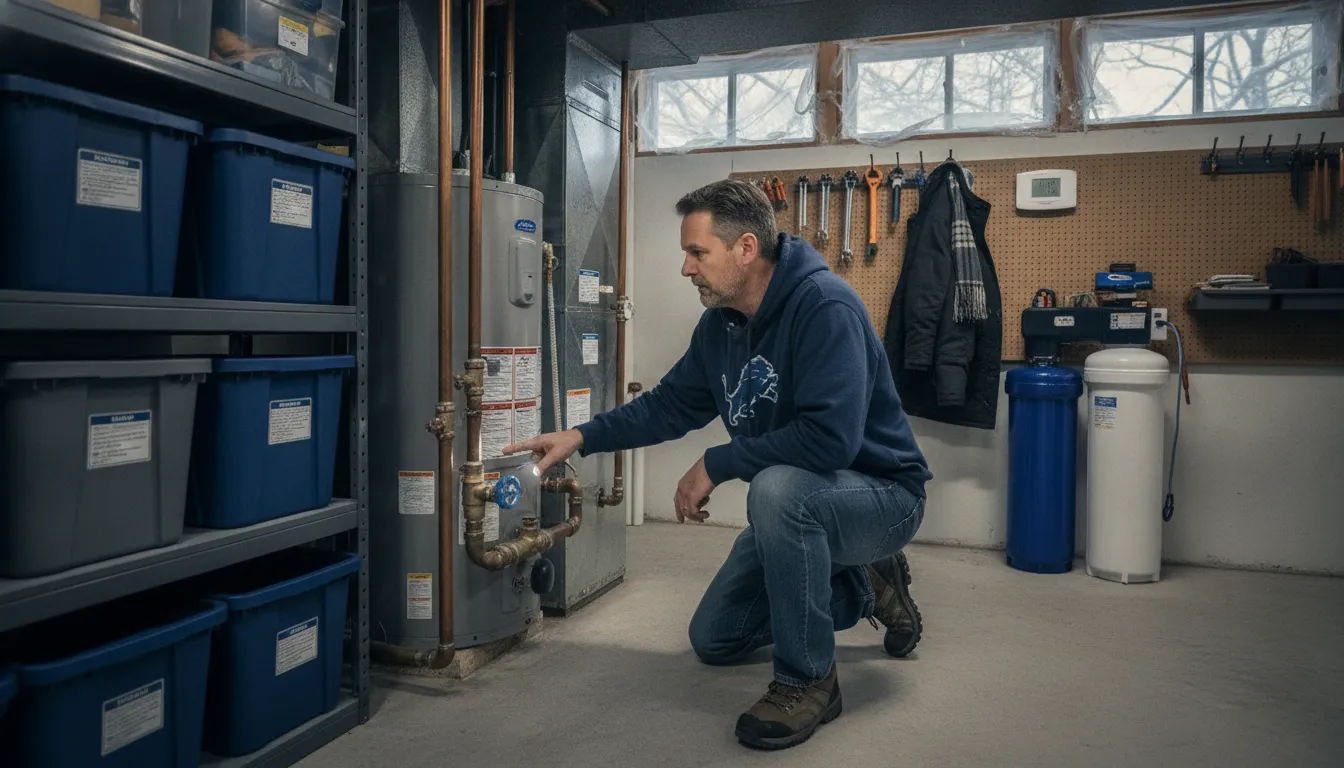
When a polar vortex hits Metro Detroit, you must act fast to protect your home. Severe cold can turn small issues into big leaks in just a few hours. Knowing how to prevent frozen pipes detroit winter needs a few simple daily habits. These steps help keep water moving and pipes warm even when the outside air is well below zero. You want to avoid the mess and cost of a flood before the ice has a chance to form.
Water has a unique trait where it expands as it freezes. This swelling puts a lot of force on the metal or plastic pipes that hold the water. This pressure is the main reason why pipes fail and burst during a storm. Following a few steps to prevent frozen pipes can help you avoid this stress. Taking quick action is the best way to keep your home dry and safe all winter long.
Indoor air flow around pipes
One of the best ways to keep pipes from freezing is to let warm air reach them. Open your kitchen and bathroom cabinet doors so the heat from your home can flow around the plumbing. This is vital for sinks on outer walls where insulation might be thin. While you do this, make sure to move any harmful cleaners. Keep them high up and out of the reach of children or pets to stay safe.
- Open cabinet doors under sinks on outer walls.
- Keep garage doors shut if water lines are inside.
- Block cold drafts in your basement or attic.
- Move household cleaners to a high, safe shelf.
Clear air flow is a simple tool for home care. You should keep your garage doors shut if you have water lines in that space. A closed door helps hold in heat and keeps the wind from chilling your pipes too fast. Small changes like these can make a big difference in how well your plumbing stands up to the cold. It keeps the warm air in and the frost out of your most at-risk areas.
Faucet dripping and water flow
Running water is much harder to freeze than still water. When the weather is cold, you should let your cold water drip from faucets that are served by exposed pipes. Even a small trickle can help stop the pressure from building up. This simple move can be enough to stop a pipe from bursting during a long night of sub-zero temperatures. It is one of the easiest ways to keep water moving when the mercury drops.
If you think a pipe is already frozen, you must act with care. Open the faucet fully so that water can flow out once the ice melts. Never use a torch or open flame to thaw a pipe, as this is a big fire risk. If you are not sure what to do, it is best to call for professional frozen pipe prevention or repair. Acting fast can stop a small frozen spot from turning into a major burst.
Steady home heating levels
It might be tempting to turn the heat down at night to save money. But during a deep freeze, you should keep your thermostat at the same level all day and night. Keeping the heat steady helps ensure that pipes in walls and floors do not drop below the freezing point. A sudden drop in home heat can lead to ice forming in lines that you cannot see. A stable home is a safer home when the wind howls outside.
Staying safe during a winter storm also means being ready for power cuts. The CDC notes that proper winter safety has both indoor heating prep and outdoor pipe care. If the power goes out, your home will lose heat fast. Use extra blankets and warm clothes to stay warm while you wait for the power to come back. Keeping your home at a safe level is critical for your pipes and your health during a storm.
What to do if a pipe starts freezing
When the cold air hits Michigan, you must act fast if your plumbing begins to ice up. The first sign of trouble is often a faucet that only gives you a tiny drip. If you turn the handle and see just a trickle, a pipe may be partly frozen. You can take steps to prevent frozen pipes from bursting in your home. This is a key part of how you prevent frozen pipes detroit winter people worry about. You should check the pipes in areas that get the most cold air. This includes lines near outside walls or in unheated spots like your crawl space or garage.
Spotting the signs of a freeze
You can find the frozen spot by testing all the taps in your home. If one sink works but another does not, the block is likely in the line leading to the dry tap. Look for frost on the outside of the pipe or a bulge in the line. These are clear signs that the water inside has turned to ice. Since water takes up more room when it freezes, it puts a lot of stress on the metal or plastic. This pressure can cause a pipe to split if you do not fix it right away. Acting fast can save you from a major mess and high costs later.
It is also wise to keep an eye on your home’s heat. If your power goes out or your furnace stops, your pipes are at a much higher risk. The CDC warns that winter storms can cause loss of home services. You should have a plan to keep your home warm to protect your plumbing. If you cannot get the water to flow, you may need expert help. Mr. Pipey offers 24/7 support for professional frozen pipe prevention and repair in the Metro Detroit area.
Safe ways to thaw your pipes
If you find a frozen pipe, keep the faucet open. As you start to melt the ice, the water will need a place to go. Flowing water also helps to melt the rest of the ice block. You can use a hair dryer or a heating pad to warm the pipe. Start from the end of the pipe near the faucet and move toward the coldest part. This allows the steam and water to escape through the open tap. Do not leave these tools alone while they are running. You must stay with the pipe until the water flows well again.
Another safe tool is a small space heater. Place it near the frozen line but keep it away from any wet spots. You can also wrap the pipe in towels soaked in hot water. Change the towels often to keep the heat on the line. If the pipe is behind a wall, you may need to turn up the heat in the room. You can also use a heat lamp to warm the wall surface. If the water flow does not return soon, call a pro. Licensed help is the safest way to handle a hard freeze without causing more damage.
What to avoid during a freeze
You must never use an open flame to thaw a pipe. This includes tools like a blowtorch or a propane heater. Using fire on a pipe is a major fire risk. It can also damage the pipe stuff or cause the water inside to boil. Boiling water can lead to a pipe blast, which is quite unsafe. Stick to electric heat sources that are safe for home use. Also, do not use any tools that might spark near gas lines or standing water. Your safety matters more than a quick fix for your plumbing.
Do not put antifreeze in your water lines to melt ice. Antifreeze has chemicals that are bad for people and pets. It can also hurt the local soil and water in Michigan. Only use products that are made for drinking water systems if you need a chemical fix. Most of the time, heat and patience are all you need to get the water moving. If you see a leak while the pipe thaws, shut off the main water valve at once. This stops more water from flooding your home and gives you time to call for a repair.
How to protect pipes when you leave town
Leaving your home empty during a cold snap is risky for your plumbing. Cold air can seep into walls and freeze the water inside your lines. If you plan to travel, you should take steps to prevent frozen pipes detroit winter experts suggest. These simple moves keep your home safe while you are away.
Set your heat for safety
You may want to save on bills by turning off the heat, but this is a bad idea. To avoid burst pipe disasters, you must keep the heat on. Set your thermostat to at least 55 degrees Fahrenheit. This level of heat helps keep the air inside your walls warm enough to stop ice from forming. Keep the temperature the same both day and night. Constant heat is better for your pipes than letting the house cool down while you sleep.
It is also wise to open the doors to your kitchen and bathroom cabinets. This move lets warm house air reach the pipes under your sinks. If you have children or pets, be sure to move any harmful cleaners out of their reach before you open the doors. Keeping your garage door closed is also vital if you have water lines in that space.
Drain your water lines
If you will be gone for a long time, the safest move is to shut off the main water valve. Once the water is off, turn on every faucet to drain the lines. This removes the water that could freeze and cause a break. Do not forget to flush all your toilets to clear the tanks. Without water in the pipes, there is nothing to expand and cause a burst. This is one of the best steps to prevent frozen pipes while you travel.
For outdoor lines, you must drain water from sprinkler and pool supply lines. Outdoor hose bibs are very prone to cold air. Remove any hoses, drain them, and store them inside. Keep the outside valve open so any small bits of water can expand without breaking the metal. These steps protect the most exposed parts of your plumbing from the harsh Detroit frost.
Ask for a home check
Even with the best prep, things can go wrong. A power outage or a failed furnace can lead to a quick drop in heat. Ask a friend or neighbor to check on your home every day. They should walk through the house to make sure the heat is still on. They can also check for any signs of leaks or moisture. If they find a problem, they can call for professional frozen pipe prevention right away.
Winter storms in Michigan can cause power failures and icy roads. If the power goes out, your home will cool down fast. Having someone local to check on your house means they can act before the pipes freeze. If you do not have anyone to help, you can look into smart home tools. These devices can send a note to your phone if the heat drops or if they find a leak.
When should you call a plumber?
Homeowners in Michigan often try to fix small leaks on their own. But the cold weather in Metro Detroit can cause big issues that need expert care. Knowing when to stop your DIY work and call for help is key to keep your home safe. A local pro can find small cracks before they turn into big floods. If you see signs of a frozen pipe, acting fast can save you money and stress.
Signs of hidden pipe damage
You may not always see a leak right away. Frost on a pipe is a big sign that ice has formed inside. If you turn on a tap and only a trickle of water comes out, your lines may be blocked by ice. This ice build-up creates high pressure in your system. According to the Centers for Disease Control and Prevention, winter storms can lead to power loss and cold drops that put your home at risk. These drops often cause pipes to split in ways that are hard to see.
Strange noises in your walls can also mean you have a problem. Banging or whistling sounds often start when water flow is slowed by ice. You might also notice a damp smell or stains on your ceiling. These are signs that a pipe has already cracked and is leaking slowly. If you find these clues, you should call a plumber to check your lines. Early help is the best way to prevent frozen pipes detroit winter from ruining your day.
Professional frozen pipe prevention
Setting up your home for a deep freeze can be a big job. While you can wrap pipes in foam, a pro can do much more. Licensed plumbers use special tools to find weak spots in your system. They can check pipes in unheated areas like your crawl space or attic. These areas are at the highest risk for freezing during a Michigan winter. A pro can also set up heat tape to keep lines warm when the temp falls.
You might also need to move lines that are against outside walls. Pipes in these spots have little protection from the wind and snow. A plumber can move these lines to warmer parts of your home for better safety. This work is a smart way to get professional frozen pipe prevention for your house. It stops the cycle of freezing and thawing that makes your pipes weak over time. Getting this help before the first frost is the best way to stay ahead of the storm.
Emergency plumbing for burst pipes
If a pipe bursts, you need to act in seconds. First, find your main water valve and turn it to the right. This stops the flow of water and limits the damage to your floors and walls. Once the water is off, you need an emergency plumber who can get to your home fast. Detroit winters do not wait for business hours. Look for a team that is open all day and night. Expert help is vital to fix the break and check the rest of your system for ice.
Mr. Pipey provides help all day and night across Metro Detroit with no extra fees for late calls. Their team uses flat-rate pricing so you know the cost before the work starts. This clear pricing is helpful when you are dealing with a home crisis. A pro can fix the broken line and help you dry out the area to stop mold. They can also add new foam to stop the same spot from breaking again next year. Relying on a licensed pro ensures your home stays dry all season long.
Get professional frozen-pipe help before the next Metro Detroit cold snap.
Frequently Asked Questions
How can I prevent pipes from freezing in Detroit during winter?
To prevent frozen pipes, insulate any water lines in unheated areas like basements, attics, or crawl spaces. Use foam pipe sleeves or heat tape for added protection. You should also drain outdoor hose bibs and sprinkler systems before the first freeze. According to the American Red Cross, keeping garage doors closed also helps retain heat if there are water lines inside the garage.
What temperature should I set my thermostat to in winter to prevent frozen pipes?
Set your thermostat to at least 55 degrees Fahrenheit, even if you are away from home. Maintaining a steady temperature throughout the day and night prevents sudden drops that could lead to ice formation. If you plan to travel during a Detroit winter, do not turn the heat off. This small step ensures that enough warmth reaches your plumbing to stop the water from expanding and causing a burst.
Should I leave faucets dripping in extreme cold?
Yes, letting a faucet drip can help prevent pipes from bursting during extreme cold. Focus on faucets that are located along exterior walls. A small, steady trickle of cold water relieves the pressure that builds up between a blockage and the faucet. This pressure is what often causes pipes to fail. While it might seem like a waste of water, it is much cheaper than repairing a major home flood.
What should I do if a pipe freezes in Detroit?
If a pipe freezes, keep the faucet open to allow water to flow as it melts. Use a hair dryer or warm towels to gently thaw the ice. Never use an open flame to heat a pipe, as this is a major fire hazard. If you cannot find the frozen area or if the pipe has already burst, call for professional help. Detroit plumbers like Mr. Pipey offer 24/7 emergency support with no overtime charges.
Ready to protect your Detroit home from frozen pipes?
Leaving your pipes exposed during a Detroit winter can cause a burst pipe and a flooded home that costs a lot of money to fix. If you act now, you can stop small drips from turning into a major plumbing crisis that leaves your family without water in the cold. Booking an expert emergency plumbing checkup today keeps your pipes safe and ensures your home stays dry and warm when it gets very cold.
Ready to request plumbing service? Call (313) 900-0700 to set up your checkup with our local team and avoid the stress of a winter flood. Our experts are ready to help you keep your home safe all season long.