Royal Oak homeowners often notice a change before they know the cause: hot water takes longer to recover. Temperatures feel less consistent, or the heater sounds different during operation. Those clues do not automatically mean the tank needs replacement, but they do deserve a careful assessment.
Learning how to flush a water heater in Royal Oak starts with understanding the equipment and the condition of the water heater. Professional flushing can remove accumulated tank sediment, while mineral deposits may reduce how effectively a heating element transfers heat. The right service also accounts for the heater’s model, energy source, age, and maintenance history.
Flushing is maintenance, not a universal fix. A leak, corrosion, damaged component, or no-hot-water problem may require a different diagnosis. Before considering the service, it helps to understand what flushing changes inside the heater and why that matters in a Royal Oak home.
Ask Mr. Pipey about water-heater maintenance in Royal Oak.
What Does Water Heater Flushing Do in a Royal Oak Home?
For a Royal Oak homeowner, flushing is a maintenance decision focused on what may be collecting inside a storage-tank water heater. Sediment can gather in the tank over time, while mineral deposits can form on a heating element. Those deposits may reduce how effectively the element transfers heat to the water, which can affect performance without automatically meaning the heater needs to be replaced.
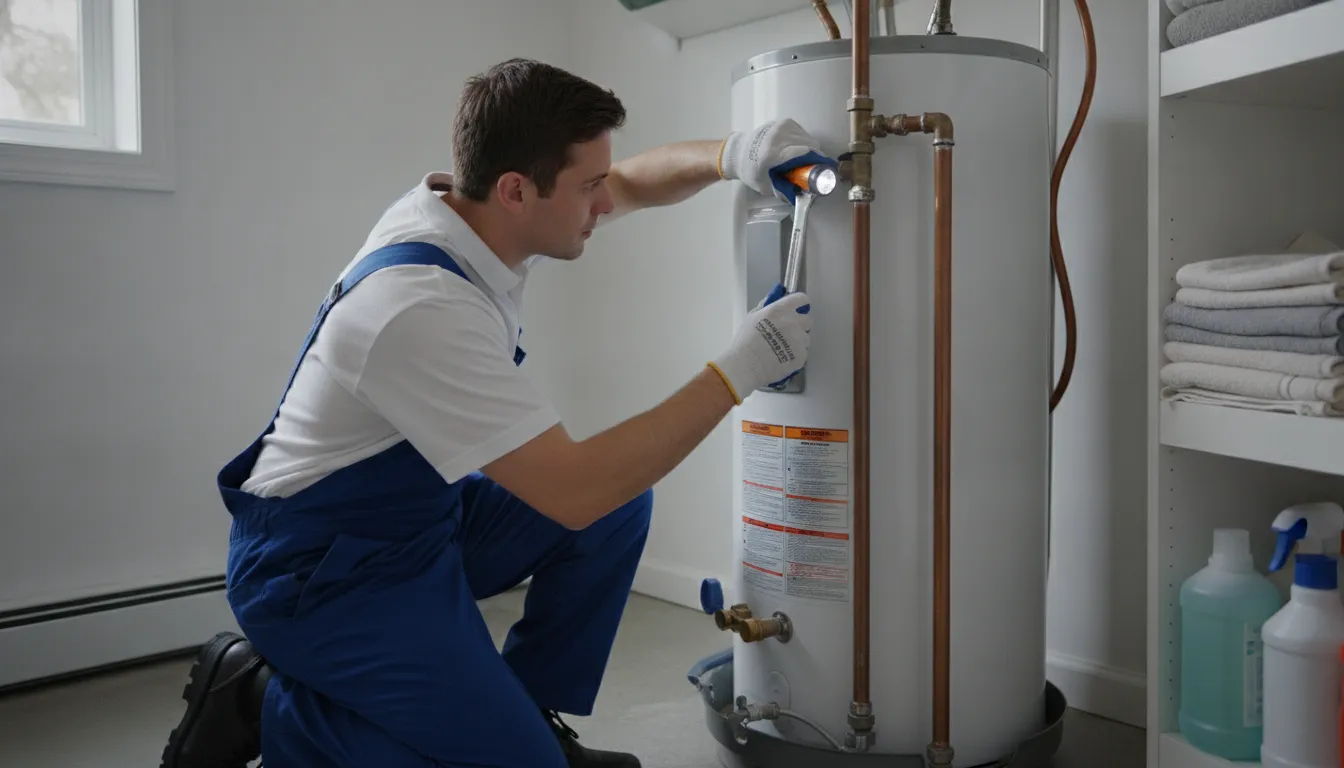
A professional assessment helps connect the condition inside the heater with the symptoms at the fixture. The goal is not simply to remove material from the tank. A licensed plumber considers the equipment type, age, condition, energy source, and service history before recommending maintenance. For background on the issue, see this guide to water heater sediment flushing.
Why does sediment matter?
Loose sediment can settle at the bottom of a tank and create a layer between the burner or heating element and the water. Mineral buildup can also interfere with heat transfer. These conditions are reasons to evaluate flushing, but they are not proof that flushing will solve every hot-water complaint.
Flushing is not a universal cure for a leaking tank, corrosion, a failed component, or a heating problem unrelated to deposits. White plastic particles, for example, may point to a deteriorating dip tube, while rust-colored water may involve an anode or the home’s hot-water piping. Those conditions call for diagnosis rather than repeated flushing. When maintenance is appropriate, Mr. Pipey’s water heater service can address the equipment as a system and identify whether a different repair is warranted.
Because water heaters can be damaged if they operate while empty or partly empty, this work should follow the specific owner’s manual and professional safety checks. The right outcome is a clear maintenance recommendation for the particular heater, not a promise that flushing will correct an unrelated failure.
How Often Should a Water Heater Be Flushed?
For many homes, annual maintenance or service every few years is a reasonable starting point. The City of Portland notes that manufacturers generally recommend flushing or maintaining a water heater yearly or every few years. That guidance answers the common frequency question, but it is not a universal schedule for every Royal Oak home. The right interval depends on the equipment and its condition.
A storage-tank heater may need a different maintenance plan than a tankless model because the two systems manage hot water differently. The heater’s age also matters. An older unit with years of accumulated sediment, inconsistent hot water, unusual noise. Or a history of missed maintenance deserves an evaluation rather than an automatic assumption that a routine flush will solve everything.
What should determine the maintenance interval?
- Equipment type: Tank and tankless systems have different manufacturer requirements and service considerations.
- Age and condition: Older equipment may need inspection for corrosion, worn components, or other issues before flushing is considered.
- Symptoms: Reduced hot-water performance, sediment-related concerns, or unusual operation can justify service sooner than a calendar reminder.
- Service history: If prior maintenance is unknown, a licensed plumber can establish a condition-based plan after identifying the model and reviewing its requirements.
Always give the owner’s manual and manufacturer guidance priority. A professional can confirm whether flushing is appropriate, identify the equipment’s service needs, and explain the next step without treating a yearly reminder as a guarantee. For help evaluating your system, see Mr. Pipey’s water heater service options for Royal Oak homeowners.
In other words, the answer to “How often should a water heater be flushed?” is usually yearly or every few years as a starting point, adjusted for the model, age, symptoms, and documented maintenance history. That approach is more useful than assigning the same schedule to every home.
Source: City of Portland water heater maintenance guidance.
How to Flush a Water Heater in Royal Oak Safely
For a Royal Oak homeowner, a professional flush is a controlled maintenance service, not simply an open-ended draining task. The plumber first identifies the heater, its fuel source, age, configuration, and manufacturer requirements. That context matters because gas and electric models require different safety considerations, and the owner’s manual may specify maintenance conditions that should be followed. The U.S. Department of Energy’s Building America guidance also emphasizes that a heater can be quickly damaged if it turns on while empty or partly empty.
A licensed plumber can assess whether flushing is appropriate before beginning. Sediment in a storage tank may be addressed through a managed flush, but visible leakage, corrosion, unusual water color, or a heating problem may point to a repair or replacement issue instead. The goal is to remove appropriate buildup without creating a new equipment or property problem.
- Identify the equipment and review requirements. The service begins with an inspection of the tank or system, fuel source, condition, installation, and available owner’s manual. This helps establish whether the planned maintenance matches the specific model.
- Establish a safe service state. The plumber manages the water supply and energy source according to the equipment and manufacturer requirements. This stage is handled deliberately so the heater cannot operate in an unsafe partially empty condition.
- Control the discharge and remove sediment. Water is directed and managed to protect the surrounding area while the technician evaluates what leaves the system. The amount and character of sediment can provide useful information about the condition of the heater and whether routine flushing is likely to be sufficient.
- Restore the system in the correct sequence. The heater is refilled and returned to service under controlled conditions. The technician verifies that the system is properly full before normal operation resumes, rather than relying on assumptions about the water level.
- Complete a final performance and safety check. The service ends with an inspection for leaks, abnormal operation, and expected hot-water recovery. Any findings are explained clearly, including whether additional maintenance, repair, or replacement should be considered.
Homeowners who want background on the stages can review Mr. Pipey’s water heater flushing process, while recognizing that a general overview does not replace model-specific service. For a Royal Oak property, a licensed professional can account for the actual heater and its condition before recommending the safest next step. PNNL likewise advises consulting the owner’s manual before flushing, reinforcing why a professional workflow should be tailored to the installed equipment.
PNNL’s water-heater guidance supports reviewing manufacturer instructions and avoiding operation while the heater is empty or partially empty. Those safeguards are central to a careful maintenance visit, especially when the homeowner is unsure whether the system is a conventional tank, a tankless unit, or another configuration.
Tank vs. Tankless: Does Flushing Work the Same Way?
Not exactly. A storage-tank water heater holds a reservoir of heated water, while a tankless system heats water on demand without a storage tank. Both types may use gas or electricity, but their internal components and maintenance requirements are different. That distinction matters when a Royal Oak homeowner is researching how to flush a water heater in Royal Oak and is unsure whether the same service applies to every model.
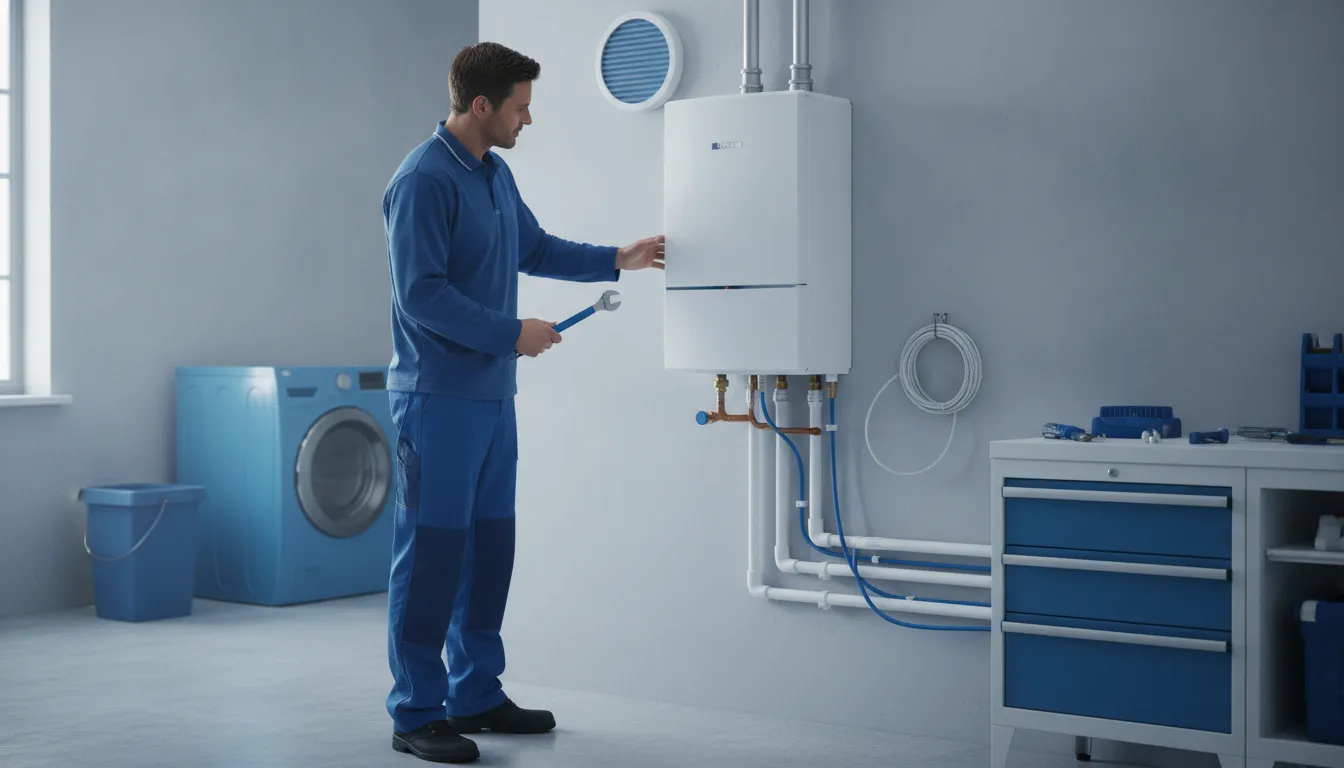
For a storage tank, professional flushing is generally focused on removing sediment that has collected in the bottom of the tank. A tankless unit does not have that reservoir. Its maintenance may instead involve model-specific descaling and inspection of the heat exchanger, filters, isolation components, and other parts identified by the manufacturer. The correct service depends on the equipment design, fuel type, installation, and owner manual.
| Maintenance consideration | Storage-tank heater | Tankless heater |
|---|---|---|
| How it heats water | Heats and stores water in a tank for later use. | Heats water directly as it is needed, without a storage tank. |
| Main maintenance focus | Assess and remove accumulated sediment, while checking the tank and related safety components. | Follow the model’s service requirements, which may include descaling and heat-exchanger inspection. |
| What flushing means | A tank flush can address sediment in the stored water vessel when the equipment and conditions are suitable. | It is not the same tank-flushing procedure. Service must be matched to the unit’s design and manufacturer guidance. |
| Typical service decision | Consider age, sediment symptoms, leaks, corrosion, and the unit’s maintenance history. | Consider the model, flow performance, error symptoms, service history, and whether scale-related maintenance is due. |
The U.S. Department of Energy describes demand, or tankless, water heaters as systems that heat water directly without storage. For that reason, a tankless unit should not be treated as a smaller version of a conventional tank. If you have this equipment, review the model requirements with a licensed plumber or explore Mr. Pipey’s tankless water heater service before scheduling maintenance. A professional can identify the equipment correctly and recommend service that supports the system rather than applying an unsuitable procedure.
Sources: Portland Water Bureau water-heater maintenance guidance and the U.S. Department of Energy water-heating fact sheet.
What Signs Mean Flushing Is Not Enough?
Flushing can help remove sediment from a tank, but it cannot correct every water-heater problem. If symptoms continue after routine maintenance, the next step is diagnosis rather than repeating the same service. A licensed plumber can determine whether the issue is inside the heater, in the hot-water lines, or related to the heating system.
- White plastic particles: Small white pieces in hot water may point to a deteriorating dip tube inside the tank. That component requires inspection and may need replacement, not simply additional flushing.
- Rust-colored water or a leak: Discolored water or a leaking tank can be associated with an ineffective sacrificial anode and tank corrosion. Rust may also originate in hot-water pipes, so the source should be confirmed before deciding on a repair. Review these water heater leak causes for related possibilities.
- Brown- or green-tinted water: This may reflect sediment in the tank, but hot-water pipes can also tint the water as they corrode. A clear diagnosis helps distinguish a maintenance need from a plumbing-line concern.
- No hot water: A complete loss of hot water may require service or replacement. Flushing alone will not resolve every heating, control, or equipment-age issue.
- Persistent poor performance: If recovery is slow, hot water runs out unusually quickly, or the unit behaves inconsistently after maintenance, the heater may need a broader inspection. The right response depends on its fuel type, design, condition, and service history.
The City of Portland’s water-heater guidance identifies white plastic particles, rust-colored water, leaks, discoloration, and no-hot-water conditions as clues that flushing may not be the complete remedy. Its maintenance guidance also notes that some problems require a plumber. For local help, see Mr. Pipey’s guide to water heater repair in Royal Oak.
For Royal Oak homeowners, the practical decision is simple: use routine flushing for sediment-related maintenance. But arrange an evaluation when symptoms involve leaks, particles, discoloration, absent hot water, or continuing performance changes. That approach avoids treating a more specific equipment or piping problem as though it were only sediment buildup.
What Does Professional Water Heater Service Include in Royal Oak?
For a Royal Oak homeowner, professional water heater service should begin with understanding the equipment and the concern, not with a one-size-fits-all procedure. A licensed plumber can identify whether the home has a traditional storage-tank heater or a tankless system. Confirm whether it uses gas or electricity, and review the symptoms, service history, and manufacturer requirements before recommending maintenance.
The inspection may include the tank or heat exchanger, connections, valves, controls, visible corrosion, discharge piping, and signs of leakage or abnormal operation. For a storage tank, the service plan may address sediment and model-specific flushing requirements. For tankless equipment, the maintenance approach differs because the unit heats water on demand rather than storing it. The work should follow the owner’s manual and account for the equipment’s installation and condition.
Safety is part of the service, especially when a water heater involves fuel, electrical connections, hot water, or pressure. The U.S. Department of Energy distinguishes demand water heaters from storage systems because demand units heat water directly without a storage tank. So the inspection and maintenance process must match the system being serviced: DOE water-heater guidance.
Clear findings and practical options
Good service also includes communication. The plumber should explain what was observed, distinguish sediment maintenance from a repair problem, and identify options based on the heater’s age, condition, and expected service needs. The property owner remains responsible for maintaining the water heater. And official maintenance guidance notes that this work may require hiring a plumber when professional evaluation or service is appropriate: water heater maintenance guidance.
Mr. Pipey provides licensed, highly trained plumbing service for Royal Oak and other Oakland County communities from its Detroit headquarters. Homeowners can review the company’s plumbing services in Royal Oak or learn more about its water heater service. The right next step depends on the actual equipment and findings, so service options should be explained clearly rather than attached to an invented flat price.
How Can Royal Oak Homeowners Plan Water Heater Maintenance?
A simple record can make water heater maintenance more useful. Note the installation date, model, fuel type, prior service, and any changes in hot-water performance. Keep the owner’s manual with that record, because maintenance intervals and procedures vary by equipment. Manufacturers commonly recommend maintenance or flushing yearly or every few years, but the right schedule depends on the model, age, condition, and service history. The City of Portland also recommends following the manufacturer’s guidance rather than treating one interval as universal.
For a tank-style heater, a maintenance visit may include assessing sediment, checking visible connections, reviewing safety-related components, and confirming that the equipment operates as intended. A tankless system has different service needs because it heats water on demand rather than storing it. If your home has tankless equipment, review tankless water heater service options instead of assuming a tank-flushing routine applies.
It also helps to separate routine maintenance from diagnosis. Flushing may address sediment, but it will not correct every cause of discolored water, leaks, damaged components, corrosion, or inadequate hot water. White plastic particles, persistent rust-colored water, or a heater that stops producing hot water deserve professional evaluation. A licensed plumber can determine whether maintenance is appropriate, whether a repair is needed, or whether replacement should be discussed.
Plan service before a minor concern becomes a larger interruption, while keeping the decision practical and evidence-based. Mr. Pipey serves Royal Oak from its Detroit headquarters and can provide professional water heater service with options based on the equipment and its condition. The U.S. Department of Energy notes that water heating represents a significant share of household energy use. So equipment condition and appropriate system design are worthwhile parts of an overall home-maintenance plan, not a promise of specific savings. For broader local help, see plumbing services in Royal Oak.
Contact Mr. Pipey for a Royal Oak water-heater service assessment.
Frequently Asked Questions
How often should a water heater be flushed?
Many manufacturers recommend water heater maintenance or flushing yearly or every few years, but the right interval depends on the equipment, age, water conditions, and service history. A licensed plumber can recommend a schedule after inspecting the system. Portland Water Bureau guidance also notes that manufacturer recommendations vary.
Should I flush a 20-year-old water heater?
An older heater should be evaluated before any maintenance is scheduled. Flushing may address sediment, but it will not correct a deteriorating tank, corrosion, a failing heating component, or other age-related problem. A professional can assess whether maintenance, repair, or replacement is the more appropriate option.
How can I flush a water heater without draining it?
There is no reliable substitute for removing sediment from a storage tank. A professional service visit should follow the manufacturer instructions and include safe handling of the water, energy source, and discharge. Operating a heater while it is empty or partly empty can quickly damage it, according to PNNL guidance.
How much do plumbers charge to flush a water heater?
The cost depends on the heater type, access, condition, and whether inspection identifies additional service needs. Mr. Pipey provides service options and upfront pricing after understanding the equipment and work involved. Contact the team for a current assessment rather than relying on a generic online figure.
What does a professional water heater flush include?
A licensed plumber identifies the heater and its energy source, reviews model-specific requirements, manages the discharge, removes accumulated sediment where appropriate, and verifies safe operation afterward. Tankless equipment follows a different maintenance approach because it heats water on demand instead of storing it in a tank.
Ready to Plan Water-Heater Maintenance in Royal Oak?
A professional review can help clarify whether flushing is appropriate for your equipment and whether any other maintenance deserves attention. For guidance tailored to your water heater, contact Mr. Pipey to ask about water-heater maintenance and professional flushing options in Royal Oak.
Contact Mr. Pipey about water-heater maintenance in Royal Oak.