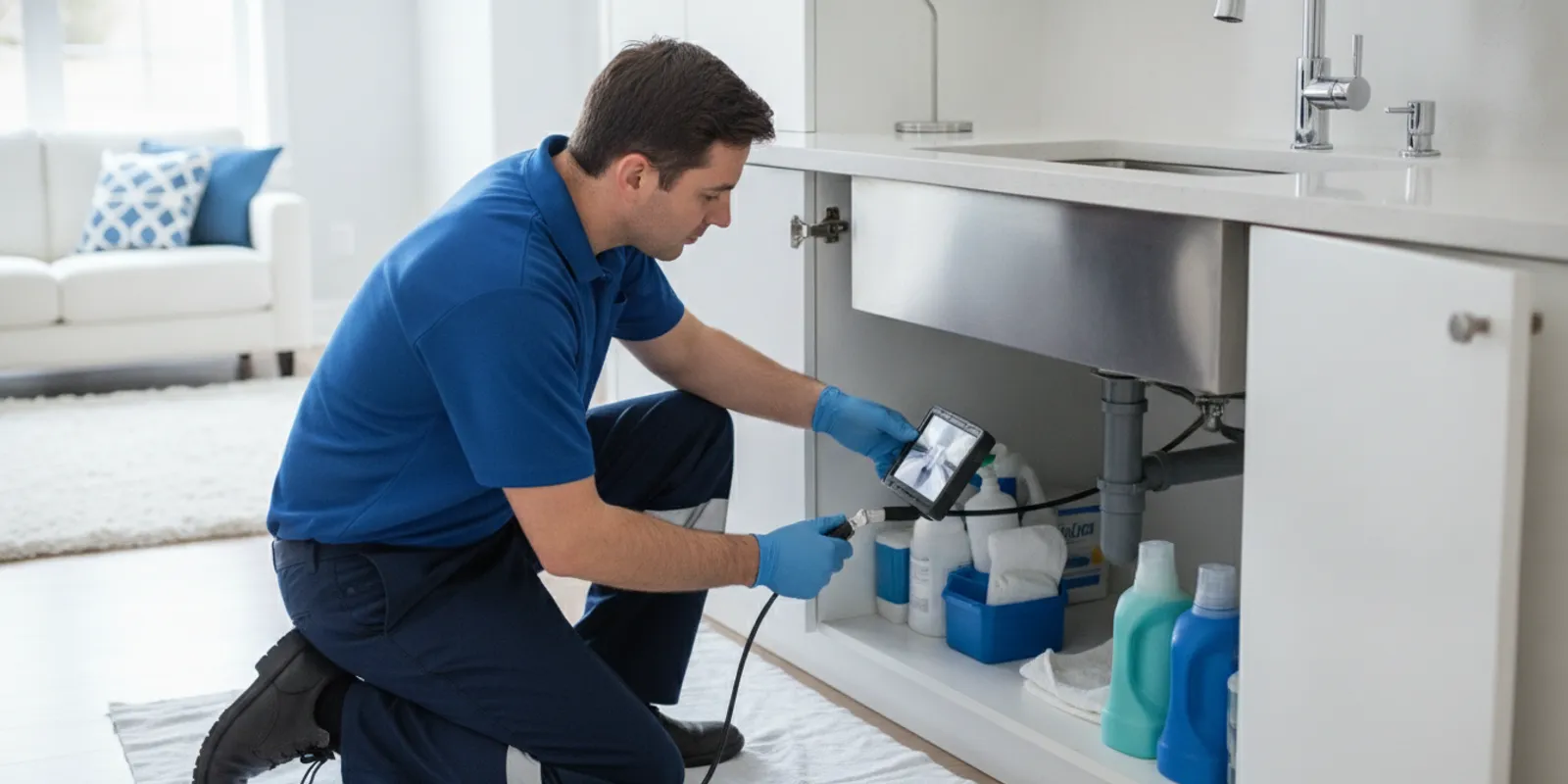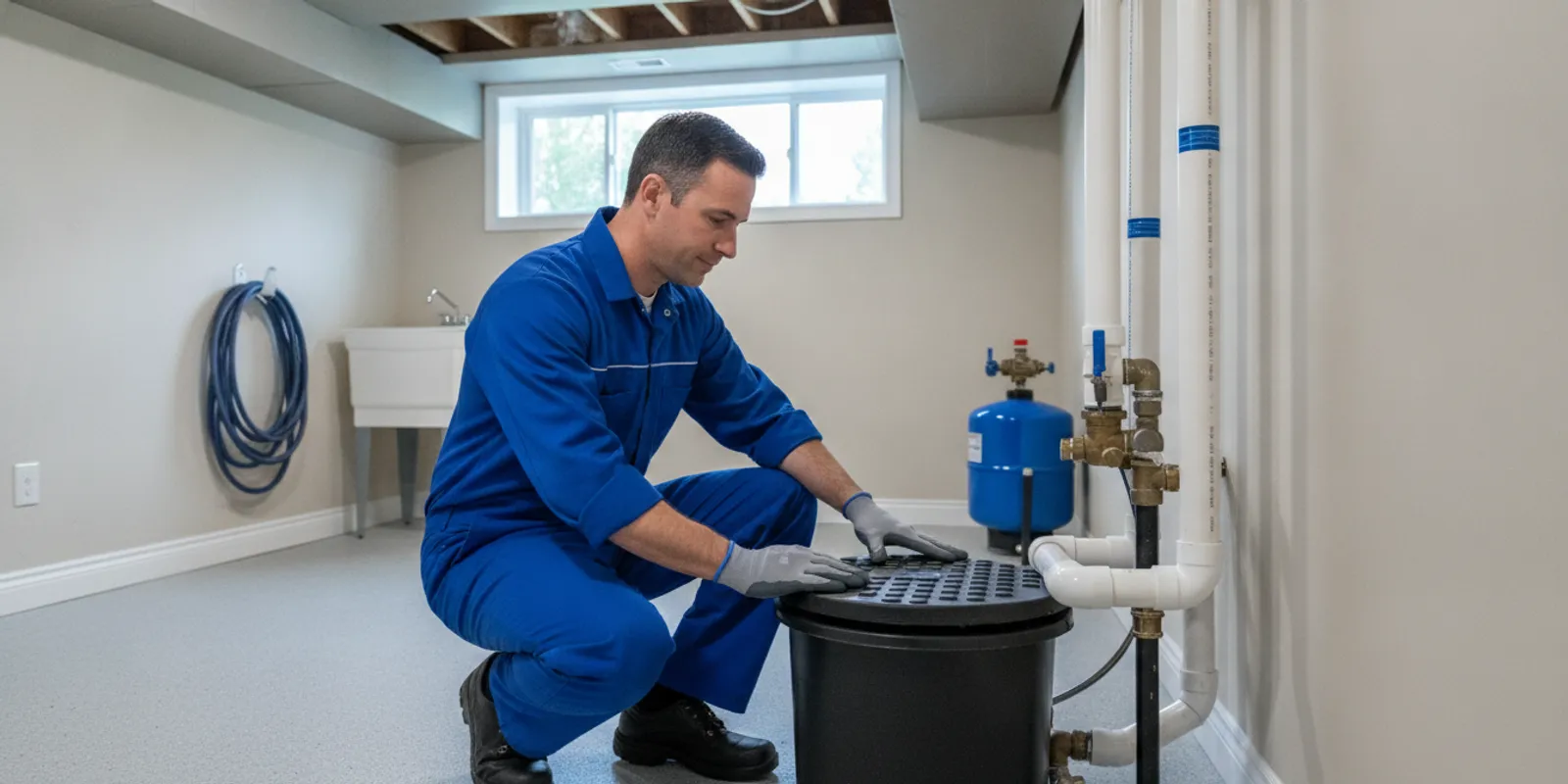
If you are trying to plan ahead for a Troy home, the useful question is not only whether the sump pump runs today. It is how long do sump pumps last in Troy homes, and how can you tell when yours is nearing the end of its useful service life? A pump can keep operating for years, but age, workload, installation, and maintenance all affect how dependable it remains.
Request a professional sump pump evaluation
A common planning range for many residential sump pumps is about seven to ten years. That is a general estimate, not a warranty or a fixed replacement deadline. Some units need attention sooner; others continue longer in favorable conditions. A professional can assess the pump and its setup, then explain whether monitoring, repair, or replacement is the sensible next step.
How long do sump pumps last in Troy homes?
Many homeowners use seven to ten years as a rough planning range for a typical sump pump. The range helps with budgeting, but it cannot predict the condition of a particular unit. Two pumps installed in similar homes may age differently because their operating hours and conditions are not the same.
A pump that runs frequently has more operating wear than one that activates occasionally. The amount of water entering the sump basin, the way water is directed away from the foundation, the pump’s capacity relative to the property, and the condition of the float switch and discharge path can all influence service life. Installation quality and the unit’s maintenance history matter too.
For that reason, calendar age is best treated as one piece of information. A seven-year-old pump that cycles often or has shown inconsistent operation deserves closer attention than a similarly aged pump with a stable history. An older pump that appears to work should not automatically be considered dependable without an assessment, especially if it protects a finished basement or a space used for storage.
There is no Troy-specific lifespan that applies to every home. Local weather and groundwater conditions vary by property and season. The best estimate comes from combining the pump’s age with its actual operating pattern and a review of the complete sump arrangement.
What affects a sump pump’s service life?
A sump pump is a mechanical device that responds to water in its basin. It can experience more demand in a home where water gathers frequently, while another unit may operate only occasionally. Understanding the reasons for that difference helps homeowners decide when to request a checkup.
- How often it runs: Frequent cycles mean more motor and switch activity. Repeated operation may be expected in some conditions, but a noticeable change in how often a pump runs is useful information for a plumber.
- Water volume and drainage: The amount of water entering the pit and how efficiently the property directs it there affect the pump’s workload. A change in drainage conditions can change that workload.
- Correct sizing and installation: The pump and basin need to suit the property’s needs. A mismatch or installation concern can affect operation and reliability.
- Float-switch condition: The float switch signals the pump to start and stop. If it sticks, catches, or does not respond consistently, the pump may fail to operate as intended or may run too long.
- Discharge arrangement: Water must leave the building through a functioning discharge path. A restriction or other issue outside the pump can affect performance even when the motor itself runs.
- Maintenance and prior repairs: A clear service history helps show whether a problem is new, recurring, or related to a previous repair. A pump’s age alone does not show how it has been treated.
These factors are connected. For example, frequent cycling might reflect heavier water entering the basin, a switch issue, or another condition. It does not by itself prove that the motor is failing. A professional assessment looks at the pump and its surrounding system rather than assuming that one component explains every symptom.
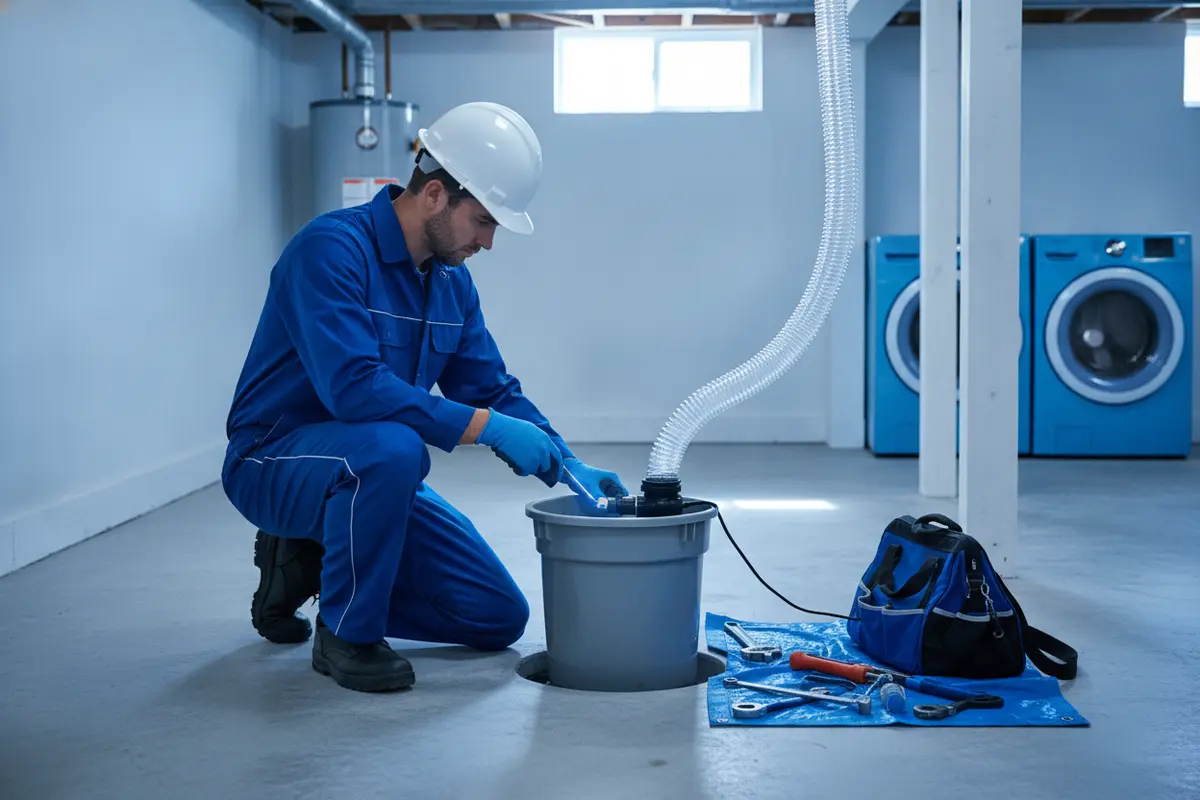
Which signs suggest an aging sump pump needs attention?
Changes in operation are often more useful than age alone. Keep track of what you observe and when it happens; that information can help a plumbing professional narrow down the issue. These signs do not all mean the pump needs replacement, but they are good reasons to arrange an evaluation.
- The pump is older and its history is unclear. If you do not know when it was installed or whether it has been serviced, its age and condition are uncertain. An inspection can establish a clearer baseline.
- It cycles more often than it used to. A change in frequency may reflect increased water entering the basin, a switch or system issue, or changing conditions around the home. Note whether the pattern is occasional or persistent.
- It runs for unusually long periods. Extended operation can have more than one cause. A professional can check the pump, float response, basin, and discharge arrangement to identify what is happening.
- It starts inconsistently or does not start when expected. Intermittent operation can be difficult to judge by a brief glance. If you have noticed a pattern, share it when booking service.
- You hear a new or persistent operating noise. A change in sound is not a diagnosis, but it can be a clue that the pump or another part of the system needs attention.
- Water remains in the basin or appears where it did not before. A visible change may call for prompt assessment to determine whether the pump, drainage path, or another condition is involved.
- The pump has needed repeated service. A recurring issue may change the practical choice between another repair and replacement. Ask for an explanation of the cause and the expected value of each option.
Do not wait for an exact age threshold before asking questions. A newer pump with repeated operating changes warrants attention, while an older one may still be assessed and maintained if its condition supports that option. If water is entering living areas, seek plumbing help promptly and take reasonable steps to protect people and belongings without entering standing water or an unsafe area.
How can you plan sump pump service before a problem?
Planning does not require guessing at a replacement date. Start by recording information that helps a plumber evaluate the system. Useful details include the approximate installation year, the pump brand or model if known, any prior service, and the circumstances when you notice a change. You do not need to take the pump apart or test electrical components to gather this history.
- Write down the pump’s known age and service history, or note that the details are unknown.
- Describe changes in cycling, run time, noise, or visible water, including when you first noticed them.
- Tell the plumber whether the concern has happened once or recurs under particular conditions.
- Ask the professional to assess the pump, basin, float response, and discharge route as a system.
- Request a clear explanation of what is working, what needs attention, and what options are available.
A periodic professional review can create a useful baseline, particularly as a pump gets older or its workload changes. The right interval depends on the property and the equipment; there is no single schedule that fits every basement. If the pump has been reliable and there are no changes, a homeowner may simply ask about it during other plumbing service. If it operates often or has a history of trouble, discuss a more tailored review plan.
Mr. Pipey provides sump pump repair and service. During a professional visit, the technician can evaluate the unit and related components, discuss the observations, and explain service options. An assessment is more useful than replacing a pump solely because a rough age range has been reached.
How should you use pump age for household planning?
Age is useful as a prompt to review the system, not as a countdown clock. If you know the installation year, you can use it to decide when to ask about condition and replacement planning. If the date is unknown, note that uncertainty instead of assuming the pump is new or overdue. A plumber may be able to identify the equipment and discuss its apparent condition, but not every unit carries a clear installation record.
Budgeting can be more manageable when you separate the decision into stages. First, establish what is installed and whether there is an active concern. Next, ask whether the current pump appears to be operating consistently and whether any repair is needed. Then discuss whether it makes sense to plan for replacement soon, monitor the system, or revisit it after a service interval suggested for your particular property. This avoids treating a general lifespan estimate as a deadline.
When you compare estimates, review the scope as well as the proposed equipment. Ask whether the work includes evaluating the basin, switch, and discharge arrangement, and whether any identified issue would remain after the pump is replaced. A quote that clearly explains the diagnosis and scope is easier to compare than one that only names a pump. If you have a past invoice, warranty paperwork, or installation record, keep it with your home maintenance documents.
Household plans can also affect timing. A homeowner preparing to finish a basement, store valuables near the sump area, or purchase a home may want a professional condition review before making those plans. That review does not guarantee a particular lifespan. It can, however, make the current condition and available options clearer. Troy residents considering service can also review this guide to sump pump repair in Troy for related local information.
Should you repair or replace an aging sump pump?
The choice depends on what has failed, the overall condition of the system, the pump’s age and service history, and the expected reliability after repair. There is no universal rule that every older pump should be replaced or that every repair is worthwhile. Ask the plumber to explain the diagnosis and compare options in plain language.
| Situation | What a professional may assess | Planning consideration |
|---|---|---|
| Pump is relatively new with one identifiable issue | Whether a focused repair can restore normal operation and whether related parts are in sound condition | Repair may be a practical option when the cause is clear and the rest of the system is in good condition. |
| Pump is older but operating consistently | Age, operating pattern, past service, condition of switch and discharge path | Monitoring or planned replacement may be discussed; age alone does not determine the answer. |
| Repeated problems or inconsistent operation | Whether issues share a cause, what another repair is expected to address, and the condition of the whole setup | Compare the expected value and reliability of repair with replacement. |
| Water remains or the pump does not respond as expected | Whether the pump, switch, basin, discharge arrangement, or another condition is involved | Arrange an assessment promptly; the symptom does not identify the cause by itself. |
Before approving work, ask what the diagnosis is, which component or condition is involved, and whether the proposed work addresses the underlying cause or only one symptom. If replacement is recommended, ask how the proposed unit suits the home’s needs and what is included in the work. If repair is recommended, ask what follow-up signs should prompt another call.
For related drainage concerns, a plumber may also discuss whether a sewer and drain evaluation is relevant to the conditions observed. This is not a substitute for evaluating the sump equipment; it is one way to consider the broader water-management picture when the symptoms point beyond the pump itself.
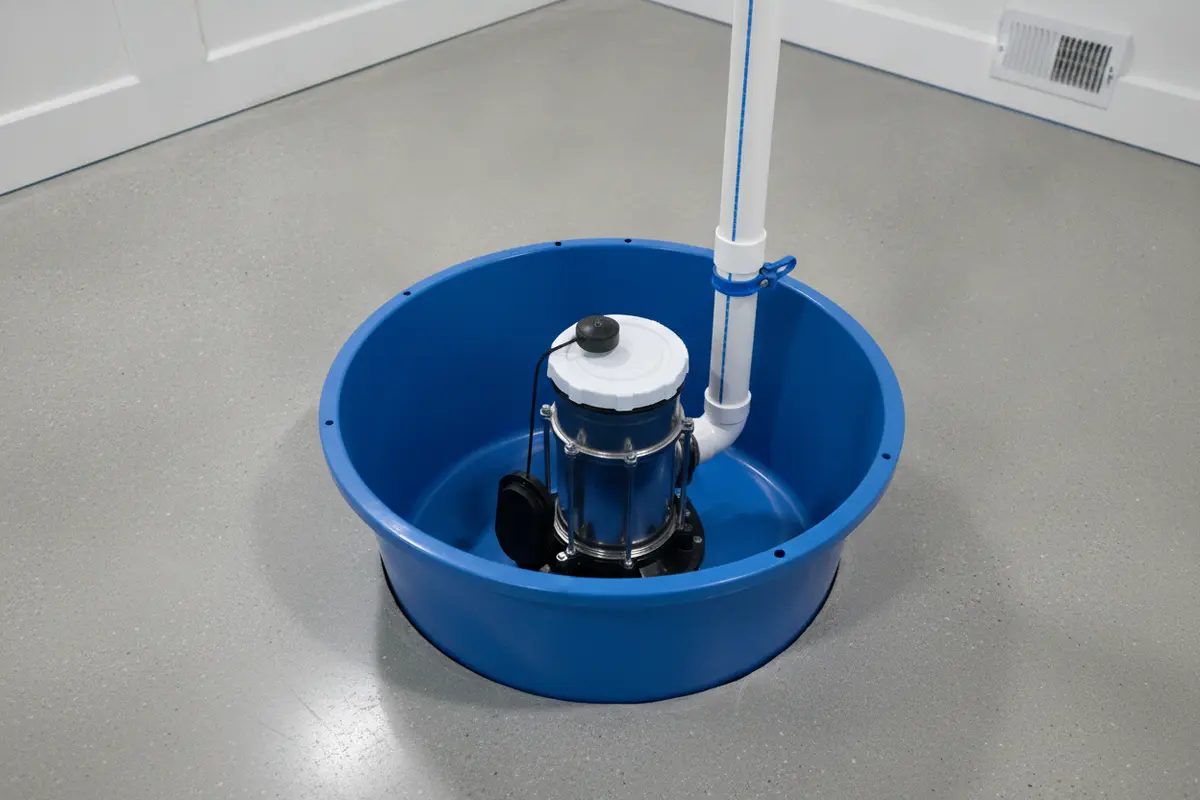
What should Troy homeowners ask during an evaluation?
A focused conversation can help you understand both the current condition and the next decision. You can ask:
- How old does the pump appear to be, and what evidence supports that estimate?
- Does the observed cycling or run time seem consistent with this property’s conditions?
- Are the float switch and discharge arrangement operating as intended?
- Is the issue limited to the pump, or could another part of the system be contributing?
- What are the repair and replacement options, and what does each option address?
- If I monitor the current pump, what specific changes should lead me to schedule service?
Clear answers matter because a recommendation should fit the home, not just a general lifespan estimate. Ask for the findings and proposed work to be explained before deciding. If you have documentation from a past installation or service visit, sharing it can help establish the history.
Homeowners who want to review related topics can read about a sump pump check valve and its role, or learn about planning for sump pump replacement. For other plumbing concerns, Mr. Pipey also provides emergency plumbing service and drain repair. Broader household flood preparedness information is available from FEMA.
How do repair, replacement, and monitoring compare?
Each path serves a different situation. Monitoring may suit a pump with a stable record and no sign of a current defect. Repair may make sense when the problem is identifiable and the system is otherwise in suitable condition. Replacement may be worth considering when repeated issues, age, or overall condition make another repair less reassuring. A plumber can explain which path matches the findings.
For Troy homeowners, the practical goal is not to make a decision based on a number alone. It is to understand what the pump is doing now and what level of confidence each option offers. A dated service record, a description of symptoms, and a review of the complete setup provide a more useful basis for planning than a generic lifespan chart.
Schedule a sump pump assessment with Mr. Pipey
Frequently Asked Questions
How long do sump pumps usually last?
A common planning range for many residential sump pumps is about seven to ten years. Actual service life varies with operating frequency, water conditions, installation, maintenance, and the condition of related components. An inspection can give a more useful estimate for a specific home.
Should I replace a sump pump at seven years?
Not automatically. Seven years is not a mandatory replacement age. Consider the pump’s condition, how often it runs, its service history, and any changes in performance. A plumber can compare monitoring, repair, and replacement based on those findings.
Can a sump pump last longer than ten years?
Some pumps may continue operating beyond ten years, but age does not confirm that a unit will work reliably when needed. Have an older pump assessed, especially if it has an unclear history, frequent cycles, unusual sounds, or inconsistent operation.
What is the first sign that a sump pump may be wearing out?
There is no single first sign for every pump. A change in cycling, longer run times, inconsistent starts, new noise, or water remaining in the basin can all justify an evaluation. These symptoms may have several causes and should not be treated as a diagnosis on their own.
How can I plan for a sump pump replacement?
Record the pump’s age and service history if known, note changes in operation, and ask a plumber to assess the pump and discharge setup. If replacement is recommended, request an explanation of the options and what the work includes so you can plan with clear information.
Plan around the condition of your sump pump
A seven-to-ten-year range is a useful planning reference, but the best decision depends on your pump’s age, workload, condition, and service history. If you have noticed a change or want a clearer picture before the next wet season, contact Mr. Pipey for a professional evaluation.