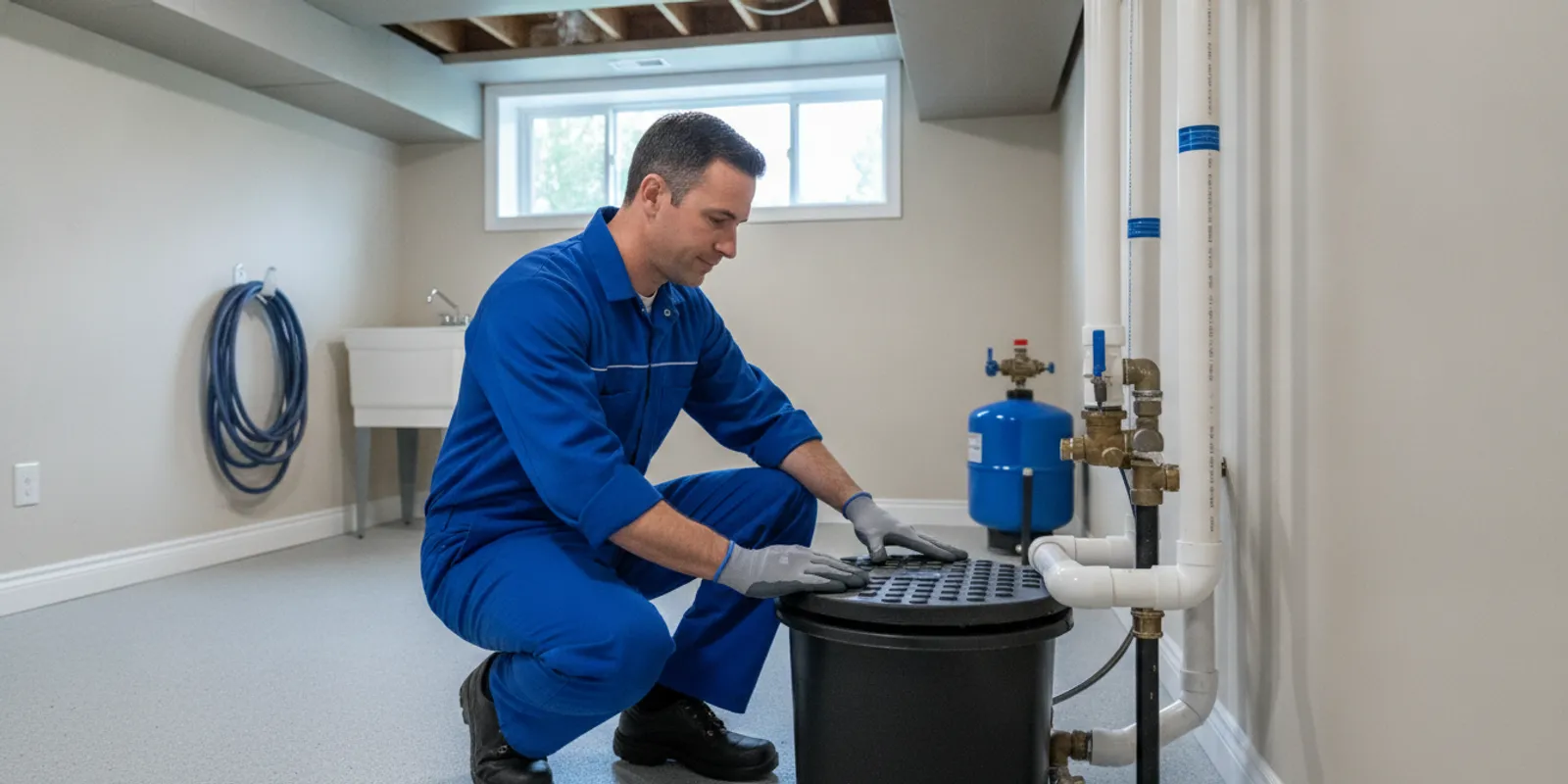

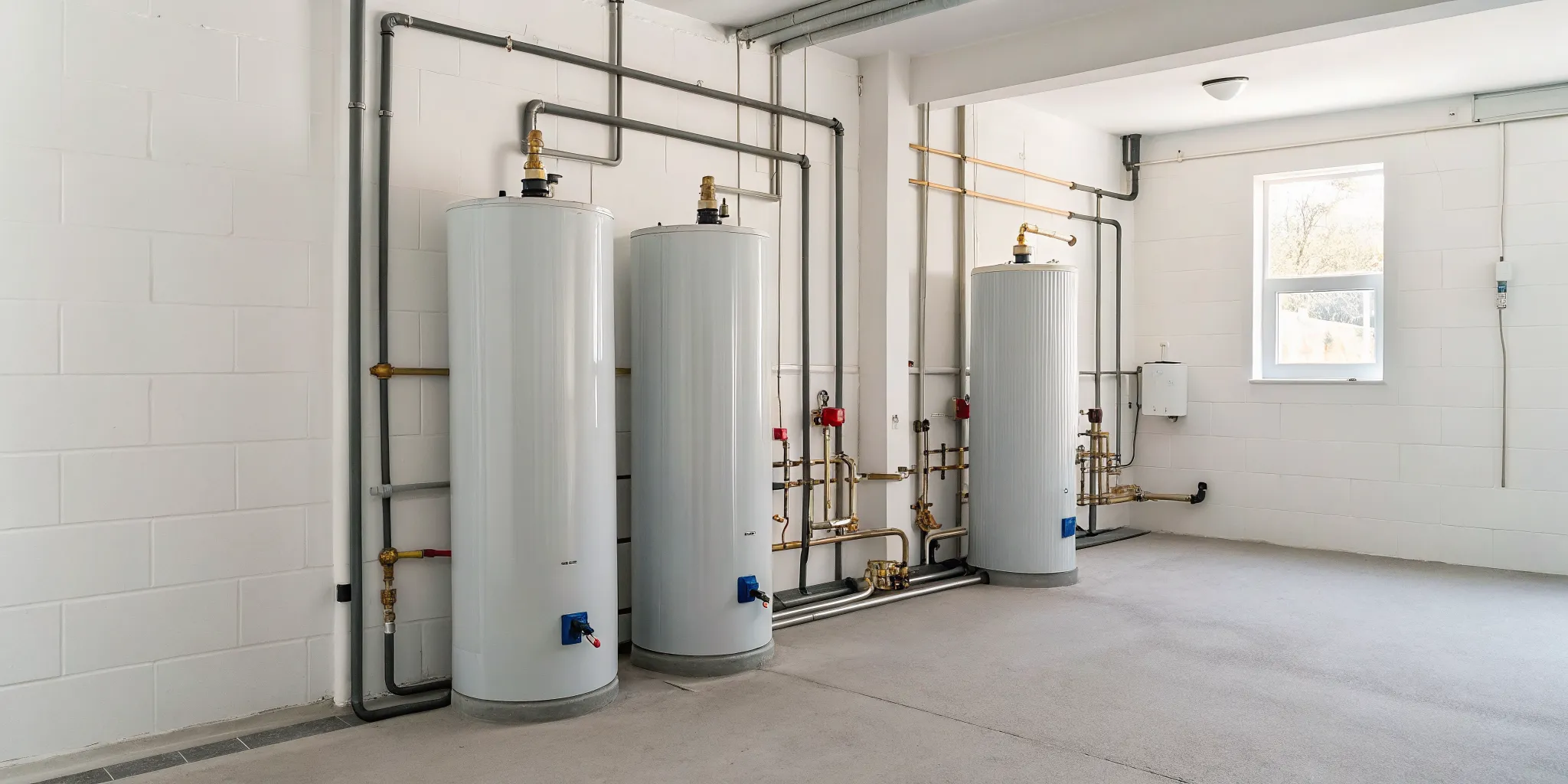
Let’s be honest, the idea of doing your own plumbing maintenance can feel a little intimidating. But what if you could tackle a key task that saves you money and prevents major headaches, all with a few simple tools? Flushing your water heater is one of the most impactful DIY jobs a homeowner can do. It directly improves your home’s efficiency and extends the life of a crucial appliance. We’ve created this comprehensive guide to demystify the water heater flushing process, breaking it down into easy-to-follow steps. We’ll give you the confidence to get it done right.
Key Takeaways
- Annual flushing saves money and extends your heater’s life: Removing sediment buildup helps your water heater run efficiently, which can lower your energy bills. This simple task also prevents internal corrosion and wear, helping you avoid the cost of a premature replacement.
- Follow the process carefully, especially for safety: Before draining your tank, always cut the power or gas and let the water cool down completely to prevent burns or damage. If you feel unsure at any point, particularly with a stuck valve, it is always smarter to call a professional.
- Think beyond the annual flush for long-term health: Regular maintenance involves more than just draining the tank. Make it a point to inspect the anode rod for decay, test the pressure relief valve, and check for small leaks to keep your unit running safely and reliably all year.
Why You Should Flush Your Water Heater
Think of flushing your water heater like changing the oil in your car. It’s a simple maintenance task that prevents small issues from becoming big, expensive problems. Over time, minerals and sediment from your water supply settle at the bottom of the tank. While this buildup is normal, it can cause a surprising amount of trouble if left unchecked. Taking the time to flush your tank once a year keeps your system running smoothly, saves you money, and helps you get the most out of your investment. It’s one of the most effective ways to care for a crucial home appliance.
Improve Efficiency and Lower Energy Bills
That layer of sediment at the bottom of your tank acts as an insulator between the heating element and the water. This forces your water heater to work much harder and run longer to get the water up to temperature. All that extra work translates directly into higher energy bills each month. By flushing out the gunk, you allow the heating element to do its job efficiently. A clean tank heats water faster and uses less energy, which is great for both your wallet and the environment. It’s a straightforward way to make sure you aren’t paying more than you need to for hot water.
Extend Your Water Heater’s Lifespan
A water heater is a significant investment, and you want it to last as long as possible. Regular flushing is one of the best ways to protect it. The constant overheating caused by sediment buildup puts a lot of stress on the tank and its components, leading to premature wear and tear. Corrosion and leaks are far more likely in a tank that’s never been flushed. By simply clearing out that sediment annually, you can add years to your water heater’s life. This proactive step helps you avoid the unexpected cost and hassle of a sudden breakdown, which often requires emergency plumbing services.
Prevent Damaging Sediment Buildup
Sediment doesn’t just affect efficiency; it can cause direct damage. As the layer of mineral deposits grows, it can clog the drain valve, making future flushing difficult or impossible. The buildup can also lead to strange popping or rumbling noises as water gets trapped underneath and boils. In the worst-case scenario, the sediment can corrode the bottom of the tank, causing a leak that could lead to serious water damage in your home. Flushing the tank is the only way to remove this potentially harmful material and keep your water heater operating safely. If you need a hand, our team offers a full range of plumbing solutions to keep your home’s systems in top shape.
Signs It’s Time to Flush Your Water Heater
Your water heater is pretty good at telling you when it needs a little TLC. You just have to know what to look and listen for. If you notice any of these signs, it’s a clear signal that your water heater is due for a flush. Ignoring them can lead to bigger, more expensive problems down the road, and nobody wants that. Catching these issues early helps keep your system running smoothly and efficiently.
Rumbling or Popping Noises
Have you ever heard your water heater making strange rumbling, popping, or crackling sounds? It might sound like popcorn being made, but it’s actually a cry for help. Over time, minerals and dirt from our Metro Detroit water supply settle at the bottom of the tank, creating a layer of sediment. When the heating element kicks on, water gets trapped beneath this layer and boils, causing those unsettling noises. This process forces your heater to work much harder than it should, which wastes energy and increases your utility bills. If left unchecked, this strain can lead to serious damage and even a complete breakdown, which might require emergency plumbing services.
Cloudy or Rusty Hot Water
The water coming out of your hot tap should always be clear. If you start seeing cloudy, sandy, or rust-colored water, it’s a major red flag. This discoloration is often caused by the sediment buildup we talked about being stirred up and flowing through your pipes. That rusty tint specifically can mean the inside of your tank is corroding. This not only affects your water quality but also weakens the tank itself, making leaks much more likely. Don’t just hope it clears up on its own. Addressing it with a flush can clear out the gunk and help you assess the health of your tank. If you’re concerned about corrosion, it’s always best to have a professional take a look at your plumbing system.
Lukewarm Water or Low Pressure
Are your showers getting shorter because the hot water runs out too quickly? Or maybe you’ve noticed the water pressure from your hot tap is weaker than the cold? Both are classic signs of sediment buildup. As sediment accumulates, it displaces water in the tank, leaving you with a smaller supply of hot water to draw from. It also creates a barrier between the heating element and the water, making the heating process inefficient. This means lukewarm water and longer recovery times. That same sediment can also clog your home’s plumbing lines and the water heater’s drain valve, causing a frustrating drop in water pressure. A good flush can often restore both your hot water supply and your pressure.
How Often Should You Flush Your Water Heater?
Figuring out the right flushing schedule for your water heater isn’t a one-size-fits-all answer. While a good rule of thumb is to flush it at least once a year, the ideal frequency really depends on a few key things. For us here in Metro Detroit, the biggest factor is our local water quality. Your household’s daily hot water usage and the age of your unit also play a significant role. Getting this timing right is key to keeping your heater running efficiently and avoiding surprise breakdowns. Let’s break down what that means for your home.
The Impact of Metro Detroit’s Water Hardness
Here in the Metro Detroit area, we deal with particularly hard water. This simply means our water supply has a high concentration of minerals like calcium and magnesium. While it’s safe to drink, these minerals can cause real problems for your plumbing. As water heats up, the minerals separate and settle at the bottom of your tank, creating a thick layer of sediment. This forces your water heater to work harder, driving up your energy bills and putting extra strain on the appliance. To prevent this damaging buildup, we recommend you flush your water heater every six months. If you’re unsure about your water’s hardness or how to handle the process, it’s always a good idea to contact a professional.
Other Factors That Influence Frequency
Beyond water quality, your family’s habits are a major consideration. If you have a large family, run the dishwasher and washing machine daily, or simply use a lot of hot water, you’ll likely need to flush your tank more often than a smaller household. The age and model of your water heater matter, too. On the other hand, if your home has a water softening system, you can probably get by with flushing it just once a year. Pay attention to warning signs like popping noises or a drop in water pressure, as these are clear signals that it’s time for a flush, regardless of your schedule. Ignoring them can lead to bigger problems and potential emergency plumbing situations down the road.
What You’ll Need: Tools and Safety Tips
Before you get started, gathering your supplies will make the whole process go much smoother. Think of it as your pre-project prep. Having everything within arm’s reach means you won’t be scrambling mid-flush. Most of these items are things you likely already have around the house or can easily find at a local hardware store. This simple setup is all it takes to get your water heater flushed and running more efficiently.
Your Tool and Supply Checklist
Good news: you don’t need a professional-grade toolbox for this job. The main tool you’ll need is a standard garden hose that’s long enough to reach a safe drainage spot, like a floor drain or your lawn. Make sure the spot is away from kids, pets, and delicate plants. You’ll also want a bucket to catch any initial drips from the drain valve, a pair of work gloves to protect your hands, and possibly an adjustable wrench if the valve is a bit stubborn. That’s it! With these few items, you’re ready to tackle the sediment buildup in your tank.
Key Safety Precautions
Safety first, always. Before you do anything else, you must cut the power source to your water heater. For an electric model, head to your breaker box and flip the switch for the water heater. If you have a gas heater, turn the thermostat to the “Pilot” setting. This is a critical step because it prevents the heating elements from burning out in an empty tank. Also, give the water in the tank several hours to cool down to prevent scalding. When you’re ready to drain, double-check that your hose is securely connected to avoid any unexpected indoor puddles.
Common Flushing Myths, Busted
You might hear that flushing a water heater is a simple task anyone can do in minutes. While it can be straightforward, it’s not always risk-free. A common myth is that you can’t make things worse, but old or corroded drain valves can break or leak during the process. If the valve seems stuck or you notice significant corrosion, forcing it can cause a major headache. It’s also a myth that a quick flush will solve deep-seated issues. If you run into trouble or just aren’t comfortable with the process, it’s always smarter to call a professional. Knowing your limits is key to avoiding a small maintenance task turning into a big repair bill.
How to Flush Your Water Heater in 9 Simple Steps
Alright, it’s time to get this done. Flushing your water heater is a totally manageable weekend project that can save you a lot of headaches down the road. We’re going to walk through this process together, step by step. The most important thing is to follow each instruction carefully to keep both you and your water heater safe.
Before you begin, read through all the steps to get comfortable with the process. If at any point you feel unsure or run into a problem you can’t solve, don’t force it. Plumbing issues can get complicated quickly, so it’s always better to be safe than sorry. If you get stuck, just give us a call. Our team is always ready to help you out and can take over if needed. You can contact us anytime.
Step 1: Cut the Power or Gas
First things first: safety. You must cut the energy source to your water heater before you drain it. For an electric model, find your home’s main electrical panel and flip the circuit breaker that controls the water heater to the “Off” position. If you drain the tank while the electric heating elements are on, they can burn out in seconds. For a gas water heater, find the thermostat dial on the unit itself and turn it to the “Pilot” or “Off” setting. This ensures the burner won’t kick on while the tank is empty.
Step 2: Let the Water Cool Down
The water inside your tank is extremely hot, so you need to give it time to cool before draining. This is a non-negotiable safety step to prevent serious burns. Turn off the cold water supply valve, which is usually located on a pipe leading into the top of the tank. Then, just wait. It can take a few hours for the water to reach a safe temperature. Plan to do something else for a while; rushing this step isn’t worth the risk of getting scalded by 120-degree water.
Step 3: Connect a Hose to the Drain Valve
Now, grab a standard garden hose. You’ll find a spigot-like connection called the drain valve near the bottom of your water heater tank. Screw one end of your hose onto this valve, making sure it’s snug. Run the other end of the hose to a suitable drainage spot. A basement floor drain, a utility sink, or a spot outside that’s downhill from the heater are all good options. Just make sure the water can drain away from your home’s foundation without causing any issues.
Step 4: Open a Faucet to Relieve Pressure
To help the tank drain properly, you need to let air in. Go to a sink inside your house, preferably on a floor above the water heater, and turn on the hot water tap. You won’t see much water come out, but leaving the faucet open prevents a vacuum from forming inside the tank. This simple action allows air to enter the system as water drains out, making the whole process much faster and smoother. Just leave it open until you’re completely finished.
Step 5: Drain the Tank Completely
With your hose in place and a faucet open, it’s time to drain the tank. Slowly turn the handle on the drain valve to open it. You should hear water begin to flow through the hose. At first, the water might look cloudy or have visible bits of sediment, which is exactly what you want to get rid of. Depending on the size of your tank, this can take anywhere from 20 minutes to an hour. Just be patient and let it drain until the flow stops completely.
Step 6: Flush Out Remaining Sediment
Once the tank is empty, there’s one more trick to get it extra clean. Go back to the cold water supply valve you turned off earlier. Quickly turn it on for about 10-15 seconds and then turn it off again. Do this two or three times. This blast of cold water will stir up any stubborn sediment that has settled at the bottom of the tank and flush it out through the hose. You’ll likely see another burst of murky water, which means it’s working.
Step 7: Close the Valve and Remove the Hose
When the water running through the hose is clear and free of debris, you’re done with the draining part. Close the drain valve at the bottom of the tank by turning the handle until it’s snug. Be careful not to overtighten it, as these valves can sometimes be made of plastic and might break under too much pressure. Once the valve is securely closed, you can unscrew the garden hose and put it away.
Step 8: Refill the Tank
Now it’s time to fill the tank back up. Make sure the drain valve is closed and the hot water faucet you opened earlier is still on. Go to the cold water supply valve and turn it on fully. You’ll hear water flowing back into the tank. Keep an eye on the open faucet. At first, it will just sputter and spit air, but eventually, you’ll get a full, steady stream of cold water. Once the flow is constant, the tank is full, and you can turn off the faucet.
Step 9: Restore Power and Clear Air from the Lines
Only after the tank is completely full should you restore power. For an electric heater, go back to your circuit panel and flip the breaker back on. For a gas heater, turn the thermostat dial back to its original temperature setting. You might hear some gurgling as the heater starts up, which is normal. If anything seems off or you suspect a problem, it’s best to call for emergency plumbing services right away. Finally, go to a few faucets in your house and run the hot water to clear any remaining air from the pipes.
Beyond Flushing: Year-Round Water Heater Care
Flushing your water heater is a fantastic start, but it’s just one piece of the puzzle for keeping your unit in top shape. Consistent, year-round care is what truly keeps it running efficiently and helps you avoid those dreaded cold-shower mornings. Think of it like car maintenance; you don’t just change the oil and ignore the tires. A little proactive attention can prevent small issues from turning into costly, stressful emergencies and can significantly extend the life of your water heater. It’s about protecting your investment and ensuring your home runs smoothly.
Thankfully, most of these maintenance tasks are simple and don’t require a lot of time. By getting familiar with the key components of your water heater, you can stay ahead of potential problems and gain peace of mind. We’ll walk through a few essential checks you can perform throughout the year, from inspecting a hidden but vital part called the anode rod to making sure your pipes are properly insulated against Michigan’s cold winters. These steps will help you save money on energy bills and ensure you have reliable hot water when you need it most.
Check the Anode Rod
Inside your water heater tank is a hidden hero called the anode rod. This metal rod’s entire job is to sacrifice itself to protect your tank from rust and corrosion. It attracts corrosive elements in the water, corroding itself so your tank doesn’t have to. Because it’s designed to wear down, it needs to be checked and replaced, typically every three to five years. Letting the anode rod dissolve completely leaves your tank vulnerable to rust, which can lead to leaks and premature failure. Checking it is one of the most important things you can do to prevent serious damage and keep your water heater healthy for the long haul.
Test the Pressure Relief Valve
Your water heater’s temperature and pressure (T&P) relief valve is a critical safety feature. It’s designed to automatically release water if the pressure or temperature inside the tank gets dangerously high, preventing a potential rupture. To test it, simply lift the lever for a few seconds. A burst of hot water should come out of the discharge pipe. If very little or no water comes out, or if it continues to leak after you close it, the valve may be faulty. Because this is such a vital safety component, it’s best to call a professional right away if you suspect it isn’t working correctly.
Optimize the Temperature
Most manufacturers recommend a water heater temperature of 120°F. This setting is hot enough to prevent bacterial growth but not so hot that it poses a serious scalding risk or wastes energy. A setting that’s too high forces your unit to work harder than necessary, which shows up on your utility bills. You can easily check and adjust the temperature dial on your unit. As a bonus tip, before you perform any maintenance like flushing, turn your gas water heater to the “pilot” setting or switch off the breaker for an electric one. This prevents the unit from heating an empty tank, which can damage the components.
Insulate Your Pipes and Tank
In Metro Detroit, where basements and crawl spaces can get quite cold, insulation is your best friend. An uninsulated water heater loses heat just sitting there, forcing it to cycle on more often to keep the water hot. You can reduce this standby heat loss by wrapping your tank in a special insulating blanket. It’s also a great idea to insulate the first few feet of the hot and cold water pipes connected to the unit. This simple and inexpensive step ensures the water stays hotter as it travels to your faucets and can lead to noticeable energy savings. Proper pipe insulation is a smart move for any homeowner.
Perform Regular Leak Inspections
Make it a habit to give your water heater a quick visual inspection every few months. Look for any signs of moisture on or around the unit, including small puddles on the floor or rust streaks on the side of the tank. Pay close attention to the drain valve at the bottom. If you notice a slow drip, it could be caused by a small piece of sediment stuck in the valve. Try opening the valve and then closing it again to flush out the debris. If the leak persists or you spot moisture anywhere else, it’s a clear sign that a component is failing and needs attention.
Know When to Call a Professional
While many of these maintenance tasks are manageable, there are times when it’s best to leave the work to an expert. If you notice significant sediment during a flush, find that your pressure relief valve is malfunctioning, or discover a persistent leak, it’s time to put down the tools and pick up the phone. Trying to fix complex issues without the right training or equipment can often make the problem worse or even be unsafe. Don’t hesitate to call a plumber for help. At Mr. Pipey, we’re always ready to step in and ensure your water heater is running safely and efficiently.
Related Articles
- 6 Signs You Need Water Heater Repair Now
- How to Repair an Instant Water Heater: A DIY Guide
- How to DIY a Tankless Water Heater Installation
- Water Heater Installation: A Step-by-Step Guide
Frequently Asked Questions
Is flushing my water heater a project I can actually do myself? For many homeowners, yes, this is a very manageable task. The process is straightforward as long as you follow the safety precautions, especially cutting the power and letting the water cool down. However, if your water heater is older or you notice the drain valve is corroded or stuck, it’s wise to pause. Forcing a brittle valve can cause it to break, creating a much bigger problem. If you feel hesitant at any point, calling a professional is the safest and smartest move.
I’ve lived in my house for years and have never flushed the water heater. Is it too late? It’s definitely not too late to start, but you should proceed with a bit of caution. An older tank that has never been flushed will have a significant amount of sediment buildup. While flushing is the right thing to do, the process could reveal underlying issues, like a corroded tank bottom that was previously plugged by the sediment. For a first-time flush on an older unit, you might consider having a professional handle it. They can assess the tank’s condition and manage any surprises.
My water heater is making a rumbling sound. Will flushing it actually fix that? Yes, in most cases, flushing the tank is the direct solution for those strange popping or rumbling noises. That sound is caused by water getting trapped under the layer of mineral sediment at the bottom of the tank and boiling. By draining the tank and flushing out all that gunk, you remove the barrier between the heating element and the water. This not only quiets the unit down but also helps it run more efficiently.
Why is the hard water in Metro Detroit such a problem for my water heater? Hard water contains a high concentration of minerals, like calcium and magnesium. When this water is heated, those minerals separate and settle at the bottom of your tank, forming a solid, rock-like layer. This sediment acts like an insulator, forcing your heating element to work much harder and longer to heat the water. This extra strain wastes energy, drives up your utility bills, and causes premature wear on the appliance, which is why flushing it regularly is so important here.
Besides flushing, what is the most important maintenance task for my water heater? Checking the anode rod is one of the most critical things you can do to extend the life of your water heater. This metal rod hangs inside your tank and is designed to attract corrosive elements in the water, essentially sacrificing itself to prevent the tank from rusting. Once the rod dissolves completely, the tank itself begins to corrode, which can lead to leaks and total failure. Checking it every few years and replacing it when needed can save you from the massive expense of a premature replacement.