When a sink or tub stops draining in an Allen Park home, it is natural to look for a quick product that will make the problem go away. But the answer to “what is the best drain cleaner for Allen Park homes” depends on what is blocking the pipe and where the blockage is. A product that affects one kind of buildup may not solve a deeper clog, and repeated treatment can leave the underlying cause untouched. The most useful first step is identifying the problem, then choosing a method that fits the drain and the pipe condition.
Request professional drain-cleaning help
What Is the Best Drain Cleaner for Allen Park Homes?
For many recurring or stubborn clogs, the best “drain cleaner” is not a bottle from a store. It is a professional diagnosis followed by a cleaning method suited to the drain line. A simple, isolated slowdown may have a different cause than several fixtures draining poorly at the same time. A qualified plumber can assess the symptoms, determine whether the issue is in a fixture branch or farther into the drain or sewer line, and explain which service is appropriate.
That distinction matters because drain problems are not all alike. Hair, soap residue, grease, food particles, foreign objects, and other material can affect different parts of a plumbing system. A blockage can also be associated with pipe damage or a sewer-line issue rather than loose debris alone. The symptom gives useful clues, but it does not identify the cause with certainty.
Store-bought chemical products are often marketed as universal fixes, but no one product is the best choice for every clog, pipe, or home. Some may not reach or remove the actual obstruction. Applying products repeatedly without knowing what is happening in the line can complicate diagnosis and may expose the person handling the drain to caustic material. The U.S. Consumer Product Safety Commission provides consumer product safety information; follow the product label and do not combine drain treatments. For a clog that persists, returns, affects multiple fixtures, or comes with other unusual drainage symptoms, arrange a professional assessment instead of layering treatments.
Mr. Pipey provides drain and sewer services in the Metro Detroit area. For a general overview of the work involved, see the sewer and drain cleaning service information. The appropriate response depends on the condition and location of the blockage, not simply the product label.
How Can You Tell What Kind of Drain Problem You Have?
Notice where the problem appears and whether it is getting better, staying the same, or returning. These observations can help a plumber narrow down what to inspect. They are not a substitute for diagnosis, but they make it easier to describe the issue accurately when booking service.
- One fixture drains slowly: The restriction may be close to that sink, tub, or fixture, though an inspection is needed to confirm the location.
- More than one fixture is affected: A shared branch or a larger section of the drain system may be involved. Mention every affected fixture when you call.
- The same drain keeps slowing down: A recurring clog may indicate that the original obstruction was only partly cleared or that another condition is contributing.
- There is a change in more than drainage: Unusual odors, bubbling sounds, or water appearing in another fixture are helpful details to report. They do not prove a particular fault on their own.
- The issue affects a floor drain or lower-level fixture: Include the location and timing in your description, especially if other drains are behaving differently.
Try to describe what you observed rather than diagnosing the plumbing yourself. For example, “the kitchen sink has drained slowly for three days, and the nearby tub is normal” is more useful than assuming the pipe needs a specific chemical. If water is actively backing up or the condition is worsening, call a plumbing professional promptly and follow any product-label safety directions if a drain treatment has already been used.
What Details Help Pinpoint a Drain Clog?
A clear symptom history gives a service professional a better starting point. Before you call, make a short note of when the drain first changed, whether the flow has gradually slowed or stopped suddenly, and what has happened since. The goal is not to determine the cause at home. It is to give the plumber an accurate account so the assessment can focus on the right part of the system.
It can help to compare the affected fixture with nearby ones. If the kitchen sink is slow while the bathroom fixtures seem normal, say so. If two fixtures on the same level are affected, name both and explain whether their symptoms began together. Also mention whether water has appeared in an unexpected fixture, whether you hear gurgling, or whether an odor is present. Such observations are clues, not proof of a particular blockage or pipe defect.
Tell the plumber about any drain product already applied, including when it was used and whether the label directions were followed. This is important safety information for the person assessing the drain. Avoid adding another treatment while waiting for advice. If you are not sure what product was used, keep the container or its name available so you can describe it accurately.
Finally, distinguish a one-time interruption from a pattern. A drain that slowed once after a particular event may call for a different assessment than one that has been cleared repeatedly over several weeks. If a previous service was performed, share what work was done and how long the improvement lasted. A timeline helps connect symptoms to the location and scope of the service being considered.
Which Drain-Cleaning Options Are Different—and When?
“Drain cleaner” can mean a chemical product, a biological maintenance product, a mechanical clearing service, or professional hydro jetting. These approaches do not do the same thing. The comparison below explains the general differences without assuming that any one method fits every Allen Park home.
| Approach | What it is intended to do | What to keep in mind |
|---|---|---|
| Chemical drain product | Attempts to affect certain kinds of material in a drain. | May not address the actual blockage or its location. Follow label directions and avoid mixing products. Persistent or recurring symptoms call for assessment. |
| Biological or enzyme-style product | Marketed to help break down some organic material over time. | It is not a dependable rapid fix for every obstruction and does not diagnose pipe or sewer-line conditions. |
| Professional mechanical clearing | A plumber uses service equipment selected for the drain and reported condition to clear a blockage. | The method should be chosen after considering the line, the location, and the symptoms. |
| Professional hydro jetting | Uses controlled water pressure as a professional drain-cleaning method for suitable lines and conditions. | It is not appropriate for every pipe or problem; a professional assessment determines whether it fits. |
| Inspection and repair | Checks whether a recurring blockage is connected to a damaged or otherwise compromised line. | Cleaning alone may not resolve an underlying pipe issue. Ask what was found and what options are available. |
The comparison is not a recommendation to buy a particular product or use equipment yourself. It shows why a reliable answer starts with the drain’s symptoms and condition. A professional may recommend a cleaning service, further evaluation, or repair depending on what is found.
It is also useful to distinguish routine maintenance claims from a response to an active clog. A product described for ongoing maintenance may not be intended to clear a complete obstruction, and waiting for it to work can leave a household unsure whether the underlying issue has changed. A professional clearing service, by contrast, is selected for the line and symptom pattern after an assessment. If the cause is a damaged pipe or a condition beyond the accessible drain, cleaning alone may not provide a lasting answer.
When Is Professional Drain Cleaning the Better Choice?
Consider professional service when a clog does not clear, returns soon after treatment, or affects more than one fixture. The same is true when the drain’s behavior changes along with noises, odors, or water movement elsewhere in the plumbing system. These patterns can point beyond a small, isolated obstruction. A plumber can assess the line and explain whether cleaning is likely to help or whether additional inspection is appropriate.
A professional service visit should begin with questions about the history and location of the issue. The plumber may ask when the symptoms began, which fixtures are involved, whether the problem recurs, and whether any drain products have already been used. This information helps guide a safe and relevant evaluation. It is important to disclose products already applied so the professional can take that into account.
Depending on the findings, a plumber may discuss clearing the affected drain, using HydroScrub drain jetting when appropriate, or checking whether a larger sewer concern is involved. A recurring issue might require a different plan from a single fixture clog. If the assessment suggests a pipe leak or another plumbing concern, the relevant next step may differ from routine drain cleaning; see the information on professional leak repair and detection.
Ask the plumber to explain what area is being addressed, why the proposed method fits the observed condition, and what the service does not establish. Clearing a blockage does not automatically confirm that every part of a drain or sewer line is in good condition. Clear expectations help you understand whether the work is meant to address a one-time clog or investigate a recurring problem.
What Happens During a Professional Drain Assessment?
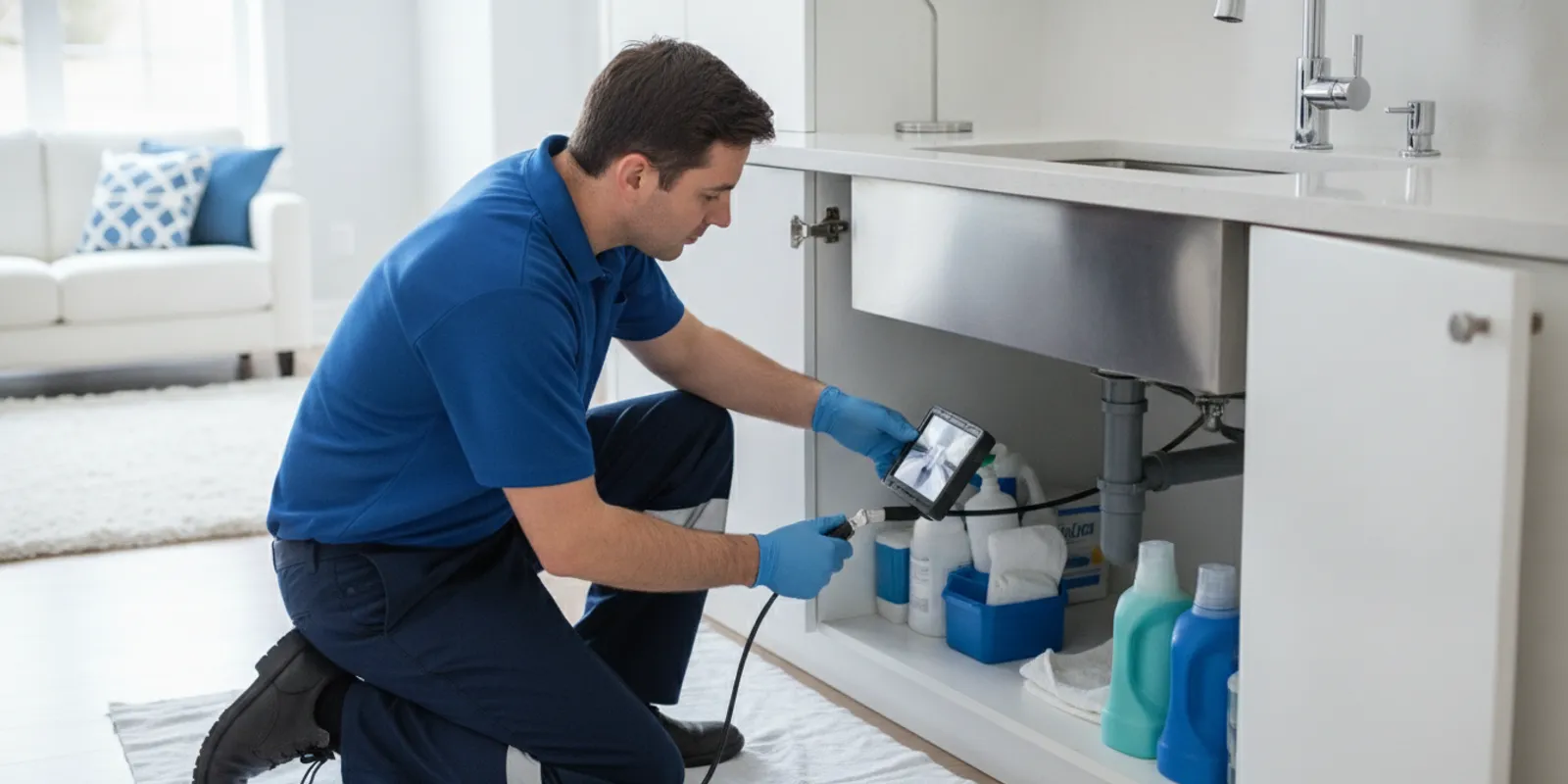
The assessment should connect your description of the problem with the portion of plumbing that may be affected. A plumber can ask which fixtures are slow, whether symptoms happen at the same time, how often the issue returns, and whether any products or previous services were involved. Those details help distinguish an isolated fixture issue from a pattern that may involve a shared drain or a larger line. The next step depends on what the professional observes and what further evaluation is appropriate.
Before work begins, ask the plumber to explain the service being proposed in plain terms. Find out which drain or line the work is intended to address, what the method is expected to do, and what would count as a successful result. If there are several possible approaches, ask why one is recommended for the condition observed. A clear explanation helps you compare the scope of work with the symptoms you reported.
For example, a homeowner with one slow bathroom sink and no other drainage changes may be discussing a localized issue. A household reporting repeated problems in several fixtures should make sure the conversation addresses whether the source could be farther along the system. These examples illustrate why symptoms matter; they do not establish a diagnosis without an evaluation.
It is also reasonable to ask what the visit will not determine. A clearing service may restore flow without answering every question about the condition of the entire sewer line. If the issue returns, the plumber may recommend another type of inspection or explain what repair options are available. Knowing the limits of the first step helps prevent confusion between clearing a clog and evaluating a broader plumbing concern.
Why Can a Clog Return After Drain Cleaner?
A drain may flow again after a treatment or clearing, yet slow down later. That can happen when some of the material remains, when buildup continues to collect, or when the initial response did not reach the actual source of the problem. It can also happen when an issue is outside the portion of the line that was treated. The return of a symptom is a reason to review the cause, not simply repeat the same approach indefinitely.
Keep track of which fixture is affected and how soon the slowdown returns. If the same drain repeatedly needs attention, tell the plumber what products or services have already been used and when. That history can help the professional decide whether to inspect the branch drain, consider a larger drain or sewer line, or discuss a different service.
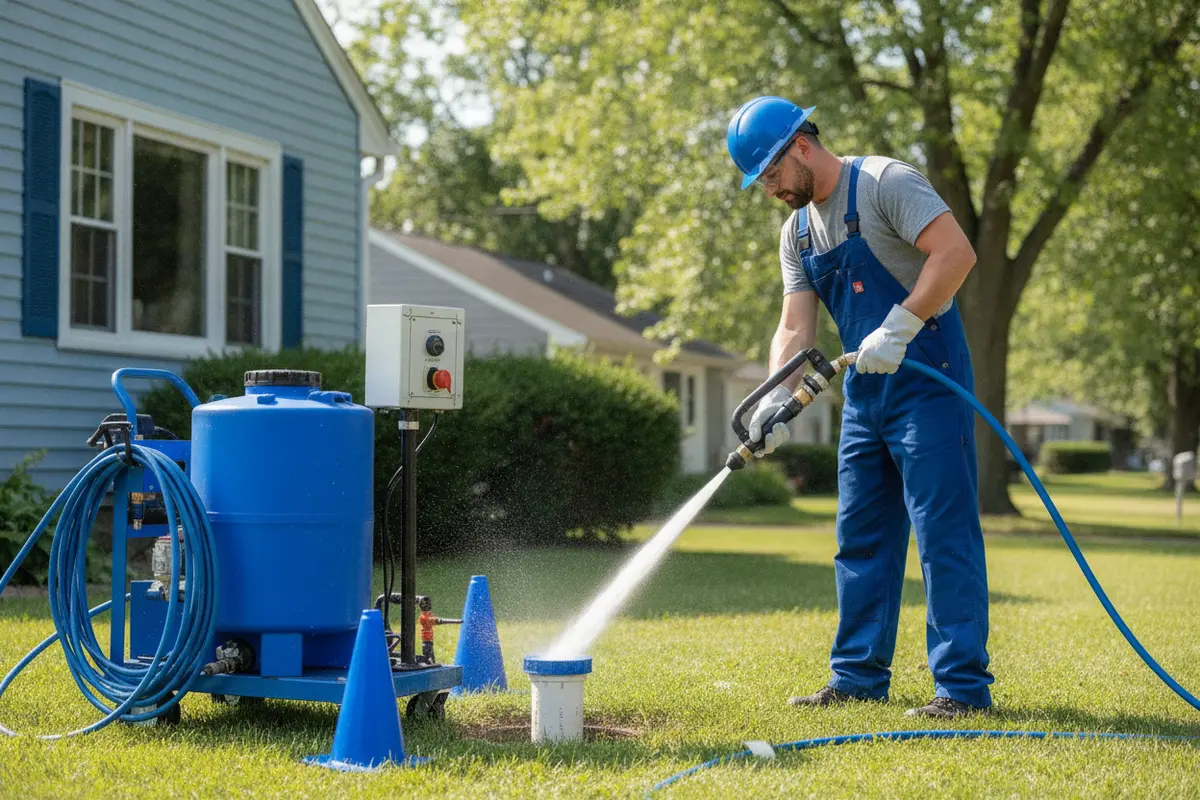
Homeowners comparing service information may also find it useful to review this local guide to situations where hydro jetting may be considered. It is educational information, not a diagnosis: an assessment is still needed to determine whether jetting is suitable for a particular pipe.
When a symptom returns, note whether it returns at the same fixture or appears in another part of the home. Also record how long the drain seemed to work normally after the last treatment or service. A brief improvement followed by the same slowdown may be useful context, while a new symptom in another fixture can change what a plumber needs to evaluate. Share the timeline rather than applying the same product again by default.
What Should Allen Park Homeowners Ask Before Service?
A useful conversation focuses on the symptoms, the proposed work, and what the service is expected to accomplish. Before authorizing drain work, consider asking:
- Which fixtures or sections of the drain system do you believe are affected, and what observations support that?
- What service do you recommend for this condition, and why is it suitable for this line?
- Does the issue appear to be a localized blockage, or is more evaluation needed?
- What is included in the quoted work, and are there separate options if the first step does not resolve the issue?
- Should I tell you about any drain products already used or other symptoms I have noticed?
Ask for clear service options before work begins. Mr. Pipey’s company information describes upfront pricing and options; confirm the scope and price for your specific job directly. To understand how related issues may be handled, you can also review drain repair service information and the page on emergency plumbing availability.
How Do Drain Cleaning and Sewer Repair Differ?
Drain cleaning is intended to remove an obstruction from a drain or line. Sewer repair addresses a damaged or malfunctioning section of the sewer system. A recurring clog does not automatically mean a sewer line needs repair, and a cleaning visit by itself does not prove that a line is damaged. The service should match the findings.
If symptoms suggest that the issue could involve a larger line, ask what inspection is recommended and what it can determine. Mr. Pipey’s information on what to expect during a sewer repair service visit can help homeowners understand the difference between clearing a blockage and addressing a repair concern. For a repair option that may be relevant to certain conditions, review the company’s page about sewer replacement considerations. Whether either service is appropriate depends on an actual evaluation of the property and line.
For Allen Park homeowners, the practical takeaway is simple: do not assume that a product, a particular cleaning method, or a sewer repair is automatically the answer. Report the symptoms, ask what the professional found, and compare the recommended work with the problem it is meant to address.
Contact Mr. Pipey to discuss a recurring drain problem
Frequently Asked Questions
What is the best drain cleaner for Allen Park homes?
There is no single product that is best for every home or clog. For a persistent, recurring, or multi-fixture issue, a professional assessment can identify the appropriate cleaning or repair option.
Should I use a chemical drain cleaner for a recurring clog?
A chemical product may not address the cause or location of a recurring blockage. Follow label instructions for any product already used, do not mix products, and tell a plumber what was applied before service.
Is hydro jetting right for every drain?
No. Hydro jetting is a professional cleaning method, and a plumber should determine whether it is suitable for the line and the condition being addressed.
Does a slow drain mean the sewer line needs repair?
Not necessarily. A slow drain can have several causes. A plumber can assess whether the problem appears localized, needs further evaluation, or may involve a repair concern.
What information should I have ready when I call?
Describe which fixtures are affected, when the symptoms began, whether the problem has returned, and any products or services already used. Mention other changes such as odors or unusual sounds as well.
The best result is the one that addresses the actual cause of the drain problem, with a method suited to the line and a clear explanation of the work.