
That puddle beneath your water heater deserves attention, but it does not automatically mean the entire unit has failed. Water can collect at the base because of a drain valve, a pressure-relief valve, a fitting, condensation, or corrosion inside the tank. The location of the water is an important clue, not a diagnosis by itself.
If you are asking, why is my water heater leaking from the bottom, the most common explanations are a fixable valve or connection leak, condensation, or a tank that has begun to corrode. A licensed plumber can identify the source and determine whether repair or replacement is appropriate.
For Detroit-area homeowners, a timely professional inspection can help limit water damage while keeping the next step clear and practical. The first part of that diagnosis is understanding which components can release water near the base and what each pattern may indicate.
Schedule your water heater leak inspection in Metro Detroit
Why Is My Water Heater Leaking From the Bottom? The Most Common Causes
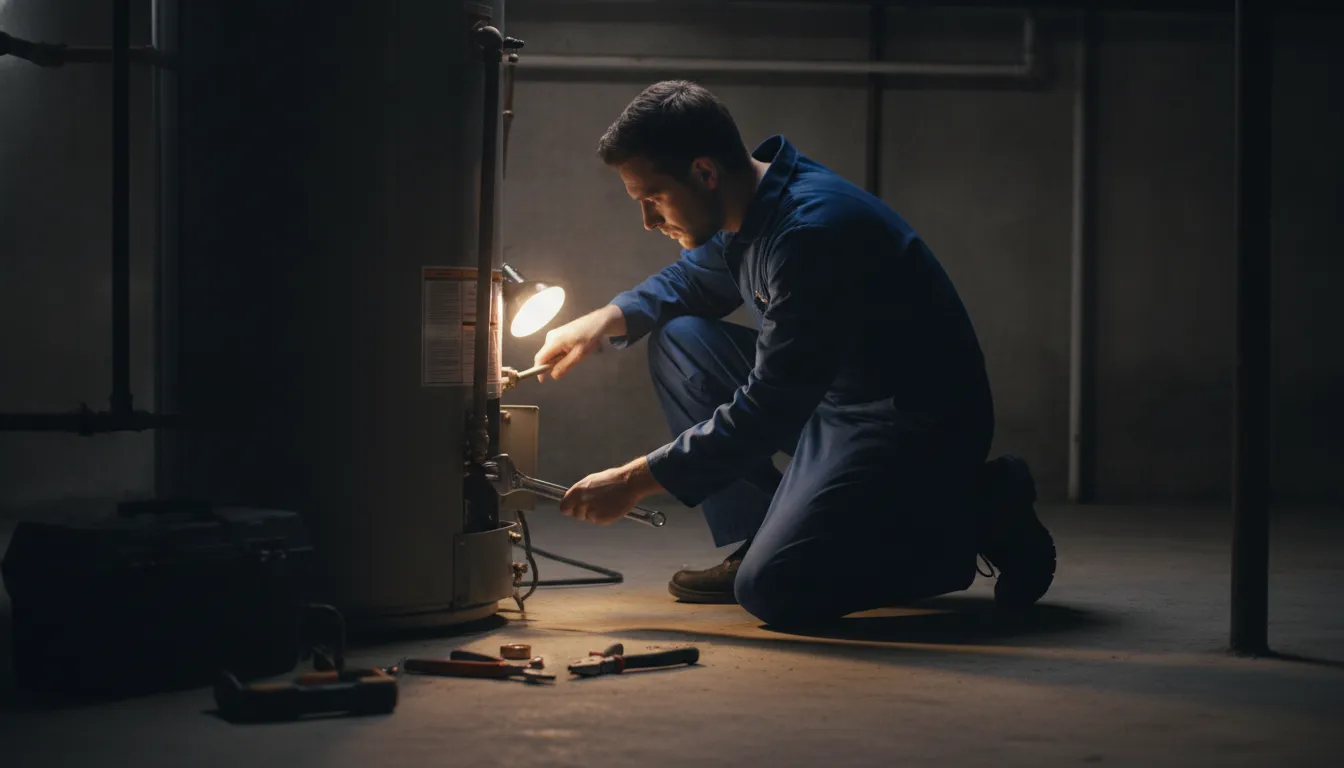
When water appears around the base of a storage water heater, the location of the puddle does not always identify the failed component. Water can travel along the tank or nearby piping before it reaches the floor. In many cases, the source is a valve or connection that a licensed plumber can diagnose and repair, rather than a failed tank. A professional evaluation can separate those fixable issues from corrosion inside the tank.
The most common causes include:
- A leaking or loose drain valve: The drain valve sits low on the tank and can drip from its connection or outlet. It is a common cause of a base leak and is often a relatively simple repair that does not require replacing the entire water heater. See A.O. Smith’s overview of common water heater leak causes for additional background.
- A faulty temperature and pressure relief valve: The T&P valve is designed to release excess pressure and help protect the tank. If household water pressure is too high, the valve may open and discharge water. That water can run down the unit and collect beneath it. A leaking T&P valve should be assessed professionally because the valve serves an important safety function.
- Leaking inlet or outlet fittings: The cold-water inlet and hot-water outlet connect the tank to the home’s plumbing. A loose connection, worn fitting, or deteriorated seal can allow water to run down the exterior. Although the leak begins higher up, it may look like a leak from the bottom by the time it reaches the floor.
- Condensation on the tank: Moisture on the outside of the tank can be mistaken for a leak, particularly on a cool morning. Condensation may collect around the base without indicating a failed tank. A plumber can determine whether the moisture is forming on the tank surface or coming from a fitting or valve.
- Interior corrosion or sediment build-up: Sediment can settle at the bottom of the tank and create localized overheating, which may contribute to leaks. Over time, corrosion inside the tank can also produce a slow, persistent leak at the base. When the tank itself has deteriorated, replacing the unit is generally required instead of repairing the outer surface. These conditions are different from a leaking drain valve or fitting and require a more complete assessment.
The pattern, amount, and exact origin of the water help determine the next step. Because several components can send water to the same spot, avoid assuming that every puddle means the tank has failed. A licensed plumber can trace the source and recommend a solution that fits the condition of the equipment.
How to Tell a Fixable Valve Leak From a Failing Tank
A puddle beneath a water heater does not automatically mean the storage tank has failed. In many cases, water is escaping from one serviceable component, such as the drain valve or a nearby fitting. That distinction matters because a valve leak can often be repaired without replacing the entire unit. A licensed plumber can trace the water to its source instead of treating every base leak as a replacement decision.
Start by observing the pattern, not just the size of the puddle. A small, intermittent drip that appears around one valve, connection, or pipe joint points more often to a single failure point. The leak may stop temporarily and then return when the heater runs or the water pressure changes. A faulty drain valve is a common example, and a leaking drain valve is often a simple fix. The water heater leak guidance from A. O. Smith also identifies leaking valves and loose connections as common causes that can be mistaken for tank damage.
- Dripping from a valve or fitting: Water is concentrated around one visible connection, with the surrounding tank surface remaining relatively dry.
- Intermittent moisture: The area may dry between episodes, especially when the leak is related to heater operation or changing pressure.
- Steady water at the base: A recurring pool that reforms after it is removed deserves prompt professional inspection, particularly when the exact source is not visible.
A failed tank usually presents differently. Water may collect steadily at the base rather than appearing as an isolated drip. Rust-stained water or corrosion around the lower portion of the tank can indicate that the interior steel has deteriorated. Interior corrosion can create a slow, persistent base leak, and once the tank itself is leaking, replacement is generally required. A tank cannot be reliably sealed as a lasting repair because the damaged vessel remains under water pressure.
Age provides important context, but it does not prove the diagnosis by itself. Storage water heater tanks commonly last about 10 to 15 years. A leak from a unit in that age range is more likely to signal the end of its service life. While a newer unit with a clearly isolated valve leak may be a strong repair candidate. Sediment buildup can also contribute to local overheating and eventual leaks, so the visible symptom does not always identify the underlying cause.
If you are asking, “why is my water heater leaking from the bottom,” avoid assuming that the tank is ruined or attempting to tighten an unfamiliar component. A professional evaluation can distinguish a repairable valve or fitting from a tank failure and establish the appropriate next step with less disruption to your home.
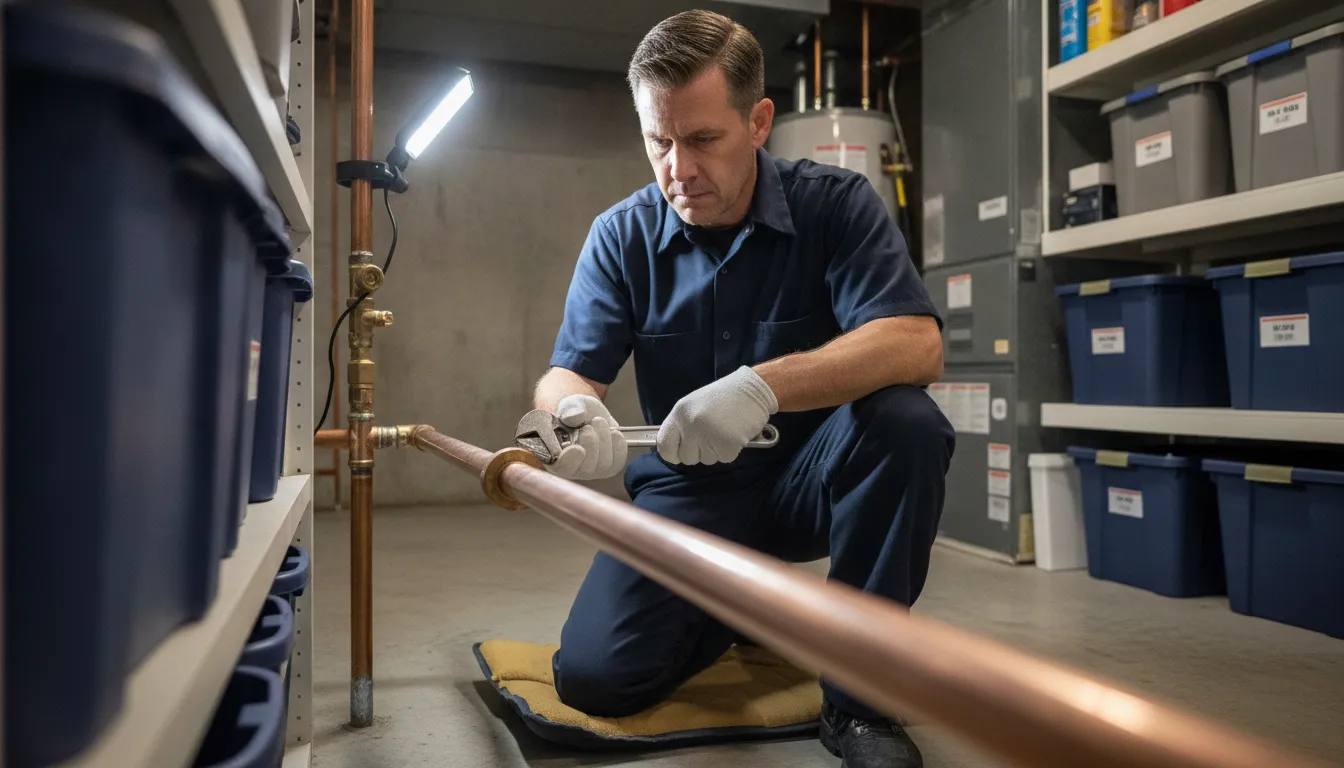
Can a Corroded Water Heater Tank Be Repaired?
Whether a leaking water heater can be repaired depends on where the water is coming from. A drain valve, temperature and pressure relief valve, or external connection is a separate component and may be serviceable. A leak through the tank wall is different. Once corrosion has opened the storage tank itself, patching the opening is not a dependable repair. The tank has lost its water-tight barrier, so replacement is generally required.
This distinction matters when you are trying to understand why is my water heater leaking from the bottom. Water can travel along the tank or its insulation before appearing at the base, making a failed valve look similar to internal corrosion. A licensed plumber can isolate the source rather than replacing a sound unit or attempting a temporary fix on a failed tank.
| What is leaking? | Can the part be repaired? | Typical direction |
|---|---|---|
| Drain valve | Often. A faulty drain valve is a common, frequently fixable source of water at the base. | Repair or replace the valve after confirming the leak. |
| Temperature and pressure relief valve | Usually serviceable, but the cause of discharge must also be evaluated. Excess pressure can make this valve release water. | Inspect the valve and related pressure conditions. |
| Inlet, outlet, or other external connection | Often. A loose or deteriorated connection can be corrected without replacing the tank. | Repair the connection and verify that the tank remains dry. |
| Interior tank corrosion | No. A tank wall that is actively leaking cannot be reliably patched for long-term service. | Replace the water heater. |
Age is an important part of that decision. Conventional water heater tanks typically last about 10 to 15 years. When an older unit develops a leak that is confirmed to come from the tank. The leak often signals that the heater has reached the end of its service life. Replacing only an external valve may be reasonable when the tank is sound, but a valve repair cannot restore a corroded tank wall.
Prevention focuses on the tank’s protective components. A professional inspection can include the anode rod, which helps limit corrosion, along with the drain valve and other connections. Storage tank water heaters remain a common home system, so selecting a properly sized replacement and arranging professional water heater installation can provide a more durable solution when corrosion is confirmed.
Why Is Water Collecting Around the Base on a Cold Morning?
A small puddle near a water heater does not always mean the tank has failed. On a cool morning, condensation can form on the outside of the tank and run down to the floor. This happens when warm, moist air or warm plumbing surfaces meet a cooler tank surface. The moisture can look much like a leak, especially when it gathers around the base.
Condensation is more likely when the surrounding space is cool, the tank has recently reheated. Or there is a noticeable temperature difference between the water heater and the room. Storage water heaters continuously hold hot water, and standby heat loss occurs even when no tap is running. That heat exchange can leave exterior surfaces cool enough for moisture in the air to collect. Energy Star explains how gas storage water heaters draw, heat, and hold water.
How can you tell condensation from a true tank leak?
Condensation usually forms as a thin film or scattered droplets across the outside of the tank, nearby cold-water piping, or fittings. It may return during a cool or humid period and then clear as the room warms. To tell it apart from a genuine leak, work through a short set of steps:
- Dry the floor and the lower exterior of the heater completely.
- Wait a few hours, then check where new moisture appears.
- Note whether the moisture tracks a visible valve, fitting, or pipe rather than spreading across the tank surface.
A true leak generally has a more specific source. Water may emerge from a connection, valve, or fitting, then follow the side of the heater downward. A leak from inside the tank can produce persistent moisture at the base even after the exterior has been dried. Rust staining, a steady pool, or water that continues to accumulate regardless of room conditions deserves professional attention.
Could the plumbing be sweating instead of the heater?
Yes. Cold-water supply pipes can also “sweat” when humid air contacts their cooler surfaces. Droplets form on the outside of the pipe, collect at a joint or fitting, and drip onto the floor. In that situation, the water heater may be dry while the plumbing above it is the actual source. A storage heater receives cold water at the bottom through a dip tube, so temperature differences within the system are normal. Research also shows that water in a storage tank can remain stratified, with different temperatures at different levels.
Condensation is often harmless, but repeated moisture should not be dismissed without checking the source. If the tank, valve, or connection remains wet after the room and equipment have dried. A licensed plumber can distinguish sweating from an active leak and recommend the appropriate repair.
When Should You Call a Licensed Plumber About a Water Heater Leak?
Call a licensed plumber as soon as you confirm that water is collecting around the water heater. Especially when the source is not obvious or the amount is increasing. A professional diagnosis can distinguish a repairable drain valve, relief valve, or fitting from a leak inside the tank itself. That distinction matters because a faulty valve may be serviceable, while a tank that has begun leaking internally generally requires replacement. A licensed plumber can also assess related conditions, such as water pressure, connections, and corrosion, rather than treating only the visible puddle.
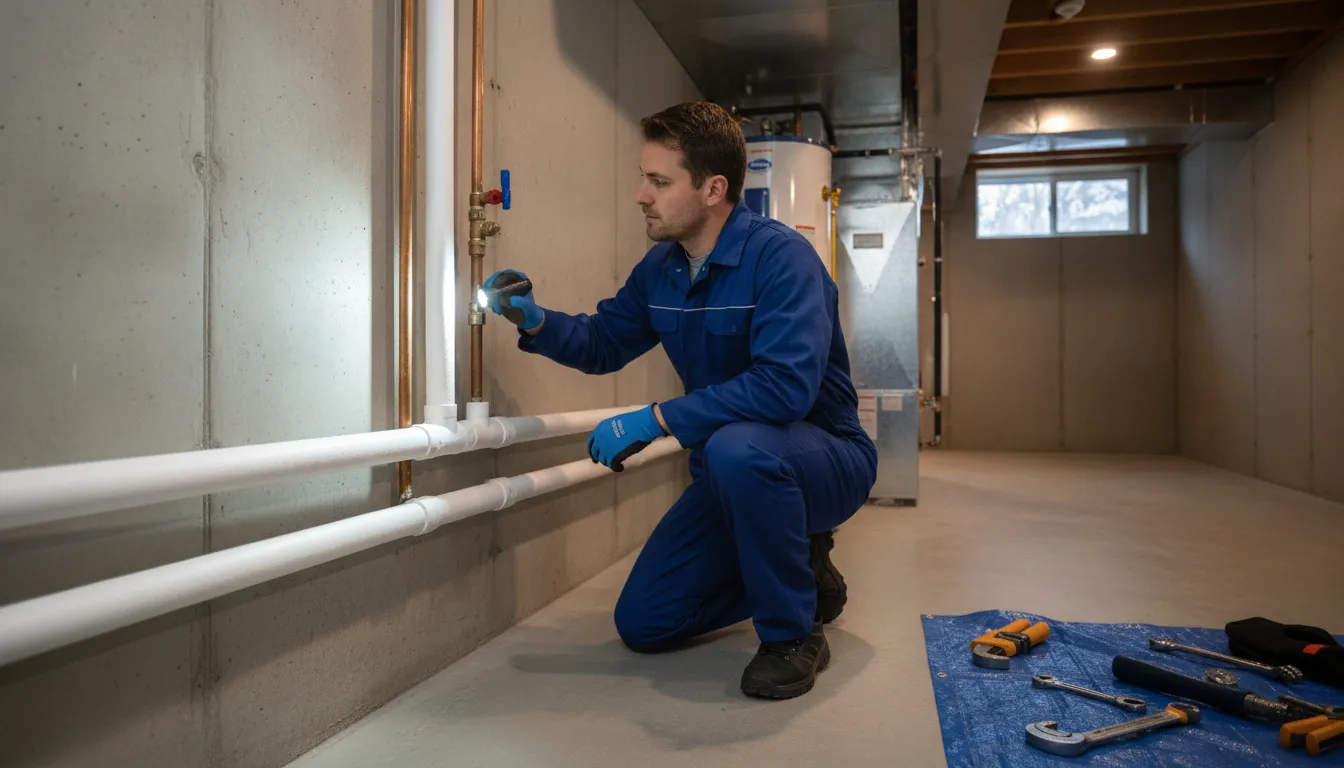
Water often travels along the outside of the unit before reaching the floor, so the wettest spot is not always the point of origin. A plumber may use advanced diagnostic equipment and a systematic inspection to identify where the water starts. That is especially useful when the leak is intermittent, appears only after the heater runs, or resembles condensation on a cool morning. If you are also noticing common signs of a failing water heater, mention them when scheduling service. Details about rust-colored water, repeated dripping, unusual operation, or a unit near the end of its typical 10-to-15-year service life can help guide the evaluation.
Do not postpone a confirmed leak while waiting to see whether it resolves on its own. Water around the base can damage flooring and nearby structural materials, and a small leak can change as fittings loosen or tank corrosion progresses. Addressing it promptly gives the plumber a better opportunity to contain the problem. Protect the surrounding area, and explain whether repair, replacement, or additional pressure testing is the appropriate next step. The goal is a clear diagnosis, not an automatic recommendation for a new water heater.
Professional service is particularly important when the leak involves a temperature and pressure relief valve, a connection carrying hot water, or an electrical or gas-fired unit. These components require careful handling and code-compliant evaluation. A licensed plumber can explain what should happen next, identify contributing conditions, and complete the work with the home’s safety and long-term reliability in mind.
Mr. Pipey serves Detroit and Metro Detroit homeowners with 24/7 emergency plumbing service, including nights, weekends, and holidays. The company does not add overtime or double-time charges for after-hours or emergency calls, and all work is backed by a 100% satisfaction guarantee. If the leak is active, spreading, or difficult to trace, contacting a licensed professional now can help you make a measured decision before water damage grows.
How Often Should You Flush a Water Heater to Prevent Leaks?
For a storage-tank water heater, an annual flush is a practical maintenance interval. A licensed plumber can drain the tank through its drain valve to clear accumulated mineral sediment, which commonly settles at the bottom. That sediment can create localized overheating and contribute to leaks over time. The recommended annual schedule is also consistent with guidance from water heater maintenance research.
Flushing is preventive maintenance, not a guarantee that an older tank will never fail. It is most useful when combined with a professional inspection of the components that control water flow, temperature, and pressure. The right schedule may also depend on the water conditions in your home, the age of the heater, and its maintenance history.
What does a professional water heater flush include?
During service, a plumber can safely isolate the water heater, drain it through the designated valve, and assess whether sediment is collecting inside the tank. The drain valve itself should be checked for seepage or deterioration because a valve leak can appear to be a tank leak at floor level. Connections and nearby piping should also be inspected so water is not mistaken for a problem inside the tank.
This work should be handled as a professional service rather than approached as a reason to purchase equipment or attempt an unfamiliar repair. A licensed plumber can account for hot water, pressure, discharge paths, and local code requirements while documenting conditions that may need attention.
Why should the anode rod and T&P valve be checked?
The anode rod helps protect the tank from corrosion. As part of scheduled maintenance, a professional plumber can inspect its condition and determine whether the tank still has meaningful protection. Interior corrosion can eventually produce a slow, persistent leak at the base, and once the tank shell itself has failed, flushing will not restore it. Regular water heater inspections can help distinguish preventive maintenance needs from an active component failure.
The temperature and pressure relief valve, commonly called the T&P valve, should be inspected and tested by a qualified professional. Its purpose is to release excess pressure, and high water pressure can cause it to discharge or drip. A leaking or repeatedly discharging valve should be evaluated rather than ignored, since the cause may involve the valve or the home’s pressure conditions.
If a puddle returns after maintenance, grows steadily, or contains rust-colored water, arrange a prompt diagnosis. Annual flushing and component checks can reduce avoidable stress on the system, but they cannot repair a corroded tank or replace a failed valve.
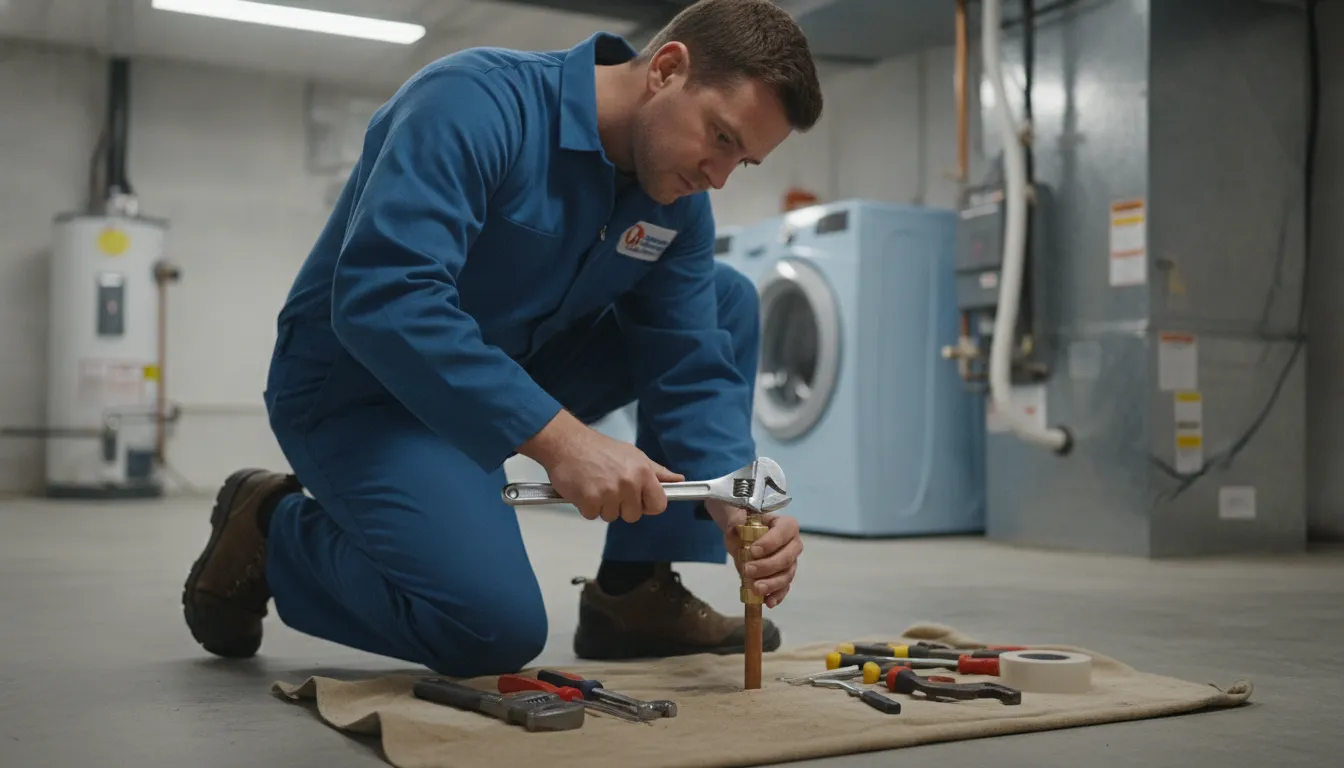
Get a licensed water heater leak diagnosis in Metro Detroit
Frequently Asked Questions
What should I do if my water heater is leaking from the bottom?
Note where the water is coming from, move nearby belongings away from the puddle, and arrange a professional inspection. The source may be a drain valve, relief valve, or connection rather than the tank itself, so an accurate diagnosis matters before deciding on a repair or replacement.
Can I still use hot water if my water heater is leaking?
It is best to avoid using the unit until a licensed plumber identifies the source. Continued operation can allow a valve or fitting leak to continue, while a tank leak generally requires replacement rather than a simple adjustment. If water is spreading or the leak is active, treat it as a same-day plumbing concern.
How long will a water heater last once it starts leaking?
There is no dependable time estimate because the answer depends on the leak source. A faulty valve may be repairable, but a leaking tank cannot be restored reliably. Conventional water heater tanks commonly last about 10 to 15 years, and a leak in an older tank may indicate that replacement is appropriate (A. O. Smith).
Is a leaking water heater dangerous?
A small puddle is not automatically an emergency, but any leak can damage flooring or nearby property if it continues. Water near gas or electrical components also warrants prompt professional attention. A plumber can determine whether the water is from the tank, a valve, or condensation and recommend the appropriate next step.
What does rust-colored water at the base mean?
Rust-colored water can point to corrosion around the tank or a metal connection, especially when the water is paired with staining or a steady leak. It does not identify the exact failed component by itself. Have the area inspected so the plumber can distinguish a replaceable fitting from internal tank corrosion.
Ready to Schedule Your Water Heater Leak Inspection?
A professional inspection can identify whether the water at the base comes from a valve. A fitting, condensation, or the tank itself, then set the right next step for your home.