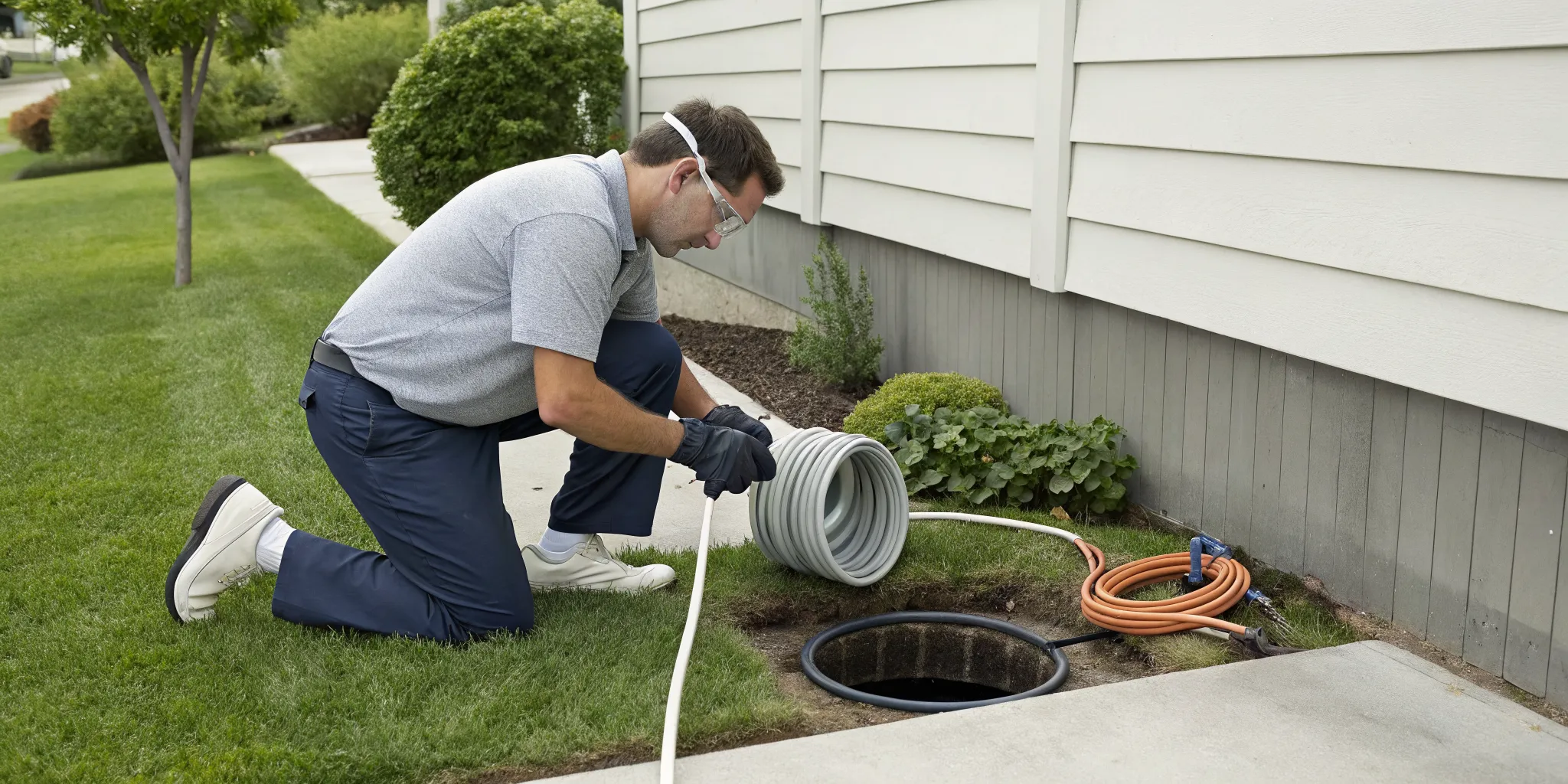
When a drain starts backing up, your first thought is probably, “Can I fix this myself?” While a can-do attitude is great, a main sewer line clog is one of those jobs where a DIY attempt can go wrong fast. Using the wrong tool or pouring harsh chemicals down the drain can turn a simple blockage into a cracked pipe and a much bigger bill. So, how do you know when to try a home remedy and when to call for backup? This article is your guide to making that call. We’ll show you the safe DIY steps for minor issues and the unmistakable signs that you need a professional for cleaning sewer line clogged with serious obstructions.
Key Takeaways
- Know the red flags of a main line clog: Multiple slow drains, gurgling sounds from your toilet, and foul odors are clear signs of a deep-seated problem, not just an isolated clog. Acting on these warnings can help you avoid a messy sewage backup.
- Recognize when DIY isn’t enough: While a drain snake might fix a single sink, it won’t solve a main line blockage. If your efforts fail, the clog returns, or you see sewage, it’s time to call a professional to prevent making the problem worse.
- Practice preventative plumbing care: You can avoid most major clogs with simple habits. Only flush toilet paper, keep grease out of the kitchen sink, and schedule regular professional inspections to catch issues like tree roots before they cause a disaster.
Is Your Main Sewer Line Clogged? Key Warning Signs
A main sewer line clog is one of those homeownership problems that you really don’t want to ignore. Unlike a simple sink clog, a blockage in your main line affects your entire plumbing system and can lead to messy, expensive damage. The good news is that your plumbing will usually give you a few warning signs before a full-blown disaster strikes. Knowing what to look and listen for can help you catch the problem early. If you notice any of the following signs, it’s time to pay close attention.
Multiple slow drains in your home
One slow drain is an annoyance, but when you start noticing that multiple drains in your house are slow, it’s a red flag. Pay attention if your shower, bathroom sink, and toilet all seem to be taking their time draining, especially if they’re on the lower levels of your home. This happens because all your home’s wastewater eventually heads to the same main sewer line. When that line gets blocked, the water has nowhere to go, causing backups in several fixtures at once. If you’re dealing with widespread slowdowns, the issue is likely deeper than a single pipe and needs a closer look.
Gurgling noises or foul odors
Your plumbing shouldn’t be noisy. If you hear strange gurgling sounds coming from your drains or toilet, especially after you run water or flush, it’s a sign that air is trapped in the pipes by a blockage. As the water tries to force its way past the clog, it pushes air bubbles back up, creating that gurgling noise. Even more unpleasant is the smell of raw sewage coming from your drains. That odor means waste isn’t flowing away from your house properly. If you notice these sounds or smells, it’s a clear signal that you might be facing an emergency plumbing situation before it gets worse.
Sewage backing up into tubs or toilets
This is the most unmistakable and unpleasant sign of a main sewer line clog. If you flush a toilet and see water or, even worse, sewage backing up into your shower or tub, you have a serious problem. You might also notice that running your washing machine causes a toilet to overflow. This happens because the water leaving one fixture can’t get through the main line clog, so it takes the path of least resistance and comes up through another drain at a lower point. When you see this, stop using your water immediately and contact a professional. This is not a DIY fix.
Unusually green or soggy patches in the yard
Sometimes, the first sign of a sewer line problem isn’t inside your house at all. Your main sewer line runs underground from your home to the municipal sewer. If this pipe is clogged, cracked, or broken, sewage can leak out into your yard. You might notice a patch of grass that is suddenly much greener and more lush than the surrounding area, or you may find soggy spots and puddles when it hasn’t been raining. A foul odor in your yard is another telltale sign. These symptoms point to a significant issue with your main line that requires professional plumbing services to diagnose and repair.
What Causes a Main Sewer Line to Clog?
A clogged main sewer line is one of the most stressful plumbing problems a homeowner can face. It’s messy, disruptive, and can feel like it came out of nowhere. The truth is, these major blockages usually build up over time from a few common culprits. Understanding what causes them is the first step in preventing a plumbing disaster and knowing when to call for help.
From invasive tree roots seeking water to everyday habits like rinsing grease down the drain, your sewer line is under constant pressure. Even the age of your home’s pipes can play a significant role. These issues don’t just create a minor inconvenience; they can lead to sewage backups and costly repairs. If you’re already dealing with backed-up drains and foul odors, you might be facing an emergency plumbing situation. Let’s break down the four most common reasons your main sewer line might be clogged so you can protect your home’s plumbing system.
Tree roots growing into pipes
It might sound like something out of a sci-fi movie, but tree roots are a leading cause of sewer line blockages, especially in homes with older pipes. Roots are naturally drawn to the water, nutrients, and oxygen found in your sewer line. They can sneak into tiny cracks or loose joints in the pipe. Once inside, they continue to grow, creating a dense root ball that catches toilet paper and waste. Over time, this mass of roots and debris can completely block the flow of water, leading to backups in your home. If you have large, mature trees in your yard, their root systems can be a hidden threat to your plumbing.
Buildup from grease, oil, and fats
What you pour down your kitchen sink has a huge impact on the health of your sewer line. When you rinse grease, cooking oil, or fats down the drain, they may be in a liquid state. However, as they travel through the cooler pipes, they solidify and stick to the pipe walls. This sticky residue acts like a magnet, catching food particles and other debris that flows by. Over months or years, this buildup hardens and narrows the pipe, eventually causing a stubborn clog that water can’t get through. That’s why it’s so important to scrape greasy pans into the trash before washing them.
Flushing things that don’t belong in the toilet
Your toilet is designed to flush only two things: human waste and toilet paper. Anything else can lead to serious problems down the line. Items like paper towels, cotton swabs, dental floss, and feminine hygiene products don’t break down the way toilet paper does. Even so-called “flushable” wipes are notorious for causing clogs. These items can get snagged in the pipe, creating a dam that quickly collects other waste and leads to a complete blockage. A frequently clogging toilet can be a sign of a bigger issue in your main line, sometimes requiring toilet repair or a professional sewer cleaning.
Old or deteriorating pipes
Pipes don’t last forever. If you live in an older home, your sewer line may be made of materials like cast iron or clay, which can break down over time. Cast iron pipes can corrode and rust from the inside out, creating rough surfaces that snag debris and lead to clogs. Clay pipes are brittle and can crack under the pressure of shifting soil or tree roots. Once a pipe is cracked, collapsed, or misaligned, it not only stops the flow of waste but can also allow soil and rocks to enter the line, creating a serious blockage that requires professional attention from a plumber who offers a full range of plumbing services.
How to Try and Clear a Sewer Line Yourself
When you notice a drain slowing down, your first instinct might be to try and fix it yourself. That’s completely understandable. For minor clogs, a little DIY effort can sometimes save you a phone call. Before you roll up your sleeves, it’s important to know that these methods are best for isolated clogs, like a single slow sink or shower. If you’re seeing warning signs of a main line blockage, such as multiple backed-up drains or sewage smells, it’s best to stop and call a professional. Pushing a deeper clog further down the line can create a much bigger problem.
Safety first: always wear gloves and eye protection when working on drains. The steps below are a good starting point for tackling a simple blockage. They move from the gentlest methods to more hands-on approaches. If you try these and the clog doesn’t budge, or if it comes right back, it’s a clear sign that the problem is deeper in your plumbing system. Don’t hesitate to reach out for emergency plumbing help if you feel unsure or if the situation gets worse. Remember, knowing when to stop is just as important as knowing how to start.
Step 1: Flush with boiling water
For clogs caused by grease, soap, or other sticky substances, a little heat can work wonders. This is the simplest method, so it’s a great place to start. Carefully bring a pot of water to a boil. Then, as plumbing experts suggest, you can pour the boiling water slowly into the drain to give it time to work on melting the grime. Do this in a few stages, pouring a portion of the water and then waiting a few minutes before pouring the next. This method is most effective on metal pipes. If you have PVC pipes, it’s best to use very hot tap water instead of boiling, as extreme heat can soften the plastic.
Step 2: Use a baking soda and vinegar solution
If hot water doesn’t do the trick, you can try a fizzy, non-toxic solution from your pantry. This method is a safe alternative to harsh chemical drain cleaners, which can damage your pipes over time. Start by pouring about a cup of baking soda down the clogged drain. Follow it with a cup of white vinegar. According to home maintenance guides, you can also mix 1/3 cup of each, pour the bubbling mixture into the drain, and immediately cover the drain opening. Let it sit for at least an hour, then flush it all out with hot water. The chemical reaction creates a fizzing action that can help break down buildup and deodorize the drain.
Step 3: Work the clog with a drain snake
When you’re dealing with a more solid blockage, like hair or other debris, you may need a more direct approach. A drain snake, also called a plumbing auger, is a long, flexible tool designed for this purpose. You can find simple, inexpensive ones at most hardware stores. To use it, you’ll want to push the drain snake into the drain until you feel resistance. Once you hit the clog, gently turn the handle to either break up the blockage or hook onto it so you can pull it out. This can be a messy job, so have a bucket and some old towels handy. It takes patience, but it’s one of the most effective DIY methods for clearing stubborn clogs without chemicals.
Step 4: Use a wet/dry vacuum for suction
This method is a bit unconventional, but for clogs near the drain opening, it can be very effective. You’ll need a wet/dry shop vacuum for this. First, set your vacuum to the “liquids” setting. To get the necessary power, you need to create a tight seal around the drain. You can often do this by adapting your vacuum hose or using the top of a plastic soda bottle as a funnel. Once you have a good seal, turn on the vacuum. The powerful suction can pull the clog and any standing water out of the pipe and into the vacuum’s tank. Just be extremely careful when using an electrical appliance near water.
DIY Mistakes That Can Make a Clog Worse
I get it. When something goes wrong at home, your first instinct might be to roll up your sleeves and search for a DIY solution. While that can-do attitude is great for many projects, a clogged main sewer line is a different kind of challenge. It’s a messy, complicated job, and a few common missteps can quickly turn a manageable problem into a plumbing catastrophe. Before you find yourself in over your head, let’s walk through some of the most frequent DIY mistakes we see and how you can avoid them.
Using the wrong tool for the job
When you’re facing a main line clog, that small plastic drain snake you bought for your bathroom sink isn’t going to cut it. Sewer lines require heavy-duty equipment, like a professional-grade auger or drain snake, that can handle the distance and the tough blockages. Using an undersized tool will be ineffective at best. At worst, it could break off and get stuck in the pipe, creating an even bigger problem. Even if you rent the right tool, using it incorrectly can scrape, crack, or puncture your pipes, especially if they are older. This can lead to costly leaks and repairs that go far beyond the original clog.
Pouring harsh chemicals down the drain
It’s tempting to reach for a bottle of liquid drain cleaner that promises to dissolve any clog in minutes. Unfortunately, these harsh chemicals are often a terrible idea for your plumbing. They can be highly corrosive, eating away at PVC and old cast iron pipes, weakening them over time. What’s more, they rarely clear the entire blockage. Instead, they often just burn a small tunnel through the gunk, providing temporary relief before the drain clogs up again. These chemicals are also hazardous to handle and harmful to the environment. For routine maintenance, enzyme-based cleaners are a safer bet, but they won’t fix a serious sewer line clog.
Forgetting to wear protective gear
This one is non-negotiable. A sewer line doesn’t just contain dirty water; it’s filled with raw sewage, which carries harmful bacteria and pathogens. Attempting to clear a clog without proper protection is a serious health risk. Before you even think about opening a sewer cleanout, you need to be wearing heavy-duty rubber gloves, safety goggles or a face shield, and a mask to avoid splashes and fumes. It’s also wise to wear old clothes you don’t mind getting ruined and to have a bucket and towels on hand for the inevitable mess. Our team at Mr. Pipey always prioritizes safety, and you should too.
Ignoring the problem until it’s an emergency
A clogged sewer line rarely happens overnight. Your home’s plumbing usually gives you warning signs long before a complete backup occurs. Are you hearing strange gurgling noises from your toilets? Do multiple drains in your house seem slow? Have you noticed unpleasant odors coming from your pipes? These are all symptoms of a developing clog. Ignoring them is like ignoring the check engine light in your car. The problem will only get worse, allowing the blockage to become more dense and difficult to remove. Waiting too long can turn a straightforward cleaning job into a full-blown emergency plumbing situation with sewage backing up into your home.
When to Stop DIYing and Call a Plumber
Trying to fix a clog yourself is a great first step, and sometimes, a little bit of effort is all it takes. But there’s a fine line between a simple DIY fix and a problem that needs a professional touch. Knowing when to call for help can save you from a much bigger headache, a lot of extra cost, and a huge mess. If you see any of these signs, it’s time to put down the tools and call a plumber.
Your at-home methods aren’t working
You’ve tried the boiling water trick, the baking soda and vinegar volcano, and you’ve even wrestled with a drain snake. If the clog is still there, it’s a clear sign that the problem is beyond the reach of standard home remedies. The blockage is likely located deeper in your plumbing system or is more severe than you thought. A professional plumber has specialized tools, like video inspection cameras to find the exact location of the clog and powerful augers or hydro jetting equipment to clear it out for good. Continuing to try on your own at this point could damage your pipes.
The same clog keeps returning
Dealing with a clog in the same drain every few weeks is more than just an annoyance; it’s a symptom of a larger issue. A recurring clog means your DIY methods are only providing a temporary fix, not solving the underlying problem. This could be due to a significant buildup of grease, hair, or other debris deep within the pipe, or it could signal a more serious issue with your main sewer line. Instead of repeatedly clearing the same blockage, it’s best to have a professional diagnose and fix the root cause to prevent it from happening again.
You suspect damage from tree roots
If you have large, mature trees in your yard, their roots could be the source of your plumbing woes. Tree roots are naturally drawn to the moisture and nutrients inside your sewer lines and can work their way into pipes through even the smallest cracks. Once inside, they expand and create stubborn blockages that can eventually cause the pipe to crack or collapse. If your drains are slow and you have trees near your sewer line, it’s a good idea to call for a professional inspection. This isn’t a problem you can solve with a drain snake from the hardware store.
Sewage is backing up into your home
This is the most critical sign, and it requires immediate action. If you see or smell sewage backing up into your tubs, showers, or floor drains, it’s a clear indication of a major sewer line clog. This is not just a plumbing problem; it’s a serious health hazard for your family. Raw sewage contains harmful bacteria and contaminants that you shouldn’t be exposed to. Do not hesitate. This situation qualifies as a plumbing emergency, and you should call a professional plumber right away to handle the situation safely and effectively.
How a Professional Plumber Tackles a Clogged Sewer Line
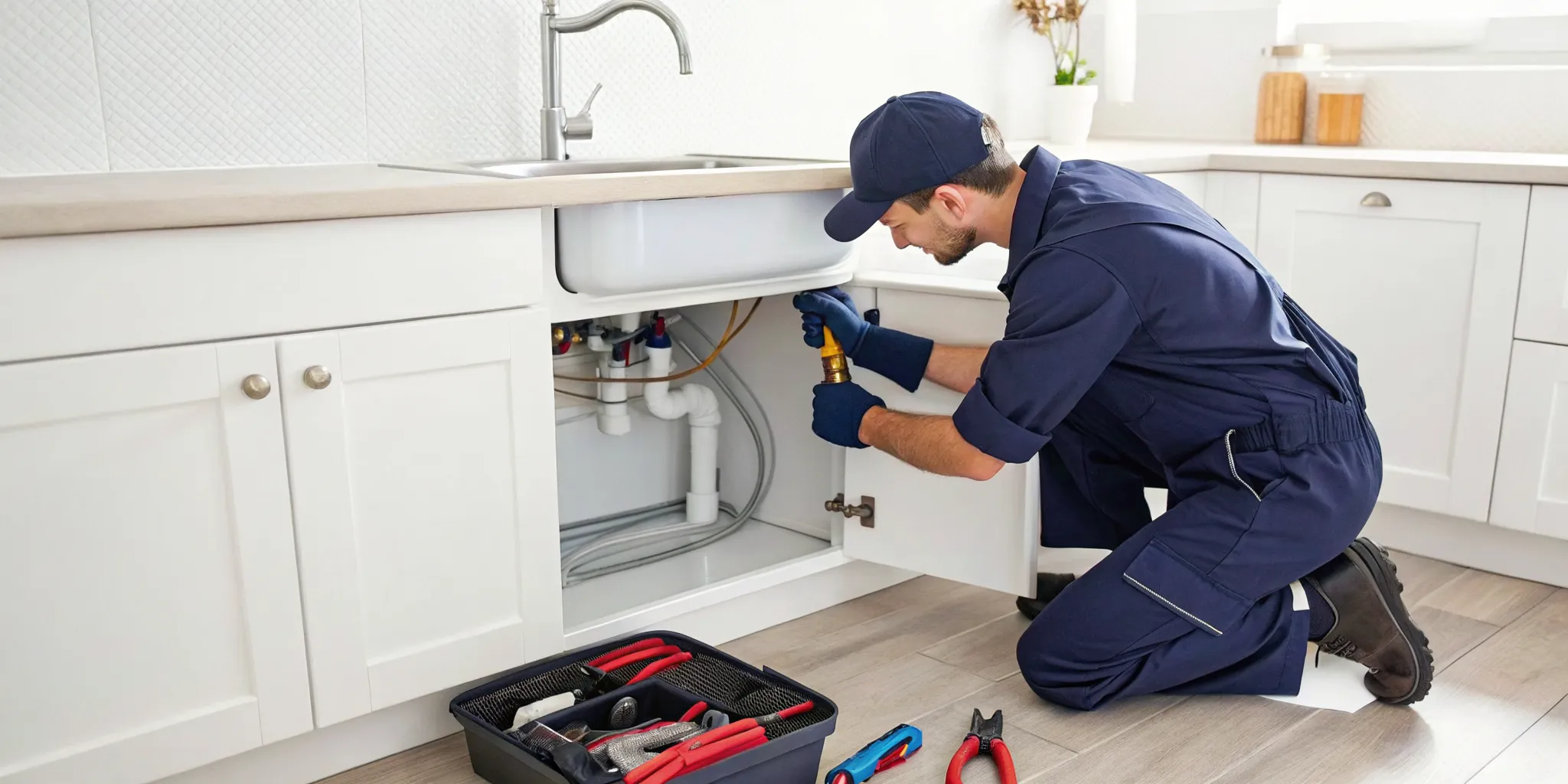
When your DIY efforts hit a wall, it’s time to bring in a professional. Unlike the trial-and-error methods you might use at home, a licensed plumber has a systematic process and specialized equipment to diagnose and resolve sewer line clogs effectively. We don’t just guess what the problem is; we find it and fix it for good. This professional approach is crucial when you’re dealing with something as serious as your main sewer line, which can quickly turn into a major headache. If you’re facing backups or slow drains, calling for emergency plumbing services ensures the problem is handled correctly and safely, preventing further damage to your home. A professional plumber has the tools and expertise to get your system flowing smoothly again.
Performing a video camera inspection
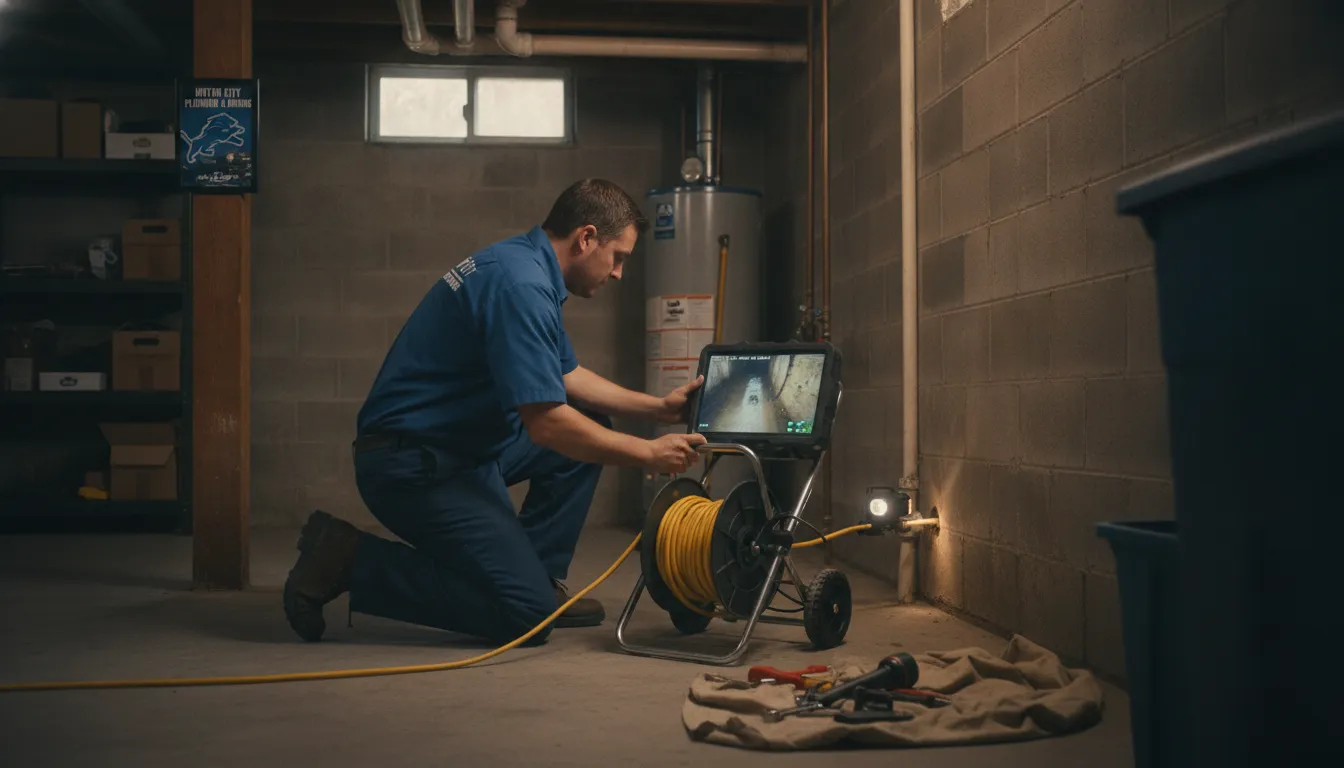
The first thing a professional will do is take the guesswork out of the equation. To do this, plumbers use a special camera to see inside your pipes and find the exact problem and its location. A waterproof, high-resolution camera attached to a flexible rod is fed into your sewer line, sending a live video feed back to a monitor. This allows us to see exactly what’s causing the blockage, whether it’s invasive tree roots, a buildup of grease, or a collapsed section of pipe. This step is essential because it lets us create a targeted plan instead of trying random solutions, saving you time and money while ensuring we apply the right fix.
Using hydro jetting for a powerful clean
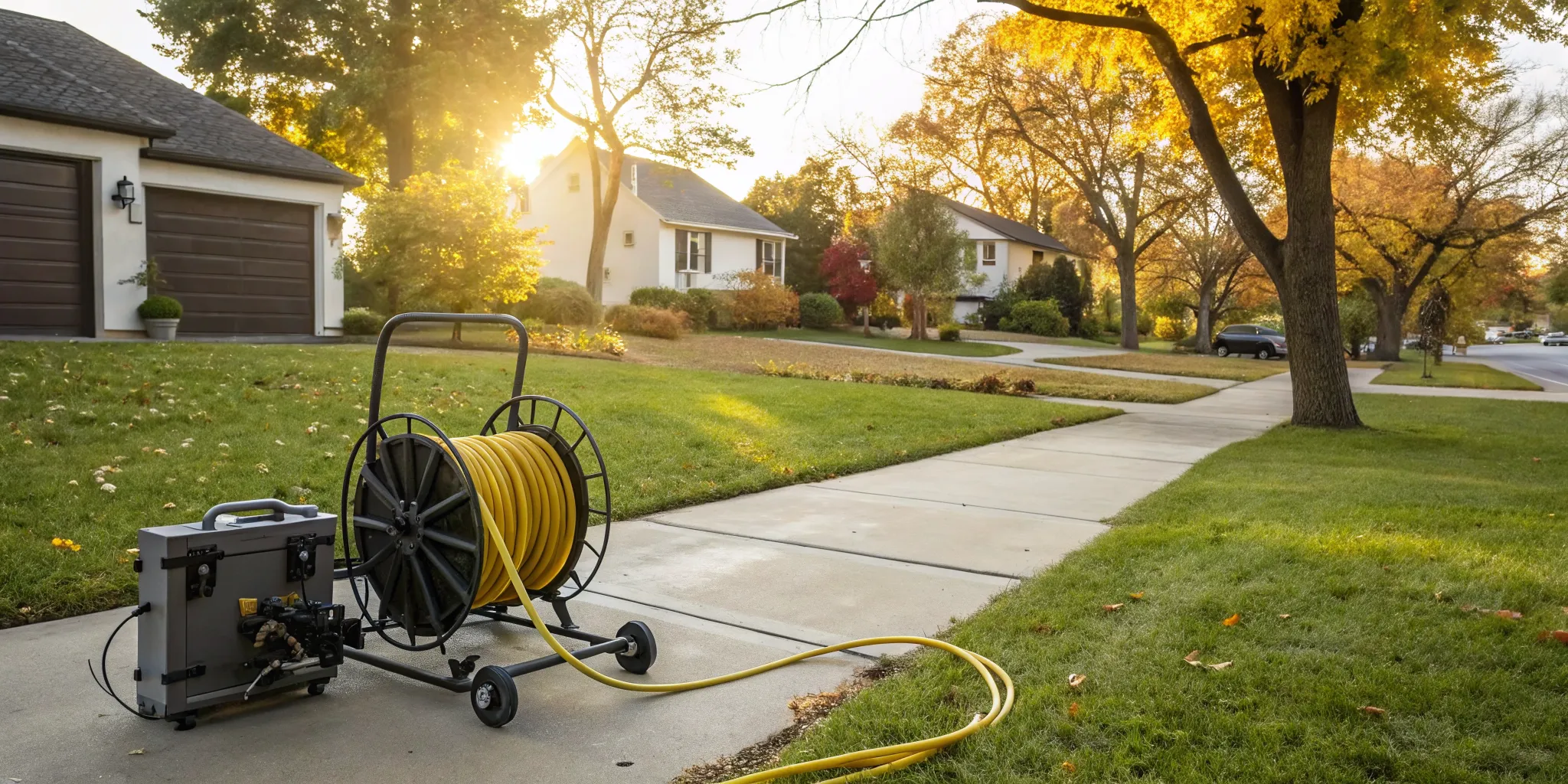
For stubborn clogs, a simple drain snake often isn’t enough. That’s where hydro jetting comes in. This method uses very high-pressure water to blast away clogs, clean pipe walls, and remove roots and grease. A specialized hose is sent down the sewer line, spraying jets of water powerful enough to scour the pipe’s interior. Unlike an auger, which just pokes a hole through the blockage, hydro jetting thoroughly cleans the entire pipe diameter. This process removes years of accumulated sludge and debris, making it a highly effective and long-lasting solution for restoring your pipes to like-new condition. It’s one of the most powerful tools in our plumbing services arsenal.
Repairing or replacing the damaged pipe
Sometimes, the clog is just a symptom of a bigger issue: a damaged pipe. If the video inspection reveals cracks, corrosion, or a full collapse, simply clearing the blockage won’t be a permanent solution. In these cases, professionals can also repair or replace damaged sewer lines to prevent future problems. Depending on the extent of the damage, we might recommend trenchless pipe lining, which creates a new pipe inside the old one without major digging. For more severe damage, a full pipe replacement might be necessary. Our goal is to provide a reliable, long-lasting solution that protects your home, so don’t hesitate to contact us for an honest assessment.
What to Expect for Sewer Line Cleaning Costs
Okay, let’s talk about the numbers. When you call in a professional, the cost will depend on what they find and the method they need to use. While a licensed plumber will always give you a precise quote before starting work, it helps to have a general idea of the potential costs. Most sewer line issues fall into one of three categories, each with its own price range. Remember, these are just estimates, and factors like the severity of the clog and how easy it is to access your pipes can affect the final price. As a family-owned business, we believe in transparency, so we want you to feel prepared. Here’s a breakdown of what you can generally expect.
The cost of drain snaking
For most common clogs, drain snaking is the go-to first step. A plumber uses a long, flexible cable called an auger to break up or pull out the blockage. For a straightforward job, you can typically expect this to cost between $150 and $200. If the clog is particularly stubborn or located far down the line, it might take more time and effort to clear, which could add to the cost. This method is effective for many blockages and is the most budget-friendly professional solution.
The cost of hydro jetting
If a snake can’t get the job done, or if a camera inspection reveals heavy buildup, the next step is often hydro jetting. This powerful cleaning method uses high-pressure water jets to blast away years of accumulated grease, scale, and even invasive tree roots from the inside of your pipes. It’s incredibly effective and leaves your pipes looking almost new. Because it’s a more intensive process, hydro jetting typically costs between $350 and $600. It’s a fantastic solution for stubborn, recurring clogs and is a key part of our emergency plumbing services.
The cost of pipe repair or replacement
Sometimes, a persistent clog is just a symptom of a bigger problem, like a cracked, collapsed, or deteriorating pipe. If that’s the case, no amount of cleaning will provide a permanent fix. A full pipe replacement is a significant project, and the cost reflects that, usually ranging from $3,000 to $7,000. The final price depends on factors like the length of the pipe that needs replacing and how difficult it is to access. While it’s a major investment, replacing a failing sewer line is essential for protecting your home from serious damage. We handle all kinds of pipe repairs, from small fixes to full replacements.
How to Prevent Sewer Line Clogs in the Future
Dealing with a main sewer line clog is stressful, and it’s something no homeowner wants to go through twice. The good news is that you can take simple, proactive steps to keep your pipes clear and flowing smoothly. A little bit of prevention goes a long way in protecting your home from messy backups and expensive repairs. Think of it as basic home maintenance, just like cleaning your gutters or checking your smoke detectors. Let’s walk through some easy habits that will help keep your sewer line healthy for years to come.
Only flush human waste and toilet paper
This one sounds simple, but it’s the number one rule for a healthy plumbing system. Your toilet is designed to handle only two things: human waste and toilet paper. That’s it. Items like paper towels, cotton balls, feminine hygiene products, and even so-called “flushable” wipes don’t break down the same way toilet paper does. Instead, they can snag inside your pipes, creating a blockage that grows over time. Keeping a small trash can in every bathroom is an easy way to make sure these items stay out of your sewer line. If you find your toilet is clogging frequently despite being careful, it could be a sign of a deeper issue in your main line.
Be careful with what goes down the kitchen sink
What you pour down your kitchen drain has a huge impact on your sewer line’s health. Fats, oils, and grease (often called FOG) are major culprits. When you pour hot grease from a frying pan down the drain, it might be liquid, but it cools and solidifies inside your pipes. Over time, this creates a sticky, stubborn blockage that other debris gets stuck in. Coffee grounds and fibrous food scraps from things like celery or potato peels can also contribute to clogs. The best practice is to pour cooled grease into an old can and throw it in the trash. For food scraps, use your garbage disposal sparingly or start a compost bin. Keeping your drains clear is a key part of our plumbing services.
Know where you plant trees and shrubs
Your beautiful landscaping could be a hidden threat to your sewer line. Tree roots are naturally drawn to sources of water and nutrients, and your sewer pipe is a prime target. The smallest crack in a pipe can allow tiny roots to sneak in. Once inside, they grow, creating a dense mat that catches debris and eventually blocks the entire pipe. These roots can also put pressure on the pipe, causing it to crack or collapse completely. Before you plant any new trees or large shrubs, it’s a smart idea to know where your main sewer line runs. Avoiding planting near the line can save you from a future plumbing emergency caused by root intrusion.
Schedule regular professional inspections
The best way to prevent a major sewer line disaster is to catch problems before they start. Just like you take your car for regular check-ups, your home’s plumbing system benefits from routine maintenance. We recommend having your sewer lines professionally inspected every 18 to 24 months. During an inspection, a plumber can run a special camera through your pipes to look for early signs of trouble, like minor cracks, root intrusion, or buildup. This allows you to address small issues before they turn into a full-blown sewage backup. Think of it as an investment in your peace of mind. If it’s been a while, you can contact us to schedule an inspection and keep your system in top shape.
Related Articles
- Sewer Line Repair 101: A Homeowner’s Guide
- Drain Backup in Basement? A Step-by-Step Guide
- Basement Drain Backup: Your Step-by-Step Guide
Frequently Asked Questions
How can I tell if I have a main sewer line clog or just a simple drain clog? A simple clog usually affects just one fixture, like a slow kitchen sink or a shower that won’t drain. A main sewer line clog, however, impacts your whole system. You’ll notice multiple drains are slow at the same time, especially on the ground floor. You might also hear gurgling sounds from your toilet when you use a sink, or see water backing up in a tub after flushing. These are signs the blockage is deep in the main line, affecting where all your wastewater goes.
My clog keeps coming back. What does that mean? A recurring clog is a classic sign that your at-home fixes are only clearing a small part of a much bigger problem. You might be temporarily breaking through a blockage of grease or roots, but the underlying issue remains. This often means the clog is too deep or too tough for a standard drain snake to handle effectively. It’s a strong signal that you need a professional to perform a camera inspection and find the true source of the problem.
What is the very first thing I should do if I see sewage backing up into my home? The moment you see sewage backing up into a tub, shower, or floor drain, stop using all water in your house immediately. This means no flushing toilets, running faucets, or using appliances like the dishwasher or washing machine. Any water you use will have nowhere to go and will only make the backup worse. Your next step is to call a professional for emergency plumbing service, as this is a serious health hazard.
Are chemical drain cleaners a safe way to clear a sewer line? While it’s tempting to reach for a quick chemical fix, we strongly advise against it for sewer line clogs. These harsh chemicals are often ineffective on major blockages and can cause significant damage to your pipes, particularly if you have an older home with cast iron lines. They can corrode the pipes, leading to leaks and even more expensive repairs down the road. It’s a risky solution that rarely solves the root problem.
How often should I have my sewer line inspected to prevent clogs? For proactive maintenance, we recommend a professional sewer line inspection every 18 to 24 months. This is especially important if you live in an older home or have large trees on your property. During an inspection, a plumber uses a camera to check for early warning signs like small cracks, root intrusion, or grease buildup. Catching these issues early is the best way to prevent a messy and stressful plumbing emergency.