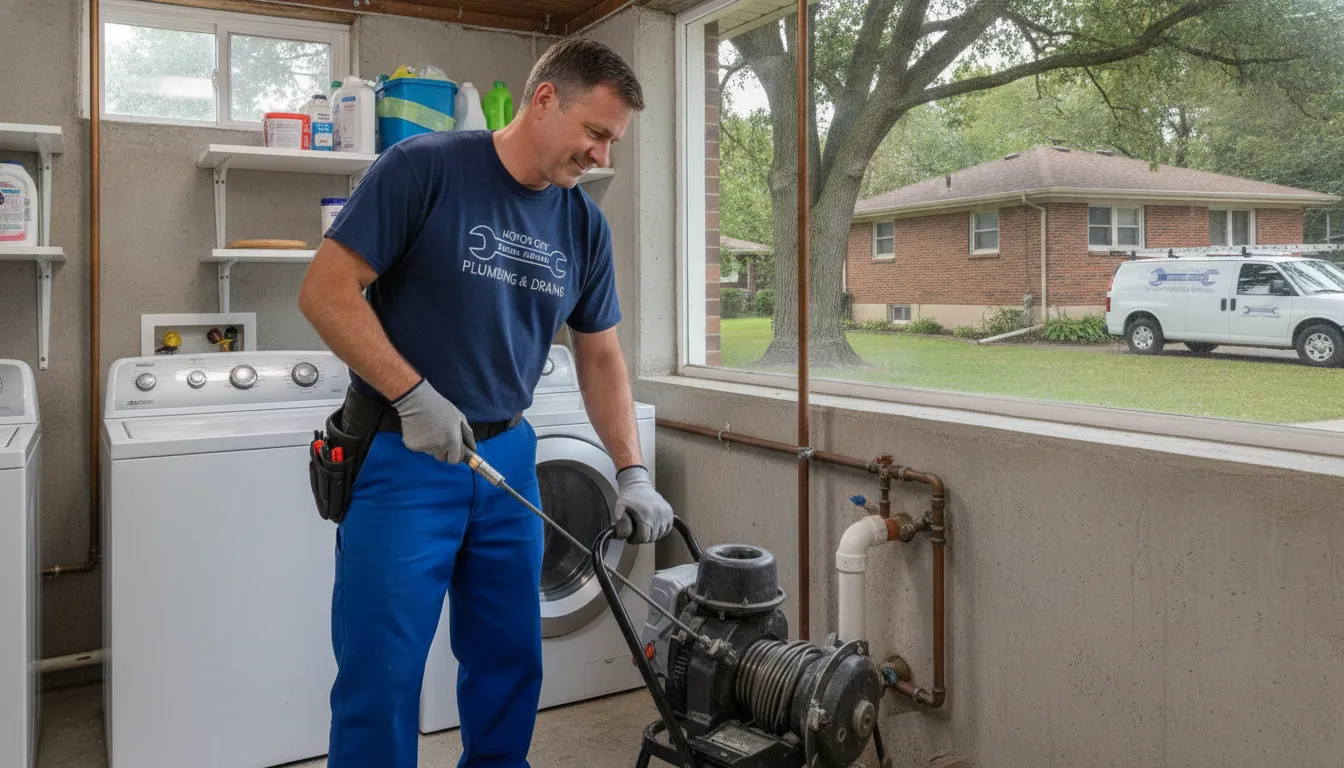
Slow drains and gurgling pipes often signal a serious clog deep inside your Metro Detroit home sewer line. These signs usually mean waste and grease have built up over time. Ignoring them can lead to a messy and costly backup in your basement.
Schedule sewer drain cleaning service in Metro Detroit today.
A sewer drain cleaning service is the best way to clear deep clogs and restore your home’s plumbing health. These expert services use tools like high-pressure water jets and small cameras to find and remove roots or grease. In the Metro Detroit area, local teams can help prevent sewage from backing up into your sinks and toilets during heavy rain. Regular care is vital because drainage systems often contain biofilms that act as growth zones for harmful bacteria and viruses (recent study). By getting an expert cleaning, you protect your family from these germs and keep your pipes flowing well for a long time. This path is much better than using store-bought soaps that can damage your old pipes and fail to clear the real mess.
You need to know the specific red flags before a small clog turns into a plumbing crisis. Finding the 7 signs you need a sewer drain cleaning service will help you act fast and save money on fixes. The path to clear pipes starts with recognizing these warning signs.
7 signs you need a sewer drain cleaning service
Your home sewer line works hard to carry waste away from your house. Most of the time, this system runs without any help. But over time, grease, hair, and other debris can build up in your pipes. If you miss the early signs, a small clog can turn into a big flood. Knowing the signs of a block helps you act fast. You can save money and keep your home safe. Call for a professional sewer drain cleaning service before your pipes fail.
Slow drains and water pooling
One common sign of a sewer issue is a slow drain. You might notice that water takes more time to leave your sink or tub. This often happens because a block is forming deep in the pipe. The Centers for Disease Control and Prevention say slow drains often point to a sewer line that is partly blocked. If only one sink is slow, the clog is likely in that small pipe. But if many drains in your home are slow at once, the main line is likely the cause.
Many fixture backups at once are a red flag. If you flush a toilet and water comes up in your shower, your main line has a big block. This type of block stops all waste from leaving your home. It often shows a large block in the main pipe. You need a local drain service to find the block and clear the path before sewage hits your floor. Acting fast can prevent waste from coming out of your floor drains.
Strange sounds and foul smells
Your plumbing should stay quiet. If you hear gurgling or popping sounds after you run a faucet, there is likely a problem. These noises happen when air gets trapped behind a clog. As water moves past the block, the air bubbles up through the water in your traps. The EPA notes that gurgling drain sounds come from air trapped by a block. This sound is a clear cry for help from your sewer system. It shows that your pipes are struggling to breathe.
Foul smells are another big warning sign. A healthy drain should not have a scent. If you smell rotten eggs or sewage near your drains, you may have a buildup of waste. Research shows that sewer pipes often contain biofilms that host germs. These films grow on the walls of your pipes and create a bad odor. Common cleaners often fail to kill the germs in these thick layers. A pro service can scrub these walls clean to stop the smell and keep your family safe.
Visible backups and yard changes
Clogs that keep coming back are a sign that your pipes need more than a plunger. If you clear the same drain every week, the block is likely far down the line. A deep clog can catch more trash over time. This makes the problem worse with every use. In some cases, tree roots can grow into the joints of your sewer pipes. This is a top cause of pipe damage in older streets. Tree roots create a mesh that catches waste, leading to a total block that needs professional help to fix.
The worst sign is a total sewage backup. This happens when the main line is fully blocked and waste has nowhere else to go. It will push back through the lowest drains in your home, like a floor drain or a toilet. This is a health risk and needs fast action. You may also see changes in your yard, like wet spots or patches of grass that are bright green. These lush spots often show that a sewer line is leaking waste into the soil. This waste acts as food for the plants. Finding these signs early can stop a messy repair job.
Is it a fixture clog or a main sewer line problem?
A fixture clog affects one sink, tub, or toilet. A main sewer line problem usually affects several fixtures at once and may cause gurgling, odors, or water rising in another drain. If one fixture triggers a backup elsewhere, stop using water and arrange a professional inspection.
Finding a pool of water in your sink or tub is a common home headache. You may wonder if you just need to clear a bit of hair or if you need a pro sewer drain cleaning service. Knowing which is which can save you time and money. A small clog stays in one spot, while a main line issue affects your whole house.
Signs of a single fixture clog
A fixture clog only happens in one place, like a kitchen sink or a shower. If you run water in the sink and the toilet does not bubble, the problem is likely local. These blocks often come from hair, soap scum, or food scraps that get stuck in the P-trap. You can often fix these with a plunger or a simple hand tool. But if the water stays still for a long time, it could lead to deeper issues in your pipes.
Even small clogs can hold harmful germs. Drainage systems often contain biofilms that act as incubation zones for bacteria and viruses. Keeping your drains clear helps keep your home safe and clean. If a simple plunger does not work, you might need a pro to look at the line.
Warning signs of a main line issue
A main line problem is much worse. This happens when the large pipe that carries waste out of your home gets blocked. One big sign is when many fixtures back up at once. For instance, running your washer might push water into your tub. This means the water has nowhere to go because the main exit is closed.
You may also hear strange noises from your pipes. Gurgling sounds from drains are often caused by trapped air in the sewer system due to blockages. You might also see water at your floor drain in the basement. In many older homes, tree roots are a top cause of these big blocks. If you see these signs, it is time to call for help before a mess starts.
| Sign | Fixture Clog | Main Line Problem |
|---|---|---|
| Number of Drains | Just one sink or tub | Many fixtures at once |
| How it acts | Only that drain is slow | One drain causes backups in others |
| Sound | Mostly quiet | Loud gurgling or bubbles |
| Common Cause | Hair, food, or grease | Tree roots or old broken pipes |
| Repair Type | Plunging or snaking | Main line cleaning or repair |
How to test your drains
You can do a quick check to find where the clog sits. Flush your toilet and watch your shower drain. If the water in the shower rises or bubbles, the main line is likely the culprit. You should also check for bad smells coming from your yard or basement. These odors can mean a pipe has a leak or a large block that needs a fast fix.
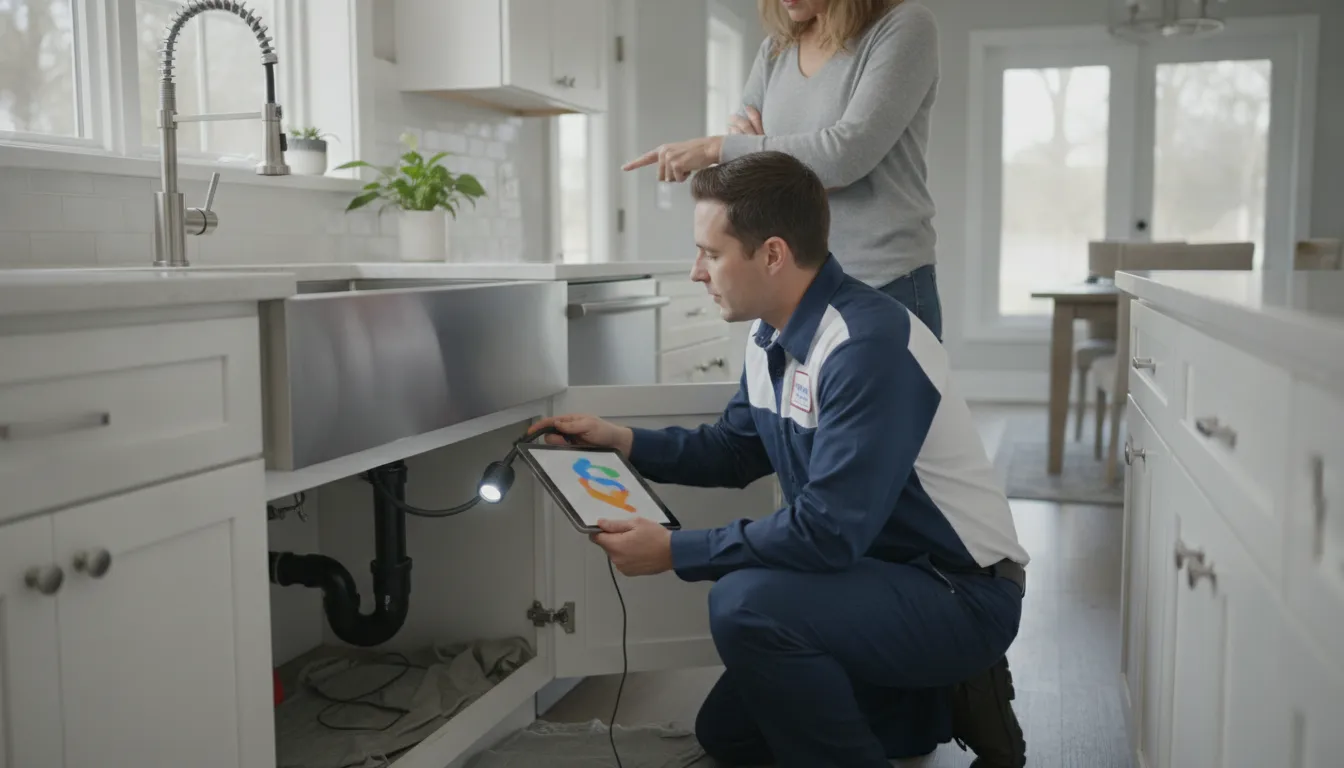
When you have a big mess, you need the right tools to find the cause. A pro check with a sewer camera inspection can show just what is wrong. It finds roots, cracks, or thick grease without digging up your yard. Once the pro finds the spot, they can use drain cleaning tools to get things flowing again. Routine care helps you avoid big repair bills.
What happens during professional sewer drain cleaning?
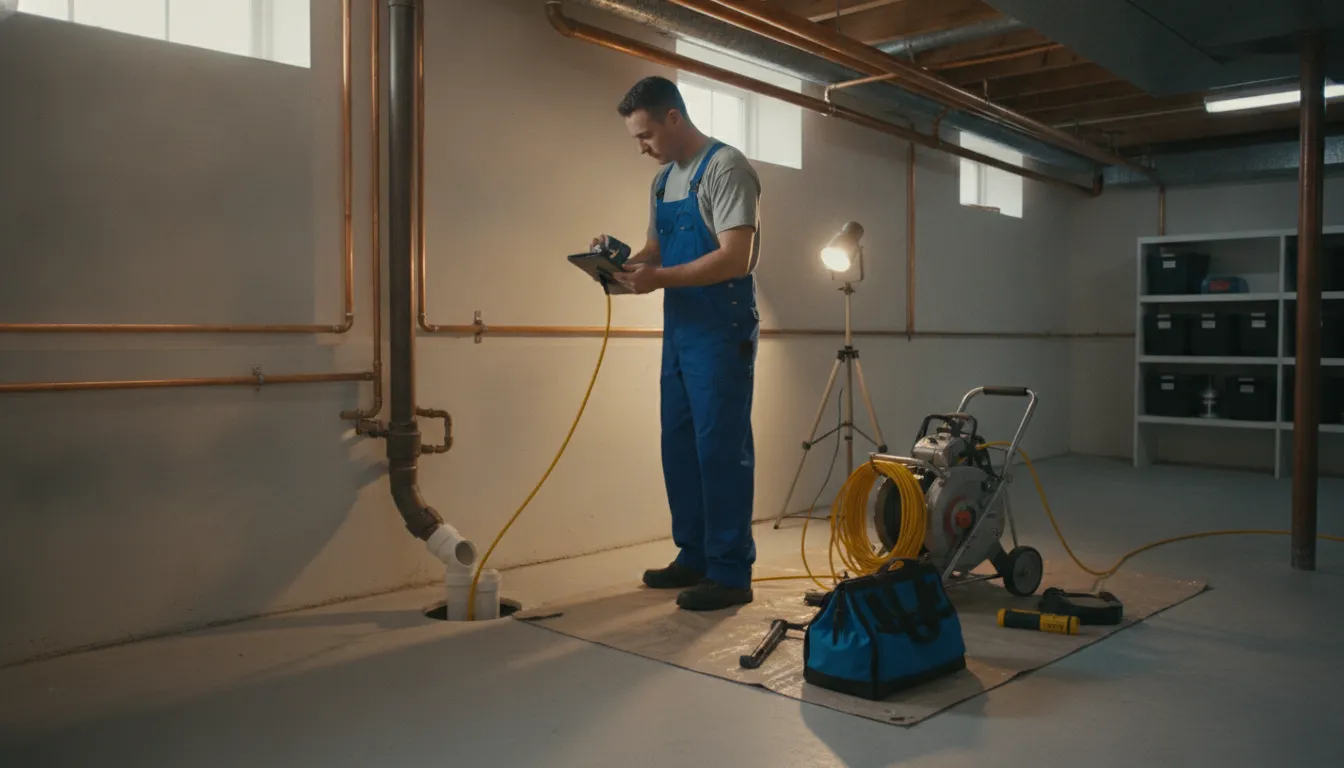
Professional sewer drain cleaning begins with locating the blockage, often using a camera inspection. The plumber then selects the safest cleaning method, clears the debris or roots, flushes the line, and performs a final check to confirm wastewater can move freely without another immediate backup.
When you book a professional sewer drain cleaning service, you get more than just a quick fix. Experts use high-tech tools to find the root cause of your slow pipes. This thorough process helps keep your home safe and clean. It also stops small clogs from becoming big floods. You will see how modern tools make a huge change in your plumbing health.
Preparing for the service call
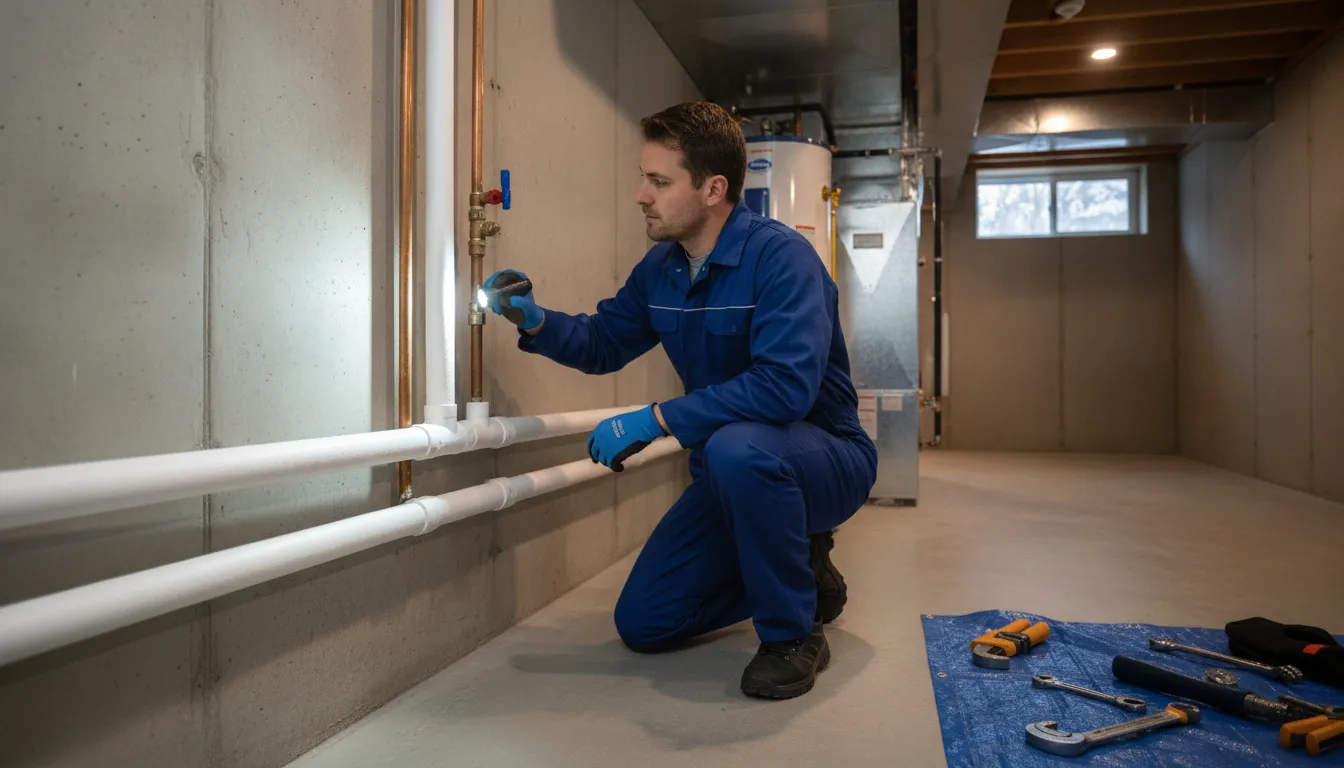
Before the plumber arrives, clear a path to your main sewer cleanout. This pipe usually sits in your basement, crawl space, or yard. A clear work area helps the crew start quickly. They will protect your floors and keep your space neat while they work. You can rest easy while they handle the messy part. If you have pets, keep them in another room so the crew can move freely.
Our team follows a set plan to ensure every clog is gone. We often start with a sewer camera inspection to find the trouble spot. Here is what you can expect when the crew starts work.
- Getting there and setup: The plumber checks your home’s main drain lines. They find the best access point for the job.
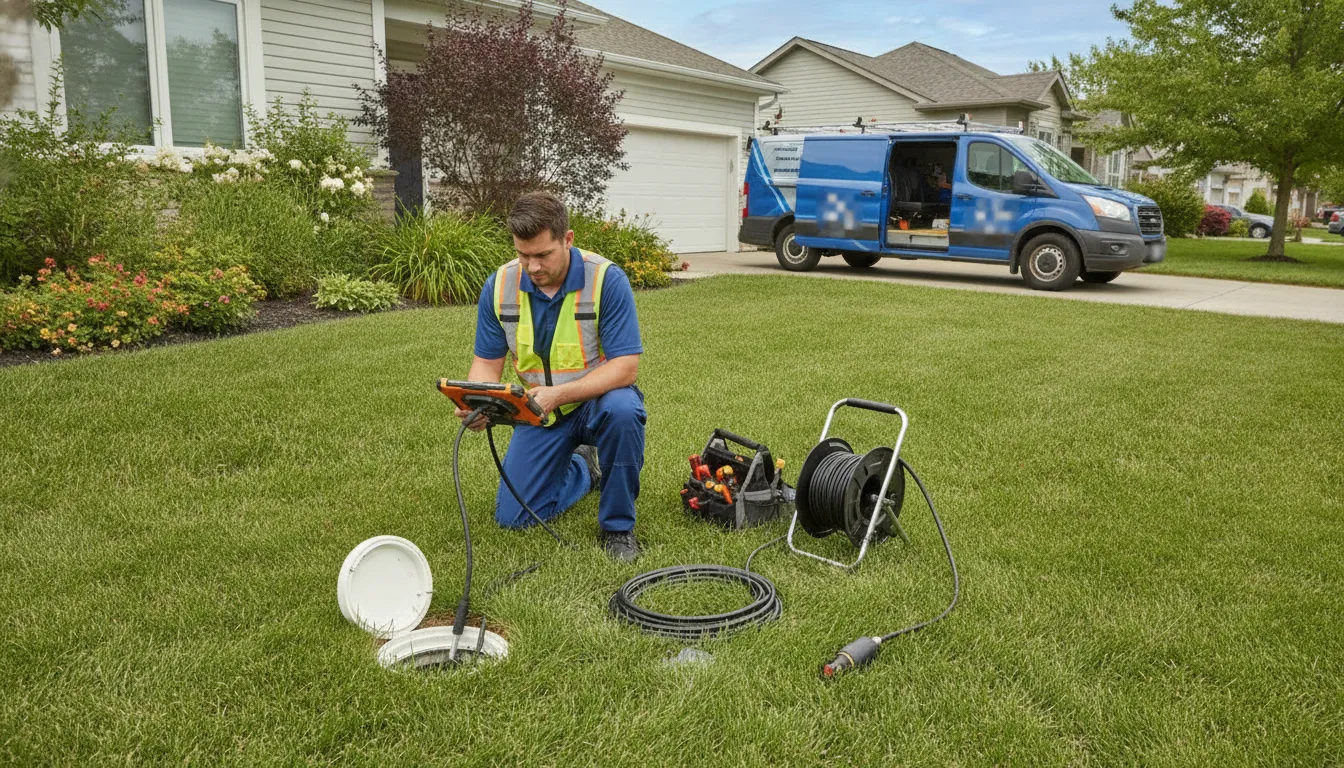
- The video scan: We run a small camera through the pipe. This shows us the exact cause of your clogs.
- Choosing the tool: We look at the video to pick the right method. We may use a snake or high-pressure water jetting.
- Cleaning the lines: The crew uses tools like HydroScrub to blast away grease and roots. This clears the pipe walls.
- Final check: We run water through the system. We use the camera again to ensure the line is fully clear.
Advanced tools for deep cleaning
Modern sewer drain cleaning service methods go beyond just poking a hole in a clog. We use water jetting to scrub the entire inner surface of the pipe. This method removes thick layers of grease and hard scale that a simple snake might miss. It leaves your pipes smooth and clean. This extra care means you will face fewer clogs in the coming years.
Deep cleaning is also vital for your health. Sewer pipes often grow biofilms that trap bacteria and viruses. These sticky layers can act as a home for germs if you do not remove them. Standard cleaning agents often fail to kill these germs deep inside the pipe walls. A full flush clears these germs out of your plumbing system and keeps your family safe.
Why a final inspection matters
A final check ensures the job is done right. We look for hidden cracks or root damage that could cause future issues. This careful look helps extend the life of your home’s pipes and stops new clogs before they start. We want to make sure your drains stay clear for a long time. This step gives you peace of mind that your home is in top shape.
What causes sewer drain clogs in Metro Detroit homes?
Metro Detroit sewer clogs commonly develop from tree roots entering aging pipe joints, grease and non-flushable waste collecting inside the line, or older pipes shifting and cracking. Heavy rain can expose an existing restriction by overwhelming a line that was already draining too slowly.
Many homes in Metro Detroit have old sewer lines. These pipes are often made of clay or iron. These systems can clog because of tree roots or shifting dirt. Knowing why these backups happen helps you know when to get a local sewer drain cleaning service.
Tree roots and older pipes
Many local streets have large trees with roots that look for water. These roots find small cracks in old pipes and grow inside. The Environmental Protection Agency (EPA) says roots are a top cause of pipe damage in old homes. Once roots get inside, they catch trash and waste. This creates a thick wall that stops the water from moving.
Over time, the roots can even break the pipe into pieces. This leads to costly fixes that go beyond a simple cleaning. Clay and iron pipes were common in homes built many years ago. These items can crack as they age or as the ground moves. When a pipe cracks, it lets in dirt and more roots. This makes the clog grow faster.
Keeping an eye on how your drains work can help you find these problems early. If you hear odd sounds or see slow drains, it might be time to check your main line. A sewer camera inspection can find the exact spot where roots have broken through.
Household waste and grease
The things you put down the drain affect your sewer pipes. Fat, oil, and grease are common causes of clogs in the kitchen. These items look like liquid when they are hot. But they turn solid as they cool down in the pipes. The EPA warns that grease and fats should never go down the drain. They build up over time and stop the flow.
Flushing things like wipes or other trash can also lead to a need for a professional sewer drain cleaning service. Even wipes that say they are safe to flush often do not break down in the sewer. They get stuck on roots or rough spots in the pipe. Hair and soap scum are also big problems in the bathroom. These items bind together to create a tough plug that blocks water.
Heavy rain and local soil
Metro Detroit gets heavy rain that puts stress on the local sewer lines. When the ground stays wet, the dirt can shift and press on old pipes. This weight can cause weak spots to break or sag. If a pipe has a small clog, a storm can make it much worse. Extra water from rain can fill up the pipes and push waste back into the house.
You may see more signs of a block during times of heavy rain or high use. Local soil types can also play a role in how pipes move and settle. When the soil shifts, it can pull pipe joints apart. This lets more dirt and roots into the system. Regular checks can help find these leaks before they cause a flood in your basement.
What should you do when drains start backing up?
Stop using sinks, toilets, showers, and appliances as soon as multiple drains begin backing up. Keep people and pets away from wastewater, avoid chemical drain cleaners, and call a licensed plumber. Continued water use can force more sewage through the lowest drain in the home.
A drain backup is more than a mess. It can be a risk to your health. Clogged pipes often hold organic matter called biofilms. These layers act as spots where bacteria and viruses grow. When water flows back into your home, it brings these germs with it. You must act fast to keep your family safe. Start by following a few simple steps to manage the issue before it gets worse.
Stop using water right away
The first step is to stop all water use. Do not flush toilets or run the sink. If you keep using water, the backup will only grow. This happens because the water has nowhere else to go but up. You should also check for gurgling sounds coming from your pipes. These sounds often mean air is trapped by a big clog. If you notice slow drains in many rooms, you likely have a main line issue. Based on data from the EPA, frequent backups in many fixtures show a major blockage.
Shutting off the main water valve is a smart move. This stops any leaks from making the mess bigger. It also gives you time to look at the drains without more water adding to the pool. You should wear gloves and boots if you need to touch the water. Keep kids and pets away from the area. Standing water from a sewer line is not safe to touch or breathe near.
Avoid chemical drain cleaners
It is tempting to buy a bottle of liquid cleaner. But these toxins can do more harm than good. Most store-bought cleaners use harsh acids to melt clogs. These acids can eat away at your pipes over time. This leads to leaks and costly repairs later on. Also, these agents are often not strong enough to kill germs in biofilms. Standard cleaners are often unable to kill germs deep inside pipe walls. Using them might just hide the problem for a short time.
Toxins can also stay in the pipes. If a pro needs to work on the line later, these liquids can burn their skin. Natural methods like hot water or baking soda are safer for small clogs. But for a full backup, these will not be enough. You need a fix that clears the whole pipe without hurting the metal or plastic.
Call for a professional sewer drain cleaning service
A full backup usually needs expert help. A sewer drain cleaning service has the right tools for the job. Pros use high-tech cams to see what is hiding in your pipes. They can find tree roots, grease, or broken lines. Using a sewer camera check takes the guesswork out of the repair. It shows the exact spot and size of the clog.
Once they find the clog, they can use tools like HydroScrub jetting. This uses high-pressure water to blast through the toughest mess. It cleans the pipe walls so new clogs do not form as fast. This is much better than just poking a hole in the clog with a snake. Getting a professional sewer drain cleaning service ensures your home stays clean and safe. Experts can handle main lines up to six inches wide to keep your system running well. Do not wait for the water to damage your floors before you call for help.
How can you prevent another sewer drain blockage?
Prevent another sewer blockage by keeping grease, wipes, paper towels, and other trash out of drains. Watch for recurring slow flow or gurgling, and schedule a camera inspection when symptoms return. Homes with mature trees or older sewer pipes may benefit from planned maintenance.
Stopping a sewer backup before it starts is the best way to protect your home. Small habits can prevent big problems in your main line. You should never flush items like wet wipes, paper towels, or trash down your toilets. These things often lead to a professional sewer drain cleaning service call when they get stuck in your pipes. Keeping grease and oil out of your kitchen sink is also a key step for every Metro Detroit homeowner.
Maintain your sewer line
Regular checks can find small issues before they cause a flood. You should look for slow drains or gurgling sounds in your sinks and tubs. According to the Environmental Protection Agency, these signs often mean air is trapped in your system due to a blockage. Catching these early can save you from a major sewage backup. Proper maintenance of your lines can also help your entire plumbing system last longer.
If you have large trees on your property, root growth can be a major risk. Tree roots seek out water and can grow into small cracks in your pipe joints. A sewer camera inspection can show you if roots are starting to block your line. Finding these roots early allows you to remove them before they break the pipe. This simple check can save you a lot of money on future repairs.
Schedule expert cleaning
Some clogs are too deep or too tough for a plunger to fix. In these cases, you may need a sewer drain cleaning service to clear the line. Professional tools like HydroScrub Jetting use high-pressure water to blast away grease and roots. This method cleans the pipe walls better than old snaking tools. It can even remove the sticky biofilms where bacteria often grow.
Experts recommend a full cleaning if you have frequent backups in more than one fixture. This is a top sign of a major block in your main line. A local sewer drain cleaning service can help restore your home to normal quickly. Regular cleaning keeps your pipes clear and reduces the risk of sudden emergencies. Taking these steps now will help keep your home safe and your drains flowing well for years.
Contact Mr. Pipey to protect your home from the next sewer backup.
Frequently Asked Questions
When should you call a professional for sewer drain cleaning?
You should call an expert if you see water back up in many sinks or toilets at once. This often means a main line block exists deep in your system. The EPA says that frequent backups in several sinks are a top sign of a major sewer block. Expert help makes sure the issue is fixed safely without causing more damage to your home pipes or health.
How often should you have your sewer drains cleaned?
Most experts say you should have your main sewer lines checked or cleaned every one to two years. Normal care helps you find small issues before they turn into costly breaks. Experts can use cameras to see the state of your pipes. Keeping a clean system makes your plumbing last longer and prevents waste from flowing back into your home through drains or toilets.
How much does it cost to clean sewer drains?
The price of cleaning a sewer line varies based on the size of the block and the tools needed. Some jobs take more time if there are hard blocks like tree roots. Mr. Pipey offers flat-rate pricing so you know the cost upfront. There are no extra fees for emergency calls at night or on weekends. This helps you get help fast when a crisis starts in your system.
Can tree roots block my sewer line?
Yes, tree roots are a top cause of sewer line breaks and blocks, mostly in older houses. Roots look for water and can enter small cracks in your pipes. Once inside, they grow and catch waste, which leads to a full stop. The EPA says that root entry is a major factor in sewer damage. Expert jetting can clear these roots and restore full flow.
Ready to protect your Detroit home from sewer backups?
If you wait to fix a slow drain, you risk a messy sewage backup in your home that is hard to clean and costs a lot to repair. Small blockages can turn into major floods in your basement overnight, so acting now stops the problem before it shuts down your whole house. Our team uses tools like a sewer camera inspection to clear your lines today so you can rest easy tonight and get peace of mind about your sewer health. Do not let a minor clog become a crisis for your family when a quick visit can save you days of stress and high cleanup bills. We are ready to help you keep your pipes running smooth all year long. As our local experts know the specific needs of homes in the Metro Detroit area.
Ready to book? Contact our local team to request sewer drain cleaning service.