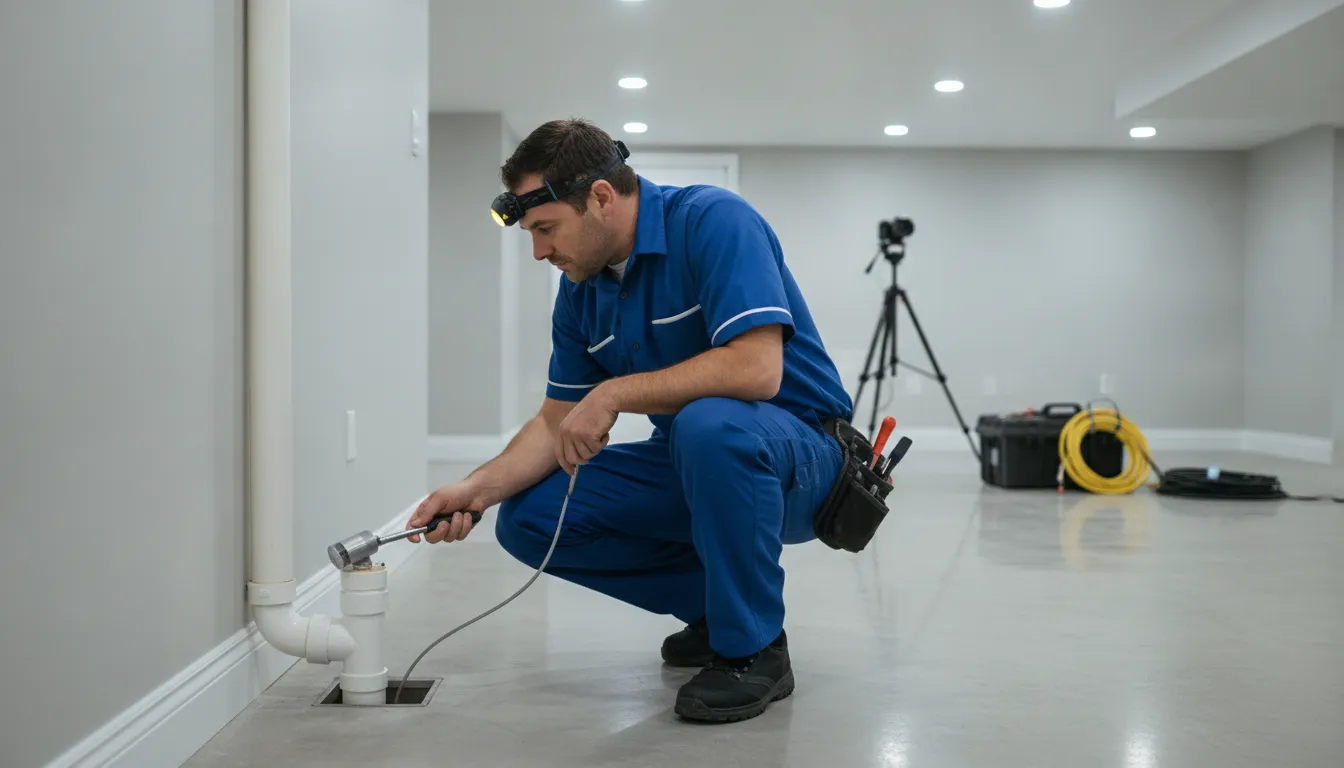


Detroit homeowners know that a dry basement depends on more than a working pump. Heavy rain, spring snowmelt, and power interruptions can all put extra demands on the system protecting the lowest level of the home. When the pump runs constantly, struggles to start, or no longer moves water reliably, timely service can help restore dependable protection.
Sump pump replacement detroit service is usually the right next step when a pump is aging. Repeatedly cycling, showing visible corrosion, or failing to keep up with incoming water. A professional plumber can evaluate the pump, basin, check valve, discharge line, and backup options together, then recommend a solution suited to the home.
Understanding the signs of decline makes it easier to make a calm, informed decision. Start by looking at how the system behaves during normal operation and what those changes may indicate.
Schedule a professional sump pump evaluation for your Detroit home
How Do You Know When It’s Time for a Sump Pump Replacement in Detroit?
A sump pump may continue to run for years with little attention, but its performance can change gradually. In a Metro Detroit home, an older pump deserves closer consideration before the next period of heavy rain or snowmelt. Many residential units reach the seven-year mark and beyond, depending on how often they operate, the condition of the pit, and the quality of the discharge setup. Age alone does not prove that replacement is necessary, but it is a useful reason to schedule an evaluation rather than wait for an obvious failure.
Look for a pattern of changes instead of relying on one sound or symptom. Common signs that a sump pump may be nearing replacement include:
- Constant cycling: A pump that turns on and off unusually often may be dealing with a float, check valve, or discharge problem. A check valve prevents water from flowing back into the sump. If it is missing or reversed, returning water can cause excessive cycling and shorten the pump’s service life. North Dakota State University Extension explains how check valves affect pump operation.
- Motor burnout or unusual operation: A humming motor that does not move water, repeated tripping, overheating, or a pump that stops during normal operation can indicate a worn motor or electrical component. Professional testing can determine whether repair is practical or whether replacement provides the more dependable solution.
- Rust or corrosion: Corroded housing, fasteners, wiring connections, or discharge components can affect reliability. Rust may also point to persistent moisture or an aging installation that needs more than a replacement pump alone.
- Reduced discharge: If water leaves the pit slowly, the discharge line may be frozen, plugged, damaged, or directing water back toward the house. A frozen or obstructed discharge pipe can make the pump work harder and may contribute to pump failure or basement flooding. Extension guidance recommends checking that the discharge path is open and moves water away from the home.
- Switch or cord interference: In a submersible system. A pump pit under 18 inches in diameter can leave the floating switch or its cord vulnerable to tangling against the piping or becoming pinned between the pump and basin. That can prevent consistent activation and may signal that the setup needs correction along with the pump.
Some of these symptoms come from the surrounding system rather than the pump itself. A clogged inlet, misaligned float, worn check valve, or restricted discharge may be repairable. If the pump is older and several components show wear, replacing the unit while correcting the underlying installation can be the more practical path. Reviewing sump pump basin maintenance can also help clarify how the basin, switch, and discharge line work together. A professional assessment keeps the decision focused on actual condition, not guesswork.
What Does Sump Pump Replacement Cost in Metro Detroit?
For many Metro Detroit homeowners. The replacement price depends less on the pump alone than on how well the new system fits the basement and the home’s water conditions. A straightforward replacement may cost considerably less than work that involves a difficult basin, updated discharge piping, or a backup system.
One Michigan plumbing cost reference places the average sump pump repair or replacement project at about $1,100, with a broad range of roughly $600 to $3,800. That range is a planning guide, not a flat quote. The final price reflects the pump type, horsepower, basin access, installation requirements, labor, and any permit or discharge-piping work involved.
| Pump configuration | Typical planning range | What can affect the price |
|---|---|---|
| Pedestal pump | $600-$1,200 | Accessible basin, standard horsepower, and existing discharge piping can keep the project simpler. |
| Submersible pump | $800-$1,600 | Sealed construction, horsepower, basin fit, check valve, and discharge connection influence the scope. |
| Submersible with battery backup | $1,300-$2,500 | Includes the backup pump, battery system, charging equipment, and proper switching between systems. |
| Combination primary and backup system | $1,800-$3,800 | Higher-capacity equipment, basin complexity, electrical requirements, and discharge modifications may add labor. |
These figures are approximate planning ranges based on the broader $600 to $3,800 replacement range. An on-site assessment is the reliable way to determine whether the existing basin, float, check valve, discharge line, and electrical connection can be reused. Horsepower should match the volume of water and the vertical distance the pump must move it. Selecting a larger pump without evaluating the complete system does not automatically produce better performance.
Why backup power matters in Metro Detroit
Battery backup is an important cost consideration for homes in storm-prone areas or locations where power outages are a concern. The Centers for Disease Control and Prevention recommends sump pumps with backup power for flood protection during outages associated with storms. Mr. Pipey services submersible, pedestal, battery backup, combination, water-powered, sewage, and grinder pump systems. So the recommendation can account for the home’s actual setup rather than relying on a one-size-fits-all replacement.
For more planning detail, review our guide to the cost of sump pump replacement. When you are ready to compare options, Mr. Pipey’s professional sump pump replacement services provide a clear scope before work begins, with calm, transparent pricing for your Detroit-area home.
Which Sump Pump Is Right for a Metro Detroit Home?
For a replacement evaluation, a professional plumber looks beyond the pump itself. The available pit space, discharge layout, expected water volume, electrical reliability, and the condition of the existing basin all affect the recommendation. Pedestal and submersible pumps are the two basic residential sump pump types, and either can provide dependable service when properly maintained. The right choice is the one that fits the home and the way water moves through its drainage system.
| Consideration | Pedestal pump | Submersible pump |
|---|---|---|
| Motor location | The motor remains above the sump and must stay dry. | The pump and motor are designed to sit submerged in the pit. |
| Pit requirements | Its upright design may suit a basin where clearance above the pit is available. | It requires adequate basin diameter so the float or cord does not become trapped. |
| Professional evaluation | Useful when the installation can protect the above-pit motor from moisture. | Often preferred where the basin can accommodate it and quieter enclosed operation is beneficial. |
When does a pedestal pump make sense?
A pedestal model places the motor on top of an upright support, above the sump water. That arrangement can be appropriate when the basin and surrounding basement layout provide enough vertical clearance and the motor can remain protected from moisture. It also gives a technician clear access to the motor and switch during service. The decision should account for the complete installation, not simply the pump’s listed capacity.
Why might a professional recommend a submersible pump?
A submersible model sits at the bottom of the sump and is designed to operate underwater. For many Metro Detroit replacement projects, a primary submersible pump paired with a battery backup is the professional recommendation. Storms and related power outages can occur together, so backup power helps maintain sump protection when the home’s normal electricity is unavailable. The Centers for Disease Control and Prevention recommends sump pumps with backup power for flood protection during outages associated with storms: CDC flood safety guidance.
The basin must be evaluated before selecting this configuration. The National Agricultural Extension publication notes that a submersible pump’s floating switch or cord can become entangled in pits smaller than 18 inches in diameter. A plumber can verify the basin dimensions, float movement, check valve, discharge connection, and available power before recommending a replacement.
What other pump types may be part of the plan?
Professional sump pump services may include submersible, pedestal, battery backup, combination, water-powered, sewage, and grinder pumps. These categories are not interchangeable. Residential sump pumps are designed for clear liquid, not sewage ejection, so a basement drainage concern should be distinguished from a sewage pump application before work begins. Mr. Pipey’s sump pump installation experts can assess the existing system and explain which primary and backup arrangement fits the home.
The Professional Sump Pump Replacement Process in Detroit
A professional replacement is more than disconnecting one pump and placing another in the pit. The technician evaluates the entire system so the new equipment can manage incoming water, discharge it safely, and work reliably within the conditions of your Detroit-area basement. This approach supports the sump pump’s role as a critical defense against flooding, water damage, and mold.
- Inspect the system and diagnose the failure. The plumber begins by examining the existing pump, float or water-level control, electrical connection, discharge line, and signs of corrosion, clogging, or unusual cycling. This confirms whether replacement is the right solution and identifies related issues that could shorten the life of a new unit. Sump pump services can include installation, repair, replacement, and maintenance. So the recommendation should reflect the actual condition of the system rather than assume every problem is the same.
- Assess the basin, pit, and surrounding setup. The basin must provide enough room for the selected pump and its controls to operate without binding. This matters because submersible pump switches or cords can become entangled in pits under 18 inches in diameter. The technician also checks the pit for sediment or debris, reviews the condition of the cover and inlet area. And determines whether the existing configuration can support the replacement properly.
- Remove the old unit and prepare the connection points. After safely isolating the equipment, the plumber removes the failed pump and examines the discharge piping, fittings, and check valve. The check valve helps prevent discharged water from flowing back into the sump, which can cause unnecessary cycling and reduce pump life. Damaged, poorly positioned, or unsuitable components are addressed as part of the professional installation rather than left to compromise the new pump.
- Install and size the replacement pump. The new pump is selected for the home’s water conditions, basin configuration, discharge requirements, and expected pumping height. The plumber secures the unit, connects the discharge piping, and installs or verifies the check valve. If the home uses a battery backup system, the setup is reviewed at the same time. Battery backup pumps are especially valuable during storms and power outages, and the backup battery should be checked and fully charged for dependable readiness.
- Test the discharge and operating cycle. The completed system is tested under controlled conditions. The technician confirms that the pump starts and stops correctly, moves water through the discharge line, and directs that water away from the home. A frozen, plugged, or poorly directed discharge pipe can cause pump failure or basement flooding, so discharge performance is part of the replacement, not an afterthought. Backup operation and the float response are also reviewed when applicable.
- Review the work and warranty coverage. Before leaving, the plumber explains what was replaced, how the system is configured, and what maintenance or follow-up may be appropriate. Professional plumbing contractors often provide a one-year parts and labor warranty on replacement work, giving homeowners clear expectations after installation. For help with a planned replacement, visit Mr. Pipey’s professional sump pump replacement services. If an active failure requires immediate attention, 24/7 emergency plumbing is available for Metro Detroit homeowners.
How to Protect Your Detroit Basement After a New Sump Pump Is Installed
A new sump pump provides an important layer of protection, but its performance depends on the surrounding system and ongoing attention. A properly functioning sump pump is the first line of defense against basement water during heavy rain and snowmelt. After a professional replacement, homeowners should have the pump, basin, backup system, and discharge route checked as one connected setup.
Periodic operation checks help confirm that the pump responds as expected. A professional can slowly pour water into the pit to simulate normal inflow, then watch the on/off switch and listen for unusual sounds as the pump cycles. The goal is not simply to hear the motor run. The float should move freely, the pump should start and stop at the appropriate water levels, and the discharge should carry water away from the home. This approach is based on guidance from North Dakota State University Extension.
Schedule a professional inspection before the wet season
An annual maintenance visit is especially useful before Detroit’s heavier rain and storm season. During the appointment, a plumber can inspect the float, adjust it if needed, test the valves, clean the pit, and clear debris or clogs. These details affect how reliably the pump handles incoming water. Maintenance also provides an opportunity to inspect the discharge line for blockage, freezing, or poor drainage away from the foundation. A frozen or plugged discharge pipe can prevent the system from moving water effectively.
The check valve deserves particular attention. It helps keep discharged water from flowing back into the sump when the pump shuts off. Without proper check-valve performance, water can cycle back into the pit and make the pump turn on and off more frequently, which can shorten its service life. Professional valve testing helps identify that issue before it becomes a recurring operating problem.
Keep the backup system ready
Power outages often accompany severe storms, making backup power an important part of basement protection. The battery backup battery should be checked and charged periodically, with its condition and connections reviewed during professional maintenance. The Centers for Disease Control and Prevention recommends sump pumps with backup power for flood protection during outages. If your new system includes a combination pump or separate battery backup. Ask the plumber to verify that the backup activates correctly and that the battery remains ready for service.
Homeowners can also keep the area around the basin accessible and avoid storing items where they could fall into the pit or interfere with service. For more detail on keeping this part of the system in good condition, review our guide to sump pump basin maintenance. With scheduled inspections and a clear discharge path, your replacement system is better positioned to protect your Detroit basement through changing weather.
Request a free sump pump replacement quote for your Detroit home
Before choosing a replacement, review this Rochester Hills guide to deciding whether a sump pump fits your home.
Frequently Asked Questions
How often should I replace my sump pump in Detroit?
Many sump pumps need replacement after about 7 to 10 years, although workload, maintenance, and installation conditions affect service life. A pump that runs frequently or serves a basement with recurring water demand may need attention sooner. A professional inspection can help determine whether repair or replacement is the more reliable option.
What are the signs that I need a sump pump replacement?
Frequent cycling, unusual sounds, visible rust, or water that is not discharging properly can indicate a failing pump. Constant operation may also point to a stuck float, incorrect sizing, or a check valve problem. Because these symptoms can have several causes, have the system evaluated before choosing a replacement.
Does Detroit’s climate affect sump pump lifespan?
Yes. Michigan freeze-thaw cycles and periods of heavy rainfall can increase demand on a sump pump and its discharge line. A frozen or blocked discharge pipe can prevent water from moving away from the home. Proper discharge routing and a suitable backup plan help the system perform consistently through changing weather.
Should a professional install my replacement sump pump?
Professional installation is recommended because pump type, sizing, float operation, check-valve placement, and discharge routing all affect performance. A technician can also assess whether a battery backup or combination system fits the home. Residential sump pumps are designed for clear water, not sewage ejection, so the correct equipment matters.
Ready to Schedule Your Sump Pump Replacement?
A properly matched replacement can help your Detroit home maintain dependable basement protection through changing conditions and seasonal storms. For a professional assessment and clear recommendations, contact Mr. Pipey to schedule your sump pump replacement. Our team can review your current system, discuss suitable options, and help you move forward with a solution that fits your home.
Before choosing a replacement, review this Rochester Hills guide to deciding whether a sump pump fits your home.