
Metro Detroit homeowners must have a working main water valve to stop the flow when a pipe bursts. If your handle is stuck, a main water line valve replacement is the safest way to prevent a disaster.
A main water line valve replacement means a pro takes out your broken shut-off valve and puts in a new, lead-free ball valve. Homeowners should request an inspection and written quote because the final cost depends on valve size, pipe condition, access, and whether excavation is needed. Swapping an old gate valve for a ball valve lets you quickly shut off the water if a pipe bursts or a sink leaks. A professional replacement gives you confidence that your house is protected from leaks.
Knowing how this part works is the first step to a safe home plumbing system. You may ask yourself, What does the main water line valve do? when you see it in your house. Protecting your property from a flood starts with knowing where the valve is and confirming that it can close fully.
What does the main water line valve do?
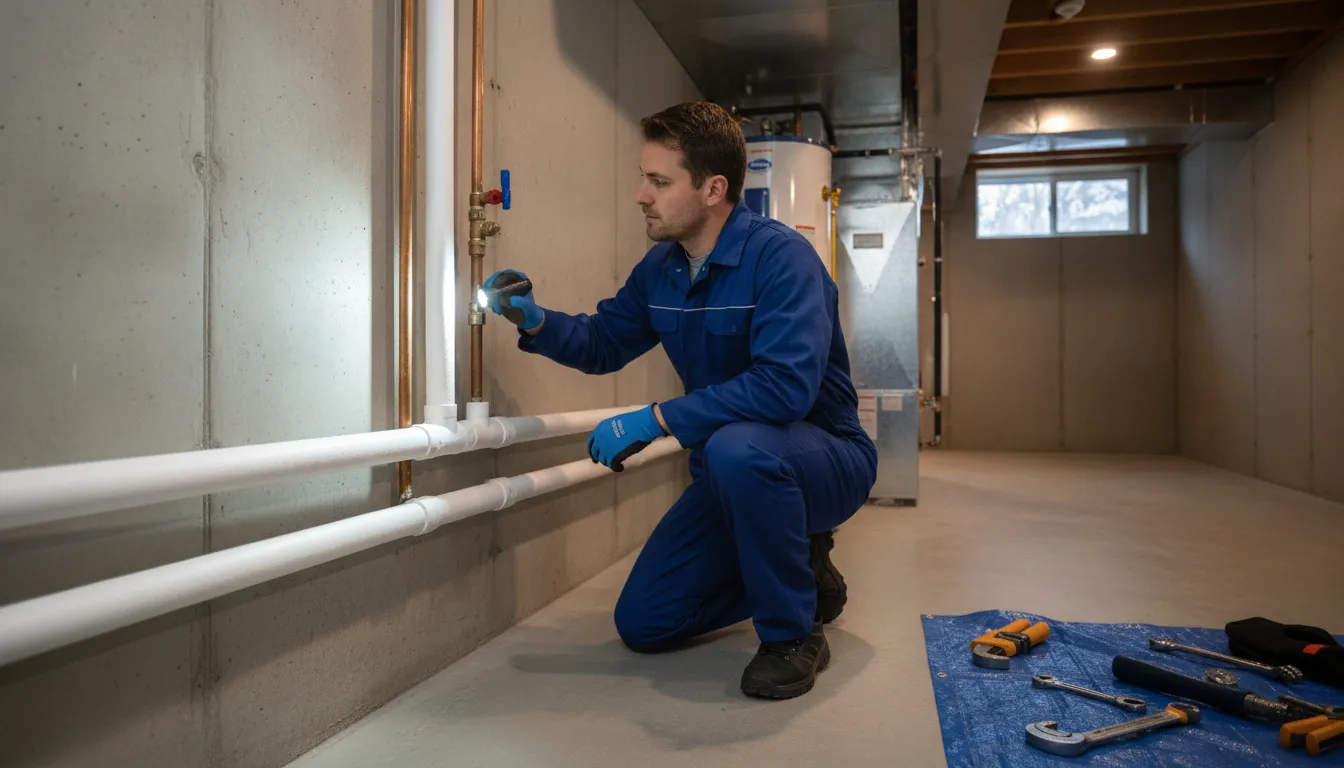
The main water line valve is the most vital part of your plumbing. It acts like a master switch for every pipe in your home. When you turn this valve off, it stops all water from coming into your house. This is key when you need to fix a leak or handle a sudden flood. Most homes in Metro Detroit have this valve in the basement or a crawl space. Knowing its spot and how it works can save your house from a lot of damage.
Your home’s master water switch
This valve lets you cut off the water flow at a single point. Plumbing codes require every home to have at least one isolation valve that you can reach with ease. This rule exists so you can stop the water fast during a fix or a crisis. Most home lines use a 3/4 inch valve, but the size depends on how many sinks and tubs you have.
If your valve is old, it might be hard to turn. Many older homes use gate valves, which have a wheel you spin. Newer systems often use ball valves. These have a simple lever that you turn 90 degrees to stop the flow. If your valve is stuck, you may need a water main shut-off guide to keep your home safe.
Why the valve matters in a crisis
Imagine a pipe bursts in the middle of the night. Water could fill your home in minutes. A working main valve lets you stop the flow before it ruins your floors or walls. It is also needed for routine work, like changing a faucet or a water heater. Full port valves are often best for these spots because they do not slow down the water flow through your pipes.
At Mr. Pipey Plumbing, we see many valves that fail when people need them most. Rust can make a metal valve lock up over time. If you cannot move the handle, do not force it. You might break the pipe and cause a big leak. We offer 24/7 service with no overtime charges to help with these urgent issues.
Main valve versus the city curb stop
Many people confuse their main house valve with the city curb stop. The curb stop is usually near the street. The city uses it to turn your water on or off from the outside. You should not touch the curb stop yourself. The guide to finding your home’s shut-off valve inside your home is the one you own and control.
Keeping this valve in good shape is part of smart home care. Programs like the one in Phoenix show that replacing old valves and lines helps prevent big breaks in the system. If you live in a town like Royal Oak or Warren, your local pipes may be decades old. Checking your main valve once a year is a great way to avoid a plumbing flood.
Signs you need main water line valve replacement
Your main shut-off valve is the most vital part of your home plumbing. It lets you stop all water flow if a pipe bursts or if you need a repair. Every house must have one easy-to-reach shut-off valve by law. If yours fails, you could face major flood damage. Knowing the signs of wear can help you act before a crisis hits.
Visible leaks and rust
One of the first signs of trouble is water around the valve body or stem. You might see a slow drip or a small pool on the floor. Over time, mineral build-up can cause the metal to break down. This is often seen in Metro Detroit homes with older pipes. If you see white or green crust on the metal, it is likely time for a main water line valve replacement to stop a full break.
A handle that will not turn
Main valves often sit unused for years. This leads to parts that seize up or get stuck. If you try to turn the handle and it will not move, do not force it. Forcing a stuck valve can snap the stem and cause a massive leak. This often happens with older gate valves that use a metal disc to stop the water. Mr. Pipey Plumbing can help free these valves or set up a new, smooth ball valve.
Water keeps flowing after shut off
The main job of the valve is to stop the water in full. If you turn the handle all the way but water still comes out of your taps, the valve is failing. This is a big risk during a plumbing crisis. You need a valve that gives a full seal. The EPA notes that replacing old valves is a key way to stop leaks and protect home water lines. If your valve does not work, it is a clear sign you need a new one.
You should test your main valve twice a year to make sure it works. Turn the handle slowly to see if it moves easily. Then, turn on a tap to see if the water stops. If you find any issues, call a pro. At Mr. Pipey Plumbing, we offer 24/7 help with no overtime charges. We can check your home water shut-off valve and keep your home safe from leaks.
How is a main water shutoff valve replaced?
A how to shut off the water main is a key task for home upkeep. This part lets you stop the water flow to the whole house during a leak or a repair. Most homes use a 3/4 inch valve, but some need a larger size based on the number of taps you have. Local codes say your home must have one valve that is easy to reach at all times. This keeps your house safe from flood damage if a pipe bursts in the middle of the night.
Preparing for the replacement
Before the work starts, you must stop the water flow from the street. You must call your local water office to turn off the valve at the curb. You cannot swap the main house valve while water is under high pressure. Once the curb valve is shut, the pro will open the lowest faucet in the house to drain the lines. Draining the pipes keeps the work area dry and stops water from spilling on your floor.
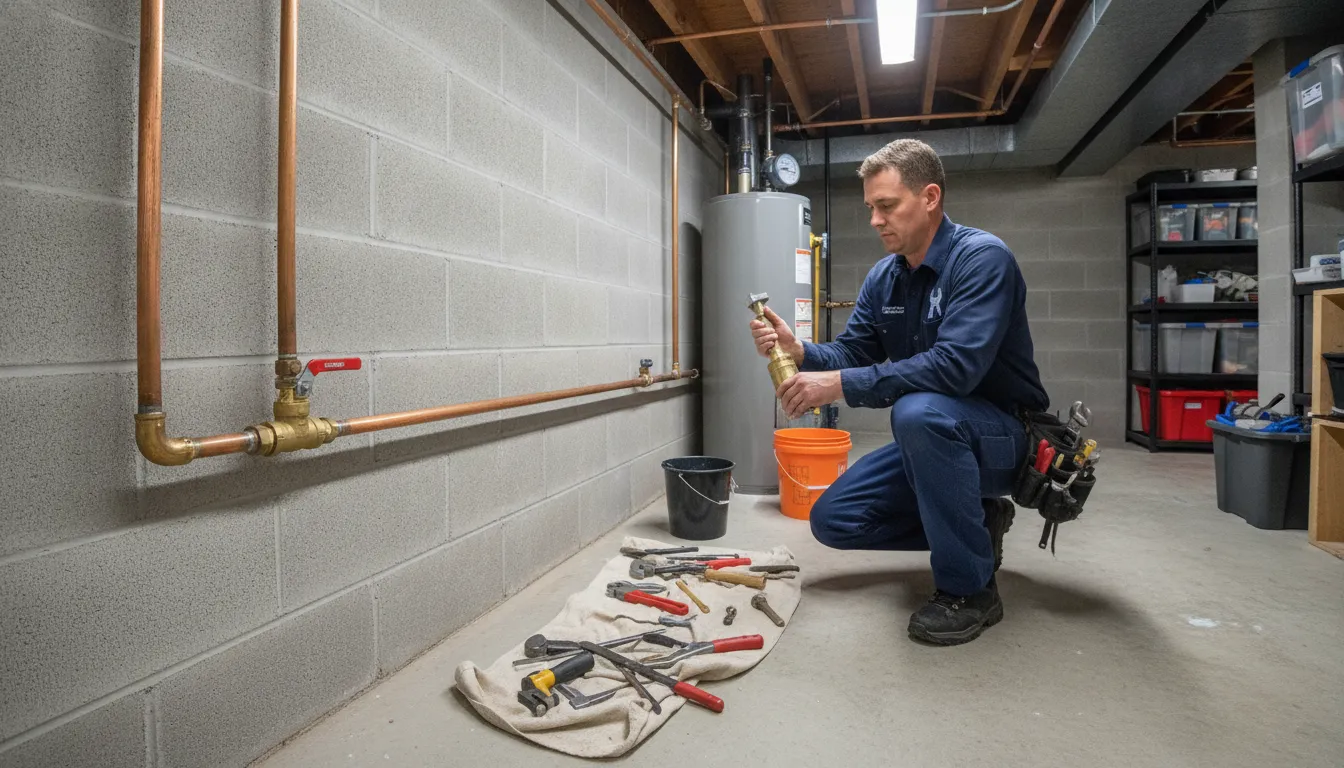
Having the right tools is also part of the prep work. A plumber needs pipe wrenches, a torch, and new parts ready to go. They check the pipe type to see if they need to weld, glue, or screw the new valve in place. Proper planning makes the job go fast so your home is not without water for too long. If you live in Metro Detroit, you can get help fast from a pro team like Mr. Pipey Plumbing. Our team knows how to work with local cities to get your water shut off quickly and safely.
The removal and install process
Plumbers use heavy pipe wrenches to loosen the old valve. This part can be hard if the pipes are old, rusty, or stuck in place. If the valve is soldered on, a pro will use a torch to melt the old seal and pull the part off. They must be careful not to damage the main pipe while doing this. Once the old part is out, the pipe ends must be cleaned until they shine. Smooth pipe ends help the new valve fit tight and stay leak-free for many years.
Removing a valve often reveals more issues. For example, old gate valves often break inside, which blocks the water flow even when they are open. A pro will look for signs of wear in the nearby pipes too. This is the best time to fix thin or weak pipes before they cause a new leak. Pro isolation valve service ensures that every part of the system works well. This step-by-step care prevents future breaks and saves you money over time.
Most pros now use a full-port ball valve for this job. These valves have a ball inside with a hole in the middle that lets water pass through. When you turn the handle 90 degrees, it blocks the flow fully. A full-port design is best because it does not slow down the water flow. It has the same inside size as your pipes, so you get the best pressure in every room of your home.
- Isolate the supply: The plumber coordinates with the city or local office to shut off the water at the street curb.
- Drain the plumbing: They open faucets in the home to release the water left in the pipes.
- Remove the old valve: The old gate or ball valve is removed using tools suited to the exact pipe type.
- Prepare the pipe: The plumber cleans the pipe ends so the new valve can form a solid seal.
- Install the new valve: The new ball valve is secured and sealed to prevent drips or leaks.
- Restore and test: The city turns the water back on so the plumber can check the new valve for leaks and confirm full shutoff.
Restoring flow and testing
Once the new part is in place, it is time to turn the water back on. A pro will do this slowly to avoid a sudden surge of air or high water pressure. They open the valve a little bit at a time. Then, they watch the valve and the joints for several minutes to find even the smallest leaks. This final check is vital to keep your basement dry and your home safe from water damage. It also proves the seal is strong enough to last for a long time.
Using a pro water valve service ensures the job meets all local building codes. A licensed plumber knows how to handle the pressure and keep the seals tight. They can also tell you if other parts of your main line need work soon. After the test is done, you can rest easy knowing you have a sure way to stop the water if a pipe breaks. You should test this valve once a year to make sure it still turns easily.
Which replacement valve is best for your home?
Common types of shut-off valves
Most homes have one main valve to stop all water flow. This where to locate the main valve must be easy to reach. Local rules often say you need at least one of these for repairs or urgent needs. Most houses use a pipe that is 3/4 of an inch wide. This size gives enough water for all your sinks and tubs. If your valve is old, it might be hard to turn. A new valve makes sure you can shut off the water fast if a pipe bursts. Many older homes in Metro Detroit still have their original valves. These old parts are more likely to fail when you need them most.
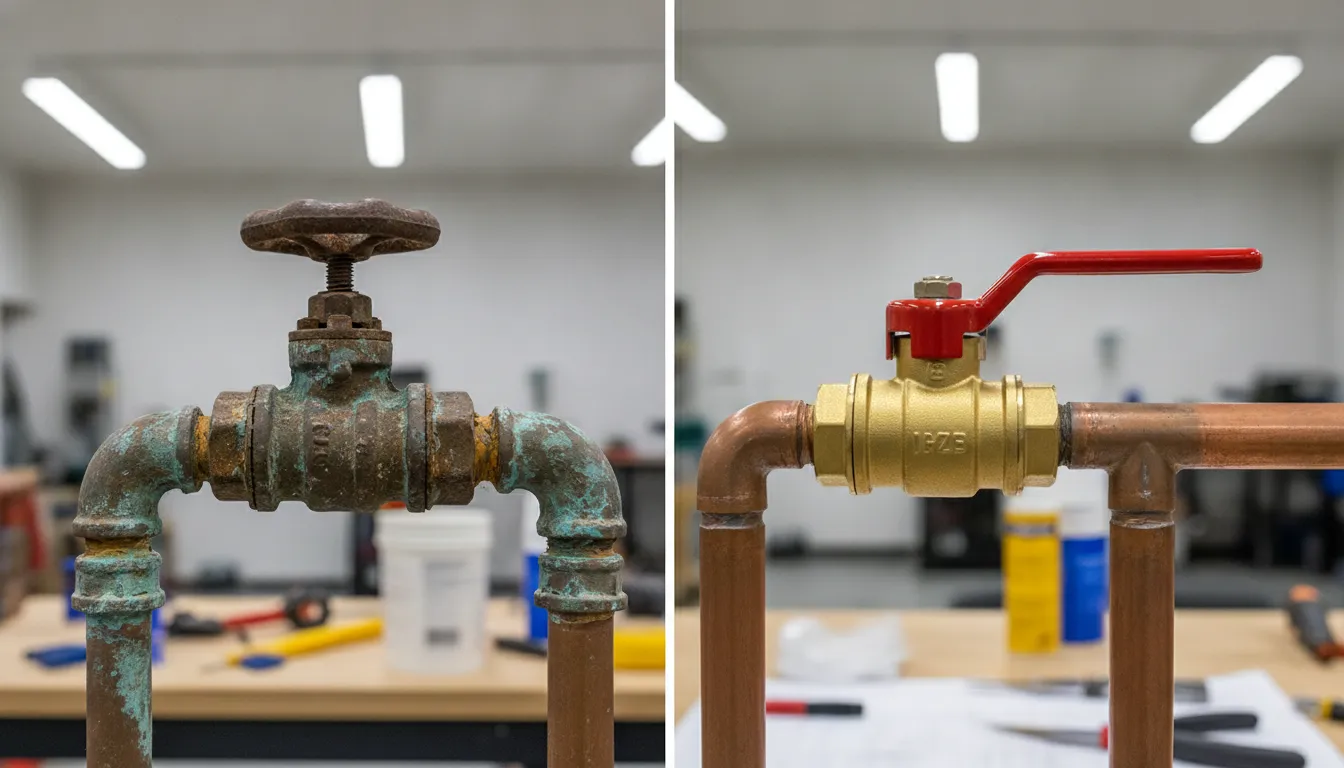
Why full port ball valves win
A ball valve uses a small metal ball with a hole in the middle. When you turn the handle 90 degrees, the hole lines up with the pipe. This lets water move through with no blocks. Many codes now say you should use a full port design for the main line. A full port valve has the same inside size as the pipe. This keeps your water pressure high. Ball valves are very tough. They rarely leak and they last for many years. Because they only turn 90 degrees, you can see if they are open or closed just by looking at the handle.
Comparing your valve choices
Each valve works in a unique way. Gate valves use a flat metal plate that moves up and down. You turn a wheel handle many times to move the plate. Over time, these plates can get stuck. They might not close all the way when you need them to. This is a common issue with older gate valves. Globe valves are good for changing how much water flows. But they often slow down the water too much for a main line. For the best results, most plumbers suggest a high-quality ball valve for your main supply.
| Valve Type | How it works | Water Flow | Ease of Use |
|---|---|---|---|
| Ball Valve | 90-degree turn | Full flow | Very Easy |
| Gate Valve | Wheel handle | High flow | Harder |
| Globe Valve | Wheel handle | Lower flow | Medium |
Signs you need a new valve
You should check your main valve once a year. Look for rust or green spots on the metal. These spots mean the valve might be leaking. Try to turn the handle just a little bit. If it will not move, do not force it. You might break the stem and cause a big leak. In those cases, you need a pro to help. Mr. Pipey Plumbing can look at your valve and see if it needs a swap. We help homes across Metro Detroit keep their water lines safe. We offer 24/7 service so you are never left with a broken main line.
Cost of a new main valve
Swap out an old valve to keep your home safe. On average, a main water line valve replacement stops leaks and breaks. You might pay between $375 and $600 for a new one. This price includes the parts and the plumbing work. High-quality parts like stainless steel can cost more. But they often save you money on later fixes. A new valve gives you peace of mind during a plumbing emergency. It is a small price to pay to protect your whole house from water damage.
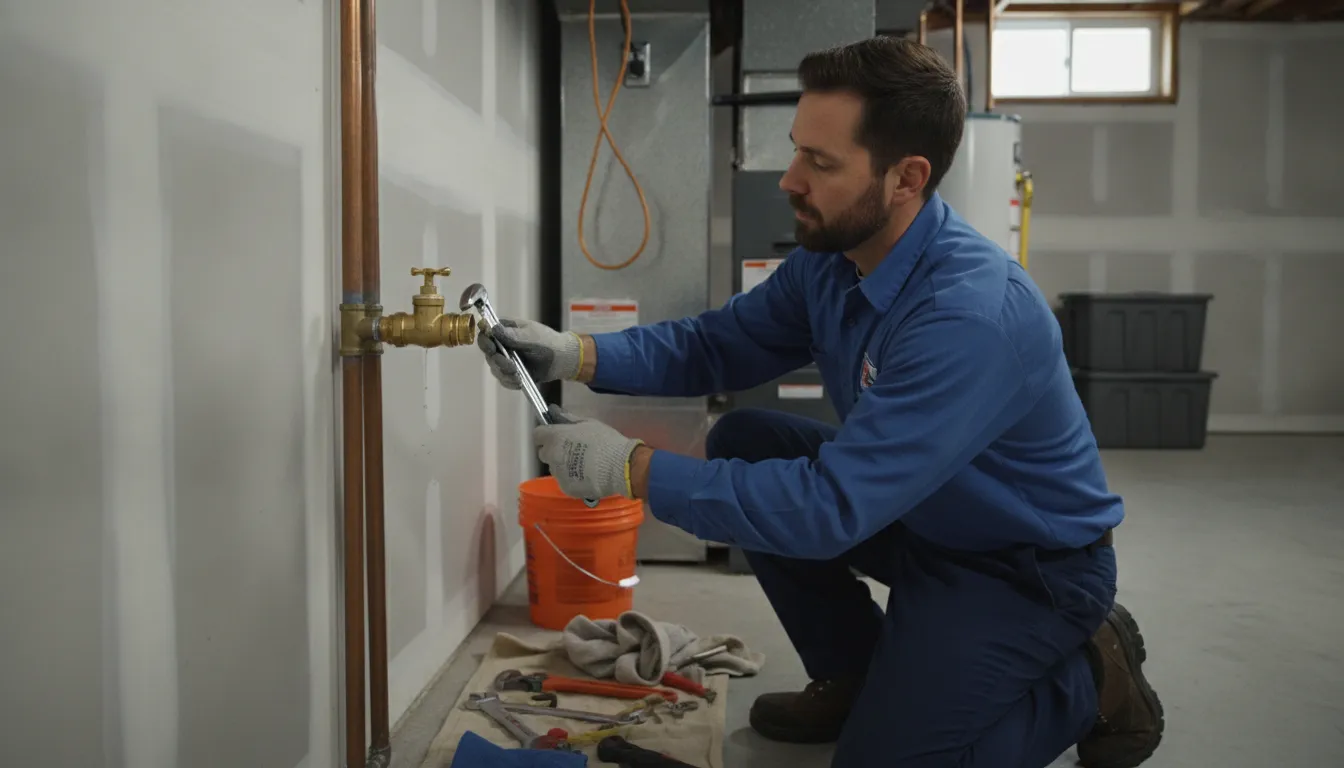
What affects main water valve replacement cost?
Replacing a main water valve is a key task for home maintenance. The total price you pay can change based on several factors. Most homeowners see costs between $375 and $600 for a standard job. But some projects may reach $800 if they need more work or special parts. Knowing what goes into the bill helps you plan for your main water line valve replacement.
Choice of valve and size
The type of valve you pick is one of the first things that sets the price. Two common types are ball valves and gate valves. Ball valves use a small ball with a hole to stop water flow when you turn it 90 degrees. These often cost between $10 and $20. Gate valves use a metal disc that slides up and down. These often cost between $10 and $50. Many codes now require a full port design for the main valve. This design ensures the valve has the same inside diameter as the pipe to keep water flow strong.
Size also matters. Most homes need a minimum valve size of 3/4 inch to meet local building codes. If your home has many sinks and showers, you might need a larger valve. Larger valves and those made of stainless steel will cost more than standard brass parts. Choosing the right size ensures your home gets enough water pressure for all your fixtures.
Labor and site conditions
Labor is a big part of the total bill. Plumbers charge for their time and skills. If the valve is easy to reach in a basement or crawl space, the work goes fast. But if the valve is buried or behind a wall, the price goes up. Some jobs might even need trenching to reach the pipe. Trenching adds a lot to the cost because it takes more time and tools. A house shut-off valve guide that is in a hard spot will always cost more to fix.
The state of your pipes also plays a role. If your pipes are old or rusty, the plumber might need to replace more than just the valve. New fittings or sections of pipe can add to the bill. It is best to have a pro look at your system first. They can give you a clear price after they see what needs to be done. You can find more tips in our steps for closing the main supply guide.
Permits and city rules
Working on a main water line often needs a permit from the city. Permit fees vary by where you live. Some cities also want to check the work after it is done. This ensures everything follows safety rules. In some cases, you must work with the city to turn off the water at the street. This step is vital for a safe main water line valve replacement. City rules help keep the water system safe for everyone.
It is key to know that replacing a valve is different from a full service line update. Programs like the EPA water main programs show how cities replace whole lines to stop leaks. A valve job is much smaller and focuses on your home’s shut-off point. Always check if you need a permit before you start any work on your main line. Local rules ensure your plumbing stays up to code and works well for years.
Can you replace a main water valve yourself?
Most handy folks can fix a leaky sink or swap a showerhead. But a main water line valve swap is a much larger task. This valve is the main gate for all water in your home. If it fails while you work, you could face a flood that you cannot stop.
You must think about the risks and the tools you need before you start this job. Working on a main line is not like fixing a faucet. One mistake can lead to thousands of dollars in water damage. It is vital to know your limits before you pick up a wrench.
Risks of working on live water lines
The biggest risk is that the main valve cannot shut itself off. To fix it, you must stop the water flow before the valve. This mostly means you need to turn off the water at the street or curb. In many parts of Metro Detroit, only the city or an expert can touch the curb stop.
If you try to do it yourself and break the city valve, you could face big fines and repair costs. Old pipes also pose a threat. As pipes age, they become weak and easy to break. A small turn of a wrench could snap a pipe that has been in place for many years.
Codes often require a main shut-off location tips to be a full port design to keep water flow strong. If you use the wrong part or stress old metal, you may end up with a burst pipe in your basement. This type of break can flood a room in minutes.
Tools and skills you will need
A solid water valve service needs more than just a pair of pliers. You will need pipe wrenches, a torch for heat, or special press tools. You also need to know how to drain your home’s whole pipe system. Any water left in the lines will make it hard to get a good seal on new joints.
If the seal is not perfect, it will leak as soon as you turn the water back on. You should also check where your valve sits. If it is in a tight crawl space or behind a wall, the job gets much harder. You can use a guide to help find the right spot to start a main water shut-off instructions.
But if the pipes look rusty or thin, it is best to stop. Owners often find that a small leak turns into a major pipe break once they start to pull things apart. It is better to find these issues before the water is off and the valve is gone.
When to call an expert plumber
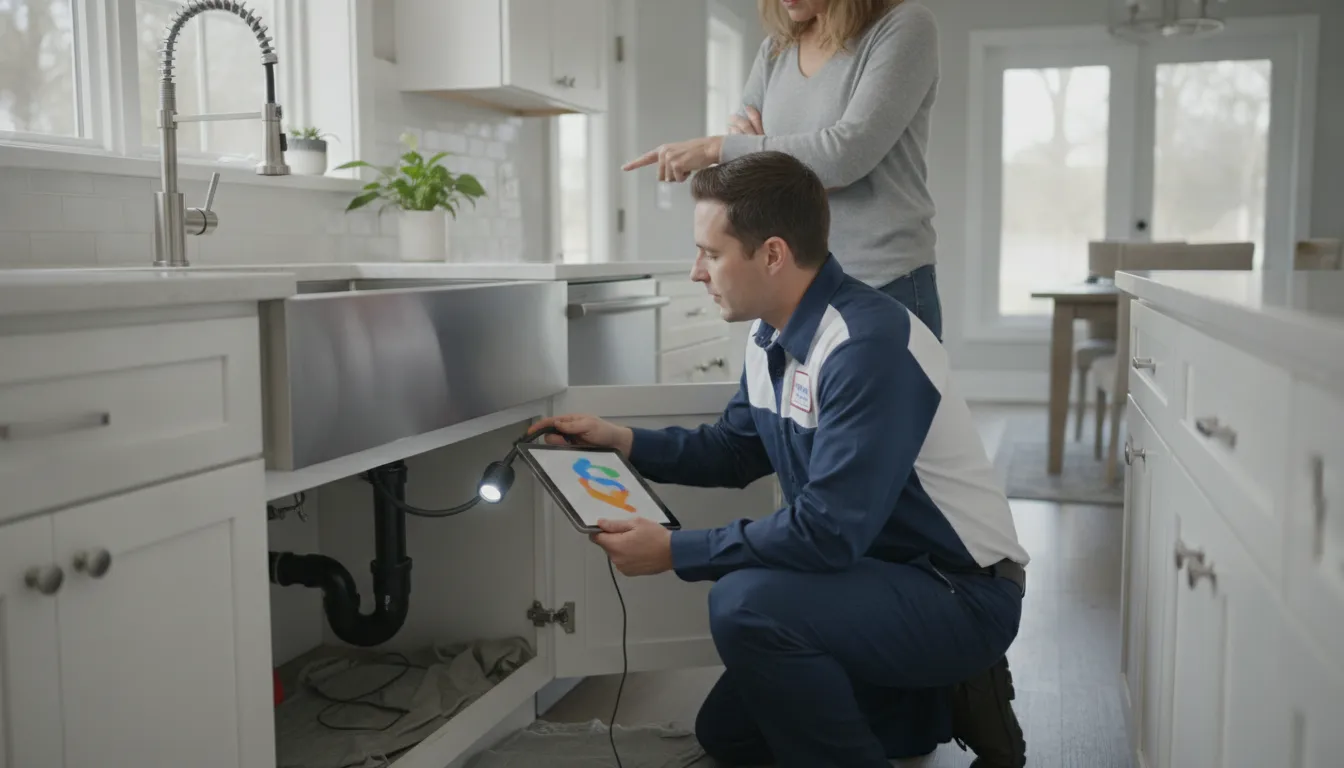
You should call a pro if you are not sure about your skills or the city rules. Mr. Pipey Plumbing can handle these jobs with no extra fees, even on weekends. Our team has the right tools to freeze pipes or work with the city to shut off the water safely. This keeps your home dry and makes sure your new valve meets all local plumbing codes.
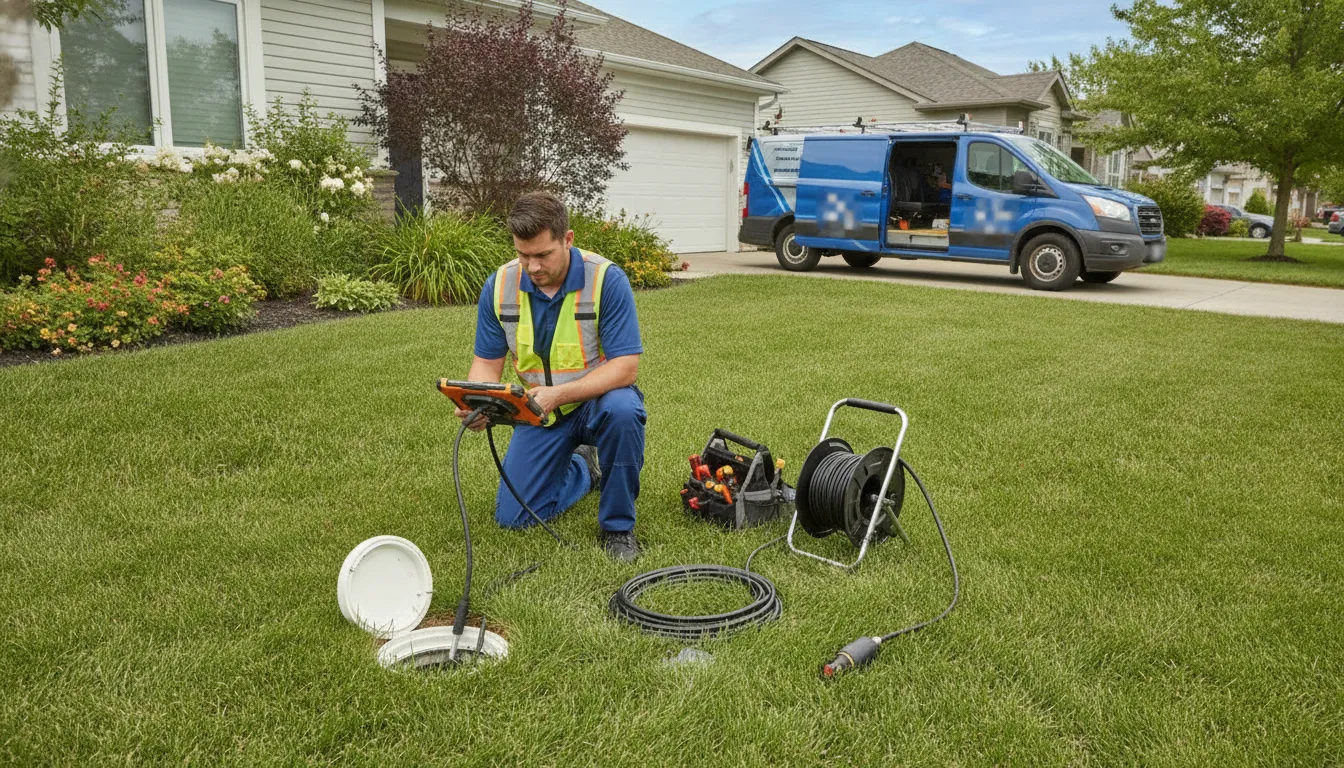
Saving a few dollars on a DIY job is not worth the risk of a flooded basement. A pro can also check the rest of your main line. Sometimes a bad valve is a sign of a bigger problem with your service line. We use tools like video cameras to see inside your pipes.
This helps find cracks or clogs before they cause a break. Getting an expert to help gives you peace of mind that your home’s water supply is safe and strong for years to come. You can rest easy knowing your house is protected by quality work.
How to protect your new main shutoff valve
Clear access and bright labels
Once your main water line valve replacement is done, you must make sure you can find it fast. Many Metro Detroit basements are full of boxes and old gear. You should keep at least three feet of open space around the valve at all times. If you have a flood or a burst pipe, you do not want to move heavy bins just to reach the handle.
Use a bright tag to label the valve. A red or yellow plastic tag works best. This helps you spot the valve in a dark room or behind a furnace. Plumbing codes state that you must have an easy-to-reach isolation valve to stop the water in a crisis. If your valve is hidden, it fails to meet this safety rule.
Safety training for the family
A new valve only helps if someone can turn it. You should show every person in your home how to use it. Do not wait for a leak to start before you show them what to do. Walk them to the basement and show them the exact spot. If you use a ball valve, tell them that a quarter turn stops the flow.
You also need to know who controls the curb stop. This is the valve near the street that connects your home to the city main. If your main house valve fails, you may need to call the city to shut the water off there. You can read our main water line valve guide to learn more about where these lines meet.
Routine testing and checks
Parts that do not move can get stuck over time. This is a common problem in Michigan where damp basement air can lead to rust. You should turn your valve all the way off and then back on once or twice a year. This keeps the inner parts smooth and ready for use. If you have a ball valve, it uses a small ball with a hole to control the water flow. Turning it keeps the seals from drying out.
Watch for any signs of moisture or green crust on the pipe. These are clues that you might have a small leak. If you see water on the floor, check the area for drips. Main water line valve replacement is a big job, so you want the new part to last a long time. Keeping the area dry and testing the handle will keep your home safe from water damage.
Frequently Asked Questions
Is it legal for homeowners to replace their own main water valve?
Many cities in Metro Detroit let homeowners do their own plumbing, but you often need a permit for a main valve job. This task is hard because it affects the city water supply. If you do not follow the local rules, you could face fines or have issues with your home insurance. It is always wise to call your local building office to ask about the rules in your town before you start the work.
What tools are needed for main water line valve replacement?
You will need two large pipe wrenches to hold the pipe and turn the valve. If your home has copper pipes, you will also need a torch, solder, and flux to make a new joint. Other key tools include a pipe cutter and a tool to clean the pipe ends. Using the right tools ensures your new valve meets local code and stays leak-free for a long time.
How can I tell if my main water shut-off valve is a ball valve or a gate valve?
You can tell by looking at the handle. A gate valve has a round wheel handle that you must turn several times. A ball valve has a long lever handle that only needs a quarter-turn. According to the Building Maintenance guide, many codes now require a full port design for the main valve. This design ensures that the valve does not slow down the flow of water into your home.
Can I replace a main water valve without turning off the water at the street?
No, you must shut off the water at the curb before you start. The water in the main line is under high pressure. If you remove the valve while the water is on, it will flood your home in seconds and could cause injury. You must call your local water office to turn off the curb valve with a special key. This step keeps you safe while you work on your home’s main shut-off point.
Ready to request main water line valve replacement service?
A stuck or leaky main water valve puts your Metro Detroit home at risk for major water damage and mold growth because you cannot stop the flow of water if a pipe leaks or bursts. You should not wait for a flood to find out your shut-off valve is broken when a simple check from our local pros can save you from a very costly and stressful home repair. Setting up a pro visit now for our water valves service ensures you can shut off your water fast to keep your house dry and safe while also saving money with our flat rates and no overtime fees.
Ready to request main water line valve replacement service? Call +1 (313) 896-8874 to request main water line valve replacement service.