

You probably know about the small shut-off valves under your sinks, but what about the master switch for your entire home? That’s the main water shut-off valve, and it’s usually hiding in plain sight at the street. Tucked under a small metal lid near the curb, this valve is your ultimate defense against a major plumbing disaster. Knowing how to find and use it is like having a secret key to protect your property. In this guide, I’ll show you exactly where to look, what tools you’ll need, and how to operate it safely, so you’re ready for anything.
Key Takeaways
- Find Your Valve Before You Need It: The most important step is locating your main water shut-off valve before an emergency happens. Look for the round metal lid labeled “WATER” near your curb or sidewalk to ensure you can act quickly to prevent serious damage.
- Use the Right Tool, Not Brute Force: A T-shaped water meter key is the only tool you should use to turn the valve. If it doesn’t turn with reasonable pressure, stop immediately. Forcing a stuck valve can break it, so your next step should be calling a professional.
- Know When to Use It and Keep It Ready: Your street valve is for major emergencies like burst pipes, not for fixing a leaky faucet. Keep it in working order by testing it once a year and making sure the area around it is always clear and accessible.
What Is Your Main Water Shut-Off Valve?
Think of your main water shut-off valve as the master control for all the water flowing into your home. It’s a single valve that can stop the supply to every faucet, toilet, and appliance. Knowing where this valve is and how to use it is one of the most important pieces of information for any homeowner. When a pipe bursts or a fixture fails spectacularly, this valve is your first line of defense against serious water damage. It’s the tool that gives you the power to turn a potential catastrophe into a manageable problem while you wait for professional help.
Why You Need to Know Where Your Valve Is
Knowing where your main water shut-off is located is just as critical as knowing where your electrical breaker box is. When you have a major leak, every second counts. Water can cause thousands of dollars in damage to floors, walls, and foundations in just a few minutes. Being able to quickly shut off the water can prevent a minor issue from becoming a full-blown emergency plumbing disaster. Don’t wait until you’re standing in an inch of water to start searching for it. Taking a few minutes to locate your valve now will give you peace of mind and save you from panic and costly repairs down the road.
Street Valve vs. Indoor Valve: Which is Which?
The water main shut-off valve at the street is usually called a curb stop. It sits underground near the property line, often inside a meter box marked WATER. Use your indoor main valve first; because the curb stop may belong to the utility, contact the utility or a licensed plumber before operating it unless an active leak makes immediate shutoff necessary.
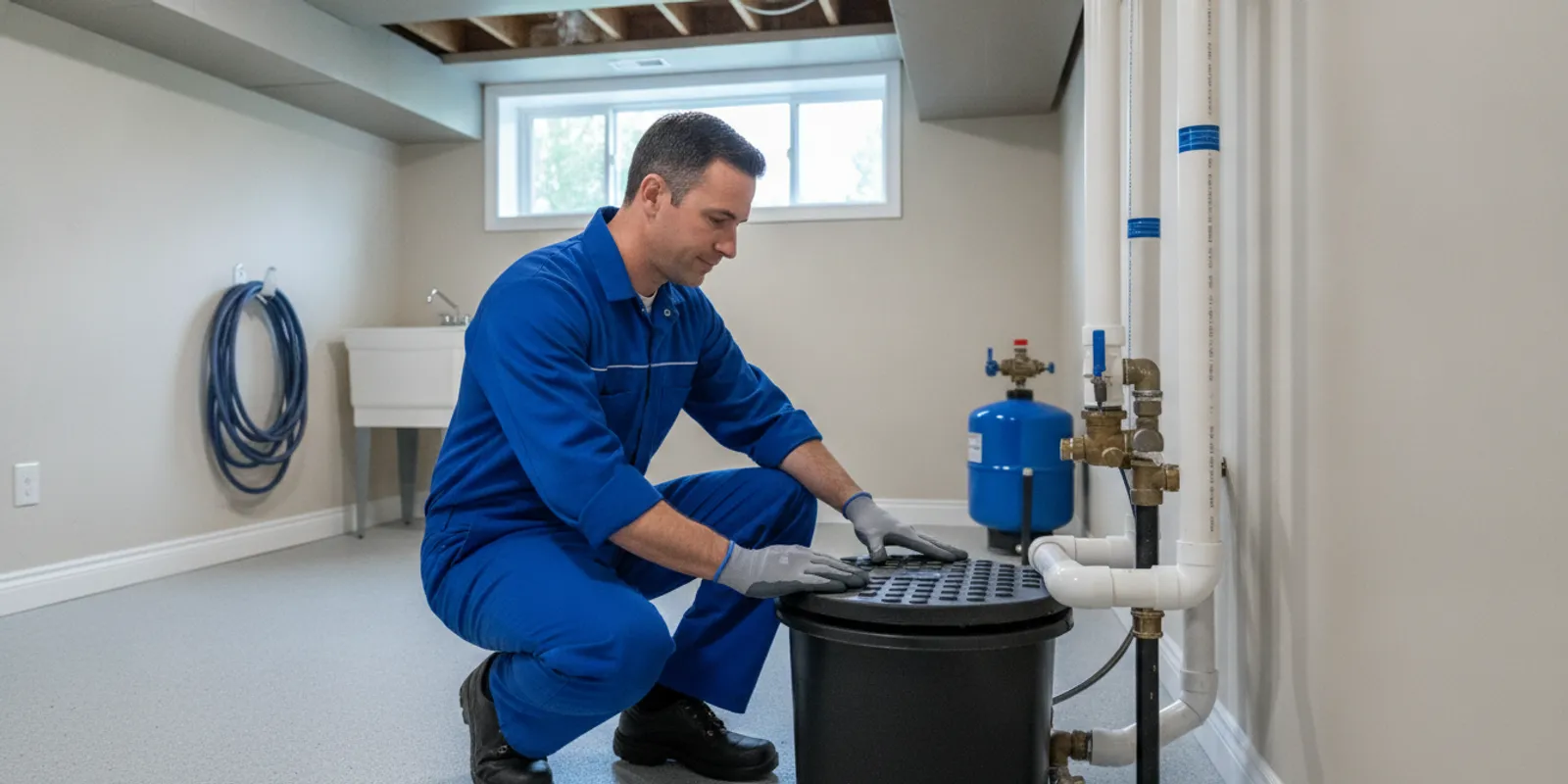
Most homes have two main shut-off valves: one inside the house and one at the street. The indoor valve is your primary shut-off. You’ll typically find it in the basement, crawl space, or a utility closet, usually on a wall closest to the street. This is the valve you should use for planned plumbing repairs or when you go on vacation. The street valve, often called a “curb stop,” is located underground near your property line inside a small box with a lid marked “WATER.” While you can use it in an emergency if your indoor valve fails, this valve is generally considered the property of the utility company.
### Common Types of Indoor Shut-Off Valves
When you find your indoor shut-off valve, you’ll notice it has a specific type of handle. Most homes use one of two main styles: a gate valve or a ball valve. They both do the same job—stopping the flow of water—but they work differently and have distinct advantages. Knowing which one you have can help you understand how to operate it correctly, especially in a hurry. The round, wheel-like handle of a gate valve requires several turns to close, while the lever handle of a ball valve needs just a quick quarter-turn. This simple difference in design affects their reliability and ease of use over time.
Gate Valves
Gate valves are very common in older homes and are easily identified by their round handle that looks like a small steering wheel. To shut off the water, you turn this handle multiple times, which lowers a solid gate inside the valve to block the flow. Because they create a very tight seal, they are excellent for pipes where the water needs to be shut off for long periods. However, they are designed to be either fully open or fully closed, not for adjusting water pressure. The main drawback is that they can become stuck or difficult to turn if they aren’t used regularly, as mineral deposits can build up on the internal parts. If your valve won’t budge, it’s best not to force it and risk breaking it; that’s a perfect time to call for professional plumbing help.
Ball Valves
Ball valves are the more modern and often preferred option for main shut-offs. You can spot them by their lever-style handle. They work with a simple quarter-turn of the lever, which rotates a hollow ball inside to either allow water to pass through or block it completely. This quick and easy operation makes them incredibly reliable, especially in an emergency. When the handle is parallel to the pipe, the water is on; when it’s perpendicular, the water is off. Ball valves are less likely to get stuck or leak over time because their internal parts have less contact with water, providing a reliable seal with minimal wear and tear. Their durability and straightforward design are why they are now the standard in new construction.
How to Find Your Main Water Shut-Off Valve
Knowing where your main water shut-off valve is located is one of the most empowering pieces of information you can have as a homeowner. When a pipe bursts or a fixture fails spectacularly, being able to stop the flow of water immediately can save you from catastrophic damage and costly repairs. While there’s usually a shut-off valve inside your home (often in the basement or a utility closet), the main valve at the street is the one that cuts off the water supply to your entire property. Let’s walk through how to find it, step by step.
First, Check the Curb and Property Line
Your search for the main water shut-off valve begins at the edge of your property, right by the street or sidewalk. You’re looking for what’s called a “curb box.” This is a vertical pipe that houses the valve underground, protecting it from the elements. It’s usually located in the strip of grass between the sidewalk and the street, or sometimes right in the sidewalk itself. Think about the most direct line from the street to your house—the valve is likely somewhere along that path. Finding this spot is the first step to taking control during a plumbing emergency.
Spotting Clues: Markings and Meter Lids
To pinpoint the curb box, scan the ground for a round, cast iron lid, typically about four to six inches in diameter. This lid is your target. In most cases, it will have the word “WATER” stamped directly on it, leaving no doubt about what’s underneath. Sometimes it might be labeled with the name of your local water authority. This metal cover protects the valve from dirt and debris and provides access for utility workers—and for you, in an emergency. If you see a rectangular lid for a water meter, the shut-off valve is often located in the same box or very close by.
Next, Look Inside Your Home
While the street valve is your ultimate backup, your primary shut-off valve is almost always located inside your home. This is the one you’ll use for most situations, from making a simple repair to shutting off the water before you leave for vacation. Finding it is usually straightforward once you know the logic. The valve will be located where the main water supply pipe enters your house, which is typically on the side of your home that faces the street. Taking a few minutes to locate this indoor valve is a simple step that puts you in control of your home’s plumbing system.
Common Indoor Locations
For most homes in the Metro Detroit area, especially those with basements, your search should start there. Head downstairs and scan the walls, particularly the one closest to the street. You’re looking for a large pipe coming through the foundation, often near your water meter. The shut-off valve will be right there on that pipe. If you don’t have a basement, check your utility room, a mechanical closet near the water heater, or even the laundry room. In any emergency plumbing situation, this indoor valve is your go-to for stopping water flow quickly and safely.
Tips for Homes on a Slab Foundation
If your home is built on a slab foundation without a basement or crawl space, the main shut-off valve will be on the ground floor. The most common spots are in a utility closet, the garage, or near the water heater. In some cases, it might even be tucked away under the kitchen sink. The key is to follow the same principle: find where the main water line enters your home. Since these pipes are often run through exterior walls, it’s also a good idea to ensure you have proper pipe insulation to protect them from our Michigan winters.
What If You Have a Private Well?
If your water comes from a private well instead of a municipal supply, your setup will be a bit different. You won’t have a meter or a valve at the street. Instead, your main shut-off valve will be located near the pressure tank for your well system. This tank is usually found in the basement, a utility room, or a dedicated well house. Look for a valve on the pipe that runs from the pressure tank to the rest of your house. Shutting this valve will stop water from being distributed from the tank, giving you control over your home’s water supply.
Can’t Find Your Valve? Try These Tips
Sometimes, finding this valve feels like a treasure hunt. If you don’t spot the metal lid right away, don’t worry. Over time, it can get covered by grass, mulch, or dirt. You can gently probe the ground in the likely area with a screwdriver to feel for it. You might also find the valve housed in a small cement or plastic box set into the ground. Once you find it, be very careful. The valve should turn with a special key, but if it’s stuck, don’t ever force it. Applying too much pressure can break the valve, leading to a much bigger problem. If it won’t budge, it’s time to call a professional for help.
Check Your Home Inspection Report
If you’re still struggling to find the valve, there’s a valuable resource you might have overlooked: your home inspection report. When you purchased your home, the inspector likely documented the location of the main water shut-off. Pull out that report and look for the plumbing section—you might find a clear description or even a photo pinpointing its exact spot. Think of this document as your home’s instruction manual; it can save you from a frantic search when every second counts. If the report doesn’t help or you find a valve that won’t turn, don’t risk breaking it. That’s the perfect time to call a professional to handle any potential plumbing emergencies and make sure your valve is ready when you need it most.
The Right Tools to Turn Your Water Valve
Okay, you’ve found the valve. Now what? Before you try to turn anything, let’s make sure you have the right equipment. Using the wrong tool can turn a simple task into a costly repair, and nobody wants that. Having the correct gear on hand not only makes the job easier but also protects your home’s plumbing system from accidental damage. Let’s walk through what you’ll need, what you can use in a pinch, and how to stay safe.
Your Must-Have Tool: The Water Meter Key
The single most important tool for this job is a water meter key. It’s a long, T-shaped metal rod specifically designed to reach down into the meter box and turn the shut-off valve. You can find one at most hardware or home improvement stores, and they’re a great, inexpensive investment for any homeowner. This key gives you the leverage you need to open the meter box lid and operate the valve without straining or slipping. Think of it as having the perfect key for a very important lock—it just makes everything work smoothly and safely.
What to Use in an Emergency (and What to Avoid)
If you’re facing an emergency plumbing situation and don’t have a water meter key, you might be tempted to improvise. Some people have successfully used a pair of large crescent wrenches or sturdy pliers to get the job done. However, I want you to approach this with a huge dose of caution. These tools aren’t designed for this specific task and can easily slip, stripping the valve nut or causing other damage. This method should only be a last resort when you absolutely must shut the water off immediately. If you have even a moment to spare, calling a professional is always the safer bet.
Safety First: Gear Up Before You Start
First things first, protect yourself. A sturdy pair of work gloves is a great idea to protect your hands from sharp edges or surprise critters in the meter box. More importantly, you need to protect your plumbing. The golden rule here is: never force the valve. It should turn with relative ease using the proper key. If it’s stuck, there’s a reason. Trying to force it with other tools can break the valve, leading to a much bigger problem and potentially hefty fines from your utility provider. If you feel any serious resistance, stop what you’re doing and give us a call.
How to Safely Turn Your Water Off (and On Again)
Knowing how to shut off your home’s main water supply is one of the most powerful skills you can have as a homeowner. It’s your first line of defense in a plumbing emergency, turning a potential catastrophe into a manageable problem. While it might seem like a job reserved for the pros, it’s a straightforward process once you know the steps. Whether you’re facing a burst pipe or planning a major renovation, being able to confidently control the water flow to your property gives you peace of mind. Let’s walk through exactly how to turn your water off at the street and, just as importantly, how to turn it back on safely.
Your Step-by-Step Guide to Shutting Off the Water
When you need to shut off the water, stay calm and follow these steps. First, locate the curb box near the street—it’s a round metal lid, often labeled “WATER.” You’ll need a T-shaped water meter key to open it. Once the lid is off, look inside for the valve, which will be a small lever or wheel. Be careful not to disturb the meter itself. To shut the water off, turn the valve handle clockwise about a quarter to a half turn until it stops. An arrow on the valve will point horizontally (parallel to the street) when the water is off. This single action can prevent serious water damage during an emergency plumbing situation.
How to Confirm the Water Is Off
You’ve turned the valve, but don’t just assume the water has stopped. It’s always a good idea to double-check. The easiest way to do this is to go inside your house and turn on a cold water faucet, like the one in your kitchen or bathroom sink. You might see a small trickle of water at first as the pipes drain, but it should stop completely within a few seconds. If water continues to flow at full pressure, the valve isn’t fully closed or might be broken. In that case, don’t try to force it. A faulty shut-off valve is a serious issue that requires professional attention, so it’s best to call for emergency plumbing help right away to prevent further damage.
Turning Your Water Back On Safely
Turning your water back on is essentially the reverse process, but it’s important to do it carefully. Turn the valve handle counter-clockwise until it stops completely. The arrow on the valve should now point directly toward your house, indicating the water is flowing again. It’s a good idea to turn the valve slowly and gently. Opening it too quickly can cause a “water hammer”—a surge of pressure that can damage your pipes and appliances. Once the valve is fully open, head inside to the next step. If you’ve had significant work done, it’s always a good idea to have a professional check your system to ensure all your plumbing services were completed correctly.
Release Trapped Air First
After you’ve turned the main valve back on, there’s one final, important step. Your pipes are now holding pockets of air that were introduced while the water was off. This is what causes faucets to sputter and spit when you first use them. While it might seem like a minor nuisance, that trapped air can lead to a loud banging sound known as a “water hammer,” which is a pressure surge that can put unnecessary stress on your pipes and joints. Taking a few moments to properly release this trapped air is a simple but crucial step to protect your plumbing system.
The process is simple. Start at the highest point in your home, which is usually a bathroom on an upper floor. Open the hot and cold taps on the sink all the way and let the water run until you get a smooth, steady stream with no more sputtering. You can also turn on the shower. Once that faucet is clear, move to the next highest one and repeat the process, working your way down through your home floor by floor. Don’t forget to flush all the toilets as well. If the sputtering doesn’t stop or you continue to hear banging noises, it could indicate a more complex issue, and it’s time to call a professional for help.
Don’t Skip This Step: Drain Your Pipes
You’re not quite done yet. After you restore the main water supply, air gets trapped in the pipes. To get it out, you need to run your faucets for a few minutes. Start with a faucet that doesn’t have an aerator, like a bathtub spout, as this will let the air escape without causing a blockage. Let it run until the water flows smoothly without any sputtering or hissing. Then, go around and do the same for your sinks and showers. This simple step prevents annoying noises and ensures your water pressure returns to normal. If the water still seems off after a while, don’t hesitate to contact us for help.
Is Your Water Shut-Off Valve Stuck? Here’s What to Do
You’ve located the valve, you have the right tool, but when you go to turn it, nothing happens. A stuck water main valve is a frustrating and stressful problem, especially during an emergency. Your first instinct might be to apply more force, but that’s the last thing you should do. Forcing a stuck valve can cause serious damage, turning a manageable issue into a major headache. Here’s how to handle the situation safely and effectively.
Why Is My Valve Stuck?
Over time, water main valves can become difficult to turn for a few common reasons. Rust and corrosion are the primary culprits, especially with older cast-iron valves that have been exposed to moisture for years. Mineral deposits and sediment from the water supply can also build up inside the valve, effectively seizing it in place. Whatever the cause, it’s critical that you don’t try to force it with a wrench or another tool for leverage. This can easily snap the valve stem, breaking it in the open position and leaving you with an even bigger problem—and potentially a hefty fine from your local water authority.
Still Stuck? Here’s When to Call Mr. Pipey
If the valve doesn’t turn with a reasonable amount of pressure from your water meter key, it’s time to put the tool down and call a professional. This is not a DIY fix. Our team at Mr. Pipey has the proper equipment and experience to safely address a seized valve without causing further damage. Trying to tackle it yourself can quickly turn a simple repair into a costly replacement. When you’re dealing with a plumbing crisis and the main valve won’t cooperate, getting expert help is the fastest way to get your water shut off. We handle these kinds of emergency plumbing situations all the time and can get things under control quickly and safely.
Who’s Responsible for a Broken Valve?
It’s also important to know who is responsible for the valve. In most cases, the water shut-off valve located at the street or curb is the property of the municipal water utility, not the homeowner. This means that if the valve is broken or inoperable, they are typically responsible for repairing or replacing it at no cost to you. Before you call a plumber, it can be a good idea to contact your local water department first to see if the repair falls under their jurisdiction. This simple phone call could save you from paying for a repair that isn’t your responsibility.
When Should You Use the Street Shut-Off Valve?
Knowing how to use the street shut-off valve is one thing, but knowing when is just as important. Think of it as your home’s emergency brake—it’s a powerful tool meant for specific, serious situations, not for everyday stops. Using it incorrectly can sometimes cause more problems than it solves. Most of the time, your indoor shut-off valve is all you’ll need for minor leaks or fixture replacements. But for those rare, high-stakes moments when water is causing major problems, the street valve is your best friend. Let’s walk through the exact scenarios where turning to the curb is the right call.
In Case of Emergency: Major Leaks and Bursts
The most critical time to use the street shut-off valve is during a major plumbing emergency. We’re talking about a burst pipe that’s flooding your basement or a leak in the main water line running between the street and your house. In these situations, every second counts, and shutting off the water at the source is the fastest way to prevent catastrophic damage. If your indoor main shut-off valve is broken, stuck, or inaccessible, the street valve becomes your primary line of defense. When water is gushing uncontrollably, don’t hesitate. If you’re facing a crisis like this, our emergency plumbing team is ready to help 24/7 once the water is safely off.
If water is still flowing, the valve is stuck, or you cannot safely reach the shutoff, contact Mr. Pipey for 24/7 emergency plumbing help in Metro Detroit.
Planning a Renovation or Major Repair
Planning a big home improvement project that involves your plumbing system? This is another appropriate time to use the street shut-off valve. For major work like a full bathroom remodel, repiping your home, or replacing your main water line, you need to ensure no water can enter the system. While your indoor valve can handle smaller jobs, larger projects often require the certainty that the entire property’s water supply is cut off at the source. This ensures a safe working environment for you or your contractors. Before starting any significant plumbing work, shutting the water off at the street is a standard and wise precaution for a wide range of plumbing solutions.
Myths About Your Street Valve, Busted
It’s important to clear up a few common myths about the street valve. First, in most municipalities, the valve and the water meter technically belong to the water company, not you. Because of this, there are often local rules about who is allowed to operate it. Using it improperly or for non-emergency situations could potentially lead to fines or liability if the valve is damaged. The rules can vary depending on where you live, so it’s never a bad idea to understand your local water authority’s policies. When in doubt, it’s always best to call a professional. If you’re unsure whether your situation warrants using the street valve, feel free to contact us for advice.
Simple Maintenance for Your Water Shut-Off Valve
Your main water shut-off valve is one of those things you hope you never have to use, but when you need it, you need it to work perfectly. Like any other mechanical part of your home, it requires a little attention to stay in good working order. A valve that’s been ignored for years can seize up from rust or mineral deposits, leaving you helpless during a plumbing emergency. Taking a few simple, proactive steps can ensure your valve is ready to go when you need it most, saving you from potential water damage and costly repairs down the line. Think of it as simple home maintenance that offers major peace of mind.
Give Your Valve an Annual Check-Up
Set a calendar reminder to test your shut-off valve at least once a year. This simple task helps prevent the valve from getting stuck in one position. Over time, corrosion and mineral buildup can cause the valve to seize, but regular operation keeps the moving parts free. To test it, simply turn the valve clockwise to the “off” position, then turn it back counter-clockwise to restore the water flow. You don’t need to leave it off for long—just a quick turn is enough. If you notice it’s difficult to turn or feels stiff, don’t force it. That’s a sign it might need professional attention before it becomes a real problem during an emergency plumbing situation.
Keep the Area Around Your Valve Clear
In an emergency, the last thing you want to do is hunt for your shut-off valve under overgrown bushes or a pile of dirt. Make sure the area around your valve’s access box is always clear and easy to get to. Trim back any landscaping, clear away mulch or soil, and ensure the lid is visible. Here in Metro Detroit, it’s also a good idea to make sure you know exactly where it is before the snow falls. Quick access is critical when water is flooding your home. Keeping the path clear allows you or a professional plumber to shut the water off immediately, minimizing damage.
Tips to Prevent a Stuck or Broken Valve
When you operate your shut-off valve, always be gentle. It should turn easily with a water meter key. If the valve is stuck, resist the urge to grab a bigger wrench or try to force it. Applying too much pressure can break the valve stem or the pipe itself, turning a manageable issue into a major disaster. A stuck valve is a clear signal that it’s time to stop and call for help. A professional has the right tools and expertise to address the problem without causing further damage. If you run into any trouble, it’s always best to contact a trusted plumber to handle it safely.
Related Articles
- Plumbing Maintenance & Prevention
- DIY Garbage Disposal Repair: A Step-by-Step Guide
- How to Repair an Instant Water Heater: A DIY Guide
Frequently Asked Questions
What’s the difference between the shut-off valve inside my house and the one at the street? Think of it this way: the valve inside your home is for smaller, planned jobs, like replacing a toilet or fixing a leaky faucet. The shut-off valve at the street is the master switch. It cuts off all water to your property and is your go-to for major emergencies, like a burst pipe, or when your indoor valve isn’t working.
My valve is stuck and won’t turn. What should I do? Whatever you do, don’t try to force it. A stuck valve is usually a sign of corrosion or mineral buildup, and trying to muscle it with a wrench can easily snap the stem, leaving you with a much bigger problem. If it doesn’t turn with a reasonable amount of pressure from a water meter key, it’s time to stop and call a professional for help.
Can I use a regular wrench if I don’t have a special water meter key? While it might seem like a good idea in a pinch, using a crescent wrench or pliers is risky. These tools can easily slip and strip the valve’s operating nut, making it impossible to turn. A water meter key is designed to fit perfectly and give you the right leverage without causing damage. It’s a small investment that can save you a major headache.
Will I get in trouble for using the shut-off valve at the curb? In a true emergency, like a burst pipe that’s flooding your home, you should absolutely use the street valve to prevent property damage. While the valve is technically the property of the water utility, its use is understood in these situations. For non-emergency scenarios or planned projects, it’s always a good idea to know your local utility’s rules or simply call a plumber to handle it.
After I turn the water back on, why is it sputtering from my faucets? That sputtering is completely normal and is just air that got trapped in your pipes while the water was off. The easiest way to fix it is to open a faucet that doesn’t have a screen, like a bathtub spout, and let it run until the water flows in a smooth, steady stream. After that, you can go around and run your other faucets for a moment to clear them out, too.
Preparing Your Home and Family for a Water Emergency
Once you know where your main water shut-off valve is, the next step is to make sure that knowledge is put to good use. A little preparation can make all the difference when you’re facing a sudden leak. It’s about turning panic into a calm, controlled response. Taking a few minutes to create a plan and educate your household can save you thousands of dollars in water damage and give everyone in your home the confidence to act quickly. Think of it as a fire drill for your plumbing—a simple practice that prepares you for the real thing and ensures everyone is ready to handle the situation safely and effectively.
Teach Everyone in Your Household
Your main water shut-off valve shouldn’t be a secret known only to you. Take a few minutes to show everyone in your household—including responsible older children—where the valve is and how to turn it off. Knowing this is just as critical as knowing the location of the electrical breaker box. When a pipe bursts, water can cause immense damage to floors, walls, and your home’s foundation in just a few minutes. Turning this into a quick family lesson can prevent a minor issue from becoming a full-blown emergency plumbing disaster. Make sure everyone understands that this valve is for major leaks only, not for a dripping faucet.
Label Your Main Shut-Off Valve
In the stress of an emergency, it’s easy to forget things. Make it simple for yourself and your family by clearly labeling your main shut-off valve with a bright, waterproof tag. For the street valve, make sure the area around the access box is always clear and easy to get to. Trim back any landscaping, clear away mulch or soil, and ensure the lid is always visible. Quick access is critical when water is flooding your home. This small step ensures that no time is wasted searching, allowing you or a professional to shut the water off immediately and minimize the damage to your property.
A Note on Fire Sprinkler Systems
If your home is equipped with a fire sprinkler system, there’s one more crucial detail you need to know. These systems have their own separate shut-off valve. The main water shut-off valve for your house will *not* turn off the sprinklers. This is an intentional safety design to ensure that fire protection remains active even if your home’s water supply is turned off for other reasons. Locate this second valve—it’s often in a utility room or garage—and make sure your family knows its purpose. Understanding this distinction is vital for managing your home’s water systems correctly and safely during any situation.
Modern Solutions and Upgrades
While knowing how to operate your manual shut-off valve is a fundamental skill for any homeowner, technology offers some fantastic upgrades for even better protection and peace of mind. Modern plumbing solutions can make managing your water system easier, more accessible, and even automated. These upgrades are designed to either simplify the process of shutting off your water in an emergency or to stop a leak in its tracks before you even know it’s happening. Let’s look at a couple of smart investments that can take your home’s plumbing protection to the next level and provide an added layer of security.
Installing a More Accessible Valve
Is your main shut-off valve located in a hard-to-reach corner of a creepy crawl space or behind a bulky water heater? If so, you’re less likely to get to it quickly in an emergency. A simple and effective upgrade is to have a plumber install a secondary main shut-off valve in a more convenient location, like a utility closet or an accessible part of your basement. This doesn’t replace your primary valve but gives you a much easier option for quick shutdowns. This is a straightforward job for a professional and can make managing your plumbing solutions much less of a headache when time is of the essence.
Smart Water Valves and Leak Detectors
For the ultimate protection, consider installing a smart water valve. These devices connect to your main water line and can automatically shut off your home’s water supply. They work in tandem with small, wireless leak sensors that you place in leak-prone areas, such as under sinks, behind toilets, or near your water heater. If a sensor detects moisture, it instantly sends a signal to the main valve to close, stopping the water flow. Many systems also send an alert to your smartphone, so you’ll know there’s a problem no matter where you are. It’s a brilliant way to prevent catastrophic damage, especially when you’re away from home.