
A small leak can turn into a huge disaster—fast. Your best defense is the main water shut-off valve, but it only works if you know where to find it. For many homeowners, this critical control is a complete mystery, hidden away in a basement corner or utility closet. Finding it now, before an emergency, is one of the smartest things you can do for your home. It gives you the power to stop a plumbing disaster in its tracks. We’ll show you exactly how to find it, identify the type, and operate it safely.
Key Takeaways
- Locate and Identify Your Valve Now: Proactively find your main water shut-off valve in your basement, crawlspace, or utility closet before an emergency strikes. Take a moment to identify if it’s a wheel-style gate valve or a lever-style ball valve, as this determines how you’ll turn it off.
- Test Your Valve to Keep It Working: Prevent your valve from seizing due to mineral buildup or corrosion by turning it completely off and back on once or twice a year. This simple maintenance ensures it will operate smoothly when you need it most.
- Recognize When to Call for Help: A valve that is leaking, is extremely difficult to turn, or doesn’t fully stop the water flow is a clear sign it needs professional repair or replacement. Forcing a stuck handle can cause it to break, so it’s always safer to call a plumber.
What Is a Water Shut-Off Valve & Why You Must Find Yours
Imagine this: you hear a sudden gush of water from your laundry room. A hose has burst, and water is quickly pooling on the floor. In that moment of panic, knowing one simple thing can save you from a flooded home and thousands of dollars in damage: the location of your main water shut-off valve.
Think of this valve as the master switch for all the water flowing into your house. It’s a small but critical part of your plumbing system that can stop the water supply to your entire home with a quick turn. This is your absolute first line of defense in a plumbing crisis. Whether it’s a frozen pipe that’s burst during a Michigan winter or an overflowing toilet that won’t quit, shutting off the water immediately is the key to preventing a small problem from becoming a catastrophe.
That’s why finding this valve before you have a problem is one of the most important things you can do as a homeowner. You don’t want to be scrambling through your basement or utility closet while water is actively damaging your property. Once you locate it, take a moment to show everyone in your household where it is and how it works. A few minutes of preparation can make all the difference when you’re dealing with an unexpected emergency plumbing situation.
Why Every Home Has One (It’s the Law)
It might surprise you to learn that the main water shut-off valve in your home isn’t just a handy feature—it’s required by law. Building codes mandate its installation to give you a quick and effective way to stop all water flow during an emergency. This isn’t just bureaucratic red tape; it’s a critical safety measure designed to protect your property. When a pipe bursts or a toilet overflows, every second counts. Being able to shut off the water supply immediately can be the difference between a small cleanup and a major renovation project. Regulations, such as the International Plumbing Code, exist to prevent this kind of catastrophic damage, empowering you to take control in a crisis. Taking a few minutes to locate your valve is a fundamental part of responsible homeownership that protects you and your investment.
Where Is Your Main Water Shut-Off Valve? A Quick Guide
Knowing where your main water shut-off valve is located is one of the most important things you can learn about your home’s plumbing. In an emergency, like a burst pipe, being able to quickly turn off your water can save you from significant water damage and costly repairs. The problem is, these valves can be tucked away in some pretty sneaky spots. Don’t wait for an emergency to start your search. Let’s walk through the most common places to find it so you’re prepared for anything. Finding this valve is your first line of defense, and once you know where it is, you’ll have peace of mind. If you’ve checked all the usual spots and still come up empty, don’t hesitate to contact us for help.
Start Your Search Inside: Common Hiding Spots
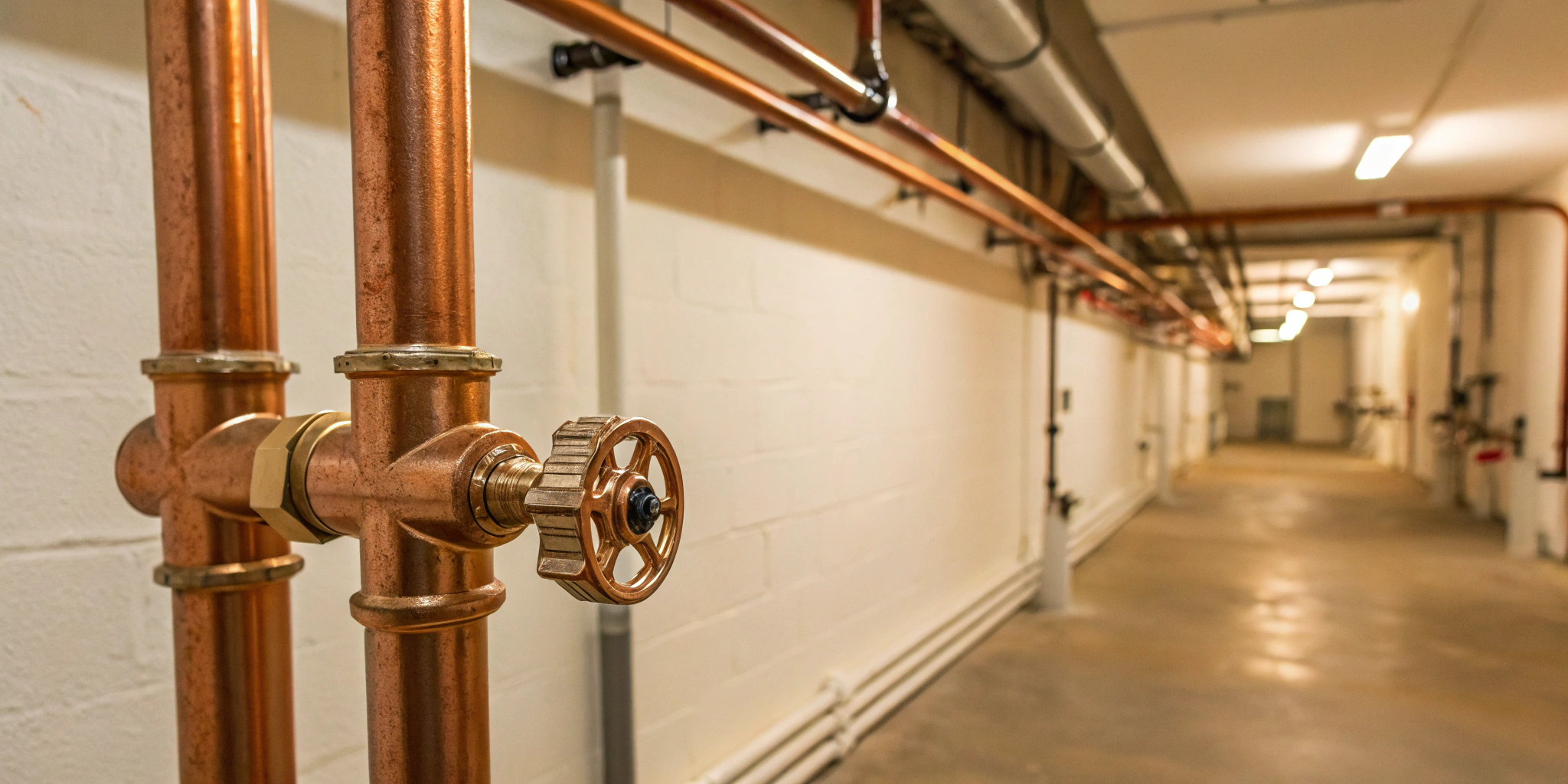
For most homes in Michigan, the main water shut-off valve is located indoors to protect it from freezing temperatures. Start your search where the main water line enters your house. This is typically in the basement or a crawlspace, usually on the wall that faces the street. Scan the wall for a copper or plastic pipe coming through the concrete foundation. On that pipe, you’ll find the valve, which will have either a round, wheel-like handle (a gate valve) or a straight, lever-style handle (a ball valve). Sometimes, it might be hidden behind an access panel, so check for any small square doors in the wall. If your home is built on a slab, your next best bet is the utility closet, often near your water heater.
Next, Check These Outdoor Locations
While less common in colder climates, some homes have their main shut-off valve located outside. If you’ve had no luck indoors, head outside and look for a water meter box. This is usually a concrete or plastic box set into the ground near the curb at the front of your property. The lid can be heavy, so lift with your knees. You might need a screwdriver to pry it open. Inside, you should see the water meter and one or two valves. The valve on the street side of the meter is the city’s responsibility, while the one on your house’s side is yours to use. Your garage is another potential spot, so be sure to check along the walls there as well.
Still Can’t Find It? Try These Pro Tips
The best time to find your water shut-off valve is right now, before you actually need it. Once you locate it, make sure everyone in your household knows where it is and how to turn it off. A great tip is to label it clearly with a bright-colored tag so it’s easy to spot in a panic. It’s also smart to test the valve once or twice a year. Gently turn it off and on again to prevent mineral buildup that can cause it to seize up. Taking these simple, proactive steps can make all the difference during a plumbing emergency.
Check Your Home Inspection Report
If you’ve searched the usual spots and are starting to feel like you’re on a scavenger hunt with no prize, don’t give up just yet. There’s one resource many homeowners forget they have: the home inspection report you received when you purchased your house. Dig that document out of your files and flip to the plumbing section. A thorough inspector will often note the location of the main water shut-off valve, sometimes even including a photo. This report is a detailed manual for your home’s systems, and it might just hold the clue you need to solve this mystery without any more searching.
Follow the Main Water Line
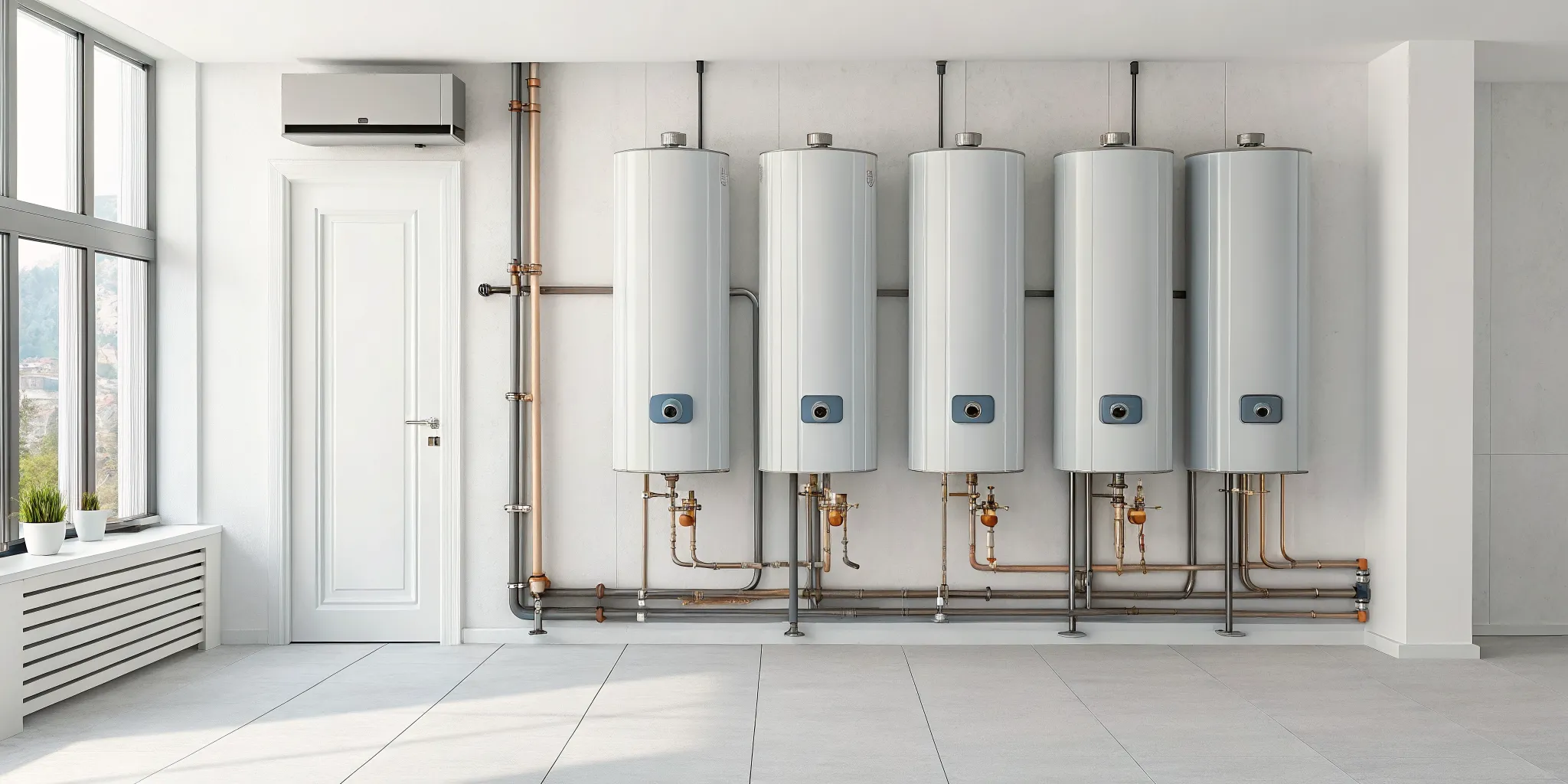
Your home’s main water line is your roadmap. To find the valve, you just need to follow the right path. Start by heading to the side of your house that faces the street, as this is where the water supply typically enters your property. In your basement or crawlspace, look for a large pipe, usually made of copper or plastic, coming through the foundation wall. The main shut-off valve will be located on this pipe, very close to where it enters. Another great trick is to find your water heater and trace the cold water inlet pipe backward. This pipe will eventually lead you directly to the main line and the shut-off valve you’re looking for.
Look Near Your Water Heater or Pressure Tank
If your home is built on a slab foundation and doesn’t have a basement or crawlspace, your search area shifts. In these homes, plumbers often group major plumbing components together for convenience and efficiency. Your best bet is to check the utility closet or mechanical room where your water heater is located. The main shut-off valve is frequently installed on the wall right next to it. If you have a well system, look near the pressure tank, as the shut-off valve will be on the main pipe leading from the tank to the rest of your house. The laundry room is another common spot, so be sure to check behind your washer and dryer.
When in Doubt, Call Your Local Water Department
If you’ve exhausted all these options and the valve is still nowhere to be found, it’s time to call for backup. Your local water department can be a helpful resource. While they are responsible for the water main under the street and the curb stop valve (usually located in a box near your property line), they often have records or can offer guidance on where your home’s internal shut-off valve might be. If you’re dealing with an active leak and need the water turned off immediately, they can shut it off at the curb. However, for any issues with the valve inside your home—like if it’s stuck, leaking, or you simply need a professional to locate it for you—it’s best to call a trusted plumber for help.
What Kind of Shut-Off Valve Do You Have?
Once you’ve located your main water shut-off valve, the next step is to identify what kind it is. Most homes have one of two types: a gate valve or a ball valve. Knowing which one you have is important because they operate differently, especially when you need to shut off the water in a hurry. Don’t worry, telling them apart is pretty straightforward once you know what to look for. Let’s walk through the key differences.
Gate Valve vs. Ball Valve: What’s the Difference?
The two most common types of main shut-off valves are gate valves and ball valves, and they’re named for how they work internally. A gate valve has a round, wheel-like handle that you turn multiple times to lower a metal “gate” inside the pipe, slowly stopping the water flow. Think of it like an outdoor spigot. A ball valve, on the other hand, has a lever handle. A quick quarter-turn of this lever rotates a metal ball with a hole through it, either aligning the hole with the pipe to let water through or turning it to block the flow completely. Because they work so quickly, ball valves are generally considered more reliable for emergency plumbing situations.
How to Spot the Difference
The easiest way to identify your valve is by looking at the handle. If you see a round, knob-style handle that looks like you’d need to turn it several times, you have a gate valve. If your valve has a straight lever handle, it’s a ball valve. The lever on a ball valve also gives you a clear visual cue about whether the water is on or off. When the lever is parallel to the pipe, water is flowing. When it’s perpendicular (making a “T” shape with the pipe), the water is off. This simple design makes it easy to see the valve’s status at a glance. If your valve looks different or you’re having trouble identifying it, it’s always best to contact a professional.
How to Turn Off Your Water Supply: A Step-by-Step Guide
Okay, you’ve found the valve. Great job! Now comes the most important part: actually turning off the water. The method depends entirely on whether you have a gate valve or a ball valve, but don’t worry—both are straightforward. Knowing how to do this can be the difference between a small cleanup and a major disaster, especially if you’re dealing with a burst pipe or another plumbing emergency. The key is to act quickly but calmly. Before you start, make sure you have a clear path to the valve and good lighting. It’s a simple action that empowers you to protect your home.
Once you’ve shut off the main supply, it’s a good idea to open a faucet on the lowest level of your home (like a basement sink) and the highest level (like an upstairs bathroom) to drain any remaining water from the pipes. This relieves pressure in the system and can minimize water damage while you wait for help or start a repair. This step is crucial because even with the main valve closed, there’s still water sitting in your plumbing. Draining it ensures the system is truly empty. Let’s walk through the specific steps for each valve type so you’ll be prepared to handle it like a pro when the time comes.
How to Turn Off a Gate Valve
If you’re looking at a round, wheel-like handle, you have a gate valve. To shut off the water, you’ll need to turn this handle clockwise. Just think “righty-tighty.” Keep turning the handle to the right until it stops moving completely. Unlike a light switch, this isn’t instantaneous; it will likely take several full rotations to close the internal gate that stops the water flow. Be firm but don’t use excessive force once it stops, as you could damage the valve stem. Once it’s fully tightened, the water to your home is shut off. To turn it back on later, you’ll simply reverse the process and turn it counter-clockwise (“lefty-loosey”) until it stops.
How to Turn Off a Ball Valve
A ball valve is easily identified by its lever-style handle. These are generally simpler and quicker to operate than gate valves. If the handle is parallel to the pipe, it means the valve is open and water is flowing. To shut off the water, you just need to give the handle a quarter turn so that it is perpendicular to the pipe. That’s it! The lever will stop once it’s fully closed. This clear visual cue—parallel for on, perpendicular for off—makes it incredibly easy to know the status of your water supply at a glance. To restore the water, just turn the handle back to its original parallel position.
What to Do If Your Valve Is Stuck
It’s pretty common to find a shut-off valve that refuses to budge, especially if it hasn’t been turned in years. This stiffness is usually just from lack of use. If you encounter resistance, don’t try to force it with a wrench, as you could snap the handle or the valve stem. First, try spraying a lubricant like WD-40 around the stem and letting it sit for a few minutes. Sometimes, gently warming the valve body with a hairdryer can also help loosen things up. If it’s still stuck after these attempts, it’s best to stop. A stuck valve is often a sign that it’s old or corroded and needs professional attention. Trying to force it could cause a much bigger problem, so it’s time to call for expert help.
Turning Your Water Back On: The Right Way
After you’ve fixed the leak or the plumbing work is complete, restoring your water supply might seem as simple as just turning the valve back on. But how you do it matters. Turning the water back on too quickly can shock your plumbing system, and any air trapped in the lines can cause sputtering faucets and strange noises. Taking a moment to follow a couple of simple steps will protect your pipes from unnecessary stress and ensure everything flows smoothly again. It’s the final part of handling a plumbing issue correctly, and doing it right gives you peace of mind that the job is truly finished.
Turn the Valve Slowly to Prevent Damage
The single most important rule when turning your water back on is to do it slowly. Opening the valve too fast unleashes a powerful surge of water and pressure into your empty pipes. This sudden force, known as a water hammer, can slam against closed faucets and pipe fittings, causing loud banging noises and potentially damaging joints, connections, or even causing a pipe to burst. To avoid this, turn the handle gradually. For a gate valve, turn the wheel counter-clockwise just a little at a time. For a ball valve, move the lever from the perpendicular to the parallel position smoothly and steadily, not in one quick snap. This gentle approach allows the pipes to refill slowly, preventing a pressure shock that could lead to another plumbing emergency.
Bleed Air from the Lines
When your water has been off, air inevitably gets into the plumbing lines. If you don’t get it out, you’ll be met with sputtering faucets and gurgling pipes when you turn them on. Bleeding the lines is a simple but essential step. After you’ve slowly turned the main valve back on, go to the faucet at the highest point in your house, like an upstairs bathroom sink. Turn on the cold water and let it run. You’ll hear hissing and see the water spit and sputter as it pushes the trapped air out. Keep it running until you get a smooth, steady stream. Then, do the same for the hot water side. Once the highest faucet runs clear, you can briefly run other faucets throughout the house to ensure all the air is gone.
Troubleshooting Your Water Shut-Off Valve
Your main water shut-off valve is your first line of defense in a plumbing emergency, but it’s not invincible. Like any mechanical part, it can wear out or fail over time. Spotting the signs of a problem early can save you from a major headache down the road. If you notice any of these issues, it’s a good idea to address them before you’re standing in a puddle of water. Here are a few of the most common problems you might encounter with your shut-off valves.
What to Do About a Leaky Handle
A small drip or a puddle of water around the base of your shut-off valve handle is a tell-tale sign of trouble. This usually means the packing or seals inside the valve have worn out and are no longer creating a watertight barrier. While it might seem like a minor annoyance, a leak is a clear warning that the valve is failing. Ignoring it can lead to a bigger leak or complete valve failure when you need it most. If you spot a leak, it’s often best to have the valve replaced by a professional to prevent future emergency plumbing situations.
Dealing with a Stubborn or Stuck Valve
If you try to turn your shut-off valve and the handle won’t move, don’t force it. Valves can become stiff or completely seized due to mineral buildup, corrosion, or simply from not being used for years. Trying to crank it with a wrench can break the handle or the valve stem, turning a simple problem into a much more serious one. A stuck valve is useless in an emergency. If yours is difficult to turn, it’s a sign that it needs professional attention. A plumber can often free it up or recommend a replacement with a modern, more reliable valve.
Water Still Running? What It Means
You’ve turned the valve handle all the way to the “off” position, but you can still hear water running or see a trickle from a faucet. This means the internal gate or ball isn’t closing completely to stop the flow of water. Over time, sediment or corrosion can damage the internal parts, preventing them from creating a proper seal. A valve that doesn’t fully shut off can’t protect your home from water damage during a leak and makes DIY plumbing repairs impossible. This is a definite sign that your valve needs to be repaired or replaced.
The Problem with Old Saddle Valves
If you have an older home, you might find a saddle valve connected to the water line for an appliance like an ice maker or a furnace humidifier. These small, clamp-on valves work by piercing the water pipe, and they are notoriously unreliable. They are prone to leaking over time and often fail to shut off the water completely. Because they create a weak point in your plumbing, many local codes no longer permit their use. If you have a saddle valve, consider having it replaced with a proper quarter-turn ball valve for better safety and peace of mind. Our team can help with all types of plumbing services to keep your home safe.
Keep Your Shut-Off Valve Working: Simple Maintenance
A little proactive care can make a huge difference for your main water shut-off valve. Just like any other important component of your home, it needs a bit of attention to ensure it works when you need it most. You don’t need to be a plumbing expert to handle this basic maintenance. A few simple checks a couple of times a year can prevent stiffness, catch leaks early, and give you peace of mind. Think of it as a small investment of your time that can save you from a major headache—and a lot of money—down the road. Here’s how to keep your valve in great working condition.
Don’t Forget to Test Your Valve (Here’s Why)
Your shut-off valve is one of those things you hope you never have to use, but when you do, it needs to work flawlessly. Over time, valves can become stiff from mineral buildup or corrosion, making them difficult to turn. That’s why it’s a good idea to test it every six months to a year. Simply turn the valve all the way off and then back on again. This keeps the parts moving freely and ensures it won’t be stuck when you’re facing a leak. Practicing also helps you act quickly in an emergency, which can save you thousands of dollars in potential water damage.
What to Look For: A Quick Inspection Checklist
While you’re testing your valve, take a moment to give it a quick visual check. You’re looking for any early signs of trouble that could turn into a bigger problem. Look closely for drips or moisture around the valve handle and where the pipes connect. Check for any signs of corrosion, like rust or white, chalky mineral deposits. If you spot a leak, no matter how small, it’s a clear sign the valve is failing and needs professional attention. Catching these issues early is key to preventing a sudden plumbing emergency.
How to Winterize Your Water Shut-Off Valve
Here in Metro Detroit, we know how harsh winter can be—and your plumbing feels it, too. A frozen pipe can burst and cause catastrophic damage, and your shut-off valve is just as vulnerable if it’s in an unheated area like a crawl space or garage. Proper pipe insulation is your first line of defense. If you’re leaving home for an extended time during the winter, take extra precautions. Shut off the main water supply, turn off your water heater, and open all your faucets to completely drain the pipes. This simple step prevents any remaining water from freezing, expanding, and cracking your pipes or valve.
When Should You Turn Off Your Main Water Supply?
Knowing where your main water shut-off valve is located is half the battle. The other half is knowing exactly when you need to use it. While it’s not something you’ll do every day, turning off your home’s water supply is a critical step in a few key situations. Getting familiar with these scenarios now can save you from major headaches, water damage, and expensive repairs down the road.
Think of it as your home’s main control switch for all things water-related. It gives you the power to stop a problem in its tracks before it gets worse. From the sudden panic of a burst pipe to the careful planning of a bathroom upgrade, shutting off the main supply is your first line of defense. It’s also a simple, preventative measure you can take before heading out on vacation to ensure you don’t come home to an unpleasant surprise. Most of the time, your plumbing works quietly in the background, but when something goes wrong, it can go wrong fast. Being prepared to act quickly can make all the difference between a small cleanup and a major renovation. Let’s walk through the three most common times you’ll need to reach for that valve.
For Plumbing Emergencies (Like a Burst Pipe)
When water is gushing from a burst pipe or a toilet is overflowing uncontrollably, panic is a natural reaction. But your first move shouldn’t be to grab every towel you own—it should be to shut off the main water supply. This single action stops the flow of water at its source, preventing further damage while you figure out your next steps. If you’re facing a major leak, this is the most important thing you can do. Once the water is off, you can call a professional for emergency plumbing help. A crisis is also when you might discover your shut-off valve is failing; if it’s leaking, hard to turn, or doesn’t stop the water flow, it needs attention right away.
Planning a DIY Plumbing Project?
Planning to replace that old bathroom faucet or install a new toilet? Before you break out the tools, make a trip to your main water shut-off valve. While most fixtures have their own individual shut-off valves (called “stops”), they can sometimes fail or be difficult to turn. Shutting off the main water supply is a foolproof way to prevent an accidental flood. It turns a potentially stressful project into a manageable one. Taking this extra step ensures that a simple toilet repair doesn’t turn into a major water damage restoration project. It’s a classic case of “better safe than sorry.”
Leaving for Vacation? Shut the Water Off First
Nothing ruins that post-vacation glow like coming home to a flooded basement. Before you leave for an extended trip, especially during our cold Michigan winters, it’s a great idea to shut off your main water supply. This simple step protects your home from potential leaks or burst pipes while you’re away. For extra protection in the winter, you can also turn off your water heater and drain your pipes by opening all the faucets until they run dry. This prevents water in the pipes from freezing and bursting, a common and costly problem. It’s a few minutes of prevention that can save you from needing serious frozen pipe repair.
Tools You’ll Need for Your Shut-Off Valve
In a perfect world, your water shut-off valve would turn smoothly with just your hands. But after years of sitting untouched, valves can get stiff or corroded. Being prepared with a few simple tools can be the difference between a quick fix and a full-blown panic. You don’t need a professional-grade toolbox, just a few key items to help you operate your valve safely and effectively, especially when you’re in a hurry. Having these on hand before an emergency strikes will give you peace of mind and better control over your home’s plumbing.
Essential Tools for Gate and Ball Valves
Most of the time, you won’t need anything more than your own two hands to turn a ball or gate valve. However, if the handle feels stiff or won’t move, don’t force it too hard. A valve that’s difficult to turn can be a sign that it’s failing, and forcing it could create an emergency plumbing problem. Instead of risking a broken handle, grab a couple of basic tools. An adjustable wrench can give you the extra leverage you need, but be gentle. You want to coax the valve, not break it. If it’s really stubborn, a little penetrating oil sprayed around the valve stem can help loosen things up. It’s also smart to keep a rag or small bucket handy to catch any drips from the packing nut when you turn the handle.
Do You Need a Special Water Meter Key?
The shut-off valve inside your house is one thing, but there’s another one out by the street called the curb stop valve. This valve is typically located in an underground box near your property line and is the main cutoff for your entire water service. To operate it, you’ll need a special tool called a water meter key or curb key—a long, T-shaped wrench designed to reach the valve. While this valve is often the city’s responsibility, knowing about it is important. If you have a major leak between the street and your house, or if you’re experiencing inconsistent water flow, the issue might be at the curb stop. However, it’s usually best to leave this one to the pros, so if you suspect a problem, it’s time to call for professional plumbing services.
Modern Solutions: Smart Water Shut-Off Valves
While knowing how to use your manual shut-off valve is a crucial skill, modern technology offers an even better way to protect your home. Smart water shut-off valves are a game-changer for preventing water damage. Think of it as a security system for your plumbing. These devices connect directly to your main water line and use advanced sensors to monitor flow. Instead of you having to discover a leak and rush to the basement, a smart valve detects the problem for you and takes immediate action. It’s a proactive solution that provides an incredible amount of peace of mind, whether you’re at home, at work, or on vacation.
How Smart Valves Prevent Water Damage
The magic of a smart valve lies in its ability to detect leaks in real-time. It constantly monitors the flow of water through your pipes, learning your household’s typical usage patterns. When it senses unusual activity—like a continuous flow that could indicate a burst pipe or a slow drip from a failing appliance—it springs into action. First, it sends an instant alert directly to your smartphone, letting you know there’s a problem. Then, it automatically closes the valve, shutting off the water supply to your entire home. This immediate response can stop a potential disaster in its tracks, preventing the catastrophic damage that can happen in just a few minutes.
Features and Benefits of Smart Valves
Beyond automatic shut-offs, one of the most significant benefits of smart water shut off valves is the control they give you. Most systems connect to your home’s Wi-Fi, allowing you to monitor your water usage and even turn your water on or off remotely using a smartphone app. This is perfect for when you’re away on vacation and want that extra layer of security. Many home insurance companies even offer discounts for installing these devices because they are so effective at preventing costly water damage claims. Professional installation is key to ensuring they work correctly, and our team at Mr. Pipey can help you choose and install the right system for your home as part of our comprehensive plumbing services.
When to Skip the DIY and Call a Plumber
Knowing where your shut-off valve is and how to use it is a fantastic homeowner skill. It puts you in control during a crisis. But there’s a difference between shutting off your water and trying to fix a faulty valve yourself. Some plumbing jobs look simple on the surface but can quickly turn into a major headache—and a much bigger expense—if something goes wrong. Forcing a stuck handle or overtightening a leaky fitting can cause the valve to break, leaving you with an uncontrollable gush of water. That’s a situation no one wants to be in.
Recognizing when a problem is beyond a simple DIY fix is just as important as knowing where the valve is in the first place. A shut-off valve is a critical component of your plumbing system, and if it’s not working correctly, it can’t do its job when you need it most. Ignoring the warning signs of a failing valve is a gamble. A small, persistent drip can lead to water damage and mold growth over time, while a valve that doesn’t fully close could be useless in a real crisis. When you spot trouble, the safest and most effective solution is to call in a professional. We have the right tools and experience to diagnose the problem accurately and perform a repair or replacement without risking further damage to your home. If you’re facing a sudden leak or a valve that just won’t work, it’s always best to get expert help for your emergency plumbing needs.
Warning Signs That Mean You Need a Pro
Some issues with your shut-off valve are clear signals that it’s time to step back and call a plumber. If you see any water dripping from the valve handle or pooling around the base, it means a seal has failed and needs to be addressed. Another major red flag is a handle that’s impossible to turn. While a little stiffness can be normal for a valve that isn’t used often, you should never have to force it. The opposite is also a problem: a handle that spins freely without actually stopping the water flow indicates a broken internal mechanism. Look for visible signs of corrosion, like rust or green and white mineral buildup, which suggest a long-term leak and a weakened valve. These are not issues that will fix themselves; they are signs of serious plumbing problems that require an expert.
Installing a More Accessible Shut-Off Valve
If your main shut-off valve is located in a dark, cramped crawlspace or a hard-to-reach corner of the basement, you know how stressful it would be to get to it in an emergency. You don’t have to settle for an inconvenient setup. A smart, proactive solution is to have a plumber install a secondary, more accessible shut-off valve in a convenient location like a utility closet or laundry room. This simple upgrade can make a world of difference when every second counts, allowing anyone in your household to quickly turn off the water without a frantic search. It’s a small change that provides significant peace of mind and better control over your home’s plumbing. We can help with a wide range of plumbing services to make your home safer and more functional.
Trust Your Gut: When to Call for Help
Sometimes, the problem isn’t obvious until you try to use the valve. Let’s say you successfully turn the handle to the “off” position, but your faucet is still trickling. This means the valve isn’t creating a complete seal and has failed internally. It’s definitely time to call for a replacement. Similarly, if you start to turn a stiff handle and it feels like it might snap, stop what you’re doing. Applying too much pressure can break the valve stem, turning a manageable problem into a full-blown flood. When in doubt, the best move is to call a professional. A quick service call can save you from costly water damage and give you peace of mind knowing your home’s main water control is in perfect working order. If you’re unsure about your valve’s condition, give us a call to have it inspected.
Related Articles
- Plumbing Maintenance & Prevention
- DIY Garbage Disposal Repair: A Step-by-Step Guide
- How to Repair an Instant Water Heater: A DIY Guide
Frequently Asked Questions
I turned my main valve off, but there’s still a trickle of water from my faucet. Did I do something wrong? You likely did everything right! If you’ve turned the handle as far as it will go and water is still running, it means the valve’s internal parts are worn out and can’t create a complete seal. This is a common issue with older valves and a clear sign that it needs to be replaced before a real emergency happens.
Is it really necessary to test my shut-off valve? I’m worried I might break it. It’s a valid concern, but gently testing your valve is one of the best things you can do for it. Think of it like stretching before a workout. Turning it off and on once or twice a year keeps the parts from seizing up due to mineral deposits. This simple action ensures the valve will turn smoothly when you actually need it to, rather than snapping off in your hand during a panic.
My valve is stuck. Can I just use a wrench to get it to turn? I would strongly advise against using a wrench to force a stuck valve. That handle is often the weakest point, and applying too much torque can easily snap it off, leaving you with a much bigger problem and no way to shut off the water. A stuck valve is a sign that it’s corroded or failing, and the safest move is to call a professional who can assess it.
What’s the difference between this main valve and the little ones under my sinks and toilets? That’s a great question. The small valves under your fixtures are called “stops,” and they allow you to shut off water to just that one sink or toilet for a minor repair. The main water shut-off valve is the master control; it cuts off the water supply to your entire house. It’s your go-to for major emergencies like a burst pipe, or as a backup if one of the smaller fixture stops fails.
I live in an older home and my shut-off valve looks ancient. Should I replace it just in case? If your valve looks corroded or is an old multi-turn gate valve, having it inspected is a smart, proactive step. While age isn’t the only factor, older valves are more prone to leaking or failing. A plumber can assess its condition and recommend replacing it with a modern, more reliable quarter-turn ball valve. This gives you peace of mind knowing your home’s most important safety feature is up to date.
Beyond Water: A Whole-Home Safety Checklist
You’ve successfully located your main water shut-off valve, which is a huge step toward protecting your home. But true preparedness doesn’t stop with water. Your home relies on a network of essential utilities, and knowing how to control each one in an emergency is the key to comprehensive safety. Think of your water, gas, and electrical systems as the three main arteries of your house. While a burst pipe is a common concern, a gas leak or an electrical issue can pose an even greater immediate risk. Taking the time to locate and understand these other critical shut-offs is just as important as knowing where your water valve is.
This checklist will guide you beyond the water valve, helping you create a complete safety plan for your household. We’ll cover how to share this vital information with your family and where to find the controls for your gas and electrical systems. A few minutes spent familiarizing yourself with these locations now can empower you to act decisively and protect your family and property when every second counts. It’s about turning potential panic into calm, confident action, no matter what kind of emergency you’re facing.
Educating Your Household on Emergency Shut-Offs
Finding your home’s emergency shut-offs is a personal win, but it’s knowledge that’s too important to keep to yourself. The next crucial step is to share this information with everyone in your household. In a real emergency, you might not be home or able to get to the valve yourself. Taking five minutes to walk your family members through the location and operation of the main water shut-off can make all the difference. Show them exactly which valve to turn and how to do it—clockwise for a gate valve, a quarter-turn for a ball valve. Make sure it’s clearly labeled with a bright tag so it’s easy to spot in a stressful situation. This simple lesson transforms every member of your household into a capable first responder, ready to prevent a small leak from becoming a disaster.
Locating Your Gas and Electrical Shut-Offs
Beyond water, knowing how to control your home’s gas and electricity is vital. Your main gas shut-off is typically located outside, next to the gas meter. You’ll see a valve on the pipe that requires a wrench to make a quarter turn. This should only be done in a true emergency, like if you smell gas. Crucially, never attempt to turn the gas back on yourself—that is a job strictly for the utility company. Your home’s electrical system is controlled at the main breaker panel, usually found in a basement, garage, or utility closet. Inside, you’ll find a large switch at the top labeled “Main.” Flipping this will cut power to the entire house. Knowing where these controls are is a core part of any home safety plan.
Special Considerations for Fire Sprinkler Systems
If your home is equipped with a fire sprinkler system, it’s important to know that it operates on a separate water line with its own dedicated shut-off valve. This valve is independent of your main water supply shut-off. You’ll typically find it in the utility room, basement, or garage, often near the sprinkler system’s riser pipes, and it should be clearly labeled. Knowing its location is critical for minimizing water damage after a fire has been extinguished or if a sprinkler head is accidentally activated. Once the fire department has given the all-clear, shutting this valve off promptly can save your floors, walls, and belongings from extensive water damage while you wait for professional emergency plumbing services to assess the system.