
A slow sink in a Rochester Hills home can make a drain-cleaner bottle seem like the quickest answer. But the right choice depends on what is blocking the line and where the blockage sits. That makes a single product recommendation unreliable, especially when a clog returns or more than one fixture is affected. This guide focuses on choosing among drain-cleaner approaches and understanding their limits, rather than repeating general drain-cleaning advice from our broader Rochester Hills drain-cleaning guide.
There is no universally best drain cleaner for every home. For Rochester Hills homes, the right choice depends on the clog and whether the problem is limited to one fixture or points to a deeper obstruction. Chemical products also differ in their ingredients and intended action, so a bottle may not address the cause.
Knowing how the main product categories differ is a useful starting point. Poison Control notes that drain cleaners may use enzymes and bacteria or acidic and alkaline compounds, each with different properties. The distinction matters when weighing a product against an uncertain or recurring blockage.
Contact Mr. Pipey about a recurring or blocked drain.
What Is the Best Drain Cleaner for Rochester Hills Homes?
There is no single retail drain-cleaner bottle that is best for every Rochester Hills home. The right response depends on what is obstructing the drain and where the blockage sits. A cleaner’s ingredient category alone cannot tell you whether it will address a particular fixture or line.
Products differ in how they work. Poison Control explains that enzymatic cleaners use bacteria and enzymes to dissolve clogs. Non-enzymatic cleaners use acidic or alkaline chemicals to break down drain debris. These broad categories do not guarantee that one option is more effective for every clog. Without knowing what is restricting flow, choosing a product by a label such as “strongest” may not match the issue. Poison Control’s overview of drain-cleaner ingredients provides additional context.
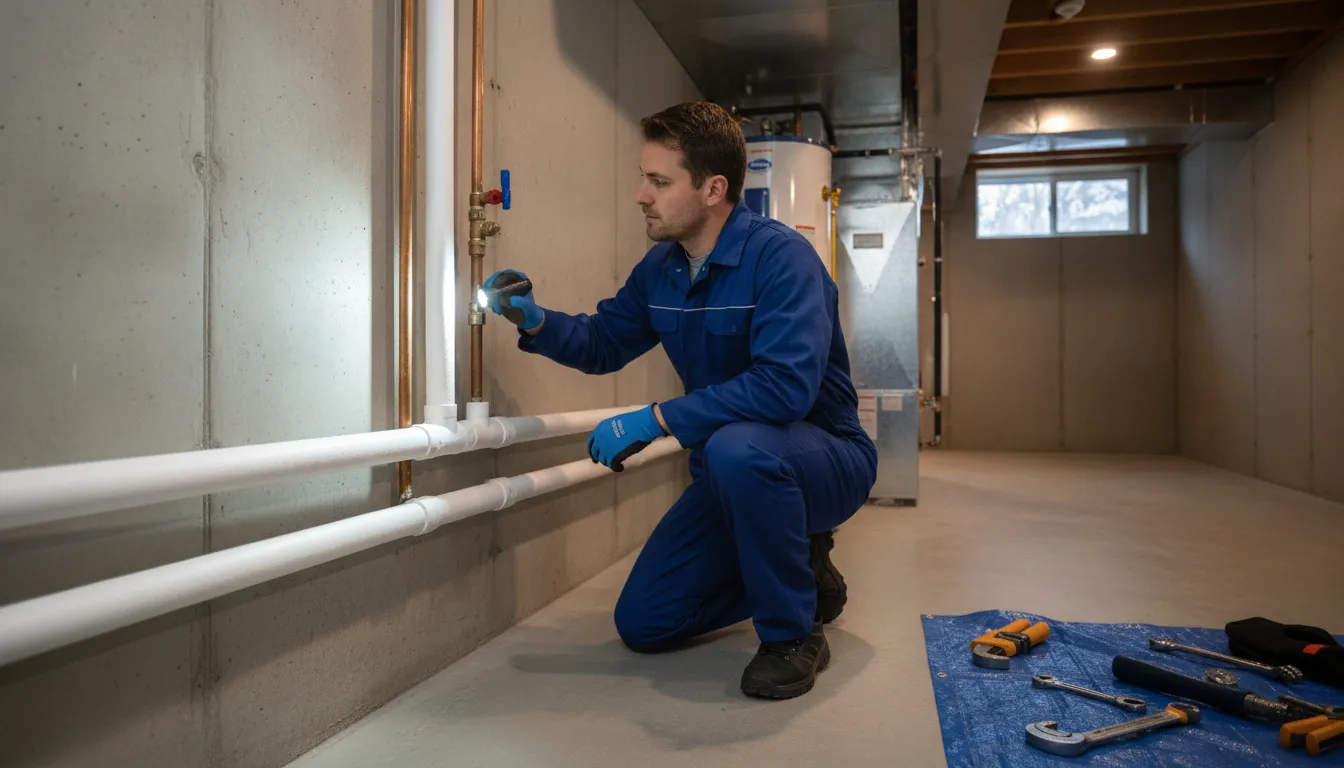
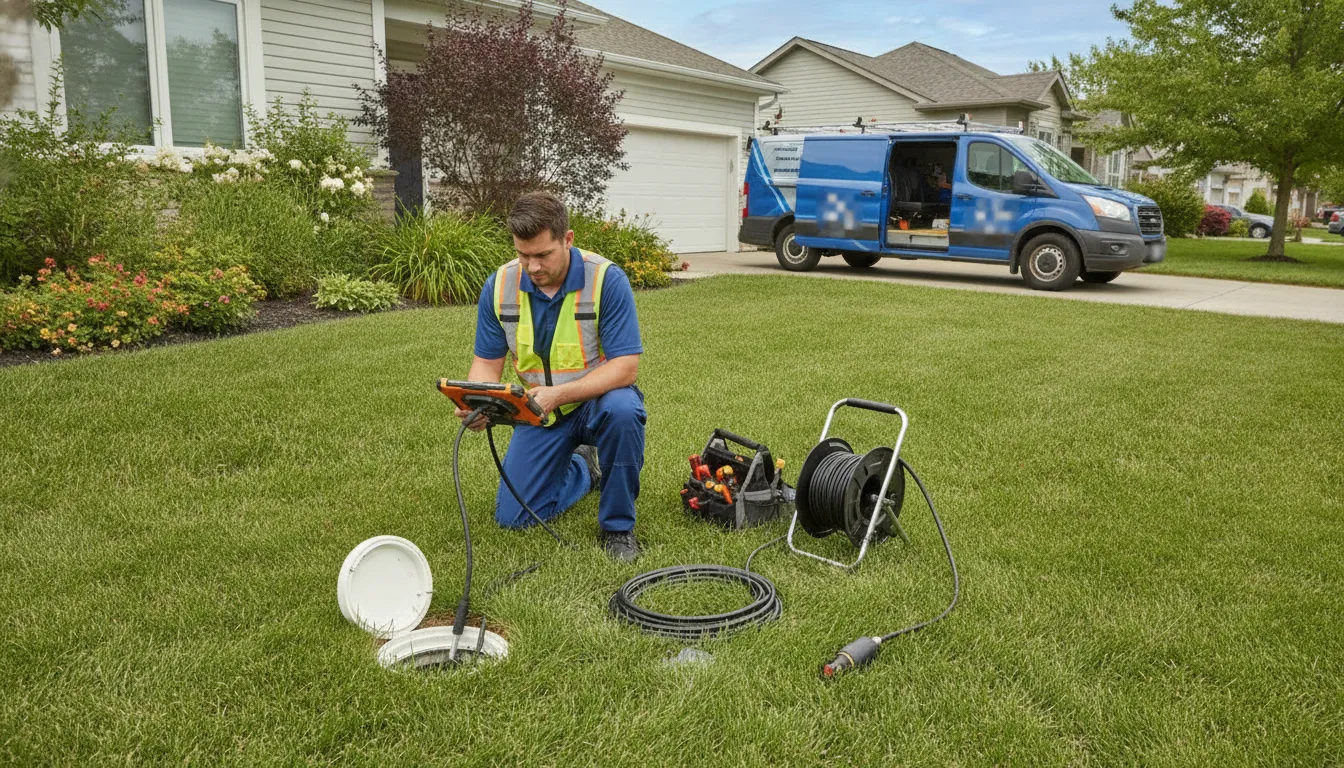
A one-time issue in a single fixture differs from a drain that keeps slowing down or affects more than one fixture. Mr. Pipey’s professional approach uses plumbing video cameras to help locate problem areas before recommending a solution. Product selection cannot substitute for identifying an unresolved blockage. A temporary change in flow does not prove that the underlying restriction has been addressed.
Mr. Pipey offers professional drain cleaning, including HydroScrub water jetting. The company describes it as a chemical-free method for stubborn clogs and heavy debris buildup. This professional service is not a retail product recommendation. For general local cleaning information, see the broader Rochester Hills drain-cleaning guide. This article focuses on product limitations and when diagnosis may matter more.
For Rochester Hills homeowners, a useful starting point is to distinguish a single, isolated slow drain from a recurring or unclear blockage. If the issue returns, affects multiple fixtures, or does not improve, a professional assessment can help establish the appropriate response instead of relying on a product category alone.
Which Drain-Cleaner Types Work Differently?
Drain-cleaning products and professional services do not all work the same way. Some rely on biological ingredients, some use corrosive chemistry, and a plumber may use water-based cleaning after assessing the line. The right approach depends on what is obstructing the drain and where the blockage sits. A product category alone cannot identify either.
| Approach | How it works | What to keep in mind |
|---|---|---|
| Enzymatic or bacterial products | These contain enzymes and bacteria intended to dissolve clog material. | They act differently from corrosive chemical cleaners. The source describes their ingredients and intended action. It does not establish that they clear every type or location of blockage. |
| Acidic or alkaline chemical products | Non-enzymatic formulas use acidic or alkaline compounds to break down drain debris. Some products generate heat, which can help melt oily substances. | Ingredients can include sulfuric or hydrochloric acid, or sodium or potassium hydroxide. Many products are concentrated and can be dangerous if used incorrectly. This does not mean every chemical cleaner damages every pipe. Composition and safe handling matter. |
| Professional water-based cleaning | A plumber can assess the drain and use high-pressure water jetting to clear stubborn clogs or debris buildup without hazardous chemicals. | It is a professional service, not a consumer product. Camera inspection can help locate a blockage and inform which service is appropriate. |
These distinctions are based on ingredient and service descriptions from Poison Control and Mr. Pipey’s service information. They are not a ranking. Enzymatic and chemical products may target certain debris. Professional cleaning can address a blockage after its location and conditions have been assessed. Without that diagnosis, a product label or formula strength may not address the cause.
For persistent clogs or heavy buildup, a professional may determine whether chemical-free HydroScrub water jetting is appropriate. The method uses water, but whether it fits depends on the drain and the problem found. A focused assessment is more useful than assuming one cleaner is universally best.
Why Can a Drain Cleaner Miss the Real Problem?
A product label may describe the material it is intended to address, but it cannot tell you where a blockage is or why it formed. Grease, hair, food particles, toilet paper, and roots can all contribute to sluggish drains or line blockages, according to the City of Tampa’s wastewater department. Those causes do not all occur in the same place or call for the same response.
That distinction matters when a drain improves briefly and then slows again. A product may affect material near the drain opening without resolving an obstruction farther along the line. The City notes that a blockage some distance into a drain line may require a plumber to locate and resolve it. Treating the visible symptom does not establish whether the underlying issue has cleared.
Pay attention to the pattern, not just the one fixture. If more than one sink, tub, or toilet is draining poorly, the issue may involve a connected or shared portion of the plumbing rather than a single fixture drain. That pattern is a reason to seek diagnosis, not proof of a particular sewer-line problem. A camera inspection can help a plumber locate a blockage and assess the line before recommending an appropriate next step.
Recurring problems also deserve a closer look when the same drain repeatedly slows after temporary improvement. Sewer-line blockages can have different causes, including roots, debris, grease, or a damaged or altered pipe, as Four Rivers Sanitation Authority explains. Choosing a cleaner by its product name cannot distinguish among those conditions. It also cannot confirm that a deeper obstruction has been reached or removed.
For Rochester Hills homeowners, the useful question is not simply which bottle is strongest. It is whether the problem is limited to one drain, whether it returns, and whether other fixtures are affected. When the pattern is unclear or the blockage persists, professional diagnosis can narrow down the cause without guessing at a treatment.
Camera inspection to locate a blockage gives a plumber a way to assess the line directly. If you are dealing with a recurring or stubborn drain problem, request help rather than choosing another product without knowing what it needs to address.
Contact Mr. Pipey to discuss a recurring or blocked drain.
Are Chemical Drain Cleaners Safe to Use?
Safety depends on the specific product and how it is handled. Some non-enzymatic drain cleaners contain concentrated acidic or alkaline ingredients, including sulfuric acid, hydrochloric acid, sodium hydroxide, or potassium hydroxide. These substances can be corrosive; other drain-cleaner formulations use enzymes or bacteria instead. Check the product label rather than assuming all cleaners have the same ingredients or risks. Poison Control explains common drain-cleaner ingredients and precautions.
If a product is already in use in the home, follow every label direction and warning, including the stated protective-equipment requirements. Poison Control recommends goggles and rubber gloves when using drain cleaners. Do not improvise with a different amount or combine products, and do not use a cleaner if the label or the condition of the drain leaves you uncertain. Some formulations can generate heat, which is another reason to follow product-specific instructions rather than treating one cleaner like another. Review Poison Control’s safety guidance.
Never mix drain cleaner with another household chemical. In particular, mixing bleach with an acid can form chlorine gas, so do not add bleach, vinegar, or another cleaner to a drain where a product may remain. The same caution applies when changing approaches after a first product has not helped. Poison Control warns against mixing bleach with acids.
Store containers tightly closed, clean, and out of children’s sight and reach. If someone may have swallowed drain cleaner or had it in their eyes or on their skin, seek expert guidance promptly. In the United States, Poison Help is available at 1-800-222-1222. For a suspected ingestion, MedlinePlus says not to induce vomiting unless Poison Control or a health professional instructs you to do so. Follow responders’ or Poison Control’s advice for that exposure. MedlinePlus provides drain-cleaner exposure guidance.
When you do not know what is in the drain or a blockage keeps returning, adding a chemical product is not a substitute for identifying the issue. A professional can assess the drain and recommend an appropriate next step. You do not need to guess which product fits the blockage.
When Should Rochester Hills Homeowners Call a Plumber?
A product’s label cannot tell you whether a clog is close to a fixture or farther along a drain or shared sewer line. Consider professional help when the pattern points beyond a single, straightforward obstruction, or when the cause is unclear. These signals can help you decide when diagnosis matters more than trying another drain cleaner.
- The same drain clogs again. A recurring blockage may mean the original cause remains or the obstruction is farther into the line. The City of Tampa notes that a blockage some distance into a drain line may require a plumber to locate and resolve it. A professional can assess the drain rather than treating each recurrence as a separate surface clog. City of Tampa wastewater guidance.
- More than one fixture is affected. If several sinks, tubs, toilets, or floor drains are slow or backing up around the same time, the issue may involve a line serving multiple fixtures. That pattern is different from an isolated fixture problem and is a reason to request an assessment.
- You notice gurgling, backup, or a persistent sewer odor. These symptoms can accompany a drain or sewer-line blockage. Four Rivers Sanitation Authority identifies odor and overflow from drains or toilets among signs of a clogged pipe. If water is backing up, avoid adding more water to the affected fixtures while arranging help. Four Rivers Sanitation Authority homeowner guidance.
- A drain-cleaner product did not help, or you are unsure what is already in the line. Stop before applying another product and tell the plumber what was used, if known. Drain cleaners vary in ingredients, and a technician needs that information to assess the situation safely. Poison Control describes products containing corrosive acidic or alkaline compounds as well as enzyme-based ingredients. Poison Control information on drain-cleaner ingredients.
- You suspect a shared sewer-line problem. Several affected fixtures, repeated backups, or unusual drain odors may warrant checking beyond an individual fixture. A plumber can use a plumbing video camera to locate a blockage when its position is not clear, then recommend a cleaning method suited to the findings. For camera inspection to locate a blockage or help with a clogged drain, a professional can evaluate the symptoms and explain appropriate options.
Calling does not mean every clog needs the same treatment. Accurate diagnosis helps distinguish a fixture-level issue from a deeper obstruction and guides whether cleaning is appropriate. A licensed plumber can explain the findings and next steps without relying on a one-size-fits-all drain-cleaner choice.
What Should You Expect From a Professional Drain-Cleaning Visit?
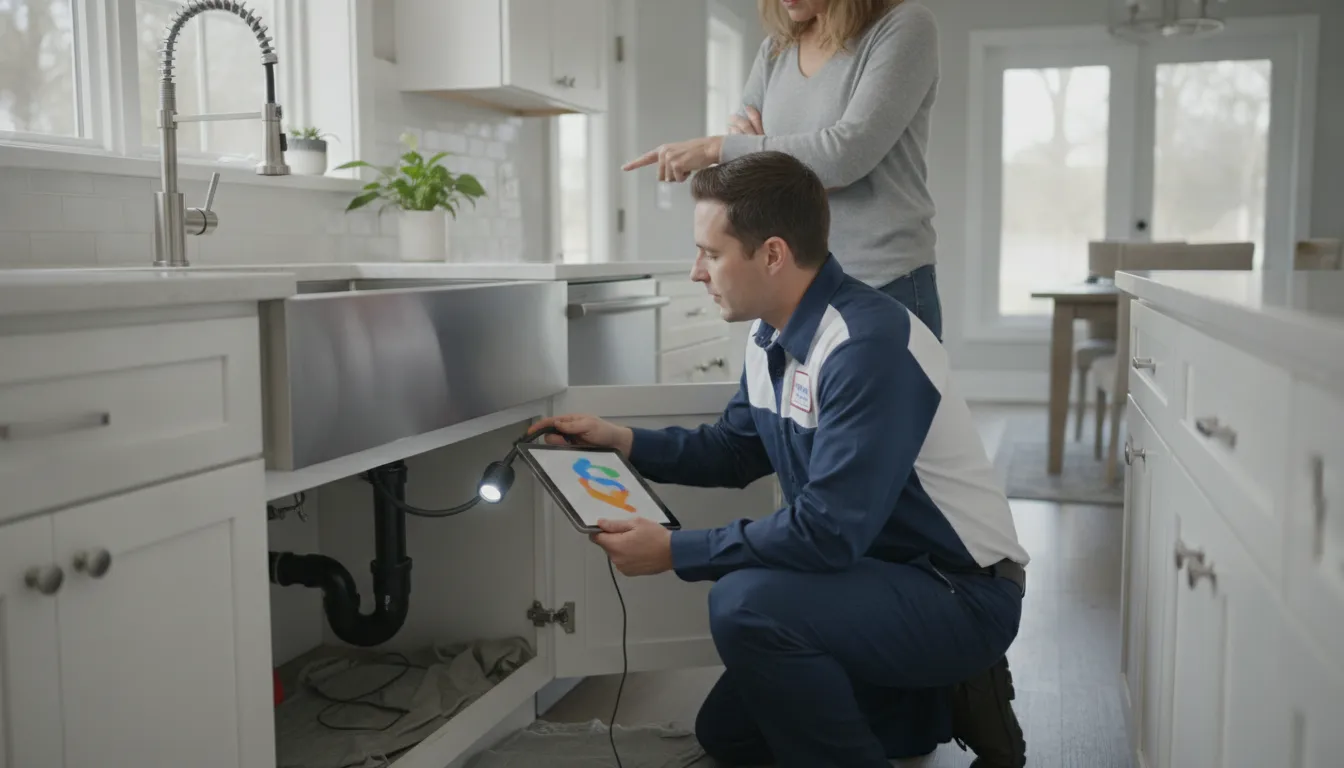
A useful service visit starts with the problem pattern, not an assumption that every slow drain needs the same treatment. A plumber can ask which fixtures are affected and when symptoms began. They may also ask whether the clog has returned or a product has already been used. Sharing the product name, when known, gives the technician context for assessing the drain safely.
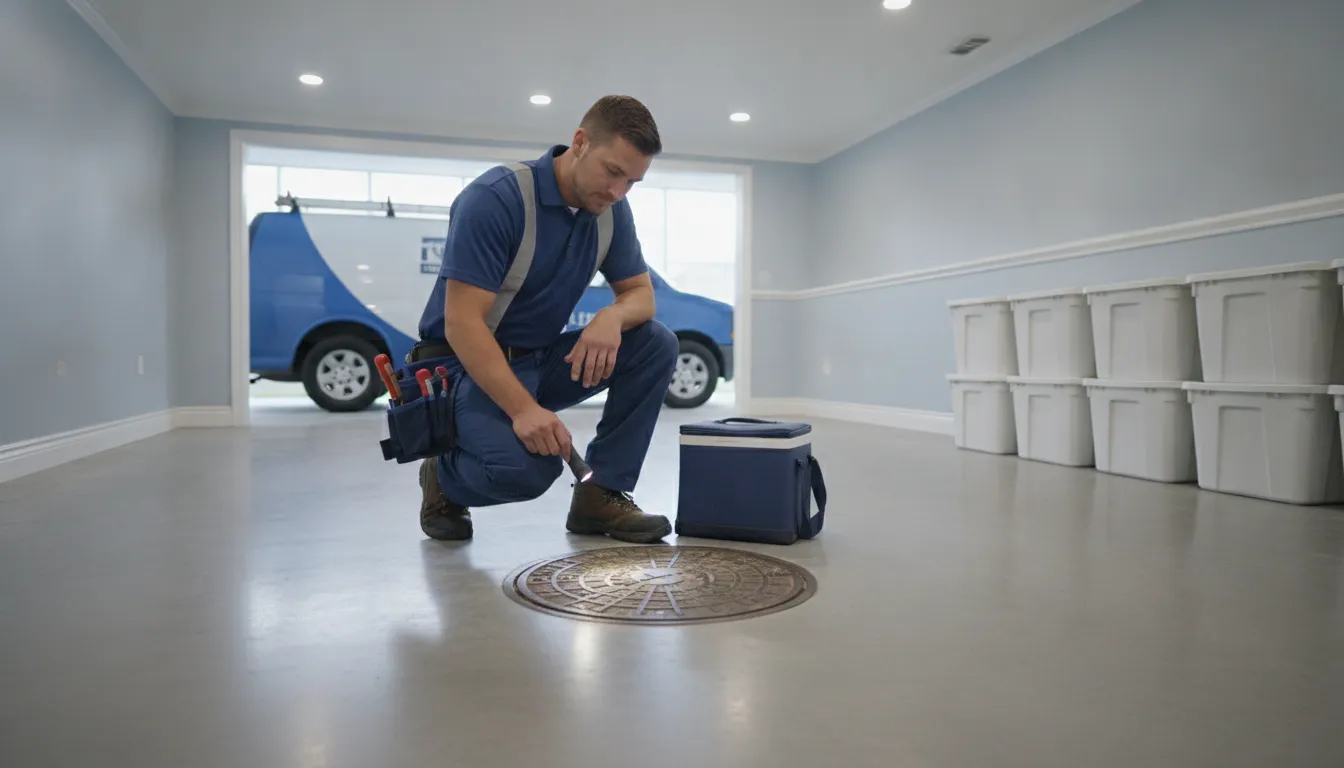
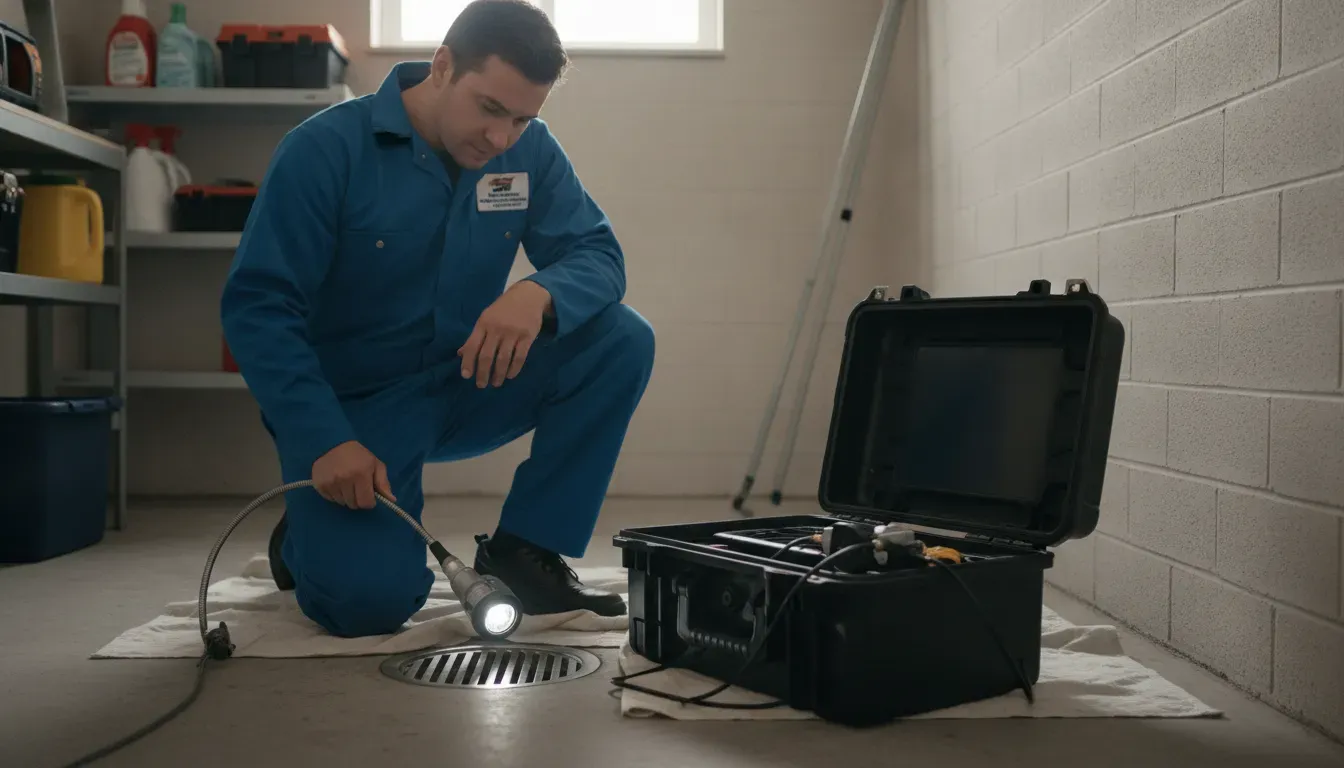
Next, a professional locates and assesses the blockage. Depending on the symptoms, a plumbing video camera can examine a drain or sewer line. This can distinguish a fixture-level obstruction from an issue farther along. It also gives the homeowner a clearer basis for discussing service options than a product label alone.
After evaluating the drain, a plumber can explain the findings and suitable cleaning or repair options. Mr. Pipey’s drain-cleaning service uses professional equipment, including HydroScrub water jetting and plumbing video cameras. The company describes HydroScrub as a water-based method for stubborn clogs and debris buildup that avoids hazardous chemicals. It is a professional method, not a home product. The drain’s condition guides whether it is appropriate.
Homeowners should have an opportunity to understand the recommendation and its scope before work begins. Mr. Pipey describes its service approach as providing transparent pricing and multiple options following diagnosis. Your service options and pricing can be reviewed before work begins. To learn about professional drain diagnosis and cleaning or HydroScrub drain jetting, review the service details. Rochester Hills residents can also find local plumbing service information.
The goal is not to prescribe the strongest cleaner. It is to understand the blockage, explain a suitable response, and confirm the next step with the homeowner. This approach is especially helpful when the drain problem is recurring, its location is unclear, or multiple fixtures are affected.
Talk with Mr. Pipey about a recurring or blocked drain in Rochester Hills.
Frequently Asked Questions
What is the strongest chemical for unclogging a drain?
There is no single strongest chemical that is the right choice for every clog. Products may use acidic ingredients such as sulfuric acid or alkaline ingredients such as sodium hydroxide. Strength does not reveal whether a product can reach or resolve the blockage. Some drain cleaners are corrosive and require careful handling, so a product should not be treated as a universal solution. Poison Control explains common drain-cleaner ingredients and risks.
Does Dawn dish soap unclog a drain?
Dish soap is not a dependable answer to an unknown or recurring blockage. A drain can slow because of hair, food particles, grease, or an obstruction farther into the line. The appropriate response depends on the cause and location. If a fixture remains slow or the problem returns, professional diagnosis can identify what is happening without guessing at another product.
Why do plumbers advise caution with chemical drain cleaners?
The concern is not that every chemical cleaner damages plumbing. Concentrated corrosive products can be dangerous if used incorrectly. A chemical may not resolve a deeper blockage or one with a different cause. Never mix household chemicals: Poison Control warns that mixing bleach with an acid forms chlorine gas.
When should I call a plumber for a clogged drain?
Contact a plumber when a clog keeps returning, several fixtures are affected, water backs up, or the blockage does not clear and its location is uncertain. A blockage farther into a drain line may require a plumber to locate and resolve it, according to the City of Tampa wastewater department. Diagnosis helps distinguish a fixture issue from a line problem and determine an appropriate next step.
Get Help with a Recurring or Blocked Drain
If a drain in your Rochester Hills home keeps slowing down or backs up, a professional assessment can help. Call when more than one fixture is affected, too. Mr. Pipey provides drain-cleaning and diagnostic services, including camera inspection and water jetting when appropriate.
For a recurring or blocked drain, contact Mr. Pipey to discuss the next step. Share which fixtures are affected and whether the issue has returned, so the team can understand the situation and explain available options.