
Heavy rain can turn a manageable drainage concern into a basement emergency with little warning. For Detroit-area homeowners, the most useful preparation happens before the forecast becomes urgent. Notice changing fixtures, understand how rainfall affects sewer capacity, and know when a professional assessment is warranted.
Contact Mr. Pipey for professional sewer-backup readiness help.
Learning how to prevent sewer backups in Detroit starts with storm-timing awareness, not a promise that every backup can be prevented. Check for warning signs before heavy rain, understand which protection options fit your property, and use professional help when several drains, toilets, or basement fixtures show related symptoms.
This guide focuses specifically on what to do before, during, and after a significant rain event. It begins with the household clues that deserve attention before the next storm arrives.
What Should Detroit Homeowners Check Before Heavy Rain?
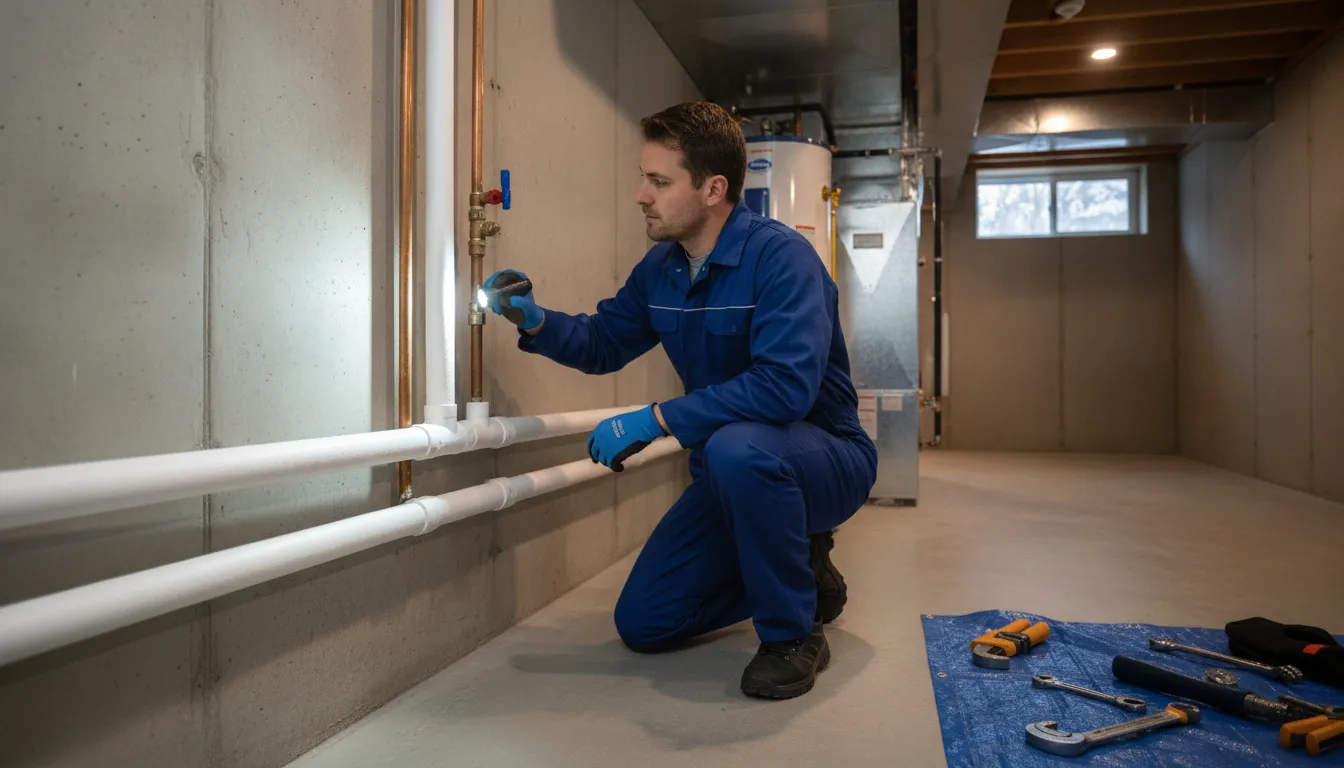
Before a major rain event, pay attention to changes that may show how your home is handling wastewater. The goal is not to diagnose the sewer line from the surface. It is to recognize a pattern early enough for a licensed professional to assess it before storm conditions add pressure to the system.
Start with the fixtures inside your home
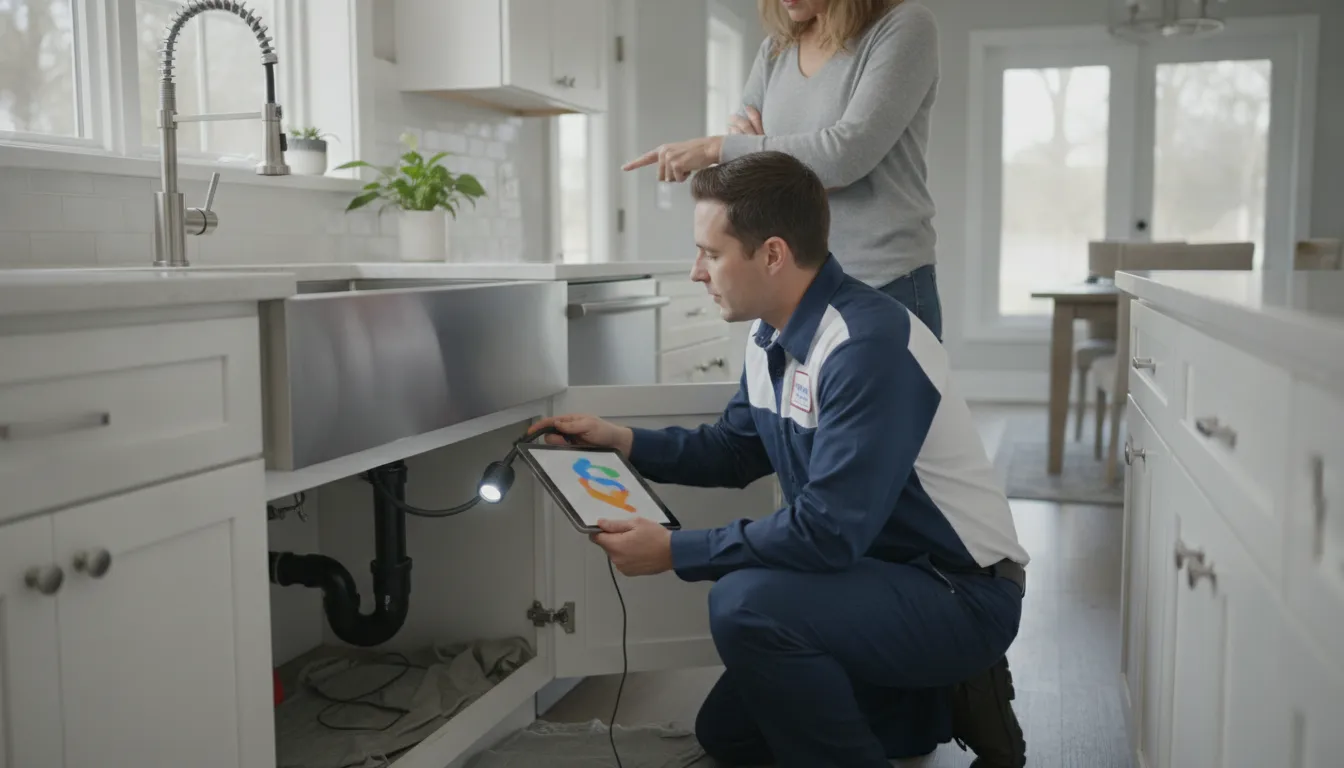
A single slow drain often points to a localized issue, but several slow-draining fixtures deserve more attention. Notice whether sinks, showers, tubs, or toilets are affected at the same time. Toilets that gurgle when another fixture drains can also indicate that air or wastewater is meeting resistance farther along the system. These signs do not prove that a backup will occur, but they are useful information when deciding whether to schedule an assessment before heavy rain.
Recurring clogs are another reason to avoid treating each episode as an isolated inconvenience. If the same drain repeatedly slows after it has been serviced, or if multiple fixtures begin acting differently before a storm, share that history with the plumber. A professional evaluation can distinguish a fixture-level blockage from a concern involving the main sewer line.
Walk the property without entering questionable water
From a safe location, look for changes in the yard and around basement access points. Unusual sewage odors, persistently wet spots, or a patch of grass that is noticeably greener than the surrounding area can be relevant clues. These conditions may be associated with a sewer-line problem, although they can also have other causes. Their value is in the pattern, location, and timing, especially when they appear alongside indoor drainage symptoms.
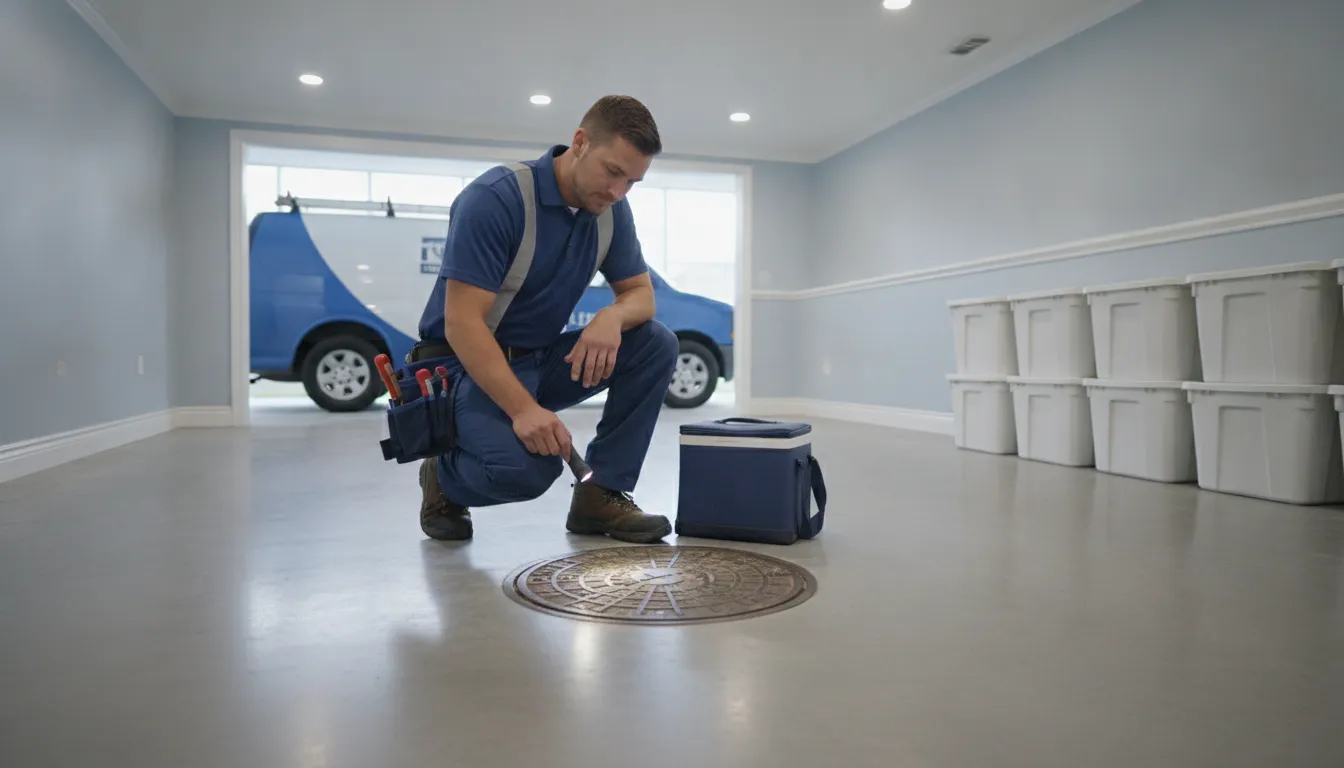
Also note whether a basement floor drain, laundry area, or other low opening has shown moisture or odor during previous storms. Record when symptoms appear, which fixtures are affected, and whether rainfall is involved. This gives a professional better context than a general report that the drains were “acting up.” Do not enter contaminated water or attempt to open, clear, or modify sewer equipment yourself.
For a closer look at the storm-related conditions behind these symptoms, review why drains back up in rain. If recurring clogs, multiple slow fixtures, gurgling, odors, wet spots, or unusually green grass are present, arrange a professional assessment before the forecasted rain when possible. That assessment can identify whether the home needs targeted drain service, sewer-line diagnosis, or a different form of drainage evaluation. It does not assume that every Detroit property has the same underlying problem.
How Does Heavy Rain Change Sewer Backup Risk in Detroit?
Heavy rain does not create the same plumbing problem at every Detroit-area property. It can, however, reveal a restriction, damaged connection, or drainage condition that was quiet during dry weather. When rainfall sends a large volume of water toward storm and sanitary systems, a marginal condition may become visible through a basement floor drain, toilet, or other low opening.
That is why timing matters. If water rises or drainage slows only during intense storms, the rain may be exposing a capacity issue rather than proving that one fixture is independently clogged. The North Dakota State University Extension explains that sewage can move back toward homes when portions of a sanitary sewer system or a treatment facility flood. Where stormwater and sewer systems are connected, rapid storm drainage can also contribute to water and sewage backing up into a property.
What can heavy rain reveal on private property?
A restriction in the building drain or private sewer lateral can limit how quickly wastewater leaves the home. Tree-root intrusion, buildup, a damaged section, or a recurring obstruction may not be obvious when flows are modest. During a storm, the additional pressure and volume can make that condition apparent. Multiple slow fixtures, toilet gurgling, sewage odors, or a backup that repeatedly follows heavy rain are useful details for a plumber to evaluate.
Rain-related water in a basement is not automatically a sanitary sewer backup. Groundwater, surface runoff, foundation drainage, a sump system, or a blocked area drain can produce a different pattern. The source matters because the appropriate evaluation differs. A sewer-line restriction calls for sewer diagnostics, while groundwater may involve the sump pump, drain tile, grading, foundation, or discharge route.
How are municipal conditions different?
Some causes are outside a homeowner’s private plumbing system. A neighborhood sewer can experience unusually high flow, and public infrastructure, street drainage, or treatment capacity can affect conditions beyond one property’s lateral. Detroit’s public guidance notes that residents can take household-level steps while DWSD and the Great Lakes Water Authority address larger infrastructure and climate-resilience work. The city’s Basement Backup Protection Program is based on identified neighborhoods with reported histories of basement backups and flooding. It does not indicate a single sewer design shared by every Detroit home.
For homeowners learning how to prevent sewer backups in Detroit, the practical goal is not to assume one universal cause. Note whether the issue affects one fixture or several, whether it appears only during heavy rain, and whether water is sewage or groundwater. That pattern helps separate a private condition from a broader municipal event and gives a licensed plumber better information for an accurate assessment.
How to Prevent Sewer Backups in Detroit With the Right Protection?
No single product addresses every rain-related water problem. The right response depends on whether the concern is reverse sewage flow, groundwater entering the basement, a restriction in the sewer line, or a recurring condition that needs diagnosis. A professional assessment can match the service to the way water is moving around and through the home.
| Option | Primary purpose | Important limitation |
|---|---|---|
| Backwater valve | Helps limit reverse sewage flow through the home’s sewer connection when flow moves back toward the property. | It does not correct every private sewer defect or resolve groundwater entering through the foundation. Suitability depends on the plumbing configuration and local requirements. |
| Sump pump | Moves collected groundwater from a sump basin away from the basement when the property drainage system is designed for that approach. | It handles groundwater, not sewage. A pump cannot substitute for sewer-line diagnosis when several fixtures are slow, toilets gurgle, or wastewater is backing up. |
| Camera inspection | Shows the interior condition of a sewer line, helping identify restrictions, root intrusion, damage, or other problems that may become noticeable during heavy rain. | It is a diagnostic service, not a standalone repair. The findings determine whether cleaning, repair, replacement, or continued monitoring is appropriate. |
| Professional drain cleaning | Removes certain internal obstructions and restores flow when buildup or a clog is contributing to the problem. | Cleaning may not resolve a damaged, shifted, or repeatedly restricted line. Recurring symptoms call for evaluation rather than repeated short-term clearing. |
A backwater valve can reduce the potential for sewage entering a home, but it needs ongoing attention. North Dakota State University Extension recommends inspecting check valves annually to confirm they are free of debris and working properly. That review is best treated as part of a broader maintenance plan, not as proof that a home is protected from every type of flooding or sewer failure.
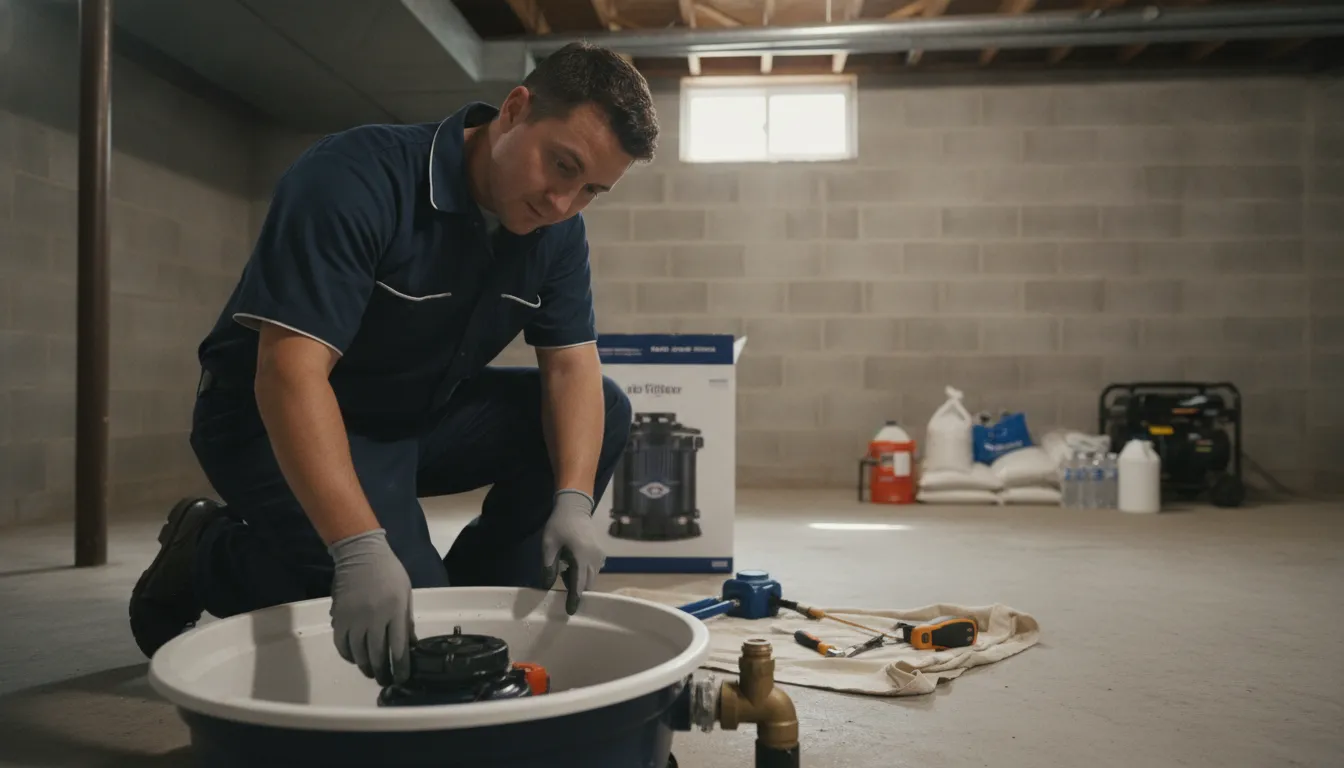
Likewise, a sump pump may be relevant when rain raises groundwater pressure. A camera inspection may be more informative when the same basement drain backs up during successive storms. Mr. Pipey’s sump pump service can be considered alongside sewer and drainage evaluation when the source of the water is not clear. The goal is a clear diagnosis and an appropriate professional solution, rather than choosing equipment based only on the timing of one storm.
These options can work together, but they serve different purposes. Separating those purposes helps Detroit homeowners avoid treating a sewage-flow problem as a groundwater problem, or treating a recurring obstruction as though a one-time cleaning solved its cause.
When Should You Schedule a Sewer Inspection Before Storm Season?
Schedule a professional sewer assessment before storm season when your home has already shown signs that drainage capacity or the private sewer lateral may be limited. A single isolated clog may be local, but repeated clogs, several slow fixtures, or toilets that gurgle when other plumbing is used deserve a broader look. Sewage odors, recurring basement drain problems, wet areas in the yard, or an unusually green strip of grass near the sewer route can also justify an inspection.
Timing matters most when the same symptoms appear before or during heavy rain. A previous backup that followed a major storm is especially useful information for the plumber, even if the line seems to be flowing normally now. Homes with large trees near the sewer lateral, a history of root intrusion, or repeated snaking also benefit from camera-based evaluation before the next period of severe weather. These patterns do not prove that a backup will occur. They provide a practical reason to identify the condition of the line while there is time to consider appropriate options.
What happens during a professional assessment?
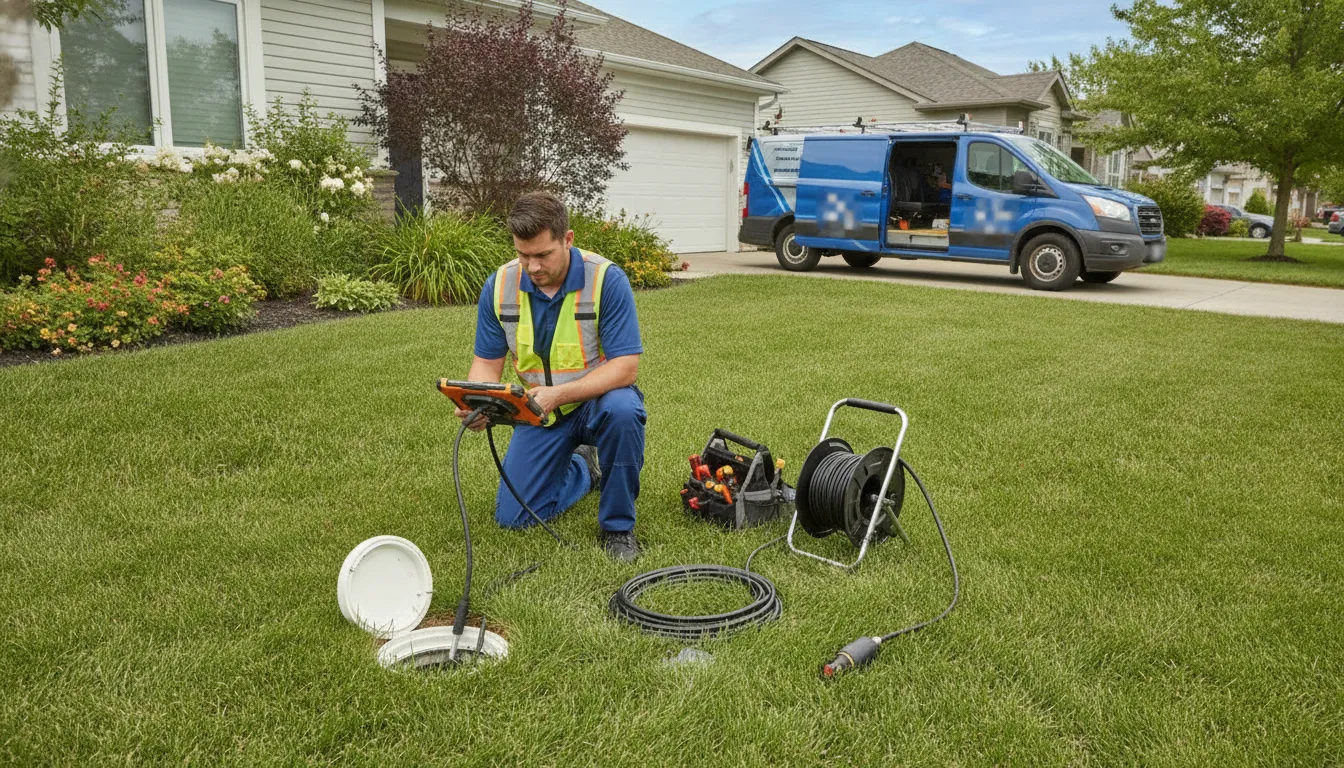
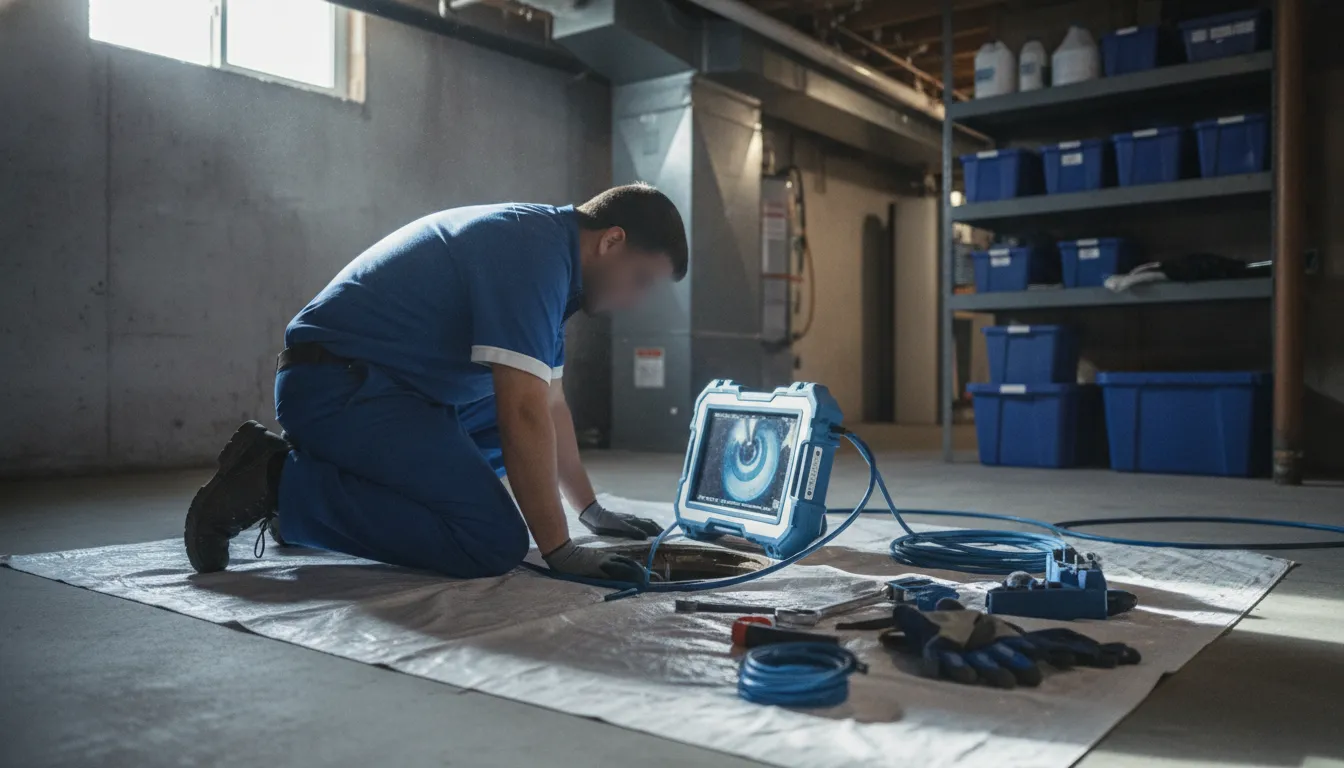
Mr. Pipey can use a waterproof camera to examine the sewer line and locate restrictions, root growth, breaks, or other defects. A Detroit sewer camera inspection helps connect the symptoms inside the home with the actual condition and location of the pipe. That distinction is important because a storm-related problem may involve buildup in the private line, a damaged lateral, a drainage issue, or conditions outside the property. The findings guide the next decision instead of treating every backup as the same problem.
If the line has heavy buildup or a stubborn obstruction, HydroScrub uses high-pressure water as a professional cleaning method. Cleaning is recommended when the inspection supports it, rather than as an automatic substitute for diagnosis. Mr. Pipey also provides professional drain cleaning when the condition calls for clearing and restoring flow. If the camera identifies roots, a damaged section, or a recurring structural defect, the appropriate response may involve targeted repair, replacement, or a trenchless option when the property and pipe condition make it suitable.
This condition-based approach supports a clearer storm-readiness plan. You may need cleaning, monitoring, repair, or replacement, and those are different decisions. A licensed professional can explain the findings and available options without promising that any single measure can prevent every sewer backup during a major rain event.
What Should You Do During and After a Rain-Related Backup?
When wastewater appears during or after heavy rain, focus first on reducing exposure and preserving useful information for a professional assessment. A rain-related backup may involve a home sewer connection, a drainage issue, or broader system conditions. The immediate response should be calm and limited to actions that do not require entering contaminated water or handling electrical equipment.
- Stop using water in the home. Do not flush toilets, run faucets, start the washing machine, or use other fixtures until the condition has been evaluated. Continued water use can add volume to a system that is already unable to drain normally. If a valve has been installed at the property, do not operate it unless you understand its intended operation and can reach it without entering affected water. A licensed professional can explain the correct procedure for the home’s configuration.
- Keep people and pets away from the affected area. Sewage and floodwater can contain waste, germs, debris, and other contaminants. Stay out of the water whenever possible, and do not send children or pets into a basement, utility area, or yard where wastewater may have spread. The CDC identifies staying out of floodwater as the best protection from exposure. If anyone has already had contact with contaminated water, consider medical guidance for symptoms or wounds.
- Stay clear of electrical hazards. Do not walk through standing water near outlets, appliances, extension cords, furnaces, or electrical panels. Do not reach into the area to unplug equipment or turn off power while standing in water. Contact a qualified electrician or emergency professional for safe guidance when electrical equipment may be affected. Leave the area if conditions are uncertain.
- Document the pattern from a safe location. Note when the rain began, when the backup appeared, how high the water rose, which fixtures or drains were affected, and whether the symptoms receded as the weather changed. Photos or video can help if they can be taken without entering the area or approaching unstable equipment. This timing can help distinguish a storm-triggered event from a persistent restriction or damaged sewer connection.
- Arrange a professional evaluation. Contact a qualified plumber and describe the symptoms, timing, affected fixtures, and any previous rain-related incidents. Avoid pouring chemicals into drains, dismantling plumbing, or attempting cleanup before the source and condition are understood. For additional immediate safety guidance, review what to do after a sewer backup. A professional can determine whether the next step is an inspection, drainage service, repair, or coordination with a municipal resource.
Once the area is safe, keep the notes and images available for the evaluation. That record can make it easier to plan targeted improvements for future storms without assuming that every rain-related backup has the same cause.
Which Detroit Resources Can Help With Basement Backup Planning?
Detroit homeowners do not have to plan for rain-related basement backups without local information. The City of Detroit’s Water and Sewerage Department (DWSD) provides a Basement Backup Protection Program that explains public resources and household-level steps for reducing risk. The city notes that DWSD and the Great Lakes Water Authority are addressing larger infrastructure and climate-resilience needs while residents take steps to protect their properties.
That page is a useful starting point, but it is not a guarantee that every Detroit home qualifies for assistance. The program is described for eligible owner-occupied homes and occupied residential rental houses and duplexes in identified neighborhoods. Those areas are based on clusters of historic basement backups and flooding reported to DWSD. Eligibility rules, participating areas, application details, and program status can change, so review the current city information directly rather than relying on an older description or assuming coverage.
Public programs and private plumbing readiness serve different purposes. DWSD may establish whether a property can participate in a city-managed protection initiative. A private plumbing assessment focuses on that specific home’s sewer lateral, basement drains, backwater protection, and related drainage components. One does not replace the other. If a home has experienced repeated backups during storms, a professional evaluation can help distinguish a property-level restriction or defect from conditions affecting the wider system.
For homeowners researching how to prevent sewer backups in Detroit, it is also useful to understand the condition of the home’s lowest drainage points. Mr. Pipey’s basement drain services can help address concerns that become visible through a basement floor drain. A broader inspection may be appropriate when several fixtures are affected or the problem returns after heavy rain. The goal is a clear plan based on the home’s actual plumbing, the local public-resource options, and the timing of future storms.
Schedule a professional sewer or drain assessment before the next heavy rain.
Frequently Asked Questions
Can heavy rain cause a sewer backup even when the drains were working normally?
Yes. Heavy rain can overwhelm available sewer or treatment capacity, and in some areas stormwater and sanitary sewer systems may be connected. That added flow can push water or sewage toward homes, even when a drain has not shown earlier problems. Local conditions vary, so a rain-triggered backup deserves a property-specific assessment.
How do I know whether the problem is one drain or the main sewer line?
A single slow drain often points to a local restriction. Multiple slow fixtures, gurgling toilets, or backup at a basement drain suggest the issue may be farther along the main sewer line. Repeated symptoms during rain are a good reason to arrange professional sewer diagnostics rather than treating each fixture separately.
Will a backwater valve prevent every sewer backup?
No. A backwater valve can reduce reverse sewage flow through a home’s sewer connection, but suitability depends on the plumbing configuration and local requirements. Valves also need periodic inspection. North Dakota State University Extension recommends checking them annually for debris and proper operation.
What should I do if rainwater or sewage reaches my basement?
Keep people and pets away from contaminated water, avoid contact with wet electrical equipment, and arrange professional help. Floodwater can contain human waste, germs, hazardous contaminants, and sharp debris. The CDC advises staying out of floodwater whenever possible. Record when the backup began and which fixtures were affected so the cause can be evaluated accurately.
Ready to Schedule a Sewer or Drain Assessment?
Rain-related backup concerns are easier to evaluate when a professional can review the symptoms, timing, and affected fixtures together. Schedule a professional sewer or drain assessment with Mr. Pipey to discuss the right next step for your Detroit-area home.