
It’s a frustrating feeling. A heavy storm rolls through Metro Detroit, and suddenly water is coming back up your drains. Your home’s plumbing is part of a bigger network, connected to your yard, your sewer line, and the city’s pipes. When a downpour overloads this system, water looks for an escape route—often right back into your basement. So if you’re asking, “why do my drains back up when it rains?” the answer is rarely simple. Let’s break down how these systems fail and give you the knowledge to find a lasting solution.
Key Takeaways
- Rain Exposes Hidden Plumbing Problems: If your drains only back up during a storm, it’s a clear sign of an existing issue. The sudden rush of water simply overwhelms underlying weaknesses like partial clogs, invasive tree roots, or a faulty sump pump.
- Recognize the Signs and Respond Safely: Watch for early warnings like multiple slow drains or gurgling sounds. If a backup happens, your first steps are crucial: stop using all water immediately and stay clear of the contaminated area to protect your family.
- Prevention is the Best Solution: You can avoid future backups by being proactive. Installing a backflow preventer offers protection from municipal sewer issues, while routine drain cleaning and sump pump checks keep your home’s plumbing system reliable.
Why Do My Drains Back Up When It Rains?
Watching a storm roll in can be cozy, but that feeling disappears the moment you see water creeping back up through your floor drain. If you’ve noticed your drains gurgle, slow down, or back up entirely when it rains, it’s not just bad luck. It’s a clear signal that there’s an underlying issue with your plumbing or the surrounding sewer system. Let’s walk through the most common reasons this happens and what you can do about it.
Is the City’s Sewer System to Blame?
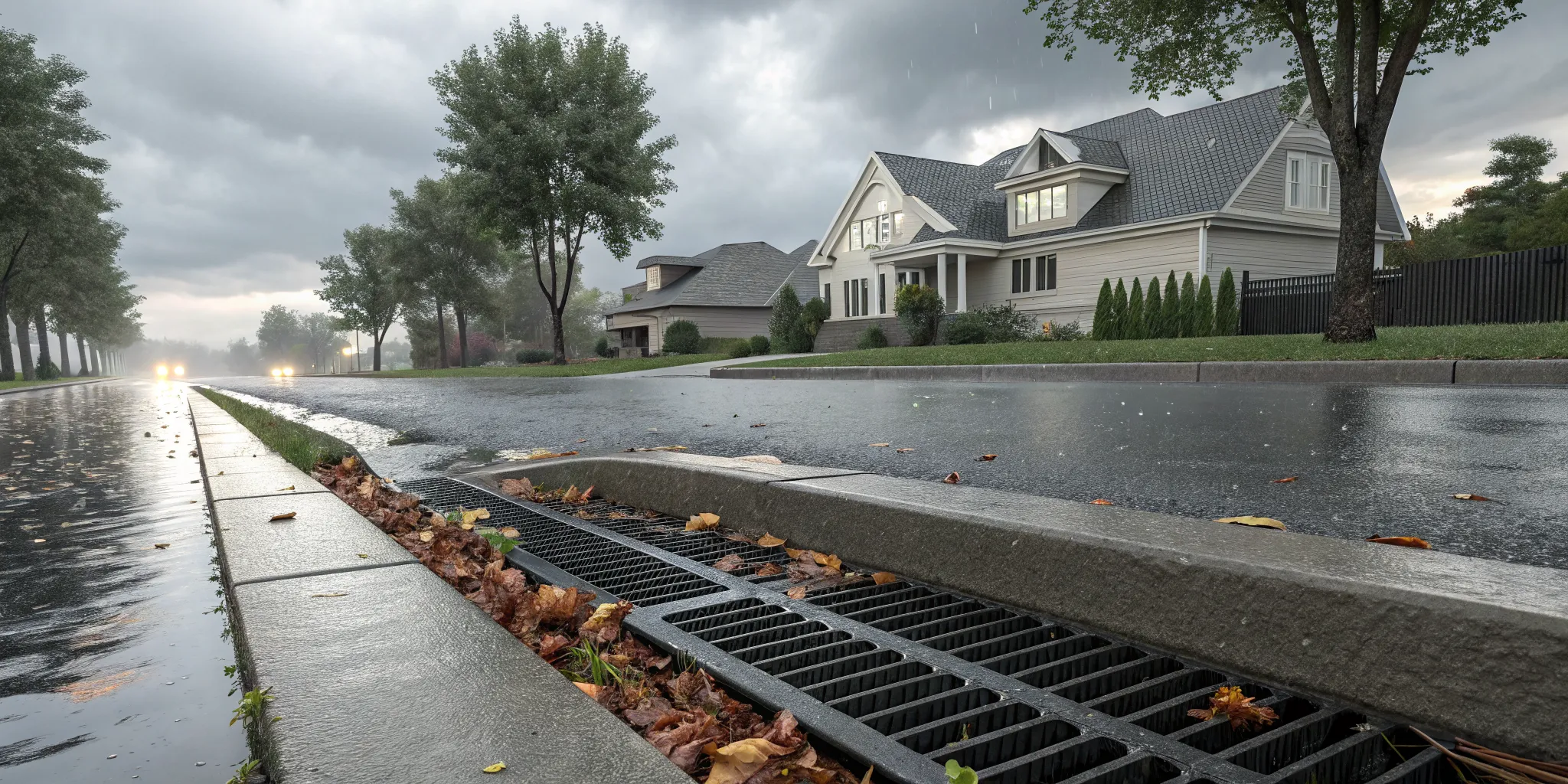
Sometimes, the problem isn’t inside your home but with the city’s infrastructure. During a heavy downpour, the municipal sewer system can get overwhelmed with a sudden rush of stormwater. When the pipes are at full capacity, the excess water has to go somewhere. Unfortunately, the path of least resistance can be back up the lateral pipes and into your home’s drains. This is especially common in older areas with combined sewer systems. While you can’t upgrade the city’s plumbing, you can protect your home with solutions like a backflow preventer.
Check with Your Neighbors
Before you start worrying that the problem is entirely on your shoulders, do a quick check with the people on your street. A quick text or call to ask if other houses nearby are having the same problem can be incredibly revealing. If your neighbors are also dealing with backed-up drains, it’s a strong indicator that the issue isn’t isolated to your property. This collective experience often points to a larger problem with the municipal sewer main that serves your entire block. Knowing this helps you understand the scale of the issue and prepares you for the next step, which is often contacting your local water department.
When to Contact Your Municipality
If you’ve confirmed that multiple homes in your area are affected, it’s time to notify your city. It’s important to report the problem, especially if you suspect the city’s sewer system is overflowing from the heavy rain. However, it’s also wise to manage your expectations. Municipalities can sometimes be slow to respond or may hesitate to take immediate responsibility. While you wait for the city to investigate, you can’t leave your home vulnerable. The best long-term defense against municipal sewer backups is installing a backflow preventer, which acts as a one-way gate to stop sewage from flowing back into your home.
Could a Clogged Sewer Line Be the Culprit?
Your main sewer line might be working just fine on a sunny day, even with a partial clog. But when heavy rain adds a significant amount of water to the system, that small blockage can become a big problem. Things like grease, hair, or flushed wipes can create a dam that the increased water flow can’t get past. The pressure builds, and the water reverses course right back into your sinks, toilets, and floor drains. A damaged or cracked sewer pipe can also collapse under the pressure of saturated soil, causing an immediate backup when you need your drains the most.
Are Tree Roots Invading Your Pipes?
Tree roots are naturally drawn to the moisture and nutrients inside your sewer lines. They can sneak into tiny cracks in the pipes and grow into a dense web that catches debris and obstructs flow. On a normal day, you might not even notice a problem. During a storm, however, the surge of water hits this root mass and can’t pass through, forcing it back into your home. If you have large, mature trees in your yard, their roots could be the hidden cause of your rainy-day plumbing woes. This is one of those tricky issues that often requires a professional camera inspection to diagnose correctly.
Are Your Pipes Damaged or Broken?
Beyond clogs and roots, the pipe itself might be the source of the problem. Your main sewer line is the single exit for all your home’s wastewater. If that line is cracked, separated, or broken, it creates a major vulnerability. On a dry day, a small crack might not cause any noticeable issues. But when a storm hits, the ground becomes saturated and puts immense pressure on the already weakened pipe. This can cause it to collapse completely or allow mud and debris to pour in, creating a blockage. The sudden influx of rainwater then has nowhere to go, forcing a messy and often hazardous backup into your home. A broken sewer line is a serious issue that often requires an emergency response to prevent extensive damage.
Shifting Soil and Heavy Loads
The ground around your home isn’t as stable as you might think. Over time, soil can shift, settle, or erode, especially with the freeze-thaw cycles we experience in Metro Detroit. This movement can cause sewer pipes to sag, creating a “belly” where waste and water collect, or it can put enough stress on the pipes to cause cracks and breaks. The problem can be made worse by heavy loads on the surface. A car parked in the same spot on the lawn, a newly installed patio, or even heavy construction equipment can exert enough pressure to crush the pipes buried below. When it rains, these compromised pipes simply can’t handle the added volume and pressure, resulting in a backup.
Improper Installation
Sometimes, the problem dates all the way back to the day the pipes were installed. If your sewer line was laid without the correct downward slope, it will always struggle to use gravity to effectively carry waste away. This makes it incredibly susceptible to clogs and backups. Likewise, if the trench wasn’t prepared properly or the wrong materials were used to support the pipe, it can lead to sagging and breakage down the road. A poorly installed system is essentially a ticking time bomb, and a heavy rainstorm is often the event that finally sets it off. Correcting these issues is a complex job, but it’s essential for a long-term solution, which is why our team is committed to providing reliable plumbing services that last.
Is Your Sump Pump Working Properly?
Your sump pump is your basement’s first line of defense against flooding. Its job is to collect groundwater from around your foundation and pump it away from your house. If the sump pump fails during a heavy storm, the water table can rise and overwhelm your home’s drainage system. Power outages, a stuck float switch, or a burned-out motor are common culprits. A failed pump can lead to water backing up through your floor drains. Regular maintenance is key, so if you’re having issues, it might be time to look into professional sump pump services to keep your basement dry.
How Sewer Systems Work During a Storm
When it pours outside, the last thing you want is for water to start coming up inside your home. To understand why this happens, it helps to know a little about the municipal sewer system your home is connected to. The design of your local system plays a huge role in how it manages massive amounts of rainwater. Depending on where you live in Metro Detroit, your home is likely connected to one of two main types of sewer systems, and each handles storms differently. Knowing which one you have can shed light on why your drains are acting up during a downpour and what you can do about it.
Combined vs. Separate: What Kind of System Do You Have?
Many older cities, including parts of Detroit, use what’s called a combined sewer system. This means a single, large pipe is responsible for carrying both the wastewater from your home (from toilets, sinks, and showers) and the stormwater runoff from streets and gutters. While efficient on a dry day, these systems can be easily overwhelmed during a storm. A separate sewer system, which is more common in newer developments, keeps these two water sources apart with dedicated pipes for sewage and stormwater. Because combined systems have to handle a sudden, massive volume of rainwater on top of the usual sewage flow, they are far more likely to reach capacity and cause backups.
What Happens When the System Overloads
When a heavy storm hits, the public sewer system can get more water than it was designed to handle. The ground becomes saturated and can’t absorb any more moisture, so all that extra rainwater floods into the sewer lines. If the system is overloaded, it simply can’t drain the water away fast enough. The pressure builds, and the water looks for an escape route. Unfortunately, that often means reversing course and flowing back up through the pipes connected to your home. This can lead to messy and stressful backups in your basement floor drains, tubs, or toilets. Installing a backflow preventer is one of the best ways to protect your home from this kind of municipal backup.
Is a Sewer Backup Coming? Watch for These Signs
A sewer backup is a stressful plumbing problem, but your home often gives you clues before it becomes a disaster. Knowing what to look for can save you from a messy and expensive cleanup. If you spot any of the following signs, it’s time to investigate before a small issue requires emergency plumbing services.
Don’t Ignore Slow Drains or Gurgling
Is your shower drain taking forever to empty? Do you hear a strange gurgling sound from the tub when you flush the toilet? These are signs of a blockage forming in your sewer line. When multiple drains slow down at once, the problem is likely in the main line, not an isolated clog. That gurgling noise is trapped air being forced through your pipes, a clear signal that something is obstructing the flow and needs attention.
Water Reappearing in Sinks, Tubs, or Toilets
This sign is much more urgent. If flushing a toilet causes water to come up into your shower, you have a sewer backup. This happens when the main sewer line is so clogged that wastewater has nowhere to go but back into your home. This isn’t just water; it’s unsanitary sewage that poses a health risk. If you see water backing up in any drain, stop using all your plumbing immediately and call for professional plumbing services.
That Unmistakable Sewage Smell
You can’t ignore the distinct smell of a sewer problem. If you notice a persistent odor like rotten eggs or raw sewage in your home, sewer gas is likely escaping your pipes. Your plumbing system is designed to be airtight, so this smell is a major red flag. It could mean there’s a crack in your sewer line or a blockage is forcing gas back up through your drains. Don’t just mask the odor; it’s a clear warning that your plumbing needs immediate attention.
Finding Puddles Around Floor Drains
Since water flows downhill, the first physical sign of a sewer backup often appears in the basement. Look for unexpected puddles forming around your floor drain, especially after heavy rain. When the main sewer line is blocked or overwhelmed, it will push water out of the lowest drain in your house. This can quickly lead to significant water damage. If you find water seeping from your floor drain, it’s a strong indication that the main line is in trouble.
Look for Changes in Your Yard
Your lawn can tell you a lot about what’s happening with your underground pipes. If you notice a patch of grass that’s suddenly much greener and more lush than the rest of your yard, it might not be your gardening skills. A leaking sewer line can release wastewater into the soil, acting as a fertilizer and creating these vibrant green spots. These areas, along with unexplained soggy patches or indentations in your lawn, often appear directly over a compromised pipe. While it might look healthy on the surface, it’s a strong indicator of a crack or break in your sewer line. When a storm hits, this damaged pipe can easily become overwhelmed, leading to a backup. If you spot these changes, it’s a good idea to get a professional opinion before the next downpour triggers an emergency plumbing situation.
Your First Steps During a Drain Backup
Seeing water come back up your drains is alarming, but taking the right steps immediately can prevent a messy situation from turning into a disaster. When you’re faced with a backup, especially during a heavy rainstorm, your first instincts are what matter most. Focus on three key actions: ensuring your family’s safety, stopping any more water from entering your pipes, and documenting the damage. Acting quickly and calmly can significantly reduce the health risks and property damage. These next steps will guide you through the critical moments after you’ve spotted a backup.
Safety First: Avoid the Contaminated Water
Your top priority is keeping everyone safe. The water backing up from a sewer line isn’t just dirty; it’s a serious health hazard. This water, often called blackwater, can contain harmful bacteria and viruses like E. coli and Salmonella that pose a risk to your family and pets. Keep children and animals far away from the affected area. If the water level is rising and getting close to electrical outlets, shut off the power to that area at your circuit breaker to prevent an electrical shock. If you must walk through the area, wear waterproof boots and gloves. Don’t try to solve the problem yourself; a backup requires professional emergency plumbing service to handle it safely.
Turn Off Electricity and Gas
If rising water is getting close to any electrical outlets or appliances, your next move is critical. Water and electricity create an extremely dangerous situation. Head to your home’s main electrical panel and turn off the breaker for the flooded area. If you’re unsure which one it is, or if the panel is in a damp spot, play it safe and shut off the main breaker to cut power to the whole house. The same goes for gas appliances; if your furnace or water heater is at risk of being submerged, turn off the gas supply. When in doubt, don’t risk it. Your safety is what matters most, so get everyone out and call for emergency plumbing assistance right away.
Stop Using All Water in the House
This is the most important thing you can do to stop the problem from getting worse. As soon as you notice a backup, stop using all water in your house immediately. That means no flushing toilets, no showering, no washing hands, and definitely no running the dishwasher or washing machine. Any water you send down your drains will have nowhere to go and will only add to the flooding in your home. This simple action can buy you valuable time and prevent more extensive water damage while you wait for a professional plumber to arrive. It’s the first step in getting the situation under control and starting the process of finding a solution for your plumbing system.
Grab Your Phone and Take Photos for Insurance
Once you’ve made sure the area is safe and you’ve stopped using water, your next step is to document everything. Before you start any cleanup, take clear photos and videos of the flooding and any property that has been damaged. Capture images of the water level, the affected rooms, and specific items like soaked carpets, furniture, or drywall. This evidence is essential when you file a claim with your homeowner’s insurance company. Your provider will need proof of the damage to process your claim correctly. Having detailed documentation will make the process much smoother and help you recover the costs of repairs and replacements. After you’ve taken photos, contact a professional to address the plumbing issue.
Cleaning Up a Minor Backup Safely
If the backup was very small and involved only clear or grey water, you might be able to handle the cleanup yourself. Before you do anything, protect yourself by putting on waterproof boots, rubber gloves, and a mask. Use a wet/dry vacuum to remove any standing water, and then thoroughly clean and disinfect all hard surfaces that the water touched. However, this DIY approach has strict limits. If the backup involves raw sewage, has a strong odor, or if you’re at all unsure about the water’s source, do not attempt to clean it up. This is a health emergency. Raw sewage carries harmful bacteria and requires professional handling. In this situation, your best move is to call for emergency plumbing services to ensure the area is safely and properly sanitized.
DIY Solutions for Minor Clogs
While a major sewer backup is a job for the pros, you can sometimes handle minor clogs yourself with a few simple tricks. These DIY solutions are great first steps when you notice a drain slowing down or a toilet struggling to flush. They can often save you the stress and cost of an immediate service call. However, it’s important to remember that these are fixes for small, localized issues. If you try these methods and the problem persists, it’s a strong indicator that the blockage is more severe or located deeper in your main line. Think of these as your first line of defense, but always be ready to call for professional help when a clog puts up a real fight.
Using a Standpipe for Floor Drains
If heavy rain is causing water to creep up your basement floor drain, a standpipe can be a temporary but effective tool. A standpipe is simply a piece of pipe that you insert into the floor drain opening, essentially making the drain taller. This forces water to rise higher before it can spill out onto your floor, buying you precious time during a storm. This isn’t a permanent fix, as it doesn’t clear the underlying clog or relieve pressure in the municipal system, but it can help prevent a flooded basement. If you see water rising to the top of the standpipe, the pressure is severe, and it’s a clear sign you need emergency plumbing assistance immediately.
Natural Clog-Clearing Methods
Before reaching for harsh chemical drain cleaners that can damage your pipes, try a gentler, natural approach for slow-moving drains. First, carefully pour a pot of very hot (but not boiling) water down the drain to help melt away any grease or soap buildup. If the drain is still slow, follow up with a classic combination: pour about a cup of baking soda down the drain, followed by a cup of vinegar. Let the fizzing mixture sit for at least 30 minutes before flushing it with more hot water. This method is great for breaking down minor organic blockages. If your drain remains clogged, the issue is likely more stubborn and requires professional plumbing solutions to clear it safely.
How Dish Soap Can Help a Clogged Toilet
A clogged toilet is a nuisance, but you might be able to clear it without even picking up a plunger. The secret weapon could be the dish soap under your sink. Dish soap is a surfactant, meaning it’s excellent at breaking down grease and organic materials while also making surfaces slippery. To try this, pour about half a cup of dish soap into the toilet bowl and let it sit for 20-30 minutes. The soap will sink and start working on the clog. Afterward, gently pour a bucket of hot water into the bowl from waist height. The combination of the soap’s lubricating power and the water pressure can be enough to dislodge a simple clog. If this doesn’t work, it’s time to call for professional toilet repair, as the blockage may be further down the line.
How to Prevent Future Drain Backups
Dealing with a sewer backup is something no one wants to experience twice. The mess, the smell, and the stress are enough to make anyone anxious when the rain starts to fall. The good news is that you can be proactive. Taking a few preventative steps can significantly reduce the risk of water backing up into your home, giving you peace of mind during the next Metro Detroit downpour. These strategies range from simple seasonal maintenance to more permanent plumbing upgrades, but they all work toward the same goal: keeping water flowing away from your house, where it belongs. By understanding the weak points in your home’s drainage system, you can take targeted action and protect your property from costly water damage.
Be Mindful of What Goes Down the Drain
One of the most effective ways to prevent drain backups is also the simplest: pay close attention to what you send down your pipes. Your plumbing system is tough, but it isn’t designed to handle everything. Everyday items that seem harmless can build up over time, creating partial clogs that are just waiting for a heavy storm to become a full-blown backup. Treating your drains with a little care is a free and powerful way to protect your home. By making a few small changes to your daily habits, you can significantly reduce the risk of clogs and keep your plumbing flowing smoothly, even when the weather outside is working against you.
Only Flush Human Waste and Toilet Paper
This might be the single most important rule in plumbing: your toilet is not a trash can. The only things that should ever be flushed are human waste and toilet paper. That’s it. Toilet paper is specifically designed to break down quickly in water, but other products are not. So-called “flushable” wipes are a major cause of clogs, as they don’t disintegrate and can snag on imperfections in your pipes. The same goes for paper towels, cotton balls, dental floss, and feminine hygiene products. When you flush these items, they can create a blockage that catches other debris, eventually leading to a serious clog in your main sewer line that requires professional toilet repair or drain cleaning.
Use Your Garbage Disposal Correctly
Your garbage disposal can be a fantastic kitchen helper, but it has its limits. It’s designed to grind up small food particles, not to dispose of all your kitchen waste. To keep your pipes clear, avoid putting fibrous foods like celery stalks or corn husks down the drain, as they can wrap around the blades. Starchy items like potato peels, pasta, and rice can turn into a thick, glue-like paste that clogs your pipes. And the biggest offender of all? Grease, fats, and oils. They might go down as a liquid, but they solidify in your pipes, creating stubborn blockages. Always run cold water when using your disposal, and when in doubt, throw it in the trash. It’s a small step that can prevent a call for emergency plumbing services down the road.
Protect Your Home with a Backwater Valve
One of the most effective ways to protect your home is to install a backwater prevention valve, also known as a backflow preventer. Think of it as a one-way gate for your sewer line. This smart device allows sewage and water to flow out of your home but automatically closes if the city sewer system starts to back up. This simple mechanism stops wastewater from flowing backward into your basement. Installing one is not a DIY job; you’ll want a licensed plumber to ensure it’s placed correctly. Our team can help you with professional
Why Clean Gutters Matter for Your Drains
It might seem unrelated, but the state of your gutters has a direct impact on your drains. When your gutters and downspouts are clogged with leaves, twigs, and other debris, rainwater can’t flow away from your house properly. Instead, it pools around your foundation, saturating the ground. This excess water can overwhelm the municipal storm drains and even find its way into cracks in your home’s sewer lines. To prevent this, make a habit of cleaning your gutters every spring and fall. A quick check after a heavy storm is also a great idea. This simple task helps manage the water around your property and reduces the strain on the entire drainage system.
Plan Your Landscaping Carefully
Your beautiful yard can unfortunately hide some serious plumbing risks. The trees you love might have roots that are slowly but surely making their way into your sewer line. These roots are naturally drawn to the moisture in your pipes, and once they find a tiny crack, they can grow into a dense mass that blocks flow. While you might not notice it on a dry day, a sudden storm can overwhelm this partial clog, forcing water back into your home. When planting new trees, consider species with less aggressive root systems. Also, ensure your yard is graded to slope away from your foundation, guiding rainwater toward street drains instead of letting it pool and saturate the ground around your pipes. These thoughtful landscaping choices are a key part of a long-term strategy to protect your home’s plumbing system.
Get Proactive with Professional Drain Cleaning
The gunk that goes down your drains every day, like grease, soap scum, and hair, can build up over time, creating stubborn clogs deep within your pipes. While you might not notice a problem day-to-day, this buildup reduces your pipe’s capacity to handle a large volume of water, like the kind that comes with heavy rain. Regular maintenance not only keeps your drains working well but also makes your pipes last longer, which saves you money over time. A professional drain cleaning service uses tools like hydro-jetters to safely and effectively scour the inside of your pipes, washing away years of buildup. Scheduling this service every year or two is a great way to keep things flowing smoothly.
Is It Time to Replace Your Old Sewer Pipes?
If you live in an older home, your sewer pipes might be made of materials like clay or cast iron. Over decades, these pipes can degrade, crack, or collapse. They are also highly susceptible to tree root intrusion, which can create major blockages. While it’s a bigger project, you should consider replacing old sewer pipes before they cause a catastrophic failure. A professional plumber can perform a camera inspection to assess the condition of your sewer line and determine if a replacement is necessary. Investing in modern, durable pipes can save you from repeated clogs, expensive water damage, and the headache of future emergency plumbing calls.
Understanding Trenchless Sewer Repair
The thought of replacing a sewer line often brings up images of a giant trench destroying your lawn, driveway, and garden beds. Thankfully, modern plumbing offers a much less destructive solution. Trenchless sewer repair is an innovative method that allows professionals to repair or replace underground pipes without extensive digging. Using small access points, technicians can use techniques like pipe lining, which creates a durable new pipe right inside the old one, or pipe bursting, which breaks apart the damaged pipe while pulling a new one into place. This approach not only saves your landscaping but is also often faster and provides a seamless, long-lasting fix that can serve your home for decades. It’s a fantastic option to ask a professional about, especially if you want to preserve your yard.
Will Insurance Cover a Sewer Backup?
After the stress of a sewer backup, the last thing you want is another surprise when you call your insurance agent. Unfortunately, coverage for water damage is one of the most misunderstood parts of a homeowner’s policy. Many people assume that any water entering their home is covered, but that’s rarely the case. Insurance companies draw a hard line between different types of water damage, and a sewer backup is treated very differently from damage caused by a flood. Understanding these distinctions before you need to file a claim can save you a lot of frustration and financial strain.
Understanding Flood Insurance vs. Sewer Backup Coverage
It’s a common misconception, but your standard homeowner’s or flood insurance policy will likely not cover damage from a sewer backup. Flood insurance is specifically designed to cover damage from rising water that comes from outside your home, like an overflowing river or heavy rain that pools in your yard. A sewer backup, where wastewater comes up through your own drains, is considered a separate issue. To be protected, you typically need to purchase a specific add-on, called an endorsement or rider, for sewer backup coverage. It’s crucial to review your policy documents or speak directly with your insurance agent to see if you have this protection.
What Flood Insurance Typically Covers (and What It Doesn’t)
Even if you have a flood insurance policy, it’s important to know what it’s for. The National Flood Insurance Program (NFIP) defines a flood as an excess of water on land that is normally dry, affecting two or more acres or two or more properties. The source of the water is the key factor. If a storm causes a nearby creek to overflow and flood your basement, your flood insurance should apply. However, if that same storm overwhelms the city sewer main, causing a backup through your floor drain, your flood policy probably won’t cover the cleanup. This is because the water originated from the sewer system, not from surface flooding.
Building vs. Contents Coverage
When you do have a covered flood event, the policy is typically split into two parts. Building coverage helps pay for repairs to the structure of your home itself. This includes things like the foundation, walls, floors, electrical systems, and plumbing. Contents coverage, which is often purchased separately, helps you replace your personal belongings that were damaged, such as furniture, clothing, and electronics. However, neither of these will help with a standard sewer backup unless you have that specific sewer backup endorsement added to your homeowner’s policy. The source of the water determines which policy or endorsement applies.
Coverage Limits and Payouts
It’s also important to be aware that insurance policies have maximum payout limits. For example, standard policies from the National Flood Insurance Program (NFIP) have caps on how much they will pay for damages. Typically, the maximum coverage for building property is $250,000, and contents coverage is limited to $100,000. While this may sound like a lot, the costs to repair a home after significant water damage can add up quickly. You should review your policy limits and consider whether they are sufficient to rebuild your home and replace your belongings in a worst-case scenario.
Common Exclusions
Insurance policies are known for their fine print, and flood insurance is no exception. The most significant exclusion for our topic is damage from a sewer backup, unless it was a direct result of widespread flooding. Other common exclusions include damage from mold or mildew that could have been avoided by the homeowner, as well as damage from moisture or seepage that isn’t related to a specific flood event. Things like burst pipes that aren’t related to the flood, or damage from the earth settling or shifting, are also typically not covered. Always read your policy carefully to understand exactly what is and isn’t protected.
Is Your Home at a Higher Risk for Backups?
Some homes are simply more prone to sewer backups than others. While any house can experience a backup under the right (or wrong) conditions, certain factors can significantly increase your risk. Understanding these vulnerabilities is the first step toward protecting your property. If you find your home checks one or more of these boxes, it doesn’t mean a backup is inevitable. It just means that being proactive with preventative maintenance is even more important. Knowing what you’re up against can help you and your plumber create a solid plan to keep your home dry and your drains flowing freely, no matter how hard it rains.
How Your Yard’s Slope and Foundation Play a Role
Take a look at your yard. Does it slope toward your house or away from it? This simple detail, called grading, plays a huge role in where rainwater goes. If your yard slopes inward, it essentially funnels water directly toward your foundation. This can cause water to pool around your home, saturating the ground and putting immense pressure on your underground pipes. Since water always follows the path of least resistance to the lowest point, basement drains are especially vulnerable. Poor grading can seriously exacerbate drainage issues, increasing the chances that an overwhelmed sewer system will send water back into your home.
Does the Age of Your Plumbing Put You at Risk?
If you live in an older home, particularly one built before the 1970s, your plumbing system might be working against you. The sewer lines in older homes were often made from materials like cast iron or clay, which degrade over time. The average home sewer line has a lifespan of about 60 years, so if your home is reaching that age, your pipes might be wearing out. Over decades, these pipes can crack, become brittle, or develop misaligned joints, creating perfect spots for debris and tree roots to cause blockages. When a heavy storm hits, these already compromised pipes are less equipped to handle the sudden surge of water, making a backup much more likely.
What Type of Sewer Connection Do You Have?
Many older municipalities, including parts of Metro Detroit, operate on a combined sewer system. This means that the same pipes are responsible for carrying both household sewage and stormwater runoff from the streets. On a normal day, this system works just fine. But during a heavy downpour, the volume of water can quickly overwhelm its capacity. When the main city line is full, the excess water and sewage have nowhere else to go. Unfortunately, the path of least resistance is often back up the lateral pipes and into your home’s drains. If you’re experiencing repeated backups during storms, your connection to a combined sewer system could be the underlying cause.
When Is It Time to Call a Plumber?
A single slow drain can sometimes be handled with a little DIY effort. But when heavy rain enters the picture and your plumbing starts acting up, it’s usually a sign of a bigger issue that store-bought solutions can’t fix. Ignoring these warnings can lead to contaminated water in your home and expensive repairs down the line. If you notice any of the following signs, it’s time to put down the plunger and pick up the phone to call a professional.
If Multiple Drains Are Backing Up
If your kitchen sink, shower, and toilet all start backing up at the same time, you have a system-wide problem. This isn’t a coincidence; it’s a clear indicator that the blockage is in your main sewer line, not an individual pipe. During a downpour, the municipal sewer system can get overwhelmed, forcing water back up through your pipes. When your main line is already partially clogged, that water has nowhere to go but into your home. This is a serious situation that requires immediate attention. A professional plumber can diagnose the main line clog and provide the right emergency plumbing services to clear it before significant damage occurs.
If Backups Happen Every Time It Rains
A drain backup might seem like a one-off issue, but if you find yourself dealing with the same problem every time there’s a heavy storm, it’s a pattern you shouldn’t ignore. Consistent backups during or after rain point to a more serious issue with your plumbing or sewer system. Heavy rain can quickly overwhelm your drains, and if there’s an underlying weakness like a cracked pipe, the problem will keep coming back. Instead of treating the symptom each time, it’s best to have a professional investigate the root cause. You can contact us to schedule an inspection and find a lasting solution.
When You Suspect a Main Sewer Line Issue
Sometimes, the signs of a main sewer line issue are more subtle until a storm hits. If you’re dealing with backups along with other symptoms like foul sewage smells, gurgling toilets, or water pooling around your basement floor drain, your main sewer line is likely the culprit. Problems like tree root intrusion, partial blockages, or even collapsing pipes can worsen dramatically during heavy rain. These issues are impossible to diagnose without the right equipment. A professional plumber uses specialized cameras to inspect the line and pinpoint the exact problem. Addressing a main sewer line issue protects your home from future backups and requires an expert approach, which is why we offer a full range of plumbing solutions to handle everything from simple clogs to complex sewer repairs.
How We Help You Prevent Future Backups
Dealing with a sewer backup is stressful, but you don’t have to wait for a disaster to strike. Taking proactive steps can protect your home and give you peace of mind, especially when you see storm clouds gathering. At Mr. Pipey, we believe in solving problems before they start. Our team offers several key services designed to keep your plumbing system flowing smoothly, no matter what the Metro Detroit weather throws at it. From routine maintenance to installing protective devices, we have the expertise to safeguard your home from water damage and messy backups.
Pro Drain Cleaning & Camera Inspections
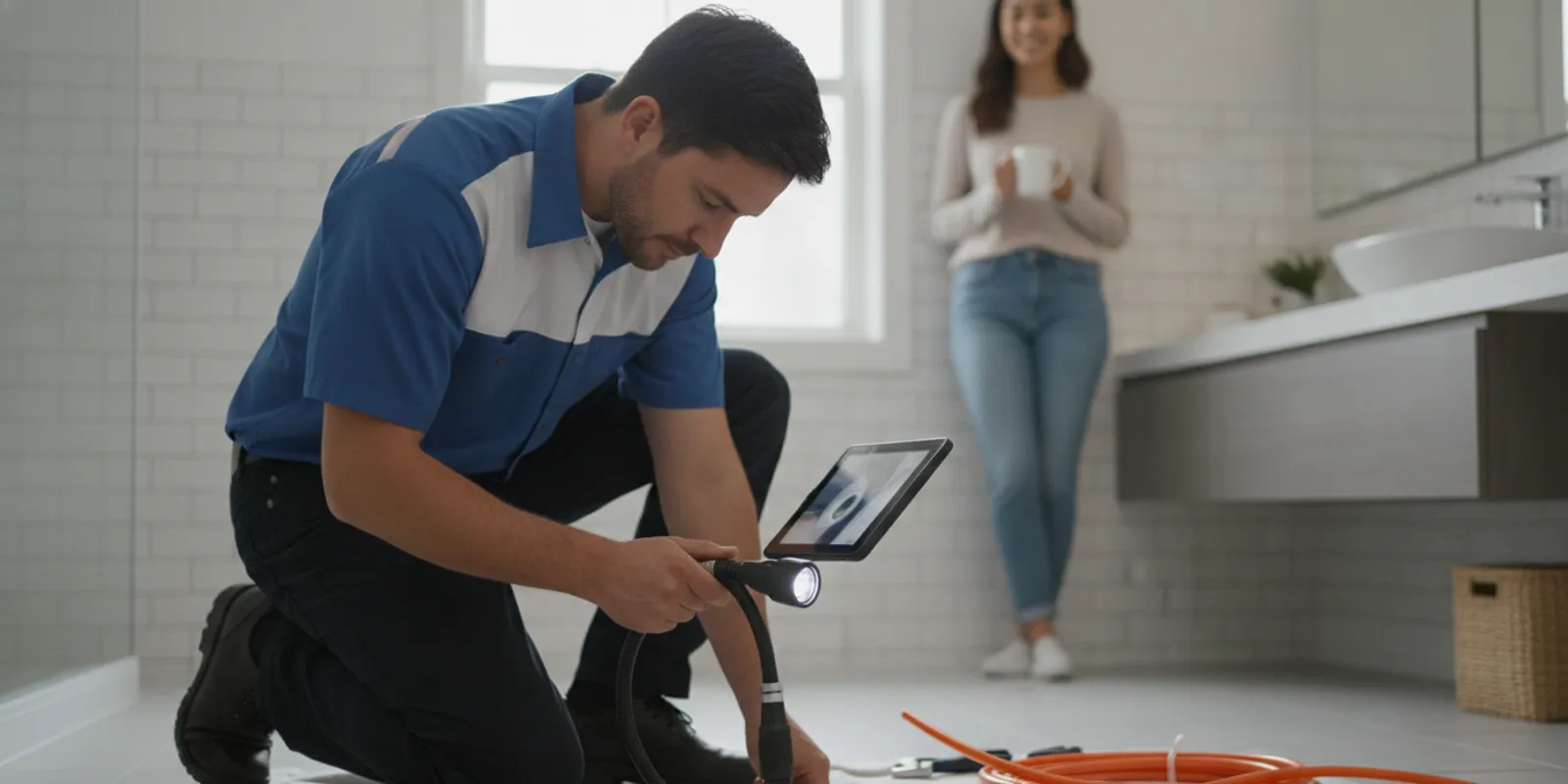
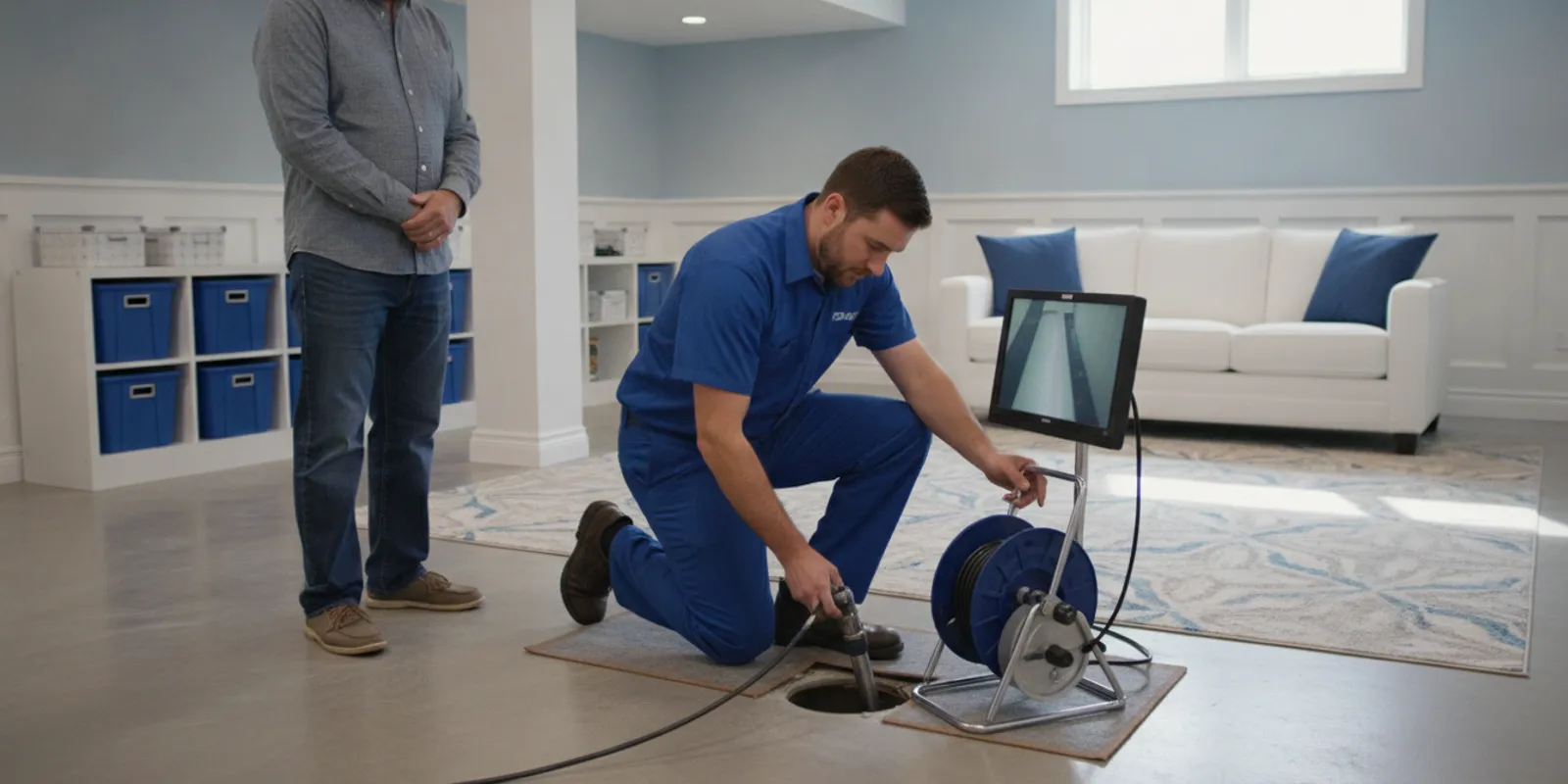
One of the best ways to prevent backups is to keep your drains clear. Over time, grease, hair, and other debris can build up inside your pipes, creating stubborn clogs that often cause backups during heavy rain. Regular professional cleaning not only keeps your drains working well but also helps your pipes last longer, saving you money on future repairs. We can also perform a camera inspection to get a clear look inside your sewer line, spotting hidden issues like cracks or tree root intrusion before they cause a major headache.
Sump Pump Installation and Repair
If your home has a basement, a sump pump is your first line of defense against flooding. A sump pump collects extra water from around your foundation and moves it safely away from your house, which is especially helpful during big storms. Without a functioning sump pump, heavy rainfall can lead to water backing up through your floor drains. We can install a new, reliable sump pump or provide regular maintenance for your existing one to ensure it’s ready to work when you need it most.
Backflow Prevention & Emergency Repairs
Sometimes, the problem isn’t in your pipes but with the city’s sewer system. When municipal lines are overwhelmed by rain, sewage can be forced back into your home. To stop this, we can install a backflow prevention device, also known as a backwater valve. This simple valve allows wastewater to flow out but automatically closes if sewage starts to flow back in. It’s a crucial safeguard for any home connected to a municipal sewer. And if the unexpected does happen, our team is always ready with reliable emergency plumbing services.
Related Articles
- Drain Backup in Basement? A Step-by-Step Guide
- Basement Drain Backup: Your Step-by-Step Guide
- A Homeowner’s Guide to Old Basement Drainage Systems
Frequently Asked Questions
How can I tell if the backup is my responsibility or the city’s? A good rule of thumb is to check the scope of the problem. If only one sink or shower is draining slowly, the clog is likely isolated to that specific pipe. However, if all the drains in your house are backing up at once, especially in the basement, the issue is probably in your main sewer line or the municipal system. If your neighbors are experiencing the same problem at the same time, it strongly suggests an issue with the city’s main line.
Are chemical drain cleaners a good idea for rainy-day backups? It’s best to avoid chemical drain cleaners for this type of issue. Backups caused by heavy rain are typically the result of a major blockage in your main line or an overwhelmed city sewer, not a simple clog that chemicals can dissolve. These harsh liquids are often ineffective on large-scale problems and can even corrode your pipes over time, creating bigger issues down the road.
My house is fairly new. Should I still be worried about backups during storms? While older homes with aging pipes are certainly at a higher risk, newer homes are not completely immune. Sometimes construction debris can get left in the sewer line, creating a snag point for future clogs. More importantly, if your new home is connected to an older municipal sewer system, you can still experience backups when the city’s infrastructure can’t handle a storm, regardless of how new your personal plumbing is.
What’s the single most effective thing I can do to protect my home from sewer backups? If you’re looking for the strongest defense, installing a backwater prevention valve is your best bet. This device acts as a one-way gate on your sewer line. It allows wastewater to flow out of your home but automatically closes to stop sewage from flowing back in if the city’s system gets overloaded. It’s a proactive solution that provides real peace of mind during heavy storms.
How often should I have my main sewer line inspected? There isn’t a strict schedule, but a good guideline is to have a professional camera inspection every few years, particularly if you live in an older home or have mature trees in your yard. If you’ve noticed any warning signs like slow drains or gurgling sounds, it’s wise to schedule an inspection sooner. This allows a professional to spot potential problems like root intrusion or cracks before they cause a messy emergency.