
Let’s talk about what’s really in that water. A sewer backup isn’t just dirty water; it’s classified as blackwater, a hazardous substance filled with bacteria, viruses, and other dangerous pathogens. Direct contact or even inhaling the fumes can pose serious health risks to you, your children, and your pets. This is why your response in the first few minutes is so critical. Protecting your family’s health is the number one priority. This guide focuses on safety above all else, explaining what to do when your sewer backs up to secure the area, avoid contamination, and handle the cleanup safely. We’ll give you the knowledge you need to manage the situation without putting your well-being at risk.
Key Takeaways
- Know the Warning Signs and Act Fast: If you notice multiple slow drains, hear gurgling sounds from your pipes, or see water backing up in your tub, stop using all water immediately. These are clear signs of a main line blockage that requires professional attention.
- Prevention is Your Best Defense: You can avoid most backups by being careful about what goes down your drains. Keep grease out of the sink, only flush toilet paper, and consider scheduling routine camera inspections to catch issues like tree roots before they become an emergency.
- Safety is Non-Negotiable, So Call a Pro: A sewer backup is a health hazard, not a DIY project. For your family’s safety, stay away from the contaminated water and call a licensed plumber who has the right tools to diagnose the issue and fix it correctly.
What Is a Sewer Backup?
A sewer backup is one of the most stressful plumbing problems a homeowner can face. It happens when the main sewer line that carries wastewater away from your house gets blocked. Instead of flowing out to the city sewer, that dirty water has nowhere to go but back up into your home through drains in your basement, showers, and sinks. This isn’t just a messy inconvenience; it can cause serious water damage and create an unhealthy environment. If you suspect a backup, it’s a true plumbing emergency that requires immediate action.
What Causes a Sewer Backup?
Sewer backups can happen for reasons inside your home or further down the line in the city’s system. Some causes are out of your control, like heavy rainfall overwhelming the municipal sewer system or soil shifting and breaking underground pipes. More often, the problem starts closer to home. Tree roots are a major culprit, as they can sneak into older pipes and create dense blockages requiring professional sewer line repair. Your home’s pipes also age and can collapse over time. Things you send down the drain matter, too. Pouring fats, oils, or grease can create stubborn clogs, and flushing anything other than toilet paper and human waste is asking for trouble. Our team can handle any of these plumbing issues.
Is It Your Problem or the City’s?
Figuring out if the clog is your responsibility or the city’s can help you know who to call first. A good first step is to locate your sewer cleanout. This is a capped pipe, usually in your yard or basement, that provides direct access to your sewer line. If you carefully remove the cap and see standing water, the blockage is likely in the city’s main line. In this case, you should contact your local water department. If the cleanout is empty, the clog is somewhere in your home’s pipes, and it’s time to call a plumber. If you’re not comfortable checking this yourself, don’t worry. We can quickly diagnose the problem for you.
Don’t Ignore These Health Risks
A sewer backup isn’t just messy; it’s a serious health hazard. The water backing up into your home, known as blackwater, is filled with harmful bacteria, viruses, and other pathogens. According to the Environmental Protection Agency, direct contact with this water or even breathing in the fumes can make you and your family sick. Exposure can lead to stomach bugs, skin infections, and respiratory problems. Because of these dangers, you should keep everyone, including pets, away from the affected area. It’s always best to leave the cleanup and repairs to professionals who have the right equipment to handle the situation safely and effectively.
Spotting the Warning Signs of a Sewer Backup
A sewer backup can feel like it comes out of nowhere, but your plumbing system often sends out distress signals before a major crisis hits. Paying attention to these early warnings can be the difference between a simple fix and a full-blown, messy emergency. Think of it as your home’s way of telling you something is wrong deep within its pipes. When you notice several of these signs happening at once, it’s a strong indicator that the problem isn’t a simple clog but a blockage in your main sewer line.
Acting fast is key. If you spot these symptoms, it’s wise to stop using your water and call for professional help right away. A licensed plumber can diagnose the issue before it turns into a costly and unsanitary disaster. Catching it early saves you stress, time, and money, and protects your home and family from the health risks of raw sewage. Don’t try to wish these signs away; they almost always get worse over time. When in doubt, a quick call to an emergency plumbing expert can provide peace of mind and a clear path forward. Below, we’ll walk through the most common red flags so you know exactly what to look, listen, and smell for.
Slow Drains Everywhere
If your kitchen sink is slow to drain, you might just have a localized clog. But if you notice that the kitchen sink, the shower, and the toilet are all taking their sweet time, that’s a major red flag. One of the first and most common signs of a sewer backup is having slow drains throughout your entire house, often requiring professional drain cleaning services in Metro Detroit. This isn’t a coincidence; it points to a larger problem brewing in your main sewer line, the pipe that carries all your home’s wastewater away. When this main line gets blocked, the water has nowhere to go, causing it to back up into the smaller pipes connected to your fixtures.
Gurgles, Bubbles, and Bad Smells
Your plumbing shouldn’t sound like a science experiment. If you start hearing strange gurgling sounds coming from your drains or see bubbles surfacing in your toilet bowl, listen up. These noises are often caused by air getting trapped in your pipes by a blockage and then being forcefully released when you run water. Along with the strange sounds, you might also detect a strong, foul smell near your drains or throughout your home. That unmistakable sewer gas odor is a clear sign that waste isn’t flowing away from your house as it should. Don’t just light a candle; these smells and sounds are your plumbing’s way of screaming for help.
Water Appearing in Strange Places
This is the most alarming and undeniable sign of a sewer backup. If you see water backups in your sinks, tubs, or floor drains, you have a problem that needs immediate attention. A classic example is flushing a toilet and watching water come up in the shower drain. This happens because the water can’t go down the blocked main line, so it follows the path of least resistance back up into your home. Pay special attention to the lowest drains in your house, like a basement floor drain or a first-floor shower, as these are often the first places sewage will appear. If multiple drains clog or back up at once, it’s a sure sign your main sewer line is blocked and it’s time to call a professional.
Your First Steps During a Sewer Backup
Seeing sewage back up into your home is alarming, but your actions in the first few minutes are critical. Taking a moment to follow a clear plan can protect your home from more damage and, more importantly, keep your family safe. Think of this as your emergency action plan. We’ll walk through the four most important things you need to do right now, step by step. Your immediate goals are to stop the flow of water, secure the area for safety, and get professional help on the way.
Stop Using Water Immediately
Your absolute first move is to stop all water use in the house. This means no flushing toilets, no running faucets, and definitely don’t start a load of laundry or dishes. Every drop of water you send down your drains will only add to the backup, pushing more sewage into your home. Go around and make sure everyone in the house knows to stop using water. This simple action prevents the problem from getting worse while you move on to the next steps. It’s the most effective way to immediately contain the situation.
Shut Off the Gas and Power
Safety is your top priority. If the backup has caused flooding, you need to address the risk of electrical shock. If you can safely access your breaker box without walking through water, shut off the power to the affected areas. If water is near outlets or you’re unsure, it’s best to turn off the main power to your entire home. While you’re at it, shut off your main gas valve as well. This is a crucial precaution to prevent any potential gas leaks if the backup has compromised your lines. When in doubt, always put safety first.
Stay Away From the Sewage
This is not just dirty water; it’s a serious health hazard. Raw sewage is filled with harmful bacteria, viruses, and other pathogens that can make you and your family very sick. Keep children, pets, and anyone with a compromised immune system far away from the affected area. Don’t try to touch the water or any contaminated items with your bare hands. Resisting the urge to start cleaning up immediately is tough, but protecting your health is far more important. Leave the cleanup to professionals who have the right gear and disinfectants.
Call an Emergency Plumber
A sewer backup is not a DIY project. Once you’ve taken these initial safety precautions, your next call should be to a professional. You need an expert who can quickly diagnose the cause of the blockage, whether it’s in your home’s pipes or a problem with the main sewer line. A licensed plumber has the tools and experience to resolve the issue safely and effectively. Calling for emergency plumbing services right away ensures the problem is handled correctly from the start, minimizing the long-term damage to your home.
Safety First: Gear Up and Know What to Avoid
A sewer backup is more than just a mess, it’s a genuine health hazard. That water is filled with contaminants that are unsafe for you, your family, and your pets. Before you do anything else, you need to focus on safety. Rushing in without the right gear or using the wrong products can make a bad situation much worse. Here’s how to protect yourself and avoid common mistakes that could damage your plumbing.
What Protective Gear to Wear
When you’re facing raw sewage, you need a barrier between you and the bacteria. Don’t underestimate the risks. Before entering the affected area, put on the right protective gear. This includes waterproof, heavy-duty gloves, rubber boots that go over your ankles, and safety goggles to protect your eyes from splashes. A face mask is also essential to avoid inhaling harmful airborne contaminants. This gear shields you from direct contact with waste and the dangerous pathogens within it. If the backup is significant, it’s always safest to wait for a professional. These situations are exactly why emergency plumbing services exist.
Common Mistakes to Avoid
In a moment of panic, it’s tempting to grab the quickest fix you can find. One of the biggest mistakes homeowners make is pouring a bottle of liquid drain cleaner down the toilet or sink. While it might seem like a logical first step, these chemical products can cause more harm than good. They often aren’t powerful enough to clear a major sewer line clog, and they can react with the materials in the sewage, creating toxic fumes. Plus, if the clog doesn’t clear, you’re left with a pipe full of standing water and harsh chemicals, making the situation even more dangerous for the plumber who comes to fix it.
Step Away From the Chemical Drain Cleaner
Let’s be clear: chemical drain cleaners are not your friend during a sewer backup. These harsh formulas are designed to dissolve hair and soap scum, not the serious blockages like tree roots or collapsed pipes that cause sewer backups. At best, they’re ineffective. At worst, they can corrode your pipes from the inside out, leading to even more expensive repairs down the road. Instead of reaching for a bottle of chemicals, your best move is to call a professional. A licensed plumber can diagnose the real problem and use the right tools to fix it safely. They have access to a range of expert plumbing solutions that won’t damage your system.
How to Safely Clean Up After a Backup
Once the source of the backup is fixed, the cleanup process begins. This part is just as important for protecting your home and your family’s health, since sewage contains harmful bacteria and contaminants. Cleaning up requires care and attention to detail. While we always recommend calling a professional restoration service for significant backups, you can handle smaller incidents yourself if you follow the right safety procedures. Here’s how to tackle the cleanup process step by step, so you can get your space back to being safe and clean.
Remove Water and Damaged Items
Your first priority is to get all the standing water and sewage out of the affected area. If it’s not draining on its own, you may need to use a pump. The faster you remove the water, the less damage it can cause. Next comes the difficult task of sorting through your belongings. You’ll need to throw away any porous items that absorbed the contaminated water, like carpets, rugs, mattresses, and upholstered furniture. It’s tough to part with personal items, but it’s not worth the health risk if they can’t be completely disinfected. If the job feels too big, our emergency plumbing team can help.
Clean and Disinfect Every Surface
With the water and ruined items gone, it’s time to deep clean. Start by washing all hard surfaces, including walls, floors, and cabinets, with soap and hot water. This removes the initial layer of dirt and grime. After washing, you need to disinfect everything to kill any lingering germs. A simple and effective solution is to mix one cup of household bleach into one gallon of water. Use this mixture to wipe down all the surfaces you just washed, and let them air dry. Make sure you wear gloves and keep the area well-ventilated while you work with any cleaning solutions.
Dry and Ventilate the Area
After cleaning and disinfecting, the final step is to dry the area completely. Any remaining moisture can lead to mold and mildew, which can cause further damage and create new health problems. Open up all the windows and doors to get the air circulating. Use fans to speed up the drying process, and if you have one, run a dehumidifier to pull moisture out of the air. This step can take a few days, but it’s essential for a safe and complete restoration. Proper drainage and reliable sump pump services can also help keep your basement dry long-term.
Deciding What to Keep and What to Toss
Making decisions about what to save can be overwhelming. The general rule is to discard anything porous that can’t be machine-washed in hot water and disinfected. This includes most furniture, bedding, toys, and paper products. However, you can salvage hard, non-porous items like plastic, metal, and glass by cleaning and disinfecting them thoroughly. Canned goods can also be saved if you scrub the cans with soap and water, then soak them in a bleach solution for about 15 minutes. When in doubt, it’s always safer to throw an item away. We know this is a stressful time, and our family-owned company is here to help you get your home back to normal.
How Much Does Sewer Backup Cleanup Cost?
Let’s get straight to the question that’s likely at the top of your mind: how much is this going to cost? Facing a sewer backup is stressful enough without the added worry of a surprise bill. Generally, you can expect the cost for a professional sewer backup cleanup to fall somewhere between $1,000 and $4,000. That’s a wide range because the final price tag really depends on the extent of the problem. A small, contained issue is very different from a major flood of raw sewage. The key is to understand what factors play a role in the total cost so you can feel more prepared.
What Affects the Final Cost?
The final cost of a sewer backup cleanup can vary quite a bit based on a few key factors. The severity of the problem is the biggest one. A minor clog might only cost a few hundred dollars to clear, while a collapsed main line could run into the thousands. A camera inspection to diagnose the exact issue typically adds $100 to $300. After the plumbing is fixed, the actual cleanup can add another $200 to $600. The materials needed for the repair and how difficult it is to access the pipes also play a role. A pipe under your lawn is much easier to get to than one buried under your concrete driveway, which can increase labor costs. That’s why it’s so important to get a professional assessment from an emergency plumbing expert.
Will Your Insurance Cover It?
This is a critical question, and unfortunately, the answer is often complicated. A standard homeowners insurance policy usually does not cover damage from a sewer backup. This kind of water damage is typically excluded, meaning you would be responsible for the entire bill. However, many insurance providers offer an add-on or endorsement for this exact situation. You may be able to purchase additional sewer or water backup coverage that can help pay for the damages. The best thing you can do is call your insurance agent right away to understand your policy. It’s always a good idea to review your coverage before you need it to ensure you have the right protection in place.
When to Call a Professional
While it’s tempting to roll up your sleeves and tackle home repairs yourself, a sewer backup is one of those times when calling for backup is the smartest move. This isn’t your average clogged drain that a plunger can fix. A sewer line backup points to a significant problem deep within your plumbing system, often far from what you can see or reach. Trying to fix it without the right knowledge and equipment can easily make the situation worse, leading to more extensive damage and higher costs.
Think of it this way: a professional plumber doesn’t just treat the symptom; they diagnose the root cause. Is it an aggressive tree root that has cracked your main line? Is it years of accumulated grease and debris? Or is it a problem with the municipal sewer line? A professional has the tools to find out for sure. Calling for help quickly protects your property from further water damage and, more importantly, safeguards your family’s health from the hazards of raw sewage. It’s the safest, fastest, and most effective way to get your home back to normal.
Signs You Need a Pro
Knowing when to pick up the phone is key. If you notice one drain is slow, you might be able to handle it. But if you see any of these signs, it’s time to call for emergency plumbing services immediately. A major blockage is likely at play if multiple fixtures are backing up at once, like your toilets, tubs, and sinks. Another red flag is hearing gurgling noises from your drains or toilet when you use water elsewhere in the house. The most urgent sign is seeing sewage or foul-smelling water flowing back into your home, especially from toilets or floor drains. This is a serious health risk and a clear signal that the problem is beyond a simple DIY fix.
What to Expect From Your Plumber
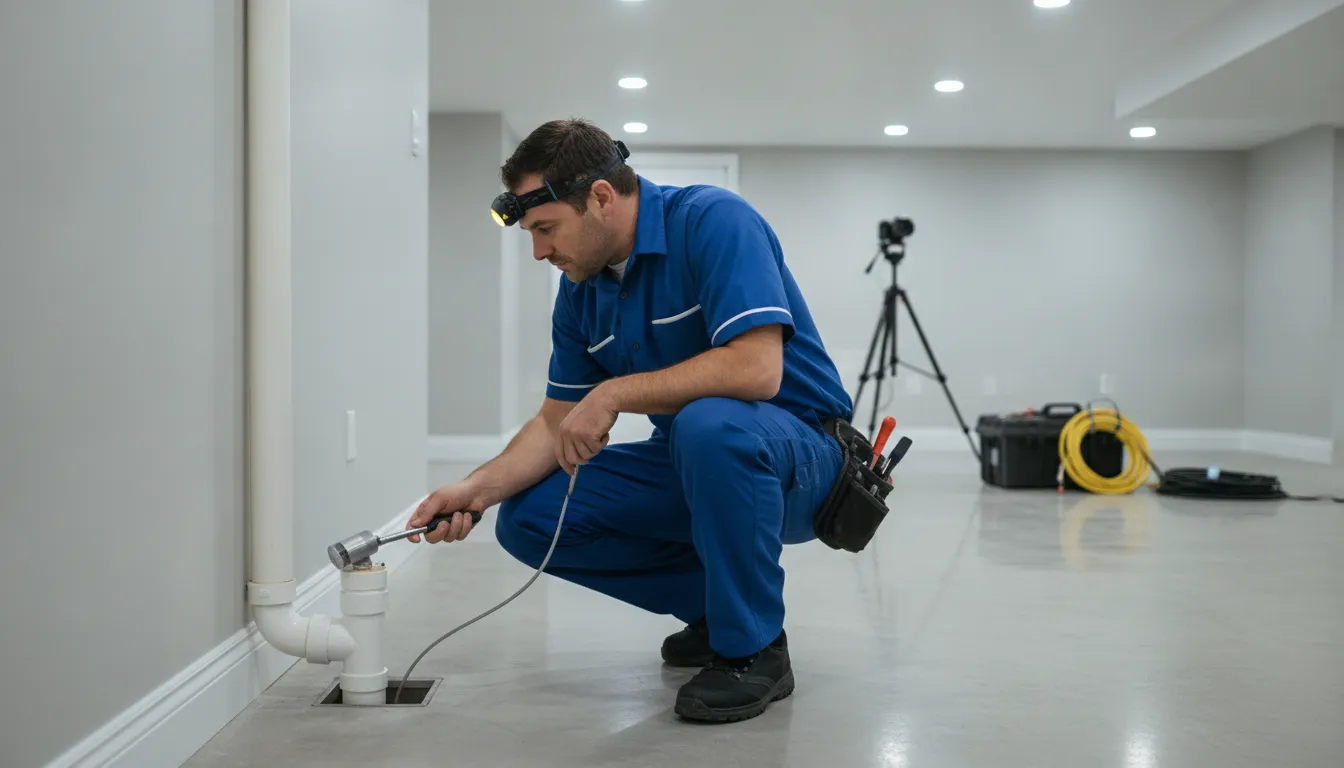
When you call a professional from a trusted company like Mr. Pipey, you can expect a systematic and thorough approach. First, they won’t just start guessing. Your plumber will likely begin with a diagnostic inspection, often using a specialized waterproof camera that they feed into your pipes. This allows them to see exactly what’s causing the blockage and where it’s located. Once they identify the problem, they’ll explain your options. For tough clogs, they may use hydro-jetting, which blasts high-pressure water through the pipes to clear out everything from grease to tree roots. They have the right tools to provide comprehensive plumbing solutions and get the job done safely and effectively.
How to Prevent Future Sewer Backups
Dealing with a sewer backup is stressful enough the first time around. The good news is that you can take several proactive steps to significantly lower the chances of it ever happening again. Prevention is always better, and less expensive, than a cure. By adopting a few new habits and making some smart updates to your plumbing system, you can keep your pipes flowing freely and gain valuable peace of mind. Think of it as a partnership between your daily habits and professional maintenance.
Some of the most effective preventative measures are simple changes to your routine, like being more mindful of what goes down your drains. Other strategies involve professional help, such as installing protective devices or scheduling regular check-ups to catch problems before they start. In a place like Metro Detroit, where older homes and harsh winters can put extra strain on plumbing, being proactive is key. Taking these steps not only protects your property from water damage but also safeguards your family’s health from the hazards of raw sewage. Let’s walk through the most effective ways to stop a sewer backup before it starts.
Watch What Goes Down Your Drains
The easiest and most immediate change you can make is to be mindful of what you flush and rinse away. Your plumbing system is designed to handle a very specific list of things: water, human waste, and toilet paper. That’s it. Everything else belongs in the trash. Items like paper towels, cotton swabs, dental floss, and so-called “flushable” wipes do not break down properly and are notorious for causing clogs.
Make it a household rule to throw all other items in the garbage can. This simple habit is your first line of defense against blockages in your own pipes and helps prevent issues in the main sewer line. It costs nothing, but it can save you from a major plumbing headache.
Properly Dispose of Grease, Oil, and Fats
Your kitchen sink is not a trash can, especially when it comes to fats, oils, and grease (FOG). Pouring bacon grease, cooking oil, or fatty sauces down the drain might seem harmless, but it’s one of the leading causes of sewer clogs. As the FOG travels down your pipes, it cools, hardens, and sticks to the pipe walls. Over time, this greasy buildup narrows the pipe and traps other debris, creating a stubborn blockage that’s difficult to remove.
Instead, let grease cool in the pan, then pour it into a disposable container like an old coffee can or jar. Once it’s full, simply toss it in the trash. For greasy pans, wipe them out with a paper towel before washing.
Keep an Eye on Tree Roots
The beautiful, mature trees in your yard could be a hidden threat to your sewer line. Tree roots are naturally drawn to the moisture and nutrients inside your pipes, and they can work their way into even the smallest cracks. This is especially common in older homes with clay or cast iron sewer lines. Once inside, the roots can expand, creating a dense mat that blocks flow and can eventually cause the pipe to break completely.
If you have large trees on your property, it’s wise to schedule routine plumbing inspections. A camera inspection can identify root intrusion early, allowing you to address the problem before it leads to a messy backup in your basement.
Install a Backflow Preventer
A sewer backflow preventer is a powerful defense against backups caused by an overloaded city sewer system. During heavy rainfall, municipal sewer mains can become overwhelmed and force wastewater to flow backward into residential homes. A backflow valve acts as a one-way gate, allowing sewage to flow out of your home but automatically closing if the flow reverses. This simple device can be a lifesaver, particularly for homes with basements or those located in low-lying areas.
We can help you determine if this is the right solution for your home and handle the professional backflow preventer installation to keep your home protected.
Schedule Routine Sewer Inspections
You wouldn’t skip a regular check-up for your car, and the same principle applies to your home’s plumbing. Scheduling routine sewer inspections is one of the smartest ways to prevent emergencies. Using advanced camera technology, a professional plumber can get a clear view of the inside of your sewer line. This allows us to spot potential problems like minor cracks, early-stage root growth, or small blockages before they escalate into a full-blown backup.
A regular inspection is a small investment that provides invaluable information about the health of your plumbing system. It allows you to make informed decisions and plan for repairs on your own schedule, not during an emergency.
Maintain and Insulate Your Pipes
Taking care of your pipes is essential for long-term reliability, especially in a place like Metro Detroit where winter weather is a serious factor. Older sewer lines made of clay or cast iron are more susceptible to cracks and root damage. Upgrading to modern PVC pipes can be a worthwhile investment for a more durable, long-lasting system.
Additionally, protecting your pipes from freezing is critical. When water freezes, it expands, which can cause pipes to burst and lead to flooding and backups. Ensure that any pipes in unheated areas like crawl spaces, basements, or garages are properly covered. Professional pipe insulation is a simple and effective service that protects your plumbing from our harsh Michigan winters.
Prepare Your Home for a Plumbing Emergency
A plumbing emergency can feel overwhelming, but a little preparation goes a long way in protecting your home and family. Instead of scrambling during a crisis, you can have a clear plan of action. Taking a few simple steps now will help you stay calm and in control when you need it most. Think of it as creating a safety net for your home’s plumbing. When everyone knows their role and where to find essential shut-offs, you can minimize damage and get help on the way much faster.
Make Sure Everyone Knows the Plan
When water starts backing up, the first few minutes are critical. It’s important that everyone in your household is on the same page. If sewage is flowing into your home, it’s a serious health risk, so the number one rule is to stop using all water immediately. This means no flushing toilets, running faucets, or starting the dishwasher. Sit down with your family and explain this simple rule. A quick chat can prevent a messy situation from becoming a hazardous one. You can even post a small reminder note inside a bathroom cabinet to keep the plan top of mind for everyone.
Know Where Your Shut-Off Valves Are
In a plumbing emergency, your first job is to stop the flow of water. To do that, you need to know where your home’s main water shut-off valve is located. It’s often in the basement, a crawl space, or a utility closet. Take a few minutes to find it, and make sure it’s easy to access and turn. It’s also a good idea to locate the main electrical panel. If water is near any outlets or appliances, you’ll need to shut off the power to that area to prevent a dangerous electrical hazard. Labeling these controls with bright tape can make them much easier to find in a panic. This simple step is a key part of any emergency plumbing plan.
Keep a Trusted Plumber’s Number Handy
When you’re dealing with a backed-up sewer or a burst pipe, the last thing you want to do is search for a reliable plumber. Having a trusted professional’s number ready can save you precious time and stress. We recommend saving the number in your phone and also writing it down on a piece of paper near your main water shut-off valve. That way, anyone at home can make the call. At Mr. Pipey, we treat our clients like family, and we’re here to help when you need it most. You can find all our details on our contact page and add us to your phone today, just in case.
Related Articles
- Basement Drain Backup: Your Step-by-Step Guide
- Drain Backup in Basement? A Step-by-Step Guide
- Sewage Clean Up: A Complete Homeowner’s Guide
Frequently Asked Questions
How can I tell if I have a major sewer backup or just a simple clogged drain? The biggest clue is how many drains are affected. If only your kitchen sink is draining slowly, you likely have a localized clog you might be able to handle. However, if you notice slow drains in multiple places at once (like the shower, a toilet, and a sink), that’s a strong signal the problem is in your main sewer line. Gurgling sounds from your pipes or water backing up in a low-level drain, like a basement shower, after you flush a toilet are also clear signs of a sewer backup.
My sewer is backing up. Should I call a plumber or the city first? This is a great question, and the answer depends on where the blockage is. If you feel comfortable, you can check your home’s sewer cleanout pipe. If you open the cap and see standing water, the problem is likely on the city’s side, so you should contact your local water department. If the pipe is empty, the clog is in your own line. When in doubt, your safest and fastest option is to call a professional plumber. We can quickly determine the source of the problem and advise you on the right next steps.
Is it safe to stay in my house during a sewer backup? You should treat a sewer backup as a serious health hazard. The water, often called blackwater, is filled with bacteria and other contaminants that can make your family sick. It is very important to keep everyone, especially children and pets, far away from the affected area. Avoid all contact with the water and any items it has touched. Your health is the top priority, so it’s best to secure the area and wait for professionals to handle the cleanup.
Will my homeowners insurance cover the damage from a sewer backup? Unfortunately, most standard homeowners insurance policies do not automatically cover damage from a sewer backup. This type of event is often listed as an exclusion. However, many insurance companies offer specific water backup coverage as an optional add-on to your policy. The best course of action is to call your insurance agent as soon as possible to review your specific coverage and see what is included. It’s always a good idea to check on this before an emergency happens.
What is the most important thing I can do to prevent this from happening again? The most effective prevention strategy is a combination of good habits and proactive maintenance. On a daily basis, be very strict about what goes down your drains. Never pour grease or oil down the sink, and only flush human waste and toilet paper. Beyond that, scheduling routine sewer inspections with a professional is a smart investment, especially if you have an older home or large trees in your yard. A camera inspection can catch problems like tree roots or pipe damage early, before they cause another emergency.