

A Farmington Hills homeowner may ask, “What is a sump pump and do I need one in Farmington Hills?” The answer depends on how water reaches the home. It also depends on whether the basement sits below grade and how the existing drainage system performs.
Contact Mr. Pipey for professional sump pump guidance in Farmington Hills
Farmington Hills sump pump guidance
Quick answer: A sump pump collects groundwater in a basin at a low point. It sends that water away from the foundation through a discharge line. A home with a below-grade basement, recurring moisture, or a history of flooding may benefit from one. A sump pump does not correct every source of basement water, including sewage backing up through a plumbing drain.
Understanding the system’s role helps you make a focused decision about a Farmington Hills property instead of assuming that every basement needs the same equipment. A professional assessment can separate a groundwater concern from a foundation, drain, or sewer problem.
What is a sump pump and do I need one in Farmington Hills?
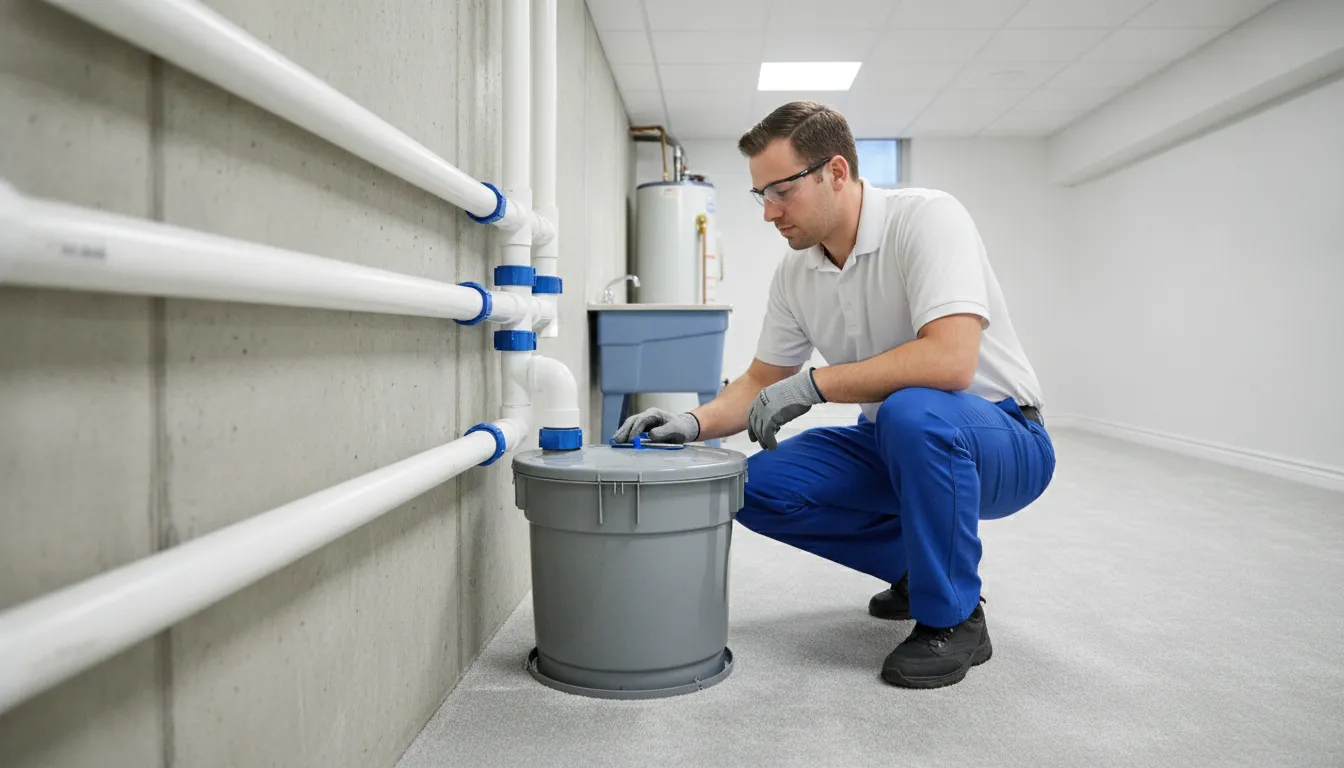
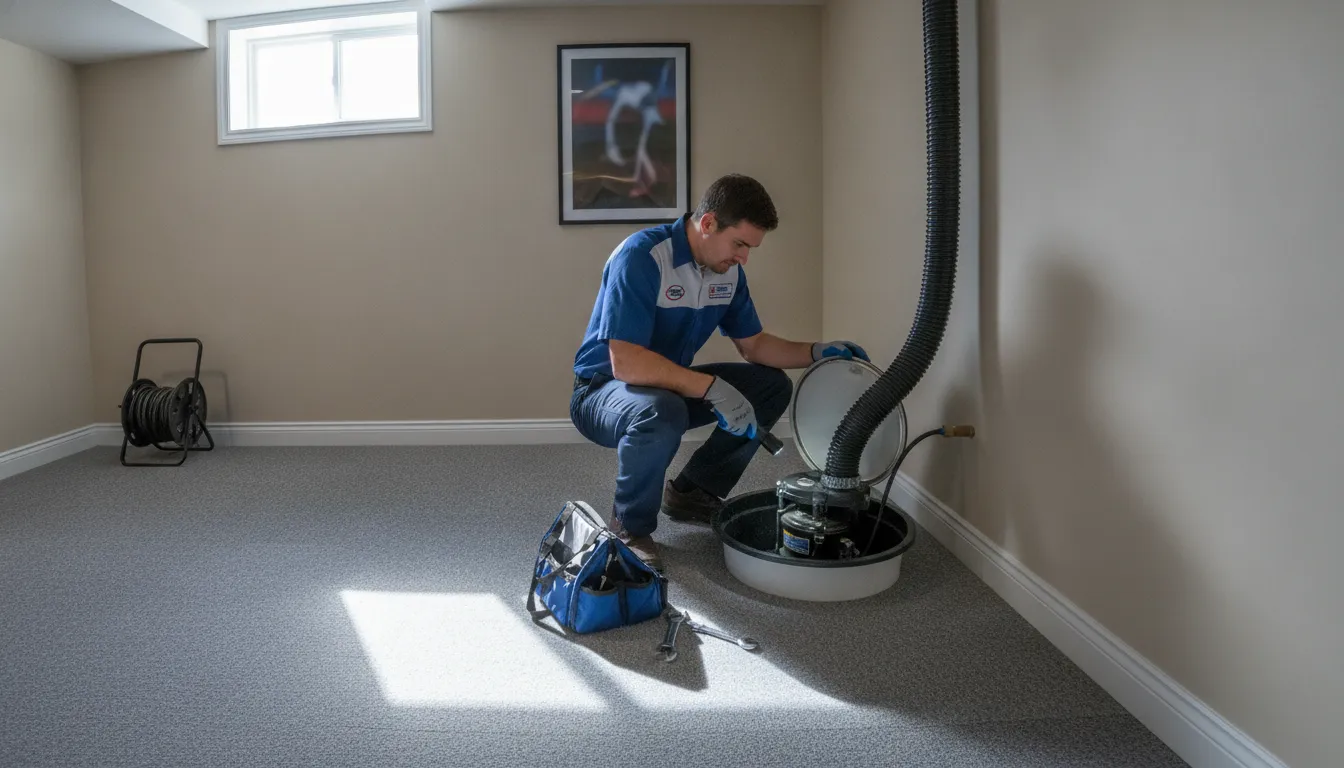
In a Farmington Hills home, a sump pump is part of a groundwater-management system. Water that reaches the foundation drainage system or collects around the basement moves toward a sump basin. The pump activates when water reaches a set level, then sends it through a discharge pipe to an appropriate location away from the foundation.
The sump pit, pump, water-level sensor, check valve, and discharge piping work together. The basin provides a collection point. The pump removes water from the basin. A float or electronic sensor starts and stops the pump. The check valve helps limit backflow, and the discharge route carries water away from the structure.
The Detroit Water and Sewerage Department describes a sump pump as a mechanical device that pumps water away from a home’s foundation. DWSD’s basement backup and flood protection guidance also distinguishes groundwater and foundation drainage from sewage backup concerns.
Whether you need a sump pump depends on the property’s conditions, not just its city or age. A below-grade basement and past moisture problems make an evaluation worthwhile. So do standing water, recurring seepage, water collecting near the foundation, or a pump that runs unusually often.
Who typically needs a sump pump in Farmington Hills?
A sump pump is commonly considered for homes with a basement or other below-grade space. Below-grade walls and floors have more direct contact with surrounding soil, so groundwater and runoff can find paths into the structure. That does not mean every Farmington Hills basement requires a pump. It does mean the property’s drainage performance deserves attention.
Professional evaluation is especially useful when one or more of these conditions apply:
- The home has a below-grade basement: Water around the foundation can move toward the lowest part of the structure. The basin, pump, and discharge route should be evaluated together.
- The basement has a history of moisture: Damp flooring, water stains, recurring seepage, or previous flooding provide useful evidence even when the basement is dry during an inspection.
- Water collects near the foundation: Surface grading, roof runoff, footing drainage, and soil conditions can affect how much water reaches the foundation.
- The basement is finished or frequently used: Reliable water management matters more when moisture could affect flooring, drywall, furnishings, storage, or mechanical equipment.
- The current pump is noisy or unreliable: Unusual cycling, a sensor that does not activate consistently, or standing water near the basin can indicate a system problem.
- Heavy rain repeatedly creates basement concerns: A pattern during intense storms may reveal limitations in the drainage or discharge setup.
These indicators do not identify a specific repair by themselves. They show why a site-specific review is more dependable than choosing equipment based only on a general rule. A plumbing professional can inspect the basin, pump operation, discharge piping, check valve, and related basement drainage conditions.
For additional background, read Mr. Pipey’s sump pump basin guide. The basin matters because replacing a pump without addressing a damaged, obstructed, or poorly connected pit may leave the water-management issue unresolved.
How do Farmington Hills soil and drainage conditions affect the decision?
Farmington Hills properties can experience different drainage patterns from one neighborhood or lot to another. The relevant question is not whether a particular soil description automatically requires a sump pump. The better question is how water moves across the property, around the foundation, and through the basement drainage system during wet conditions.
Basements are below grade, where groundwater can place pressure on walls, floors, and foundation drainage components. Poor grading or concentrated roof runoff can send additional water toward the structure. Drain tile or footing-drain problems can also change where water collects. If the basin or discharge line cannot handle incoming water, a pump may run frequently or the basement may remain damp.
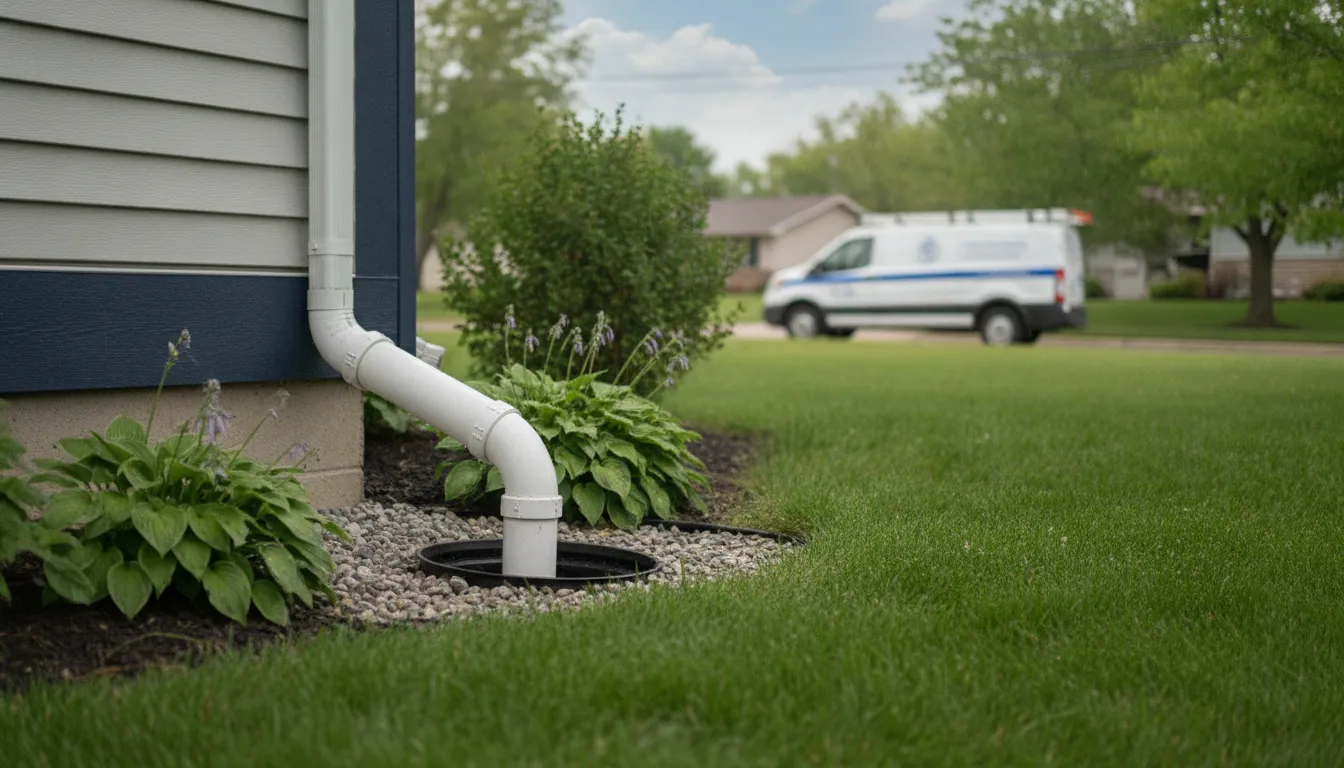
Heavy downpours can expose drainage weaknesses that are not obvious during ordinary rainfall. The City of Fargo explains that sump pumps move water from a basement to a location away from the home. The discharge route is therefore part of the system’s performance. Water released too close to the foundation can move back toward the structure or contribute to a recurring drainage pattern.
Local conditions should be evaluated as a connected system. A professional review can consider basement construction, foundation drainage, surface grading, discharge termination, pump cycling, and the history of water intrusion. The goal is not to prescribe equipment before the site is understood. It is to identify the source and establish whether the existing water-management approach is appropriate.
That review also gives homeowners a clearer record of what the system is doing during wet weather. It can identify whether water enters through the foundation, collects at a low point, or comes from a plumbing drain. This distinction helps direct the next professional service decision.
The sump pump system is one part of a broader basement water plan. A professional can explain how the pump relates to the home’s foundation drainage, basement drains, and discharge route. This context is useful when a homeowner is deciding between maintenance, repair, or installation.
What are the main parts of a sump pump system?
A sump pump system includes more than the motor. Each component has a role in collecting water, triggering removal, preventing return flow, or supporting operation during a power interruption.
| Part | Function | Professional review |
|---|---|---|
| Basin | Collects water at a low point near or below the basement floor. | Condition, placement, cover, and drainage connections. |
| Primary pump | Moves collected water through the discharge line. | Operation, condition, electrical connection, and suitability for site demands. |
| Float or sensor | Detects rising water and starts or stops the pump. | Reliable activation, movement, and compatibility with the pump. |
| Discharge piping | Carries water away from the house and foundation. | Routing, connections, termination point, and restrictions. |
| Check valve | Helps limit water flowing back toward the basin. | Condition, fit, and whether returning water affects cycling. |
| Backup power | Supports continued operation when utility power is unavailable. | Readiness and compatibility with the overall system. |
Every component affects reliability. A pump can operate normally while a discharge line is restricted. A sensor can activate while the basin or drainage connection is not performing as expected. A backup arrangement can provide continuity, but it does not replace a properly functioning primary system.
The City of Fargo’s sump pump information explains the basic purpose of moving collected basement water away from the home. A professional assessment applies that principle to the actual Farmington Hills property, its drainage conditions, and the way the basement is used.
How can you tell when a sump pump needs professional attention?
A sump pump may need attention when its operating pattern changes. The issue could involve the pump, sensor, basin, discharge route, check valve, power supply, or the volume of water entering the system. A diagnosis is more useful than assuming every symptom means the pump must be replaced.
- Unusual noise: Grinding, rattling, or clanging can indicate mechanical wear, debris, or a component that is not properly supported.
- Frequent or constant cycling: Repeated activation may relate to incoming groundwater, a float setting, a discharge concern, or a check valve issue.
- No visible discharge: If the pump sounds active but water does not reach the expected exterior location, the discharge path needs evaluation.
- Standing water: Water around the basin or elsewhere on the basement floor indicates that the system is not managing incoming water as expected.
- Musty or sewage-related odors: Damp conditions can create a musty smell. A foul sewage odor may indicate a separate sewer-drain problem.
- Unknown service history: If the installation date, prior repairs, or operating condition are unclear, a planned inspection can document the system before heavy weather.
Water source matters. Clear water collecting near the basin may point toward groundwater or foundation drainage. Water with a sewage odor, water entering through a floor drain, or a backup affecting multiple fixtures may point toward a sewer concern instead. A sump pump is not designed to correct a failed sewer lateral or wastewater flowing backward through a plumbing drain.
How often should a Farmington Hills sump pump be checked?
A sump pump should be reviewed on a regular schedule instead of only after a storm reveals a problem. The appropriate frequency depends on the property’s water history, basement use, system age, and exposure to changing weather. A professional can assess the pump and connected drainage components as one system.
- Review operation periodically: Confirm that the primary system activates and moves water as intended. The basin, sensor, check valve, and discharge line deserve attention along with the motor.
- Plan before wet-weather periods: A seasonal review gives the homeowner time to address unusual cycling, prior seepage, or discharge concerns before sustained rain or rapid snowmelt.
- Evaluate the full discharge route: Water should be directed away from the foundation without creating a new drainage problem. The route and termination point are part of system performance.
- Discuss continuity planning: A finished basement, valuable storage, or a history of outages may justify a conversation about backup-power or secondary-pumping options suited to the property.
Routine professional attention is particularly reasonable when a pump has become noisy, runs more often than before, or has not been assessed recently. It also helps distinguish a pump issue from a foundation, basement-drain, or sewer issue that requires a different solution.
Homeowners planning a new installation can review Mr. Pipey’s basement sump pump installation guide. The right system still depends on a site assessment, including the basin location, drainage conditions, discharge route, basement use, and expected water volume.
Schedule a professional basement drainage evaluation with Mr. Pipey
Frequently Asked Questions
What is a sump pump?
A sump pump is a mechanical device that collects water in a basin or sump pit and moves it away from a home’s foundation. It is primarily used to manage groundwater and water entering a foundation drainage system.
Do Farmington Hills homes need a sump pump?
Some Farmington Hills homes may benefit from a sump pump, especially those with below-grade basements, recurring moisture, or a history of flooding. A professional evaluation is the best way to determine whether a property needs installation, repair, or another drainage solution.
Can a sump pump prevent sewer backup?
No. A sump pump manages groundwater collected around the foundation. It does not correct a failing sewer lateral or wastewater backing up through a floor drain. Those symptoms require a separate sewer and plumbing evaluation.
How often should a sump pump be checked?
It should be reviewed periodically and before seasons or weather patterns that commonly bring heavy rain, rapid runoff, or groundwater changes.
The review should cover the basin, pump, sensor, discharge route, check valve, and backup arrangement.
.
Professional sump pump guidance for Farmington Hills homes
The answer to “what is a sump pump and do i need one in Farmington Hills” depends on the home’s basement and drainage history.
Foundation conditions and existing equipment also matter. Mr. Pipey provides professional plumbing guidance for homeowners and can help identify the source of basement water and choose an appropriate next step.
Mr. Pipey provides professional plumbing service in Michigan. The company offers upfront service options and a 100% satisfaction guarantee. Contact Mr. Pipey through the Farmington Hills service team to discuss a sump pump, basement drainage, or related plumbing concern.