
Spots on faucets, a film on shower doors, and soap that refuses to lather are familiar frustrations for many Metro Detroit homeowners. Hard water can also leave mineral scale inside pipes, water heaters, and appliances, where buildup may restrict flow and reduce heat transfer over time, according to the U.S. Environmental Protection Agency.
Professional water softener installation detroit services can address calcium and magnesium in the water through a properly selected, connected, and configured system. A qualified plumber can evaluate your water, confirm whether softening is appropriate, install the equipment, and diagnose repair issues when the system no longer performs as expected.
The right solution depends on your home’s water conditions, plumbing layout, and equipment requirements. Understanding why hard water is common in the area makes it easier to recognize its effects and evaluate the next step with confidence.
Schedule your water softener installation, repair, or maintenance with Mr. Pipey today
Why Detroit Homeowners Deal With Hard Water
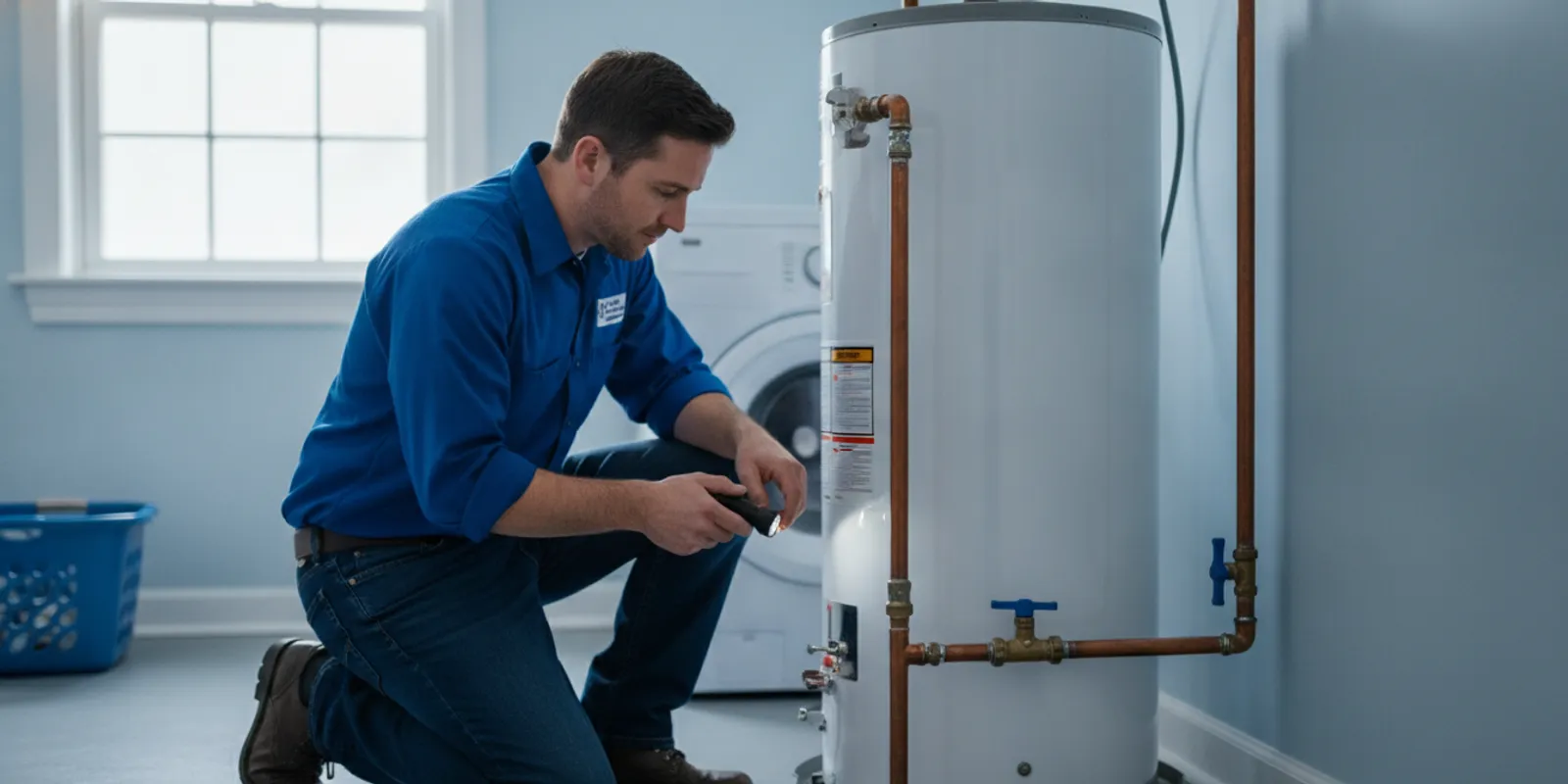
For many Metro Detroit homeowners, hard water first shows up in everyday routines. Dishes and glassware may come out of the dishwasher with a cloudy film. Soap may take longer to lather, while showering can leave a slimy residue on skin. Over time, mineral deposits can also collect inside a water heater and other plumbing equipment, making water quality concerns more noticeable throughout the home.
Hard water contains elevated levels of dissolved calcium and magnesium. The United States Geological Survey classifies water from 121 to 180 milligrams per liter as hard, while water above 180 milligrams per liter is very hard. A citywide weighted average reported for Detroit is approximately 178 parts per million, which falls near the upper end of the hard-water range, although conditions can vary between water systems and neighborhoods. The USGS explains how water hardness is classified, and local testing is the best way to understand the water entering a specific home.
| Hardness level | USGS classification (mg/L as calcium carbonate) |
|---|---|
| Soft | 0 to 60 |
| Moderately hard | 61 to 120 |
| Hard | 121 to 180 |
| Very hard | Over 180 |
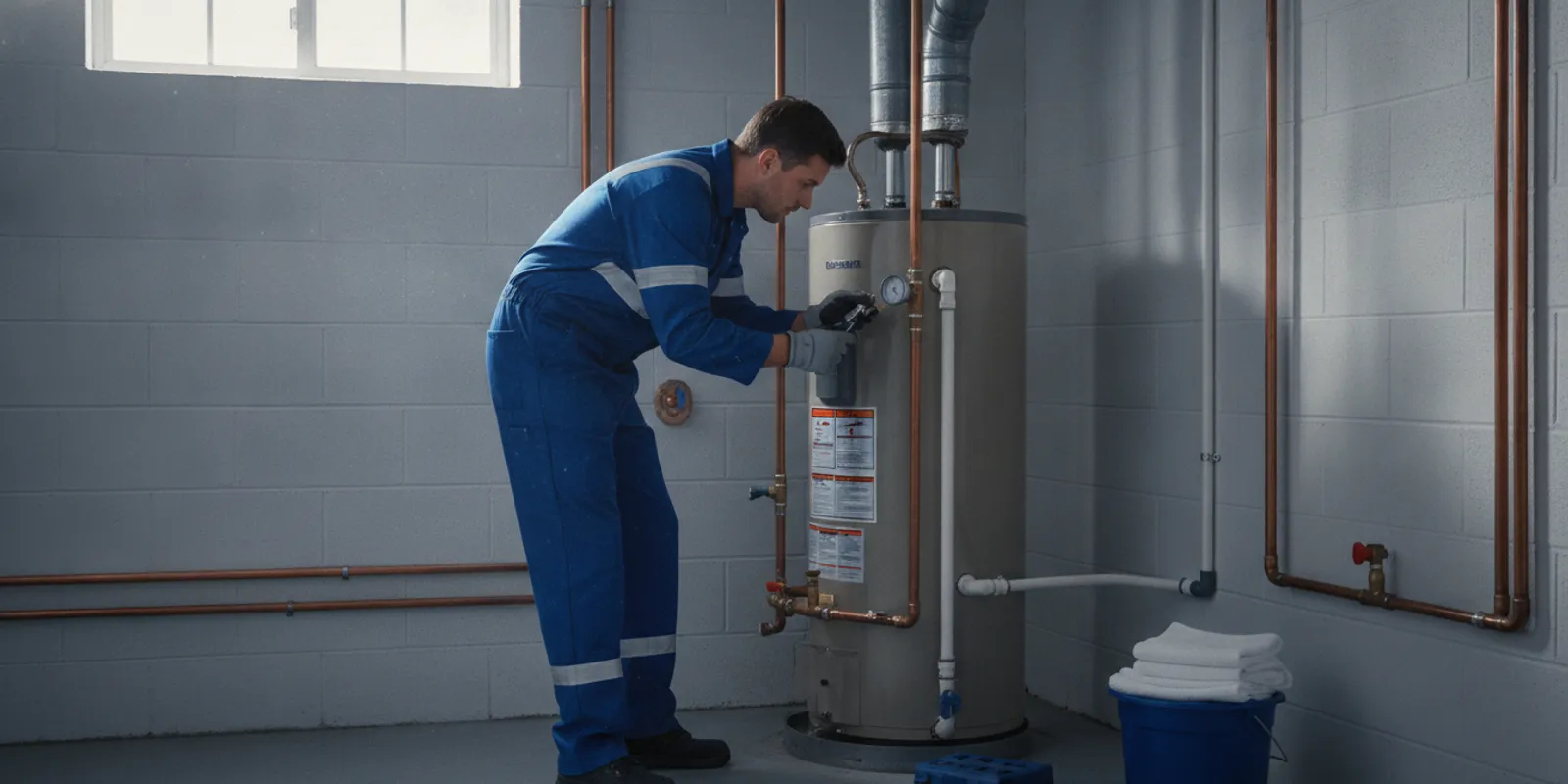
Those minerals do more than create spots on fixtures. According to the U.S. Environmental Protection Agency’s water softener technical guidance, hard water can form scale inside pipes, water heaters, and appliances. Scale does not conduct heat well and can restrict water flow through pipes and fixtures. That can affect how efficiently a water heater operates and may contribute to the buildup found in a tank over time.
Hard water also changes how soap behaves. Calcium and magnesium can react with soap to create a sticky coating and reduce lather, which helps explain the film on glassware and the residue after bathing. If a home is experiencing these patterns, professional evaluation can distinguish water hardness from other plumbing or water-heater concerns. Reviewing related water quality and sediment buildup can also help homeowners understand how mineral deposits affect hot-water equipment.
Not every home requires a softener. The EPA recommends considering one when hardness levels justify it or when guidance from a utility, manufacturer, or applicable code supports the need. A professional assessment can confirm the water condition and whether water softener installation detroit is an appropriate solution for the household.
What Water Softener Installation in Detroit Involves
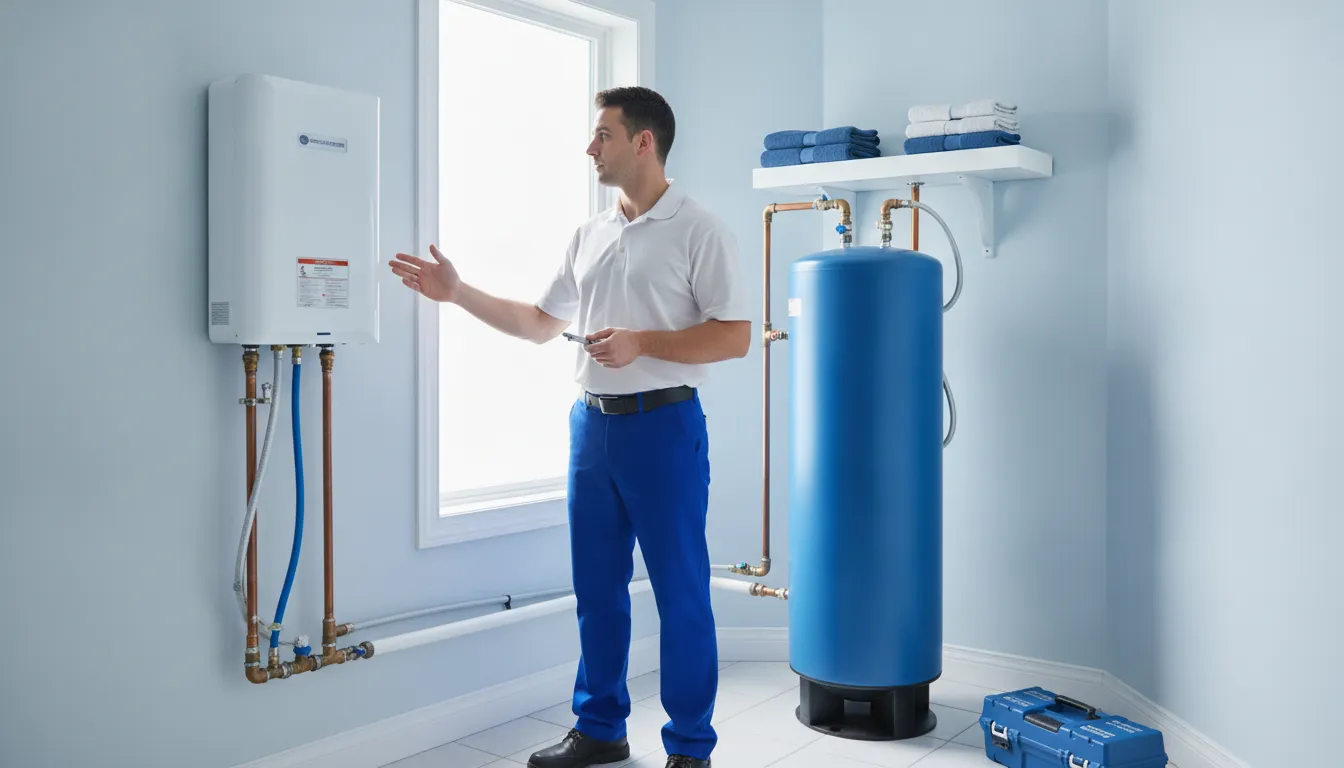
A professional water softener installation in Detroit begins with understanding the home’s water, plumbing layout, and actual treatment needs. A licensed plumber does not select equipment by household size alone. The installation should address water hardness, anticipated demand, available connections, and applicable manufacturer, utility, and code guidance.
Testing the water and matching the equipment
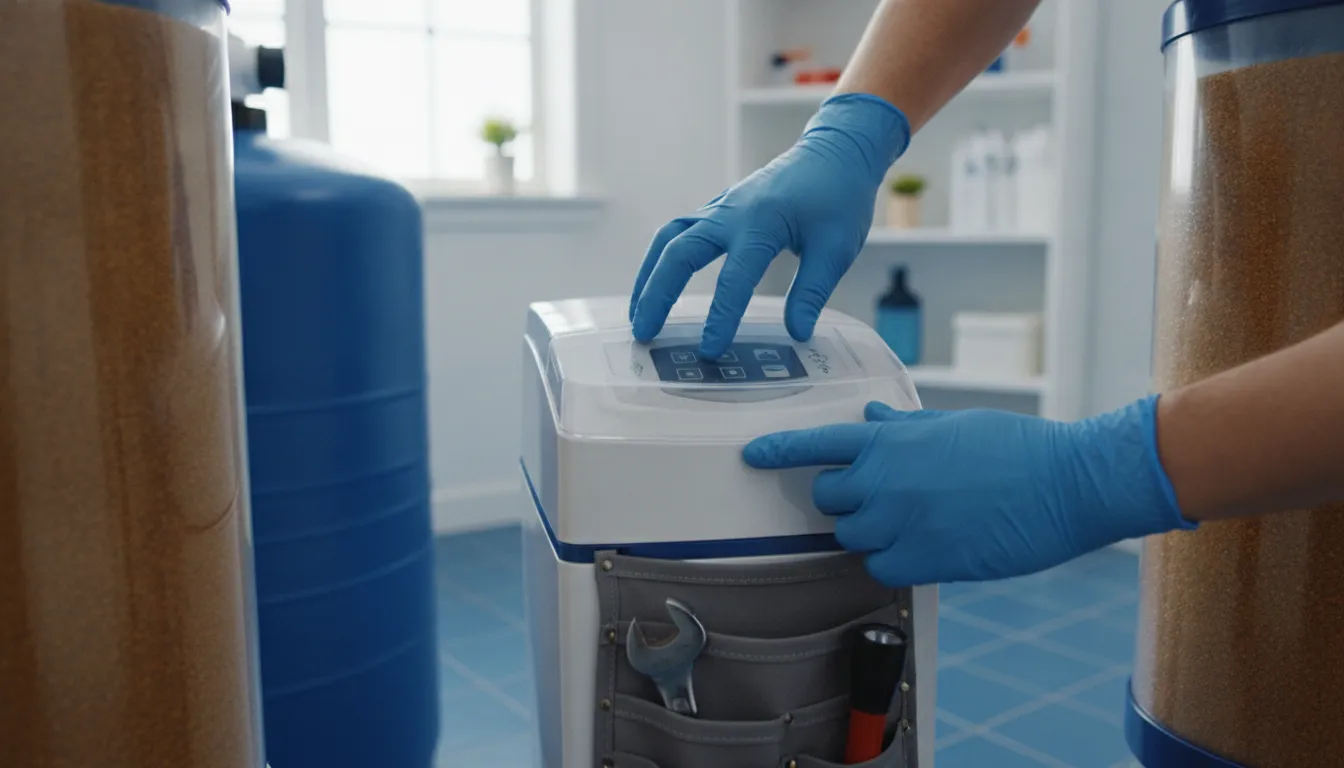
The first step is a water hardness assessment, along with a review of the home’s fixtures and water-use patterns. The results help determine whether a softener is appropriate and what capacity is suitable. The EPA notes that softeners should be considered when hardness is substantial or when appliance manufacturers, local codes, or water utilities recommend them. That makes testing an important part of responsible installation, rather than treating every home the same.
Most residential units use cation exchange. In this process, the softener exchanges calcium and magnesium ions for sodium or potassium ions. The plumber configures the equipment around the home’s needs and confirms that the selected system can regenerate effectively without unnecessary cycling. Demand-initiated regeneration is generally more efficient than a fixed schedule, according to the EPA’s water softener guidance.
Connecting the unit to the home’s plumbing
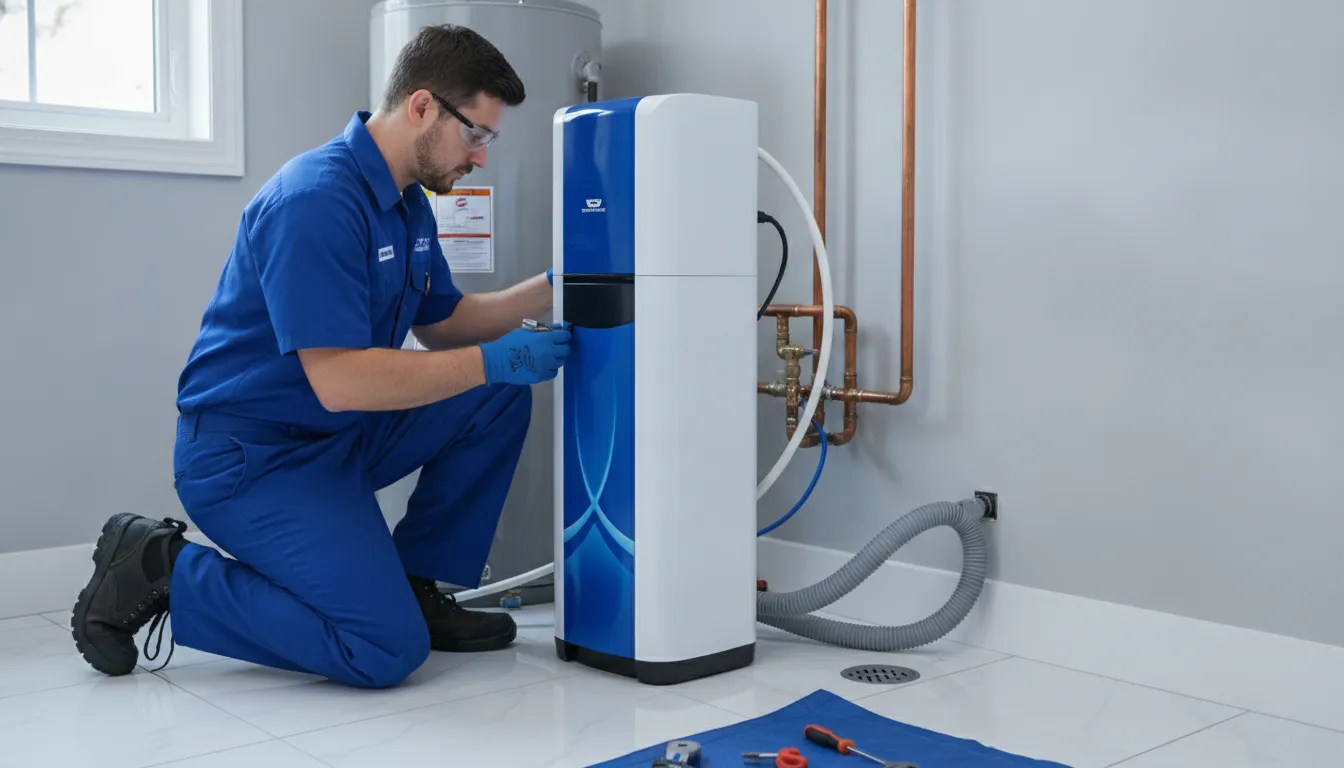
Professional installation includes identifying the existing soft water loop and connecting the unit so treated water reaches the intended fixtures. The plumber also establishes a proper drain connection for regeneration discharge and confirms that the arrangement is suitable for the home’s plumbing and wastewater setup. Correct routing matters because the system must discharge reliably during regeneration without creating leaks, backflow concerns, or an inconvenient service condition.
The bypass valve and brine tank are set up as part of the installation. The bypass allows the water supply to be managed during service or maintenance, while the brine tank supports the regeneration process. These components need to be installed and checked as a complete system, not treated as separate accessories.
Programming and completing the walkthrough
After the connections are complete, the plumber programs regeneration settings, checks for leaks, and verifies that the system responds correctly. The final walkthrough explains normal operation, what the controls indicate, and when professional service may be appropriate. If hard water has also affected a home’s hot-water equipment, homeowners can review professional water heater services as part of a broader plumbing evaluation.
How the Soft Water Loop and Drain Connection Work
A professional water softener installation depends on more than placing equipment near the main water line. The installer also needs to connect the system to the home’s supply plumbing and provide a safe path for water discharged during regeneration. These connections are commonly planned around a soft water loop and a dedicated drain connection.
What the soft water loop does
A soft water loop is a pre-plumbed set of supply pipes and shutoff valves, usually located near the home’s utility equipment. It gives a water softener a defined connection point without requiring the entire main water line to be redesigned. During installation, a professional evaluates the existing plumbing, confirms the flow direction. And connects the softener so treated water can serve the intended fixtures while the system can still be bypassed when service is needed.
The loop also supports controlled operation. The bypass arrangement allows a technician to isolate the softener for inspection or repair while maintaining water service to the home when appropriate. Correct connections help prevent untreated and treated water lines from being mixed up, and they reduce the likelihood of leaks caused by an improvised connection. The exact configuration depends on the home’s plumbing layout, equipment requirements, and applicable local practices.
Why the drain connection matters
During regeneration, a cation-exchange softener cleans its treatment media and sends brine or wastewater to a drain. The EPA explains that these systems remove calcium and magnesium by exchanging those minerals for sodium or potassium ions. The drain connection therefore needs to carry the discharge away reliably while maintaining the required separation and drainage arrangement for the property.
A professional installer selects and secures the drain route based on the equipment manufacturer’s requirements and local plumbing regulations. The discharge may also require additional consideration when a home uses a septic system, because brine entering the wastewater system can affect how the system is managed. The EPA identifies brine discharge as an important consideration for septic systems and local regulations. Review the EPA water softener technical sheet for additional background.
Getting both connections right helps the softener regenerate as designed and keeps the installation serviceable over time. Because the work involves pressurized plumbing, equipment settings, and discharge requirements, it is best handled as professional-equipment work. A qualified technician can confirm that the loop, bypass, drain, and regeneration settings match the home and the selected system.
How Can You Tell If Your Water Softener Needs Repair?
A water softener can show several practical signs when its settings, brine system, resin tank, or control head needs professional attention. A salty or tangy taste in the water may indicate that the regeneration cycle is not completing correctly or that the brine valve needs service. Water should not develop a noticeable salt taste during normal operation.
Changes in water quality and pressure
If softened water no longer feels noticeably different, pay attention to what happens when you wash your hands. Soap may stop lathering as readily, a film may return to fixtures, and spots may reappear on glassware. Hard water reacts with soap to form a sticky coating and reduces lather, according to the U.S. Environmental Protection Agency. These changes can point to a regeneration problem, depleted resin performance, or a control issue rather than a need to simply add more salt.
Low water pressure at one or more fixtures is another reason to schedule an evaluation. A restriction connected to the softener, a valve problem, or buildup elsewhere in the plumbing may be contributing. A professional can isolate the softener from the rest of the system and determine whether the unit is the source of the pressure change.
Mechanical and control signs
Listen for a unit that runs constantly, starts regenerating at unexpected times, or never appears to complete regeneration. Salt that remains undissolved, a hardened bridge in the brine tank, or a resin tank that does not refill properly can also interfere with operation. Visible resin or unusual material around the tank is a further reason to stop relying on the system until it has been inspected.
Error codes on the control head should not be ignored, especially when they appear alongside changes in taste, pressure, or water quality. The code may identify a sensor, valve, power, or programming issue, but the correct response depends on the specific equipment and installation. Avoid changing internal settings or attempting to disassemble the unit. A professional diagnosis can confirm whether the softener needs a targeted repair, cleaning, control adjustment, or replacement recommendation.
If you notice one or more of these signs, schedule a professional water softener inspection with Mr. Pipey. The technician can assess the unit in the context of your home’s plumbing and recommend a practical next step without guesswork.
How Often Should Your Water Softener Be Maintained?
A water softener works best when routine attention keeps the brine tank, resin system, controls, and drain connection operating as intended. Maintenance does not need to be complicated, but it should be consistent. A quick check of the salt supply, periodic professional cleaning, and an annual service visit can help keep water quality and regeneration performance steady.
Routine checks for the brine tank and regeneration cycle
Check the salt level in the brine tank periodically and replenish it before the supply is exhausted. The exact interval depends on household size, water hardness, water use, and the system’s settings. During the same check, look for a salt bridge, which occurs when salt hardens or arches above the water and prevents the brine from dissolving properly. If the salt level appears unchanged over an extended period, the softener may not be drawing brine as it should and deserves professional evaluation.
It is also important to confirm that the system is allowed to regenerate when its capacity requires it. Demand-initiated regeneration responds to actual water use and is more efficient than operating on a fixed schedule, according to the U.S. Environmental Protection Agency. A plumbing professional can verify that the control settings match the home’s water conditions and that the regeneration cycle is completing normally.
Periodic cleaning and an annual professional checkup
Resin and brine components may need occasional cleaning, especially when the system has been exposed to sediment, iron, or extended periods of heavy use. Rather than treating cleaning as a one-size-fits-all task, have a licensed plumber assess the system and follow the manufacturer’s service requirements. The professional can inspect the tank, valves, connections, bypass operation, and regeneration controls while looking for leaks or performance changes that may not be obvious during a brief household check.
An annual service visit is a practical maintenance baseline for many homes. It gives the plumber an opportunity to test water quality, review salt consumption, confirm that the softener is sized and configured appropriately, and identify whether repair or replacement is the better long-term option.
Drain setup also matters. Water softener discharge can contain elevated sodium and chloride concentrations. The EPA notes that excessive concentrations may affect septic systems and may create challenges for local wastewater discharge requirements. Proper drain routing and compliance with applicable local regulations should therefore be reviewed as part of professional service, particularly in homes with septic systems. Regular homeowner checks paired with an annual professional inspection provide a straightforward way to keep the equipment working reliably without turning maintenance into a recurring concern.
Contact Mr. Pipey to schedule professional water softener service in Metro Detroit today
Frequently Asked Questions
How much does water softener installation cost in Metro Detroit?
The total depends on the system size, water hardness, plumbing layout, drain connection, and whether new connections are needed. A professional evaluation provides a site-specific recommendation and price instead of relying on a generic estimate. Ask for a clear scope of work so installation and any required repairs are easy to understand.
Do I need a water softener in my Detroit-area home?
Not every home needs one. The decision should be based on measured hardness and applicable utility guidance, local requirements, or appliance recommendations. Hard water can create scale in pipes, water heaters, and appliances, and it can reduce soap lather. The U.S. Environmental Protection Agency recommends considering softeners where hardness is substantial or other guidance supports their use.
Should I repair or replace my water softener?
Repair may make sense when the issue is limited to a control setting, valve, brine-side problem, or connection. Replacement may be more practical when the system has recurring failures, significant tank or resin damage, or no longer matches the home’s water demands. A professional diagnosis can identify the cause before you commit to either option.
What maintenance does a water softener need?
Routine care includes checking salt and brine operation, confirming that regeneration occurs correctly, inspecting connections, and arranging professional service when performance changes. Demand-initiated regeneration is generally more efficient than fixed-schedule regeneration, according to the EPA technical guidance. Homes with septic systems should also have discharge reviewed because concentrated sodium and chloride can affect septic performance.
Ready to Schedule Water Softener Service?
Professional evaluation can help your household get the right installation, repair, or maintenance plan for its water quality and equipment. Mr. Pipey serves Metro Detroit homeowners with practical recommendations and careful plumbing service. To schedule professional water softener installation, repair, or maintenance, call (313) 900-0700 or request service through our contact page and speak with the team about your next step.