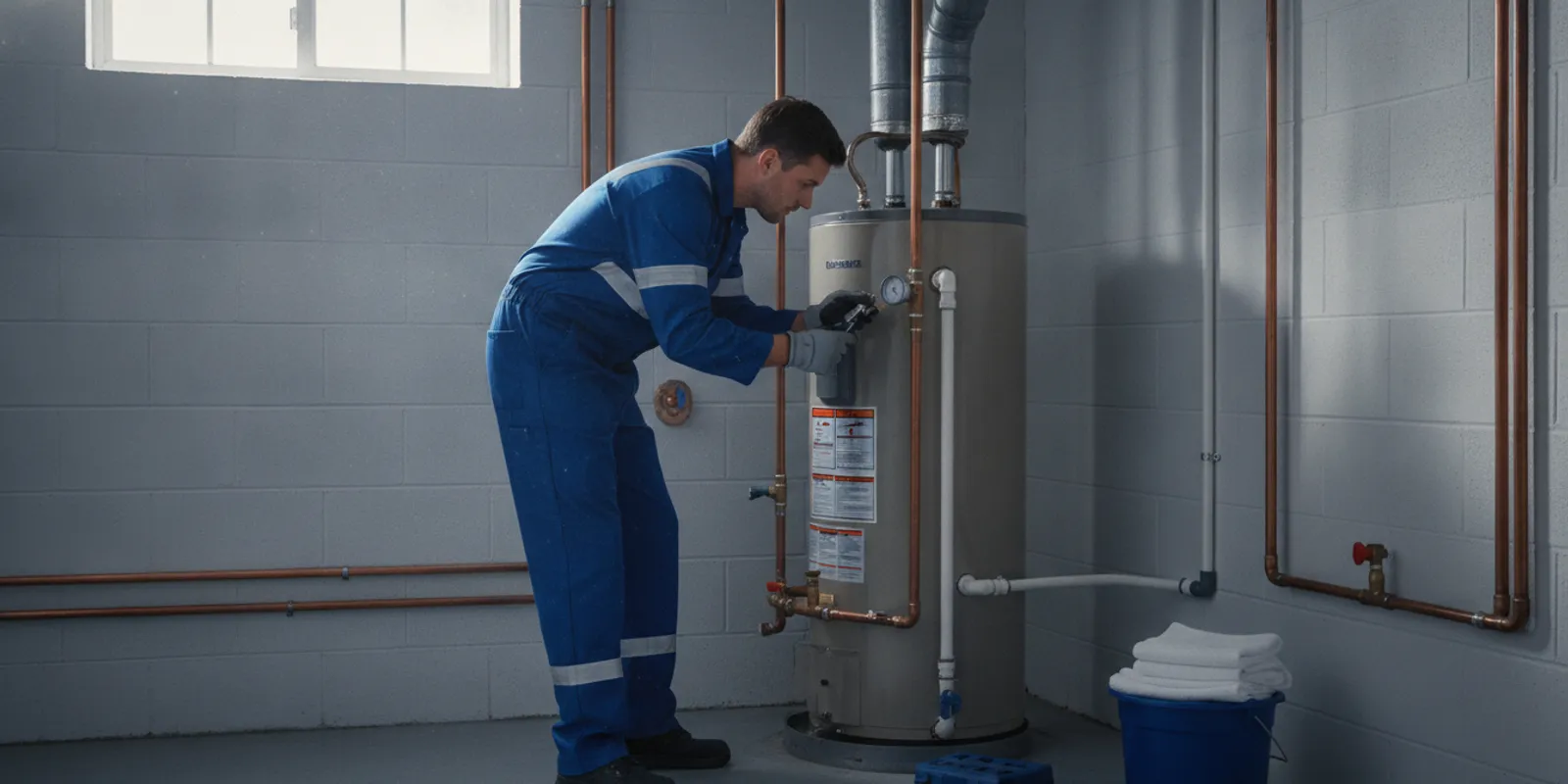
For Southfield homeowners, planning for a water heater replacement is easier when you have a realistic idea of how long the current unit may last. If you are asking how long does a water heater last in Southfield, the practical answer depends on the heater type, its installation, water conditions, maintenance, and how heavily the household uses hot water. A common tank heater may serve for roughly 8 to 12 years, while a tankless model can often last longer, but neither range is a guarantee.
Talk with a plumber about your water heater
Age is a useful planning clue, not a diagnosis. A plumber can assess the unit, explain whether repair is reasonable, and discuss replacement before you are forced to make a rushed decision. This guide explains the ranges, the factors that affect them, and what Southfield homeowners can ask during an evaluation.
How long does a water heater last in Southfield?
As a general planning estimate, conventional storage-tank water heaters commonly last about 8 to 12 years. Tankless water heaters may last around 15 to 20 years with appropriate installation and service. These are broad industry ranges, not a promised lifespan or a schedule that applies to every home. A unit can need attention earlier, while another may continue operating beyond the typical range.
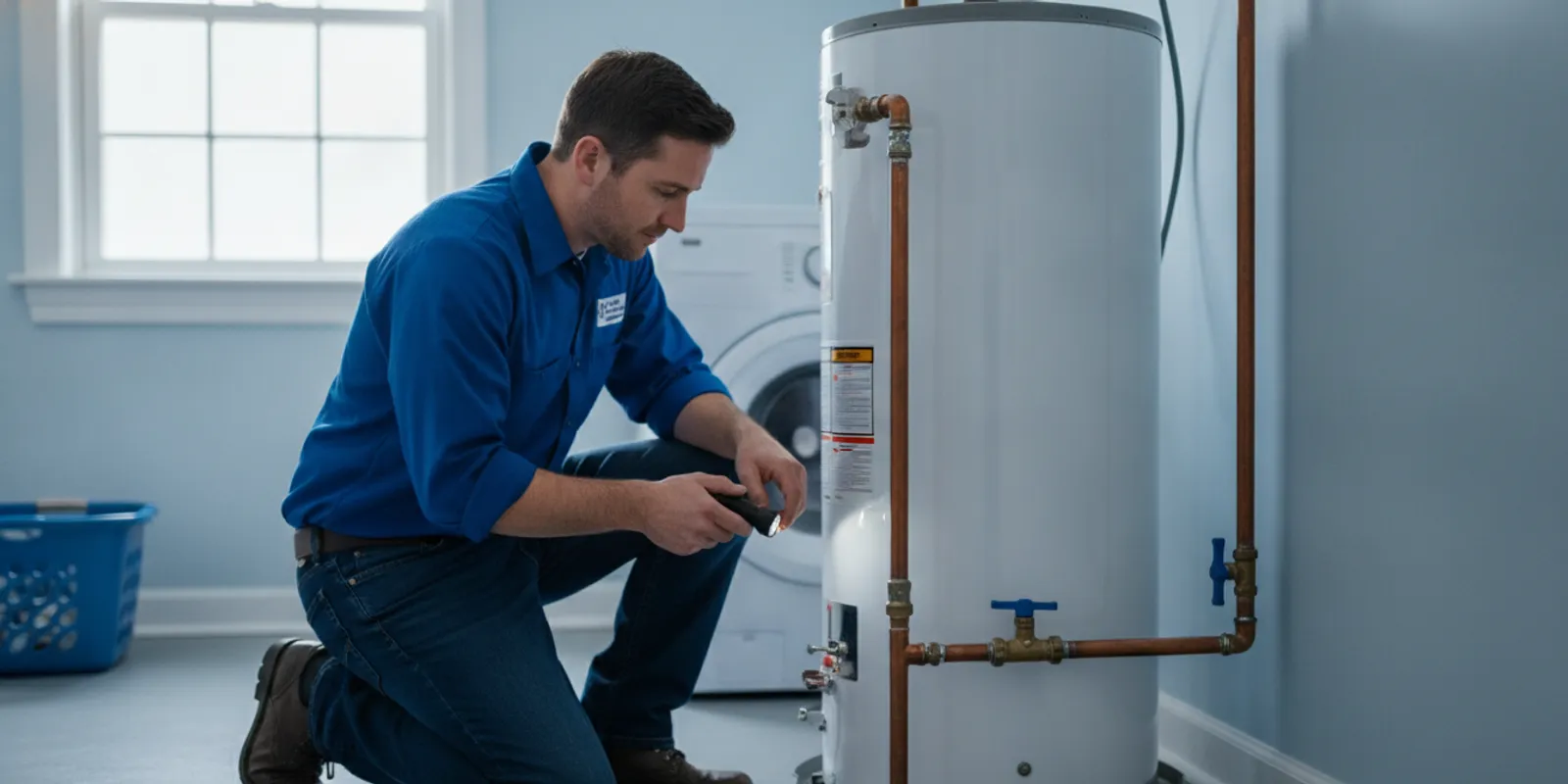
Use the installation date as a starting point. If you do not know it, a plumber may be able to identify the model and approximate age from the manufacturer label. The label usually records the brand, model, and serial number; the serial-number format varies, so age should be confirmed rather than guessed. Receipts, inspection records, or previous service paperwork can also help establish a timeline.
For a unit near the later part of its expected range, plan an assessment even if hot water is still available. That does not mean replacement is automatically necessary. It gives you a chance to understand the condition and options before deciding. Mr. Pipey’s water heater repair and replacement service provides a relevant next step when you need a professional evaluation.
It helps to think in terms of a range rather than a countdown. For example, a tank that is eight years old and working normally may call for routine monitoring, while a similar-age unit with recurring interruptions or visible corrosion deserves a closer look. A twelve-year-old heater with no noticeable symptoms still merits an assessment before you make a decision, because its actual condition and repair history matter more than the calendar by itself.
What affects a water heater’s service life?
Two heaters of the same age can be in different condition. Service life depends on a combination of the equipment, the way it was installed, household demand, and the care it has received. A professional can consider these details along with the symptoms you have noticed.
- Heater type and design: Storage-tank and tankless units operate differently and have different maintenance needs. Their expected service ranges should not be compared as if they were identical appliances.
- Installation quality: Correct sizing, connections, venting, drainage, and compliance with applicable requirements matter to safe and reliable operation. A problem in the original setup can affect performance or create service concerns.
- Water conditions: Mineral content and sediment can influence how a system performs over time. The effect varies by home, so a technician’s findings are more useful than assuming every house has the same water-related issue.
- Household demand: The number of occupants, daily routines, and hot-water use affect how often the system operates. An undersized or heavily used unit may have a different experience from one with lighter demand.
- Maintenance and repair history: Appropriate professional maintenance and timely attention to a developing fault can help preserve reliable operation. Past repairs also help a plumber judge whether a new repair is likely to be worthwhile.
- Environment and location: A unit in a damp or poorly ventilated area may face conditions different from one in a dry, accessible utility space. The heater’s surroundings are part of an inspection.
These factors do not yield a precise expiration date. Instead, they help explain why age alone cannot tell you whether a specific water heater should be repaired or replaced. The product manual is also useful context: manufacturers can specify service and maintenance recommendations for a particular model, but a technician should interpret those recommendations alongside the installation and observed condition.
Household use can change over time, too. A family may add another occupant, change its schedule, or begin using more than one hot-water fixture at once. If the heater previously met demand but now runs short during a predictable busy period, describe that pattern during the assessment. It may point to changed demand, an equipment issue, or a sizing question rather than a simple age-related failure.
What signs suggest a water heater needs attention?
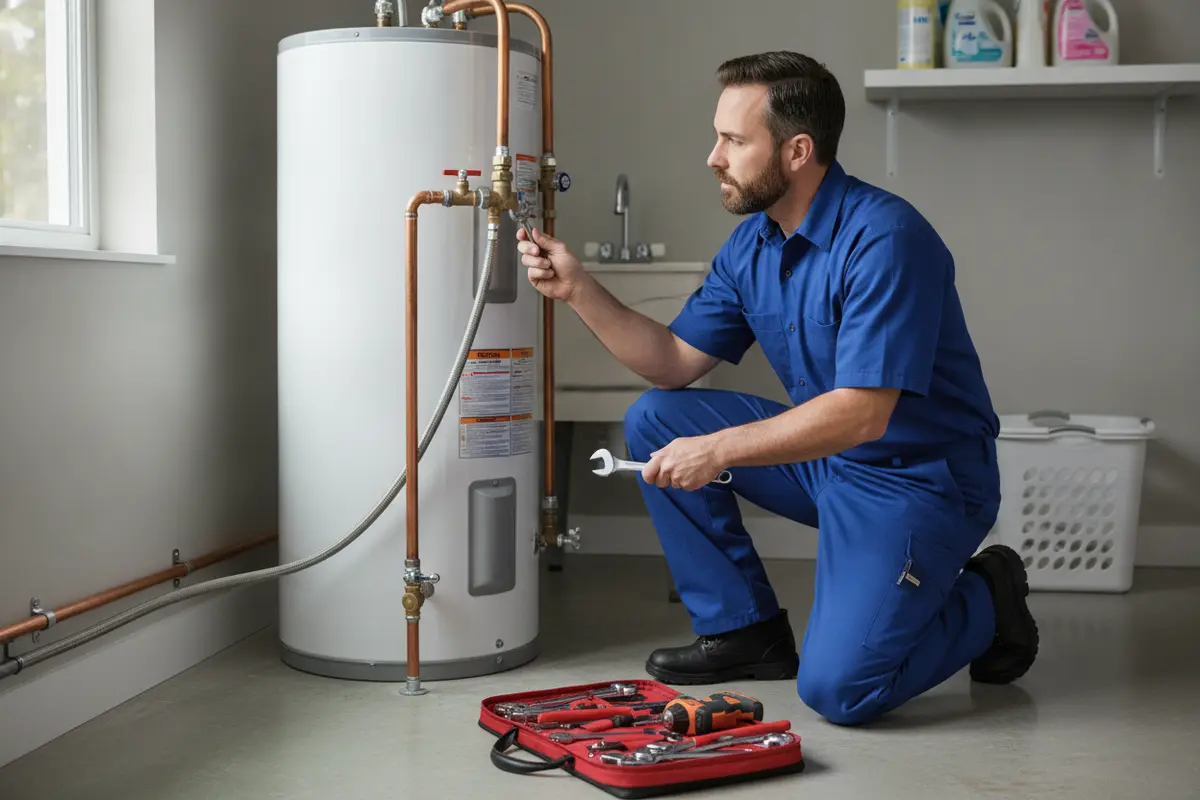
Changes in operation can help you decide when to request service. A single symptom may have more than one cause, so it is best not to treat any one sign as proof that the tank has failed. Note what changed and when it began, then share those details with a plumber.
- Hot water runs out sooner: A change in available hot water may relate to demand, settings, a component, or the unit’s overall condition.
- Water temperature varies: Hot water that fluctuates or does not reach the expected temperature deserves an assessment. A professional can determine whether the issue is limited to the heater or involves another part of the plumbing system.
- Unusual sounds: Popping, rumbling, or other new sounds are worth describing during a service call. The sound alone does not identify the cause.
- Visible moisture or corrosion: Moisture around the heater, corroded connections, or water collecting nearby should be checked promptly. If there is active leaking, contact a plumber rather than waiting for an age-based replacement date.
- Discolored hot water: If discoloration appears only at hot-water fixtures, include that information when requesting service. See this guide to possible causes of discolored hot water for additional context.
- Repeated service calls: A series of repairs, especially on an older unit, can make replacement worth discussing. Ask the plumber to explain the condition and likely options rather than relying on age alone.
When reporting a change, be specific about where and when it happens. For instance, note whether the temperature drops at every fixture or only one, whether the concern appears after several people shower, and whether it happens every day or occasionally. These observations help the service professional distinguish a household-use pattern from a system symptom. They are useful details, not a substitute for an inspection.
If water is escaping and affecting the floor or nearby belongings, take the situation seriously without assuming the entire system has failed. A professional can identify the source and advise on next steps. For urgent plumbing needs, Mr. Pipey’s emergency plumbing service is available for service questions.
Should you repair or replace an aging water heater?
The choice is not simply “old means replace” or “still heats means keep it.” A repair may make sense when the problem is identifiable, the rest of the system is in reasonable condition, and the work addresses the symptom. Replacement may be more practical when the unit has a serious tank leak, repeated failures, significant deterioration, or a repair that does not offer good value for its remaining expected service.
Have the plumber explain what was inspected and how the recommendation follows from those findings. Ask whether the issue is with the heater itself, a connection, a control, or another part of the plumbing. A clear diagnosis helps you compare options based on the condition of your actual unit rather than a generic age chart.
| Situation | What a plumber may evaluate | Possible discussion |
|---|---|---|
| Relatively recent unit with one clear symptom | Whether a specific component or connection explains the problem | Repair, then confirm expected operation |
| Older unit with inconsistent hot water | Age, condition, performance, service history, and household demand | Compare repair with replacement planning |
| Visible leak from the tank or substantial corrosion | Leak source and whether the tank itself is compromised | Discuss replacement and immediate service needs |
| Frequent repairs or recurring interruptions | Pattern of faults and expected value of another repair | Review repair history alongside replacement options |
| Homeowner considering a different system type | Available space, household hot-water use, installation needs, and unit compatibility | Compare tank and tankless systems for the home |
This table is a discussion guide, not a substitute for an inspection. A leak’s source matters: water near the base might come from the tank, a fitting, a drain, or another nearby fixture. If water is spreading, a plumber can help determine whether the heater or a separate plumbing leak is involved. Learn more about professional plumbing leak assessment.
A useful recommendation should connect the finding to the proposed work. If the plumber identifies a replaceable part, ask what the repair is expected to resolve and whether other concerns remain. If replacement is suggested, ask what condition makes repair less suitable. The answer should describe the unit you have, not just cite a general rule about age.
Consider the practical interruption as well as the equipment condition. If the current heater is still working but has a concerning service history, planning gives you more time to compare complete proposals and consider household needs. If the unit has stopped providing reliable hot water or there is an active leak, prompt assessment may be more important than waiting for a convenient planning window.
How do tank and tankless water heaters compare?
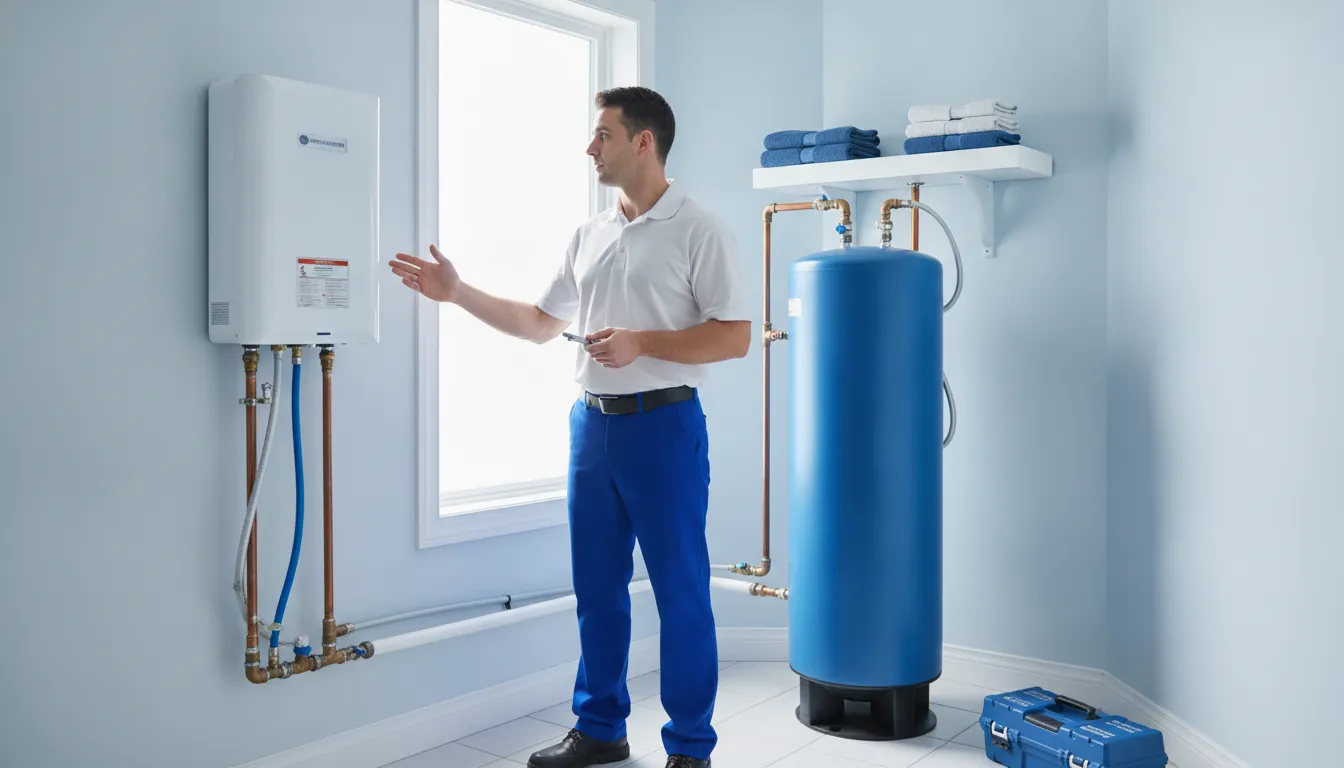
A tank heater stores heated water for use, while a tankless system heats water as it is called for. The longer potential service range often associated with tankless equipment is one part of the comparison, but it does not make tankless the right choice for every house. Installation conditions, household demand, maintenance, and the cost and scope of a conversion all matter.
When considering a change, discuss the amount of hot water the household needs at busy times, existing utility connections, venting, available space, and the home’s plumbing layout. A change in system type can involve more than swapping one appliance for another. A qualified plumber can assess whether the existing setup is compatible and explain what work the proposed system would require. Mr. Pipey’s tankless water heater service information can help you explore that option with a professional.
Efficiency is another consideration, but compare systems using the manufacturer’s specifications and the needs of your household rather than relying on a general claim. The U.S. Department of Energy provides consumer information on energy use and home systems at its official website. A plumber can discuss installation factors; energy-use details should be checked against the particular model being considered.
To make the comparison useful, bring the discussion back to your home’s actual routine. How many people need hot water in the morning? Do laundry, showers, or dishwashing overlap? Is there room for the proposed equipment and the necessary service access? A tank system and a tankless system may each be appropriate under different conditions. The answers help a plumber explain the capacity and installation requirements rather than recommending a system based on lifespan alone.
Also ask how the maintenance expectations differ for the specific models under consideration. A longer potential service range does not mean that a tankless heater requires no attention, and a tank heater’s needs depend on its design and manufacturer guidance. Request a clear explanation of the recommended maintenance schedule and what service involves so that you can compare ownership needs as well as installation choices.
What should Southfield homeowners ask during an inspection?
A useful service visit should leave you with a clear understanding of the current condition and the available next steps. You do not need to diagnose the appliance before calling. Sharing its age if known, recent changes, and repair history gives the plumber a helpful starting point.
- What is the likely source of the symptom, and what did you inspect to confirm it?
- Is the heater itself affected, or is the issue at a connection or elsewhere in the plumbing?
- What repair options are available, and what should I expect each option to address?
- Given the unit’s age and condition, is replacement worth planning now or can I reasonably monitor it?
- If replacing it, what capacity and system type fit this household’s usage and installation conditions?
- What work is included in the estimate, and are there installation or code requirements to account for?
- What maintenance or follow-up does the manufacturer recommend for this specific model?
Ask for the recommendation and estimate in clear terms. A professional should be able to explain the issue and distinguish confirmed findings from possibilities. If you are also noticing moisture beyond the heater area, mention it; the source may require a broader plumbing assessment. Mr. Pipey’s leaking-pipe repair and detection page provides further service context.
Before the visit, it can be helpful to gather the information already available without taking apart or adjusting the appliance. Note the approximate installation date, model information if visible, prior service dates, and the symptoms you have observed. If you do not know the age, say so; an uncertain estimate is less useful than an honest note that the date is unknown. Keep any past invoice or maintenance record nearby if it is easy to locate.
During the assessment, ask the plumber to separate immediate findings from longer-term planning. For example, you may learn that a particular symptom needs repair now, while the unit’s age and condition also make future replacement worth considering. That distinction can help you decide what requires action and what belongs in a longer-term budget discussion, without treating the two choices as identical.
How can you plan replacement without rushing?
If your water heater is approaching the common planning range, use the time to gather information rather than waiting for an unexpected interruption. Confirm the unit’s age where possible, keep service records, and request an assessment if performance has changed. If the plumber recommends replacement, ask what the proposal includes and whether repair remains a reasonable alternative.
When comparing a replacement estimate, make sure you understand the equipment type and capacity, the installation work, removal of the existing unit, required connections or venting changes, and any applicable permit or code considerations. Ask whether the quote includes all work needed for a complete installation. The right comparison is between complete options for your home, not just two appliance prices.
Planning also means considering the household’s hot-water routines. A home with several people using hot water close together may need a different capacity or system design than a household with lower demand. Explain when demand is highest and whether the current heater has been keeping up. This helps the plumber recommend a configuration suited to your use.
There is no need to replace a functioning heater solely because it has reached a certain birthday. At the same time, a heater that is older and showing changes deserves a professional review. A measured plan gives you time to make an informed choice while taking the condition of the existing unit seriously.
If the installation date is unclear, gather what you can before the appointment. A photo of the manufacturer’s label, a copy of any prior invoice, and a short note about the unit’s recent performance can help the plumber identify the equipment and understand the concern. Do not rely on a serial-number date lookup alone if the format is uncertain; ask the service professional to confirm the model and approximate age.
It can also help to note when hot water runs short, whether the issue happens at one fixture or throughout the home, and whether it is constant or intermittent. These details do not replace inspection, but they make the conversation more specific. If you have had repairs, include what was done and when. A timeline can show whether a symptom is new or recurring and help the plumber discuss the value of another repair.
For a replacement discussion, ask the plumber to walk through the proposal before work begins. Clarify the equipment being installed, what happens to the existing heater, whether piping or venting work is included, and what follow-up or manufacturer documentation you will receive. If you are comparing estimates, make sure the scope is similar so that you are comparing complete installation plans rather than only the equipment line.
A simple planning record can make later decisions easier. Keep the model and serial information, installation or service dates, and notes on repairs in one place. After a service visit, add the findings and any recommended follow-up. If you later compare replacement estimates, this timeline gives each professional a consistent starting point and helps you check whether proposed work addresses the same needs.
When reviewing estimates, look for clear descriptions rather than assuming every proposal includes the same work. Confirm the system type and capacity, installation scope, connections or venting changes, removal of the old equipment, and any separate requirements identified for the home. Ask what is excluded, too. A clear scope makes it easier to understand differences between proposals and choose the option that fits your circumstances.
If your current unit is operating normally but older, an assessment can still be useful as a planning conversation. You can ask which symptoms should prompt a service call and what records to keep. That gives you a practical basis for monitoring the system, without setting an arbitrary replacement date or ignoring changes that deserve attention.
Request a water heater assessment in Southfield
Frequently asked questions
Does a water heater always need replacement after 10 years?
No. Ten years is a planning marker within the common range for many tank heaters, not an automatic replacement deadline. Have the unit’s condition, symptoms, service history, and repair options evaluated before deciding.
Can a water heater last longer than its typical range?
Yes. Some units remain in service beyond a typical range, while others need attention sooner. Age alone does not establish that a heater is safe, efficient, or in good condition; an inspection provides more specific guidance.
Does a tankless water heater last longer than a tank model?
Tankless units are often associated with a longer service range, but actual lifespan depends on the equipment, installation, water conditions, use, and maintenance. Compare the manufacturer’s guidance and ask a plumber to assess your home’s installation needs.
What should I do if my water heater is leaking?
Arrange professional service promptly and describe where you see water and whether it is actively spreading. The source could be the tank or a nearby connection or plumbing component, so an assessment is needed before choosing repair or replacement.
For Southfield homeowners, the best replacement plan starts with the heater’s actual condition, not its age alone. A professional assessment can help you understand the options and choose a sensible next step.