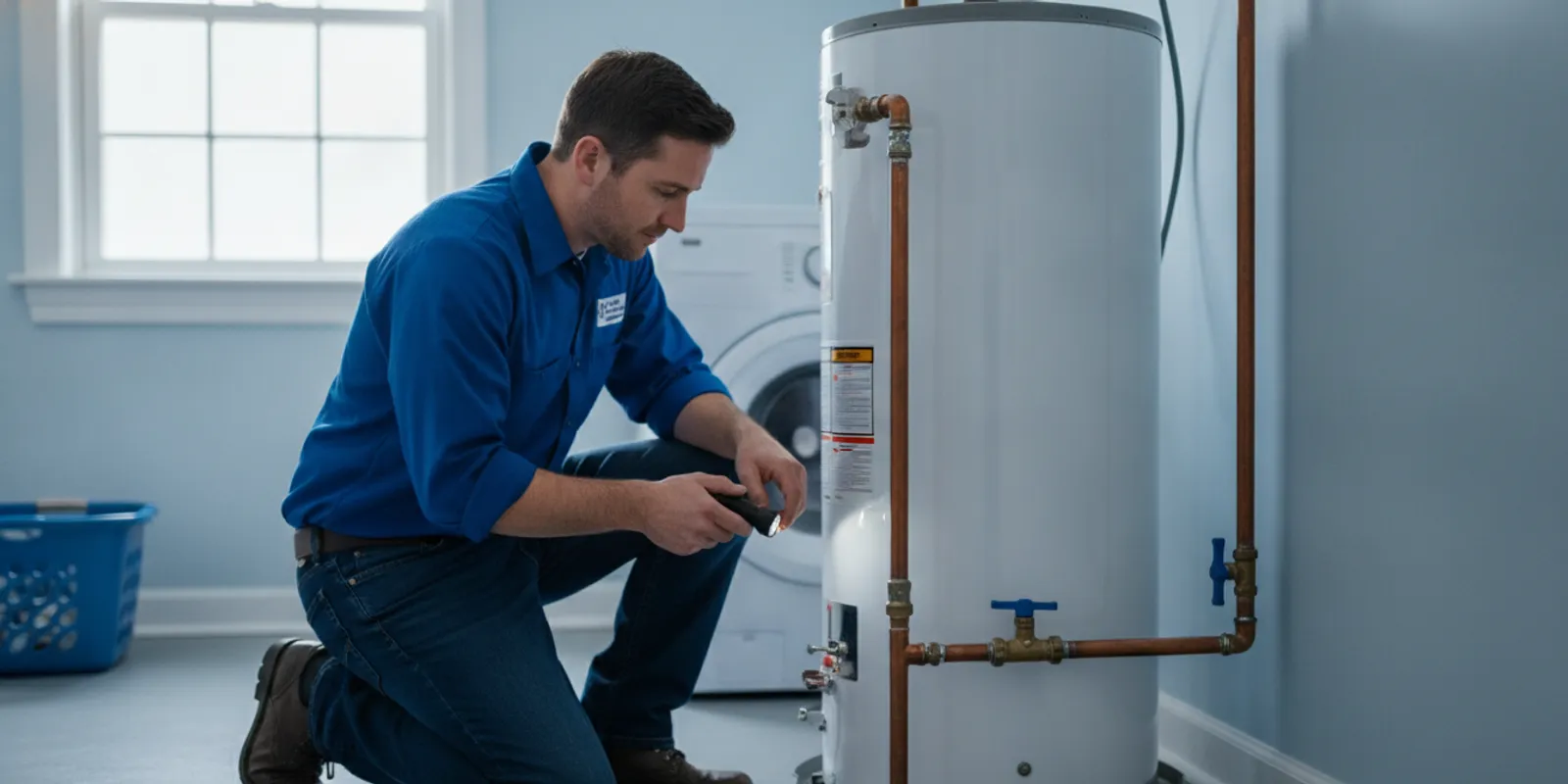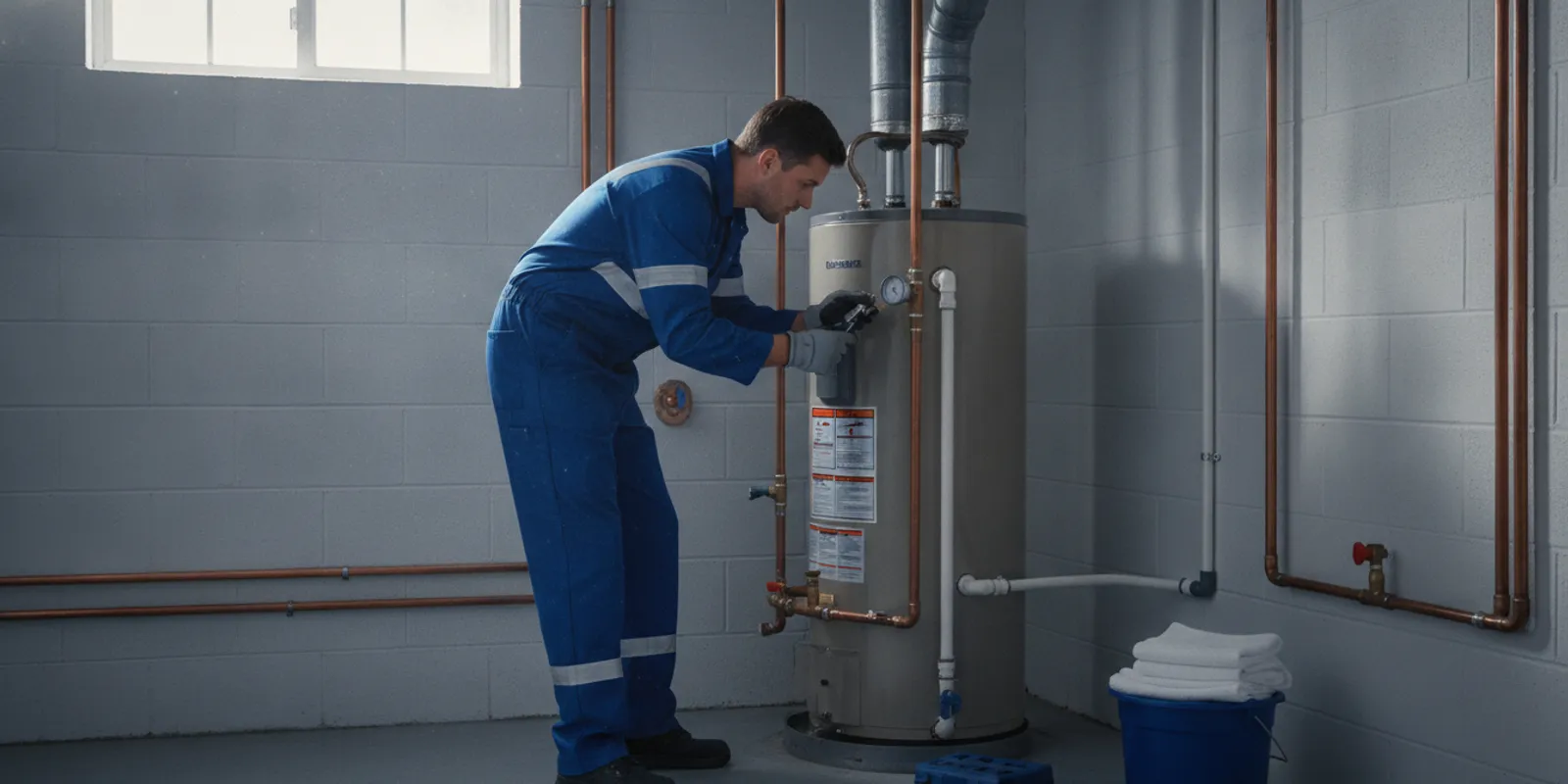
If you are planning a water heater replacement in Birmingham, the first question is often whether the estimate reflects the work your home actually needs. The cost depends on the heater selected, the existing setup, and any changes required to install the new unit safely. A useful quote explains those details instead of offering a number without context. This guide walks through the main cost factors, compares common replacement paths, and explains what Birmingham homeowners can ask a licensed plumber before approving the work.
Request a water heater replacement estimate
How much does water heater replacement cost in Birmingham?
There is no single reliable price that fits every Birmingham home. Two replacements can involve the same basic type of heater but require different labor, connections, venting work, or removal. Without inspecting the existing equipment and installation conditions, a low advertised figure may leave out work that appears on the final proposal.
For a meaningful estimate, ask for the total installed price and a clear explanation of what it includes. The proposal should identify the equipment, the labor, removal and disposal of the old heater, any changes to connections or venting, and applicable permit or inspection steps. Ask the plumber to distinguish required work from optional upgrades. That makes it easier to compare proposals on equal terms.
Mr. Pipey provides water heater repair and replacement in Metro Detroit. A technician can evaluate the existing arrangement and discuss suitable options. Learn more about water heater repair and replacement before scheduling an assessment.
It helps to treat an estimate as a description of a project, not merely a price. One proposal may assume a straightforward replacement using the existing location and compatible connections. Another may include adaptations or a different equipment type. If you compare only the bottom-line figures, you may not notice that one quote includes removal, a new vent connection, or permit coordination while another lists those items as exclusions.
There also is no reason to assume that a higher quote is automatically more complete or that the lowest quote will be the least expensive in the end. Ask each provider to explain the scope line by line. If a proposed charge is unclear, request the condition it addresses and whether it is necessary for the selected equipment. That gives you useful information without relying on a generic online range that may not match your home.
Which factors change a Birmingham water heater replacement estimate?
Several details have a direct effect on the scope of work. A plumber should consider the equipment and the installation conditions together, because choosing a unit that does not suit the home can create extra work or an unsatisfactory result.
- Heater type: A conventional storage-tank replacement and a tankless conversion are different projects. Tankless equipment may require changes to gas or electrical supply, venting, or piping, depending on the home and model.
- Fuel and connections: The existing gas, electric, or other configuration affects which replacement units are compatible and whether modifications are needed.
- Capacity and household demand: The size and recovery needs should match the home’s hot-water use. Capacity is not just a matter of buying the largest unit; a professional can assess how many people and fixtures rely on it.
- Location and access: Tight utility spaces, stairs, difficult equipment access, or a long route for removal can affect labor and handling.
- Venting and safety details: The venting arrangement and nearby clearances must suit the selected equipment. Existing conditions may need correction or adaptation.
- Condition of surrounding plumbing: Valves, connectors, drainage provisions, or other parts of the installation may need attention. A quote should explain what is necessary and why.
- Old-unit removal and disposal: Confirm whether taking away the existing heater is included, rather than assuming it is part of the base price.
- Permits and inspections: Ask who handles any required local approvals and whether the related costs are included in the written estimate.
Household hot-water use is one part of sizing, but older research should not be treated as a current local design standard. An Iowa State academic document on home economics research discusses household water use alongside electric water heaters; it is historical context, not a current sizing rule or replacement-cost guide. A professional should assess your home’s actual demand and equipment requirements.
These are reasons to compare itemized proposals rather than relying on a generic online average. A professional should explain whether a line item addresses a condition in your home or is an optional improvement.
Capacity deserves a more specific conversation than simply matching the old unit’s label. Household routines may have changed since the current heater was installed. For example, a household may now have more occupants, a new bathroom, or different patterns of hot-water use. Conversely, a larger capacity may not be necessary just because it is available. Tell the technician when demand peaks, which fixtures are used at the same time, and whether hot-water shortages are part of the current problem.
Access and existing conditions matter as well. A heater in an open utility area may be easier to remove than one located in a confined space, but the estimate should make the reason for any added labor understandable. If venting, piping, or shutoff arrangements need changes, ask what the present condition is and how the proposed work addresses it. Clear explanations let you distinguish an actual installation requirement from an optional improvement.
What should a water heater replacement quote include?
A clear estimate is specific enough that you can understand the project before work begins. It does not have to be complicated. It should name the equipment and lay out the installation work, the price, and any assumptions that could change the scope.
| Quote item | What to confirm | Why it matters |
|---|---|---|
| Equipment | Type, capacity, fuel, model or equipment specifications, and warranty information | Shows what is being installed and whether it fits the home’s needs |
| Installation labor | Removal of the old unit, placement, connection, startup, and testing | Clarifies the work included in the installed price |
| Adaptations | Any proposed vent, gas, electrical, piping, valve, or drainage changes | Separates required modifications from optional upgrades |
| Permits and inspection | Whether permits or inspections apply and who coordinates them | Prevents uncertainty about approvals and project responsibility |
| Removal and cleanup | Hauling away the old heater and job-site cleanup | Confirms what happens to the replaced equipment |
| Total and terms | Full installed total, payment terms, warranty, and any exclusions | Makes side-by-side estimates easier to compare |
Before accepting, read the exclusions and ask what could lead to a change order. If the estimate depends on opening a wall or discovering a concealed condition, ask how the plumber will notify you and get approval before expanding the work. You should understand the scope and price before the replacement proceeds.
To compare two quotes, create a simple side-by-side list rather than trying to remember what each provider said. Record the equipment type and capacity, whether removal is included, proposed connection or vent work, permit responsibilities, warranties, exclusions, and total. If an item appears in one quote but not the other, ask whether it is unnecessary, already included elsewhere, or simply omitted. The answer may explain much of the price difference.
Also ask how the estimate handles conditions that cannot be confirmed until work begins. A professional should explain how you will be informed if the actual installation differs from what was visible during the assessment. Agree on a process for discussing added work and getting authorization before the scope changes. Written expectations help avoid misunderstandings and make the estimate more useful as a record of the agreed project.
Should you replace the existing tank or consider a tankless water heater?
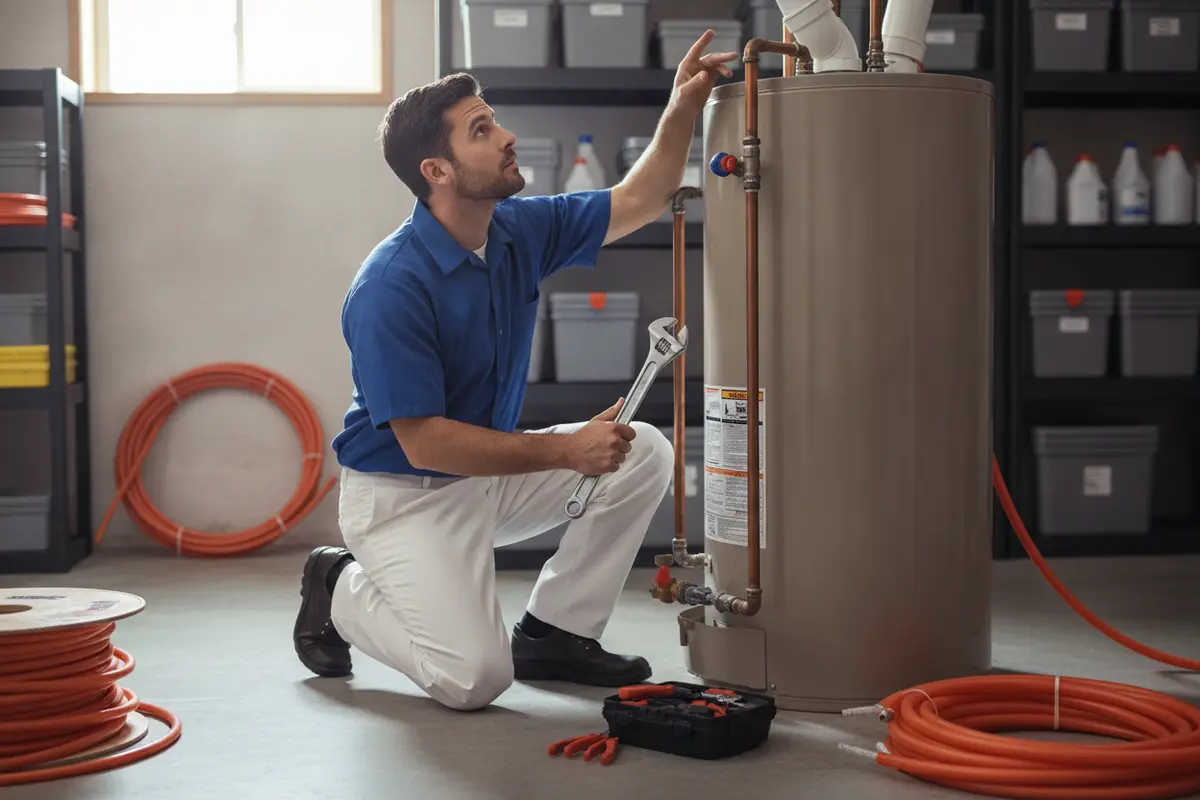
For many homeowners, replacing a storage-tank heater with a similar type is the most direct comparison. The existing fuel and location may already suit that style of unit, although a plumber still needs to confirm capacity, connections, condition, and installation requirements. A like-for-like replacement is not automatically identical in scope: the new equipment and current conditions should be evaluated on their own merits.
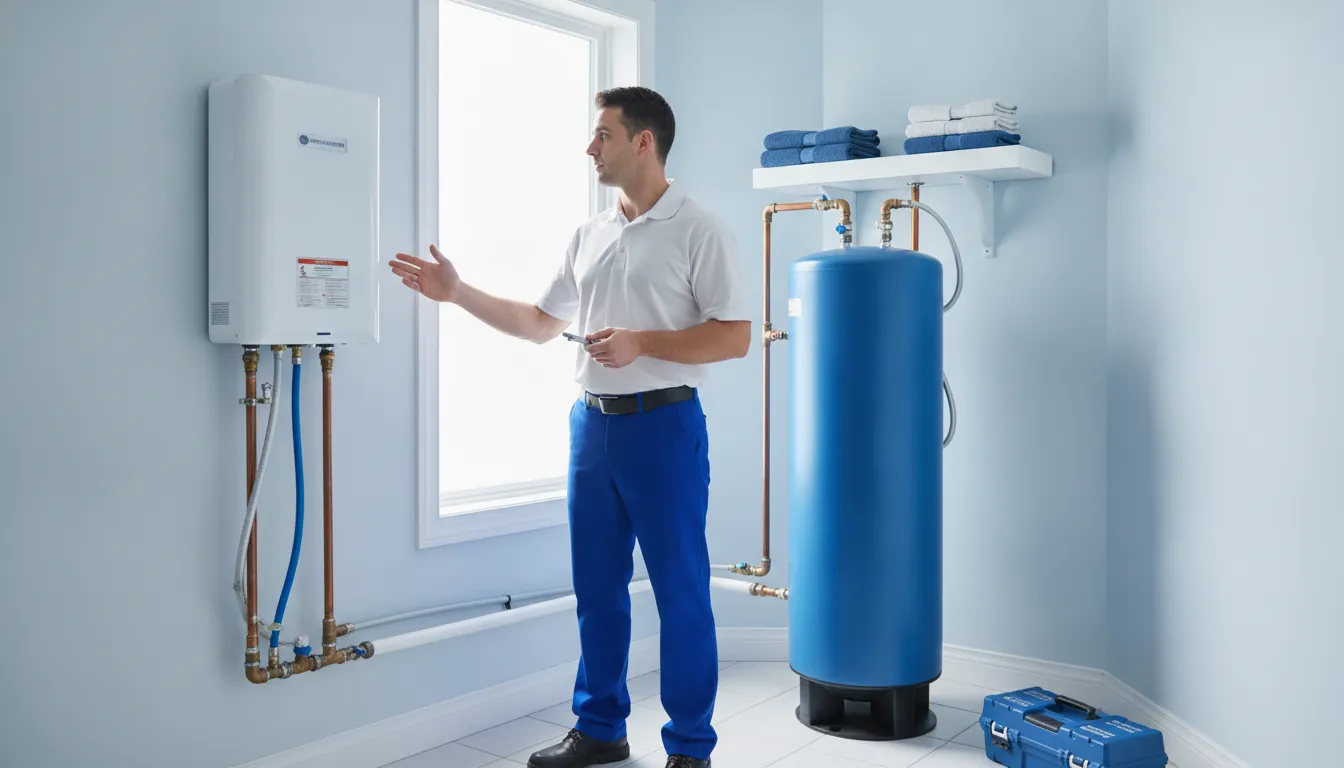
A tankless model heats water as it is needed rather than keeping a tank of hot water stored. It can be a suitable option for some households, but the conversion may involve additional planning. Depending on the selected model and existing setup, a technician may need to evaluate fuel supply, venting, electrical needs, and the home’s hot-water demand. Those factors affect both the choice of equipment and the installation price.
Compare the total installed cost and operating needs, not only the equipment label or a broad claim about efficiency. Ask how each option serves your household, what changes each requires, what warranty applies, and what maintenance the manufacturer calls for. Mr. Pipey also provides information about tankless water heater repair; a plumber can discuss whether a tankless replacement is practical for your home.
| Replacement path | Typical project focus | Questions to ask |
|---|---|---|
| Storage tank to storage tank | Matching household capacity and fuel while confirming connections, venting, and removal | Does the proposed capacity match current demand? What installation changes are included? |
| Storage tank to tankless | Assessing the unit, fuel or electrical supply, venting, placement, and hot-water demand | What modifications are required? How does the installed total compare with a tank replacement? |
| Repair before replacement | Diagnosing the current problem and determining whether a repair is appropriate | What is failing? Is repair a reasonable option given the heater’s condition and needs? |
A practical way to compare the two replacement types is to ask the plumber to describe the project for each option, not just recommend a product. For a tank replacement, confirm whether the proposed capacity, fuel, and placement work with current demand and installation conditions. For a tankless conversion, ask which parts of the home’s existing setup can remain and which would need changes. The more specific the comparison, the easier it is to understand why the proposals differ.
Consider the full ownership picture without assuming that one format is right for every home. Ask about the manufacturer’s maintenance instructions, warranty terms, service access, and what operating conditions the selected model requires. If you are interested in tankless equipment, discuss both its benefits and the project requirements before making a decision. A careful assessment should connect the recommendation to your household’s use and the realities of the installation.
When is water heater repair worth comparing with replacement?
A lack of hot water does not always mean the entire heater must be replaced. The cause may be a component issue, a control problem, or another condition that a licensed plumber can diagnose. On the other hand, replacement may be a better long-term choice when the unit’s condition, recurring problems, or needed repairs make continued service less practical.
Ask for a diagnosis and a comparison that addresses the condition of the current unit, the repair required, and the expected scope of a replacement. There is no universal age cutoff that determines the right decision for every home. Equipment history, visible condition, parts availability, household needs, and the nature of the fault all matter.
If water is leaking, note where it is coming from and whether the leak appears to be at a connection or from the tank itself. If water is collecting near electrical equipment or other hazards, keep clear and contact a professional. Mr. Pipey’s guide to water heater leak and flood concerns offers more context on responding to water around a heater. For other plumbing conditions, see the company’s plumbing leak repair service.
When reviewing repair versus replacement, ask for a plain-language explanation of the diagnosis before discussing a decision. What part or condition is causing the problem? What work would repair involve? Are there other visible concerns that could affect the reliability of the current unit? What would replacement include? These questions help separate the immediate repair from the broader condition of the heater.
It can also help to weigh disruption and timing alongside the price. If a repair restores operation and the rest of the system is in suitable condition, it may be a reasonable path. If a repair does not address recurring issues or the equipment has other concerns, ask what replacement solves and what it does not. A professional can explain the tradeoffs based on the actual heater rather than applying a one-size-fits-all age rule.
How does a professional replacement appointment work?
A service visit should move from diagnosis and planning to installation and verification. Understanding the sequence helps you know what information to gather and what to expect from the quote.
- Review the concern and current setup. Describe the issue, how the home uses hot water, and any prior repairs. The technician examines the current heater and installation conditions.
- Confirm the right replacement options. The plumber considers equipment type, capacity, fuel, and applicable installation requirements. If repair remains reasonable, ask for that option to be explained as well.
- Review a written scope. Confirm the equipment, work, removal, modifications, permitting responsibilities, total price, and exclusions before approving the project.
- Complete the replacement. The existing unit is disconnected and removed as agreed, and the new equipment is installed with the needed connections and venting.
- Test and review the work. The plumber checks operation and explains any relevant equipment or warranty information and recommended maintenance.
Ask whether there are any steps you need to take before the visit, such as clearing access to the heater. A professional should identify any additional work discovered during installation and discuss it with you before proceeding.
You can make the assessment more efficient by having basic information ready: what prompted the replacement discussion, when the problem occurs, whether hot water runs out at particular times, and whether the heater has had prior repairs. You do not need to diagnose the equipment yourself. Observations about household use and the timing of a problem simply help the technician understand what to evaluate.
During the estimate review, make sure the proposed work matches the home’s use and that you understand the order of work. Ask whether water service will be interrupted during installation and what the plumber will verify before considering the project complete. Keep the written quote and any approved scope changes together so you can refer to the same terms after the work is done.
What should Birmingham homeowners ask before approving the work?
Use these questions to make the estimate easier to understand and compare:
- What is the exact model, type, capacity, and fuel of the proposed heater?
- What is the full installed price, and what work or materials are excluded?
- Does the quote include taking away the old unit?
- Are changes to venting, piping, gas, electrical service, or drainage required?
- Who handles permits and inspections if they apply?
- What warranty covers the equipment, and what warranty covers the installation?
- Will you contact me for approval if concealed conditions change the scope or price?
- What maintenance does the manufacturer recommend for this specific unit?
These questions apply whether you are replacing a heater in a Birmingham home, comparing a tankless option, or assessing a repair. If the estimate is not clear about the equipment or labor, request clarification in writing so you are comparing the same scope across providers.
For additional water-quality context, read about why hot water may look discolored. For urgent plumbing needs outside a planned replacement, the company also describes its 24/7 emergency plumbing service. Both links address separate issues; a plumber can determine whether they relate to your heater concern.
Before approving work, take a moment to confirm three things in the proposal: the equipment you are buying, the full work included, and the process if the scope changes. If any of those points are missing, ask for an update. A short written clarification can resolve questions about inclusions, optional work, or project responsibility before the installation date.
Ask for a clear water heater replacement quote
Frequently Asked Questions
How much does water heater replacement cost in Birmingham?
The total depends on the equipment, capacity, existing fuel and connections, access, removal, and any required changes. Request an installed, itemized estimate after a professional evaluates your current setup rather than relying on a generic price.
Does a replacement estimate include the old water heater removal?
It may, but do not assume removal and disposal are included. Ask the plumber to list them in the written scope and confirm whether cleanup is part of the work.
Is a tankless water heater less expensive to install?
Not necessarily. A tankless installation can require changes to fuel supply, venting, electrical service, or piping, depending on the home and equipment. Compare complete installed proposals for both options.
Can a plumber repair my water heater instead of replacing it?
Sometimes. A professional can diagnose the fault and explain whether a repair is suitable based on the heater’s condition, the problem, and the household’s needs.
How can I compare water heater replacement quotes?
Compare equipment specifications, labor, removal, modifications, permits, warranties, exclusions, and total installed price. Ask each provider to clarify any item that is not described.
Plan your Birmingham water heater replacement
A replacement estimate is most useful when it reflects your home’s equipment, installation conditions, and hot-water needs. Ask for the full installed scope, compare repair and replacement when appropriate, and get answers about any exclusions before approving the work.
Contact Mr. Pipey to discuss your water heater options
With a clear diagnosis and itemized quote, you can make a well-informed decision for your Birmingham home.