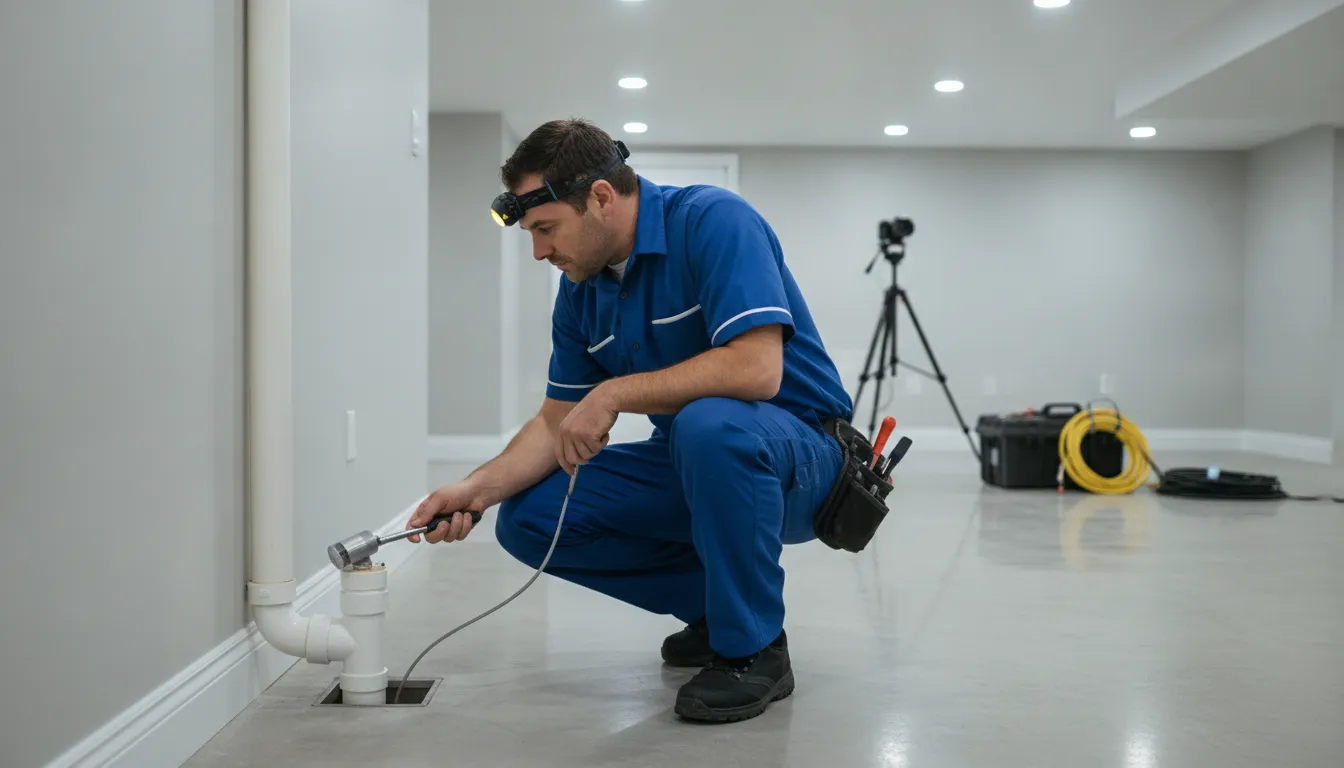


Freezing water in the middle of a hot shower means your tankless water heater is failing. This frustrating symptom often points to scale buildup or system strain during cold Michigan months. Homeowners must quickly choose between professional repair and full system replacement to restore reliable heat.
Licensed tankless water heater repair detroit services can resolve common issues like mineral scale buildup, ignition errors, and failing sensors to extend your unit’s life. According to Energy.gov, tankless units can last over twenty years because they use parts you can replace to extend their service life.
If your unit is less than ten years old, fixing a small part is often the best way to save money. If your system is nearing twenty years of age, repairs may not make sense. When fixing your old unit costs over half the price of a new one, replacement is the smarter choice. Our licensed and insured plumbers can check your water heater to find the safest and most efficient path forward.
Contact Mr. Pipey today for licensed and insured tankless water heater repair in Detroit.
To make the right choice for your home, you must understand the warning signs of system failure. You might wonder about the early signs of damage before your hot water stops completely. To protect your comfort, the path begins with: How Do You Know It’s Time for Tankless Water Heater Repair in Detroit?
How Do You Know It’s Time for Tankless Water Heater Repair in Detroit?
Your tankless unit works hard to give you hot water on demand. But local conditions in Michigan can strain your system. During January and February, ground water in Detroit drops below 35 degrees. Your heater must bridge an 80-degree gap to reach standard hot water temperatures. This winter cold puts sustained stress on the heating parts. At the same time, the Detroit water supply carries 104 ppm of dissolved calcium and magnesium from the Great Lakes. These minerals build up over time to form hard scale inside your system. When your system begins to fail, getting timely tankless water heater repair detroit homeowners trust is key to keeping your home warm.
Reduced hot water flow
A common sign of scale buildup is a drop in water flow. Scale deposits block the narrow pipes inside the heat exchanger. This scale buildup in the heat exchanger is a main cause of unit failure and low efficiency if you do not clean it. Often, tankless water heaters provide hot water at a rate of 2 to 5 gallons per minute. You can read more about these flow rates on Energy.gov. If your taps run slow, scale is likely the cause. When minerals coat the inside of your heater, the system must run longer and hotter to heat the water.
Lukewarm or cold water
Does your water go cold while you are in the shower? A tankless unit can struggle when you run multiple taps at once. For example, taking a shower and running the dishwasher at the same time can stretch a tankless water heater to its limit. If you have a large family, multiple hot water demands at once can shut the system down. This issue can also point to a bad sensor or a bad burner. If your system struggles with normal use, you may need help from the tankless specialists to find the problem.
Frequent error codes
Modern tankless heaters use computer boards to track output. When a part fails, the system displays an error code on its screen. These codes can signal a blocked vent, a failed igniter, or a gas line issue. Homeowners in the Detroit area often see these codes during winter when cold winds affect the vents. Ignoring these codes can lead to a full system shutdown. If you see codes on your screen, a trained plumber can test the parts and clear the error.
What Are the Most Common Tankless Water Heater Problems?
Tankless heaters work well and last a long time. They heat water as you use it instead of holding it in a large tank. But like any home appliance, they can have issues over time. In Metro Detroit, hard water and cold winters can cause several common problems.
Detroit homeowners often deal with four main issues:
- Mineral scale buildup on the heat exchanger.
- Ignition and burner failures.
- Combustion faults and carbon soot.
- Blocked or broken water flow sensors.
Mineral scale and heat exchanger buildup
The most common problem with tankless heaters in our area is mineral scale. Detroit’s water carries 104 ppm of dissolved calcium and magnesium from the Great Lakes basin. Over time, these minerals build up inside the heater to form hard scale. This scale coats the heat exchanger, which is the part that warms the water.
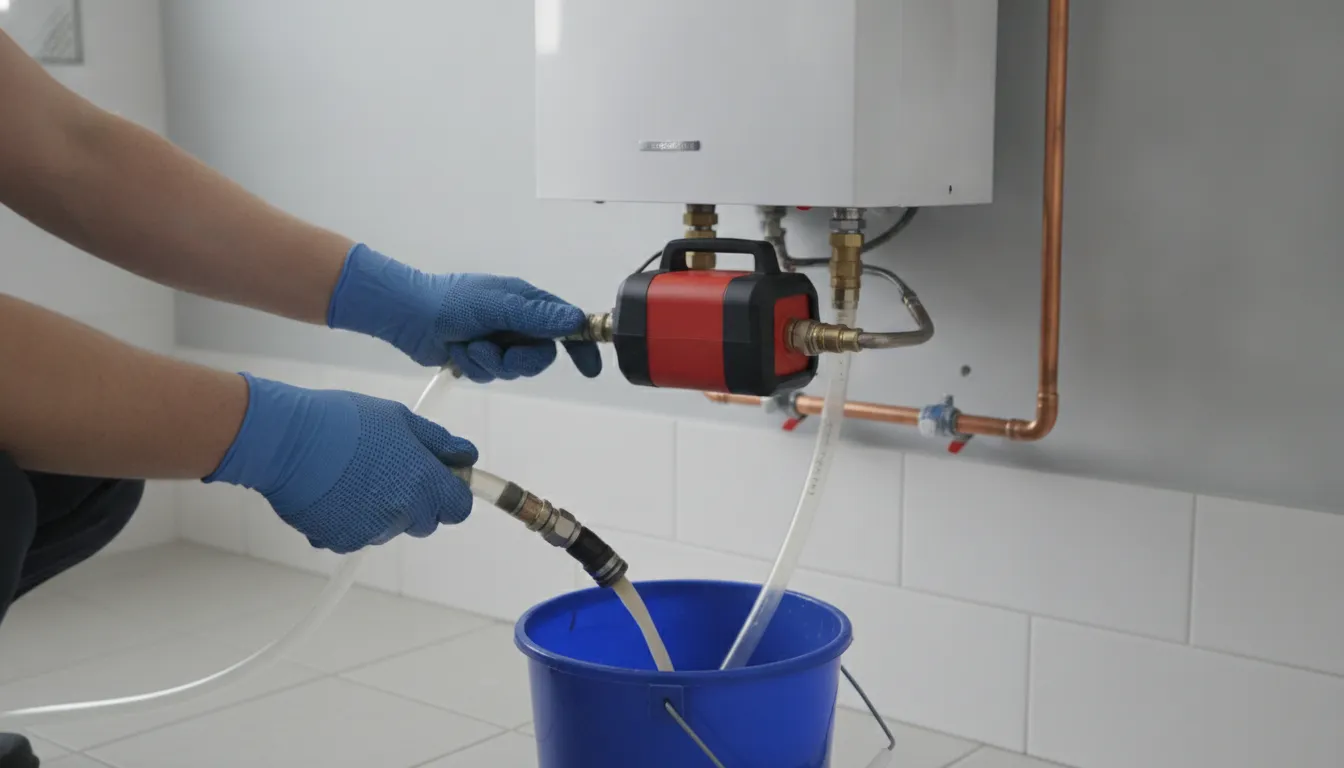
Scale buildup in the heat exchanger is a major cause of heater failure if you do not clean it. When scale coats the parts, your heater has to work much harder. It uses more fuel or power to warm the water. In Detroit, high mineral water means you must flush the unit more often to stop heat exchanger damage.
Burner problems and carbon buildup
Your heater needs a steady flame and fuel to warm your water. Burner and ignition faults are another common problem. If gas valves do not open all the way, the burner will not light. Dirt, dust, or tiny bugs can also block the burner and stop the flame.
Combustion issues also happen when the unit does not get enough air. Blocked vents can trap exhaust gases inside the heater, causing carbon buildup on the burner jets. Carbon soot blocks the heat transfer and can ruin key parts. Having licensed plumbers check the vents and clean the burners will keep your flame steady.
Flow sensor and system overload issues
Tankless heaters use a small sensor to know when you turn on the hot water. If this flow sensor gets dirty or breaks, the system will not turn on. Even a tiny piece of scale can jam the sensor. This makes the heater think no water is flowing, so the burners stay off.
System overload is also common when too many taps run at once. Gas-fired tankless water heaters produce higher flow rates than electric models. Running the shower, the washer, and the dishwasher at once can stretch the system to its limit. If you overload the unit, it might shut off or send cold water to your taps.
If you notice any of these signs, you may need a professional tankless water heater repair in Detroit. Skilled plumbers can flush out scale, clean burners, and replace worn sensors. Taking care of these issues early will keep your water hot and help your system last for decades.
When Does Professional Tankless Repair Make Sense?
Choosing tankless water heater repair detroit does not have to be hard. For most homes, fixing the system is the best path when the unit is under fifteen years old and has a single small issue. A local expert can test the unit and find the root cause.
The age of your heating system
A tankless unit can last up to twenty years if you care for it well. If your system is under fifteen years old, a fix is often better than a new one. It helps to look at the age before deciding whether to repair or replace your water heater. Buying a new system too early can waste money when a simple repair can resolve the issue.
Simple and replaceable parts
Unlike old tank models, modern tankless heaters are built with simple parts. This means you do not have to throw the whole system away when one part fails. As seen in U.S. energy reports, tankless units have easily replaceable parts that can extend their lifespan. Swapping out a single bad sensor or valve can make your heater run like new again.
This parts-based repair is a smart choice for your budget. You can save money and keep the same unit for many more years. It is much cheaper to swap one small valve than to pay for a whole new water heater. This helps you get the most from your system.
When to seek expert help
It is vital to get a professional check when your system acts up. Trying to fix a tankless heater on your own can lead to long-term issues and more damage. A licensed and insured plumber has the right training to find the root cause of the problem. Expert plumbers can tell you if a quick fix is enough or if you need a new system.
Trustworthy local support
At Mr. Pipey, our team of licensed and insured experts can handle any tankless issue. We back our work with a 100% satisfaction guarantee to give you peace of mind. We also never charge overtime fees, so you always get fair and clear rates. Our goal is to make sure your home has steady hot water all year long.
You can count on our team for fast and friendly plumbing help in Metro Detroit. We understand how hard cold winters can be on your home. Our expert plumbers are ready to restore your hot water quickly and safely. Contact us today to set up your service visit.
When Is Replacement the Smarter Call?
The Lifespan of Tankless Systems
Most tankless water heaters last a very long time. According to energy.gov, a tankless unit has a lifespan of more than 20 years. In contrast, standard storage tank water heaters only last 10 to 15 years. If your system is near this 20-year mark, replacing it is often the best path.
While some parts are easy to swap out, a failing heat exchanger on an old system can be a major blow. If the main parts start to corrode after years of use, a simple patch will not work. A new system is the surest way to get hot water.
The Cost of Frequent Repairs
Even a high-quality water heater will wear down over time. Complex fixes on an old unit might not be worth fixing. A study by UGA shows that the choice depends on system age and how bad the failure is. If you face constant part breakdowns, you should stop paying for fixes. We help local clients when they are deciding whether to repair or replace your tankless water heater.
A good rule of thumb is to look at the total bill for your fixes. If a single repair cost is more than half the price of a new system, replacing the unit is often smarter. This is especially true if the heater is already old. According to an energy.gov guide, buying a new water heater is often more cost-effective than paying for repeated fixes on a unit near the end of its life.
System Capacity and Water Demands
Sometimes your household outgrows your current water heater. If you add a new bathroom or have more people in your home, your old unit may not keep up with the flow. A new system with a higher flow rate can solve this issue. The upfront price of a new unit is higher, but the long lifespan and lower energy bills offset the cost over time. You can learn more about these trade-offs by looking at our tankless water heater services.
Smaller tankless systems typically provide two to five gallons of hot water per minute. If you run multiple appliances at once, a small unit will struggle. Upgrading to a larger model is the best way to get enough hot water for your whole family. Modern systems are highly efficient, so you save on bills while getting the flow you need.
| Decision Factor | Choose Repair | Choose Replacement |
|---|---|---|
| System Age | Unit is less than 15 years old. | Unit is near or past 20 years. |
| Repair Frequency | Rare, minor issues occur. | Frequent, repeated part failures. |
| Repair Cost | Low to moderate cost. | Expensive fixes that add up over time. |
| Water Flow | Meets household needs. | System is too small for household demands. |
When deciding, a qualified plumber will typically run through these steps:
- Inspect the unit and diagnose the exact fault.
- Check the system age against its 20-year expected lifespan.
- Estimate the repair cost compared with the price of a new unit.
- Confirm whether your household’s hot-water demand still fits the unit’s flow rate.
What Should Detroit Homeowners Expect for Repair vs. Replacement Costs?
Every homeowner faces a choice when a water system acts up. You must decide whether to pay for a quick fix or buy a new system. To help you plan your budget, we provide clear details on typical tankless water heater repair costs. If your current unit is young and only needs a small part, a simple fix is usually the best path.
The fifty percent repair rule
Plumbers use a simple rule of thumb to help you choose between a fix and a new unit. If the cost of the fix is more than half the price of a new system, you should replace it. This is because old units often need more fixes soon after the first one.
When you need a tankless water heater repair detroit plumbers from Mr. Pipey can help. Mr. Pipey offers licensed and insured workers with clear pricing and no overtime fees.
If your system is near the end of its life, small fixes add up fast. A simple valve fix might be cheap, but a new heat exchanger is a big cost. Buying a new unit is often the smarter choice in the long run.
Energy savings and payback periods
A new tankless system costs more to buy at first. But a long life and low bills can offset the higher purchase price over time. These systems are highly efficient because they do not keep hot water sitting in a tank.
For a home using 41 gallons or less daily, these systems save a lot of energy. In fact, they can be 24% to 34% more energy efficient than storage heaters.
These daily energy savings help offset the higher purchase price of a new tankless unit over time. The U.S. Department of Energy notes that a tankless heater’s longer life and lower operating costs pay back its upfront cost over the years. Once your system reaches that point, the lower monthly bills are pure savings for your home.
How local water quality affects your budget
Detroit water has about 104 ppm of dissolved minerals, which can build up inside your heating unit. Over time, this mineral scale can coat the heat exchanger and cause the system to break down. To prevent this, you must flush the system to clear the buildup. Because of this local water profile, you may need to flush your system more often to protect it.
If you skip this care, the heat exchanger will wear out early and require a costly fix. Routine care is a small cost that keeps your system running well. Paying for routine flushes can save you from a major breakdown and extend the life of your unit.
How to Keep a Tankless Heater Reliable Between Services
A tankless water heater is a great asset for any home. It provides hot water on demand. It saves space. But to keep it running well, you must take care of it. In Metro Detroit, our water has high levels of minerals. This hard water can cause scale to build up inside the system. You need to know how to protect your unit between service visits.
The risk of hard water scale
Detroit water has a high mineral content. The supply carries roughly 104 ppm of dissolved calcium and magnesium drawn from the Great Lakes basin. These minerals settle inside the unit over time. Scale buildup in heat exchangers is a primary cause of tankless unit inefficiency and failure if left unmaintained. This thick scale layer acts as a barrier to heat. It makes the system work much harder to warm the water.
Regular maintenance, mainly flushing the system, is critical in hard-water areas like Detroit. Clearing scale deposits helps the system run well, keeps water flowing, and lowers energy costs.
Protecting units from cold weather
Detroit winters are freezing. This cold weather can damage your heating system if it is not set up in a safe spot. According to the U.S. Department of Energy, tankless water heaters can be set up outside in some climates. But extreme Detroit winters mean you need a heated space or active freeze protection. Freezing water can expand and crack the copper pipes inside the heater. A cracked pipe can lead to major water leaks and costly repairs.
To avoid freeze damage, make sure your system is in a warm space. Do not turn off the power. The unit needs power for its built-in freeze protection to run. If your unit is in a cold space, an expert can add insulation to protect it.
The value of professional care
While some upkeep steps sound simple, you should not try to flush the system yourself. These heaters have complex gas valves and electrical parts. A licensed plumber has the right tools to clear out the scale safely. They can also inspect the burner and the venting system. This prevents safety risks and keeps your unit safe.
Getting pro care also helps your system last longer. If you have issues, book professional tankless repair help to get hot water back. A pro can clean the system. They will check for worn parts. This keeps your hot water flowing all year.
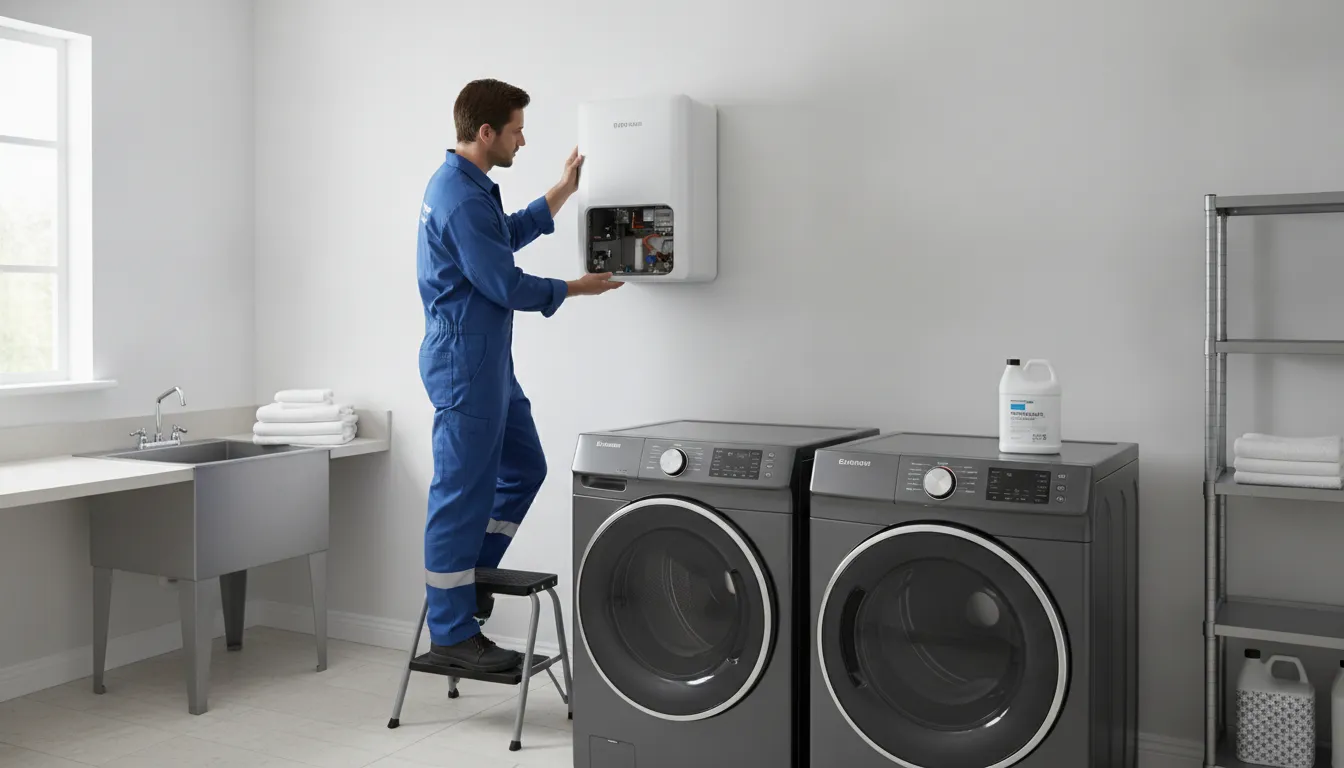
Call Mr. Pipey for reliable tankless water heater repair in Detroit today.
Frequently Asked Questions
Can a tankless water heater be fixed?
Yes. Most tankless units are built with parts that are easy to change, which makes them easy to fix. Unlike traditional tanks that must be thrown away when they leak, a tankless heater can often be restored by replacing a single part. According to the U.S. Department of Energy, these parts can extend the system’s useful life for many years.
How much does it cost to fix a tankless water heater?
The price to fix a tankless system depends on the exact issue, the cost of parts, and how long the job takes. Minor fixes like cleaning a sensor cost less, while major issues like a cracked heat exchanger cost more. You can read our guide on typical tankless water heater repair costs to see what to expect. Having a licensed plumber inspect the unit is the best way to find your exact price.
What is the typical lifespan of a tankless water heater?
According to the U.S. Department of Energy, most tankless units last more than 20 years. This is much longer than traditional tank heaters, which usually last just 10 to 15 years. However, cold Michigan winters and hard water place extra stress on your system. Regular maintenance is key to helping it reach its full lifespan.
What is the most common problem with tankless water heaters?
The most common issue is scale buildup caused by minerals in the water. Great Lakes basin water carries roughly 104 ppm of dissolved calcium and magnesium. These minerals build up inside the heat exchanger over time, which lowers heating efficiency. Regular flushing is needed to clear these deposits and prevent system failure.
Ready to book your tankless water heater service?
A failing tankless water heater can shut down at any time, leaving your home with cold water. Mineral buildup also damages the unit and forces you to buy a new one much sooner than you should. Do not wait for a total system breakdown. Act now to fix small issues before they grow into costly leaks. Setting up a service call today keeps your water hot and protects your home. Our local plumbing experts are ready to help.
Ready to get reliable hot water again? Contact Mr. Pipey to get licensed and insured tankless water heater repair in Detroit. You can also call us directly at (313) 900-0700 to talk with our local team.