
A cold shower is inconvenient. A puddle spreading beneath the water heater can become expensive damage. When you search for water heater repair near me, you need a clear answer quickly: is the problem a serviceable part, or is the tank warning you that replacement is the safer investment? For Metro Detroit homeowners, the answer depends on the unit’s age, leak location, repair history, capacity, and overall condition.
Request a professional water heater diagnosis from Mr. Pipey to compare practical repair and replacement options before the problem gets worse.
Some failures are straightforward repairs. Others are signs that spending more on an aging unit may only delay another breakdown. This guide explains what to check, what requires urgent help, and what to ask a licensed plumber so you can make a confident decision.
Is the Water Heater Problem an Emergency?
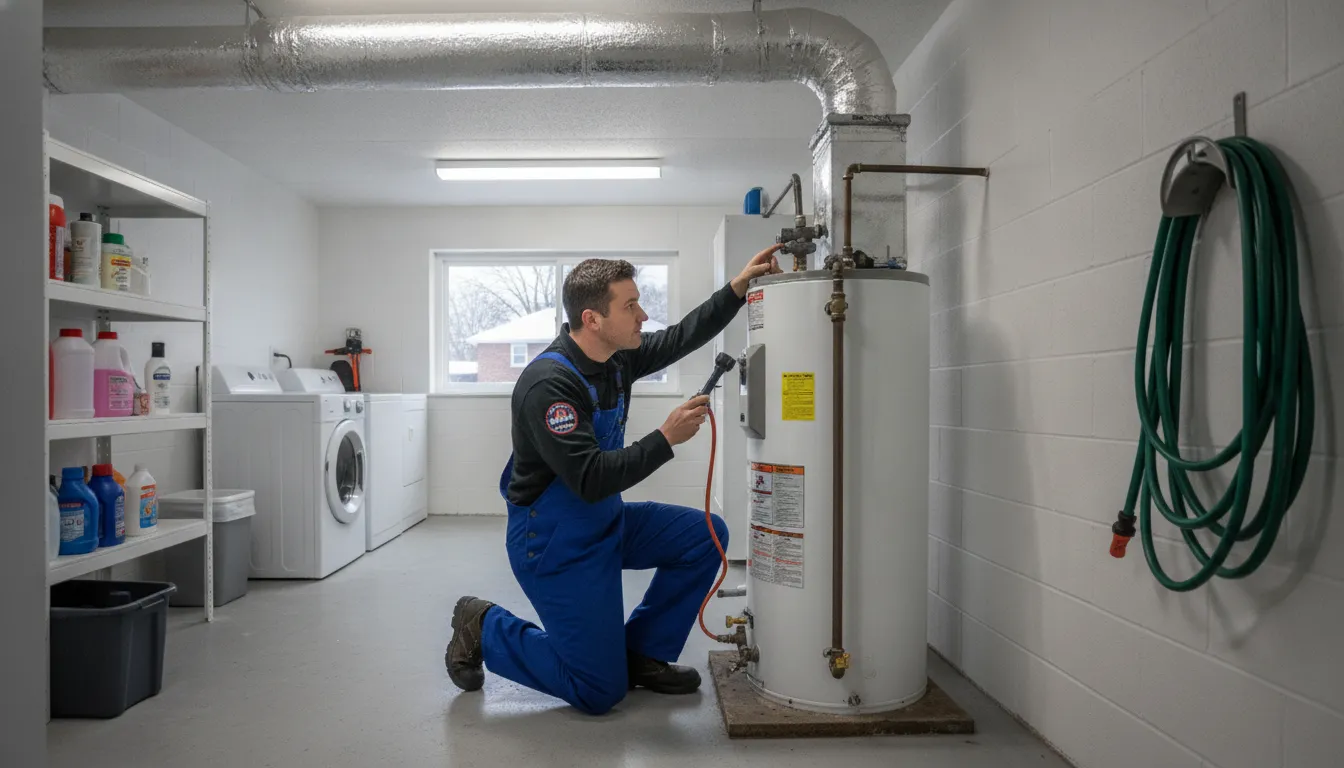
Active tank leaks, gas odors, burning smells, sparks, or repeated releases of hot water or steam require immediate attention. Leave the area if you smell gas. If it is safe, shut off the water supply to a leaking heater and call a licensed plumber before water reaches electrical equipment or finished surfaces.
Not every loss of hot water is an emergency. A failed heating element can usually wait for a scheduled visit. However, water spreading around the tank can damage flooring, drywall, stored belongings, and nearby equipment. Do not remove access panels, touch wet wiring, or attempt to repair a gas connection.
Call for emergency plumbing service when:
- Water is actively pouring from the tank body or connections.
- The temperature-and-pressure relief valve repeatedly releases water or steam.
- You smell gas near a gas-fired water heater.
- You see scorching, melted wiring, sparks, or smell burning.
- The leak is threatening finished floors, walls, or belongings.
Mr. Pipey provides 24/7 emergency response across Metro Detroit with no overtime charges. Homeowners receive the same flat-rate approach whether the urgent problem occurs during the day, at night, or on a weekend.
Can Your Water Heater Be Repaired?
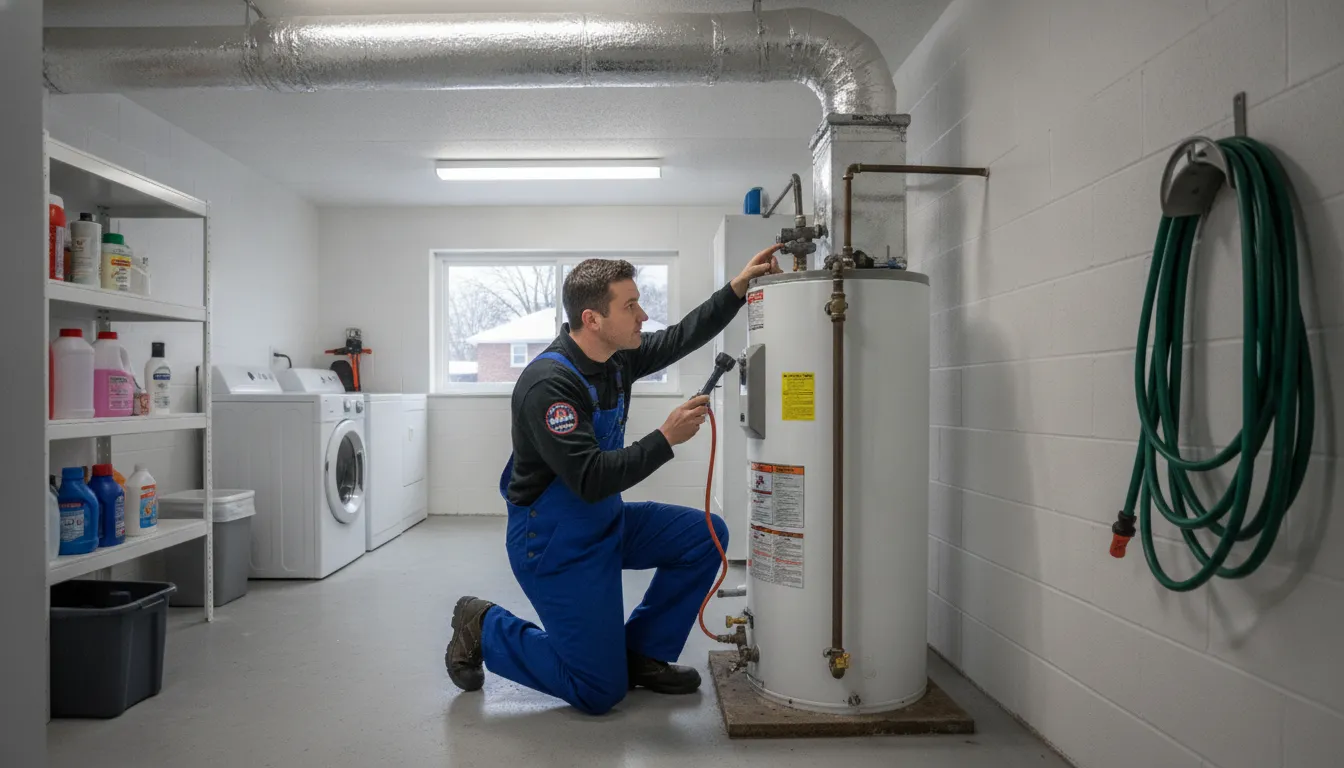
A water heater can often be repaired when the tank itself is sound and a replaceable component caused the failure. Heating elements, thermostats, ignition components, certain valves, and accessible connections may be serviceable. A plumber should still inspect the full system to confirm the repair addresses the root cause.
A water heater is a system made of several parts. Failure of one component does not automatically mean the entire unit must go. Professional diagnosis is especially worthwhile when the unit is within its expected service life, has otherwise been reliable, and still meets the household’s hot water needs.
No Hot Water or Water That Is Not Hot Enough
On an electric unit, a failed heating element, thermostat, breaker, or electrical connection may be responsible. On a gas unit, the issue may involve the pilot, ignition system, burner, gas supply, or controls. The correct fix depends on the cause. Repeatedly resetting the unit without finding the fault is not a lasting solution.
A Small Leak From a Connection or Valve
Water around the heater does not always mean the tank has ruptured. A loose fitting, supply connection, drain valve, or relief valve can leak. These problems may be repairable when found early. Water seeping through the tank body or consistently pooling beneath the tank more often points to internal corrosion and replacement.
Unusual Sounds From the Tank
Popping, rumbling, or crackling can occur when sediment collects in a tank-style heater. Sediment makes the unit work harder and can contribute to uneven heating. A plumber can assess whether maintenance may help or whether years of buildup and deterioration make replacement the better choice.
Discolored or Odorous Hot Water
Rust-colored hot water may be related to the tank, anode rod, or plumbing. Odors can also have several causes. Compare the hot and cold water before calling. If only the hot water is affected, tell the plumber because that detail helps narrow the diagnosis.
When Does Water Heater Replacement Make More Sense?
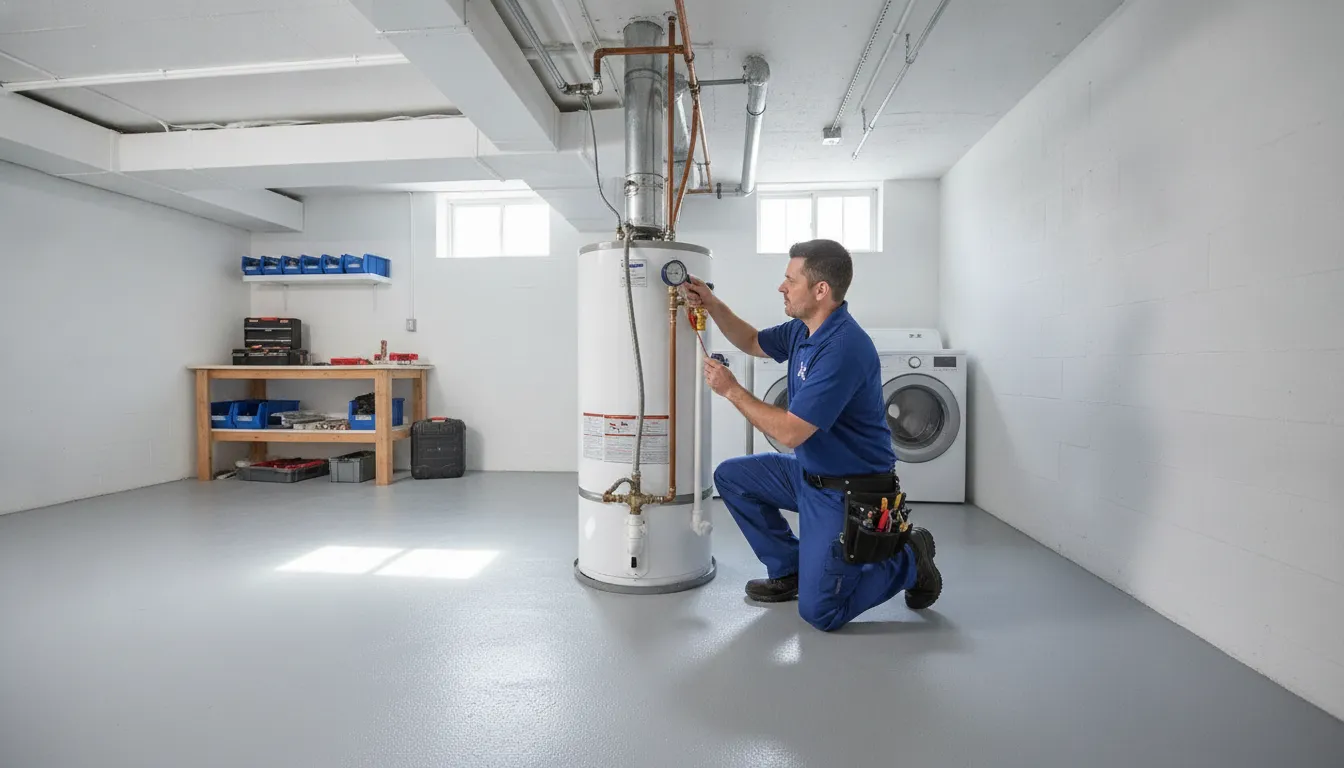
Replacement usually makes more sense when the tank body leaks, the unit is near the end of its expected lifespan. Failures are becoming frequent, or the heater no longer serves the household. Applying a costly repair to a deteriorated unit can postpone rather than solve the underlying problem.
The Tank Body Is Leaking
A leak from the tank body is one of the clearest signs that replacement is likely needed. Internal corrosion cannot usually be repaired reliably. A leaking tank can worsen without much warning, so do not wait for a small puddle to become a flooded utility room.
The Unit Is Near the End of Its Expected Service Life
Mr. Pipey’s service guidance places the typical lifespan of a conventional tank water heater at roughly 8 to 12 years. A tankless system can last up to 25 years with appropriate maintenance. These are planning ranges, not expiration dates. Water quality, installation, usage, maintenance, and equipment condition all influence actual service life.
If an older tank needs an expensive repair, ask whether that money would be better applied toward a new system. The manufacture date may be encoded in the serial number or printed on the equipment label. A plumber can help interpret it.
Repairs Are Becoming Frequent
One repair on an otherwise healthy unit can be sensible. Several repairs within a short period suggest the system is becoming unreliable. Add the recent repair costs, consider the inconvenience of repeated outages, and compare that total with the expected value and warranty of replacement.
Your Household Has Outgrown the Unit
A heater that works as designed may still be wrong for the home. If hot water regularly runs out after your household or usage changed, replacing it with a properly sized tank or tankless system may address the actual problem. Mr. Pipey’s water heater repair, replacement, and maintenance service covers conventional and tankless equipment.
Ask Mr. Pipey to inspect the complete system and explain whether a repair offers dependable value or replacement better protects your home.
Water Heater Repair vs. Replacement at a Glance
The best choice balances the location of the failure, equipment age, recent repair history, capacity, and tank condition. Repair favors a sound, reliable unit with a serviceable failed part. Replacement favors a leaking or deteriorated tank, repeated breakdowns, or equipment that no longer meets the home’s needs.
| Decision factor | Repair may make sense | Replacement may make sense |
|---|---|---|
| Leak location | Accessible valve, fitting, or connection | Water leaking through the tank body |
| Equipment age | Within expected service life | Near or beyond expected service life |
| Repair history | First isolated failure | Several recent breakdowns |
| Hot water capacity | Still meets household demand | Regularly runs out or is undersized |
| Overall condition | Tank and components are sound | Corrosion, deterioration, or ongoing leaks |
This table is a starting point, not a substitute for inspection. A relatively young heater with a repairable valve may still have hidden deterioration. An older but well-maintained unit may have a straightforward, reasonable repair. Ask the plumber to show where the problem began and explain what the proposed work will address.
Should You Choose a Tank or Tankless Replacement?
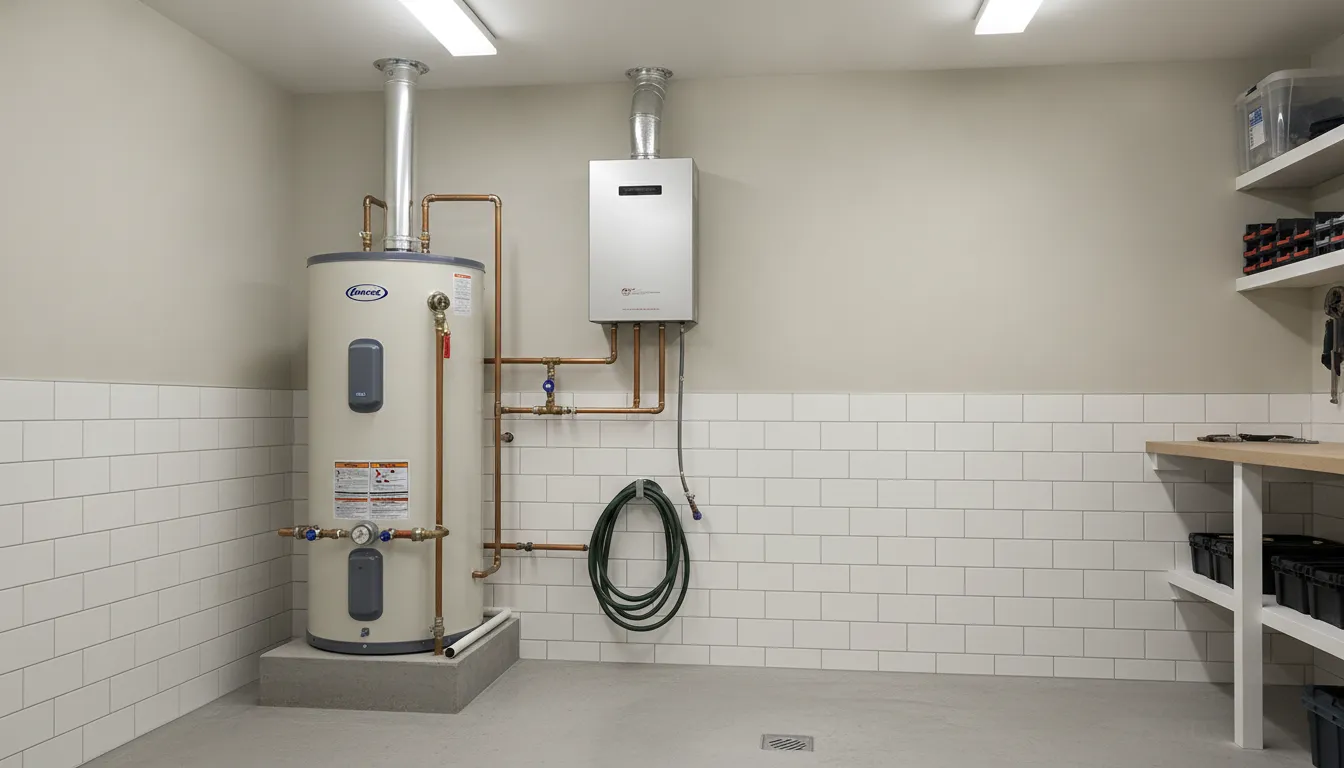
Conventional tank heaters are familiar, cost-effective systems that store hot water for use. Tankless heaters warm water on demand, save space, and can provide long service life with proper maintenance. The right replacement depends on household demand, available utilities, installation conditions, and the goals you discuss with your plumber.
A like-for-like tank replacement may be practical when the existing system served the home well and the installation area is suitable. Tankless equipment may appeal to homeowners interested in on-demand hot water and a compact wall-mounted design. However, selecting a tankless model requires proper sizing based on flow demand, and the home may require installation changes.
Do not choose based on equipment type alone. Ask how the proposed system will handle simultaneous hot water use, what maintenance it needs, and what installation work is included. For deeper guidance, review Mr. Pipey’s tankless water heater service.
What Should You Do Before the Plumber Arrives?
Make the area safe, note what changed, and gather basic equipment details without opening panels or touching gas or electrical components. Useful observations help the plumber begin diagnosis efficiently. If water is spreading and you can safely reach the shutoff, turn off the heater’s water supply to limit damage.
- Note whether the unit is gas, electric, tank, or tankless.
- Find the model and serial number if the label is easy to access.
- Describe when the problem began and whether it is constant or intermittent.
- Check whether only the hot water is affected.
- Take a photo of the leak area without moving the unit.
- Clear a safe path to the water heater.
If the leak appears to involve a nearby pipe rather than the heater, Mr. Pipey’s plumbing leak detection and repair service can identify the source. Avoid making assumptions based only on where the puddle appears because water can travel along pipes and surfaces.
How Do You Choose Water Heater Repair Near Me?
Choose a licensed and insured plumbing contractor that can diagnose conventional and tankless equipment, explain repair and replacement options, and provide pricing before work begins. Local experience matters because Metro Detroit homes vary in age, plumbing configuration, utility setup, and available installation space.
A nearby provider should offer more than fast arrival. The technician should explain the failed component, the condition of the tank, and what you can expect after the work. Useful questions to ask include:
- Are you licensed and insured?
- Do you service my type of water heater?
- Will I receive an upfront quote?
- Are there extra charges for evenings or weekends?
- What guarantee or warranty covers the work?
- Does the recommended repair address the cause or only the symptom?
Mr. Pipey is family-owned, licensed and insured, and based in Detroit. The company serves homeowners across Wayne, Oakland, Macomb, Washtenaw, and Livingston counties with upfront flat-rate pricing, no overtime charges, and a 100% satisfaction guarantee.
Contact Mr. Pipey for local water heater service and get clear options focused on a safe, lasting solution.
Frequently Asked Questions
Is it worth repairing a water heater?
It can be worth repairing a water heater when the tank is sound. The unit is not near the end of its expected life, and the failed part is serviceable. Replacement is often more sensible when the tank leaks, breakdowns are frequent, or the unit no longer meets household needs.
How do I know if my water heater needs repair?
Common warning signs include no hot water, inconsistent temperature, unusual sounds, discolored hot water, and leaks around valves or connections. A licensed plumber should identify the source before you decide whether to repair or replace it.
Can a leaking water heater be repaired?
It depends on where the water originates. A leaking connection or valve may be repairable. A leak from the tank body usually indicates internal corrosion and typically requires replacement.
How long do water heaters last?
Conventional tank water heaters often last about 8 to 12 years. Tankless systems can last up to 25 years with appropriate maintenance. Actual lifespan varies based on installation, water quality, usage, and maintenance.
Should I turn off a leaking water heater?
If you can do so safely, shut off the water supply to limit damage and contact a plumber. Do not touch wet electrical equipment. If you smell gas, leave the area and call the gas utility or emergency services from a safe location.
Get a Clear Repair-or-Replace Recommendation
The right answer comes from identifying the exact failure and weighing the repair against the age, condition, reliability, and capacity of the system. Mr. Pipey helps Metro Detroit homeowners make that decision with professional diagnosis and clear options.
Request water heater service from Mr. Pipey for upfront flat-rate pricing, no overtime charges, and work backed by a 100% satisfaction guarantee.