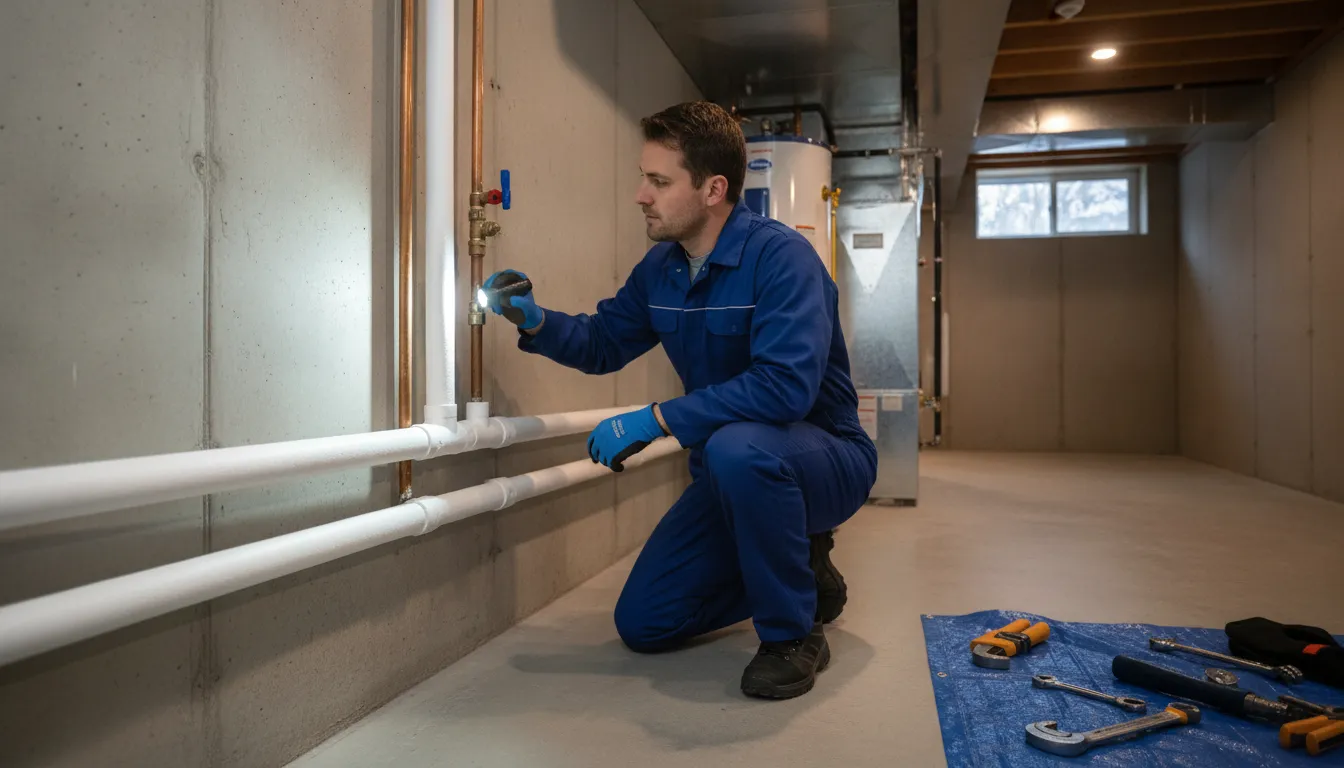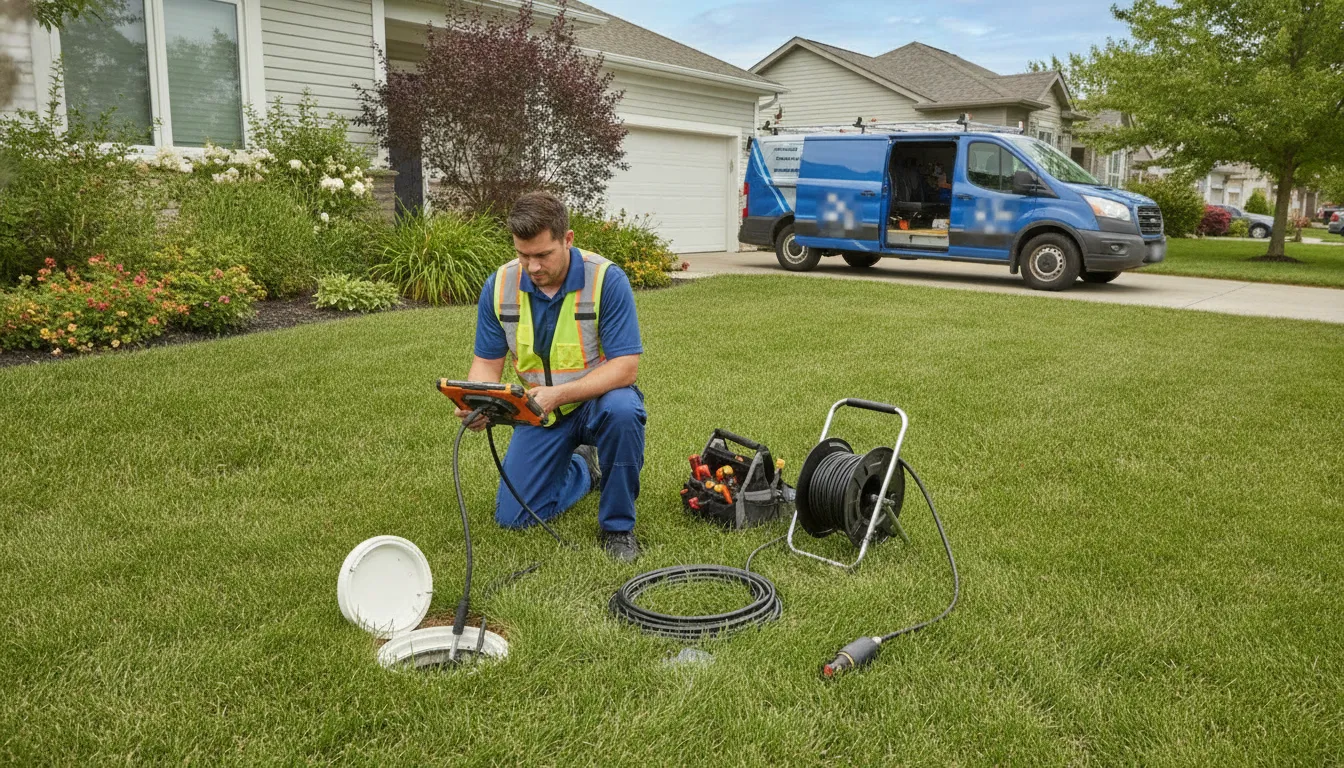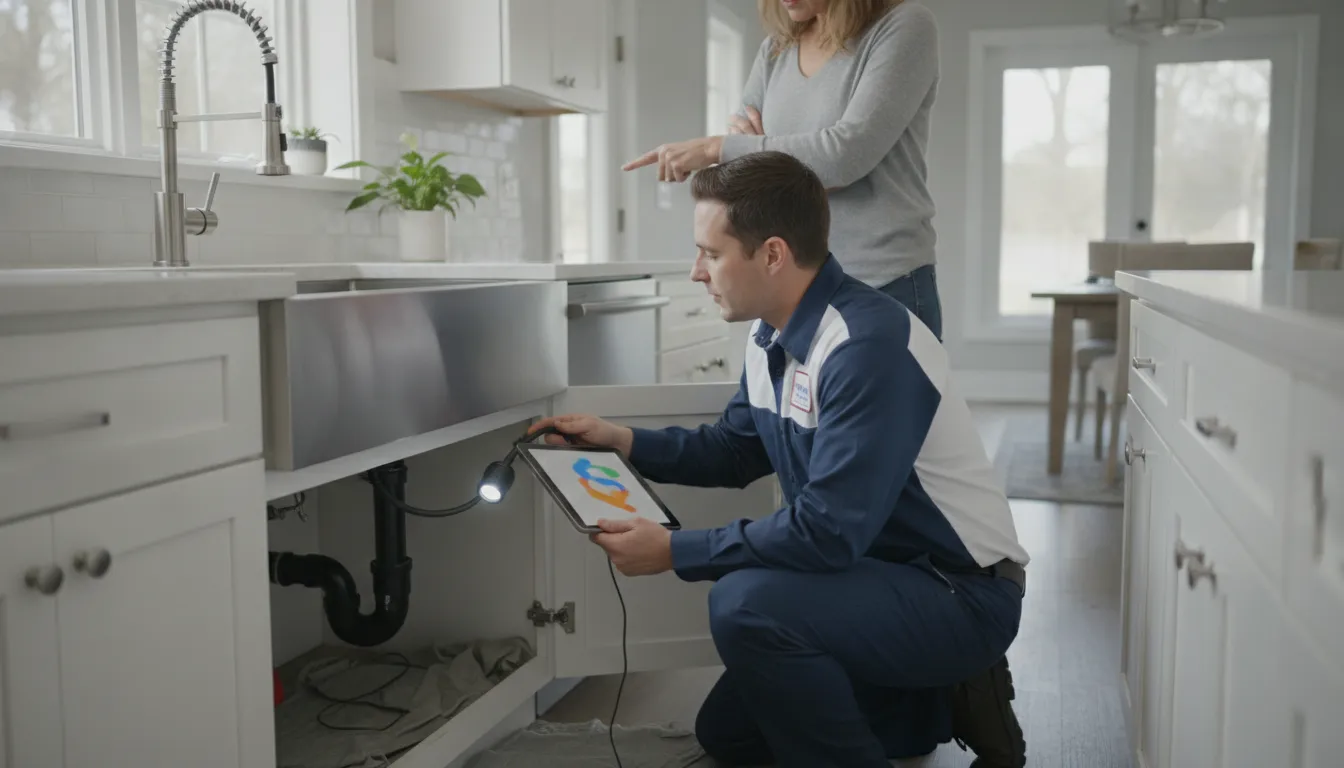
For Novi homeowners, the question “what is a sump pump and do i need one in Novi” has a property-specific answer. Basement design, drainage history, and water movement around the home all matter. A finished basement, a damp corner, or the next period of heavy rain can make the question more immediate.
Contact Mr. Pipey for professional sump pump guidance in Novi.
A sump pump collects water in a basin below or near the basement floor and sends it away from the foundation through a discharge line. A Novi home is more likely to benefit when it has a finished or below-grade basement, recurring moisture, a history of flooding, or unreliable seasonal drainage. Those conditions support a professional assessment.
The goal is not to install equipment simply because another house has one. It is to understand how the system works, recognize the conditions that make it useful, and have the drainage path evaluated before a preventable problem becomes disruptive.
What Is a Sump Pump and Do I Need One in Novi?
A sump pump is the active part of a basement drainage system. Water enters a covered or open sump basin, and a switch starts the pump as the level rises. The pump moves that water through a discharge pipe away from the home. Whether your Novi property needs one depends on water history and drainage conditions.
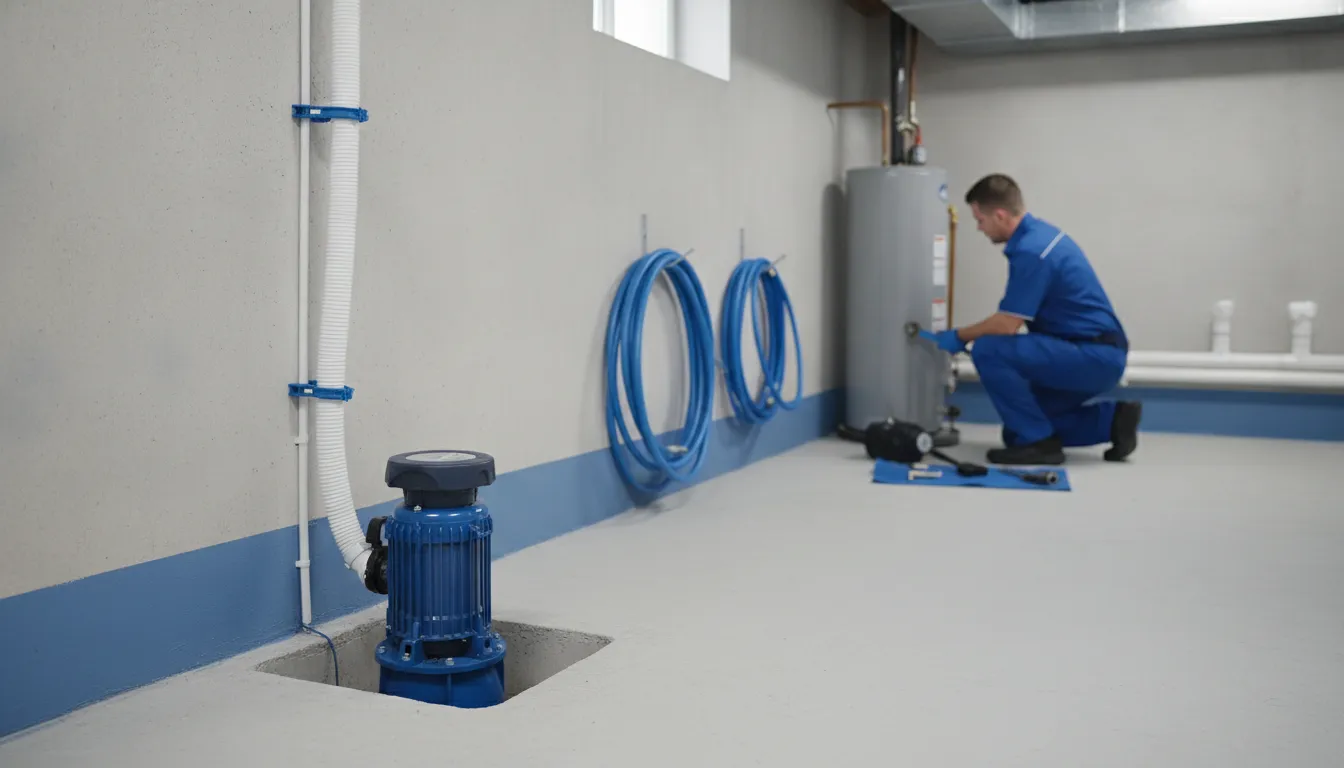
A sump pump is a mechanical pump installed in a basin called a sump pit. The basin sits at a low point where groundwater or foundation drainage water can collect. When the water reaches a set level, a float or pressure switch activates the motor. An impeller then pushes water into a discharge line that carries it away from the foundation.
This arrangement works with, rather than replaces, the rest of the drainage system. Foundation drain tile, grading, downspouts, basement floor drains, and the discharge route all affect the result. A pump can move water efficiently, but it cannot correct every drainage problem around a home. The basin, pump, check valve, power supply, and discharge line must be sized and arranged for the property.
The University of Minnesota Extension explains that basement moisture can come from several sources, including surface water, groundwater, condensation, and plumbing leaks. Its guidance on basement moisture is a useful starting point for separating a sump-pump question from a different water-intrusion issue: review the basement moisture guidance.

What happens inside the sump pit?
As water enters the basin, the level rises until the switch tells the motor to start. The impeller moves water into the discharge pipe. A check valve helps limit backflow after the pump stops, which reduces unnecessary cycling. When the water falls below the switch setting, the motor turns off.
Frequent short cycles, a pump that runs continuously, unusual noise, or water that remains in the basin can indicate that the system needs professional attention. These symptoms may relate to pump capacity, the switch, a blocked discharge, a failed check valve, or water entering faster than the system can move it.
What Is a Sump Pump and Do I Need One in Novi During Heavy Rain?
Heavy rain and snowmelt can increase the amount of water moving through soil around a foundation. A sump pump is especially useful when that water reaches a basement drainage system. It should be paired with a clear discharge route, a reliable power source, and a basin that can handle the expected inflow.
Seasonal precipitation does not affect every Novi property in the same way. Homes differ in elevation, soil, foundation age, drainage design, and the condition of nearby downspouts. A property may stay dry in ordinary weather but experience more water movement when the ground is saturated. That is why a history of dry conditions does not by itself prove that a pump is unnecessary.
Drainage design also matters outside the basement. Downspouts should discharge in a way that does not send roof water back toward the foundation. The ground around the home should shed surface water away from the structure. If the sump discharge terminates too close to the foundation, pumped water may return to the same area and increase the load on the system.
Local drainage questions often require an inspection rather than a general neighborhood assumption. The Novi service area page provides a direct starting point for local plumbing support, while a professional can evaluate the actual path water takes around your home.
Which Novi homes are stronger candidates?
- Finished or below-grade basements: A finished basement has more to protect from moisture, and below-grade walls and floors are exposed to surrounding soil.
- Homes with recurring dampness: Musty odors, wet spots, efflorescence, or moisture after rain deserve diagnosis instead of being treated as normal basement behavior.
- Properties with a flooding history: Prior seepage or a previous pump failure is meaningful evidence when planning drainage protection.
- Homes with changing groundwater conditions: Soil saturation, seasonal snowmelt, and changes in nearby drainage can increase water reaching the foundation.
- Basements that depend on a single pump: A primary pump may need a backup strategy when water damage would be especially disruptive or when power interruptions are a concern.
- Properties with uncertain discharge routes: A pump cannot protect the basement well if the discharge line is blocked, damaged, frozen, or returning water toward the home.
These factors do not create an automatic installation requirement. They identify homes where a sump-pump assessment can provide useful information before the next major weather event.
Why Do Oakland County Drainage Conditions Matter for Novi Basements?
Oakland County homes can have different elevations, soil conditions, foundation designs, and neighborhood drainage patterns within a short distance. For a Novi basement, those property-specific details matter more than a broad rule about the entire area. A professional assessment connects the pump, foundation drains, grading, and discharge route.
Novi includes a mix of newer construction, established subdivisions, finished basements, and properties with different grading and drainage layouts. Two nearby homes can therefore experience different basement water patterns. One may direct water to a sump basin through foundation drains, while another may have surface-water or plumbing issues that need a different solution.
Water that appears on a basement floor is not always groundwater. It may come from a failed water heater, a leaking supply line, a floor drain backup, a blocked basement drain, or condensation. Identifying the source is important because installing or replacing a sump pump will not resolve every cause. If the concern involves a basement floor drain or wastewater flow, review professional basement drain service as a separate pathway.
It is also important to consider what happens after water leaves the pit. A discharge line needs a suitable route away from the foundation. The city of Rochester’s public guidance on responding to street and basement flooding illustrates why property drainage and surrounding stormwater conditions can matter together: read the municipal flooding guidance. Novi homeowners should still rely on an evaluation of their own lot and drainage system.
Which Sump Pump System Details Affect Reliability?
Sump-pump reliability depends on more than the motor. The basin, pump capacity, switch, check valve, discharge piping, electrical supply, and backup plan must work together. A professional review looks for a clear discharge path, appropriate cycling, secure connections, and conditions that could make the system fail when water is entering quickly.
| System detail | Why it matters | What a professional checks |
|---|---|---|
| Basin and inlet | Collects water at the system’s low point. | Condition, cover, inflow, sediment, and placement. |
| Pump and switch | Controls how water is removed. | Activation, cycling, capacity, noise, and wear. |
| Check valve | Helps limit water returning to the pit. | Correct orientation, operation, and leakage. |
| Discharge line | Moves water away from the foundation. | Blockage, freezing, damage, slope, and termination. |
| Power and backup | Keeps the system available during an outage. | Dedicated connection and an appropriate backup approach. |
A pump that is too small for the inflow may run excessively. A pump that is not appropriate for the basin or discharge height may not move water as expected. A pump that works during a brief test can still have a problem with the switch, discharge line, or power supply. These details are why professional installation and maintenance are more useful than judging a system by whether it turns on once.
For a clear service sequence, a professional assessment generally follows four steps:
- Review the water history: Note when moisture appears and how the pump behaves.
- Inspect the system: Check the basin, pump, switch, valve, piping, and power connection.
- Trace the discharge: Confirm that water leaves the foundation area and does not return.
- Explain options: Recommend maintenance, repair, replacement, or backup planning based on the findings.
Some homeowners consider a battery backup or secondary pump when basement contents are valuable, the property has experienced flooding, or a power interruption would create a serious concern. The right backup arrangement depends on the primary system and the home’s risk factors. It should be evaluated as part of the complete drainage setup.
How Often Should a Novi Homeowner Check a Sump Pump?
Check a sump pump before seasons that commonly bring heavy rain or snowmelt. Review it sooner when it makes unusual sounds, cycles often, or leaves standing water. Professional maintenance can assess the pump, switch, basin, check valve, discharge route, and backup plan as one connected system.
A simple visual review can identify obvious changes, such as a high water level, damaged piping, a loose connection, or water returning near the foundation. However, a visual check does not confirm pump capacity or reveal every electrical and mechanical problem. A professional can test how the system starts, runs, stops, and discharges water.
Schedule an assessment if you notice any of the following:
- The pump does not start when the water level rises.
- The pump runs continuously or turns on and off in rapid cycles.
- The motor becomes loud, vibrates, or produces a new grinding sound.
- Water returns to the basin shortly after the pump stops.
- The discharge line is blocked, frozen, or damaged.
- The basement has new dampness or seepage after rain, thawing, or plumbing work.
Maintenance is also a useful time to discuss backup power and discharge improvements. Mr. Pipey’s sump pump battery backup guidance covers a related planning question, while an on-site review can determine whether that approach fits your system.
A sump-pump check should not be delayed when water is already entering the basement. If the issue is active or involves a plumbing failure, emergency plumbing support may be appropriate.
When Should You Schedule a Professional Sump Pump Assessment?
Schedule a professional assessment when a Novi basement has recurring moisture or a history of flooding. An aging or noisy pump, an unclear discharge route, or no backup plan also supports an evaluation. An assessment can determine whether the issue is the pump, the drainage system, the plumbing, or a combination.
A professional assessment begins with the home’s symptoms and history. The plumber can ask when water appears, whether it follows rain or thawing, how often the pump runs, and whether the basement has been remodeled. Those details help distinguish groundwater movement from a plumbing leak, drain backup, or surface-water problem.
The inspection can then review the basin, float or pressure switch, motor, impeller, check valve, discharge pipe, power connection, and visible foundation drainage components. It should also consider the grade around the home and whether downspouts or discharge water could return toward the foundation. The result should be a clear explanation of what is working, what needs attention, and which service options fit the property.
Mr. Pipey provides sump pump installation and maintenance for Metro Detroit homeowners. The sump pump service page explains the related plumbing service, and the Novi location page provides a local contact path. Mr. Pipey’s service information describes the company as licensed and insured, with upfront service options and a 100% satisfaction guarantee. Its emergency plumbing information also states that after-hours calls do not carry overtime or double-time charges.
Frequently Asked Questions About Sump Pumps in Novi
What does a sump pump do?
A sump pump collects water in a basement basin and sends it through a discharge line away from the foundation. It works with foundation drainage and does not replace proper grading, downspout routing, or repairs to a leaking pipe or blocked drain.
Which Novi homes are more likely to need a sump pump?
Homes with below-grade or finished basements, recurring moisture, previous flooding, changing groundwater conditions, or an uncertain discharge route are stronger candidates for an assessment. The property should be evaluated rather than judged only by its age or neighborhood.
How often should a sump pump be checked?
Have the system reviewed before periods of heavy rain or snowmelt. Schedule service sooner if the pump is noisy, cycles frequently, fails to start, or leaves standing water. A professional check can evaluate the entire drainage path.
Does a sump pump need backup power?
Backup power can be useful when a basement contains valuable finished space, the home has a flooding history, or an outage could occur during a major storm. The appropriate backup depends on the primary pump, expected inflow, and the home’s electrical setup.
Contact Mr. Pipey for clear, professional sump pump guidance in Novi.